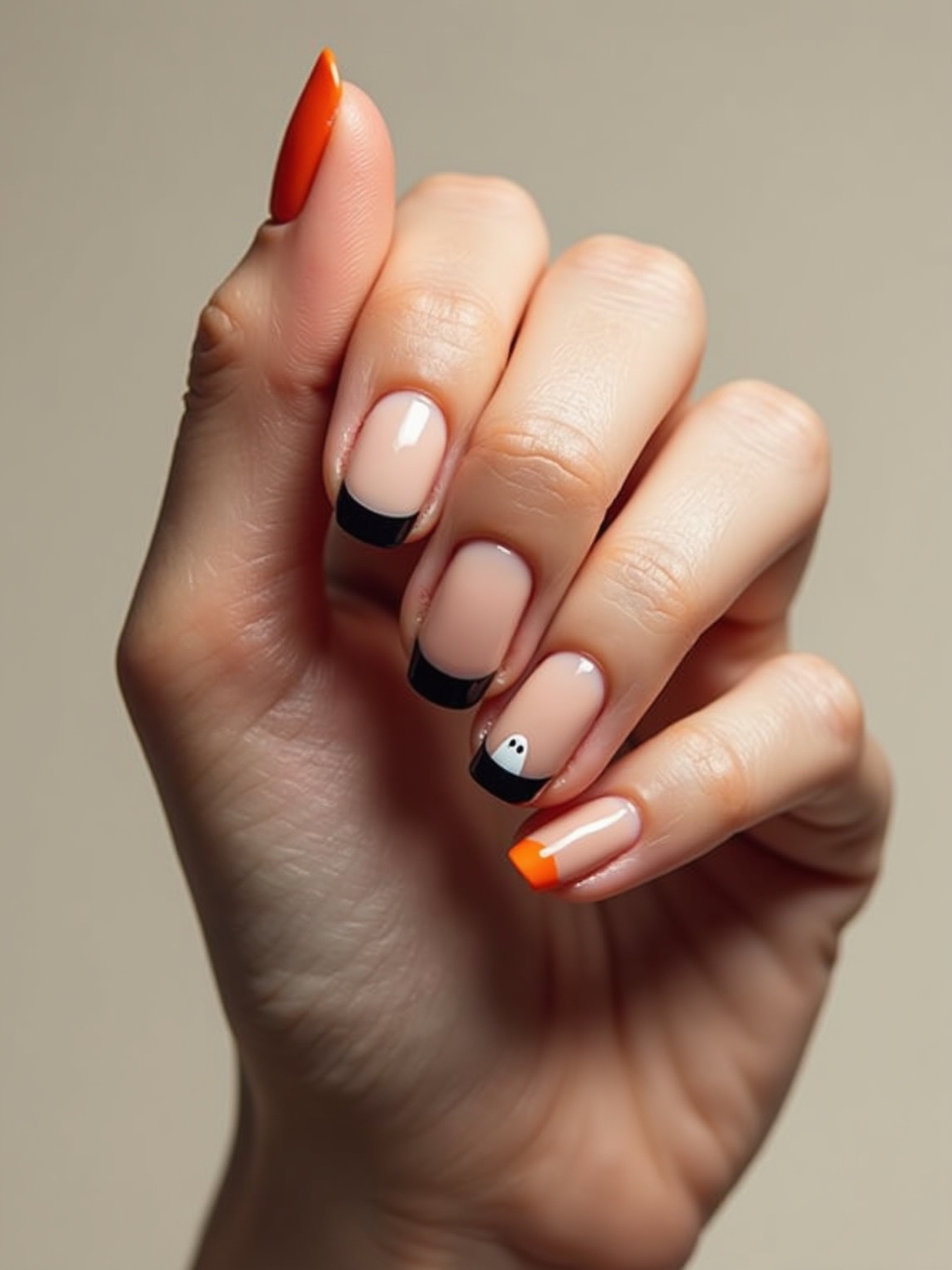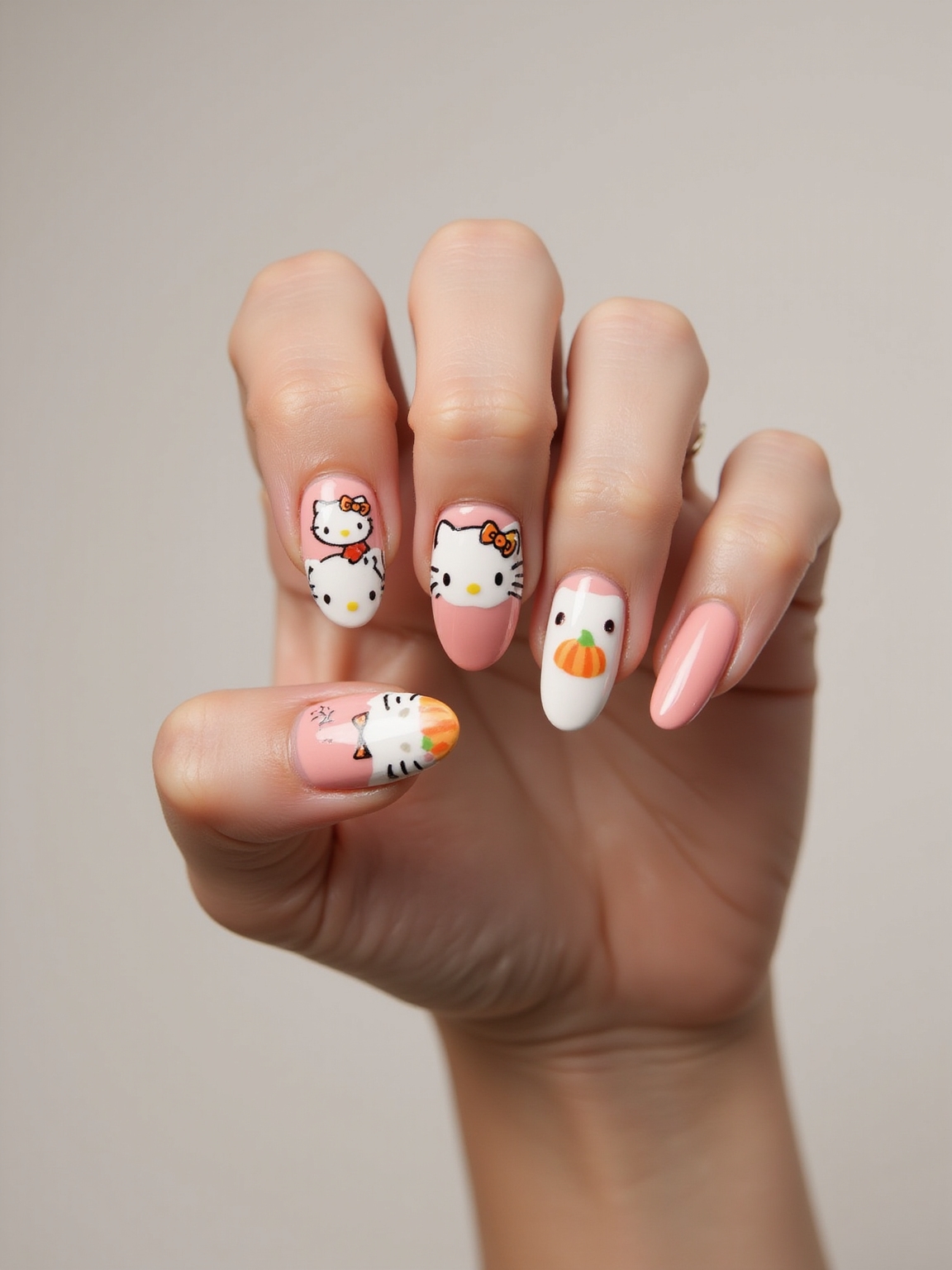

The myth about double French tips is that they’re twice the fuss for a barely-there change. In person, that second line does something the single French never could: it adds a quiet bit of dimension and personality to the tidiest, most classic manicure there is. One arc looks polished; two looks considered.
These 11 designs run from a whisper-soft white-on-white to a neon double that practically glows, with chrome, ombre, and tortoiseshell takes in between. For each I’ll show you how the two lines are placed, who it flatters, and roughly what it runs, since the precision of twin lines usually means a gel set and a steady hand. Pick the one that fits your mood, from boardroom to brunch.
What to Know First
A double French is exactly what it sounds like: two thin lines tracing the tip, where the classic has one, with a sliver of space between them. That gap is the whole trick, too tight and it looks like one thick band, too wide and it loses the elegance. Because the lines have to be thin and parallel, this is a design that rewards a steady hand or a good nail tech, and it usually wants a gel finish to hold those crisp edges chip-free.
Beyond that, the range is huge. Keep both lines the same color for understated polish, contrast them for drama, or play with placement, reverse them toward the cuticle, split them with negative space, or curve them into twin ombre arcs. A salon gel double French runs roughly $45 to $65, a little more than a plain French because the line work takes longer.
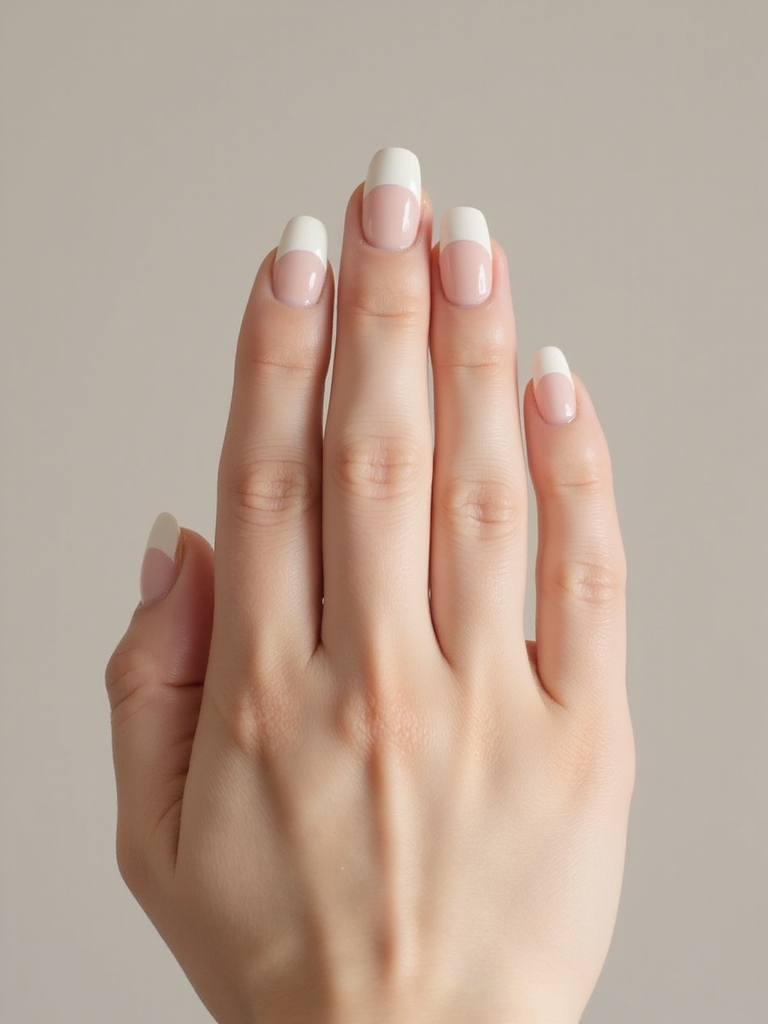
Classic White-on-White Double Tips

This is the purest version and the one I’d start anyone on. Two slim white arcs, the first hugging the edge and the second sitting just above it, give that crisp echo that looks like a tailored cuff on the nail.
Why the gap between the lines matters most
The airy gap between the lines is what creates the dimension, so keep the second arc a true whisper above the first, not crowding it.
It’s timeless and works on any nail length, dressed up enough for a wedding and clean enough for the office. If you’re new to the idea, building it over the classic single French is the natural place to begin; my French tip guide covers the base technique.
Minimalist Nude With Micro Double Lines
For the quietest possible version, a sheer nude base with two micro-thin lines near the tip looks like your nails but a little more done. The base should match your undertone so it passes as your own nail, only glossier:
- Pick a sheer nude that disappears into your skin tone so the lines do all the talking.
- Map two micro-thin lines near the free edge with the tiniest whisper of space between them.
- Anchor your hand and go slow; at this scale, precision is the entire look, so a striping brush or a tech is worth it.
Bold Black-and-White Contrast Tips
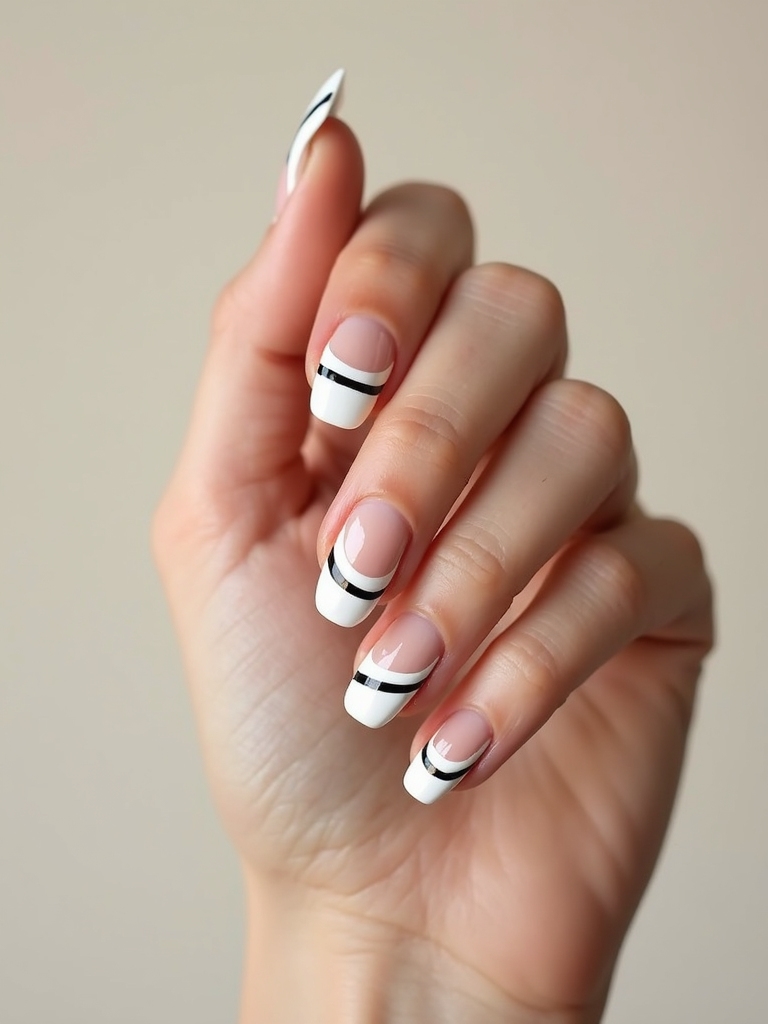
Nothing turns heads faster than a black-and-white double French. Twin arcs of inky black hugging crisp white give a graphic, almost couture contrast that makes the tidiest manicure feel bold.
- Pair the two colors however you like: mirror them, stagger them, or flip the order for a rebellious twist.
- Keep both lines equally thin so the high contrast stays sharp instead of heavy.
- Seal with a glossy topcoat so the black stays glassy and the white stays bright.
Soft Pastel Two-Tone French
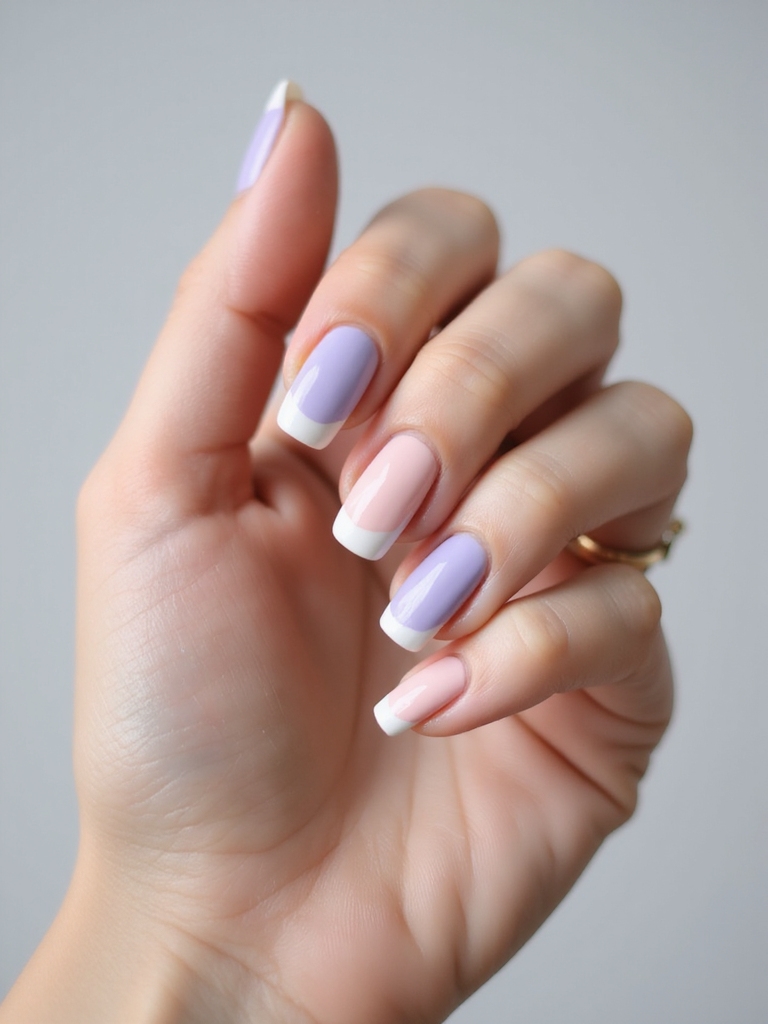
This is the sweetest, most spring-like version: two complementary pastels paired like a coordinated outfit, mint with lilac, or peach with sky blue. The thin double lines frame the smile without overwhelming it, so the color stays soft and fresh:
- Choose two pastels that sit near each other on the color wheel so they feel like a duet.
- Keep the lines delicate; pastels look best kept whisper-thin.
- Pick your finish for the mood: a velvety matte top for softness, or high-gloss for a candy-coated pop.
A few double-French terms, decoded:
📖Double French
Two thin lines tracing the tip with a sliver of space between them, instead of the single line of a classic French.
📖Reverse French
The arc placed at the cuticle (the half-moon) instead of, or in addition to, the tip.
📖Negative space
Leaving part of the natural nail bare as part of the design, so the polish frames rather than fills the nail.
Neon Edge Double French
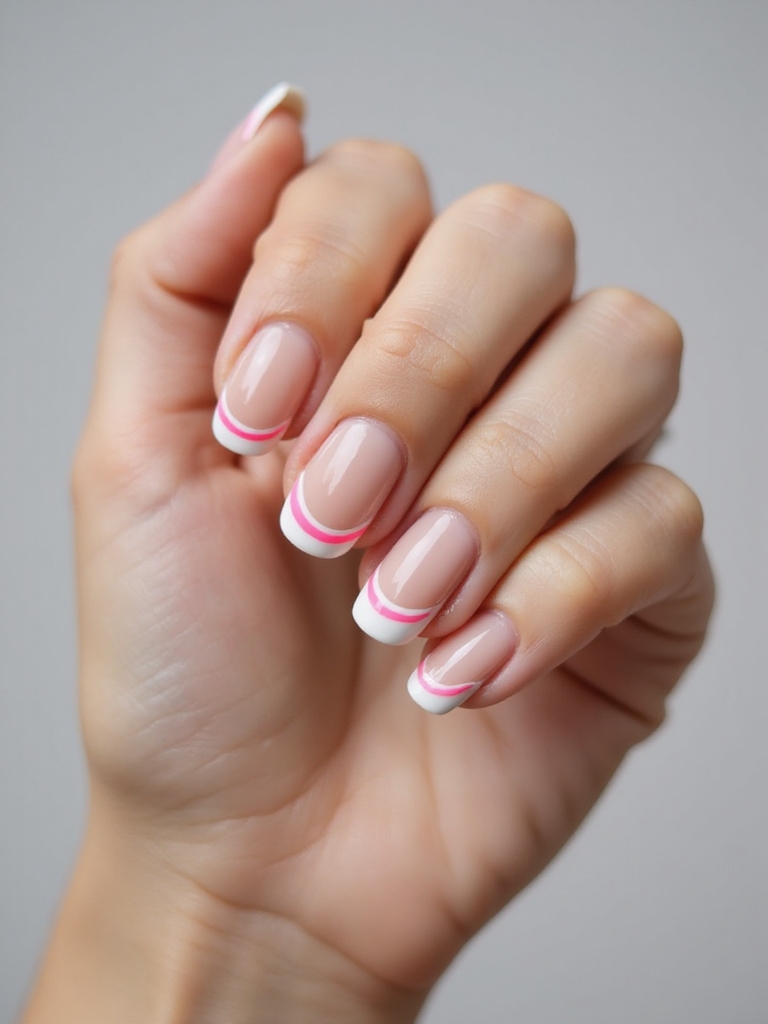
A flash of neon at the tip doubles the fun. Twin arcs in bright shades, lime hugging the edge with hot pink floating above, turn your hands into tiny highlighters, perfect for summer or a festival.
Why neon needs an opaque base under it
Mix the brights however you like: electric orange with cobalt, or neon lavender with acid yellow. The contrast is the point.
Neon shows best over a clean, opaque white or nude base underneath so the colors stay true and bright instead of sinking into the nail. Pair the look with simple jewelry so the tips stay the star.
Mirror-Like Chrome Accented Tips
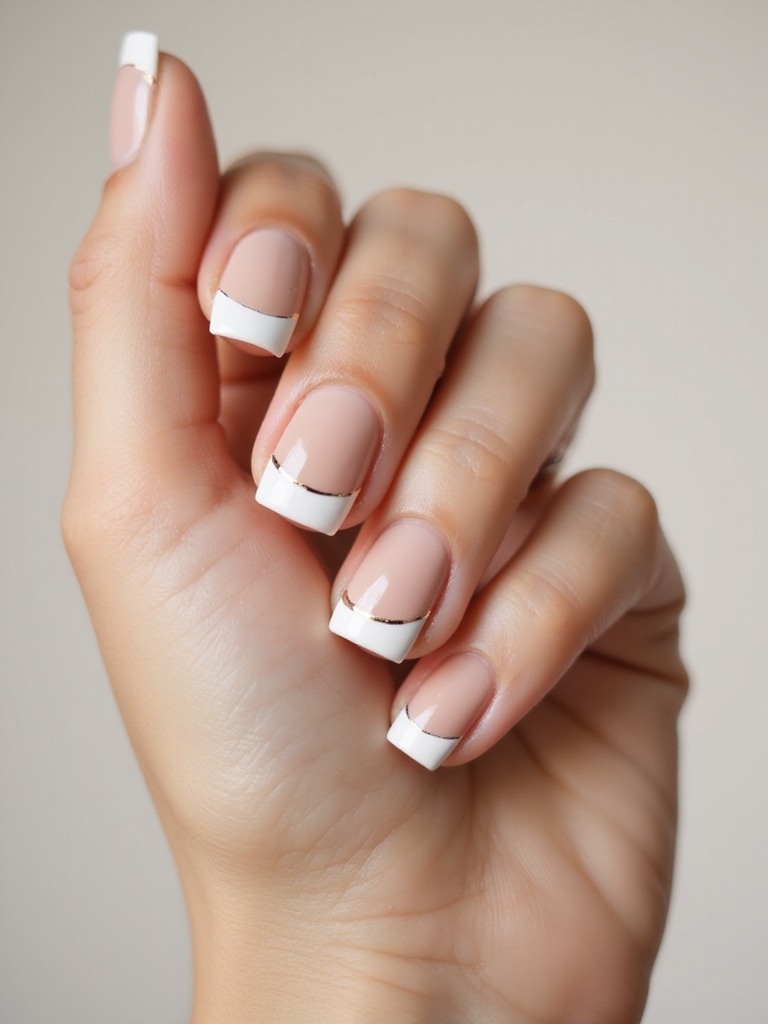
For full glam, a chrome edge turns a simple French into a tiny mirror that catches every light. A mixed-metal double line, cool silver kissing warm gold, makes the tips look like fine jewelry:
- Lay a sheer pink or nude base, then add razor-thin chrome lines so the metal reads as a delicate accent.
- Chrome powder only sticks to a cured gel surface, which makes this a salon or at-home-gel-kit project.
- Mix two metals for dimension; for the full chrome treatment, my chrome nail guide covers the technique.
Negative-Space Half-Moon French
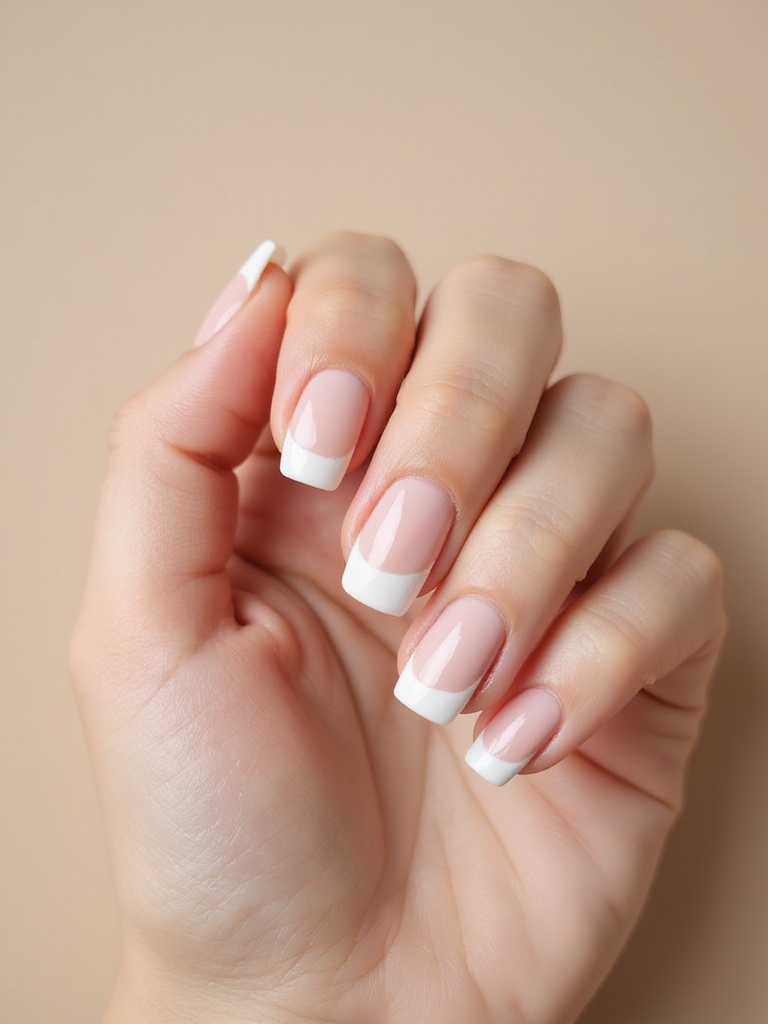
This one lets the natural nail do half the work. A crisp arc or angled band of color near the tip, with the airier side left bare, gives a chic, breathable, slightly mischievous take on the double French.
Using striping tape for a razor-sharp edge
Striping tape is the secret to the clean divide. Tape off your line, swipe the bold tip color, then peel the tape while it’s still slightly wet for the sharpest edge.
With most of the nail left bare, the grow-out barely shows and the whole thing feels modern and minimal. Seal it with a glossy topcoat so the crisp edge stays defined. It’s a great low-commitment way to try a graphic tip.
💡Nail Tech Tip
If you’re doing a double French at home and your lines come out wobbly, paint the tips first with both arcs slightly thick, then clean and sharpen the edges afterward with a small angled brush dipped in acetone. It’s far easier to carve a clean line into wet-but-set polish than to freehand a perfect thin one.
Sunset Ombre Double Curve Tips
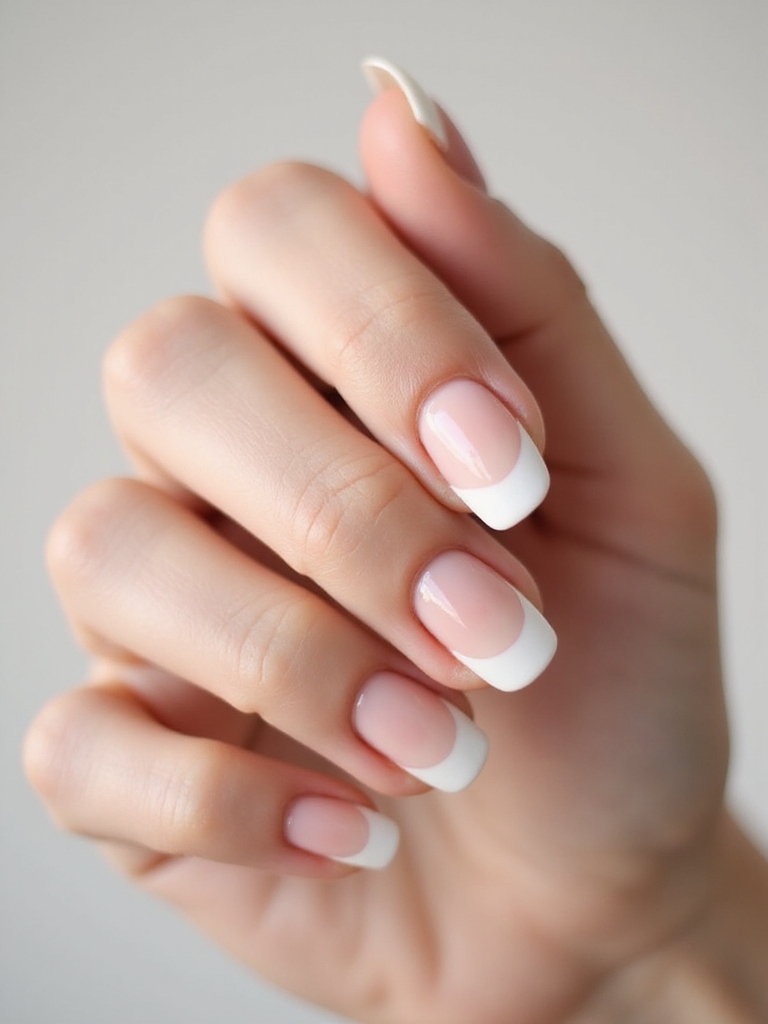
This is the dreamiest design here: two shades blended into twin curved tips that swoop like mirrored smiles and shift as your hand moves. Starting with a soft base, then coaxing two colors to meet and melt along each curved edge, gives a gradient that catches the light.
It takes a little patience to blend cleanly, but the payoff is a polished, flirty finish.
- Use a tiny sponge to blend the two tip shades so they melt with no hard line.
- Keep the curved arcs mirrored on each nail for that balanced, intentional look.
- Pick warm sunset tones (peach to coral to pink) or any duo you love; my ombre nail guide has more blending tips.
Glitter-Outlined Double French

When you want a little sparkle, tracing the twin tips with a fine glitter liner makes them twinkle like confetti. The double bands stay chic, but the shimmer turns them party-ready in seconds:
- Use a fine glitter liner instead of loose glitter so the edges stay crisp and defined.
- Anchor it over a sheer base so the glitter lines float cleanly on the nail.
- Seal twice for shine and to lock the glitter down, since glitter edges can catch and lift.
On Removal
Resist peeling a gel double French off when it starts to lift, however tempting. Peeling takes the top layer of your natural nail with it and leaves nails thin and weak. Soak the set off with acetone instead, or have your tech remove it, so your nails stay healthy enough for the next design.
Reverse Double French With Half-Moons
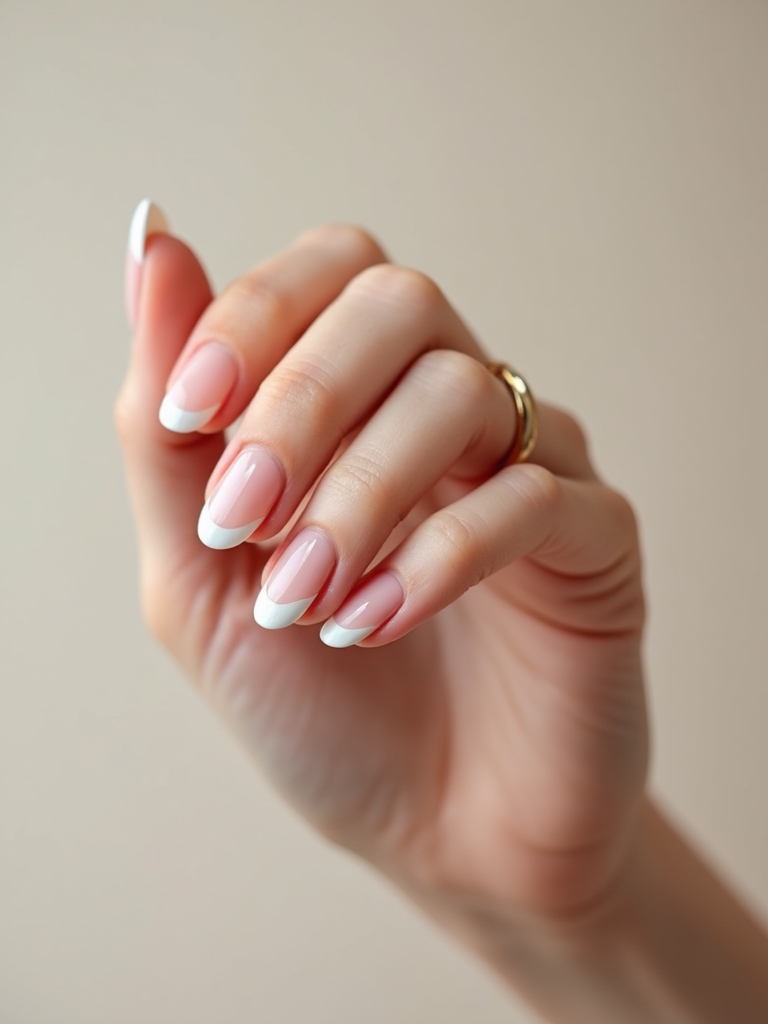
If the classic French is a whisper, the reverse version is a wink. Two sleek arcs hug the cuticle while a crisp line mirrors them near the tip, so the design frames the nail at both ends and the negative-space half-moon glows like a little secret.
Two contrasting shades make it pop most, one for the half-moon arcs and one for the tip. Trace the half-moon at the cuticle first, then the tip line, and seal it all with a glossy topcoat. It’s an unexpected, editorial twist that still looks polished, and it draws the eye to the whole length of the nail.
Tortoiseshell and Caramel Double Tips
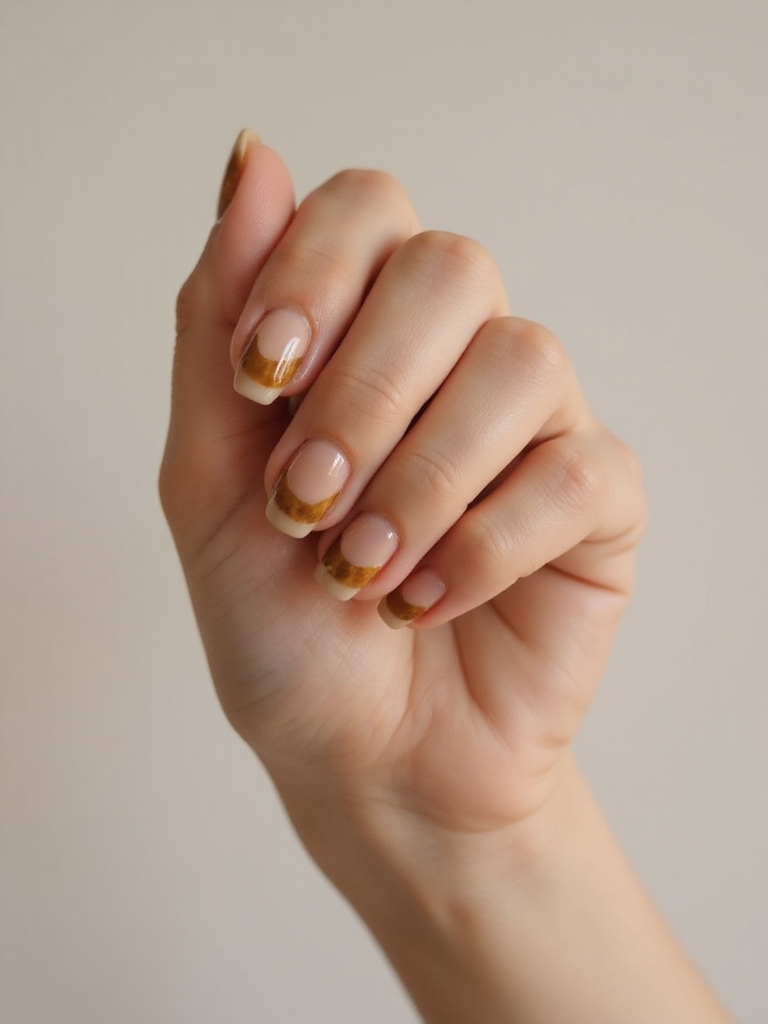
This is the cozy, fall-leaning favorite: a smoky amber tortoiseshell tip with a slender caramel line traced just above it, rich and glossy like caramel over espresso. The warm flecks catch the light, and the double arc elongates the nail beautifully.
- Build the tortoiseshell with a sheer amber base, then dab smoky brown and black flecks and soften them with a brush dipped in alcohol.
- Trace the thin caramel line just above the tip so it frames the pattern.
- It flatters every skin tone and pairs with almost any outfit; a glossy topcoat is what gives it that decadent depth.
Maintenance & Care
Because a double French lives on two thin, precise lines, the whole look depends on keeping those edges clean, and that comes down to the topcoat and the tips. Cap the free edge of every nail with color and topcoat so the lines don’t chip back at the very tip, where wear hits hardest, and refresh a thin layer of topcoat after about a week to keep everything glassy.
Gel holds those crisp parallel lines far longer than regular polish, usually two to three weeks, which is why a design this precise is worth doing in gel if you can.
A few notes for the trickier finishes. Chrome and glitter lines scratch or catch if you’re rough with them, so treat them gently and seal them well. Tortoiseshell and ombre tips show wear less obviously than stark white, which yellows and chips most visibly, so a white-on-white double will need the most upkeep to stay pristine.
And whenever it’s time to take a gel set off, soak it rather than picking, which strips the top layer of your natural nail along with the design. Keep cuticle oil going daily and the whole look stays sharp.
Double French Tips, Answered
?What is a double French manicure?
It’s a twist on the classic French where two thin lines trace the tip instead of one, with a small gap between them. That second line adds subtle dimension and a more considered, modern feel. You can keep both lines the same color for a quiet look or contrast them for drama.
?Can I do a double French at home?
Yes, though it takes a steady hand because the lines need to be thin and parallel. Use a striping brush or nail tape, paint the arcs slightly thick, then clean up the edges with an angled brush dipped in acetone. The simpler color combos, like white-on-white or nude, are the most forgiving to start with.
?How much does a double French cost at a salon?
Expect roughly $45 to $65 for a gel double French, a little more than a plain French manicure because the extra line work takes more time and precision. Detailed versions with chrome, glitter, or ombre can add to that, while a simple two-tone stays at the lower end.
?Which double French design lasts the longest?
Glossy gel designs in forgiving colors like tortoiseshell, nude, or ombre wear best, since they hide tip wear better than stark white, which yellows and chips most visibly. Whatever the color, capping the free edge and doing it in gel rather than regular polish is what keeps those thin lines crisp for two to three weeks.
?Does a double French suit short nails?
It does, beautifully. The thin twin lines actually make short nails look a little longer by drawing the eye to the tip, and a delicate nude or white double keeps short nails looking elegant and uncluttered. Just keep the lines fine and the gap small so they stay in proportion.
Find the Double French That’s Yours
What makes the double French so wearable is its range. The same simple idea, two lines instead of one, stretches from a barely-there nude that suits any office to a neon or chrome double made for a night out, so there’s a version for every mood and every nail length. The technique is the same; only the color and placement change.
Start with a classic white-on-white or a soft nude to get a feel for placing those twin lines, then play with contrast, ombre, or a reverse half-moon once the basic arc feels easy. Bring a clear photo to your tech for the precise ones especially, since clean, parallel lines are what make or break this look. Then enjoy how a tiny second line turns the most classic manicure into something that feels entirely your own.
Related Reads