


The day a client let me put a teal shadow on her, after a decade of brown only, she stared in the mirror and said she had no idea her eyes could look like that. That is what bold eyeshadow does: a single color choice can change how your whole face reads, and it is far less scary than it looks.
These 15 eyeshadow ideas lean into color and finish, from a mirror chrome lid to a soft watercolor wash. For each one I have noted the formula that makes it work and how to adjust the shade so it shows up true on your skin tone, because the right pigment matters more than any fancy technique.
Bold Shadow, the Essentials
How do I make bold shadow show up? Start with a primer, and for bright or pastel shades lay a white or cream base underneath. Pigment payoff depends far more on the base than the brand.
Which formula should I use? Cream and pressed pigments give the most intense, one-swipe color; loose pigments are boldest but messiest. Match the formula to the finish you want.
Will bold color suit my skin tone? Yes, with the right shade. Deep skin glows with saturated jewel tones and warm metals, while a pale base under pastels keeps soft colors from disappearing.
Electric Neon Shadow Wings
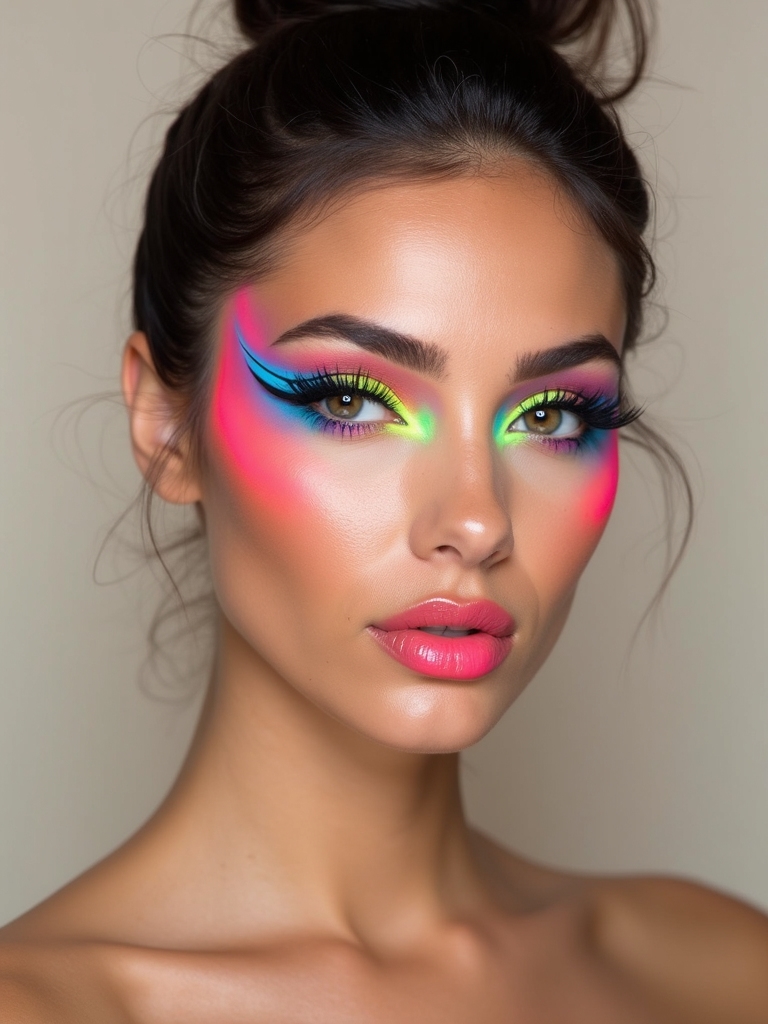
Neon eyeshadow shaped into a graphic wing is bolder than any liner, and the key to true color is the base. A few things make it land:
- Start with a pale cream base that keeps the neon bright and true.
- Use a damp flat brush to pack on a water-activated or pressed neon for full payoff.
- Keep the shape simple so the color leads the look.
Mirror-Chrome Shadow Lids
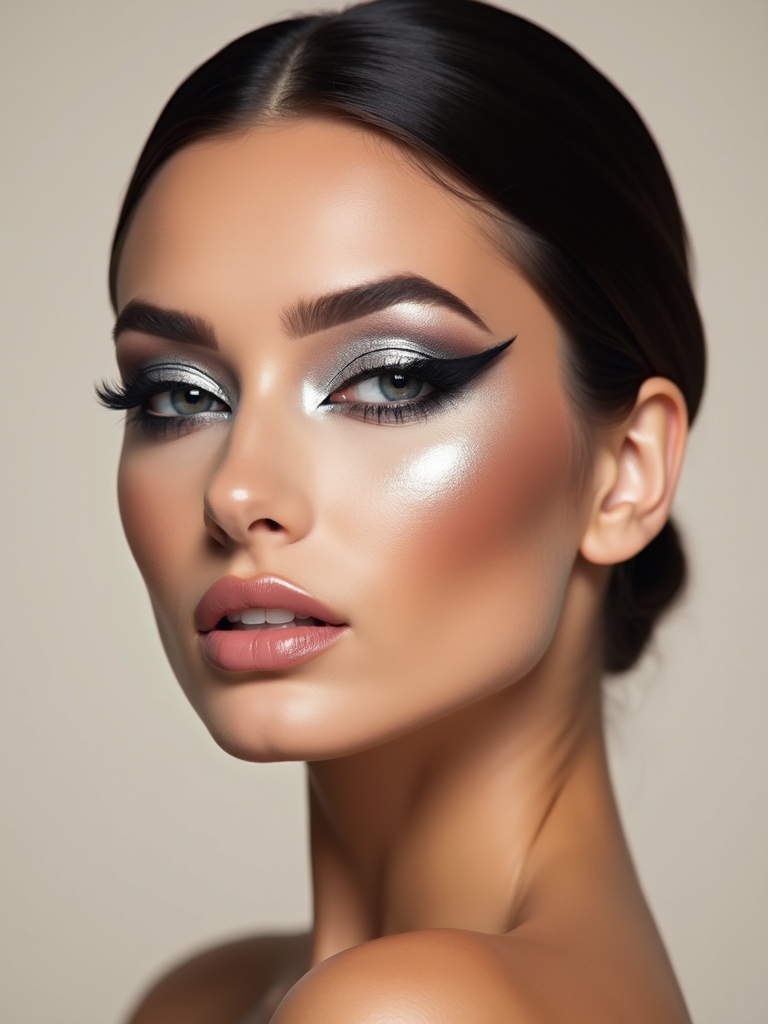
Chrome shadow gives that liquid-metal, mirror finish, and it only turns fully reflective when applied the right way over a sticky base.
- Tap a thin tacky base or a dab of cream shadow on the lid first.
- Press chrome pigment on with a fingertip, patting it into place.
- Leave the edges slightly soft so it looks molten and liquid.
ℹ️Good to Know
Chrome and duochrome pigments only turn fully reflective over a smooth, slightly tacky base. Applied dry over bare skin they look dull, which is why a cream base or setting spray on the brush makes such a dramatic difference.
An Emerald-and-Sapphire Smoky Eye
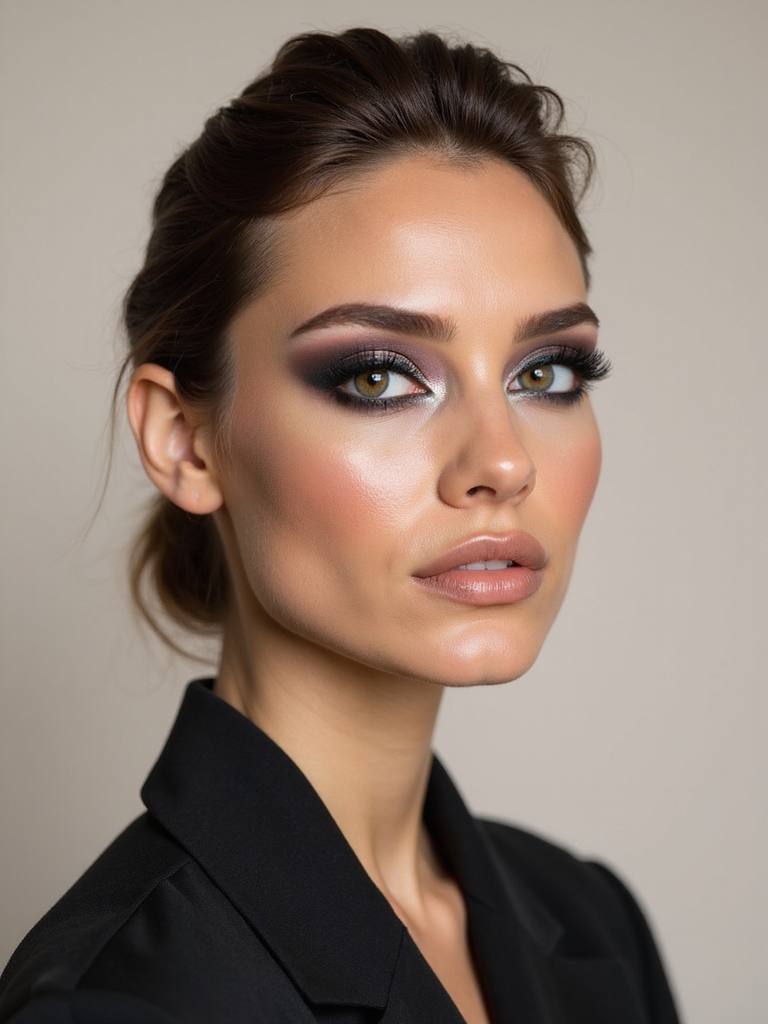
Swapping the usual black smoke for jewel tones gives you all the drama with a hit of color. Emerald and sapphire blended together look rich and a little unexpected.
- Build a base of emerald through the lid and lower lash line.
- Deepen the outer corner with sapphire so the two melt where they meet.
- Smoke both softly so it stays a smoky eye, just in color.
A Soft Watercolor Shadow Wash
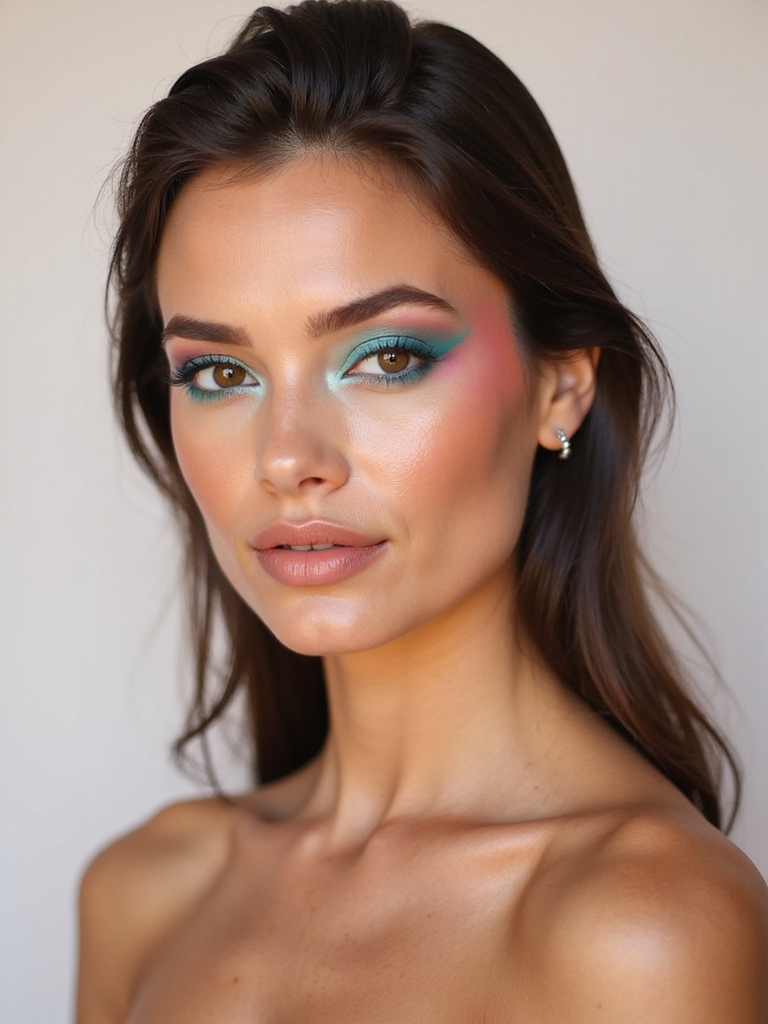
A watercolor wash is the gentlest way to wear color, sheer pigment floated over the lid so it looks painted on with water. It is forgiving and quick:
- Sheer the shadow out with a fluffy brush or a touch of clear balm.
- Blend past the crease so the color fades softly with no hard edge.
- Layer two soft tones for that watercolor depth, like rose into lilac.
A Teal-to-Purple Halo
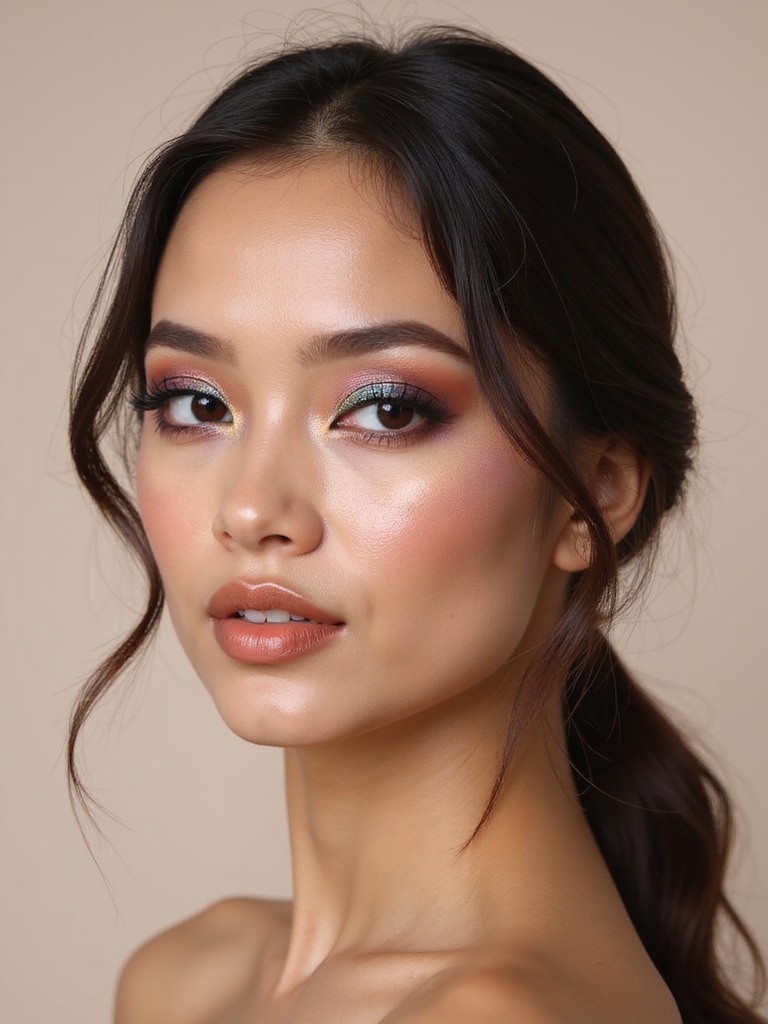
A halo eye places a brighter shimmer in the center of the lid with deeper color at the corners, and in teal-to-purple it looks dimensional and a little hypnotic. The center shimmer is what gives the eye that round, lit-up shape.
Press teal through the inner and outer thirds, blend purple at the very edges, then pat a bright shimmer dead center. Keeping the shimmer concentrated in the middle is what sells the glow.
A Single-Shade Bold Lid
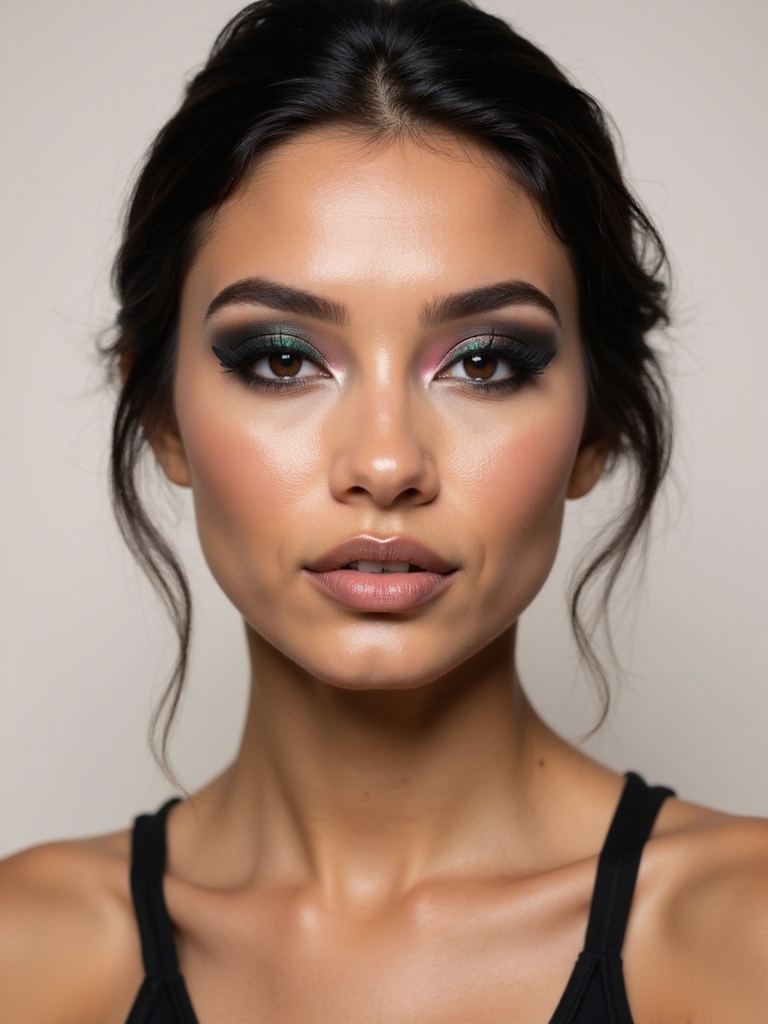
Sometimes the boldest move is the simplest: one saturated shade packed across the lid and nothing else. It is modern, fast, and surprisingly wearable once you commit to the color.
How to make a one-shade lid look intentional:
- Pack color onto the lid with a flat brush for full, even saturation.
- Keep a clean edge at the crease so it looks deliberate.
- Keep the rest of your makeup minimal so the lid stays the statement.
A Negative-Space Crease
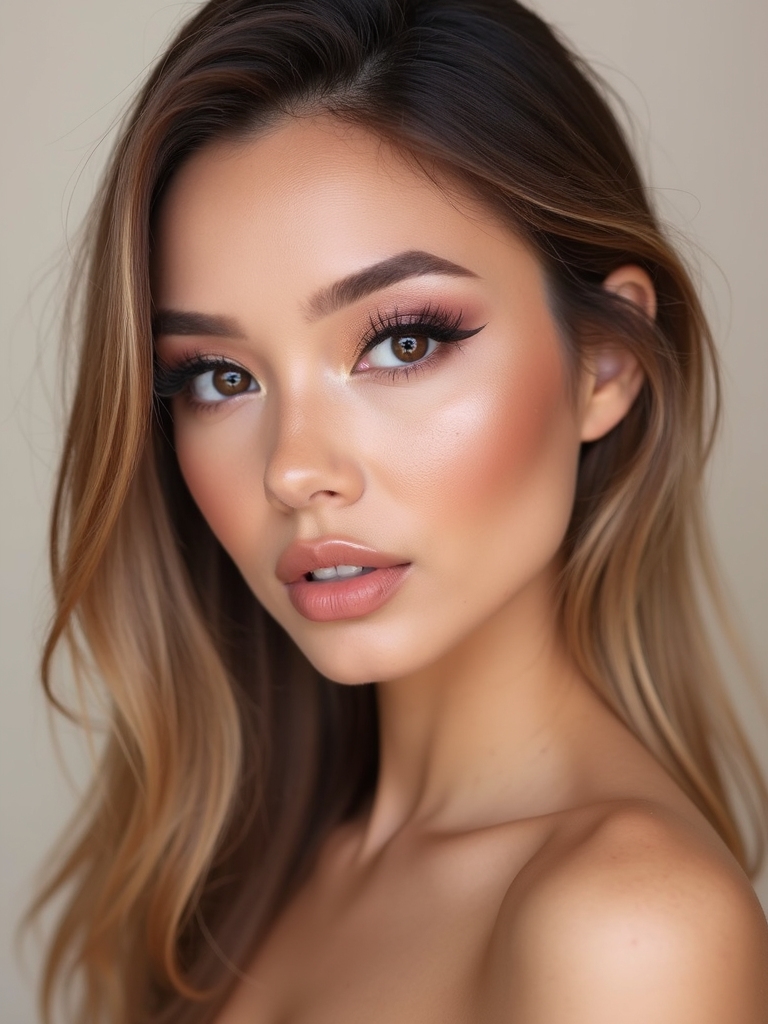
Negative-space shadow leaves a deliberate strip of bare lid between two zones of color, which looks graphic and airy. It looks advanced but is mostly about clean edges.
- Place color on the lid and in the crease, leaving a bare gap between them.
- Sharpen the gap by wiping the edges with a flat, slightly damp brush.
- Keep both color zones simple so the empty space stays the feature.
“For any sharp-edged look like negative space or color blocking, lay a thin layer of concealer around the zone first. It gives you a clean canvas and lets you wipe a wobbly edge straight without disturbing the color.”
A Coral-to-Plum Sunset Gradient
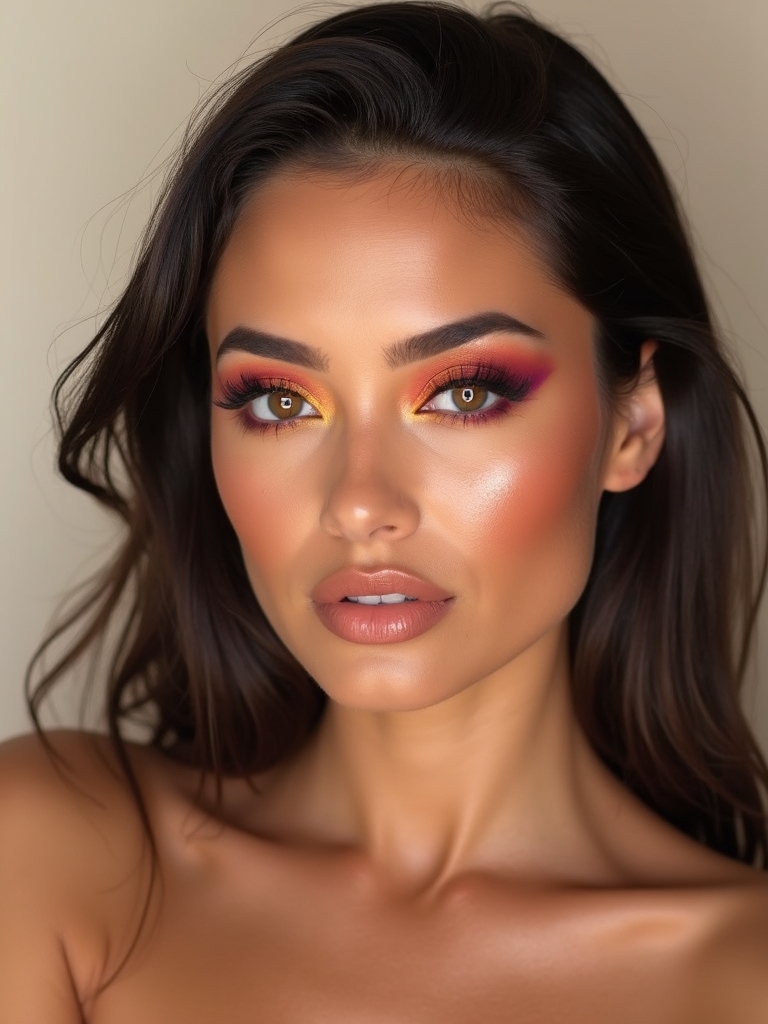
A sunset gradient blends warm shades so they melt like dusk, and coral-to-plum is a richer, moodier take than the usual peach. It suits evening and warm-weather events especially.
Blend Warm to Cool Across the Lid
Lay coral across the inner two-thirds of the lid, then deepen toward plum at the outer corner and blend where they meet. The smooth fade from warm to cool is the whole effect.
On deep skin, the warm coral and plum both look especially rich, so build the color a little more so the gradient really registers.
A Prismatic Light-Shifting Topper
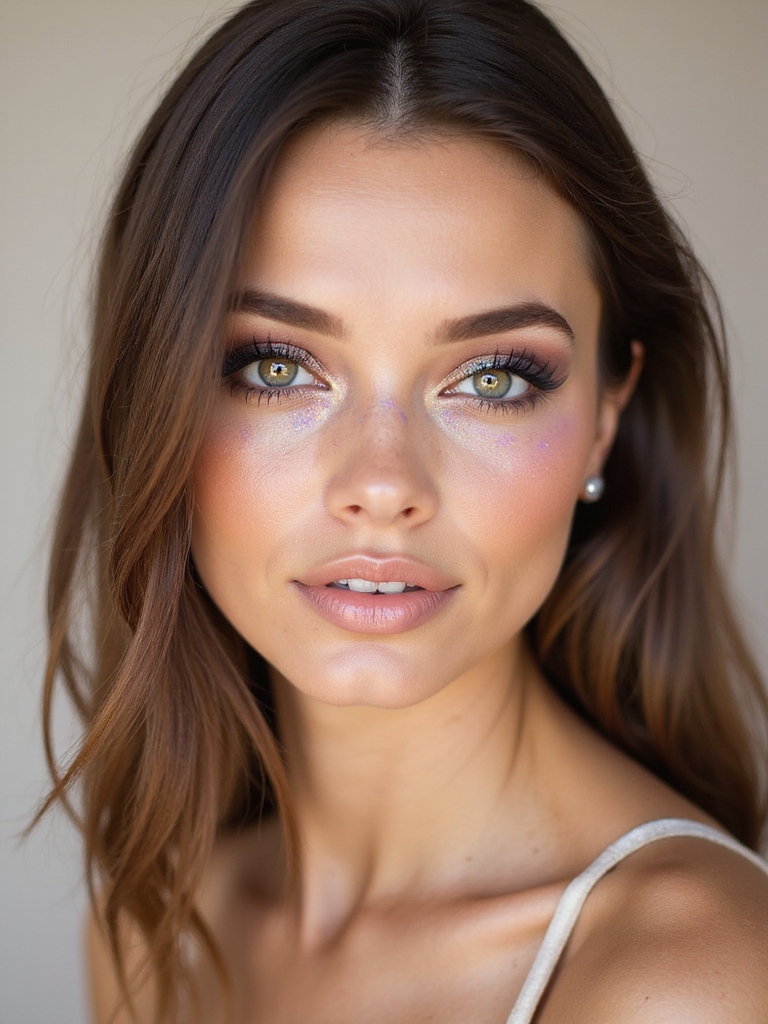
A prismatic topper is a sheer, duochrome shimmer that shifts color as you move, layered over a base shade for a multi-tonal effect. It is the easiest way to add dimension to any shadow.
- Lay a base color first, since the topper shifts against whatever is underneath.
- Pat the duochrome over the center with a fingertip so it catches the light.
- Try a different base to change how the topper reads, gold over pink versus over teal.
A Neon Inner-Corner Highlight
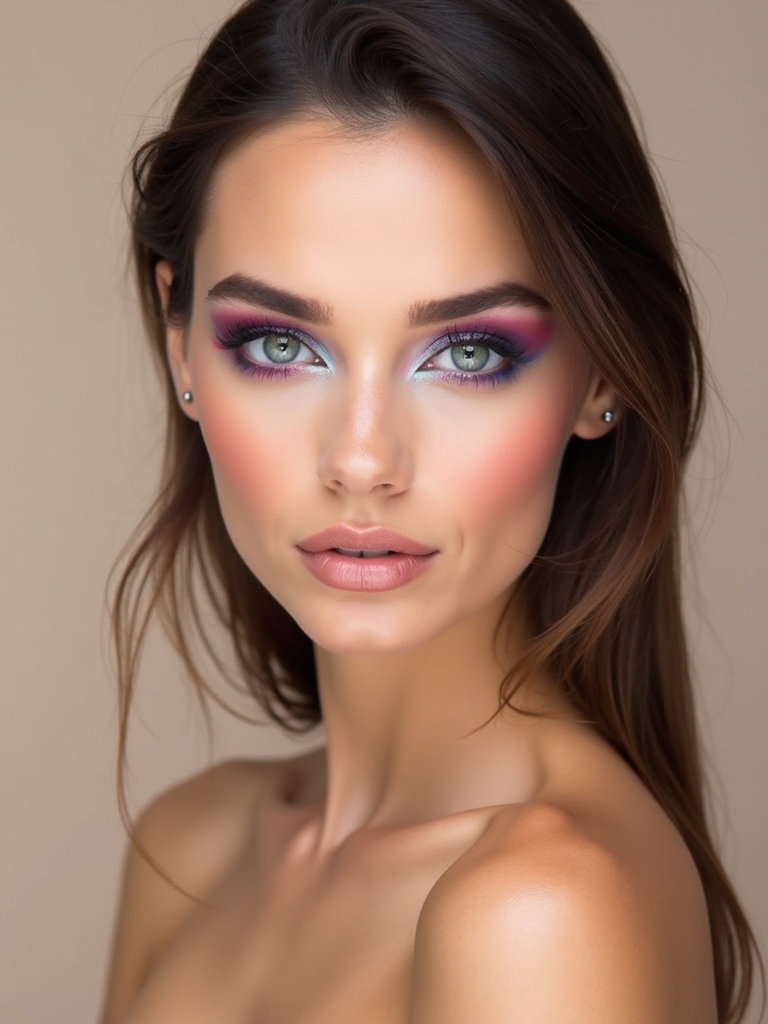
A neon highlight in the inner corner is the lowest-effort way to wear bold shadow, a tiny pop that brightens the whole eye in seconds. It works with an otherwise bare lid for an easy weekday twist.
Build It Over a White Base
Press a bright shade, electric coral, lime, or hot pink, at the inner corner on top of a pale base so it stays true. A dab is all it takes; this is an accent, not a full lid.
On deeper skin, the brightest, most saturated neons show up best, so do not be shy building the color up a touch.
Heads-Up
Bright and neon pigments can stain the delicate lid, and loose pigments scatter. Always use a primer or base underneath, tap excess off the brush, and remove color gently with an oil-based remover so you are not scrubbing.
A Soft Pastel Shadow Look
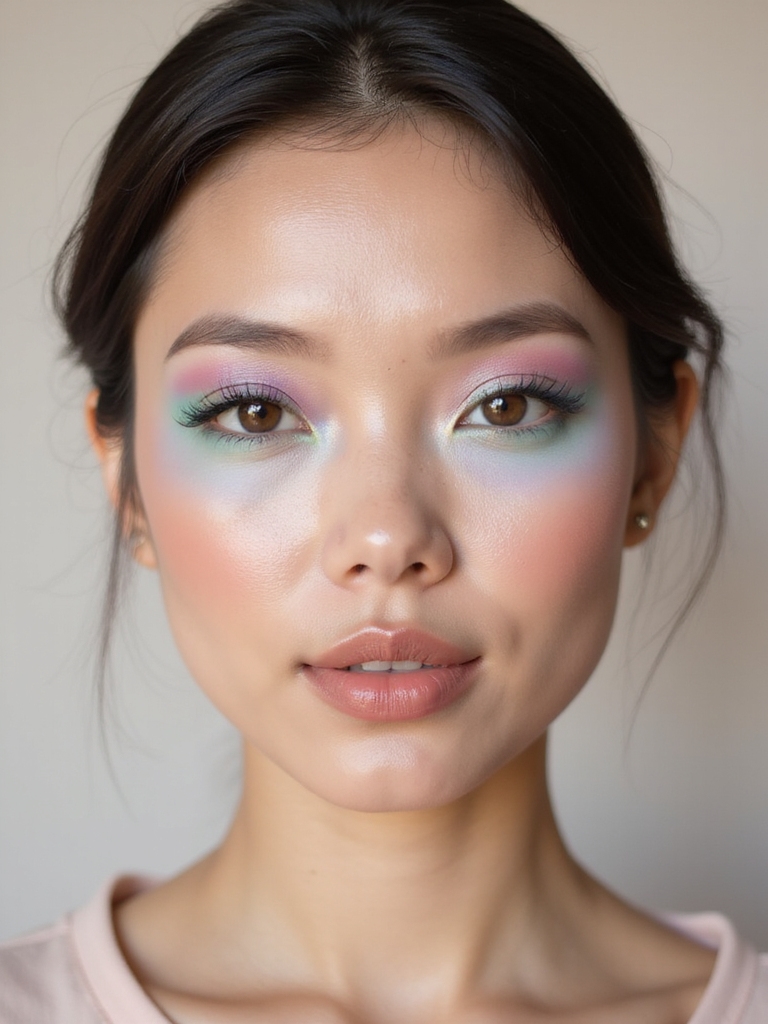
Pastel shadow is bold in color but soft in feel, which makes it the most approachable colorful eye. Baby blue, lilac, and mint all look dreamy and fresh, especially in warmer months.
The one thing pastels need is a base, since they tend to vanish on medium and deep skin without one. A thin white or pale cream layer underneath makes the pastel show up true and stay put, which is the step most people skip.
Molten Metallic Smudged Shadow
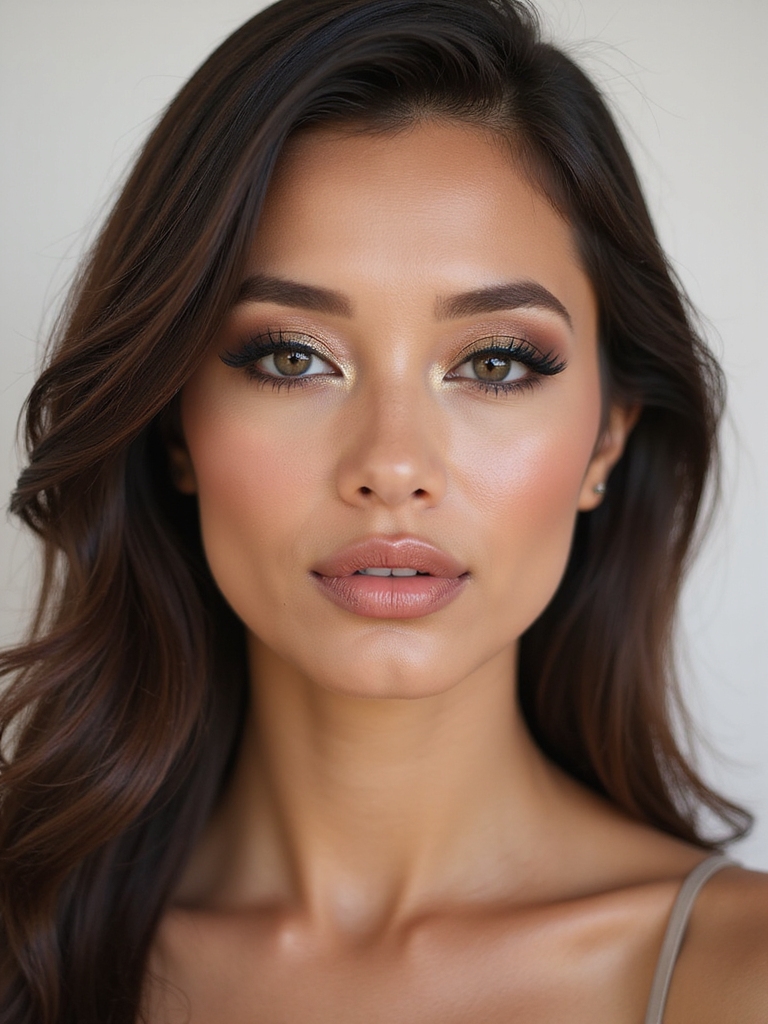
Molten metallic is a smudged, soft-edged metal that looks expensive and worn-in. It is a smoky eye with the depth swapped for shine, and it photographs beautifully.
Damp Brush, Soft Edges
Apply a metallic shadow damp over a sticky base for maximum gleam, then smudge the edges out with a fingertip so it looks molten and worn-in. Gold, bronze, and pewter all work depending on your mood.
Because the edges are soft, it is forgiving to apply, so it is a good entry point if precise shadow stresses you out.
Which shadow formula fits your look?
🎯You want the most intense, one-swipe color
Reach for a cream or pressed pigment, they pack on saturated and blend easily with a finger.
🎯You want a soft, sheer wash
A powder shadow sheered out with a fluffy brush, or buffed with a little balm, gives that watercolor effect.
A Glossed Satin Lid Center
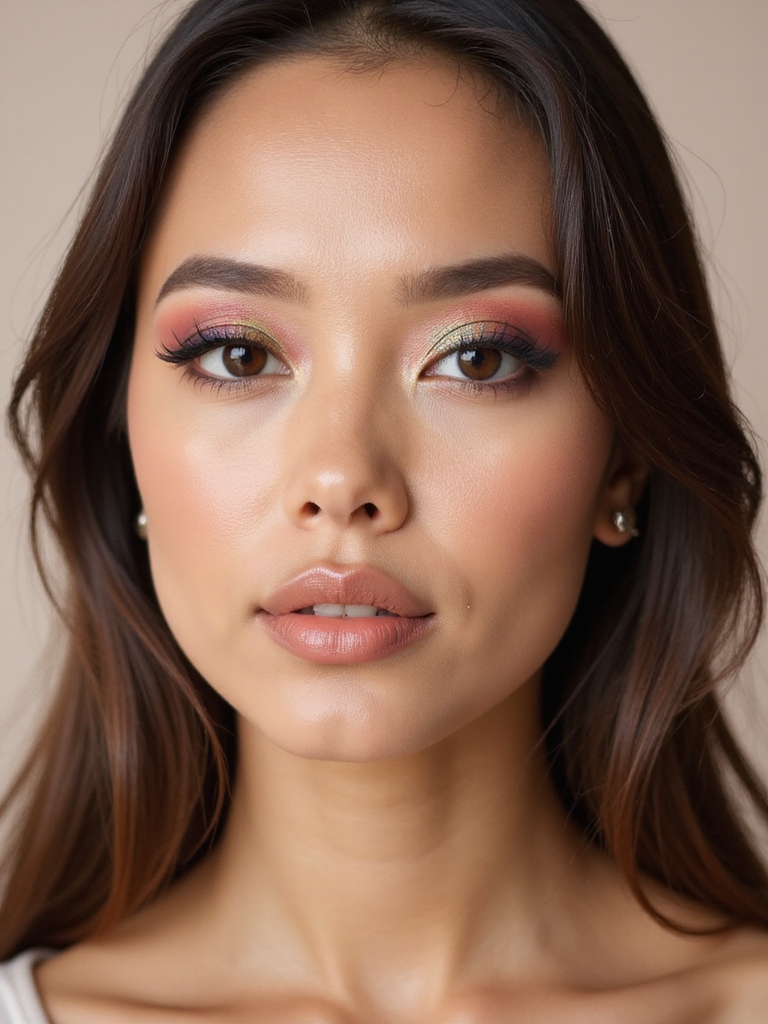
A glossed lid swaps shimmer for a wet, satin shine, a clear or tinted gloss patted over soft shadow so the lid looks dewy. It is the most editorial finish here, and the highest-maintenance one.
Center Only, and Plan to Touch Up
Lay your shadow first, then pat a lid-safe gloss only on the center so it stays glassy where it shows. Keep the color underneath simple, since gloss tends to move and gather.
Save this for photos or short events; the shine is beautiful but it will fade and need a touch-up as you wear it.
Bold Color-Blocked Lids
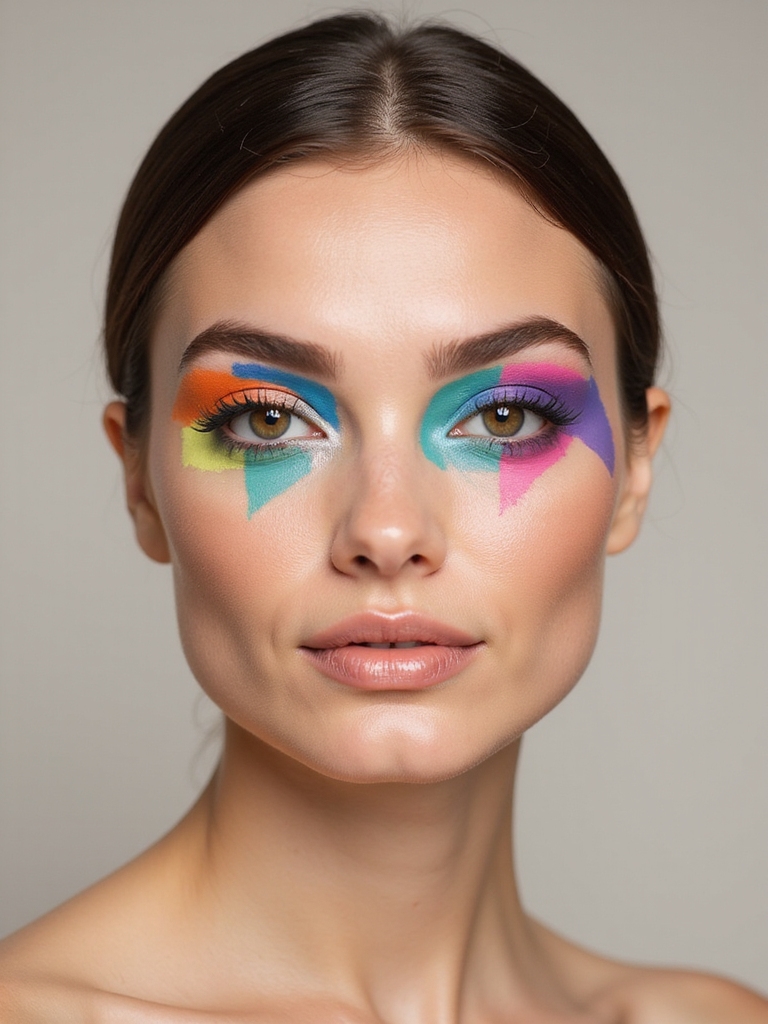
Color blocking places two bold shades side by side with a crisp line between them, like split-lid art. It is the most graphic idea here and a real chance to play with color pairing.
Pair Opposite Colors for Maximum Pop
Pick two colors that contrast cleanly, blue and orange, pink and green, and apply each to its own zone of the lid, keeping the dividing line sharp with a small brush. The crisp boundary is what makes it look intentional.
Complementary pairs from opposite sides of the color wheel make each shade look brighter, which is the trick behind the most striking color-blocked eyes.
A Smoky Glittered Eye
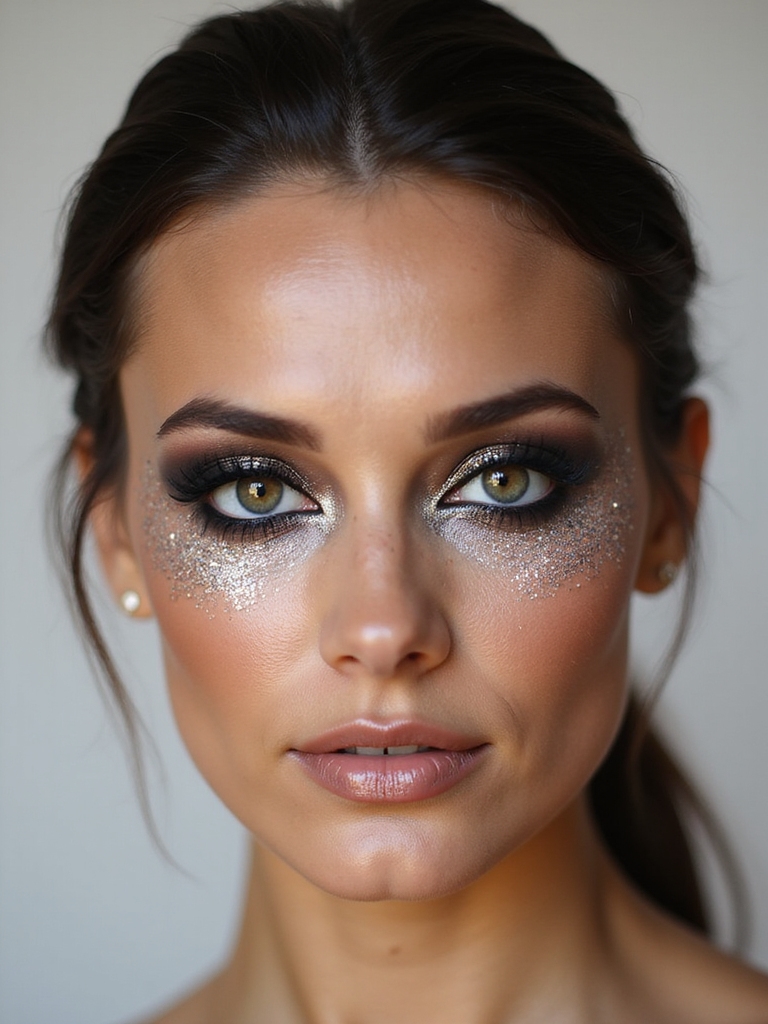
A glittered smoky eye is the going-out classic, a soft smoke with fine glitter pressed over the top so it sparkles under low light. It is sultry and forgiving, since the glitter hides any uneven blending underneath.
Build a soft smoky base first in your color of choice, then pat a fine glitter right in the middle of the lid with a damp fingertip so it sticks without scatter. Press, do not sweep, to keep fallout down.
Tap a little setting spray on the brush before the glitter to help it grip, and lay concealer under the eye first so any fallout wipes away clean.
Styling Tips
A few habits make bold shadow far easier to wear. Always prime the lid and set under the eye before you start, so color grips and fallout lands on powder you can sweep away. Build bright and dark shades in thin layers, since you can always add more but taking color back means starting over. And tap excess off your brush every time before it touches your eye.
When the eyes are this bold, keep the rest of the face calm, a clean base, soft cheeks, and a nude or my-lip-but-better shade, so the look feels balanced and easy on the eye. If a color feels too strong on its own, a sheer wash of it or a pop in just the inner corner gives you the same energy in a lower dose. Pair any of these with a polished base like a glowy makeup look to pull it all together.
Bold Eyeshadow Questions, Answered
?How do I make bright eyeshadow more pigmented?
Lay a base first: a white or cream base for neons and pastels, or a sticky base for metallics and chrome. Then apply with a damp flat brush and press the color firmly onto the lid. The base does more for payoff than switching products.
?What is the easiest bold eyeshadow look for beginners?
A single-shade bold lid or a neon inner-corner pop. Both use one color, take just a couple of minutes, and forgive imperfect blending, so they are the gentlest way into color before you try gradients or color blocking.
?How do I keep glitter and bright shadow from falling out?
Tap concealer and powder under the eye first to catch fallout, press glitter onto a damp base so it grips, and set the whole look with a light mist of setting spray. Working over primer keeps everything gripped down.
?Which bold colors suit deep skin tones?
Saturated jewel tones like emerald, sapphire, and magenta, plus warm metals such as gold, copper, and bronze, look especially luminous. For pastels, a pale base underneath keeps soft colors from disappearing against the skin.
?How do I balance a bold eye with the rest of my makeup?
Keep everything else soft. A clean base, lightly flushed cheeks, and a nude or natural lip let the eyes stay the focus. When the shadow is the statement, a heavy lip or strong contour competes and makes the look feel busy.
Start With One Color You Love
Bold eyeshadow looks intimidating from the outside, but almost all of it comes down to a primed base, the right formula, and a shade that suits your skin. Get those three right and a chrome lid or a color-blocked eye is no harder than a neutral one, just more fun.
Pick one color you have always been drawn to and try the gentlest version first, a sheer wash or an inner-corner pop, then build from there as your confidence grows. For more bold inspiration, a euphoria makeup look or a few eye makeup ideas give you plenty of places to start.
Keep the Inspiration Going


