

The first time I built a full mod eye on a client for a sixties-themed shoot, she gasped at the mirror. We had drawn a socket line so sharp and lashes so spiky that her whole face changed. That is the magic of 60s makeup. The eyes do absolutely everything, and the rest of the face steps back to let them.
This was the decade that flipped the script: heavy, graphic, wide-open eyes paired with a barely-there lip. Below are fifteen looks that defined the era, each with the real technique behind it and a straight read on wearing it now without tipping into costume.
The Mod-Eye Cheat Sheet
What makes a look land as 60s? A graphic, defined crease and wide, doll-like eyes paired with a pale, played-down lip. The eyes carry the whole face.
What is the one essential technique? The cut or socket line. A clean line of shadow drawn into the crease is what gives every 60s eye its open, sculpted shape.
Is it wearable day to day? Some of it, absolutely. A soft socket line and defined lashes look modern; the full white-liner doll eye is best saved for events.
Razor-Cut Creased Doll Eyes
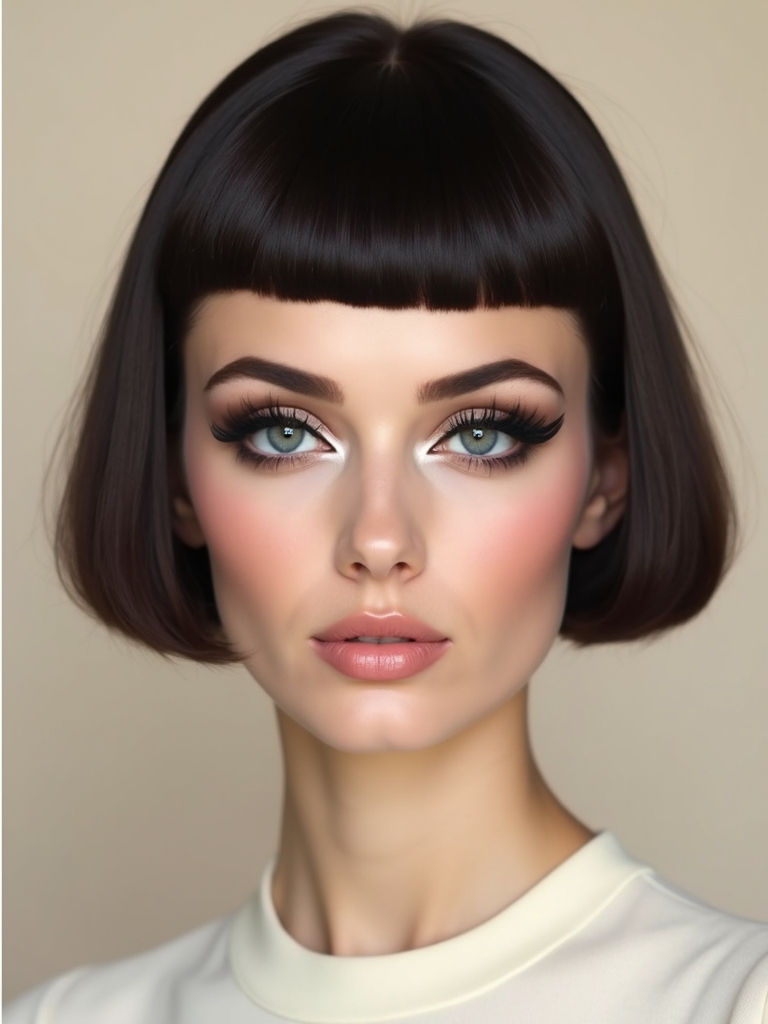
This is the look that says 1960s louder than any other: a razor-sharp cut crease with a pale lid below and spiky, doll-like lashes top and bottom. The crease is carved so cleanly it looks drawn with a ruler, and the wide round eyes that result are pure mod.
Carve the socket line first with a deep matte shadow on a small brush, keeping the line crisp. Pack a pale or white shadow on the lid below it, then define the lower lashes into separated spikes. The contrast between the dark line and the pale lid is what opens the eye so dramatically. When someone wants full sixties drama, this is the look clients ask me to build, every single time, and it is the foundation of a true doll eye.
Kohl-Rimmed Smokey Winged Glam
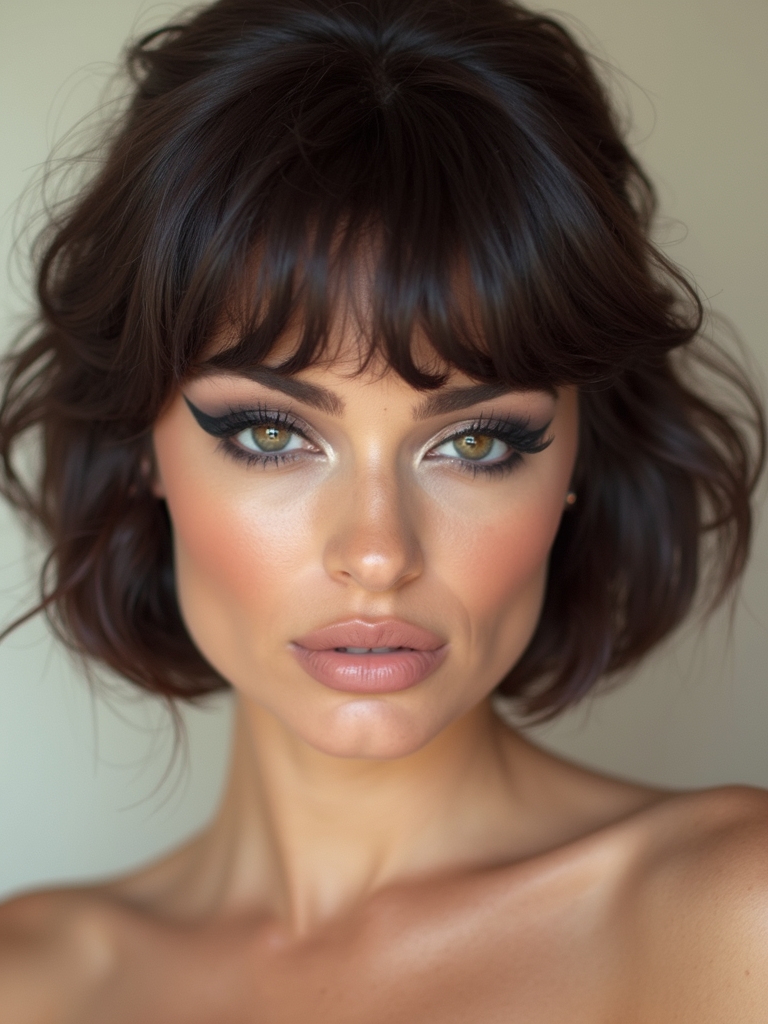
The sixties also did a softer, smokier eye: black kohl rimmed all the way around and smudged into a winged haze for a sultry, late-night version of the mod look. It is moodier than the doll eye and a touch more wearable. The drama softens just enough.
Line the upper and lower waterlines with black kohl, then smoke the color up and out into a soft wing with a brush. Keep the outer corner lifted so it still looks sixties, and blend the edges so nothing looks harsh. This is the era’s take on a smoky eye, and it suits anyone who wants the drama with less graphic precision.
👍Why the mod eye still works
- +Instantly opens and widens the eyes
- +The socket line flatters almost every eye shape
- +Endlessly adaptable, from soft to full graphic
👎Where it tips into costume
- –Painted lower-lash dots look strictly retro
- –A chalky pale lip ages and grays the face
- –Heavy everything at once looks like a costume
Monochrome Sharp Liner With Nude
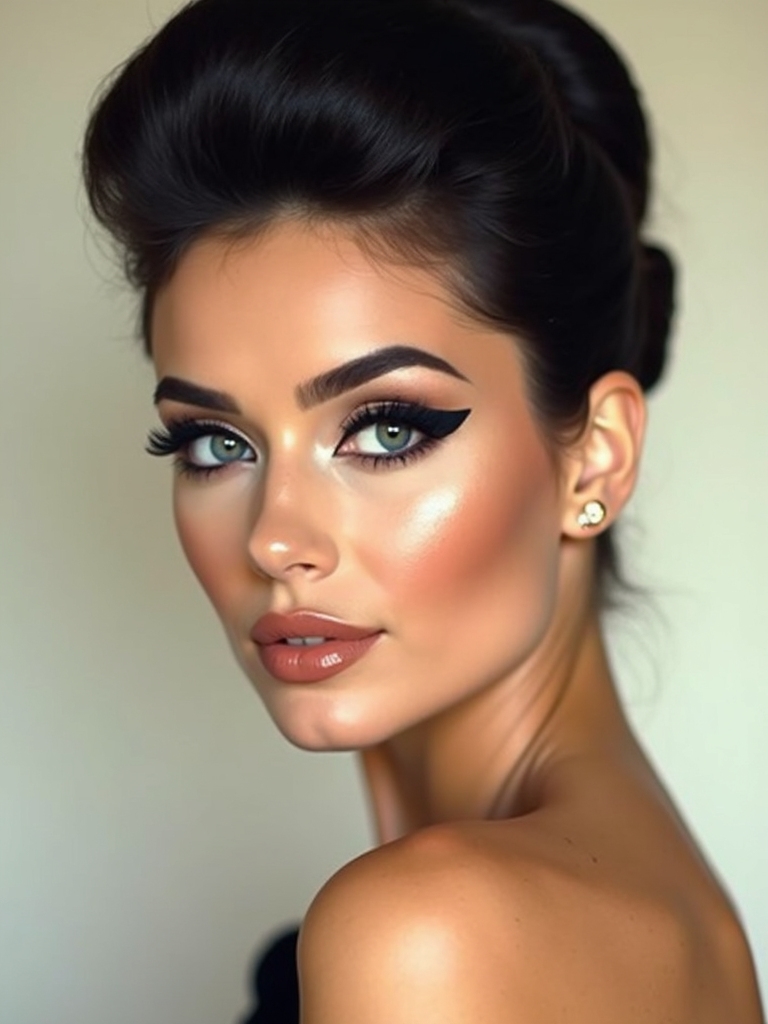
Pairing a crisp black liner with a nude lip was the sixties formula for letting the eyes lead. The sharp line did the talking while a pale, fleshy nude kept the mouth quiet and modern for the time.
- Draw a clean, slightly winged line along the upper lashes with a gel or liquid.
- Keep the lid neutral so the sharp line stays the focus.
- Choose a nude with warmth so the played-down lip does not gray you out; on deep skin a soft caramel nude keeps it bright.
Pastel 60s-Inspired Eye Makeup
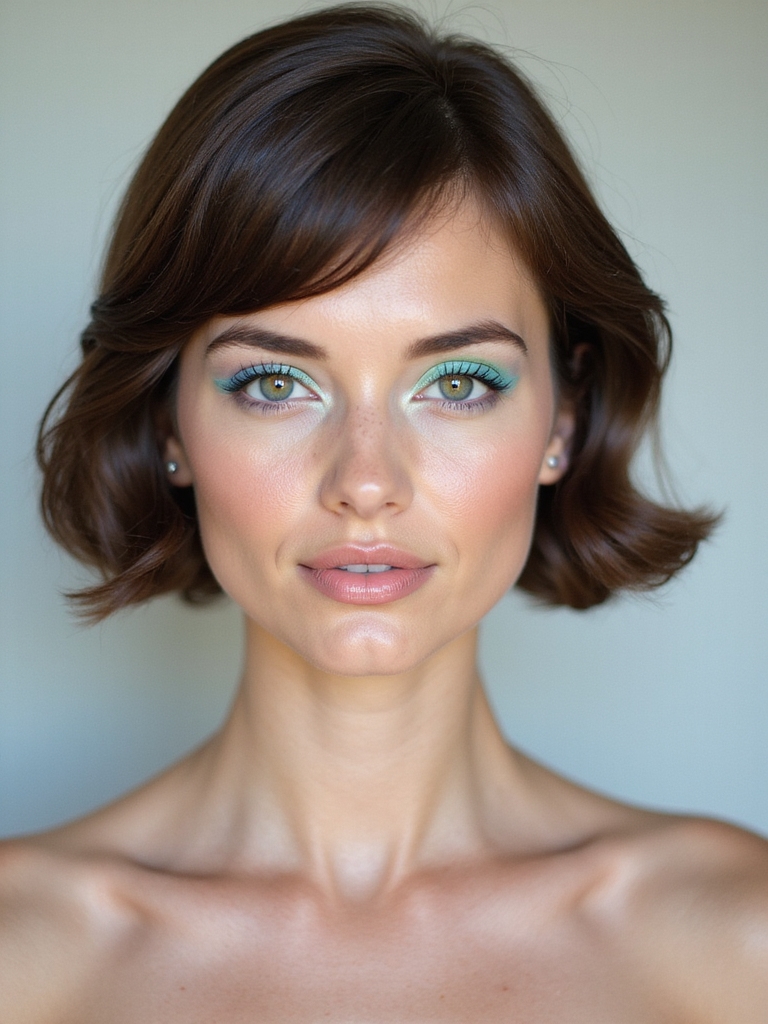
Not every sixties eye was black and white. The decade loved soft pastels too, powder blue, mint, and lilac swept across the lid for a sweeter, more playful take on the mod eye. It is a fresh way to wear the era now.
Sweep a pastel shadow over the whole lid and carry it up toward the socket. Define the crease with a slightly deeper tone of the same color so it still has the sixties structure, then add black liner and spiky lashes to keep it from going too soft. The pastel color feels young and a little retro without feeling like a costume.
Pastels suit warm and deep skin beautifully when you pick saturated, clear versions over chalky ones. Powder blue and lilac flatter most eye colors. For more, see these colorful eye looks.
How much sixties do you want? Match it to the occasion.
🎯A modern nod
A soft socket line, brightened waterline, and defined lashes. Wearable any day.
🎯Full mod commitment
A razor cut crease, white liner, doll lashes, and painted dots for a photo-ready throwback.
Velvet Matte With Whisper-Light Contour
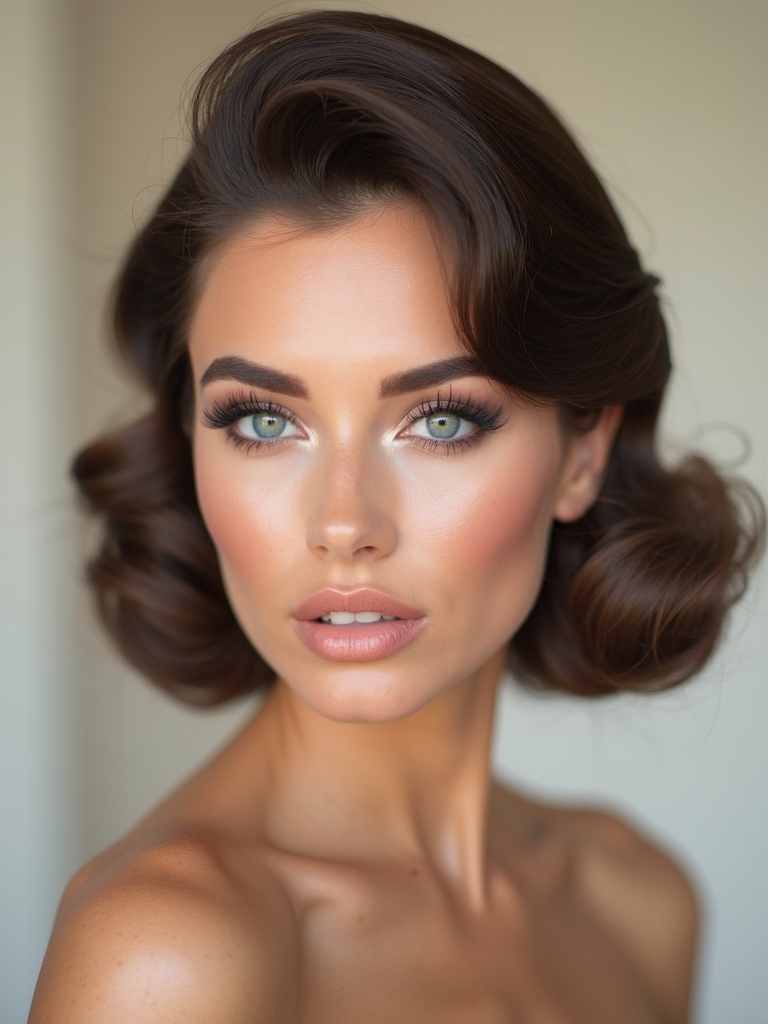
Sixties skin was a velvety matte canvas, deliberately understated so the eyes could shout. Foundation was even and powder-soft, with only the faintest whisper of contour, since the focus stayed firmly up top.
Use a matte or natural-finish foundation and set it lightly for that soft, even surface. Keep any sculpting barely there, a soft shadow under the cheekbone at most, because heavy contouring is a later invention that fights the era. The point is a quiet, smooth base that lets the eye work. A good matte base costs around $12 to $25 and a single one lasts months.
This soft matte suits every skin tone; just match the base to your true depth and keep it luminous from skincare underneath so matte never looks flat or aging.
Wide-Eyed Doll Eye-Dots
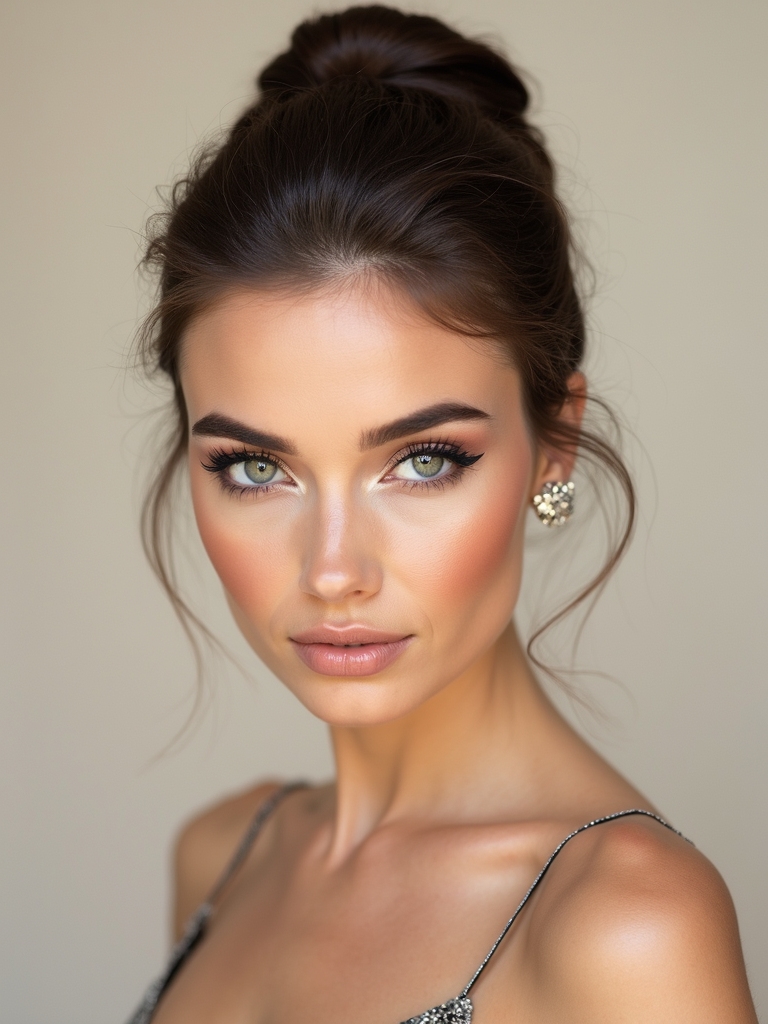
The painted lower-lash dots are peak sixties whimsy: tiny dots drawn between the lower lashes to mimic extra lash spacing and exaggerate that wide, doll-eyed stare. It is the detail that turns a mod eye into a proper costume-quality throwback.
Use a fine liquid liner to dot small marks along the lower lash line, spacing them evenly to imitate gaps between painted-on lashes. Keep the dots small and precise so they look intentional. This one is firmly a photo and event look, and I tell clients to save it for when they want full sixties commitment rather than a workday.
The sixties handed the whole face over to the eyes and asked the rest to stay quiet. Carve the crease, spike the lashes, let the lips fade, and the gaze does all the talking.
White-Lined, Brightened Wide Gaze
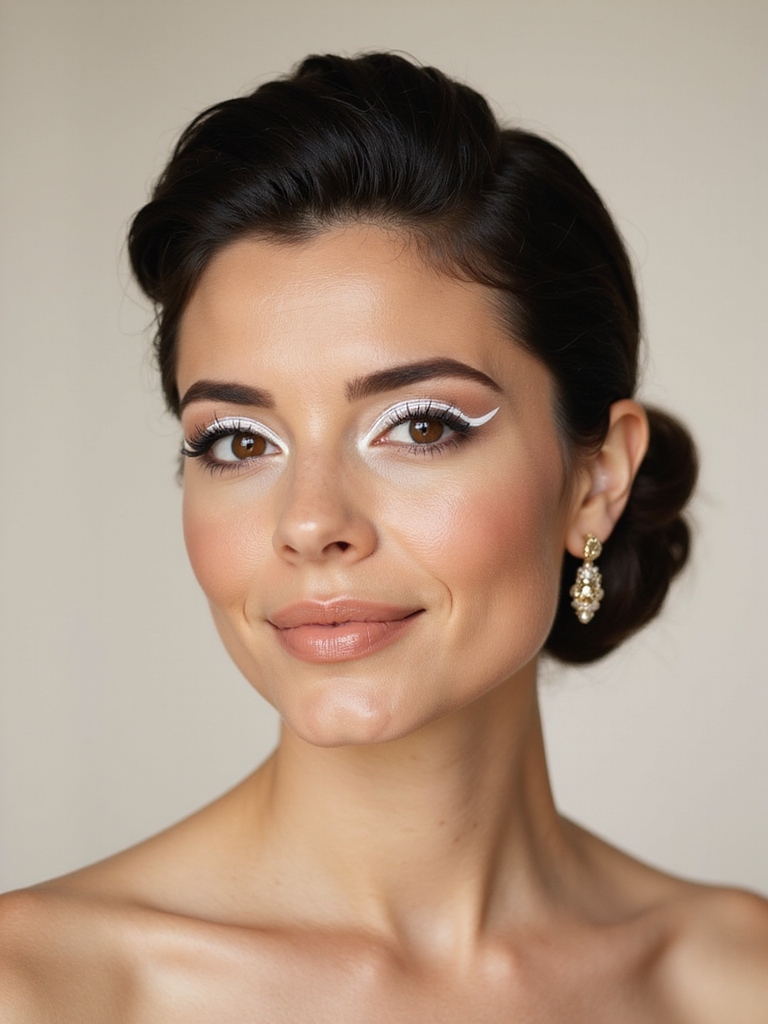
White liner was the sixties secret weapon for instantly bigger eyes. A line of white or cream along the lower waterline and inner corner bounced light and opened the gaze wide, and makeup artists still use the trick today.
Run a white or nude pencil along the lower waterline to brighten, and tap a little pale shimmer into the inner corner. The effect is wide-awake and doll-like, especially under a defined crease. It is one of the easiest sixties tricks to borrow into a modern look, since brightening the waterline flatters everyone and works under any eye makeup you already wear.
Floating Sculpted Crease Detail
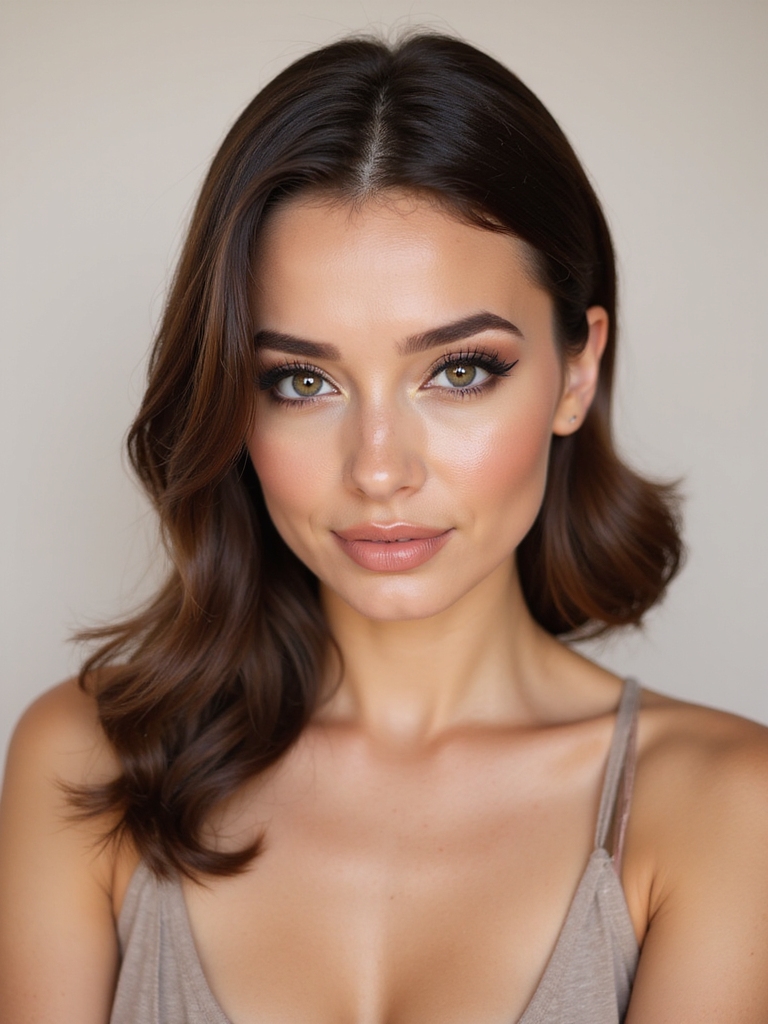
The floating crease was the sixties at its most graphic: a defined line of shadow drawn above the natural crease so it floats on the lid and stays visible with the eyes open. It is the technical heart of the whole mod-eye era.
Map a curved line just above your natural socket with a pencil, following the shape of the eye, then buff a matte shadow along it and blend only upward. Leave the lid below it clean and pale for contrast. The visible, floating line is what gives sixties eyes their sculpted, wide-open look. Start soft with a neutral shade before trying a bold one, because the placement takes a little practice to get even.
The mod cut crease in three moves:
1Map
Sketch the socket line just above your natural crease with a soft pencil.
2Carve
Buff a deep matte shadow along the line, blending only upward for a crisp edge.
3Brighten
Pack a pale shadow on the lid below, then spike the lashes top and bottom.
Pale Pink Lips With Heavy Mascara
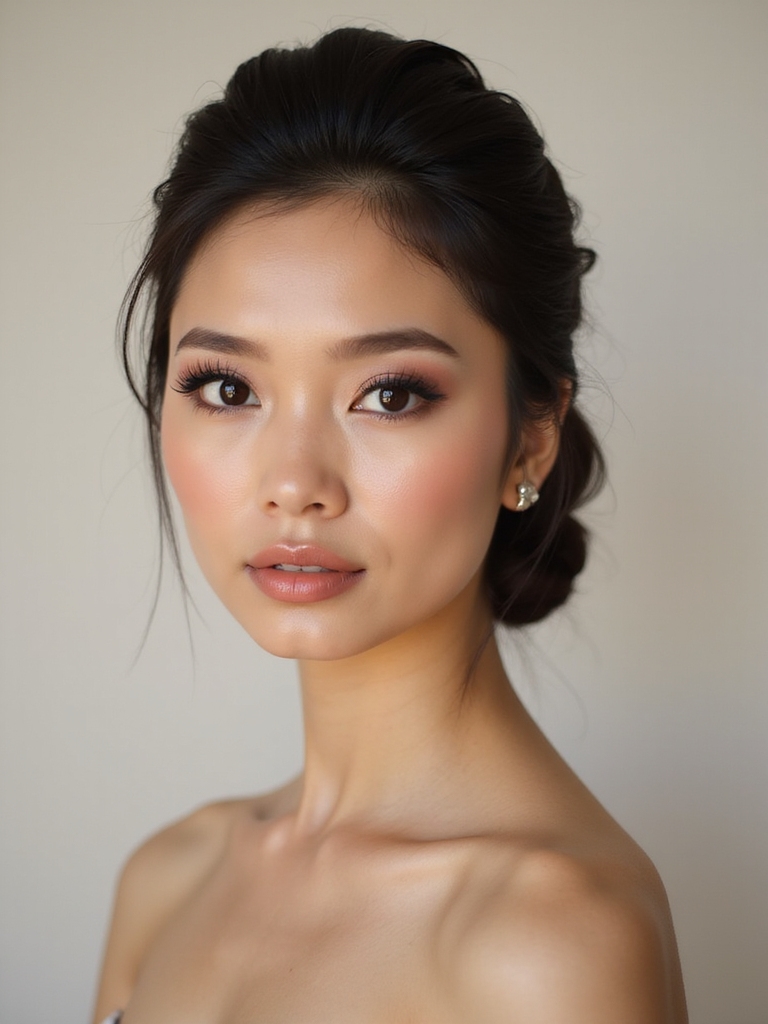
The classic sixties mouth was pale, frosted, and pink, deliberately washed out so the heavy, spiky lashes above could dominate. It is the lip half of the era’s eyes-first philosophy.
The balance is the lesson, and it is one I lean on whenever a client wants a true vintage face.
- Mute the lips with a pale frosted pink, tapping concealer underneath first if you want it really soft.
- Pile on the mascara, letting each coat dry for a minute between layers for that spiky sixties fringe.
- On deep skin, a pale pink turns ashy fast, so reach for a soft frosted rose or mauve-nude that brightens instead.
Smudged Kohl With Soft Edges
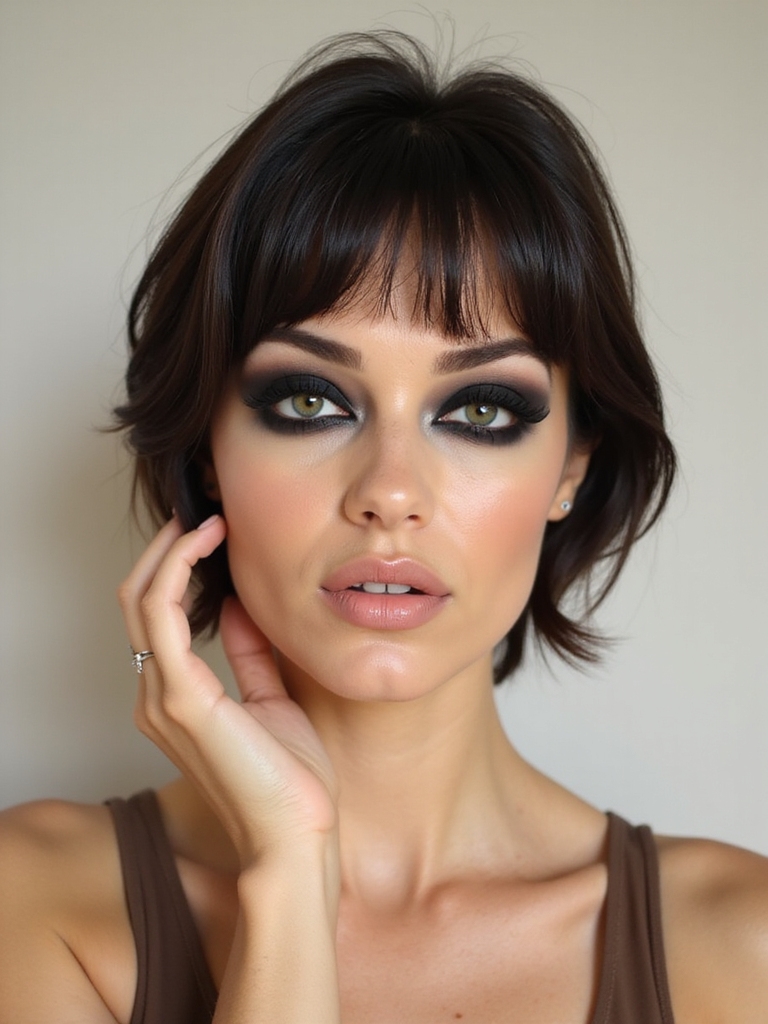
For a more undone sixties eye, the smudged kohl look traded sharp lines for soft, hazy edges, a worn-in smoke that felt cool and a little rebellious. It is the relaxed cousin of the precise mod eye.
- Smudge soft black kohl along both lash lines and blur the edges with a fingertip.
- Keep a touch of the socket definition so it still looks sixties, with depth beyond the smoke.
- Set the smudge with a little matching shadow so the soft edges hold through the day.
Softly Sculpted High Arches
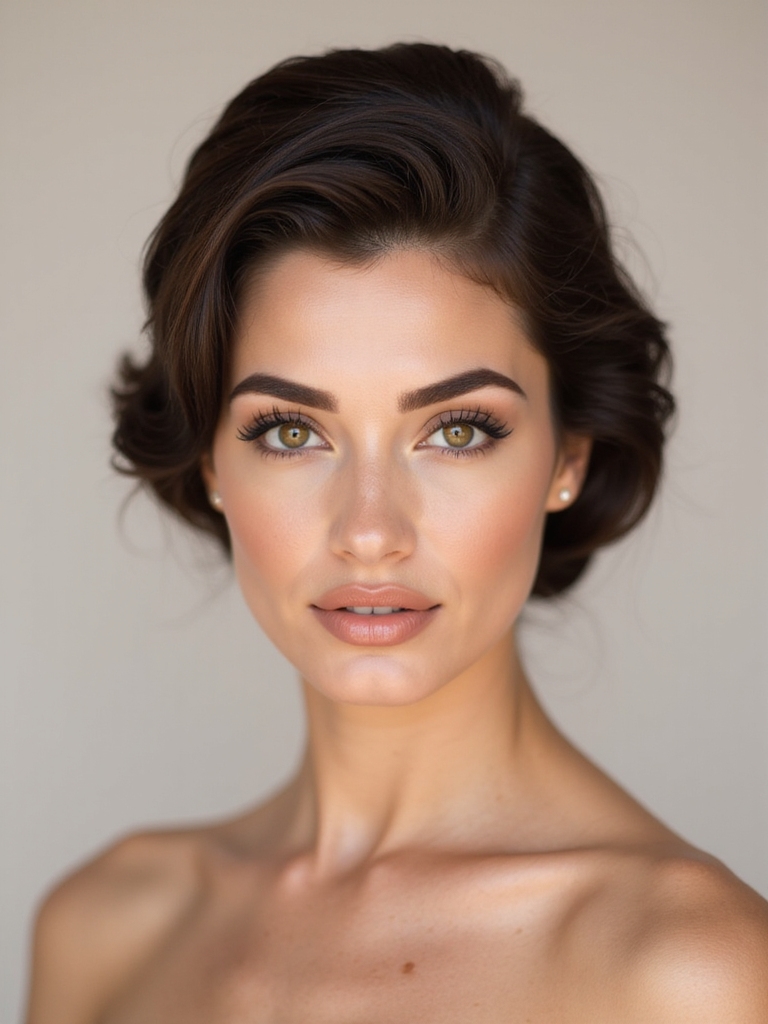
Sixties brows were softer and more natural than the thin arches of earlier decades, groomed into a gentle, slightly high arch that framed the wide eyes without competing with them. They are an easy, flattering shape to borrow now.
Brush the brows up and into shape, fill any gaps with feathery strokes in a tone matched to your own brows, and lock them with a clear gel. Keep the arch soft and rounded, since the sixties brow aimed for a clean frame and let the eyes lead. The natural fullness lets the eyes stay the star.
This soft arch flatters almost every face shape because it follows your natural brow line. If yours are sparse, build gradually with feathery strokes and stop before it looks drawn.
Bold Saturated Graphic Eye Color
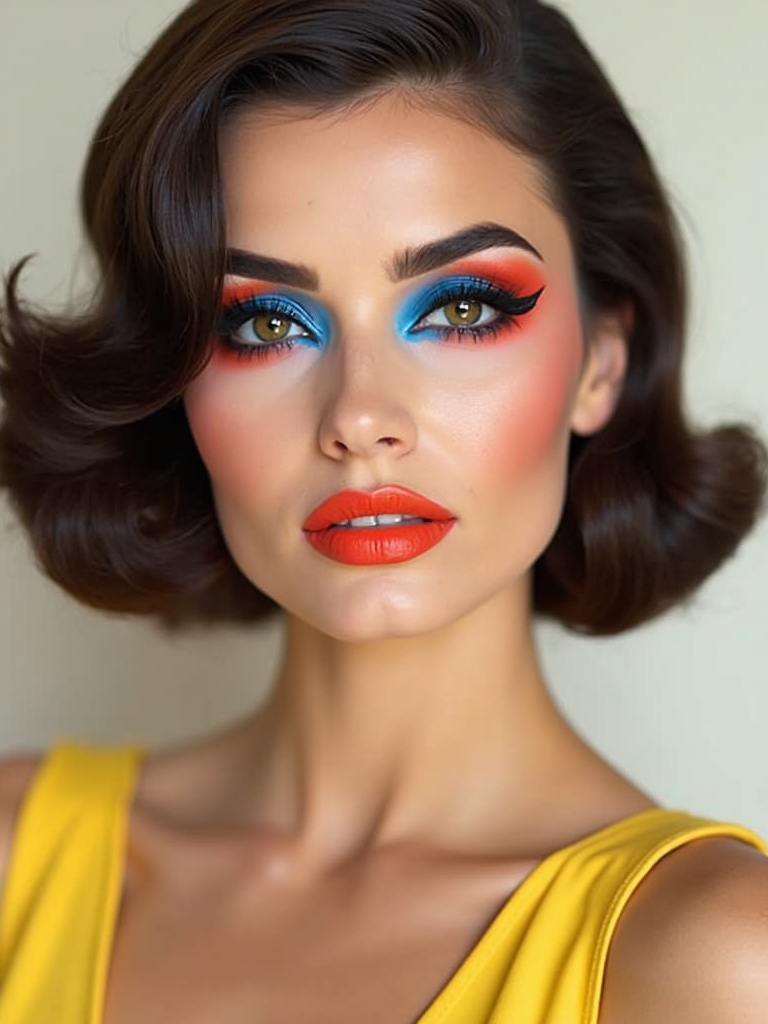
By the late sixties the mod eye went psychedelic, with bold, saturated color blocked across the lid in a graphic, high-contrast way. Think rich emerald, electric blue, or deep violet packed on and defined with a sharp crease.
Pack a saturated shadow densely over the lid with a flat brush or a damp one for full payoff, then carve a crease line above it in a deeper shade to keep the sixties structure. A clean black liner and spiky lashes anchor the brightness. The faces I made up for a sixties revival show all leaned on this trick, because saturated color plus a sharp crease lands era-accurate and modern at once. These bold shades especially flatter warm and deep skin.
Sculpted Negative-Space Graphic Eyeliner
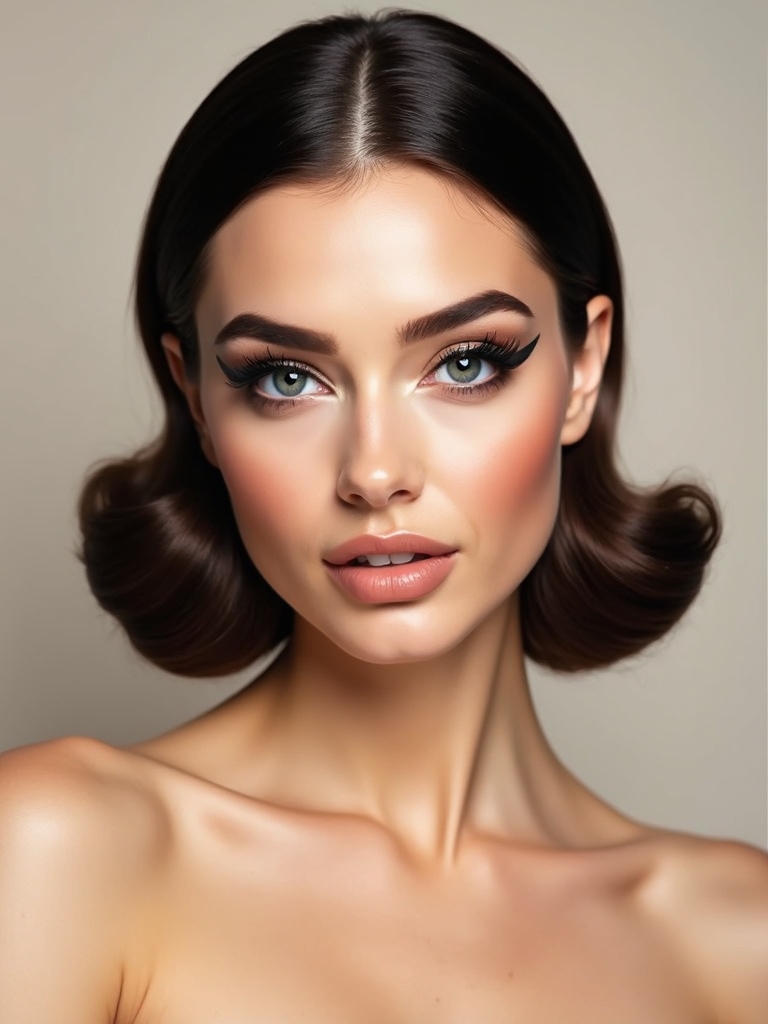
The sixties pioneered negative-space liner: graphic black lines drawn to leave deliberate bare lid showing between them, often a double line with a strip of skin or pale shadow in the gap. It is the era’s most editorial, modern-feeling eye.
It takes a steady hand, so I always tell clients to map it lightly first before committing in liquid.
- Draw your upper line, then a second line in the crease, leaving clean skin in between.
- Use a gel or liquid for crisp, opaque graphic lines that hold their shape.
- Keep the negative space truly bare so the contrast stays sharp. It builds on a graphic cat eye.
A Plush Bouffant With Peach Flush
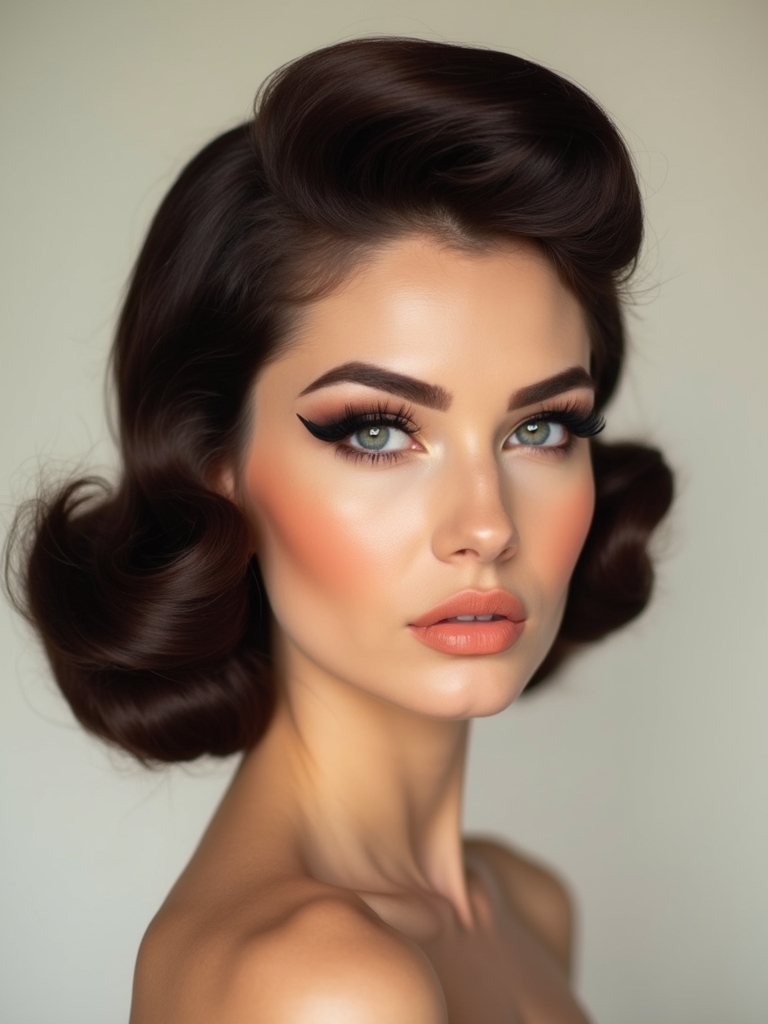
The sixties face came framed by a plush bouffant and warmed with a soft peach flush high on the cheeks. The hair gave height and drama while the blush kept the skin looking fresh under all that volume, a sweet counterpoint to the heavy eyes.
Matching the Blush to the Era
For the makeup half, sweep a soft peach or warm-pink blush high on the cheekbones and blend upward toward the temple for a lifted, fresh flush. Keep it soft and rosy, since the sixties cheek was all about freshness. A cream formula melts into that velvet matte base for the most natural glow.
Peach flatters warm and fair skin especially; on deep skin a warm berry or terracotta blush gives the same fresh lift. Pair it with whatever volume your hair can hold for the full era effect.
Electric Iridescent Glittered Eyeshadow
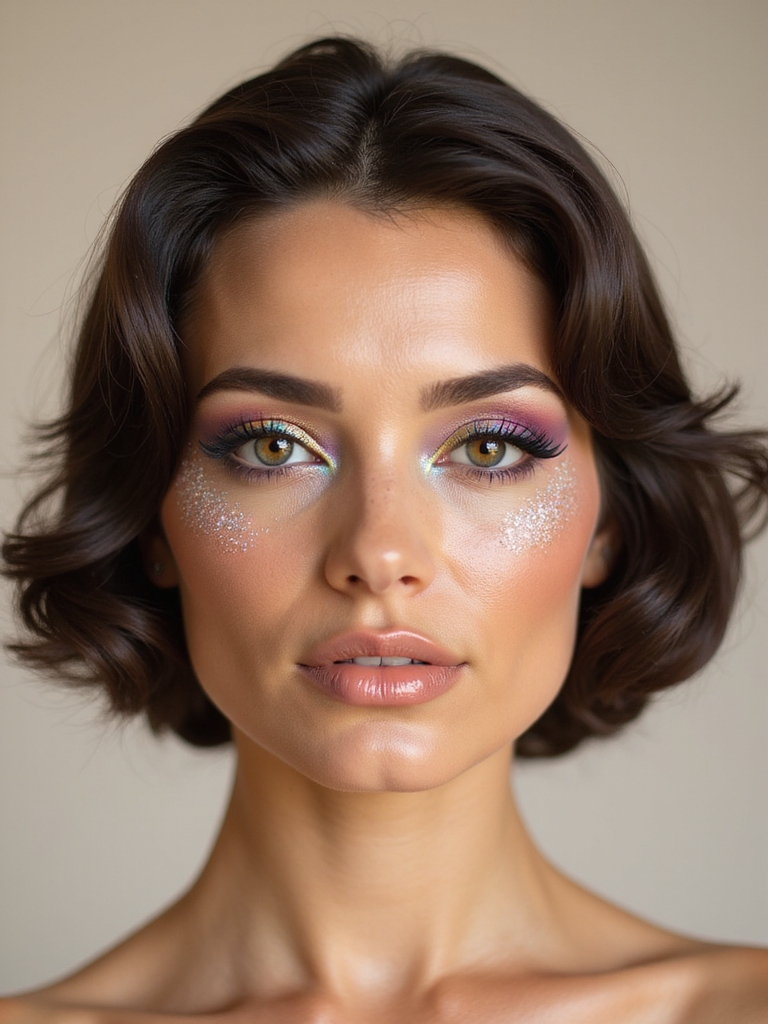
The most party-ready sixties eye layered electric, iridescent glitter over the lid for a space-age shimmer that caught every light. It was the decade looking to the future. The shimmer is back for festival and party season.
- Lay a sticky cream base, then press iridescent glitter on top so it grabs and stays put.
- Keep a defined crease underneath so it still looks sixties, with structure under the sparkle.
- Do the eyes before your base so any glitter fallout wipes away clean.
Common Mistakes to Avoid
The most common sixties slip is going heavy everywhere at once. The whole philosophy of the era was eyes-first, so a dramatic crease, doll lashes, a bold lip, and strong cheeks all together comes across as costume, not chic.
Pick the eyes as your statement and keep the lip pale and the cheeks soft, and the look lands as era-accurate rather than overdone. The other frequent error is a too-pale, chalky lip on deeper skin; a frosted rose or mauve-nude gives the same muted effect while keeping your face bright and alive.
Technique-wise, the crease is where people rush. A wobbly or muddy socket line undoes the whole sculpted effect, so map it with a pencil first, build the shadow slowly, and blend only in one direction so the line stays clean.
And do not skip the lashes; the sixties eye lives or dies on a heavily defined, spiky fringe, so curl hard and layer the mascara, or add a wispy false strip for the full doll effect. Get the crease and the lashes right and the rest falls into place.
Carry the Mod Spirit Forward
What makes 60s makeup endure is its single, fearless idea: make the eyes the whole story and let everything else rest. You do not have to commit to painted lash-dots to wear the era. A clean socket line, a brightened waterline, and a spiky lash carry the spirit of it into any modern face, while the full doll eye waits for the night you want to go all in.
Looking back, the sixties feels less like a costume and more like a lesson in focus that still holds. Save this one for the next time you want your eyes to do the talking, pick the one technique that pulls at you, and let the mod spirit do the rest.
More Hair Inspiration


