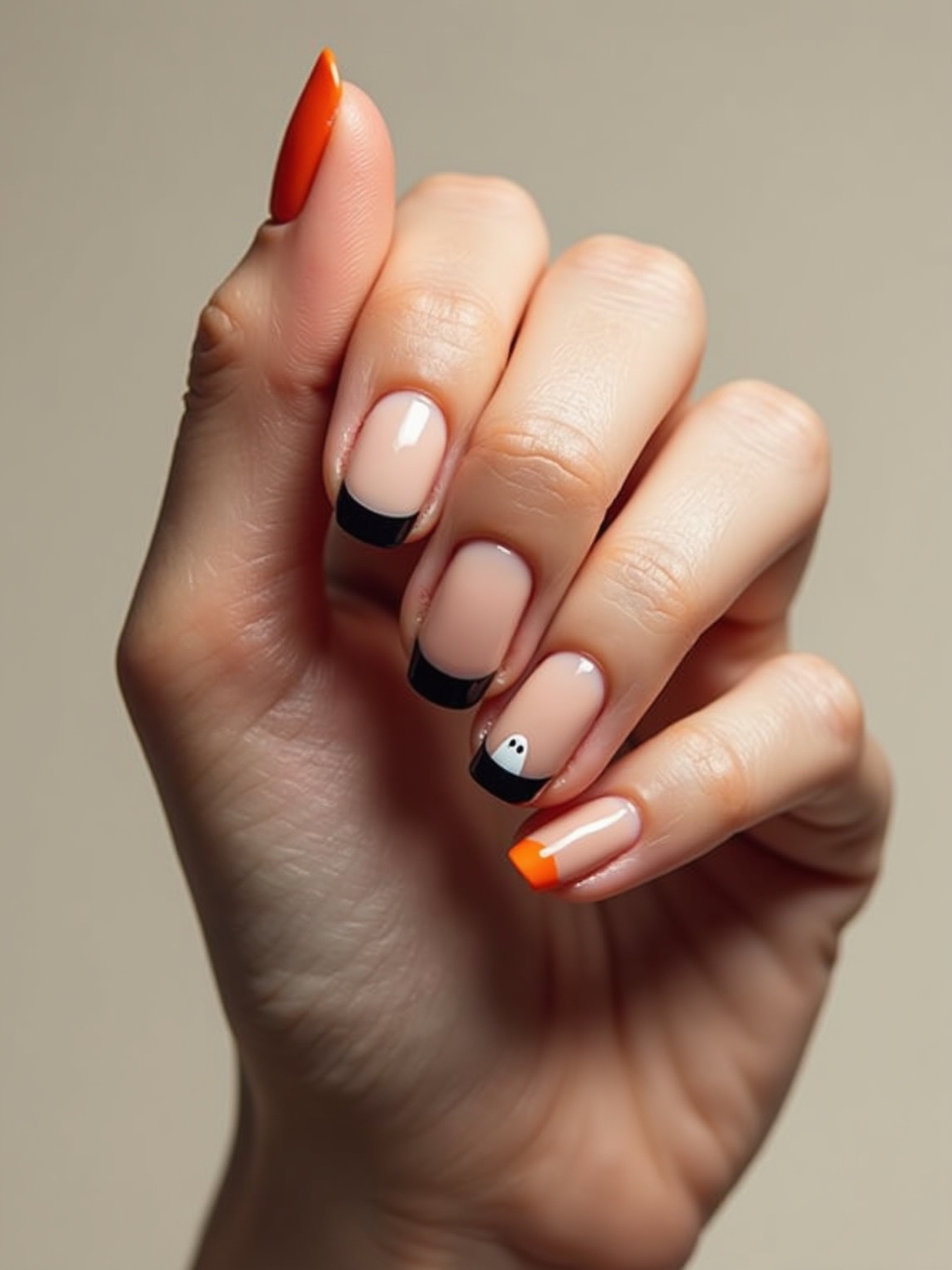

How has a manicure invented decades ago stayed in fashion through every trend cycle since? The French manicure simply works. That clean line where a pale or natural base meets a defined tip flatters every hand, suits every outfit, and reads as quietly expensive without trying. It is the little black dress of nails.
What keeps it fresh is how much it has evolved. The classic white tip is still here, but so are ultra-fine micro tips, chrome lines, glazed sheers, and deep-V shapes. Below are the most elegant variations I come back to, with notes on who each suits and the common mistakes that turn a timeless look dated.
Key Takeaways
- The French manicure endures because the clean base-to-tip line flatters every hand and suits any occasion.
- Modern takes keep it current: ultra-fine tips, chrome lines, glazed sheers, pastel tips, and deep-V shapes.
- A thin, crisp tip line looks more modern and expensive than a thick, chalky one.
- It flatters every skin tone; adjust the base shade and tip color to complement your undertone.
- Most French manicures last longest as a gel set, since the crisp line resists chipping under a glossy seal.
Crisp Glossy Classic White Tips

This is the one that started it all, and it is still the benchmark. A natural or pale pink base with a crisp white tip, sealed glossy, is the definition of clean and classic. When people picture a French manicure, this is the image in their head.
The whole look lives or dies on the line. A thin, even smile line in true white looks polished, while a thick or wobbly one looks dated. Done well, it suits everyone and goes with absolutely everything you own.
- Keep the white tip thin and even for a modern, expensive finish.
- Choose a base that flatters your skin, sheer pink for fair, warm nude for deep tones.
- Seal with a glossy top coat to give the classic its signature shine.
Delicate Ultra-Fine French Tips

The most current update to the French is making the tip line as thin as possible. A micro French, barely a whisper of color at the very edge of the nail, looks modern, minimal, and incredibly chic. It is the version every nail artist is doing right now.
Because the line is so fine, it demands a steady hand and a good brush, which is why it tends to look best done professionally or as a gel set. The payoff is a French that feels fresh rather than throwback.
- Use a fine detail brush to keep the line as slim as possible.
- Works in white or a soft contrast for a barely-there frame.
- Looks tidy on shorter nails too, where the delicacy reads neat and current.
Which French is your match? A quick guide:
1You want the safest, most classic elegance.
Go for crisp glossy white tips or a nude base with white. Timeless, universally flattering, and never wrong for any occasion.
2You want modern and a little different.
Try ultra-fine tips, a chrome line, a deep-V, or a black almond tip. Same elegant structure, fresher and more contemporary.
Razor-Thin Metallic Chrome Tips

Swap the white tip for a razor-thin line of chrome and the French goes futuristic while staying elegant. A fine mirror-finish line in silver or gold catches the light at the edge of the nail, modern and a little luxe without being loud.
Keeping Chrome Elegant
Chrome needs a smooth, cured base to lie down like a mirror, so this is a gel-set look done with powder pressed over a no-wipe top coat. The thinness keeps it sophisticated rather than costume.
Gold chrome flatters warm and deep skin beautifully, while silver leans cool and crisp. For more on getting that mirror finish right, my fall chrome nails guide goes deeper.
Color-Blocked French Tips

Replacing the white with a single rich color keeps the classic French structure but adds a quiet twist. A deep burgundy, a navy, or a soft taupe tip over a nude base reads sophisticated and a little unexpected, the elegant way to wear a colored French.
The key to keeping it refined rather than playful is choosing a muted, grown-up shade and keeping the line just as crisp as a classic. This is the bridge between the timeless white and a bolder colored manicure.
- Choose a muted, rich tip color for the most elegant effect.
- Keep the smile line crisp, the structure is what keeps it classic.
- Match the base to your skin so the colored tip is the only statement.
Nude Base With Crisp White Tips

A small but meaningful variation is swapping the traditional sheer-pink base for a warm nude. On many skin tones, especially deeper ones, a nude base that matches your undertone looks more natural and expensive than the standard pale pink, letting the white tip pop cleanly against skin-toned nails.
- Match the nude to your undertone for a smooth, skin-like base.
- Keep the white tip bright and crisp for contrast against the nude.
- Especially flattering on deep skin, where a warm nude looks richer than pink.
Slim Paired French Arcs

A subtle, design-forward take draws two slim parallel arcs at the tip instead of one solid band. The double line adds a quiet graphic detail that still reads as a French, perfect for someone who wants something a touch different without abandoning the classic.
- Draw the first line as you would a thin classic tip.
- Add a second parallel arc just below it, leaving a sliver of base between.
- Keep both lines fine and even, since the precision is the whole charm.
Sheer French With A Glazed Sheen

The glazed-donut finish meets the French here, layering a fine pearl shimmer over a sheer, soft French for a lit, milky glow. It keeps the structure of the classic but adds that wet, luminous sheen that makes the whole nail look expensive and current.
- Start with a sheer, soft French rather than a high-contrast one.
- Layer a pearl or fine chrome powder over the top for the glaze.
- Seal with a glossy top coat, since the shine is the point of the look.
Heads-Up
A very thin or delicate French line, like a micro tip or a fine chrome edge, wears off faster than a fuller classic, since there is less polish at the most chip-prone part of the nail. For these, a gel set and a fresh swipe of glossy top coat every few days are what keep the line crisp.
Pastel Sorbet French Tips

Trading the white for a soft pastel tip, mint, lilac, butter yellow, sorbet pink, gives the French a fresh, springtime lift while keeping it refined. The pastel is gentle enough to stay elegant, so it works for daytime and warmer months without feeling juvenile.
You can do a single pastel across all ten nails or a different sorbet shade on each for a soft rainbow. Either way, the crisp French structure keeps it looking intentional rather than messy.
- Pick soft, muted pastels for an elegant rather than candy effect.
- Keep the tip line clean so the pastel looks polished.
- Try a different pastel per nail for a subtle sorbet rainbow.
Deep V-Cut French Tips

Instead of the usual curved smile line, the deep-V French draws the tip into a pointed chevron at the center of the nail. The angular shape is striking and modern, elongating the nail and giving the classic French an architectural edge.
Best Nail Shapes for a V
This shape looks especially dramatic on longer, almond, or stiletto nails, where the V has room to stretch and slim the finger. On shorter nails, keep the V shallow so it does not overwhelm.
Precision matters even more here than with a curved line, since any unevenness in the point shows. It is a striking choice for someone who loves the French but wants a sharper, more contemporary version.
| Vibe | Try This French | Best Nail Shape |
|---|---|---|
| Classic and safe | Glossy white or nude-base white | Round, square, squoval |
| Modern minimal | Ultra-fine tip or glazed sheer | Short to medium, any shape |
| Bold and editorial | Chrome line, deep-V, or black tip | Almond, stiletto, long |
Glossy Almond Black-Tipped Elegance

For drama that still reads elegant, a glossy black tip on an almond nail is unexpectedly chic. It takes the familiar French structure and makes it bold and a little editorial, the black tip against a sheer base looking sleek rather than gothic when kept thin and high-shine.
The almond shape and the high gloss are what keep it sophisticated. This is the French for someone who finds white too sweet and wants something with more edge, and it pairs beautifully with the deeper shades in my fall nail colors guide. For the silhouette, my fall almond nails notes help you get the shape right.
How to Choose Your French
With so many versions, the easiest way to narrow it down is to start with two questions: how much upkeep you want, and how bold you want to be. If you want low-fuss elegance, a classic glossy white or a nude-base white on a shorter, rounded nail is the safest bet, since the fuller line wears well and forgives a little growth. If you want something current and minimal, a micro tip or a glazed sheer keeps things quiet but modern.
Bolder personalities can reach for the chrome line, the deep-V, or the black almond tip, ideally on a longer shape where the design has room to breathe. Match the base shade to your undertone, pick a tip color that flatters your skin, and consider your real life: if you type all day or work with your hands, a shorter nail and a fuller, more durable line will serve you far better than a delicate micro tip that chips by midweek.
Common Mistakes to Avoid
The most common mistake is a tip line that is too thick or chalky, which instantly dates the look and reads as the dreaded throwback French. Keep the line thin, crisp, and modern in tone. The second mistake is an uneven smile line from nail to nail, which is what separates an amateur set from a polished one, so take your time mapping each tip or leave it to a pro for special occasions.
Other traps: skipping a glossy top coat, which dulls the crisp contrast that makes a French sing; choosing a stark blue-white tip that looks harsh against warm or deep skin when a soft cream would flatter; and going too long with a delicate line that wears off fast. A French manicure rewards precision, so whether you do it yourself or book it, the cleaner the line and the better the seal, the longer it stays looking elegant.
Frequently Asked Questions
?What makes a French manicure look modern instead of dated?
A thin, crisp tip line in a soft tone is the single biggest factor. Thick, chalky, stark-white tips read as a throwback, while a fine line, a soft cream or nude-friendly white, and a glossy seal keep the look current and expensive.
?What French nail style is best for deep skin tones?
A warm nude base that matches your undertone often looks richer than the traditional pale pink, with a crisp white or even a chrome or black tip popping beautifully against it. Gold chrome and warm-toned tips are especially flattering on deep skin.
?Do French nails last as long as regular polish?
A French manicure generally lasts longest as a gel set, often two to three weeks, since the crisp line is sealed and resists chipping. Very fine or delicate tips wear faster, so refresh the glossy top coat every few days to keep the line sharp.
?Can I do a French manicure at home?
Yes, though the smile line takes practice. Use guide stickers or a steady detail brush, keep the line thin, do all ten before cleaning up, and finish with a glossy top coat. For special occasions or delicate styles like a micro or chrome French, a salon gel set gives the cleanest result.
Find Your Forever French
The reason the French manicure never dies is that it is endlessly adaptable. The same clean structure can be classic and white, minimal and barely-there, or bold and chrome-tipped, and every version still looks elegant and pulled-together. There is truly a French for everyone and every occasion.
Start with whichever version speaks to you, keep that tip line thin and crisp, and seal it glossy. Once you find your forever French, it becomes the manicure you can fall back on for life, the one that always looks right no matter what else is going on.
More Inspiration