Most nail polish makes you choose: pretty color or healthy nails, rarely both. The newest wave of hybrid nail products is built to end that trade-off. These are polishes and treatments that color and condition in the same coat, biotin bases, peptide lacquers, and plant-oil formulas that wear like gel but treat like a serum.
I have been putting a batch of them through real weeks of typing, dishes, and dry winter air. Here is an honest look at what these hybrids actually do, which type suits which nail problem, and how to get the most out of them.
The Short Version
| Hybrid type | Best for | Keep in mind |
|---|---|---|
| Peptide or keratin lacquer | Weak, peeling nails | Strengthening is gradual, not instant |
| Plant-oil long-wear | Dry, brittle nails | Finish is a touch softer than gel |
| UV-free gel top coat | Chip-resistant shine | Still needs a gentle soak to remove |
Fortifying Base-Coat and Color in One

The simplest hybrid is a base coat and color rolled into one bottle. You skip the separate strengthening base and get pigment plus a fortifying, ridge-smoothing layer in a single swipe. That is why it has become my weekday default.
- Combines a strengthening base and color in one step
- Grips the nail for better wear and fewer chips
- Smooths ridges so the color goes on more evenly
- Best for a quick, fuss-free everyday manicure
Sheer, Strengthening Peptide Tint

Peptide tints are my favorite hybrid for anyone with weak, bendy nails. The sheer wash of color looks like a your-nails-but-better finish, and the peptides work on the keratin structure underneath while you wear it.
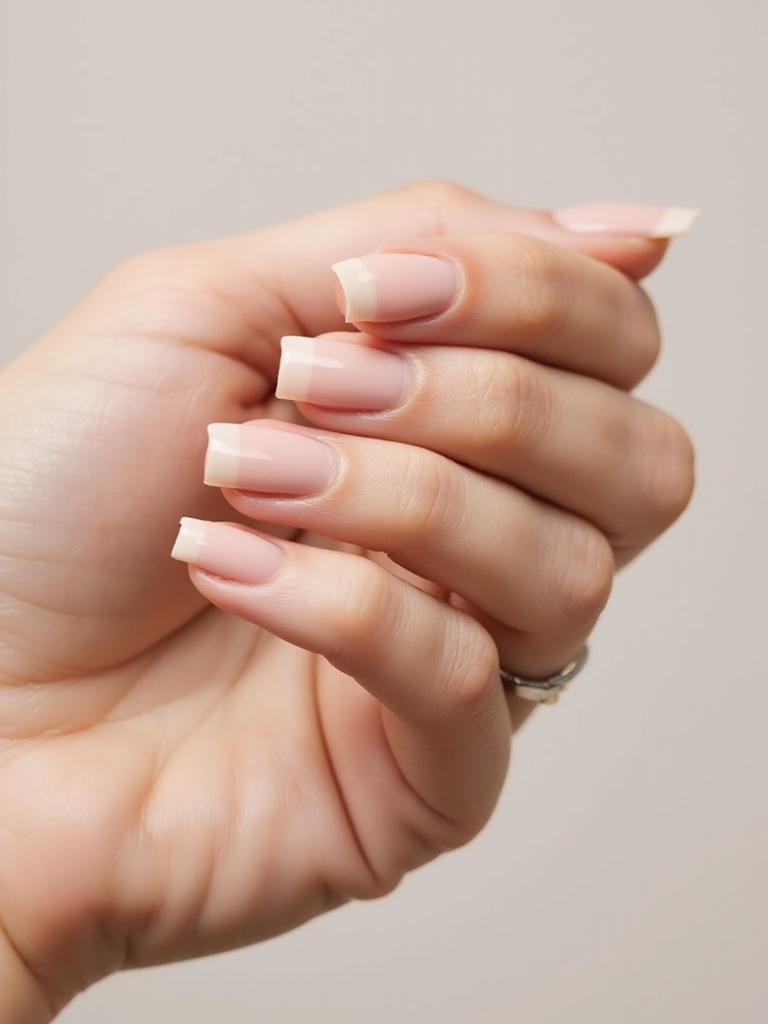
The catch is patience. The strengthening is gradual, built over weeks of consistent wear, not a single coat. Worn regularly, though, it noticeably reduces bend and peeling, and the barely-there tint means chips never show. It is the closest thing to a treatment you can wear as everyday color, and it pairs naturally with minimalist nail looks. Reapply every few days and the color and the strengthening both keep building.
- A sheer tint that suits short, natural nails
- Peptides support the keratin structure over time
- Chips stay invisible thanks to the low-coverage color
🅰️All-in-One Hybrid
One bottle of base, color, and treatment saves time and steps.
🅱️Separate Layers
A treatment base plus color gives you more control over each stage.
Plant-Oil Enriched Long-Wear Polish
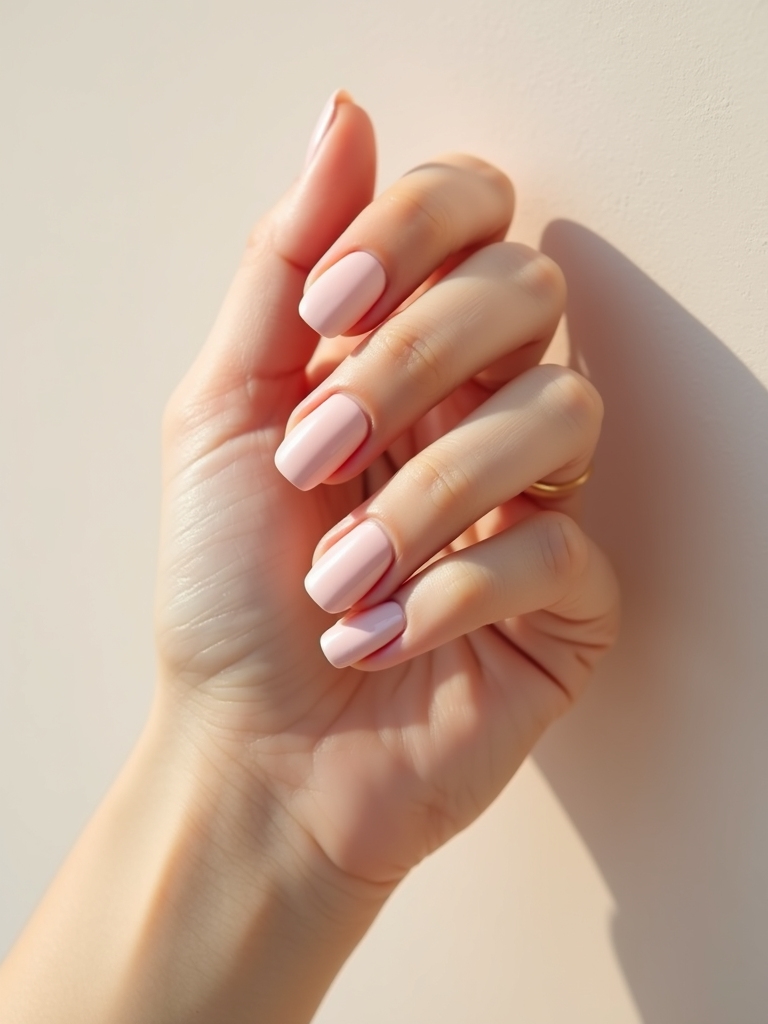
Plant-oil hybrids solve the classic problem of long-wear polish drying nails out. Botanical oils get blended into a chip-resistant formula, so your manicure lasts without leaving the nails stiff and thirsty underneath. It is the one I point dry, brittle nails toward first. The finish stays a touch more flexible than gel, which is part of why it resists cracking on nails that tend to split.
- Sunflower oil adds shine and keeps the polish flexible
- Avocado oil cushions dry, stressed nails
- Sweet almond oil smooths ridges and helps application
Strengthening Sheer With a Glassy Glow

This is the hybrid I recommend to anyone who wants the glass-nail look without acrylic. A strengthening formula in a sheer, glossy finish gives that wet, glassy shine, while a hardening agent adds resilience underneath. The look is quietly luxe.
Glass Shine Without Acrylic
It reads polished and expensive on bare or lightly tinted nails, and it holds a high-shine finish longer than a standard clear coat. Because it is sheer, it also grows out without an obvious line, so you can stretch weeks between touch-ups. That makes it a low-effort option for anyone who wants tidy nails without a real commitment.
Reapply a fresh coat every few days to keep the glass-like gloss. It also doubles as a protective top coat over color.
Primer-Infused, Long-Lasting Color
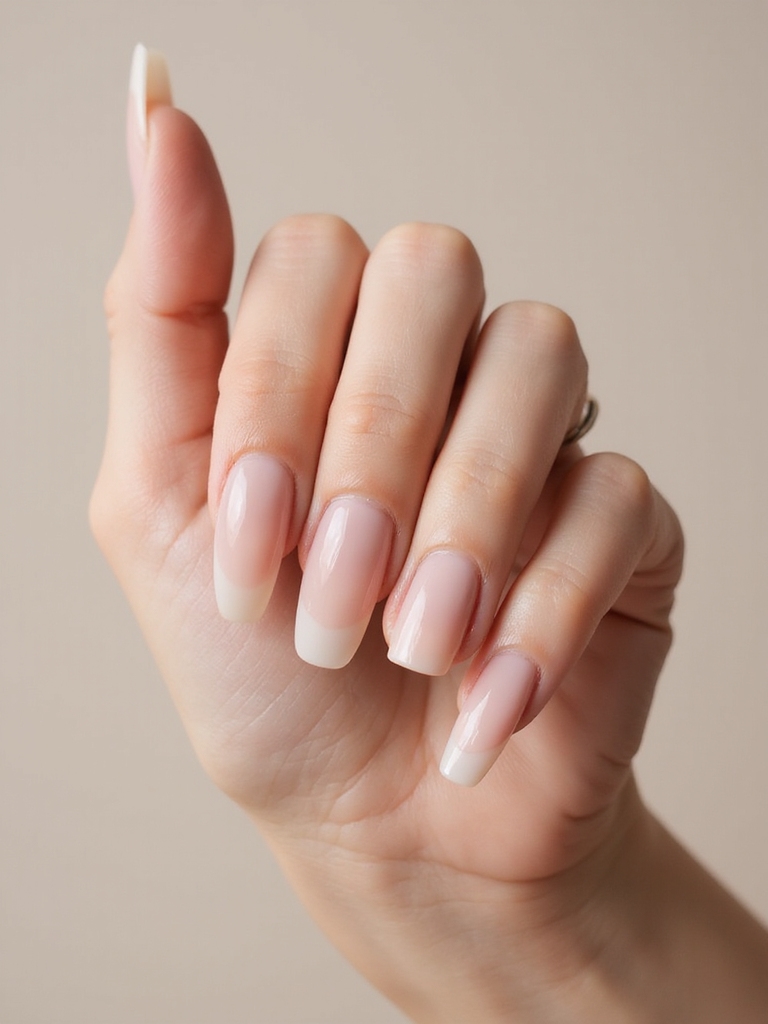
A primer-color hybrid builds the bonding step right into the polish. The primer chemistry helps the color grip the nail plate, so the whole manicure lasts noticeably longer without a separate bonding base.
It is a good pick if your polish usually peels off in sheets by day two. The trade-off is that the strong grip means you should remove it gently, since picking at it risks pulling at the nail surface. Used right, it is the most reliable fix I know for color that never seems to last past a day or two.
- Builds the bonding base into the color coat
- Grips the nail plate for longer, chip-resistant wear
- Remove gently with a soak, never by peeling
One thing worth clearing up:
❌ Myth: Hybrid polish is just regular polish with clever marketing.
✅ Reality: The better ones carry real actives, peptides, biotin, and oils, at levels that measurably reduce peeling over weeks of wear. The results are gradual, but they are real.
Daylight-Curing Glossy Protective Finish

UV-free, daylight-curing tops are one of the smartest hybrid ideas out there. They set to a hard, gel-like gloss in ordinary daylight. You skip the UV lamp entirely. The wear still comes out long, glossy, and protective.
Gel Wear Without the Lamp
The finish lands close to salon gel, chip-resistant and mirror-shiny, and unlike traditional gel nails, it removes far more easily, usually with a plain remover soak rather than heavy filing.
It is my top pick for anyone who loves gel wear but wants to protect their nails and skip the lamp entirely.
Glossy Vitamin E Nail Strengthener

A vitamin E gloss is the multitasker of the group: a high-shine strengthener with just enough pigment to even out the look of the nails. Vitamin E conditions the nail and the skin around it, while the strengthening agents add resilience.
One Bottle, Two Jobs
It works two ways. Use it as a standalone treatment on bare nails, or as a nourishing top coat over color. The glossy finish makes even undone nails look intentional and cared-for, much like a set of minimal nail designs.
Massaged in around the cuticles too, it does double duty as a quick conditioning step. That is why it is the one bottle I tell people to keep in a bag. On a bare-nail day, a single coat is enough to make your hands look pulled-together in seconds.
How to Get the Most From a Hybrid
Hybrids reward the same prep as any good manicure. Start with clean, dry, lightly buffed nails and push back the cuticles so the formula grips evenly. Apply in thin coats, since one thick layer stays tacky and chips sooner, and let each coat set before the next.
For treatment hybrids, consistency is the whole game, because the strengthening builds over weeks of continuous wear. Reapply a fresh top layer every few days to keep the shine. And try not to use your nails as tiny tools, which undoes even the toughest formula in an afternoon.
How to Choose the Right Hybrid for Your Nails
Match the hybrid to your actual nail problem. If your nails peel and bend, reach for a peptide or keratin treatment lacquer and wear it consistently. If they are dry and brittle, a plant-oil or vitamin E formula adds back moisture and flexibility.
If chipping is your main frustration, a primer-color hybrid or a daylight-curing top gives the longest, most chip-resistant wear. And if you just want healthy-looking shine with no color commitment, a strengthening sheer or glass-glow formula does the job. Plenty of people layer two, a treatment base plus a glossy top, for both care and finish, the way you might build up natural nails.
When you are shopping, read the label for the active it is built around, past the marketing on the front. A formula that leads with peptides, keratin, or biotin is aiming at strength, while one that leads with oils and vitamins is aiming at moisture. Knowing which promise you actually need saves you from a drawer full of bottles that do not match your problem.
Do Hybrids Really Strengthen Nails?
It is a fair question. The honest answer: some do meaningfully, and some mostly hydrate. Formulas built around peptides, keratin, and biotin can improve nail resilience over weeks, because they work on the nail’s structure deep in the plate. You will notice less bending and peeling after about a month of steady wear.
The oil- and vitamin-based hybrids are more about conditioning than rebuilding. They keep nails flexible and less brittle, which prevents a lot of everyday breakage, though they will not rescue a badly damaged nail on their own. The real gains come from wearing them consistently and pairing them with the basics: gentle removal, daily cuticle oil, and keeping your nails off packaging and staples.
Hybrids Versus Regular Polish and Salon Gel
Against regular polish, hybrids win on both wear and nail health. A standard lacquer only sits on top and chips within days, while a hybrid grips harder, lasts longer, and feeds the nail as it wears. The color range is now nearly as wide, so you give up very little to switch.
Against salon gel, the trade-off is different. Gel still wins on sheer longevity and that glassy, near-indestructible finish, but it needs a UV lamp and filing to remove, both of which stress the nail. Hybrids, especially the daylight-curing tops, get you most of the way to gel wear with a fraction of the damage and none of the lamp. For a purely decorative comparison, look at how jelly nails build their glassy shine.
Removing Hybrids Without Damage
The gentler wear of hybrids means gentler removal, which is half the appeal. Most come off with a standard acetone or acetone-free soak, no aggressive filing or scraping required. Soak a cotton pad and hold it on each nail. The color slides off in a few minutes.
Never peel or pick a hybrid off, even the grippy primer types, since that takes layers of your natural nail with it. After removal, massage in a cuticle oil to rehydrate, and you are ready to start again. For low-key inspiration between treatments, a set of nude nails keeps things simple.
The Trade-Off Worth Skipping
The whole point of hybrid nail products is that you no longer have to choose between color and nail health. Whether your nails are weak, dry, or just prone to chipping, there is a formula here that treats the problem while it looks good, and most of them are faster and gentler than the salon options they mimic.
If your nails have been struggling, a treatment hybrid worn for a month is a low-risk place to start. Pick the one that matches your biggest nail complaint, wear it consistently, and let the formula do the quiet work while your color does the loud part.
Worth a Look