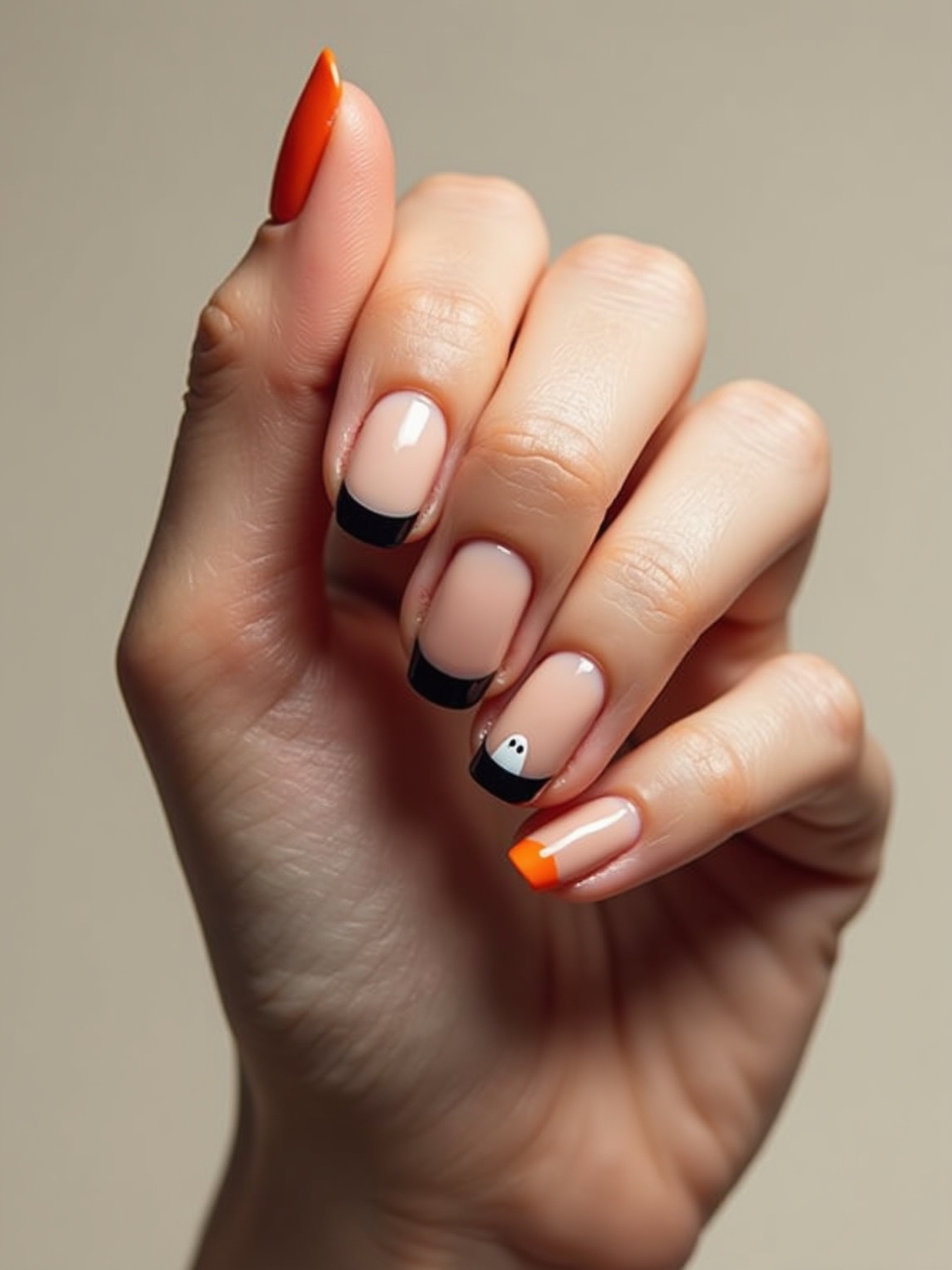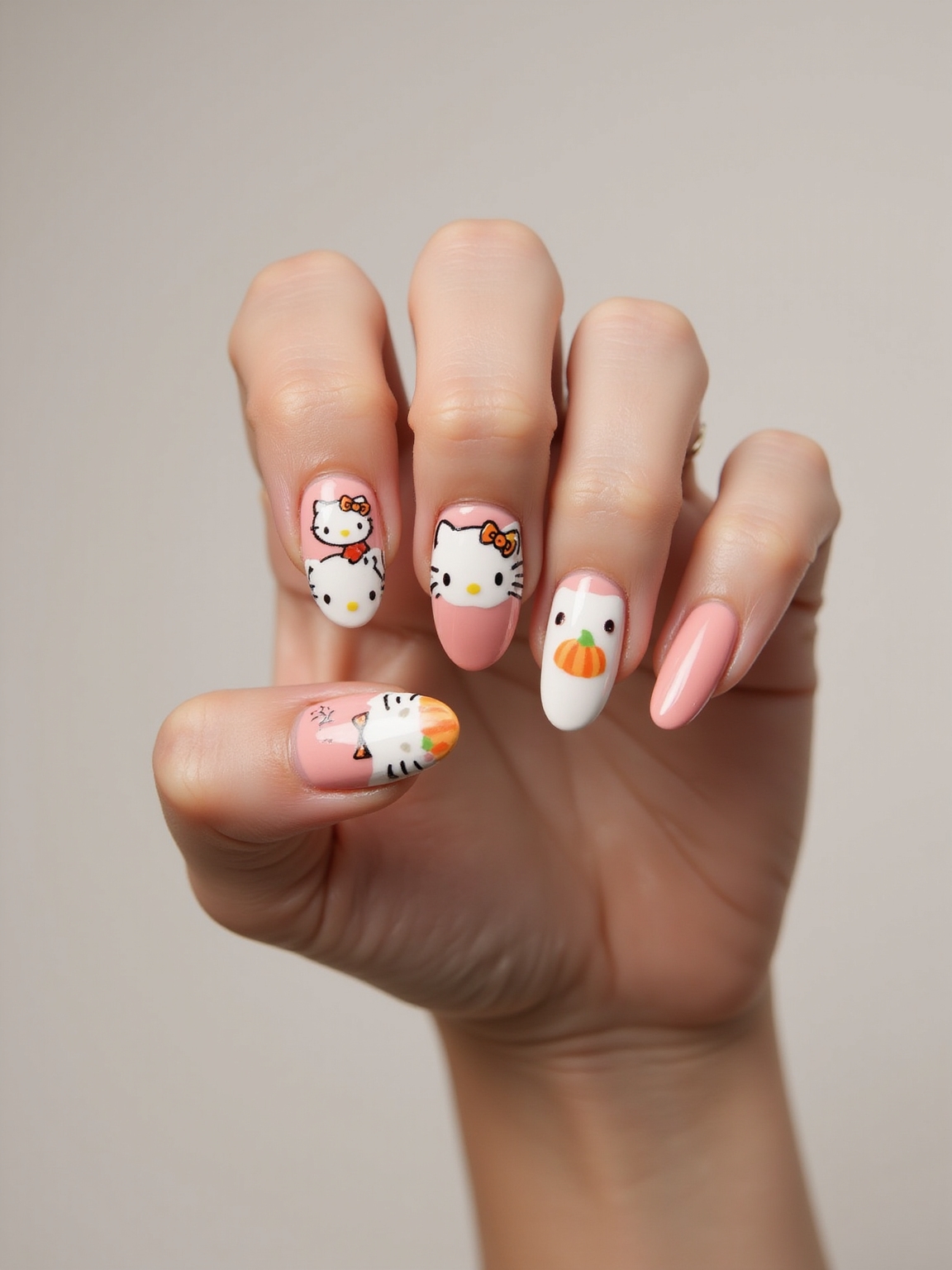

Run your eyes along a truly polished manicure and the color is almost the last thing you notice. It’s the shape, the clean, considered line of the tip, that tells you someone knew what they were doing. The exact same shade of nude looks ten times more expensive on a well-shaped almond than on a chipped, uneven square.
Shape is the quiet foundation under every trendy design, and the right one flatters your fingers, suits your lifestyle, and makes any color or art look intentional. Below are the elegant shapes worth knowing, what each one does for your hands, how it holds up day to day, and exactly how to ask for it, so you can pick the shape that makes your nails look polished with no effort.
Elegant Nail Shapes at a Glance
- Shape matters more than color for an elegant look: a clean, even tip line makes any shade look expensive.
- Match the shape to your hands and lifestyle, almond and oval elongate, square and squoval are sturdy, stiletto and ballerina need length and care.
- Bring a reference photo to the salon and name the shape, since terms like squoval, ballerina, and lipstick mean specific things to a nail tech.
The Almond

The almond is the shape that launched a thousand manicures, tapered along the sides to a soft, rounded peak like the nut it’s named for. It’s the most universally flattering elegant shape because it elongates the fingers and slims the hand, which is why it stays in rotation season after season.
It needs a little length to taper properly, so it suits natural nails with some growth or an extension. Almond is more forgiving than a stiletto but still graceful, making it the go-to for anyone who wants long-and-elegant without going full drama:
- Flatters short or wide fingers especially, since the taper creates a slimming line.
- Works on medium to long length; too short and the taper has nowhere to go.
- Ask for ‘almond, soft point’ to avoid an overly sharp, stiletto-like tip.
The Elongated Ballerina

The ballerina, also called coffin, tapers like an almond but ends in a flat, squared-off tip, like a ballet slipper. It’s the long, dramatic shape you see on every editorial manicure, glamorous and unmistakably modern:
- Needs real length to look right, so it’s usually done on extensions or acrylics.
- The flat tip gives a big canvas for art, ombre, and chrome, which is why designers love it.
- Beautiful but high-maintenance, the long length catches and needs care, so it suits someone willing to maintain it.
A quick translation of the shapes you’ll hear named:
📖Squoval
A square with the corners rounded off, the flat tip of a square with the snag-free comfort of an oval. The most practical everyday shape.
📖Ballerina / Coffin
A long shape that tapers like an almond but ends in a flat, squared-off tip, like a ballet slipper or a coffin lid. Needs length to look right.
The Soft Curved Oval

The oval is the gentlest, most natural-looking elegant shape, curved evenly all the way around like an egg. It’s the shape for someone who wants polished and pretty without anything sharp or trendy, timeless and very low-key.
Because it has no corners, the oval is one of the most flattering shapes on shorter natural nails and one of the kindest to weak or breakage-prone nails, since there are no edges to catch. It quietly lengthens the finger while looking completely natural, which is its whole charm.
- Ideal for natural nails and anyone who wants elegance without a bold statement.
- The corner-free shape resists snags and breaks, so it’s practical as well as pretty.
- Ask for ‘oval’ specifically, since some techs default to a more pointed almond.
The Crisp Square

The square is the bold, clean, architectural shape: straight sides and a flat, sharp-cornered tip. It reads modern and confident, and on the right hands it looks sharp and high-fashion rather than dated.
Square suits long, slim fingers and nail beds best, since on short or wide fingers the straight lines can shorten the look. It’s a sturdy, practical shape with a big flat surface for color and art, and it’s having a real moment in its short, neat ‘micro-square’ form:
- Flatters long fingers and narrow nail beds; can stub shorter, wider hands.
- The flat tip and corners make it durable and great for clean color or French tips.
- Keep the corners filed clean and even, since a wonky corner is very visible on a square.
The Balanced Short Squoval

The squoval, square plus oval, is the people-pleaser of nail shapes: the flat tip of a square with the corners softened into gentle curves. It’s the most practical elegant shape there is, and on short nails it’s pretty much unbeatable.
Why the squoval suits short nails best
You get the sturdiness and clean line of a square without the snag-prone sharp corners, which makes it ideal for anyone who works with their hands, types all day, or just wants a fuss-free manicure that still looks done. It flatters almost every finger and nail-bed shape, which is why it’s the most-requested shape in many salons.
On short natural nails especially, the squoval looks neat and intentional where a true square can look stubby. It’s the shape I steer most clients toward when they want elegance that survives real life.
The thing I tell anyone agonizing over nail shape: be honest about your hands and your habits, not the photo you saved. The most elegant manicure is the one that still looks clean in two weeks, and that’s almost always the shape that fits your real life, not the dramatic one you’ll file down by Thursday.
The Sleek Tapered Stiletto

The stiletto is maximum drama: long, tapered, and filed to a sharp point like its namesake heel. It’s the boldest elegant shape, fierce and fashion-forward, and absolutely not for the faint of heart:
- Needs significant length and almost always extensions, since natural nails rarely take the point.
- The sharp tip is delicate and snags easily, so it’s the highest-maintenance shape here.
- Striking for a statement or event; less practical for everyday hands-on life.
The Sleek Modern Square

A longer, sleeker take on the square swaps the stubby reputation for a sharp, elongated, runway-modern line. It keeps the flat tip and clean corners but adds length to slim and lengthen the whole hand.
That added length is what flips the square from practical to high-fashion, so it is the version to ask for when you want edge without losing durability:
- Flatters most hands once there’s length, since the added length offsets the square’s width.
- The long flat tip is a designer favorite for graphic art, French tips, and chrome.
- Ask for ‘long square’ or ‘squared tip’ and keep the sidewalls straight and parallel.
The Glossy Lipstick Tip

The lipstick nail is the fashion-insider shape: filed at a slant so the tip is angled like a fresh stick of lipstick. It’s unexpected, editorial, and a real conversation piece on someone who knows their nail shapes.
It’s bold and asymmetric, so it suits someone who wants something truly different from the usual line-up, and it looks best in a glossy, single color that shows off the clean angled edge. It’s a statement shape rather than an everyday one, but it’s a striking way to wear something nobody else is.
🅰️Built for Everyday
Squoval, oval, or short almond. Sturdy, flattering, low-maintenance, and elegant without fuss, these survive typing, cooking, and real life while still looking polished.
🅱️Built for Drama
Stiletto, ballerina, lipstick, or edge. Bold, editorial, and unmistakable, but they need length, extensions, and real upkeep, so they suit statements and events more than daily wear.
The Angular Edge

The edge, sometimes called the arrowhead, has a raised central ridge running down the nail to a point, giving it a sculptural, almost futuristic look. It’s the most avant-garde shape here, the one you see on fashion-week nail art rather than at the average salon.
Because of that central ridge, it’s a sculpted acrylic shape that takes real skill to create and isn’t built for everyday wear. It’s a showpiece, the shape for an editorial, a photoshoot, or someone who treats their nails as pure art.
If you love it but want something wearable, ask your tech for a softer interpretation, the drama of the point without the full raised ridge, so you get the edge without the upkeep.
The Tapered Square (Squariel)
Sitting between square and almond, the tapered square (sometimes ‘squariel’) keeps a flat tip but tapers the sidewalls inward, so it slims the finger while staying sturdy. It’s a smart compromise for anyone torn between the two.
You get the durability and art-friendly flat surface of a square with a more flattering, lengthening line, which makes it a quietly popular choice for people who found a true square too wide. Ask for ‘tapered square’ and a slim, straight tip.
The Mountain Peak
The mountain peak is a dramatic, sculptural shape that rises to a sharp central point like a summit, more architectural than an almond and bolder than a stiletto. It’s a statement shape for the truly adventurous.
Like the edge and stiletto, it’s a sculpted acrylic look that needs skill to build and care to wear, so it lives firmly in the special-occasion and nail-art world rather than the everyday. It looks incredible in photos and on a confident hand that doesn’t mind the upkeep.
How to Choose Your Shape
With all these options, picking your shape comes down to three honest questions: how long are your nails (or willing to grow or extend), how much upkeep will you actually do, and what do your fingers need?
Short, natural, low-fuss hands are happiest in a squoval or oval; long fingers can carry a bold square or stiletto; wide or short fingers slim beautifully under an almond or tapered square. There’s no universally ‘best’ shape, only the best one for your hands and your life.
Lifestyle is the deciding factor people skip. If you type, cook, garden, or chase kids, a pointed stiletto or long ballerina will fight you daily, while a squoval or short almond holds up without a thought. Be honest about the maintenance you’ll do, and the shape will reward you by looking elegant for weeks. My double french tip designs and press-on nail ideas guides show how shape and design work together.
Elegant Nail Shapes, Answered
?What is the most flattering nail shape?
Almond is the most universally flattering, because its taper elongates the fingers and slims the hand, and it suits short or wide fingers especially. For natural nails and the lowest fuss, oval and squoval are close runners-up, flattering nearly every hand while being far more practical.
?What’s the difference between ballerina and coffin nails?
They’re the same shape under two names: long and tapered like an almond but with a flat, squared-off tip, resembling a ballet slipper (ballerina) or a coffin lid (coffin). Both need real length, usually extensions, and offer a big flat canvas for nail art.
?Which nail shape is best for short or weak nails?
The squoval and the oval. The squoval gives a clean, sturdy line without sharp corners to catch, and the oval’s corner-free curve resists breakage, so both look elegant on short natural nails and are gentle on nails prone to splitting.
?How do I ask for a specific nail shape at the salon?
Name the shape and bring a reference photo, since terms are specific to nail techs. Say ‘squoval, soft corners’ or ‘almond, soft point’ rather than just ’rounded,’ and show a picture, the photo removes any guesswork about length and how sharp or soft you want the tip.
Shape Is the Whole Foundation
Once you start noticing nail shape, you can’t unsee it, the considered, even line of the tip is what separates a manicure that looks expensive from one that just looks painted. Whether you go for a practical squoval, an elongating almond, or a full-drama stiletto, choosing a shape that flatters your hands and fits your life is the single biggest upgrade you can make to your nails.
So before you pick your next color or save another nail-art photo, think about the shape underneath it, and be honest about the length and upkeep you’ll really commit to. Save this guide for your next salon visit, name the shape you want, and bring a reference photo. The right shape makes everything you put on top of it look easy and intentional, which is the whole point of an elegant manicure.
Keep Reading