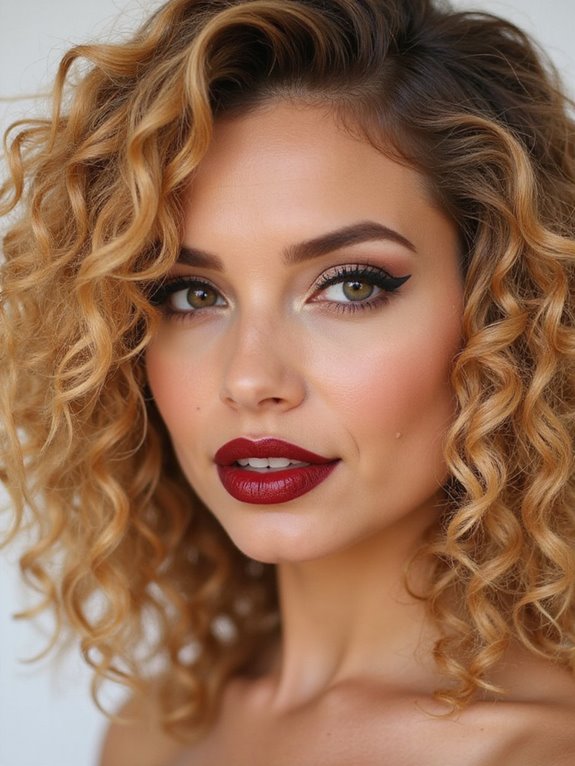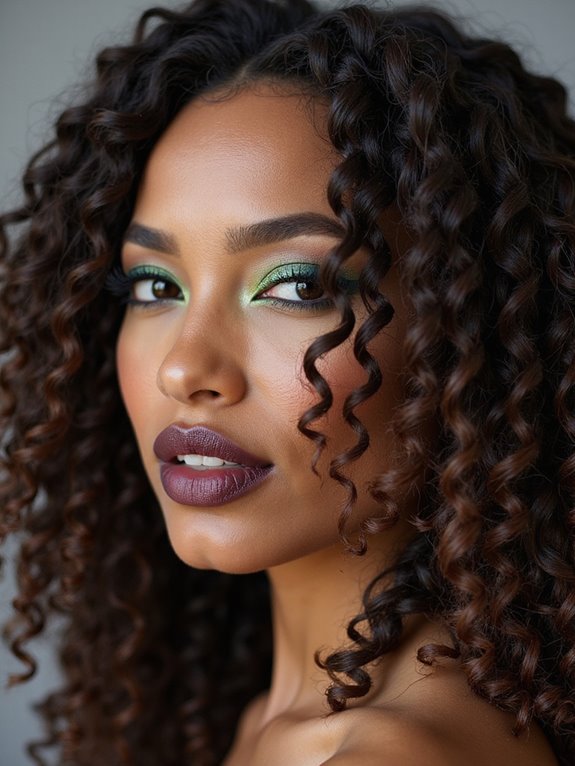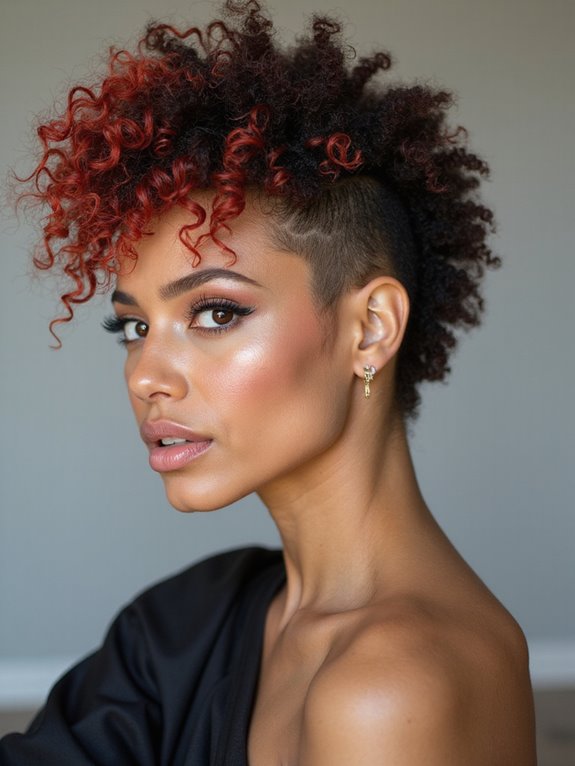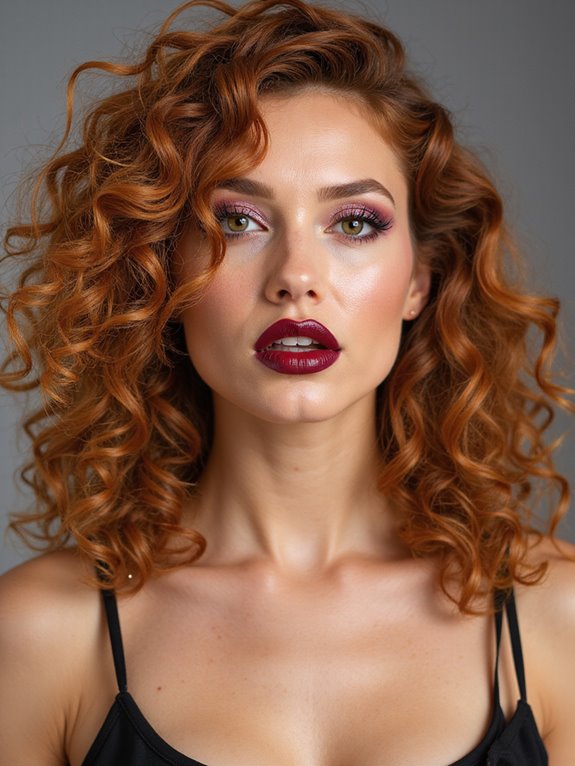

A protective style should do two jobs at once: guard your hair and look good doing it. Curly braided styles are the ones that nail both, tucking fragile coils safely away while giving you a finish you actually want to wear. You are not choosing between healthy hair and a good look; with these, you get both.
Below are twenty protective braided styles for curly and coily hair, from knotless and box braids to Senegalese twists, Ghanaian braids, and cornrows, along with the care that keeps them from doing more harm than good. Several carry deep roots in Black hair culture, which is worth knowing as you choose. Save the ones that fit your hair and your life, and find a braider you trust.
Protective Braids at a Glance
| Style | Best For | Wear Time |
|---|---|---|
| Knotless braids | Sensitive scalps, minimal tension | 6 to 8 weeks |
| Box braids | Long-lasting, versatile protection | 6 to 8 weeks |
| Senegalese twists | A lighter, smoother finish | 6 to 8 weeks |
Versatile Protective Braids

Before the styles, it helps to know what protective actually means. A protective style tucks the ends of your hair away and keeps the curls from constant friction, manipulation, and weather, all of which are what wears textured hair down over time. Braids do this better than almost anything.
The versatility is the bonus. One set of braids can hang loose today, sit in a high bun tomorrow, and wrap in a scarf the day after, so you get weeks of different looks from a single install. That range is why braids are the backbone of protective styling for curly and coily hair.
The key word, though, is gentle tension. A braid only protects if it goes in without harsh pulling, so every style here depends on a careful hand far more than on the style name itself.
Choosing the Perfect Style

The right protective braid depends on your hair type, your scalp, your lifestyle, and how long you want it to last. A fine, sensitive scalp does better with lightweight knotless braids, while thick, dense coils can carry heavier styles with ease.
Be honest about upkeep, too. Some styles last two months with little fuss, while others need refreshing sooner, so match the commitment to your real schedule rather than the most impressive photo.
- Sensitive scalp: lean toward lightweight, knotless options
- Active life: pick a secure style that stays put
- Low effort: choose a longer-lasting install you can leave alone
Not sure which protective braid suits you? Start here:
1My scalp is sensitive and tension hurts
Knotless braids or feed-in styles, installed gently
2I want bold and fast
Jumbo braids for a statement in a couple of hours
3I want a break with no extensions
A twist-out using your own hair
A Timeless Protective Choice

Some protective braids have been worn for generations and show no sign of fading, because they simply work. Cornrows, box braids, and twists have protected and adorned textured hair for centuries, long before any trend cycle picked them up.
Why Classics Endure
That staying power is practical as much as cultural. These styles last, flatter a wide range of faces, and adapt endlessly with length, parting, and accessories, which is why each generation makes them its own.
Choosing a classic also means choosing a style most braiders know inside out. You are far more likely to get a clean, gentle, long-lasting result with a technique that has been refined over decades than with a passing novelty.
Knotless Braids

Knotless braids have become the go-to protective style for good reason: they start with your own hair and feed in extensions gradually, so there is no tight knot tugging at the root.
The result lies flatter, moves more naturally, and puts far less stress on the scalp and hairline than traditional knotted box braids. If you have ever ended a braid appointment with a sore, tight scalp, this is the style that fixes it. They cost a little more and take longer to install, but the comfort is worth it.
- No knot at the root means far less tension and soreness
- Lies flat and moves naturally from day one
- The kindest choice for fine hair or a sensitive hairline
👍Why Protective Braids Work
- +Shield curls from friction and daily manipulation
- +Weeks of low-effort, restylable wear from one install
- +Many gentle, scalp-friendly options now exist
👎Keep in Mind
- –Tight installation can damage the hairline
- –Hair underneath still needs moisture and cleansing
- –Leaving braids in too long causes tangling and buildup
A Versatile Everyday Style

The best protective style is one you can live in, and the most wearable braided looks slot into an ordinary week without a thought. A medium set of box braids or twists carries you through a workday, a workout, and a dinner out on nothing more than a fresh way of tying it up. That everyday flexibility, more than any single dramatic look, is what keeps people coming back to braids season after season.
- One install carries you through work, workouts, and weekends
- Restyle into a bun, half-up, or wrap in seconds
- Low daily effort once the braids are in
Box Braids
Box braids are the protective style most people picture first, dividing the hair into clean square sections and braiding each one, usually with added length. They are endlessly versatile, last well, and tuck your natural curls away completely for weeks of genuine rest.
Their roots run deep in Black hair culture, and they have carried meaning and artistry for generations. Wearing them well means honoring that history as much as the look.
A full set is an investment of both time and money, often running $150 to $300 and several hours in the chair, so it pays to choose a skilled braider who installs them gently rather than the cheapest option you can find.
Senegalese Twists
Senegalese twists swap the three-strand braid for a smooth, rope-like two-strand twist, giving a sleeker, lighter finish than box braids. The twists catch the light beautifully and feel less heavy on the scalp, which makes them a favorite for anyone who finds a full set of braids too weighty.
Named for and rooted in West African tradition, they are protective in the same way braids are, sealing the curls away from daily wear. Keep the ends sealed and the scalp moisturized, and a good set of twists carries you comfortably for weeks.
Ghanaian Braids
Ghanaian braids, often called feed-in cornrows, start thin at the hairline and grow thicker as more hair is fed in, creating a smooth, raised, dimensional row with no harsh knot at the front. The effect is sleek and sculptural, and the gradual feed-in is gentler on the delicate edges than older methods.
As the name says, the style comes from Ghana and the wider West African braiding tradition, where these patterns are an art form in their own right. They look intricate and refined, and they wear comfortably because the tension is spread along each row rather than yanked at the root.
Feed-In Braids
Feed-in braids use the same gentle principle as Ghanaian braids and knotless styles: extensions are added in gradually instead of attached in a bulky knot at the start. That gradual build is what makes the braid lie flat, look natural, and spare your hairline the strain of a heavy weight pulling from the root.
It is less a single style than a technique you can ask for across many looks, from cornrows to individual braids. If a smooth start and a protected hairline matter to you, feed-in is the phrase to bring to your braider.
Cornrows for Curly Textures
Cornrows braid the hair flat against the scalp in raised rows, and they are among the oldest and most meaningful protective styles in the world, with documented African heritage stretching back thousands of years. On curly and coily hair they protect beautifully while doubling as sculptural art.
The patterns are endless, from simple straight-backs to curved and geometric designs, and a skilled braider can map them to flatter your head and features. The parting precision is what turns cornrows from neat into something striking to look at.
Because they sit right against the scalp, gentle tension matters more here than anywhere. For deeper patterns, care, and history, our cornrow hairstyles guide goes further.
Jumbo Braids
When you want a bold protective style in a fraction of the time, jumbo braids deliver. Far larger than standard braids, they make a strong visual statement and install in a couple of hours instead of most of a day, which is a real gift if you cannot sit for a long appointment.
The trade-off is weight. Big braids can pull if they are too heavy or too tight, so ask your braider to keep them comfortable and skip them if your hair or scalp is on the fine, fragile side.
Micro Braids
At the opposite extreme, micro braids are tiny and numerous, giving fine detail and a near-loose-hair movement once they are in. They are beautiful and versatile, and because each braid is so small, the finished style flows almost like unbraided hair.
The cautions are real, though. Micro braids take many hours to install and can stress the hair if they are left in too long or taken down carelessly, so they reward patience at both ends and a gentle, unhurried takedown.
Twist-Out Braids
Not every protective braid uses extensions. A twist-out or braid-out works with your own hair: you braid or twist it damp, let it set, and unravel it for a head of defined, uniform curls and waves. It is protective while it sets overnight and gives a soft, full result the next day.
This is the lowest-commitment option here, perfect for stretching between bigger installs or simply defining your natural pattern. A little curl cream before braiding and a careful unraveling are all it takes.
Styling Your Braids
One of the joys of braids is how many looks live inside a single install. Once they are in, you can pull them into a high bun, sweep them to one side, wrap them in a scarf, or pin a half-up, all without touching your natural hair underneath.
Accessories take it further. A few gold cuffs, beads, or a silk ribbon turn a simple set of braids into something personal, a tradition that runs deep in many braiding cultures. For more finished looks to try, our curly braided hairstyles guide has a full gallery.
- Restyle into buns, half-ups, side-sweeps, and wraps
- Add cuffs, beads, or ribbon for personality
- Switch the look daily without disturbing your own hair
Keeping Braids Healthy and Long-Lasting
A protective style only protects if you care for what is underneath. The scalp still needs attention, so massage a lightweight scalp oil along the partings every few days to keep the skin comfortable and flake-free, and clean the scalp gently with diluted shampoo or a dedicated cleanser whenever buildup appears.
Care for What Is Underneath
The hair itself needs water just as much. Mist the braids with a water-and-leave-in blend regularly, since dry hair under the tension of a braid is hair that snaps. Clients ask me in my chair why their braids felt dry and brittle at takedown, and the answer is almost always missed moisture.
Most importantly, know when to take them out. Even the gentlest set should come down after six to eight weeks so the hair and scalp can be cleansed, rested, and rehydrated before the next install.
Refreshing Between Wears
Around the two-week mark, braids start to look fuzzy at the roots and lifeless at the lengths, but a refresh buys you more time. Smooth the edges with a little gel, mist and re-moisturize the lengths, and re-tie any loose ends to bring the whole style back to life.
A nightly satin wrap is what makes the biggest difference, cutting the friction and frizz that age a style fastest. Five minutes before bed keeps braids looking fresh for days longer.
Detangling at Takedown
Takedown is where a lot of protective-style damage actually happens, all of it avoidable. The worst breakage I watch happen comes from rushing this step, so give it time and never rip a braid loose; unravel each one gently and patiently from the bottom up.
Work in good light with a little oil or conditioner on your fingers to ease the process, and expect to shed the hair that naturally fell out while it was braided and stayed trapped in the style. That shedding looks alarming but is normal.
Once everything is down, detangle in sections with conditioner and a wide-tooth comb before you wash, then give your curls a deep-conditioning treatment. A gentle takedown and a good wash day are how you protect the hair you just spent weeks protecting. For a wash-and-go break between installs, our curly bob guide has easy options.
Protecting Your Edges and Hairline
The hairline is the most fragile part of textured hair and the first place tension shows, so it deserves special care with any braided style. The single best protection is gentle installation: braids at the edges should never feel tight or sting, and you should speak up the moment they do.
Beyond that, keep the edges moisturized, avoid styles that pull the same way every time, and give your hairline breaks between installs. Treating the edges kindly now is what keeps them full for years to come.
- Insist on gentle, no-sting tension at the hairline
- Vary your styles so the edges are not always pulled the same way
- Moisturize the edges and rest them between installs
Protective Braid Questions
?How long can I keep protective braids in?
Most protective braided styles are best worn for six to eight weeks. Past that, tangling and product buildup set in at the roots, and the hair underneath needs to be cleansed, rested, and rehydrated. Take them down sooner if your scalp feels stressed or the braids are slipping loose.
?Are knotless braids really better for your hair?
For most people, yes. Because the braid starts with your own hair and feeds in extensions gradually, there is no tight knot pulling at the root, which means far less tension on the scalp and hairline. They are especially kind to fine hair and sensitive or fragile edges.
?Do I still need to wash my hair with braids in?
Yes. The scalp and hair underneath still collect oil and product, so cleanse gently with a diluted shampoo or scalp cleanser when buildup appears, and mist the lengths with a water-and-leave-in blend regularly. Dry, unwashed hair under tension is what leads to breakage.
?Why does my scalp hurt after getting braids?
A sore scalp means the braids were installed too tightly, and that tension can damage the hairline over time. Braids should feel secure but never painful. Speak up during the appointment if it stings, and consider knotless or feed-in styles next time for a gentler result.
?Can protective braids actually help my hair grow?
Indirectly, yes. Braids do not speed growth, but by shielding the ends from friction and breakage, they help you retain the length you grow, which is what makes hair look longer over time. The key is gentle tension, steady moisture, and not leaving the style in too long.
Protect First, Style Always
The thread running through all twenty of these styles is a single idea: a braid is only truly protective when it is installed and cared for gently. The most beautiful set of box braids or knotless twists in the world will work against you if the tension is harsh, the scalp goes dry, or the style stays in for months. Choose the look, but obsess over the care.
Get that part right, and curly braided styles give you exactly what the title promises: weeks of protection and a finish you are proud to wear, at the same time. Pick the style that fits your hair and your week, find a braider with a gentle hand, honor the traditions behind these styles, and let your curls rest easy underneath.
Next Up