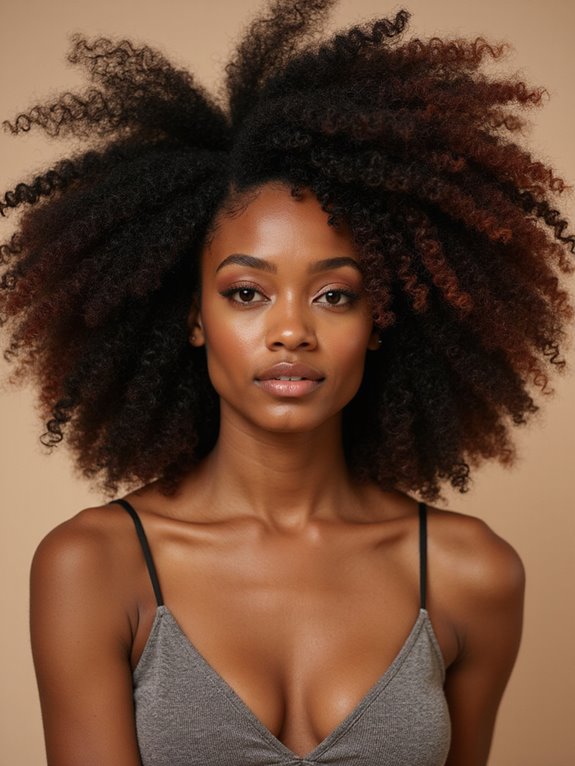
There is a particular kind of confidence in a woman wearing her natural texture exactly as it grows, whether that is a high, full afro, a crown of bantu knots, or a freshly defined twist-out catching the light. After generations of being told that coils and kinks were something to straighten or hide, more Black women than ever are wearing their natural hair proudly, and the styles below are a celebration of that.
These eighteen looks span the whole range of type 3 and type 4 textures, from quick wash-and-gos to protective braids and statement cuts. Every one of them works with coily and kinky hair rather than against it, and the focus throughout is on health, definition, and choices that honor the hair as it is. Save the ones that speak to you, and bring them to a stylist who knows your texture.
Before You Style
- Moisture is everything. Type 4 coils are the driest texture there is, so a leave-in and sealing are the foundation of every defined style.
- Protective styles guard your length, but only when the tension stays gentle; a braid or twist should never sting at the roots.
- Find a stylist who specializes in textured hair, and know your rights: the CROWN Act protects natural hairstyles from discrimination in a growing number of states.
A Chic Tapered Cut
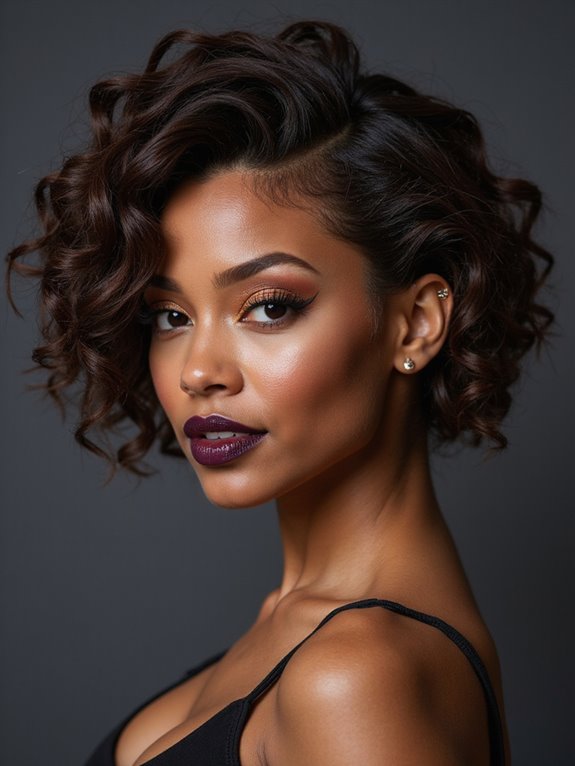
A tapered cut keeps the sides and nape short while leaving fuller curls up top, a clean, sculptural shape that puts your coils and your face right out front. It is low-maintenance day to day, since there is little hair to manage. It flatters type 4 textures especially, where the density gives the crown real height and shape.
- Shows off coils and bone structure at once
- Almost no daily styling, with regular shape-up trims
- Striking height on dense type 4 textures
Versatile Protective Braids
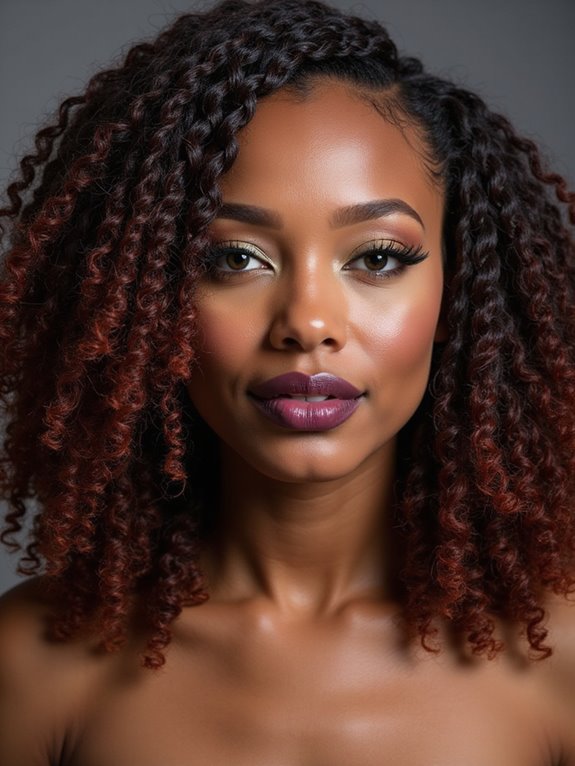
Braids are the cornerstone of protective styling, tucking your natural hair safely away for weeks while looking beautiful doing it. Box braids, knotless braids, cornrows, and Senegalese twists all give your coils a genuine rest from daily manipulation and weather, which helps you retain length.
The one rule is gentle tension. A protective style only protects if it never pulls hard at the roots, so insist on braids that feel secure but never painful. Expect a professional set to cost somewhere between $150 and $300, based on length and the detail involved. For the full range, our protective styles guide goes deeper.
- Box, knotless, cornrows, and twists all protect the hair
- Gives coils a real rest from daily handling
- Only protective when the tension stays gentle
“The biggest difference I see in my chair is moisture. Type 4 coils are the thirstiest hair there is, so the women with the most defined, springy curls are the ones who hydrate first and style second, every single time.”
Wash, Condition, Style, Air-Dry
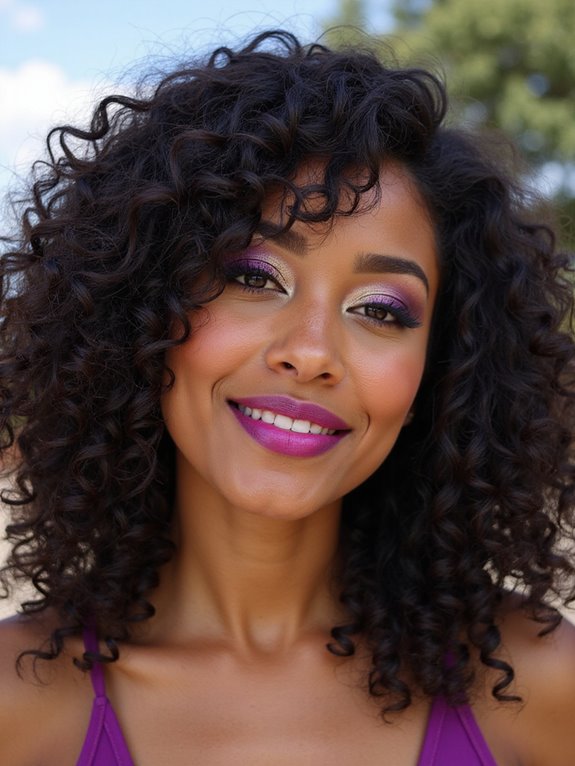
The wash-and-go is deceptively named, since it is really a defining technique, and on type 3 and 4 hair it can be striking. You cleanse, condition, then smooth a leave-in and a gel through hair that is still soaking wet and let the coils dry into their own defined pattern. With enough moisture and a hands-off dry, it shows off your natural curl at its springy best. The name lies; the results do not.
- Apply product to soaking-wet hair for the best definition
- A gel cast, scrunched out when dry, fights frizz all day
- Dry on a low diffuser setting, or air-dry, and keep hands off
A Piled-High Pineapple
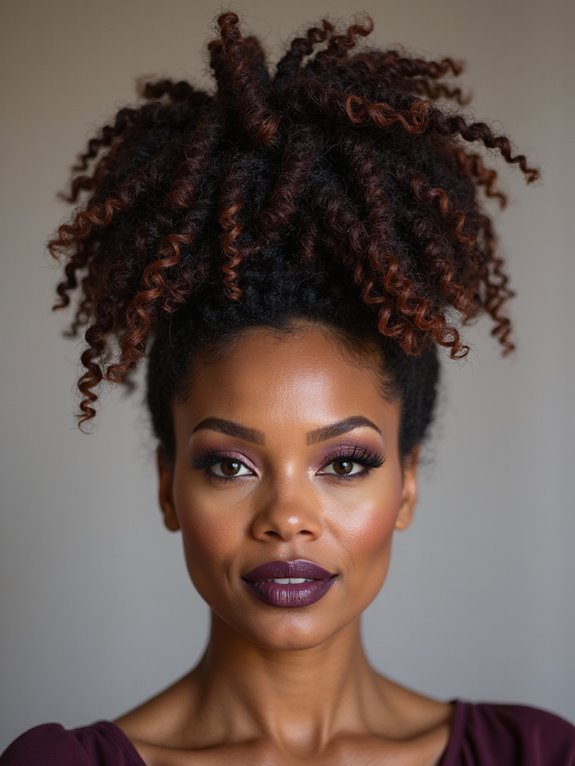
The pineapple gathers your curls high and loose at the very top of the head, and it is as practical as it is pretty. It keeps the coils off your neck, shows off the volume, and protects the curl pattern overnight, so it doubles as a daytime style and a sleep solution.
A Style and a Sleep Solution
On longer type 4 hair especially, a high pineapple reads bold and regal. The fuller your coils, the more dramatic the gathered shape.
Use a soft, loose tie and gentle tension to gather it, since the goal is height and fullness, not a hard pull at the hairline. Smooth your edges with a little gel if you want a cleaner finish.
Pick your goal and a style follows:
🎯I want a protective break
Box braids, cornrows, or bantu knots, installed gently
🎯I want to show off my natural pattern
A defined wash-and-go, a twist-out, or finger coils
🎯I want something quick for today
A high puff, a low puff, or a half-up
A Chic Low Puff
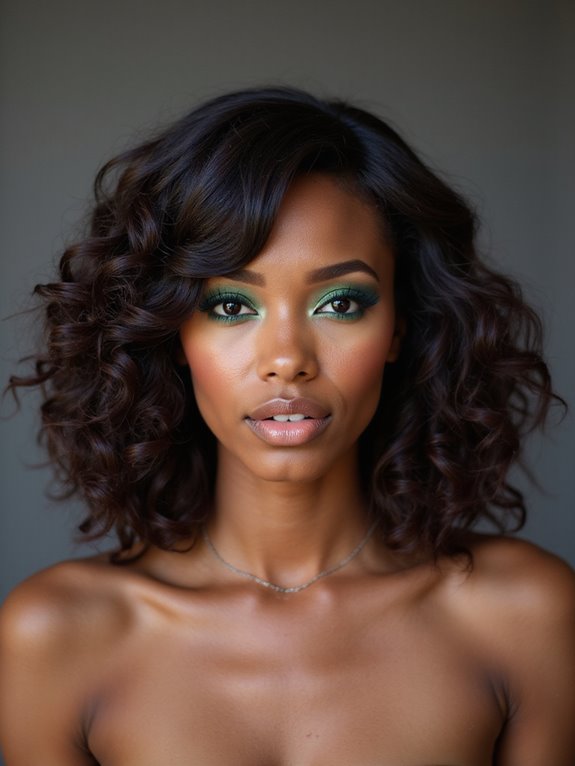
The low puff gathers the curls into a soft, full shape at the nape, an easy style that reads polished and grown-up in minutes. It is the one I reach for with clients in my chair who want something quick that still feels put-together for work or an event.
Quick but Polished
It works across coil patterns and lengths, and it is endlessly adaptable, smooth and sleek one day or full and textured the next. Leave a few curls loose at the temples to soften the face.
Like every gathered style here, it asks for gentle tension. Use a satin-friendly tie and avoid pulling the edges tight so the puff protects rather than stresses your hairline.
The Classic Twist-Out
If there is one technique every textured-hair routine should master, it is the twist-out. You twist damp, product-coated sections of hair, let them set fully, and unravel them into soft, defined, uniform coils with beautiful stretch and shine.
The result lasts for days and only gets softer, and the size of your twists controls the look, with bigger twists giving looser waves and smaller ones tighter definition. It is the workhorse of natural-hair styling for good reason.
Set it on freshly moisturized hair and unravel with a little oil on your fingers to keep frizz down. I always tell first-timers to twist the night before and unravel in the morning. A satin bonnet stretches the style well into the week.
A Fluffy Roller Set
Flexi-rods and perm rods create uniform, springy curls with no heat at all, which makes a roller set a gentle way to switch up your texture. You wrap damp sections around the rods, let them dry completely, and unravel them for rows of consistent, defined coils.
It is a wonderful option for a special occasion or simply for a polished, uniform finish. Smaller rods give tighter curls, larger ones give loose, bouncy waves, so you control exactly how defined the set turns out.
Bold Color Accents
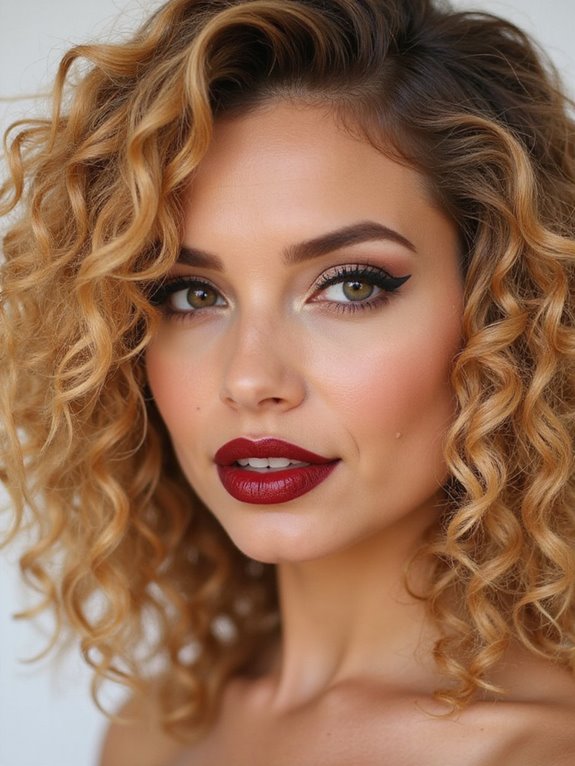
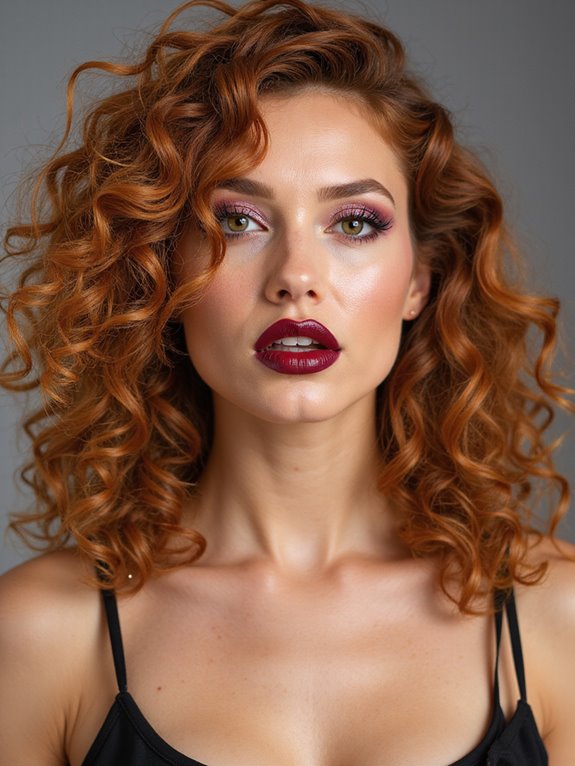
Color can transform natural curls, and it does not have to mean a full dye job. Honey highlights around the face, deep burgundy through the lengths, or a few coppery coils add dimension that catches the light as your curls move.
If you would rather not commit your own strands, colored braiding hair or temporary options let you experiment freely. Whichever route you choose, keep colored coils well moisturized and deep-conditioned, since lightening can leave textured hair thirstier than before.
Adorn Your Curls With Accessories
Accessories are where a natural style turns personal, and they carry real cultural meaning too. Gold cuffs on braids, beads, headwraps, and silk scarves have adorned textured hair across the African diaspora for generations, and they still finish a look beautifully today.
Choose smooth, snag-free pieces that slide on without catching the coils, and let a few statement accents do the talking. A silk headwrap doubles as protection and polish in one move.
- Cuffs, beads, and headwraps add personality and meaning
- Choose snag-free pieces that will not catch the coils
- A silk scarf protects and styles at the same time
Half-Up, Half-Down Curls
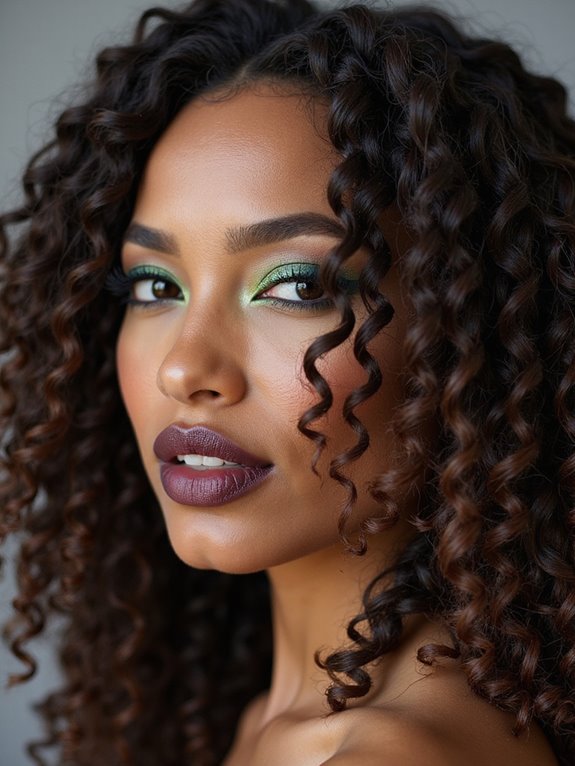
The half-up takes the top section back into a puff or bun while leaving the rest of your curls flowing free, and it is the everyday face-framer of natural styling. It keeps hair out of your eyes without sacrificing the volume and length you love, and it suits every coil pattern.
Gather the top gently into a small puff and pin or tie it loosely. It takes a minute. It instantly looks more intentional than coils left fully loose.
Protective Bantu Knots
Bantu knots are a striking protective style with deep roots in Southern African tradition, sectioning the hair and coiling each part into a small, spiraled knot against the head. Worn as the finished style, they are bold and geometric. They are beautiful in their own right.
Unraveled, they become a bantu knot-out, leaving behind defined, springy curls with rich volume. That two-in-one quality is part of why the style has endured and traveled so widely.
Honor the heritage as you wear them, and keep the sectioning gentle. The knots should sit secure but never pull tight against the scalp.
A Bold High Ponytail
A high curly ponytail is dramatic, youthful, and a brilliant way to flaunt your length and volume. Gather the coils up high, smooth the front with a little gel or brush, and let the curls burst out at the top for a full, bouncy tail.
Because the weight of natural hair pulled up high can strain the edges, keep the base tie gentle and the front smoothing soft. A wrapped curl around the base hides the tie for a polished finish.
Timeless Finger Coils
Finger coils are the most defined style you can create on natural hair, made by wrapping small sections of damp hair around your finger to set each coil individually. The result is crisp, uniform, high-definition curls with a deliberate, polished finish.
It is a labor of love, since each coil is shaped by hand, but the payoff is a striking, long-lasting style that shows your texture at its most precise. It suits tighter type 4 coils and shorter natural hair especially well.
A styling gel or custard helps each coil hold its shape, and a satin bonnet at night keeps the definition crisp for days.
A Sleek Curly Bun
When the occasion calls for refined, a sleek curly bun delivers polish without heat. Take the hair back with a brush and a touch of styling gel, gather it into a bun, and let the coils form a textured knot for an elegant, grown-up finish.
Keep gentle tension at the hairline, since slicking back is where edges get stressed. For more bun ideas across textures, our curly bun guide has plenty.
Add Layers for Volume
A great cut is its own kind of style, and layers are what give natural curls shape and movement. Internal layers free the coils to spring and build fullness, while a rounded shape keeps an afro or a wash-and-go from looking heavy or flat at the bottom.
The key is a stylist who cuts textured hair dry, so they shape the coils where they actually fall. The right layered cut makes every other style on this list look better.
An Edgy Curly Faux Hawk
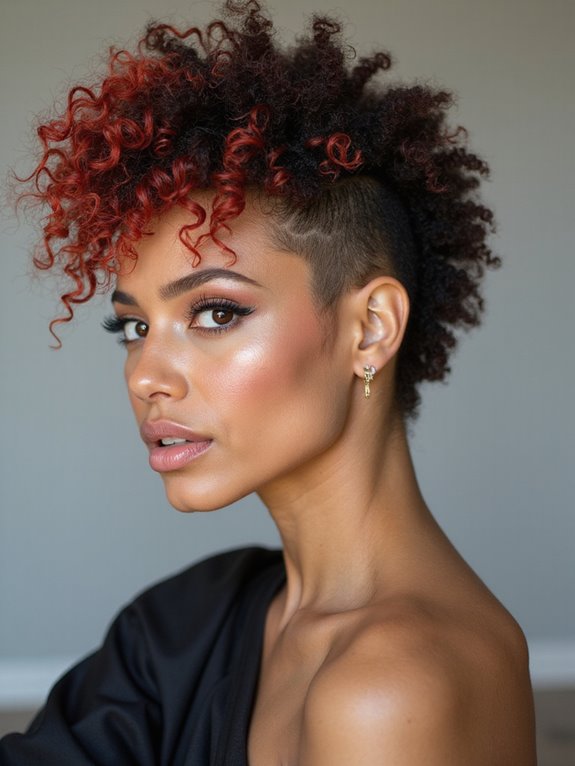
For a bold, edgy moment, the curly faux hawk pulls the sides back or pins them under while the coils pile high down the center, mimicking a mohawk without shaving anything. The natural volume of type 4 hair is made for this look, giving the central strip serious drama.
It is a brilliant party or event style. You can take it down in minutes. Pin the sides with bobby pins underneath and let the top coils stand as full as they like.
A Flattering Side Part
Sometimes the smallest change makes the biggest difference, and a deep side part instantly adds drama and asymmetry to any natural style. Sweeping your coils to one side over a deep part lifts the volume and frames the face with a touch of old-school glamour.
It costs nothing. It takes seconds. And it works on a wash-and-go, a twist-out, or a puff alike, which makes a side part the easiest way to refresh a familiar look without doing anything else.
How to Ask Your Stylist
Getting the look you want starts with finding the right stylist and knowing how to ask. Seek out someone who specializes in type 3 and 4 textures, ask to see their work on hair like yours, and bring clear reference photos to your consultation. A stylist fluent in coils and kinks will cut your hair dry, shape it to your real pattern, and never try to force it straight.
Be specific about what matters to you, whether that is length retention, a protective style, gentle tension at your edges, or a defined wash-and-go, and speak up the moment anything pulls or stings. You deserve a stylist who celebrates your texture, and the CROWN Act increasingly protects your right to wear it at work and school.
Treat your hair gently, choose your chair wisely, and wear your natural beauty exactly as it grows. For more on knowing your pattern, our curly girl hairstyles guide helps.
Natural Curly Hair Questions
?How do I keep my type 4 coils moisturized?
Layer your moisture and seal it in. Start with water or a water-based leave-in, follow with a cream, and seal with an oil or butter, a method many call the LOC method. Type 4 hair is the driest texture, so deep-condition weekly and refresh with a water-and-leave-in spray between washes.
?Which curly styles are best for protecting my hair?
Box braids, cornrows, twists, bantu knots, and buns all protect the hair by tucking the ends away from daily friction and manipulation, which helps you retain length. The key with any of them is gentle tension, so they never pull hard at the hairline, and not leaving them in too long.
?How do I get a defined wash-and-go on natural hair?
Apply a leave-in and a gel to soaking-wet hair, smoothing and scrunching so the coils clump, then dry without touching, either air-drying or diffusing on low. Once fully dry, scrunch out the gel cast with a little oil for soft, defined, frizz-free curls.
?How often should I wash my natural curls?
Usually every one to two weeks, since coily hair is dry by nature and over-washing strips the moisture it needs. Co-washing with a cleansing conditioner between shampoos and refreshing with water and leave-in keeps the hair clean without drying it out.
?What is the CROWN Act?
The CROWN Act is legislation that bans discrimination based on hair texture and protective styles like braids, locs, and twists in workplaces and schools. It has been passed in a growing number of US states and is part of the wider movement to let people wear their natural hair without penalty.
Wear It Exactly as It Grows
What ties these eighteen looks together is a single, joyful idea: your natural texture is something to celebrate, not to manage into submission. From a sculptural tapered cut to a crown of bantu knots, from a quick puff to a head of protective braids, every one of these styles works with your coils and kinks rather than fighting them, and every one of them is beautiful.
So find a stylist who knows and loves textured hair, keep your coils hydrated and your edges treated gently, and choose the styles that make you feel most like yourself. The natural-hair movement has given a generation permission to stop straightening and start celebrating, and that crown of curls is yours to wear with pride, exactly as it grows.
More Looks We Love