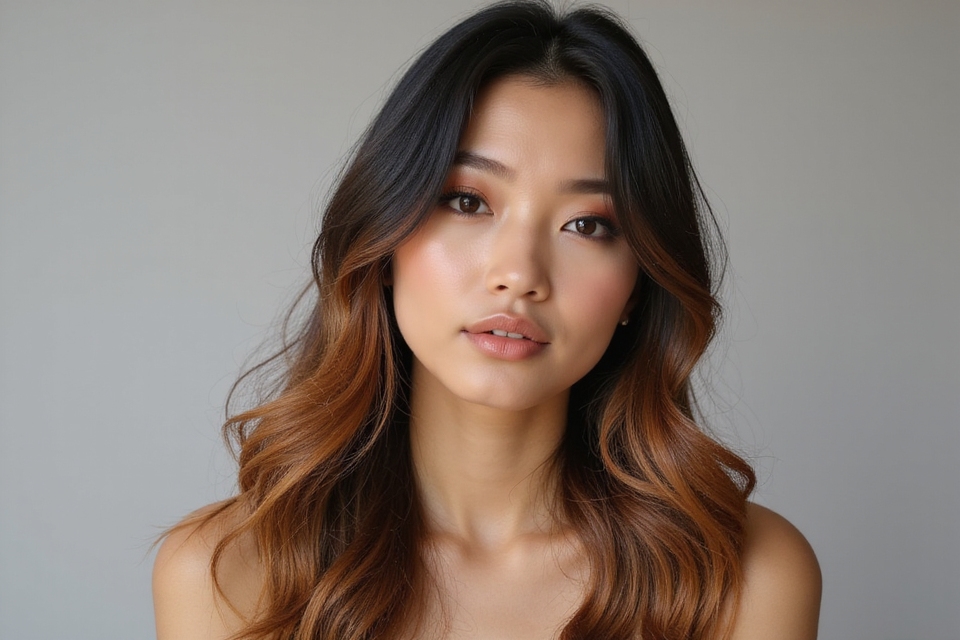

If you have fine hair, the medium shag might just be the most flattering cut you can ask for. Where one-length styles fall flat, the shag’s layered, textured structure builds the volume and movement fine hair naturally lacks, and it does most of that work straight from the cut, before you touch a single product.
This is your complete guide to making the most of a medium shag on fine hair, covering the benefits, the best layering and styling techniques, the right products, common mistakes, and how to keep it fresh. By the end, you will know exactly how to ask for it and wear it so it never falls flat by noon.
Key Takeaways
- The shag’s varied layers create the illusion of fullness that fine hair lacks.
- Strategic layering, shorter at the crown, slightly blunter at the ends, beats over-thinning.
- Use volumising and texturising products; avoid heavy creams and oils that flatten fine hair.
- Soft, dimensional color makes fine hair look thicker than flat, single-tone shades.
- A trim every eight to ten weeks keeps the layers crisp and the volume working.
For fine hair, the product you reach for matters as much as the cut. The rule is simple, build texture and lift, never weight, and this table sorts the heroes from the villains:
| Product | Use it for | On fine hair |
|---|---|---|
| Volumising mousse | Root lift, foundation | Use – apply to damp roots |
| Texturising / sea-salt spray | Separation, grip, beachy texture | Use – the shag’s best friend |
| Dry shampoo | Reviving roots between washes | Use – adds body too |
| Heavy cream / rich oil | Smoothing thick or frizzy hair | Avoid – flattens the layers |
| Weighty serum | Sleek, glassy finishes | Avoid – drags fine hair down |
Good to Know
If your shag looks great wet but falls flat once dry, the culprit is almost always too much product, applied too low. Use half as much, keep it at the mid-lengths and ends, and lift the roots with mousse instead.
Your Complete Medium Shag Guide for Fine Hair
The Benefits of a Medium Shag for Fine Hair

Fine hair and the medium shag are a genuinely perfect match. The cut’s defining feature, layers of varying lengths, is exactly what fine hair needs to look fuller, because those layers create the illusion of density that one-length hair simply cannot.
The shorter crown layers lift the roots and build body, while the textured ends keep the hair from falling flat. The result is movement and volume from the cut itself, before you even pick up a product.
It is also refreshingly low-maintenance, the lived-in texture means it looks intentional even on a no-styling day, which is rare for a style that delivers this much volume.
And because it grows out gracefully, you get more weeks between salon visits than a blunt cut allows. For the full range of the cut, see these medium shag haircuts.
Finding the Perfect Shag for Your Face Shape

The beauty of the shag is how easily it adapts to flatter any face shape, as long as the layers and bangs are placed thoughtfully. The cut is a framework, and small adjustments tailor it to you.
Round faces benefit from longer, face-framing layers and height at the crown to add length, while longer faces suit softer layers and a fringe that adds width. Square jaws are softened by wispy, textured pieces around the face.
Bring a photo to your stylist and talk through where you want volume and where you want softness, so the layering works with your features rather than against them.
How to Style for Maximum Volume

Maximising volume on fine hair starts in the shower and ends with the right technique. A volumising mousse on damp hair sets the foundation, lifting the roots before you even begin to dry.
- Rough-dry the roots upside down to build lift at the base.
- Use a round brush only where you want body, the crown and the ends.
- Finish with a texturising spray, not a heavy cream, to keep the layers separated.
The goal is lift at the root and separation through the ends, which is exactly what makes a shag look full on fine hair.
Layering Techniques to Enhance Fine Hair

Layering is the heart of a shag, but on fine hair it has to be done carefully. Too many over-thinned layers can leave the ends looking sparse, so the skill lies in strategic, not aggressive, layering.
The best approach concentrates shorter layers at the crown to build volume where fine hair needs it, while keeping the ends slightly blunter so they look dense rather than wispy and thin.
This balance gives the movement of a shag without sacrificing the appearance of fullness. For more on layering across lengths, see these layered hair ideas.
Incorporating Bangs Into Your Shag

Bangs are a natural partner to the shag, and on fine hair they do double duty, framing the face while adding the impression of more hair around the front. Curtain bangs and wispy fringes work especially well.
Curtain bangs sweep softly to either side and blend into the face-framing layers, while a piecey, textured fringe adds youthful softness without looking heavy.
Avoid a thick, blunt fringe on very fine hair, which can look sparse, and lean instead toward soft, feathered shapes. See more in these curtain bangs ideas.
Best Hair Care Products for Medium Shags

The right products make or break a shag on fine hair, and the rule is simple: build volume and texture, avoid weight. Heavy creams, oils, and serums drag fine hair down and flatten the layers.
- A volumising mousse or root-lift spray for foundation and body.
- A lightweight texturising or sea-salt spray for separation and grip.
- A dry shampoo to refresh roots and add volume between washes.
Reach for these instead of rich leave-ins, and your fine-hair shag will hold its movement and lift all day.
Common Mistakes to Avoid

A few common missteps can stop a fine-hair shag from living up to its potential. The most frequent is using heavy products, which weigh the layers down and erase the volume the cut is designed to create.
Over-brushing is another culprit, since it removes the piecey separation the shag depends on, leaving it flat and lifeless. So is letting the layers grow out too long without a trim, which loses the shape entirely.
Finally, avoid over-thinning during the cut, which can leave fine hair looking stringy. Keep these in check and the shag rewards you with effortless texture.
How to Maintain Your Shag for Longevity

The shag is low-maintenance day to day, but it does need regular trims to keep its shape. Because the cut relies on precisely placed layers, booking a trim every eight to ten weeks keeps the texture crisp and flattering.
Between cuts, refresh second-day hair with a little dry shampoo and a scrunch of texturising spray rather than re-washing daily, which can strip volume from fine hair.
Let your natural texture do some of the work, and avoid over-styling, which both damages fine hair and flattens the lived-in finish the shag is known for.
Inspiration: Shags on Fine Hair

The shag has cycled in and out of the spotlight for decades, championed across music and film by figures known for their effortless, textured hair. That enduring visibility is part of why it keeps returning as a favourite for fine hair.
Rather than copying any single look, gather a few images that show the volume, fringe, and length you are drawn to, and use them as a conversation starter with your stylist.
The most flattering version is always the one adapted to your hair and face, so let the inspiration guide the direction rather than dictate the exact cut.
The Role of Color in Enhancing Shags

Color is a secret weapon for fine-hair shags, because dimension creates the illusion of depth and fullness. Flat, single-tone color can make fine hair look thinner, while strategic color adds the appearance of density.
Subtle highlights and lowlights woven through the layers catch the light and create movement, making the hair look thicker than it is. Root shadowing also adds depth at the crown.
Keep the contrast soft and blended rather than chunky, so the color enhances the texture of the shag rather than competing with it.
DIY Styling Tips for Movement and Texture

You do not need a salon every day to get the most from your shag, a few at-home techniques deliver that signature movement and texture. The key tools are your fingers, a texturising spray, and a little patience.
- Scrunch texturising spray into damp or dry hair and air-dry for effortless texture.
- Twist small sections and tousle them with your fingers instead of brushing.
- Use a curling wand on a few random pieces for piecey, undone movement.
The aim is always separation and lift, never a smooth, uniform finish, which works against the shag’s lived-in spirit.
Choosing the Right Shag for Different Ages

One of the shag’s strengths is that it flatters at every age, with small tweaks. Younger wearers often lean into bold, choppy layers and statement fringes, while a softer, more graduated shag suits those who want polish with their texture.
For mature fine hair, a medium shag is especially flattering, adding the volume and movement that hair can lose over time, while soft face-framing layers lift the features.
The cut is endlessly adaptable, so it is less about age and more about choosing the layering and fringe that suit your hair and lifestyle. See age-friendly options in these medium shags for older women.
Seasonal Variations: Adapting Your Shag

Your shag can shift with the seasons to stay fresh and practical. In summer, lean into air-dried, beachy texture and a salt spray that works with humidity rather than fighting it.
In cooler months, a smoother blow-dry and a little extra length between trims add a polished, cozy feel, while a richer (but still light) styling product combats static.
The cut stays the same; only the styling adapts, which makes the shag a genuinely year-round choice for fine hair.
Combining Shags With Popular Trends

The shag plays beautifully with current trends, which is part of why it keeps evolving: curtain bangs, the wolf cut, and the bixie all build directly on its layered foundation, so you can lean modern and choppy or soft and 70s-inspired and still see more ideas in these medium hairstyles.
The Evolution of the Shag Through the Years

The shag has a rich history, born in the early 1970s as a rebellious, rock-and-roll cut and reinvented by every decade since. Its core idea, layered, textured, effortless hair, has proved remarkably durable.
It softened in the 90s, sharpened in the 2010s, and surged again recently through the wolf cut and curtain-bang revival. Each era reinterprets the same layered DNA.
That adaptability is exactly why it remains a go-to for fine hair: it bends to the times while always delivering the volume and movement fine hair craves. For more layered shapes, see these medium shag hairstyles.
Frequently Asked Questions About Medium Shag Haircuts For Fine Hair
Is a medium shag good for fine hair?
Yes, it is one of the most flattering cuts for fine hair. The shag’s varied layers create volume and the illusion of density that one-length cuts cannot, with shorter crown layers lifting the roots and textured ends adding movement. Styled with lightweight products, it makes fine hair look noticeably fuller.
How do I stop my fine-hair shag from falling flat by noon?
Build volume from the root with a mousse and a rough-dry, use a texturising spray rather than heavy cream, and refresh with dry shampoo as the day goes on. Avoid touching it too much and over-brushing, both of which flatten the layers and remove the piecey separation that keeps a shag full.
What products should I avoid with a fine-hair shag?
Avoid heavy leave-in creams, rich oils, and weighty serums, which drag fine hair down and erase the cut’s volume. Stick to volumising mousse, lightweight texturising or sea-salt spray, and dry shampoo, products that add lift and separation rather than weight.
How often should I get my shag trimmed?
Every eight to ten weeks is ideal. Because the shag relies on precisely placed layers, regular trims keep the shape crisp and the face-framing pieces flattering. It grows out more gracefully than a blunt cut, but skipping trims for too long loses the texture and volume that make it work.
Making the Shag Work for Your Fine Hair
The medium shag rewards fine hair more than almost any other cut, but only if you work with its strengths: strategic layers, lightweight products, and a styling routine built around lift and texture rather than smoothing it all down. Get those right and it looks full from morning to night.
If you change just one habit after reading this, make it lightening up on product and lifting from the root instead. That single shift does more for a fine-hair shag than any cut or tool, and it is the difference between hair that looks full at 9am and hair that still looks full at noon.