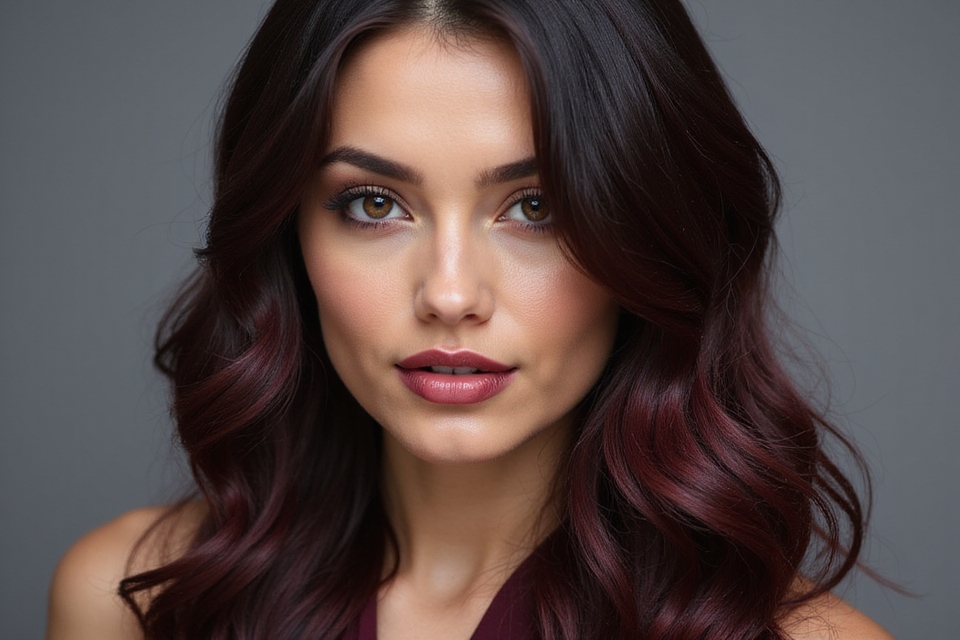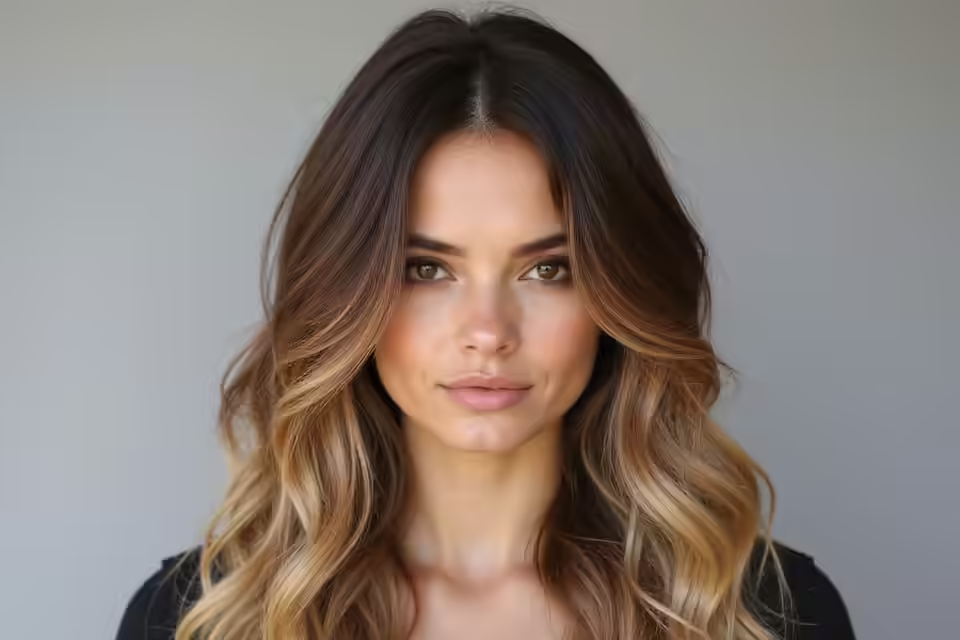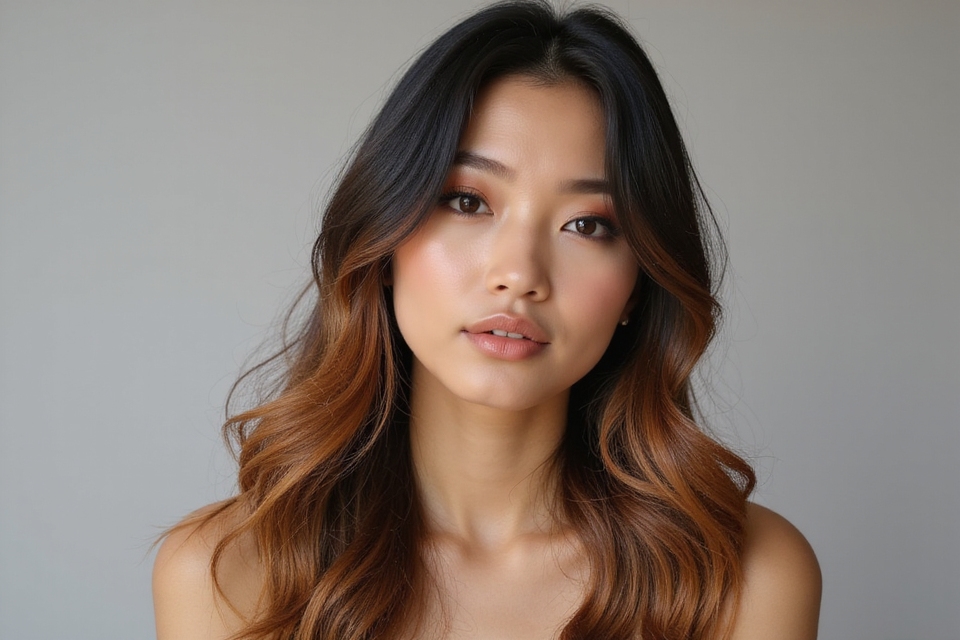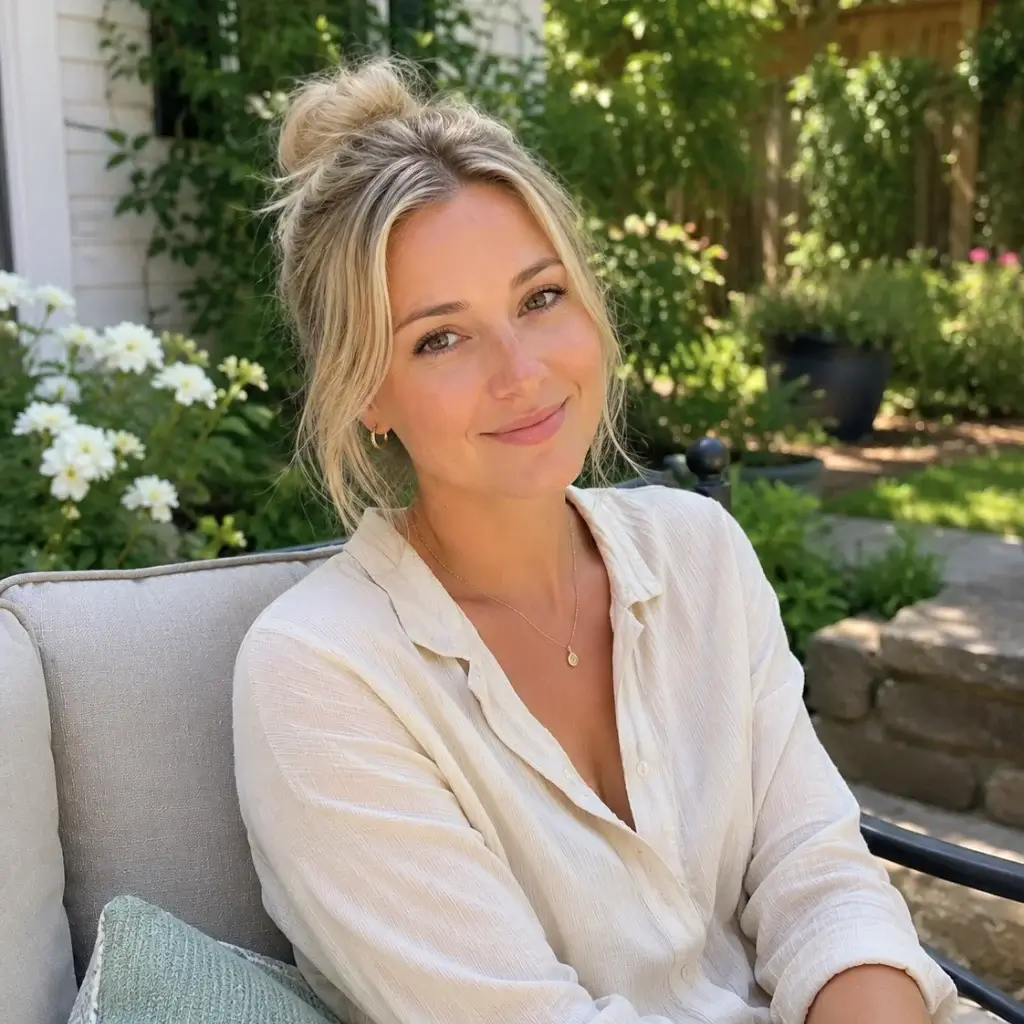
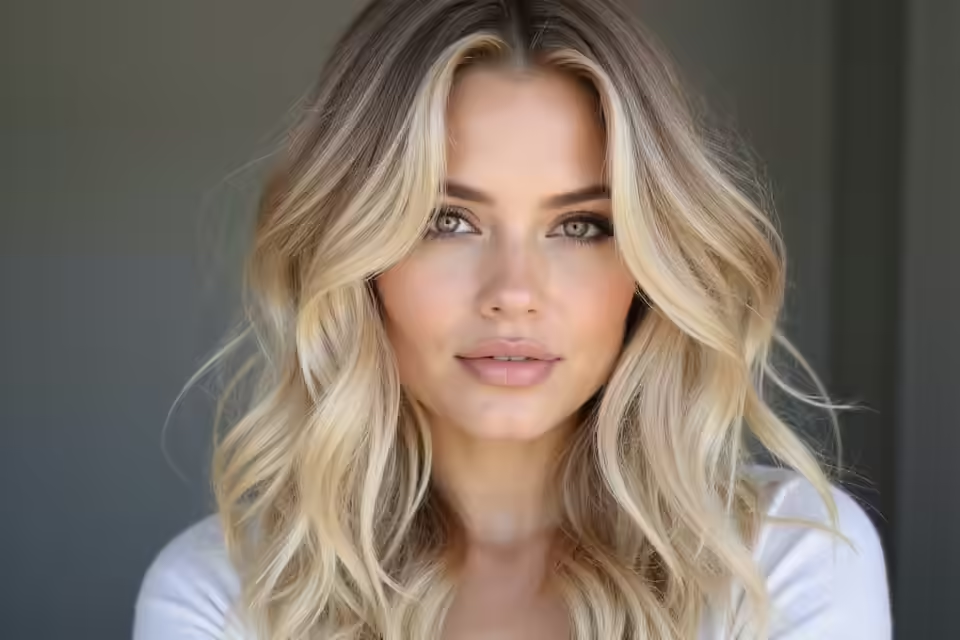
Here’s the honest thing about beige hair: it’s the most flattering color almost nobody asks for by name. Most people describe what they want, soft, expensive-looking, neither warm nor cool, and what they’re really after is beige.
Beige sits right in the middle of the color wheel, balancing warm and cool so it reads natural on a huge range of people. From the palest linen to a deep latte, here are the beige shades worth knowing, plus the real cost, the upkeep, and exactly how to ask for it.
Beige Hair, the Short Version
- Beige is a neutral blend of warm and cool, which is why it flatters so widely.
- Shades run from pale linen and ash to honey, caramel, wheat, and deep latte.
- Expect $120 to $250 for a full color and a toning gloss every 6 to 8 weeks.
Beige Hair: Elegant Sophistication

Beige is less a single color than a whole quiet family, defined by what it isn’t: not brassy gold, not flat grey, but a soft, expensive-looking neutral in between. That balance is exactly what makes it read so sophisticated.
What Makes a Color ‘Beige’
Technically, a beige formula mixes warm and cool pigments so they cancel each other’s extremes, leaving a creamy, muted result. It’s the colorist’s trick for that pricey, understated look people can never quite name.
When a client lands in my chair with a folder of ‘expensive blonde‘ inspiration photos, nine times out of ten the common thread is beige. It’s the shade that quietly underpins most of the looks people screenshot.
Universally Flattering Beige

The reason beige flatters so widely comes down to undertone. Because it’s neutral, it doesn’t fight your skin the way a too-warm gold or a too-cool ash can, so it tends to look harmonious whether your complexion is warm, cool, or somewhere in between.
That said, neutral doesn’t mean one-size. A good colorist nudges your beige slightly warmer or cooler to flatter your specific undertone. That tweak is the difference between a beige that lights up your face and one that falls flat. I always check a client’s wrist and jaw in natural light before mixing.
- Cool undertones suit ash and taupe-leaning beige.
- Warm undertones glow in honey, wheat, and caramel beige.
- Neutral undertones can wear nearly any beige in the family.
The beige terms your colorist will use.
📖Neutral tone
A balance of warm and cool pigment, the core of any beige.
📖Greige / taupe
Beige with grey mixed in for a cooler, muted, modern finish.
📖Toning gloss
A semi-permanent refresh that resets tone and adds shine between colors.
Understated Chic Color

Part of beige’s appeal is how quiet it is. Rather than announcing itself, it reads as good genes and great lighting, which is why it’s become shorthand for old-money, understated style. It’s the anti-statement hair color, and that restraint is the whole point.
- Looks natural and expensive rather than obviously dyed.
- Grows out softly with no harsh line of demarcation.
- Pairs with any makeup and wardrobe without clashing.
Versatile, Natural Elegance

One of beige’s best qualities is that it works as a base you can shift with the seasons. A neutral beige in spring can be warmed up with a honey gloss for summer or cooled toward taupe for winter, all without a full recolor.
- Treat your beige as a canvas, then adjust warmth with a gloss.
- A toning gloss is cheaper and gentler than a full color change.
- Ask your colorist to note your formula so it’s easy to tweak later.
Heads-Up
Beige on dark hair almost always requires lifting, and going too light too fast risks breakage. A good colorist may stage it over a few sessions; rushing the process is how hair gets damaged, so trust the timeline.
Natural Versatile Color
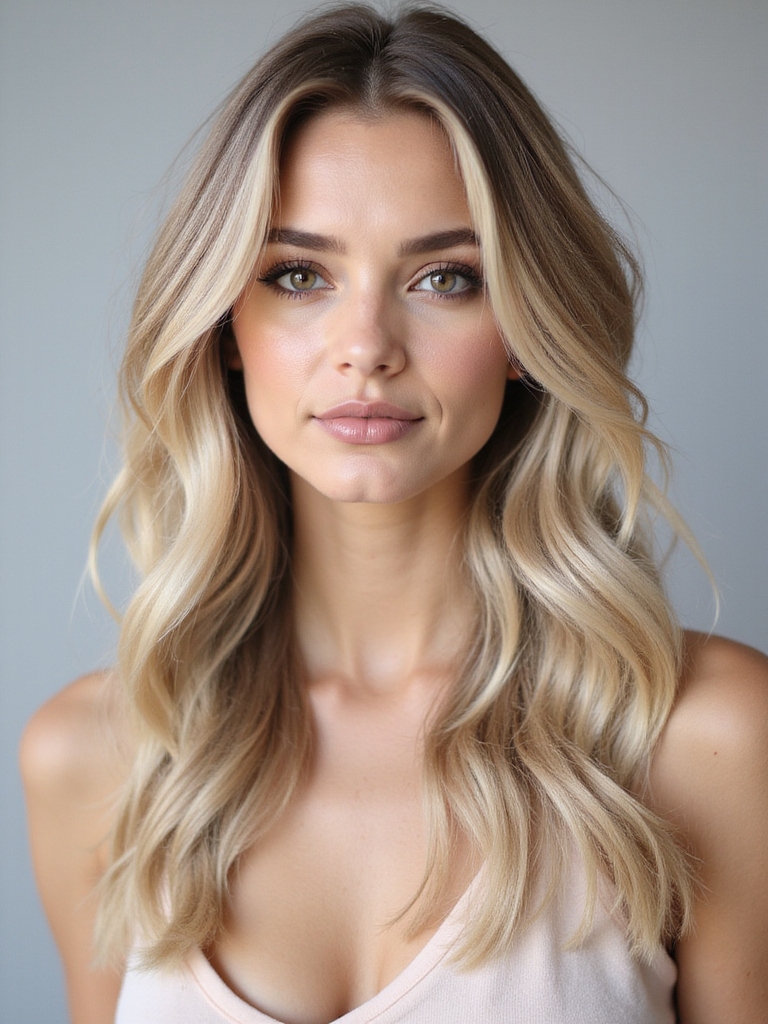
Beige looks most natural when it’s not a single flat shade but a blend of a few close tones woven through the hair. Dimension, slightly lighter pieces around the face and at the ends, is what keeps beige from looking solid or dull.
Balayage Versus Foils
A balayage or foilyage technique paints that dimension in by hand, mimicking how hair naturally lightens in the sun. The result moves and catches light instead of sitting flat.
This is also the most low-maintenance way to wear beige, since hand-painted dimension grows out softly and doesn’t leave an obvious root line to chase every few weeks.
Sun-Kissed Beachy Beige

A lighter, sun-kissed beige captures that just-back-from-vacation glow. Brighter around the face and through the ends, it feels relaxed and warm without tipping into brass, which is the trap most beachy color falls into.
Keeping Beachy From Going Brassy
The secret is a beige toner over the lightened pieces to keep them creamy rather than yellow. Without that toning step, beachy lightening quickly turns gold and loses the expensive beige quality.
It suits anyone who wants a brighter look for summer but still wants it to read polished. Pair it with a few darker pieces left underneath for natural-looking depth.
ℹ️Good to Know
Beige fades warm, not away. As the cool and neutral pigments wash out first, the underlying gold shows through, which is why a toning gloss, not more bleach, is the right fix for brassy beige.
Honey Beige

Honey beige warms the neutral base with a soft golden glow, landing somewhere between blonde and light brown. It’s the cozy, flattering end of the beige family, and it brings warmth to the face without the heaviness of a true golden blonde.
- Best on warm and neutral undertones, where the gold flatters the skin.
- Looks softer and more natural than a bright golden blonde.
- Gentle on dark hair to achieve, since it doesn’t need heavy lifting.
Luscious Caramel Beige

Caramel beige takes the warmth deeper, into a rich, golden-brown territory that flatters medium to deep complexions beautifully. It’s beige with more body, perfect for anyone who wants warmth and dimension without going fully blonde.
Caramel for Brunettes
Worn as ribbons of caramel through a darker base, it adds glow and movement while keeping the overall look low-maintenance. The depth means roots are far less obvious as they grow.
It’s the shade brunettes request from me more than any other warm tone, because it’s so forgiving for easing into lighter color and works with your natural depth instead of fighting it. Think milk-tea warmth with a little more richness.
📋Keep Your Beige Expensive
- ✓Tone weekly at home, gently, without overusing purple shampoo.
- ✓Book a salon gloss every 6 to 8 weeks.
- ✓Mask weekly and use heat protection to keep lightened hair glossy.
Sleek Ash Beige

Ash beige cools the family down, muting any gold for a sleek, modern, slightly smoky finish. It’s the go-to for anyone who hates warmth in their hair and wants that crisp, expensive, cool-toned look.
- Best for cool undertones and anyone fighting brassiness.
- Needs regular toning, since ash fades warm faster than it looks.
- Pairs with a mushroom-brown base for a soft, smoky blend.
Chic Beige Sophistication

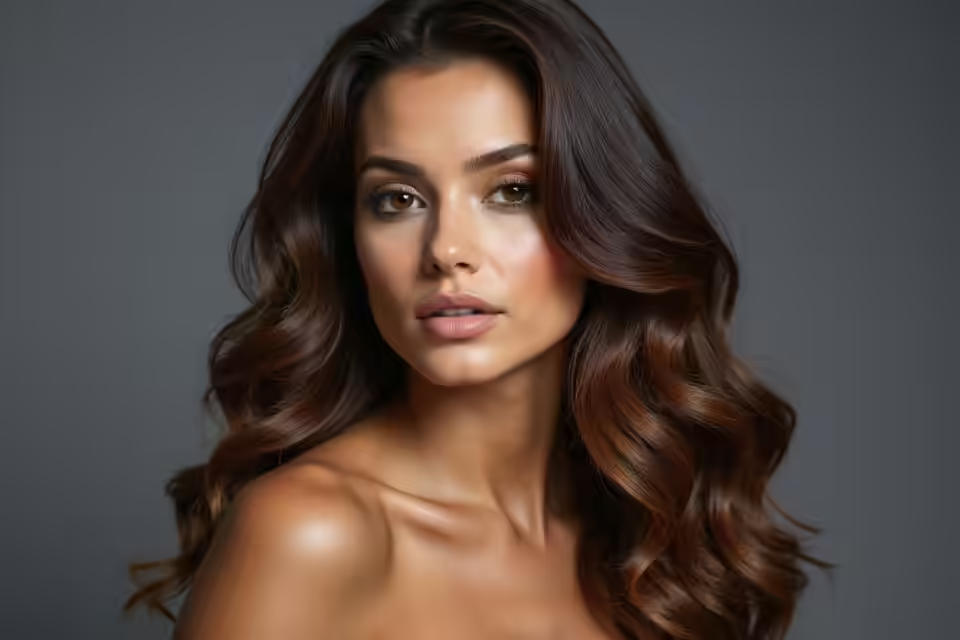
Beige isn’t only for blondes. A soft beige brunette keeps your depth but swaps flat, muddy brown for a luminous, neutral-toned one, so the color looks lit from within even at a darker level. It’s the most wearable way for brunettes to get the beige effect.
The trick is a beige or neutral gloss over your natural or colored brown, which knocks out red and brassy tones and leaves a clean, sophisticated finish. It’s low commitment and high payoff.
- Keeps dark-hair richness while removing brassy warmth.
- A gloss-only version is gentle and budget-friendly.
- Flatters those who want polish without lightening.
Taupe Beige Elegance

Taupe beige, sometimes called greige, blends grey into the beige for a muted, fashion-forward neutral. It’s the coolest, most modern member of the family, beloved for that expensive, slightly editorial flatness that photographs incredibly.
- Coolest beige option; best on cool and neutral undertones.
- High maintenance, since the grey tones fade out quickly.
- Looks very current and works beautifully on fine hair.
Wheat Beige

Wheat beige is the gentle middle of the road, a soft golden-neutral that looks like sunlight caught in a field. Slightly warmer than ash but far softer than honey, it’s the easygoing beige that suits the widest range of people.
Because it sits so close to many natural light-brown bases, it’s one of the lowest-lift beiges to achieve, which keeps it kind to your hair and your budget. The neutral-warm balance is what makes it so foolproof.
It’s my default suggestion for someone who wants beige but isn’t sure which direction to lean, because it flatters almost everyone and grows out gracefully.
Warm Chocolaty Beige

At the deepest end, a warm chocolaty beige keeps you firmly brunette while adding a soft, neutral glow that stops chocolate brown from looking flat or harsh. It’s rich, cozy, and deeply flattering on warm and deep skin tones.
Beige for Staying Dark
Think of it as chocolate brown with the warmth dialed to just right, neither too red nor too ashy. The beige influence keeps it luminous rather than one-dimensional.
It’s the lowest-maintenance shade here for naturally dark hair, since you’re staying close to your depth and mostly refining the tone. Roots are barely noticeable as they grow.
Creamy Rich Beige

Creamy beige is the soft, light-blonde end of the family, a buttery, milky tone that looks rich rather than icy. It’s the dreamy, expensive blonde that flatters without the starkness of platinum, and it’s having a real moment right now.
- A light, creamy blonde with warmth, softer than platinum.
- Needs lifting for dark hair, so plan for multiple sessions.
- Keep it creamy with a beige toner, not a harsh purple one.
Beige Hair for Every Skin Tone

Beige truly works across the spectrum, but the right beige depends on your skin. The mistake is treating beige as one shade rather than a family you tune to your complexion. Matched well, it flatters fair, medium, olive, and deep skin alike.
- Fair, cool skin: ash and taupe beige keep things crisp.
- Warm and olive skin: honey, wheat, and caramel beige glow.
- Deep skin: rich caramel and chocolaty beige look incredible; see our guide to color for deeper skin.
Beige Hair Care Tips

Beige, especially the lighter shades, takes upkeep to stay true, because it wants to fade warm. The single most important habit is a toning routine that counteracts the brass before it takes over. A little maintenance keeps the color expensive instead of yellow.
Toning Without Overdoing It
Use a gentle toning shampoo, but go easy: over-using a harsh purple shampoo can leave beige looking dull and grey. Once a week is usually plenty, alternated with a rich moisturizing wash.
Lightened beige is also drier, so a weekly mask and heat protection are non-negotiable if you want the color to look glossy rather than straw-like.
Keeping Beige Color True

Even with good home care, beige needs a professional refresh to stay in its lane. A toning gloss at the salon resets the neutral tone and adds the shine that makes beige look its most expensive, and it’s the secret to color that lasts.
- Book a toning gloss every 6 to 8 weeks to fight fade.
- A gloss is far cheaper than a full color, usually $40 to $80.
- Cut back on wash days and rinse cool to make the tone last.
Choosing Your Perfect Beige

With so many shades, picking your beige comes down to two questions: how light do you want to go, and which way does your skin lean. Answer those honestly and the field narrows fast.
If you love warmth and have warm skin, honey, wheat, or caramel beige are your lane. If you run cool or fight brass, ash and taupe will feel right. And if you want to stay dark, a chocolaty or soft-brunette beige gives the glow without the lift.
Just as important is being realistic about upkeep. The lighter and cooler you go, the more toning and money the color asks for, so choose a shade that fits your life as much as your face.
How to Ask Your Stylist
Beige is a tone, not a level, so the word alone can leave a colorist guessing. Bring two or three photos and point to the warmth, not just the brightness: say whether you want it to lean golden, cool, or dead-neutral, and name what you don’t want, like ‘no gold’ or ‘no grey.’ Photos of what you’re avoiding help as much as the ones you love.
Be upfront about your starting point and your budget, because beige on dark hair often means lifting first. A full beige color runs about $120 to $250 and takes three to five hours in the chair, multi-session lightening costs more, and a maintenance gloss every six to eight weeks runs $40 to $80.
I tell clients to book the toning gloss into their calendar from day one, since beige looks its best the week after a refresh and that rhythm is what keeps it from sliding brassy.
Beige Hair Color Questions
?What exactly is beige hair color?
Beige is a neutral shade that balances warm and cool pigments so it reads soft and natural, neither brassy gold nor flat ash. It spans everything from pale linen blonde to deep latte brown, which is why it suits such a wide range of people.
?Does beige hair suit dark skin tones?
Absolutely. Beige is a family, not one shade, so deep skin glows in rich caramel and warm chocolaty beige rather than pale icy versions. The key is matching the warmth and depth to your complexion, which a colorist can tune for you.
?How much maintenance does beige hair need?
It depends on how light and cool you go. Most beiges want a toning gloss every six to eight weeks plus gentle home toning, while lighter and greige shades fade faster and need more. Staying close to your natural depth keeps upkeep lowest.
?Why does my beige hair turn brassy?
Beige fades warm because its cool and neutral pigments wash out first, leaving the underlying gold exposed. The fix is a toning gloss and gentle at-home toning, not more lightening, which only exposes more warmth underneath.
?Can I get beige hair if my hair is dark?
Yes, but it usually requires lifting first, and going very light may take several sessions to protect the hair. Staying with a chocolaty or soft-brunette beige gives the glow with far less lifting if you want to keep things gentle and dark.
Find the Beige That’s Yours
From the palest linen to a deep, warm latte, beige is less a single color than a whole spectrum of expensive-looking neutrals. The magic is in tuning it to your skin and your upkeep, which is what turns a pretty shade into your shade.
Save the two or three beiges that match your undertone and your patience for maintenance, then take them to a colorist who can fine-tune the warmth. Start there, and let the most flattering color almost nobody asks for by name become the one you do.
You Might Also Like