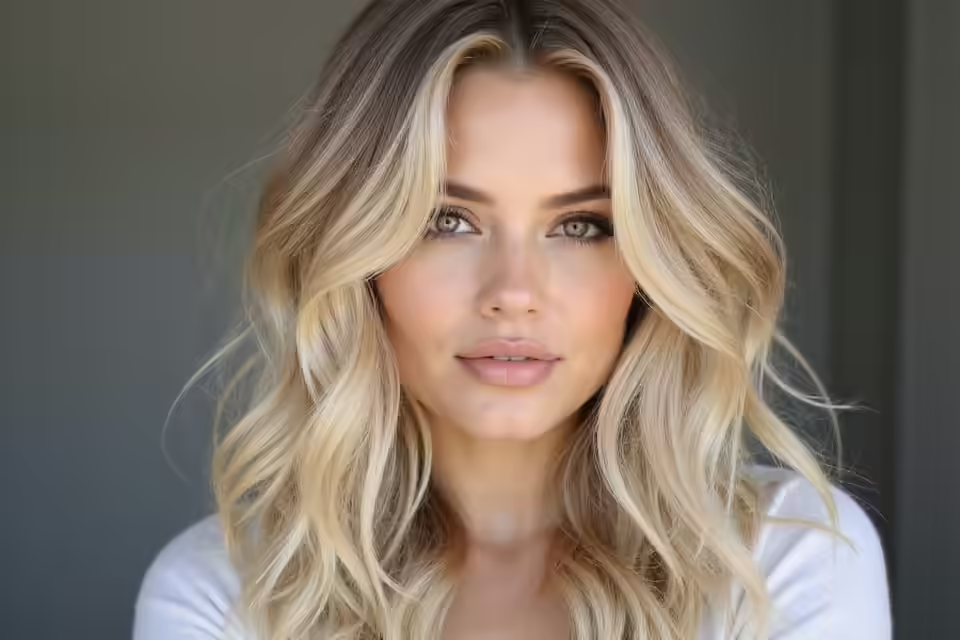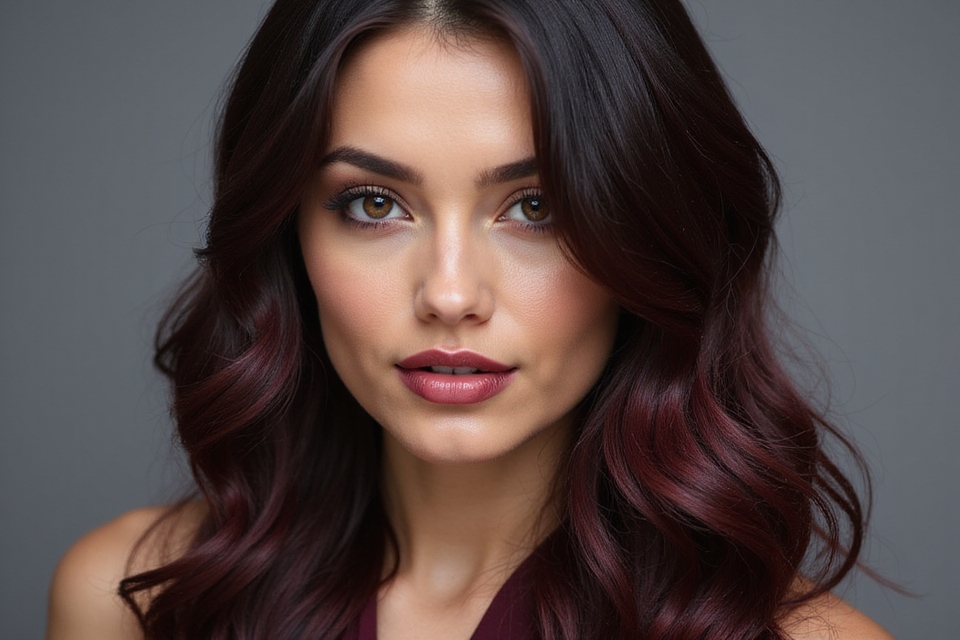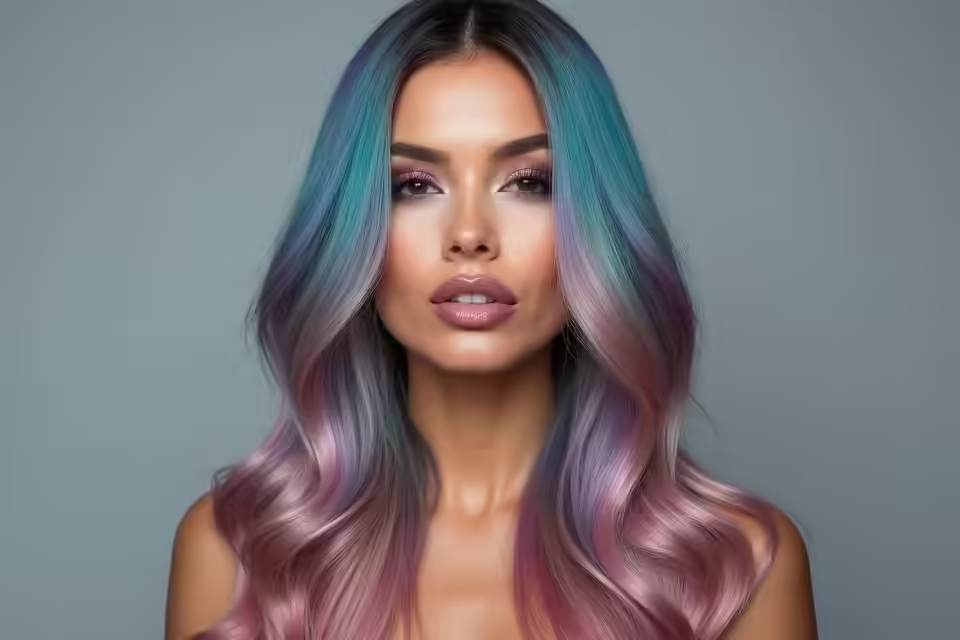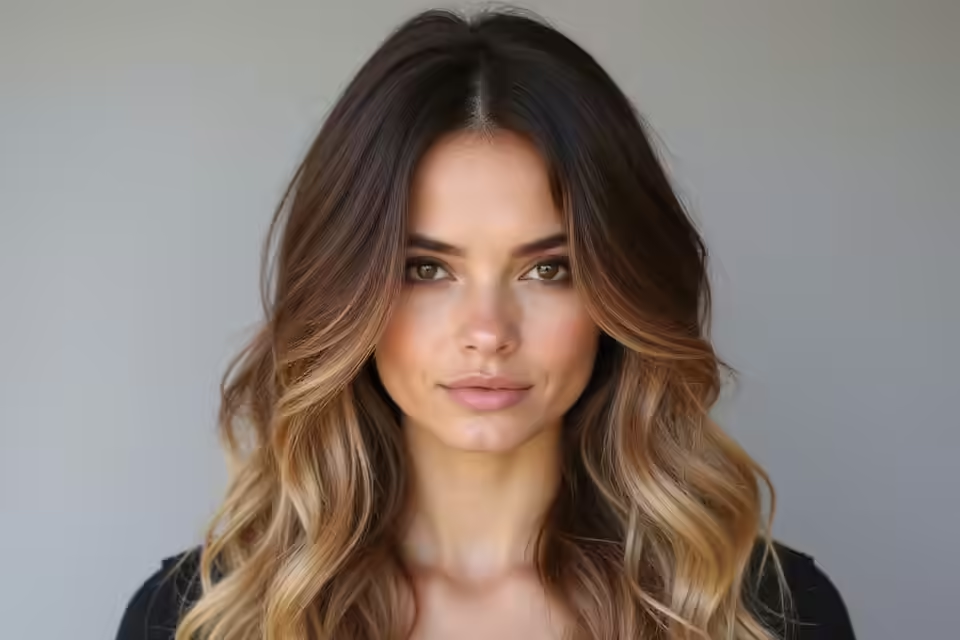
Here is the truth most color charts skip: the best hair color for Asian hair is not the one on the model, it is the one that works with your own dark base. Thick, deeply pigmented strands are a gift for rich brunettes, glossy blue-blacks, and dimensional balayage, and they reward patience when you want to go lighter.
These eighteen shades and techniques all start from that base instead of fighting it, from a warm chocolate brown to a hand-painted caramel to a bold fashion red. I will walk you through who each one suits, what the lift really takes, and how to keep the color from going brassy. Find the shade that fits your hair and your patience, and the rest gets easy.
What to Know Before You Color
Asian hair is usually thick, dense, and packed with dark pigment, which means cool or pale shades need real lifting and warmth pushes through every time you go lighter. Work with that base rather than against it and the color lasts longer and looks far more natural.
The shades that flatter most stay close to your natural depth: rich chocolate browns, soft caramels, and muted ash tones that catch the light without shouting. Whatever you pick, plan the upkeep first, because dark regrowth and warm fade come with the territory. The payoff is worth the planning.
Asian Hair Texture and Its Unique Structure

Before you pick a single shade, it helps to know what you are coloring. Asian hair tends to be thick, dense, and built on a round-to-oval shaft that makes it strong and a little stubborn. The cuticle lies flat and tight, which gives that glossy shine but also makes color slower to soak in. None of this is one-size-fits-all, though, and plenty of Asian hair is fine or carries a soft wave.
What this means at the color bowl is simple. Your hair holds dark shades for ages and resists lifting, so going lighter takes more time, more product, and more patience than it would on finer hair. The pigment underneath the dark base is warm, so it shows up orange or red as you lift. Knowing that upfront saves a lot of disappointment later.
- Thick, dense strands hold rich dark shades for a long time and fade slowly.
- A tight cuticle gives high shine but makes lifting to light colors slower.
- Warm pigment sits under the dark base, so cool shades need more lifting to look true.
Why Undertones Decide Your Hair Color
The difference between a color that lights up your face and one that drains it usually comes down to undertone. Work out whether your skin leans warm, cool, or neutral, and the right shade gets much easier to find.
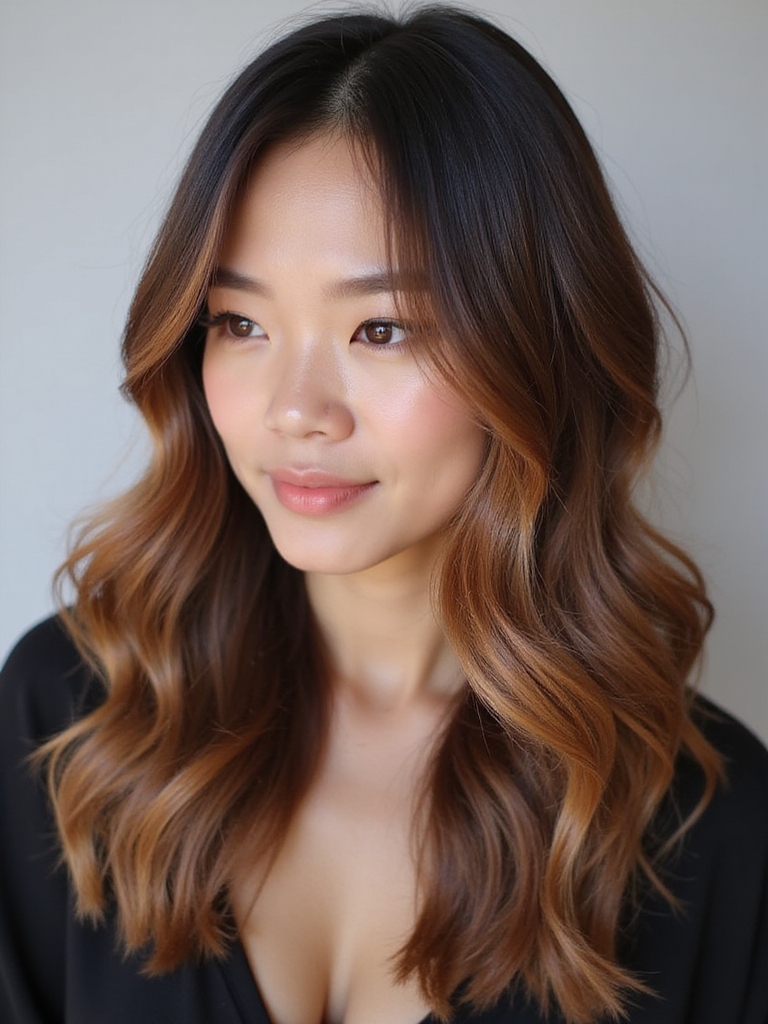
- Warm undertones, the golden, olive, and peachy ones, look their best in honey, caramel, and warm chocolate browns.
- Cool undertones (pink, rosy, blue-ish) come alive with ash brown, cool espresso, and blue-black.
- Neutral undertones get the easy job, since most browns flatter them. Check your wrist in daylight: green veins read warm, blue read cool.
📋Before You Color Asian Hair
- ✓Know your base: thick, dark, warm-pigmented hair lifts slowly and exposes warmth.
- ✓Pick your undertone and stay within two or three shades for the easiest upkeep.
- ✓Plan the aftercare and the budget before the color, not after.
Choosing the Right Color for Your Skin Tone
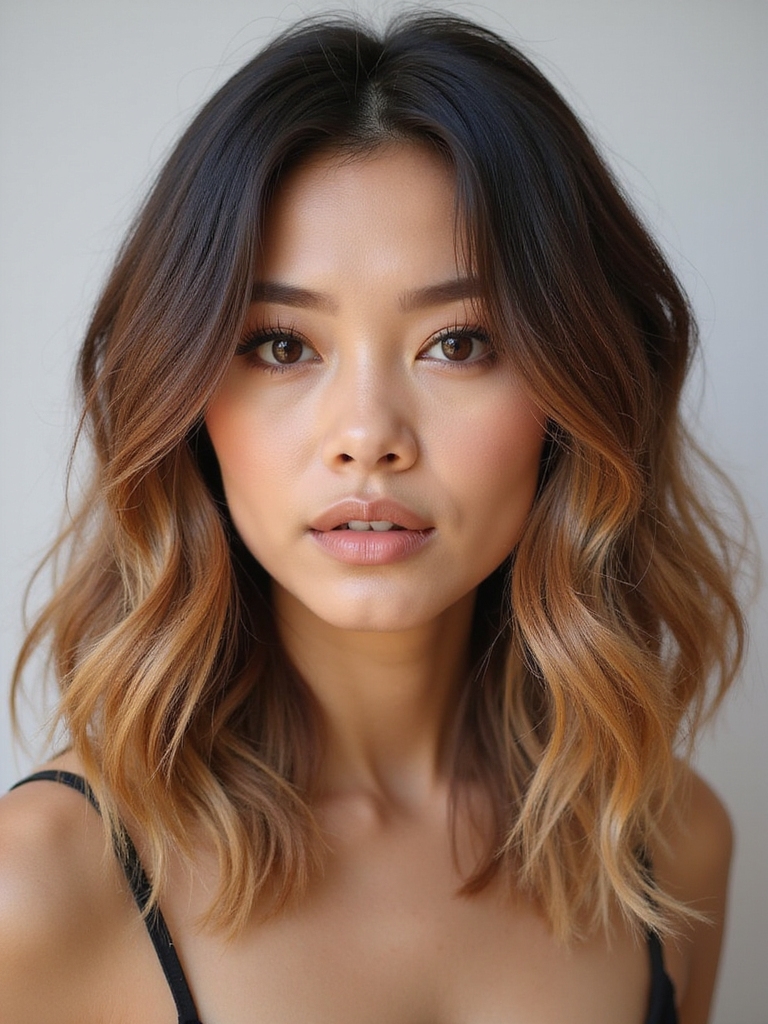
Skin depth is the other half of the equation, and it works alongside undertone. Deeper and tan skin carries rich, warm browns and caramels with real glow, while very fair skin can handle cooler, ashier shades without looking drained.
A Quick Test Before You Commit
The safest move is to stay within two or three levels of your natural depth, which keeps the regrowth soft and the contrast flattering. Before we commit to anything, I have clients hold a swatch or a colored extension up to the jaw in natural light, so we can both see whether the skin looks brighter or duller.
For warm, deeper skin, a caramel or honey balayage is a reliable winner, much like the glow in these ash blonde on tan skin ideas pulled a little warmer.
When in doubt, go slightly warmer than you think. Warm shades flatter the widest range of Asian skin tones and fade more gracefully, while cool tones tend to turn brassy faster and ask for more toning. Beautiful, yes, but higher maintenance.
Rich Chocolate Brown and Other Favorites

If one shade was made for Asian hair, it is a rich chocolate brown. It sits just a touch lighter and warmer than a black base, which adds depth and dimension while still looking natural. In the sun it glints. Indoors it looks almost black.
Around chocolate, a few other shades earn their place. Warm caramel highlights break up density and add movement. Soft ash browns cool things down for fairer skin. Each works because it stays in conversation with your natural depth, and you can explore the full range in these brown color ideas.
- Rich chocolate brown: warmth and shine with very little upkeep.
- Caramel highlights: lighten and lift the face, especially around the front.
- Soft ash brown: a cooler option that flatters fair, pink-toned skin.
A few color terms worth knowing before your appointment:
📖Lift
How much the natural pigment is lightened. Dark Asian hair needs more lift to reach cool or pale shades.
📖Toner
A sheer color that cancels unwanted warmth, turning brassy lift into clean caramel or ash.
📖Bond-builder
An additive that protects the hair’s internal structure while it is being lightened.
Balayage on Asian Hair

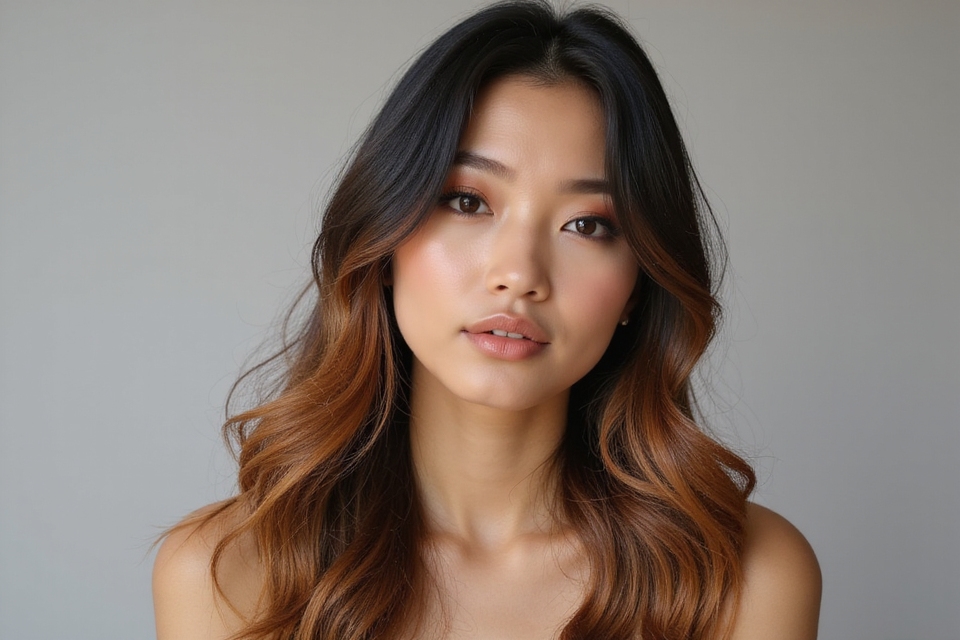
Balayage is hand-painted color that fades from darker roots into lighter ends, and it is one of the smartest choices for Asian hair. It is the service I book most for clients who want to go lighter, precisely because the dark root does the maintenance for them. Because the color is freehand and concentrated lower down, your roots stay dark, regrowth is barely visible, and you can stretch months between salon visits.
Why It Grows Out So Gracefully
On a dark base, balayage takes real skill. Your colorist has to lift carefully past the orange stage and tone the result so it lands on caramel or ash instead of brass. This is not a quick appointment. A full balayage on thick, dark hair can run three to five hours and cost anywhere from $150 to $350 depending on your length and your area.
The payoff is low-maintenance color with genuine dimension. You come back for a toner refresh every couple of months and a full paint maybe twice a year. For the full rundown on the technique, see these balayage ideas.
A Soft Blended Ombre

Ombre takes the gradient idea further, keeping the roots and mid-lengths dark and pooling all the lightness at the ends. On Asian hair it makes a real statement while keeping upkeep low, since the dark top means no harsh regrowth line to chase.
- Leave the roots your natural depth and fade into color only through the bottom third.
- Pick warm caramel or honey ends for warm skin, or a cooler mushroom brown for fair skin.
- Tone the ends every six to eight weeks so they hold their color and stay out of brassy territory.
💡Stylist Tip
Ask your colorist to show you the hair mid-lift, not just at the end. On a dark base, the orange or red stage tells you how warm the color will fade, and a good toner plan starts right there.
Subtle Highlights for a Natural Lift

Not every color change has to be dramatic. A scatter of fine, subtle highlights through the front and crown adds light and softness without committing to all-over color. On dense Asian hair, this is a gentle way to test going lighter before you take a bigger leap.
- Keep the highlights fine and face-framing so they brighten without obvious stripes.
- Stay within two or three shades of your base for the most natural blend.
- Babylights, the finest version, give a soft, sun-touched look that grows out cleanly.
Going Bold With Bright Color
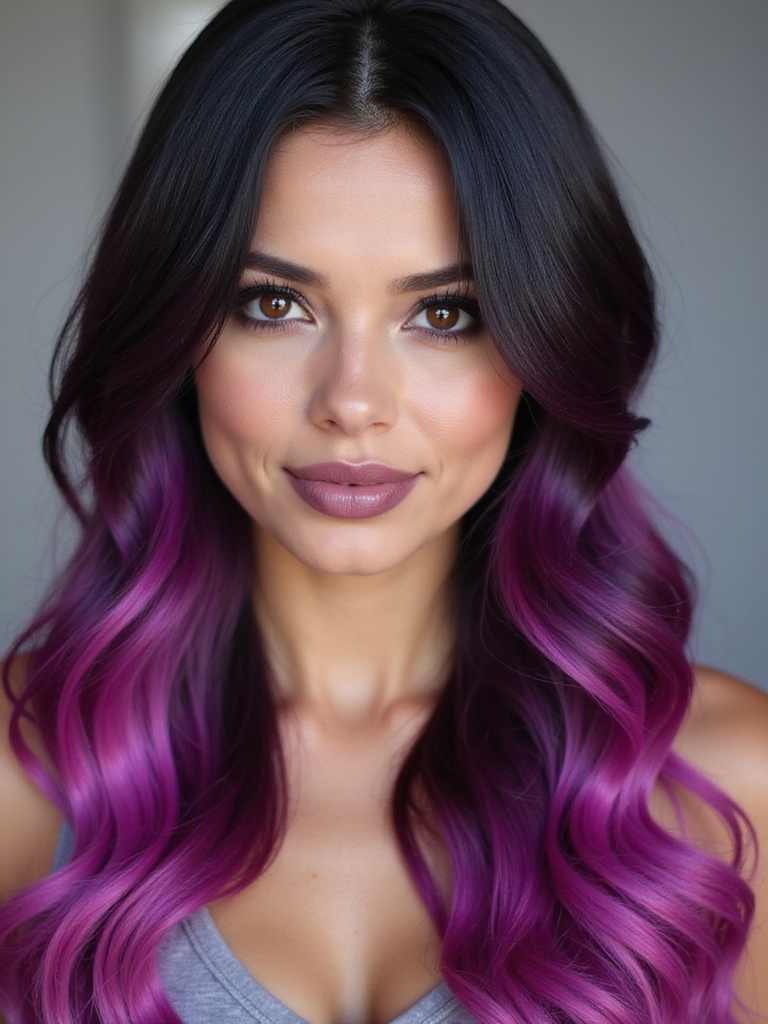
When you want a real change, bold color is where Asian hair gets to have fun. Deep reds, burgundies, blue-blacks, and even fashion shades like emerald or violet take to a dark base in a striking way. The catch is the lift, since the brightest fashion colors need the hair pre-lightened first, and that is a commitment.
- Reds and burgundies show up on a dark base with minimal lifting, the easiest bold option.
- Blue-black adds a cool, glossy depth with no bleaching at all.
- True fashion colors (pastel, emerald, silver) need heavy pre-lift, so plan for the upkeep and the hair health.
Heads-Up
Fashion colors like pastel or silver need your dark hair pre-lightened to a pale level, which can take several sessions. Rushing the lift is how hair ends up gummy and breaking. Go slow, and let the hair rest between bleach sessions.
Keeping Colored Hair Healthy

Lifting dark hair is hard on the strand, so anything beyond a darker dye means protecting your hair’s health on purpose. The good news is that Asian hair starts strong. The work is keeping it that way after the color.
The Aftercare That Actually Matters
Bonding treatments during and after the service rebuild the internal structure that lifting weakens. At home, a weekly moisture or protein mask keeps lightened ends from going dry and snapping. Heat is the other enemy, so a good heat protectant and a cooler iron setting matter just as much.
I tell anyone going more than two shades lighter to budget for the aftercare, not just the color. A solid bond-builder and mask routine costs maybe $40 to $60 to set up, and it saves you from the dreaded corrective chop down the line.
Salon Color Versus DIY at Home

Box dye is tempting, and for some jobs it is honestly fine. If you are going darker, covering a few grays, or refreshing a shade close to your natural, a quality box color at home works and saves you a small fortune.
When to Book and When to DIY
Where DIY goes wrong is lifting. Getting thick, dark Asian hair lighter without turning it orange or uneven is real technical work, best left to a colorist who can control the process and rescue it if it drifts. The cost gap is real, but so is the risk you are taking on.
My honest rule: darker or same-level at home, lighter or fashion color in the salon. A salon lift might run $120 to $300, but a botched home bleach costs more to correct, and sometimes it costs you length too.
Day-to-Day Care for Colored Hair

Once the color is in, a simple routine keeps it looking fresh between appointments. None of it is complicated. It comes down to washing gently and putting moisture back.
A Weekly Routine Worth Keeping
Lean into what Asian hair already does well, which is shine. Wash a little less often and in cooler water, reach for a color-safe cleanser, and finish with a few drops of lightweight oil smoothed through the ends. If you went cool or ashy, a quick toning rinse once a week keeps warmth from creeping back in.
The gloss is your real advantage here, so guard it. Healthy, shiny colored hair looks expensive even when the shade itself is simple, and it photographs beautifully in any light.
Common Myths About Coloring Asian Hair

A few myths keep people from coloring their hair, and most fall apart fast. The biggest one says Asian hair cannot go light. It can. It just needs a skilled colorist and, for the palest shades, more than one session.
Another myth claims dark hair always turns brassy. Brass is not destiny, it is a toning problem, and the right toner fixes it. And the idea that coloring ruins Asian hair forever? Lifting stresses any hair, but with bonding treatments and steady care, colored Asian hair stays healthy and keeps its shine.
How Hair Length Shapes Color Choice

Length changes how a color looks and how much work it is, so it is worth factoring in before you book. The same shade behaves very differently on a pixie than it does on waist-length hair.
- Short hair shows color fast and is cheap to maintain, but regrowth appears sooner and needs more frequent root touch-ups.
- Long hair carries balayage and ombre best, since there is room for the gradient to develop, though a full color uses far more product.
- Mid-length is the sweet spot for highlights and dimension, balancing impact against upkeep.
Seasonal Color Ideas Through the Year

Plenty of people shift their shade with the seasons, going lighter and warmer in summer and deeper in winter. Asian hair takes to this rhythm well, and it gives you a low-stakes way to play with color across the year.
You do not have to overhaul everything each season. A toner or a few added highlights is often enough to change the whole mood.
- Spring and summer: warm caramel, honey balayage, or face-framing money pieces for brightness.
- Fall: rich chocolate, chestnut, and warm auburn for cozy depth. For a true coppery red, see these auburn ideas.
- Winter: deep espresso, blue-black, or a cool ash brown for a sharp, polished finish.
Celebrity Color Inspiration to Borrow

If you need a starting point, the red carpet is full of Asian stars wearing color beautifully, and their looks translate well to real life. The move is to borrow the idea, not copy it exactly, since lighting and budget do a lot of quiet work in those photos.
- Soft brown balayage with face-framing highlights: bright, natural, endlessly wearable.
- Glossy blue-black with a blunt cut: high-impact, low-maintenance, sharp.
- Caramel or honey ombre on long layers: warm, sun-touched, and forgiving to grow out.
Fixing Color Mistakes Without Panic

Color does not always land the first time, and that is fixable far more often than people fear. The worst move is to panic and pile more product on top of the problem.
If your color came out brassy, a toning gloss or a purple shampoo neutralizes the warmth within a wash or two. If it is patchy, a colorist can spot-correct rather than redo the whole head. If it went too dark, a gentle clarifying wash or a color remover lifts some of it back out.
The one situation to take straight to a professional is a failed lightening job, especially if the hair feels gummy or is snapping. That is a sign the hair is over-processed, and a colorist can cut and treat it safely. Resist the urge to bleach over it again at home.
Eco-Friendly and Gentler Coloring Options

If you would rather color with a lighter footprint, there are gentler options worth knowing. They will not lift dark hair to platinum, but for depositing color and covering grays they hold their own.
Henna and other plant-based dyes deposit rich reds and browns and condition as they go, though they are permanent and limit future chemical color. Ammonia-free and low-PPD dyes are kinder to the scalp and the air, while demi-permanent glosses add shine and tone with minimal damage. Many salons now run bond-friendly, lower-odor lines too.
These suit staying within or darker than your natural shade. For anything that needs real lifting, conventional lightener is still the tool, but you can pair it with bonding treatments to soften the hit and pick a salon that recycles its foils and bottles.
Where Asian Hair Color Is Heading

Color trends move fast, but a few directions feel like they are sticking around for Asian hair. The throughline is natural-looking dimension over flat, solid color.
The Look That Is Not Going Anywhere
Glossy, expensive-looking brunettes with subtle warmth are everywhere, as are soft mushroom browns that sit between ash and warm. Money pieces, those brighter face-framing strands, keep showing up because they add light with minimal commitment. On the bolder end, glassy blue-blacks and deep cherry reds are having a real moment, and even a smoky ash gray cast is creeping into darker bases.
Whatever trends come and go, the shades that flatter Asian hair most will keep being the ones that respect the natural base. Start there, add dimension, and you will always look current.
Asian Hair Color Questions
?Can Asian hair be dyed light without bleaching?
Only to a point. High-lift color can take you a few shades lighter, but true blondes and pale or fashion shades need bleaching, since Asian hair has so much dark pigment to lift. A skilled colorist can get you there safely over one or more sessions.
?Why does my dark hair turn orange or brassy when I lighten it?
That warm pigment sits naturally under a dark base, and it is exposed as the lightener works through the levels. It is normal, not a mistake. The fix is proper toning, which neutralizes the orange or yellow and leaves a clean caramel or ash behind.
?How do I keep colored Asian hair healthy?
Protect it during and after lifting with bonding treatments, wash gently in cool water with sulfate-free products, mask weekly, and go easy on heat. Asian hair starts strong, so with steady aftercare it holds color and keeps its natural shine for a long time.
Color That Works With Your Base
Of everything here, one idea matters most: the most beautiful Asian hair color is the one that works with your natural base, not against it. Thick, dark, warm-pigmented hair is a gift for rich brunettes, glossy blue-blacks, and dimensional balayage, and it rewards patience when you go lighter. Respect the lift, plan the upkeep, and guard the shine, and almost any shade is on the table.
So start small and start smart. Book a consultation, bring a photo, and try some money-piece highlights or a glossy toner first, before you commit to a full transformation. You can always go bolder once you see how your hair takes the color.
You Might Also Like