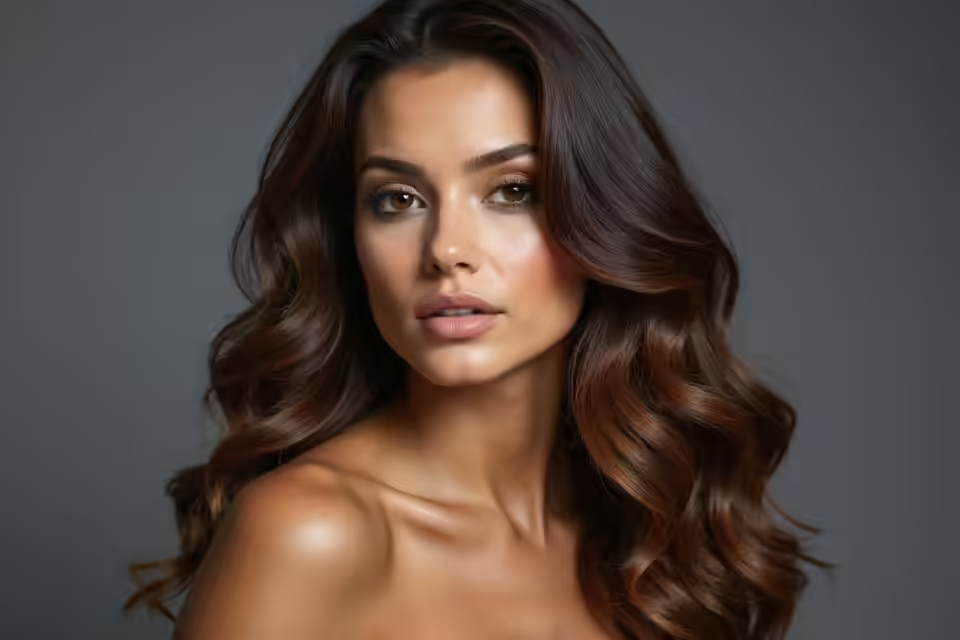
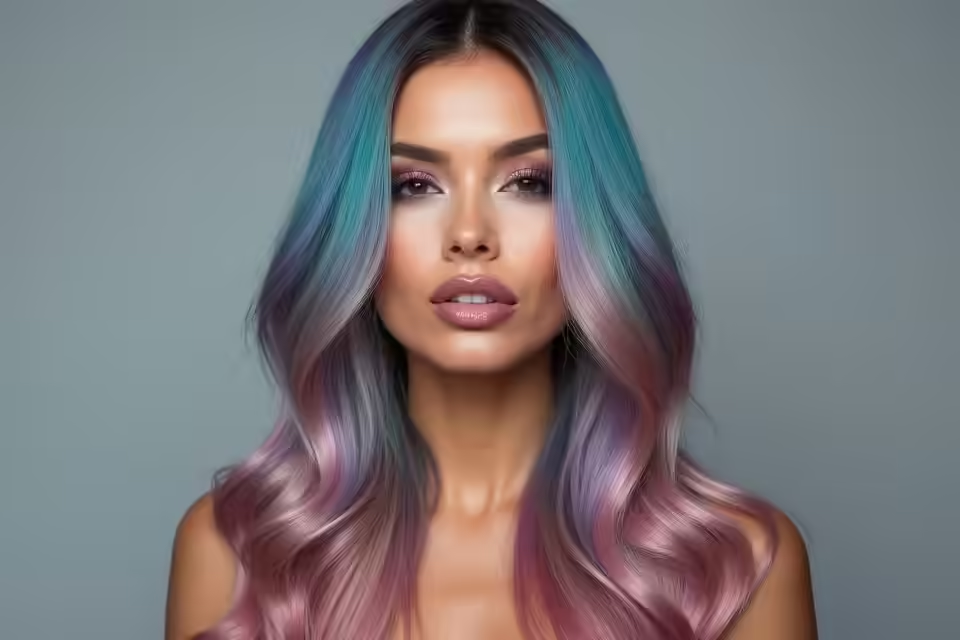
Electric blue that catches the light, a wash of pastel pink through the ends, a deep teal that shifts as you turn your head, that is the draw of exotic hair color: a shade that is unmistakably yours. The color itself was never the hard part. Keeping it bright while keeping your hair healthy trips most people up.
So this guide is built around both. I will walk through how to choose a bold shade for your skin, how to prep and apply it, and the daily care that keeps it from going dull, plus the mistakes I see fade color fastest. Done right, a bright color can look clean and intentional.
Bold Color, the Short Version
Do I need bleach for exotic color? Usually yes. Most bright shades only show up over pre-lightened hair, so darker hair needs lifting first, which is best done by a pro to protect the strand.
How long does bright color last? Direct and semi-permanent dyes fade over 4 to 8 weeks, with cool tones like blue and teal holding longer than warm pinks and reds. Plan to refresh every few weeks.
How do I keep it from fading fast? Wash less, in cool water, with a sulfate-free shampoo, and use a color-depositing conditioner to top up pigment between salon visits.
What Counts as an Exotic Hair Color

Exotic hair color is a loose umbrella for any shade outside the natural blonde-to-black range: electric blue, pastel pink, deep teal, lilac, even a multi-tonal mermaid blend. What they share is that they are a choice, a color you wear on purpose, not one you were born with.
Within that, there are a few broad families worth knowing before you commit:
- Pastels: soft, washed-out brights like baby pink or lilac, which need very light hair underneath.
- Jewel tones: saturated blues, teals, and purples that hold longer and forgive a bit more.
- Neons and warm brights: hot pink, coral, and orange, which look loud but fade fastest.
How Bold Color Became a Creative Outlet
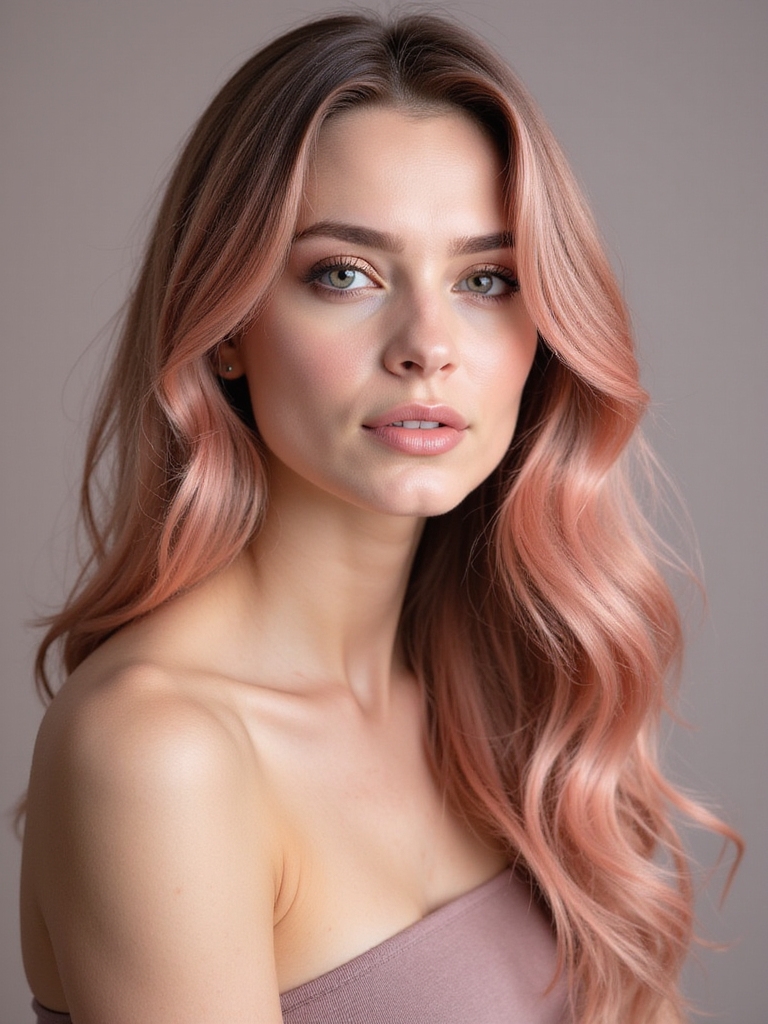
Bold color stopped being a fringe statement a while ago. It shows up at work, at weddings, on people who steered clear of it ten years ago, partly because the formulas got gentler and partly because the look stopped reading as rebellious and started reading as personal style.
Part of the draw is how changeable it stays. A semi-permanent bright fades out over a few weeks, so you can wear teal this month and rose gold the next without the lifelong commitment people once feared.
That low-stakes quality is why I point nervous first-timers here: a washes-out color lets you test a bold idea with an exit built in.
Where to Find Bold Color Inspiration

Good inspiration is specific. Instead of saving one dreamy photo, collect three or four that show the shade in normal daylight and, ideally, on hair texture and length close to yours, since the same teal looks different on fine blonde and thick dark hair.
Pay attention to whether the color is solid, ombré, or a peekaboo panel hidden underneath. Knowing the placement you actually want saves you and your colorist a lot of guessing, and it changes both the cost and the upkeep.
Matching Exotic Shades to Your Skin Tone

Bright color flatters everyone, but the version you pick should play with your undertone. Cool undertones tend to glow next to blues, purples, and silver, while warm undertones come alive with coral, copper, and warm pink.
On deep and melanin-rich skin, saturated jewel tones, true blue and emerald, or a punchy magenta, look especially striking, and a deeper base can carry a bold color beautifully once it is lightened enough for the shade to show. The brightest, most pigment-rich versions tend to flatter most here.
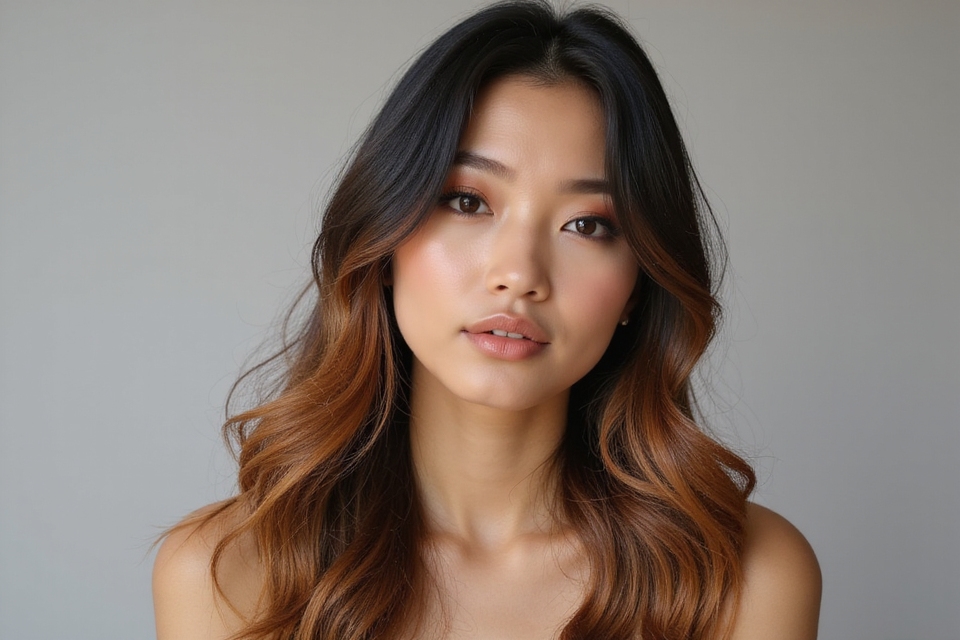
If you are unsure, hold the dye swatch up near your face in daylight. The right shade makes your skin look lit; the wrong one leaves it looking tired. A copper red is a gentle first step for warm tones not ready for full neon.
Preparing Your Hair for Bright Color

Bright color only looks as good as the hair underneath it, and most brights need a light, even base to show true. That usually means pre-lightening, and that step decides your hair’s health, so the prep weeks matter as much as the dye day.
In the two to three weeks before, lean into bond-building treatments and deep conditioning, and hold off on heat styling. Strong, well-conditioned hair lifts more evenly and holds the final color far better than dry, fragile strands.
New Hair Dye Technology Worth Knowing

Dye formulas have come a long way, and a few modern options make bold color far kinder to your hair than the brights of a decade ago.
- Bond-building additives mixed into lightener and color reduce breakage during the lifting step.
- Direct (semi-permanent) dyes deposit pigment without ammonia or peroxide, so they are gentle and fade out cleanly.
- Color-depositing conditioners let you top up the shade at home between salon visits.
🅰️Semi-Permanent Bright
Gentle, ammonia-free, and fades out cleanly over a few weeks, perfect for testing a color or changing often.
🅱️Permanent or Pre-Lightened Bright
Longer-lasting and more saturated, but needs lifting and more commitment, best handled by a colorist.
Color-Sealing Shampoos and Sprays

Once your color is in, sealing products are what keep it from running down the drain. A few are worth the shelf space:
- Sulfate-free, color-safe shampoo that cleans without stripping pigment.
- A cool-water leave-in or sealing spray to smooth the cuticle so color stays locked in.
- A weekly color-depositing mask in your shade to refresh tone between washes.
Techniques for Bright, Even Color

How the color goes on decides how clean it looks. Even saturation is the goal, so the dye is applied section by section, fully coating each strand from root area to ends, with extra attention to the porous ends that grab color unevenly.
Even Saturation Beats Bold Patches
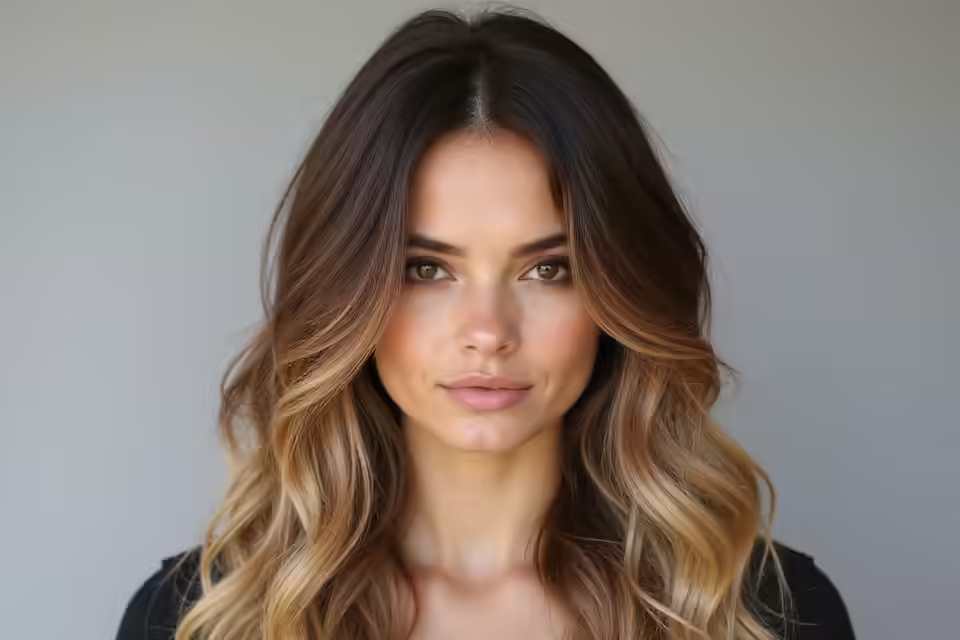
Placement is the other big choice. A solid all-over color is boldest, an ombré melts the bright into your natural color for easier grow-out, and a hidden peekaboo panel lets you flash color only when you want it.
For multi-tonal looks, colors are blended while wet so they bleed into each other softly, and that wet-blend method builds those smooth mermaid looks without hard lines.
Salon vs DIY for Bold Color

Whether you can do bright color at home depends almost entirely on one thing: how much lightening it needs. Here is the honest split.
- DIY is fine for adding a semi-permanent bright to already-light or pre-bleached hair, a low-risk $10 to $20 refresh.
- Book a pro for any color that needs bleaching from dark hair, where uneven lifting and breakage are real risks.
- Expect $150 to $400 for a full salon lightening-and-color session, often 3 to 5 hours in the chair.
A few bright-color terms worth knowing:
📖Pre-lightening
Bleaching the hair to a pale base so a bright shade can show up true, the riskiest step for hair health.
📖Direct dye
A semi-permanent pigment that deposits without developer, gentle and fades out gradually.
📖Color-depositing conditioner
A tinted conditioner that tops up your shade at home between salon visits.
Daily Care for Bright Color

Bright color lives or dies by your wash routine. The fade I see fastest comes from hot water and daily washing, which open the cuticle and rinse pigment straight out, so washing less and cooler does more than any product can.
Two or three washes a week with a sulfate-free shampoo, a cool final rinse, and dry shampoo on the off days will add weeks to your color. Heat styling fades it too, so keep tools on a lower setting and always use a heat protectant.
Pro Tips for Long-Lasting Brightness

Beyond the basics, a few habits keep bright color looking fresh far longer than most people expect. Start by stretching the time before your very first wash, ideally 48 to 72 hours, so the pigment fully sets into the strand.
Wait 48 to 72 Hours Before the First Wash
Then lean on the color-depositing conditioner as a regular weekly habit. Used every week or two in your shade, it tops up what washing takes away, so the color stays saturated for far longer.
And keep your shower quick. Long, hot showers quietly steal more pigment than almost anything, since prolonged heat and water swell the strand and let color escape.
📋Bright-color longevity checklist
- ✓Wait 48 to 72 hours before the first wash
- ✓Wash 2 to 3 times a week in cool water
- ✓Use sulfate-free, color-safe products
- ✓Top up with a color-depositing mask weekly
How to Prevent Color Fade

Fading is not random; it has a few clear causes, and tackling them head-on keeps your color truer for longer. Water does most of the damage, with heat and sun close behind.
Warm Brights Fade First
Cool water at every wash matters most, then it helps to limit hot tools and shield your hair from strong sun. Each of these slows the rate at which pigment molecules wash or break down out of the strand.
Warm shades like pink and coral fade first because their pigment molecules are smaller and escape more easily, so if you love a warm bright, simply plan to refresh it more often than you would a blue or teal.
Products That Extend Color Life

You do not need a cabinet of products, just a few that truly earn their place in a bright-color routine. The core picks cover cleansing and toning, plus protection.
Cleanse, Tone, Protect
A sulfate-free color-safe shampoo and a matching conditioner are the base. Add a color-depositing mask in your shade, usually $15 to $30, to refresh pigment, and a leave-in with UV protection to guard against sun fade.
If you lightened a lot to reach your shade, a bond-repair treatment every week or two keeps those strands strong so the color sits on healthy hair.
Protecting Color From Sun and Chlorine
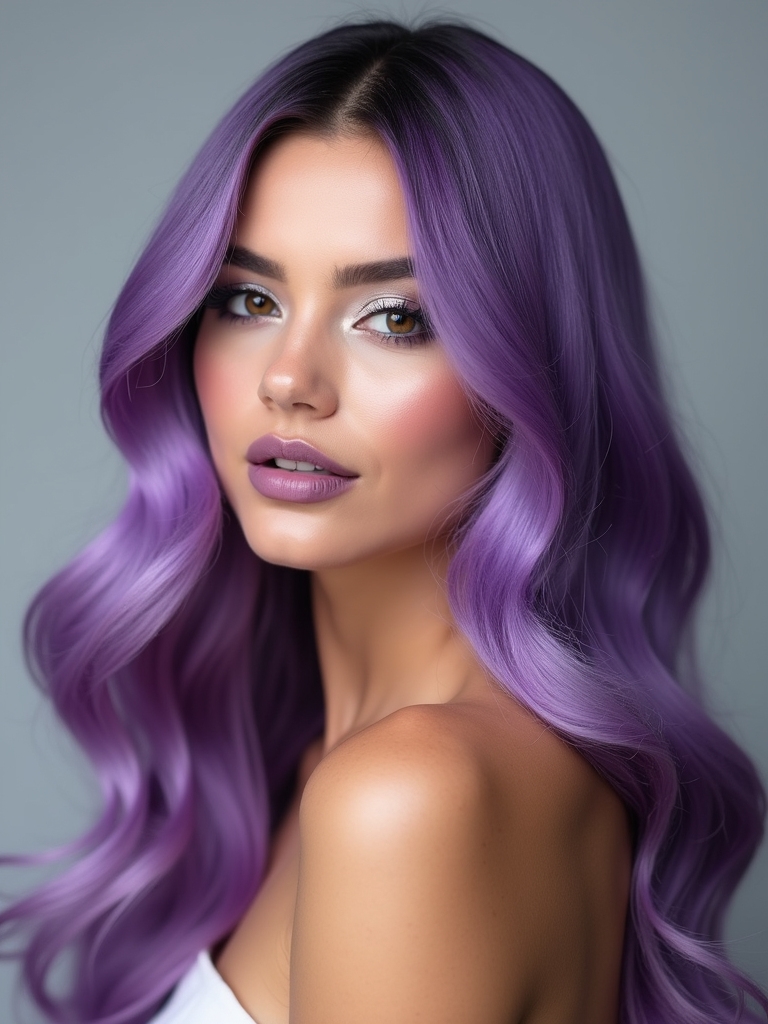
Sun, salt, and chlorine are brutal on bright color, and a beach or pool day can undo weeks of careful upkeep. A little planning protects your shade outdoors.
- Wet hair with clean water first so it soaks up less chlorine or salt water.
- Coat ends in a leave-in or oil as a barrier before swimming.
- Wear a hat in strong sun, since UV breaks pigment down quickly, especially on cool tones.
Choosing Color That Fits You

The best bright color is one that fits your life, not just your mood on the day you book it. Think about your job, your upkeep tolerance, and how much attention you actually want, because a bold color is a conversation starter whether you planned for that or not.
If your workplace is strict or your time is tight, a hidden peekaboo panel or color only on the ends gives you the fun with an easy off-switch. If you want full commitment, an all-over shade is the boldest statement.
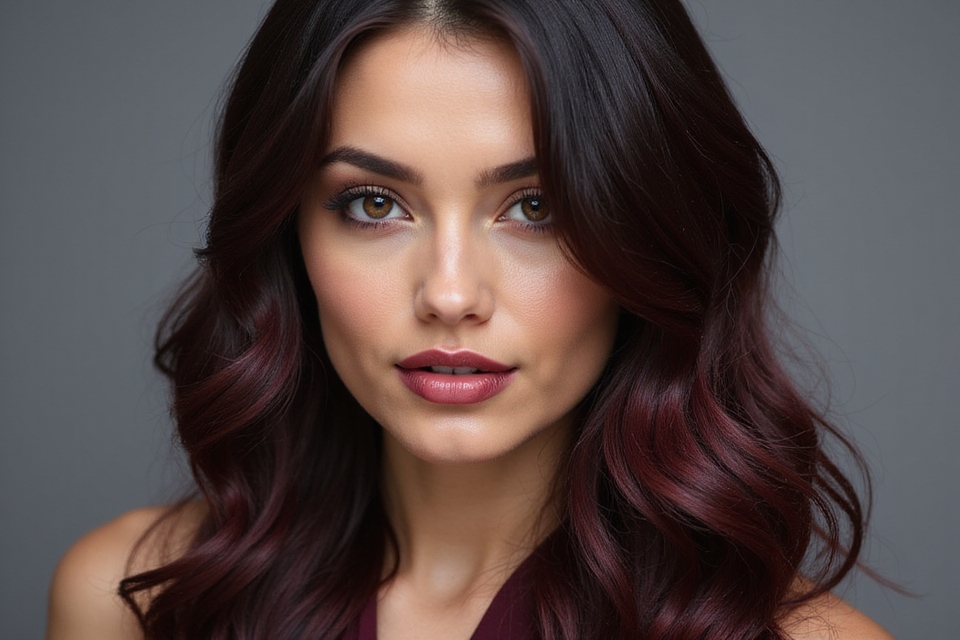
There is no wrong answer here, only the version that you will be happy to maintain. A subtle burgundy or deep cherry cola is a workplace-safe way to dip into bold color.
Working With a Skilled Colorist

For any bright color that involves lifting dark hair, a skilled colorist is worth every penny. They read your hair’s history and condition, decide how far it can safely lift in one session, and protect the strand while they do it.
When I pre-lighten for a bold color, I almost always split the work across more than one appointment if the hair needs a lot of lifting, because rushing the bleach is the fastest way to damage. A good colorist will tell you the honest truth about what your hair can take.
Come with your reference photos and be upfront about your full color history, including any box dye, so they can plan a safe path to your shade. A black hair color base, for instance, takes serious lifting to reach a pastel.
Heads-Up
Going from dark hair to a pastel in one session causes breakage. If your hair needs a lot of lifting, let a colorist stage it over more than one appointment, even if it means waiting for the shade you want.
Keeping Colored Hair Healthy

Bright color cannot hide damage, so the health of your hair under the color matters as much as the shade itself. Lightened hair is more porous and fragile, which means moisture and protein both have a role in keeping it strong.
Build in a weekly deep conditioner for moisture and a bond or protein treatment every couple of weeks for strength, and trim regularly so fragile ends do not split upward. Healthy hair holds color longer and looks glossier doing it.
Trying Experimental Color This Season
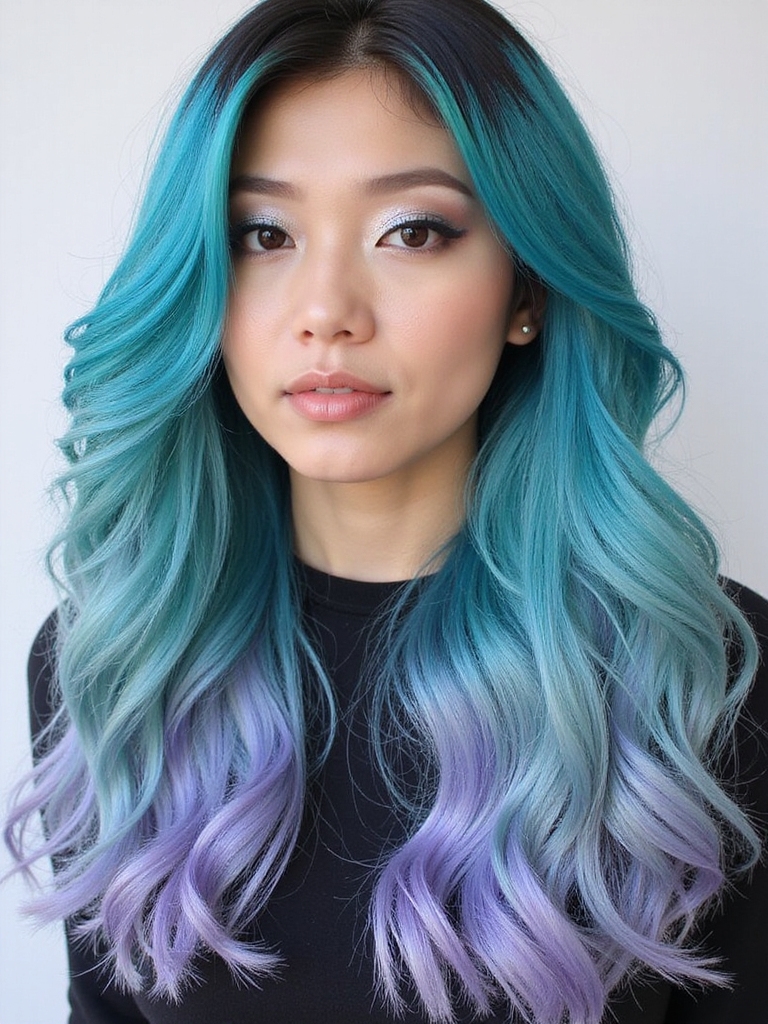
If you have been curious about bold color, the experimental looks trending right now make a low-pressure way in. Hidden rainbow panels, soft pastel money pieces, and color-melt ombrés all let you wear brightness without going all-over.
Start Semi-Permanent, Then Commit
Color-shifting and multi-tonal blends are having a real moment lately, where two or three brights melt together so the hair looks different from every angle. They take skill to apply but come across as artful and intentional.
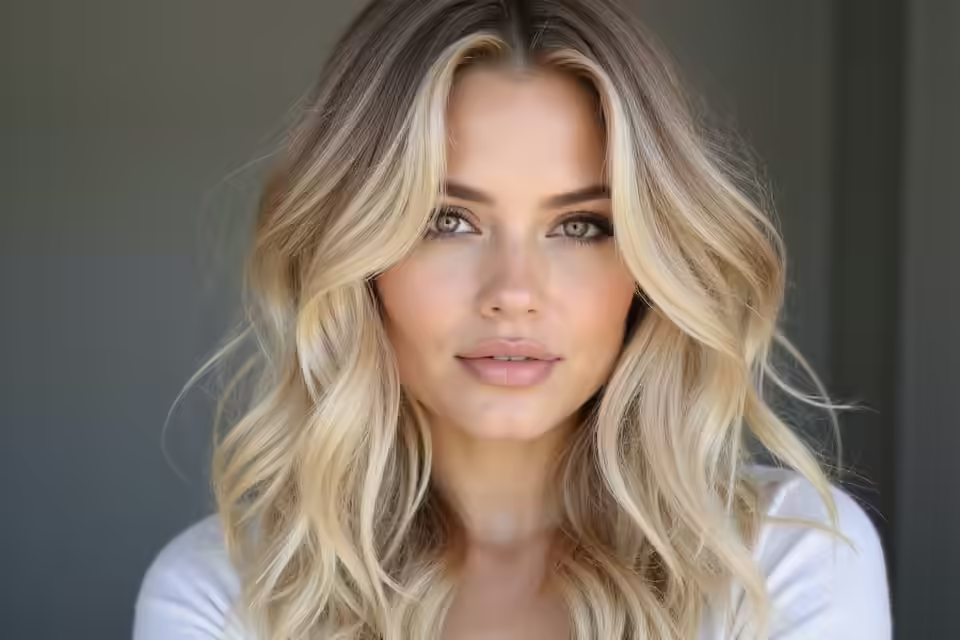
Whatever you try, start with a semi-permanent version so you can live with the idea before committing. A soft cool-toned dark blonde base is an easy canvas for adding a temporary pop.
Common Mistakes to Avoid
The mistakes that ruin bright color are predictable, so they are easy to dodge once you know them. The biggest is rushing the lift: trying to go from dark hair to pastel in one aggressive bleaching session snaps hair off, so let a pro stage it. Close behind is over-washing, which strips pigment faster than anything else, and skipping bond and moisture care on lightened hair.
The other quiet mistake is choosing a shade that fights your upkeep tolerance. A warm neon that needs refreshing every two weeks will frustrate you if you wanted low-maintenance, so be honest about the upkeep you will actually keep up with. Match the color to your real routine and bright hair stays a pleasure to wear.
Where Your Color Goes Next
Bright, unconventional color is more wearable and more forgiving than it has ever been, but the looks that stay clean and bright all come down to the same things: a healthy, well-prepped base, even application, and a cool, gentle wash routine. Get those right and almost any shade is on the table.
Not sure yet? Try a small, semi-permanent version first, a hidden panel or just the ends, and live with it for a few weeks before going bigger. The exit is built in, so there is little to lose and a whole spectrum to play with.
Keep the Inspiration Going