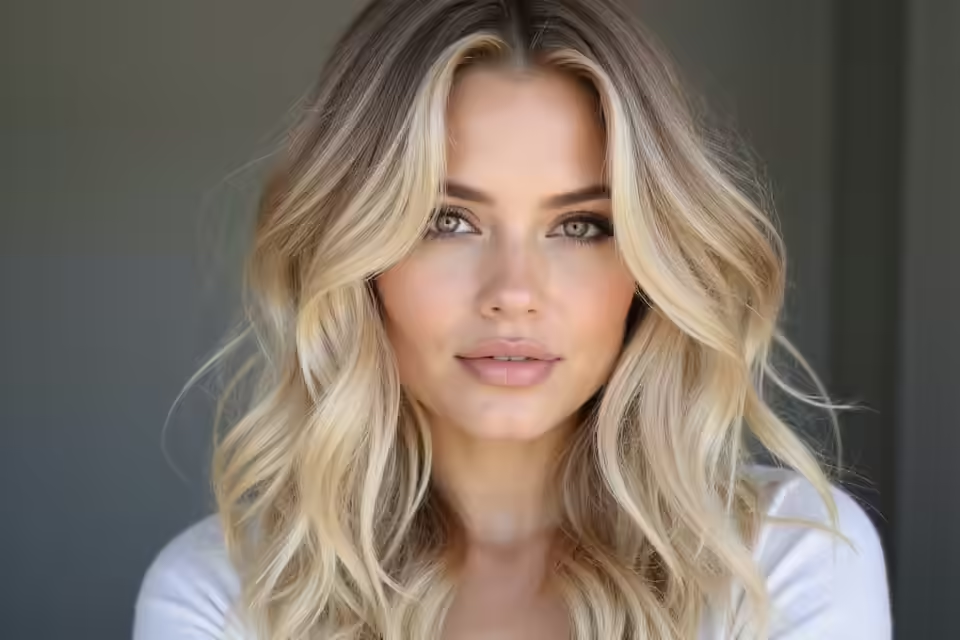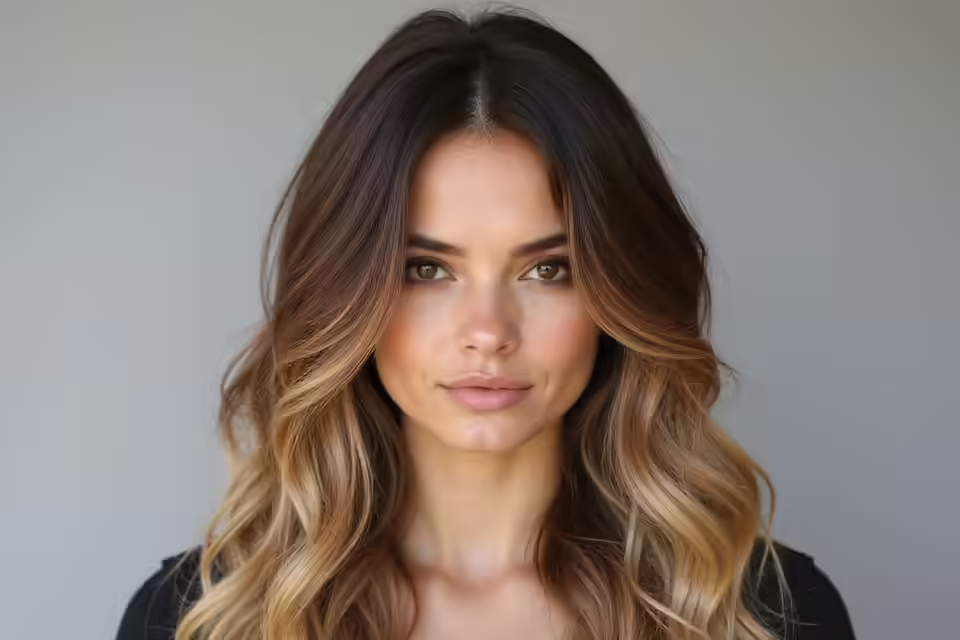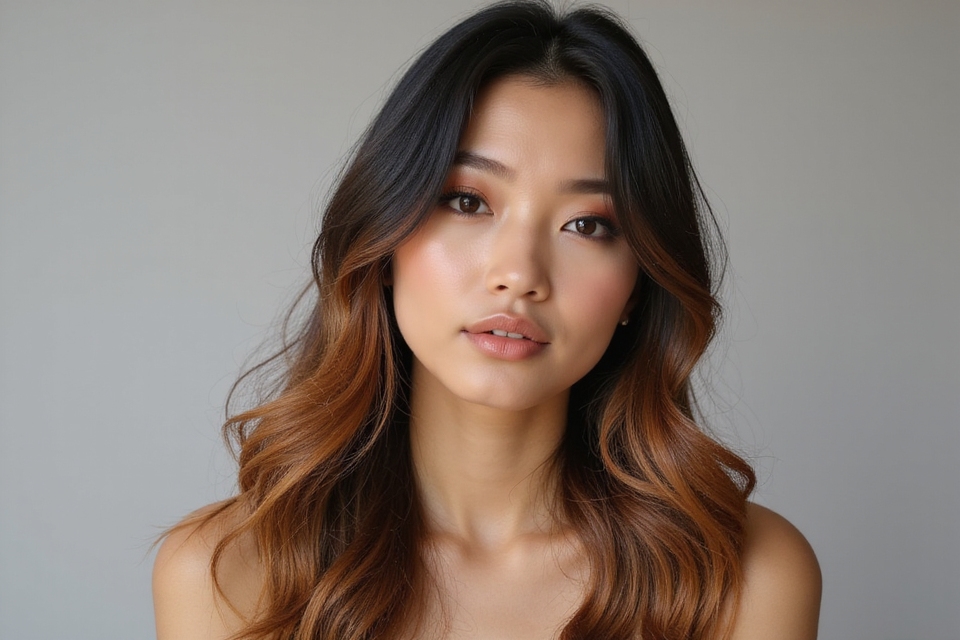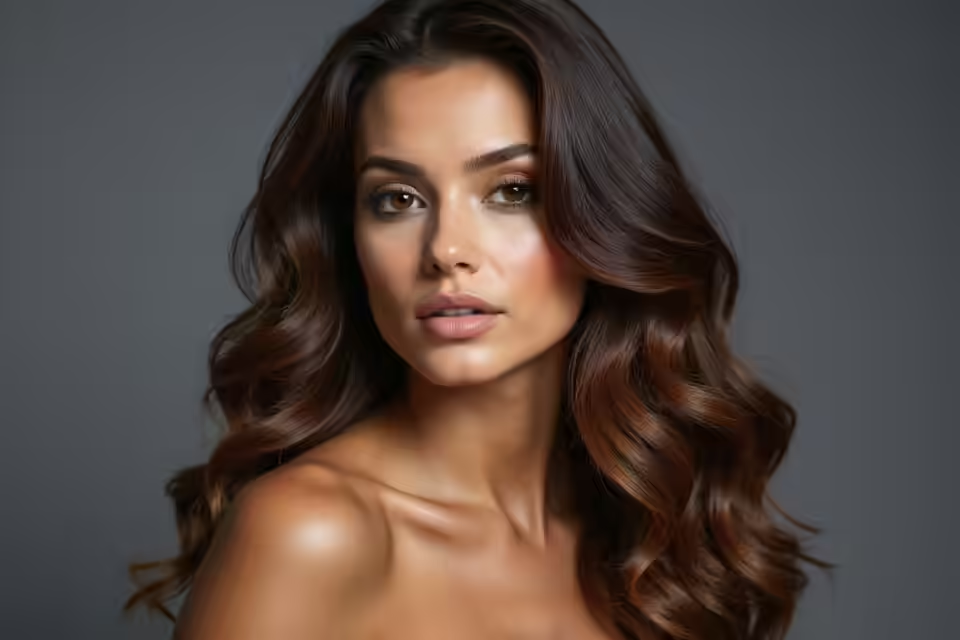
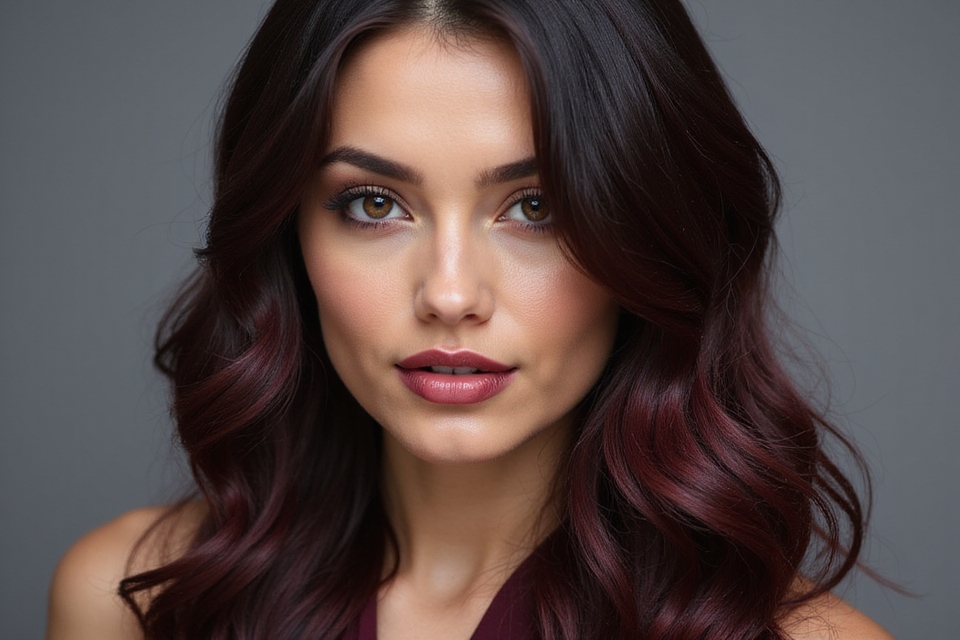
A deep, rich color is the best thing you can do for your hair in the cold months, and not just because it looks cozy. These saturated winter shades are the ones that actually cover gray, deposit with little or no damage, and hold their depth when the daylight goes flat and gray outside.
I’ve sorted 18 of them by undertone and by how well they hide regrowth, since that’s what really matters once the roots come in over a long winter. Cool, high-contrast shades like ebony and indigo flatter the clear, deep coloring of a true winter; warm cacaos and walnuts glow on golden skin. Find your temperature, then pick the depth you’ll keep up through the season.
How to Use This List
- Match undertone to skin: cool shades (ebony, indigo, plum, charcoal) for cool or clear-winter coloring, warm shades (cacao, espresso, walnut, mahogany) for golden skin.
- All of these cover gray well because they deposit dense pigment; the darker and cooler, the more fully they hide regrowth.
- Red and berry-based winter shades fade fastest and need a depositing conditioner to stay rich.
- A salon deep color runs roughly $80 to $150; expect a root touch-up every four to six weeks once gray comes in.
Indulgent Cacao Brown

Cacao brown is a warm, spiced dark chocolate, the cozy entry point to deep winter color. It wraps the hair in richness and makes warm eyes pop, and because it’s a true deposit shade, it covers gray fully with almost no damage.
It’s closely related to a mocha brown, sharing that blend of warmth and depth. On golden and olive skin it glows; on very cool complexions it can look a touch heavy.
- Warm undertone for golden and olive skin.
- Deposits onto natural hair, so it covers gray with minimal damage.
- Refresh the warmth with a brown gloss every six to eight weeks as it dulls.
Ebony Black Elegance

Ebony black is the showstopper of winter, a sleek, cool-leaning black that turns the hair into a statement, especially against pale winter light and a snowy backdrop. The contrast it gives sharpens every feature.
Black covers gray best but shows regrowth fastest
It’s also the single most thorough gray coverage on this list, since dense black pigment blankets resistant grays completely. The trade is regrowth: against jet hair, even a little gray at the part shows fast, so a four-week root touch-up keeps it crisp.
Cool black suits cool and clear-winter coloring beautifully, and gives deep, rich complexions a high-shine finish. If you want the full range, my guide to black shades breaks down jet versus soft.
Ravishing Red Wine Locks

Red wine is the deep, glowing red that makes a gray winter day feel warmer. It’s bold without being neon, a saturated wine that shifts in the light, and it lifts the mood as much as the look.
Why red needs the most upkeep in winter
On the practical side, red is the trickiest winter shade for coverage and upkeep. It hides gray as a soft, lit-up wine rather than a solid block, and it fades faster than any brown or black, sometimes within a month.
It glows on both warm and cool skin depending on how much blue you take it toward. Plan on a red-depositing conditioner from day one to keep it from washing to brown.
🅰️Cool Winter Darks
Ebony, midnight blue, indigo, charcoal, and plum suit cool and clear-winter coloring, look crisp against pale skin, and cover gray sharply, but the cool tone drifts warm as it fades.
🅱️Warm Winter Darks
Cacao, espresso, walnut, mahogany, and maple suit golden and olive skin, glow in low winter sun, and feel cozy, but the warm tones can grab brassy and want an occasional gloss.
Mysterious Midnight Blue Depth

Midnight blue is the coolest, most clear-winter shade here: it looks near-black indoors and reveals a deep, inky blue in daylight, like the winter night sky. It’s a way to wear a fashion color that still passes at the office.
Midnight blue versus a plain black
Because it’s so dark, it covers gray nearly as well as black while adding that cool blue dimension. The blue itself fades before the depth does, so it needs a little maintenance to stay vivid.
It’s a true cool tone, flattering on cool, neutral, and deep complexions; on very warm skin the blue can look cold. A blue-tinted conditioner keeps the cast alive between colors.
Coffee-Inspired Medium Browns
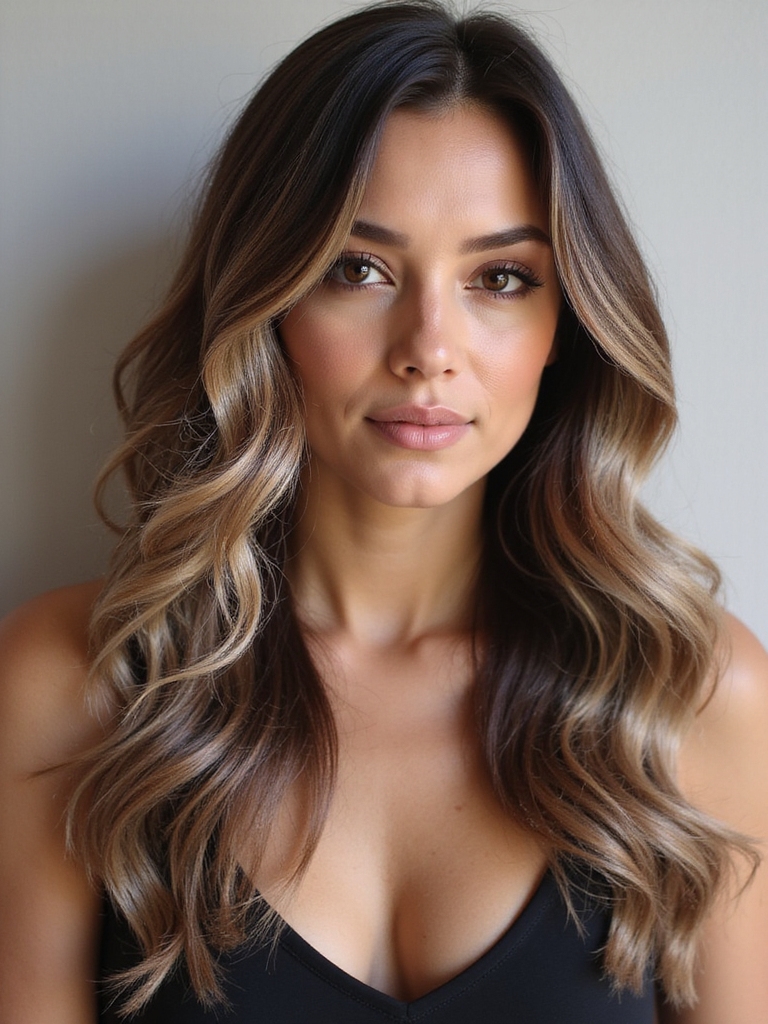
If espresso feels too dark, the coffee browns are the medium-depth option: a warm latte-to-mocha range that keeps the cozy winter warmth without going as deep as black or espresso. It’s the most natural-looking dark on the list.
- A warm mid-brown for golden and neutral skin who want depth without drama.
- Covers gray well, though slightly less fully than the deepest shades, so blend it with a touch of dimension if you have a lot of regrowth.
- Deposits with no bleach; a quick toning gloss every two months brings the coffee tone back.
Enchanting Deep Burgundy

Deep burgundy is the jewel of winter color: a rich wine that shifts between red and purple under different light, calm and bold at once. It draws people who want a real statement that still feels grown-up.
- Flatters warm and cool skin depending on how red or purple you take it.
- Covers gray as a glowing wine veil rather than a solid block, ever-changing in the light.
- Like all reds and purples, it fades fast, so a depositing conditioner is non-negotiable. My burgundy shade guide covers the range.
Luxurious Rich Espresso Tones

Espresso is the deepest brown before you cross into black: a sultry, warm-dark shade with real depth that looks beautiful on against a winter sweater and a cup of cocoa. It’s the brown for people who want maximum richness while keeping it brown.
- Warm undertones flatter tan, golden, and olive skin.
- Nearly as good as black for gray coverage, but softer at the regrowth line, so roots show a little less harshly.
- Deposits without bleach; rinse cool at the end of every wash to keep the depth glossy through the dry winter.
A few terms that come up with deep winter color:
📖Deposit-only
Color that adds pigment without lightening, so no bleach, minimal damage, and strong gray coverage. Most winter darks work this way.
📖Gray coverage
How fully a shade hides white regrowth. Dark, cool, opaque colors cover most completely; sheer reds tint rather than block.
📖Gloss or glaze
A semi-transparent toner that revives shine and tone between dye jobs, key for keeping dark winter color from going dull.
Deep Cassis Berry Hues

Cassis is the blackcurrant of hair color: a deep, velvety berry that sits between burgundy and plum, bold and a little unexpected. It brightens a winter wardrobe and lights up the complexion.
Where cassis sits between burgundy and plum
As a berry shade, it covers gray as a rich tinted veil and shares the faster fade of its red-purple family. It’s the adventurous pick for someone who finds plain brown boring in the cold months.
The cool-berry tone lights up cool and neutral skin most. Build it over a dark base and keep a matching depositing conditioner in the shower to hold the currant depth.
Cozy Sable Brown Warmth

Sable brown is the wrapped-in-a-blanket shade: a rich, velvety brown that shimmers in low winter sun and feels cozy without being as dark as espresso. It’s a soft, wearable middle ground that suits almost everyone.
It deposits cleanly and covers gray well, and its warm depth works on golden and neutral skin. Because it’s not jet-dark, the regrowth line stays forgiving, which makes it one of the lower-stress winter colors to maintain through a long season.
Bright Dark Cherry Pop

Dark cherry is the juiciest, most playful red here: brighter and poppier than red wine, with a festive energy that makes winter feel like a celebration. It’s the fun one, and it asks for a little care to stay that way.
- Brighter cherry-red for someone who wants a bold, lively winter color.
- Covers gray as a vivid tint; like all reds it fades fast, so commit to a red conditioner.
- If you love it but want it deeper, the cherry cola shade grounds the same red in a darker base.
Radiant Charcoal Shades

Charcoal is a smoky, gray-leaning black, a little slice of midnight that feels modern and cool. It’s also the cleverest choice if your grays are coming in fast, since it blends incoming silver into the smoky tone instead of fighting it.
- Cool smoky tone for cool and neutral skin.
- Rather than covering gray, it blends with it, which can stretch the time between touch-ups.
- Usually a salon job, since a clean cool charcoal often needs some lifting on dark hair, plus purple toning to stay smoky.
👍Why go deep for winter
- +Excellent gray coverage with little or no damage, since darks deposit rather than lift
- +Rich depth that lights up in low winter light and feels seasonally cozy
- +A shade range for every undertone, cool and warm alike
👎What to plan around
- –The darker the color, the more obviously regrowth shows at the root
- –Red and berry shades fade fast and need depositing conditioners
- –Winter dryness dulls dark color, so it needs masks and glosses to stay shiny
Rich Brunette Shine With Mahogany Highlights

This one adds dimension to deep winter brown: a rich brunette base lit with mahogany highlights that catch winter light with every turn. The shine-enhancing pieces keep a dark color from going flat in low-light months.
- Warm mahogany dimension sits well on warm and warm-neutral skin.
- The dark base covers gray well, while the highlights add the movement a solid color lacks.
- Worth a colorist for the placement; a glossing treatment keeps both the base and the mahogany shine rich.
Rich Warm Walnut Waves

Walnut is a deep, chocolatey brown with a cozy warmth that radiates on a brisk morning. It’s a touch cooler and earthier than cacao, a grounded, natural-looking dark that smooths neatly over grays.
- Warm-neutral brown that suits a wide range of skin tones.
- Deposits cleanly and covers gray with a soft, natural finish.
- Low-key upkeep: a gloss between salon visits keeps the walnut warm and the waves shining.
A deep winter color isn’t just about looking dramatic. It’s the rare change that covers gray, costs your hair almost nothing in damage, and looks richer the better you care for it.
Smoky Plum Winter Allure
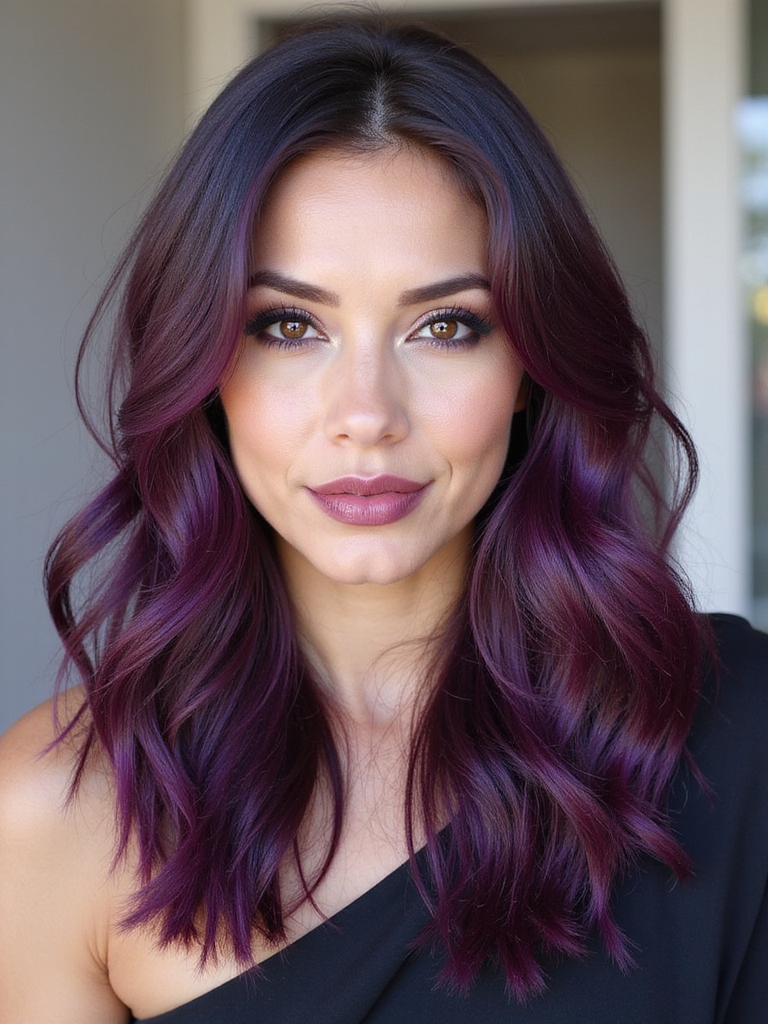
Smoky plum is the moody, grayed-off purple of the bunch: a rich plum dimmed to something sophisticated, the color of mulled wine by firelight. It makes eyes glisten under the winter sun and feels indulgent.
As a cool purple-dark, it covers gray as a tinted depth and glows on cool and neutral skin. The smoky quality keeps it from looking candy-bright, which is what makes it wearable.
Purple fades from the violet inward, so a violet-depositing conditioner holds the plum. For brighter takes on the same tone, my plum shade guide runs through them.
Luscious Black Cherry Depth

Black cherry is the deepest, most covering berry shade: an inky base with intense berry-red flashes that surface in the light. It’s the one I point people to when they want a bold winter red that still hides gray as thoroughly as a dark color.
- Deep berry base looks beautiful on most complexions and reads rich on deep skin.
- Covers gray fully thanks to the dark base, with the red as a moving accent.
- The red still fades first, so keep a red conditioner going to stop it slipping to plain dark brown.
Velvet Indigo Hues

Velvet indigo is the dreamy, blue-violet end of winter color: a deep, mysterious blue-purple that shimmers like a starry night with every flip. It pairs elegance with a hint of playful rebellion, and it looks beautiful on clear-winter coloring.
- Cool blue-violet tone for cool, neutral, and deep skin.
- The dark base covers gray well; the indigo cast fades before the depth, so it wants upkeep.
- Shows brightest over a dark base; a blue-violet conditioner keeps the indigo from going plain black.
Warm Maple-Glow Hues

Maple is a fall sunset caught in your hair, a warm reddish-brown that brightens winter blahs with autumn warmth that carries straight through the cold months. Subtle reddish highlights add the dimension, so it never looks flat.
It’s a warm-skin favorite, lighting up golden and tan complexions, and it covers gray as a warm, lit-up brown. Upkeep is surprisingly low-key for a shade with this much glow, just an occasional toning service to revive the red tones as they soften.
Bold Glossy Onyx Black

Onyx is jet black taken to its glossiest: a deep, mirror-shine black that brings instant drama and elegance, like slipping into a night-sky cape. It’s the most polished way to wear black in winter, when good shine is hard to keep.
It covers gray as completely as ebony and asks for the same crisp root upkeep. The shine is the work: cool rinses, a weekly gloss, and a smoothing serum keep it glassy. It suits anyone who’ll commit to the routine; a dull onyx just looks like roots.
Styling Tips
Two habits keep any deep winter color looking expensive. First, fight the dryness: cold air and indoor heat sap moisture, which makes dark color look dull and flat, so a weekly mask and a smoothing serum on the lengths do as much for the color as the dye does. End every wash with a blast of cold water so the cuticle lies flat, because shine is what separates rich dark hair from a flat, tired version, especially under low winter light.
Second, plan around your grays. The darker and cooler the shade, the more fully it covers, but also the more obviously the regrowth shows, so book a regrowth touch-up roughly monthly once gray comes in, or choose a smoky charcoal that blends with incoming silver instead.
And remember the gentlest news in all of this: deep colors deposit rather than lift, so going darker for winter is the lowest-damage change you can make. If you’d like to see these shades sorted purely by undertone, my full dark color guide lays them out that way.
Pick the Deep Shade You’ll Keep Up All Winter
Run back through these with your own coloring and your patience in mind, and the choice narrows fast. Cool or clear-winter skin leans toward ebony, indigo, plum, and charcoal; warm skin glows in cacao, espresso, walnut, and maple. Then it’s just a matter of how dark you want to go, since the deepest shades cover gray most completely but show regrowth soonest.
So which one feels like your winter, the cozy warmth of a walnut, or the cool drama of an ebony cut through with shine? Whichever you choose, you’re making the lowest-damage change there is, since every shade here deposits rather than lifts. Bring a photo to your colorist and ask how they’d keep it rich until spring.
More Worth Saving