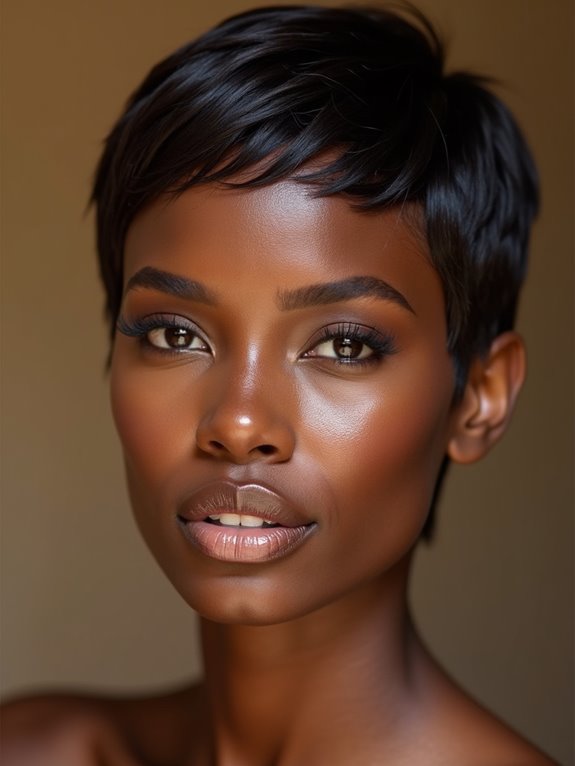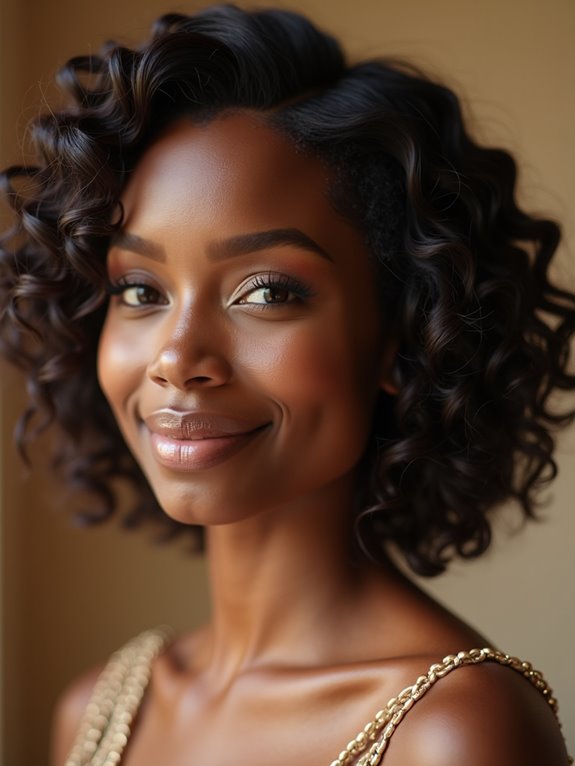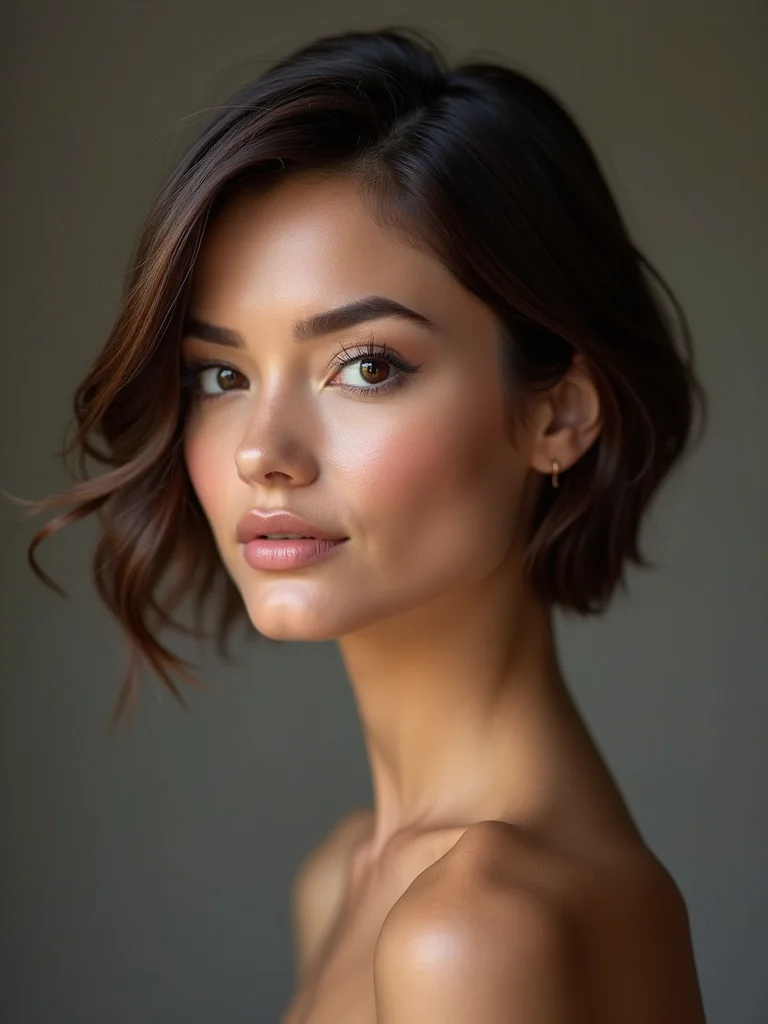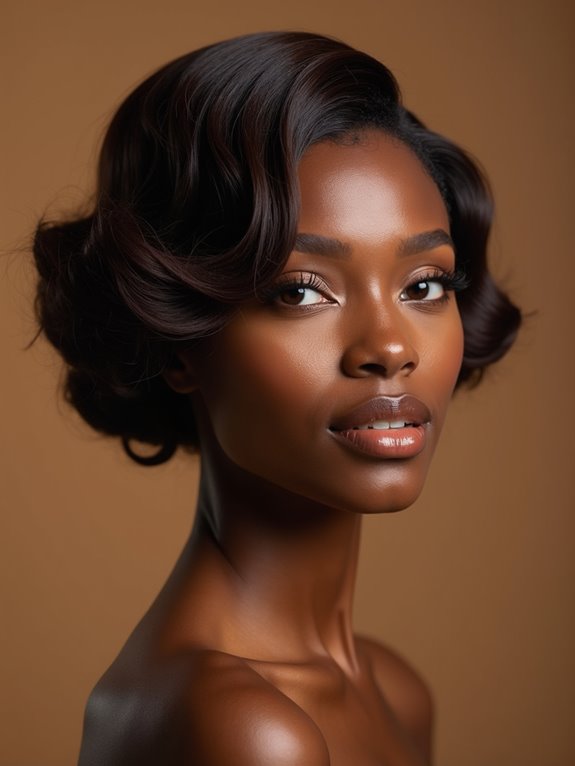
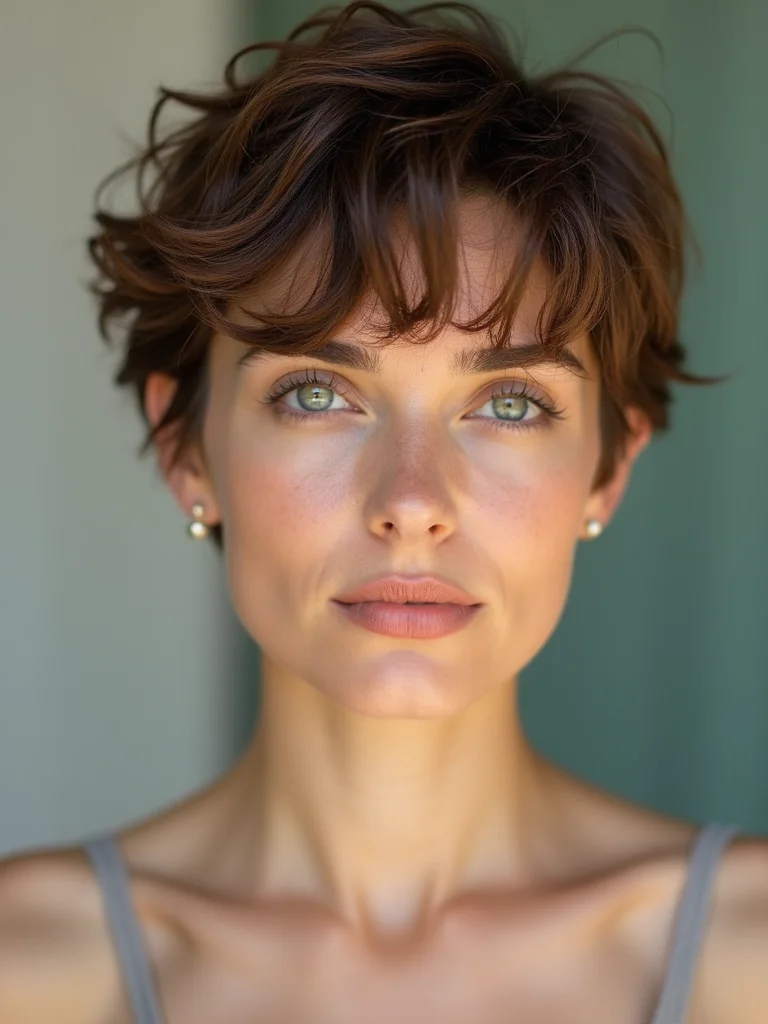
Short hair that actually works with your schedule exists, and it’s not about hoping your texture cooperates. The right cut does the heavy lifting before you even step out of the shower. Most people think short styles require more maintenance, but the opposite is true when the shape is built to your hair’s natural patterns and your actual morning time. These 15 cuts prove you can have polished hair in minutes, not because of luck, but because of how they’re designed.
Key Takeaways
- Choose a precision cut like a blunt bob or pixie that holds its shape for days without restyling.
- Embrace your natural texture with a shag or curly crop that air-dries into an intentional, undone look.
- Use your fingers and a matte paste or texturizer to quickly redefine layers and create piece-y definition.
- Refresh oily roots instantly by misting dry shampoo at the hairline and scrunching it in for volume.
- Opt for an asymmetrical bob or curtain bangs that look deliberately styled with zero morning effort.
The Short Blunt Bob With Zero Fuss and Maximum Impact
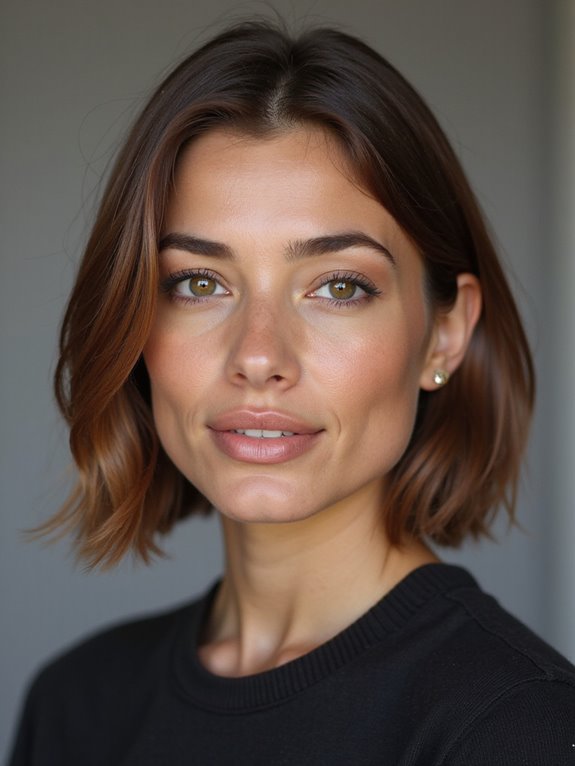
A truly blunt bob sits right at your chin with one clean line all the way around. No graduation, no layers, no softening at the ends—that’s what makes it read as intentional rather than just short hair.
The payoff is real: wash, maybe a quick pass with a blow dryer, and you’re done. Even ends fall where they’re supposed to fall. Skip the round brush entirely. When you ask your stylist for this cut, emphasize that you want the line sharp and level, not feathered or textured. That geometric precision is doing all the work.
Need a different vibe in five seconds? Tuck one side behind your ear. It shifts from sleek to casually put-together without any actual effort. Bold, controlled, and honest about what it is—a cut that asks nothing of your mornings.
Bob hairstyles are a timeless option that suit many face shapes and style preferences, from edgy to classic, making them an ideal choice for low-maintenance looks like the short blunt bob; see more on Bob hairstyles.
The Roll-Out-of-Bed Lob That Looks Intentional
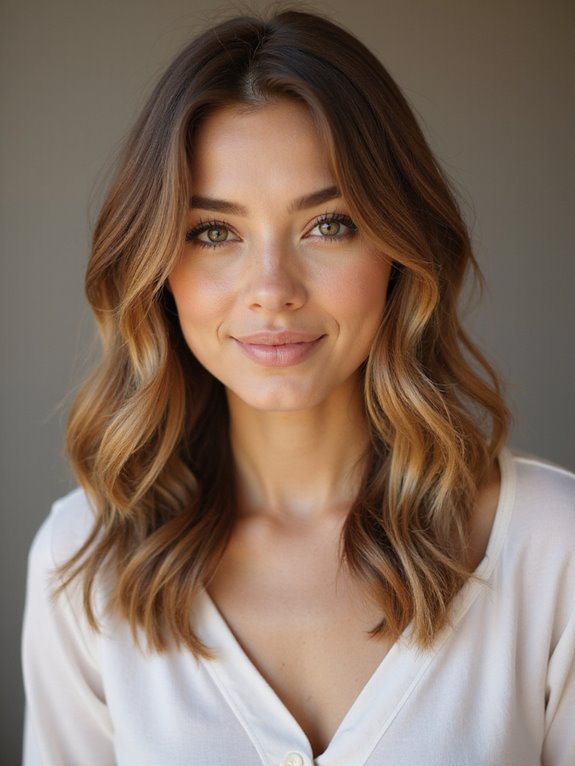
A lob sits right at your shoulders with that casual, undone texture built in. The trick is leaning into the bedhead rather than fighting it. Most people reach for a brush and accidentally make it look polished, which defeats the whole thing.
Skip styling products on damp hair. Instead, scrunch your strands with a microfiber towel to activate whatever natural wave you have. Once that’s set, add texture with salt spray at the roots for grip, then twist random sections and release them for uneven bends. A small amount of matte paste works through the ends without making things look slick or intentional-looking.
One move that actually matters: ask your stylist to keep the layers subtle. Heavy layers read too deliberate. You want just enough movement that tucking one side behind your ear exposes your jawline without the cut screaming for attention. Fluff the crown with your fingers before you leave the house, breaking up anything that settled too uniform overnight.
Easy lob haircuts with a soft fringe can enhance that casual shape and frame the face perfectly, especially when Lob with fringe is kept natural and slightly tousled.
Pixie Cuts You Can Style With Just Your Fingers
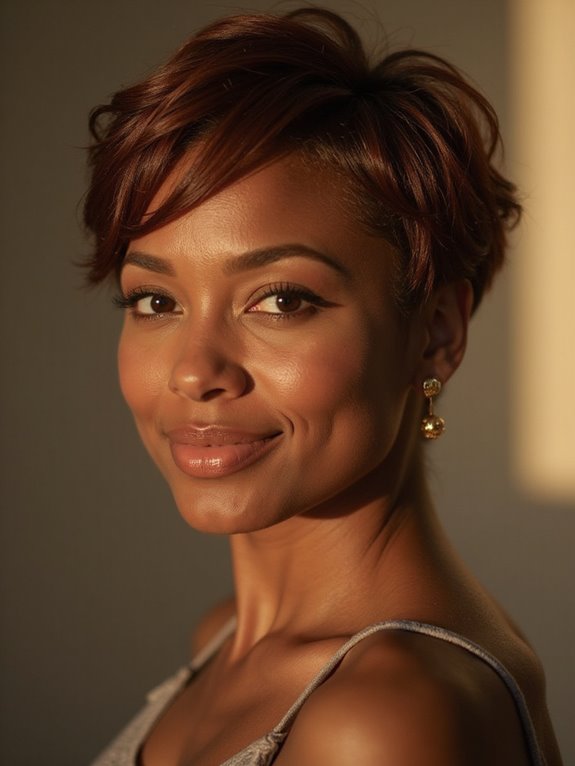
A pixie is short enough that your fingers become your primary tool. Start by raking them forward from the crown, letting those cropped layers naturally separate and fall into place.
Grab a bit of matte paste, warm it between your palms, then work it through—twisting small sections around your fingertips gives you piece-y definition and lifts the crown. That’s genuinely it. No blow dryer required, no brush necessary.
The cut itself does most of the work if your stylist keeps the layers choppy and textured throughout, so ask for that when you book. Pixie hairstyles are versatile and low-maintenance, making them ideal for easy styling.
The Short French Bob for Instant Je Ne Sais Quoi
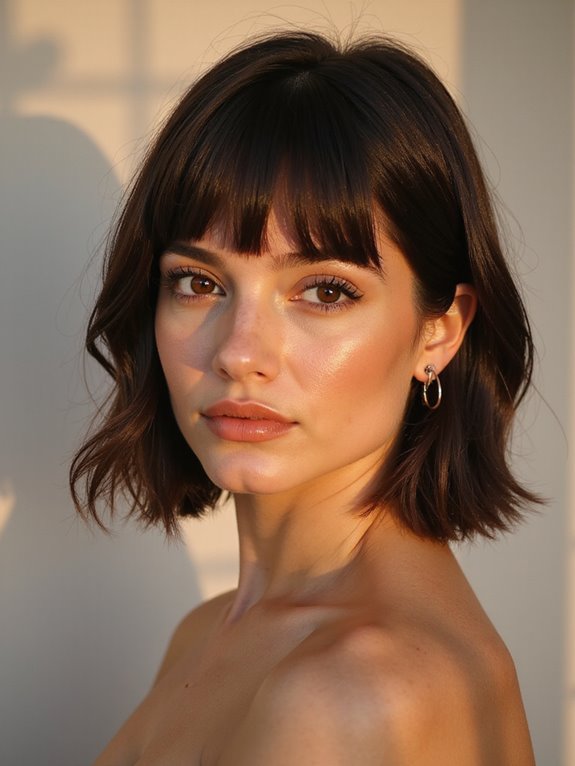
A jaw-length, blunt cut that sits just above your shoulders and skims your cheekbones—this is the French bob’s signature move. The texture comes from the cut itself, not from product, so ask your stylist for choppy layers through the ends and strategic volume at the crown. Air-dry it or run your fingers through with a bit of texturizer, and that’s the whole thing.
What makes this work is that it doesn’t demand anything from you. Skip the blow-dryer entirely and save those minutes before work.
Greasy roots? The volume at the crown masks them while the blunt shape holds its line even when you’re not actively styling.
Your jaw gets a subtle sharpening just from the way the bob frames your face. And somehow—despite the fact that you’re wearing yesterday’s shirt—you land that particular Parisian attitude anyway.
Easy Long Bob Hairstyles for Every Occasion often shares styling tips that apply to shorter cuts too, like how long bob haircuts can inspire low-maintenance volume and texture.
The Shag Cut That Loves Bedhead
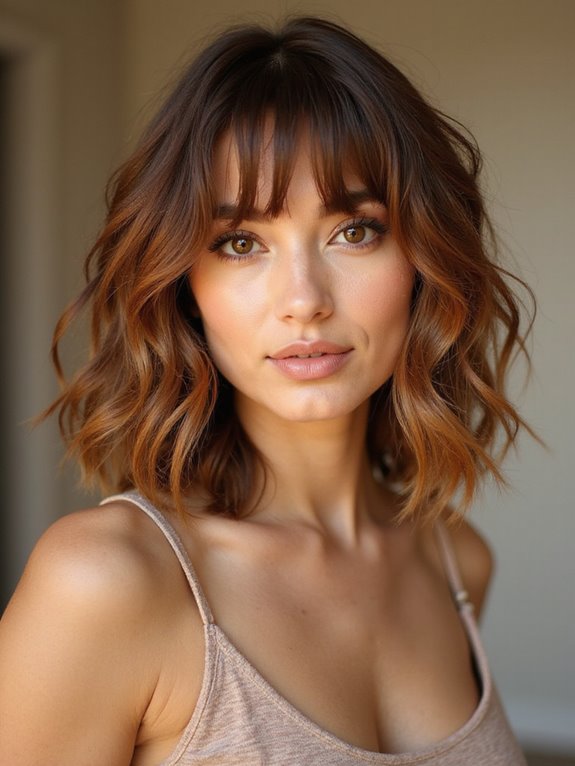
A shag is basically layers stacked throughout, shorter and choppier toward the crown, longer and feathered at the ends. Think texture on texture. The whole point is that it looks intentionally undone, so when you roll out of bed with yesterday’s texture in your hair, the cut actually works *with* that instead of against it.
Natural oils and a little finger-combing are enough to wake up the volume that’s already built into the layers. Skip the brush entirely. Ask your stylist to keep the chop pronounced through the mid-lengths so the cut itself does the heavy lifting—bedhead just becomes part of the design rather than something you’re fighting.
Minimal fuss, maximum attitude. You’ll look lived-in without trying.
The Modern Mullet That Air-Dries Perfectly
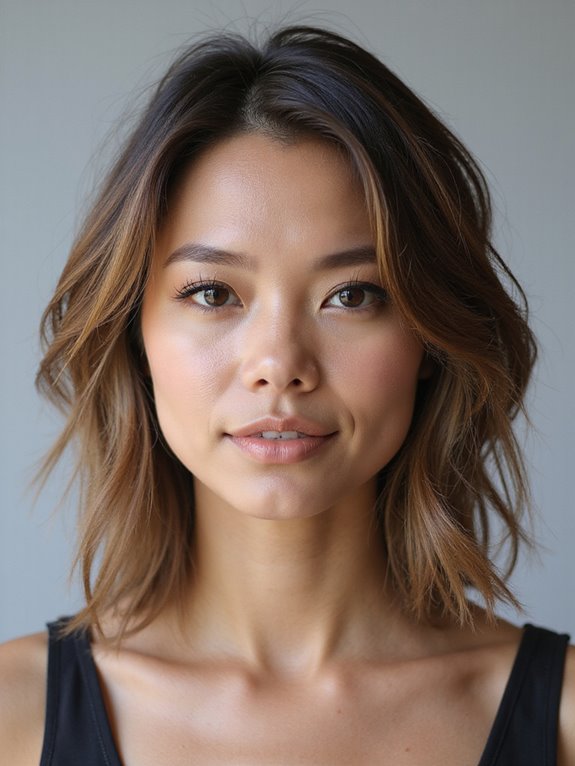
A modern mullet lives on contrast: cropped, textured layers that sit close to your head up front, then a real length in back that you can actually feel. The cut works because it’s built to dry on its own terms. Those short pieces at the crown naturally lift as moisture leaves them, while the longer section in back has enough weight to settle without getting wispy.
Here’s what makes this actually work without a blow dryer:
- Razored ends create that piecey, broken-up texture without needing any styling cream afterward.
- Crown layers are kept short enough that they dry fast and hold some body, never going flat.
- The back section weighs itself down just enough to skip the flyaway situation.
- Strategic thinning throughout removes the bulk that slows drying time, so you’re left with feathering instead of thickness.
- Any natural cowlick you have gets incorporated into the cut, not fought against it.
Ask your stylist to keep the taper gradual rather than dramatic—that transition from front to back is what gives you the shape without maintenance. In the morning, literally just shake your head out and move on.
Tousled Waves Without a Wand: It’s All in the Cut
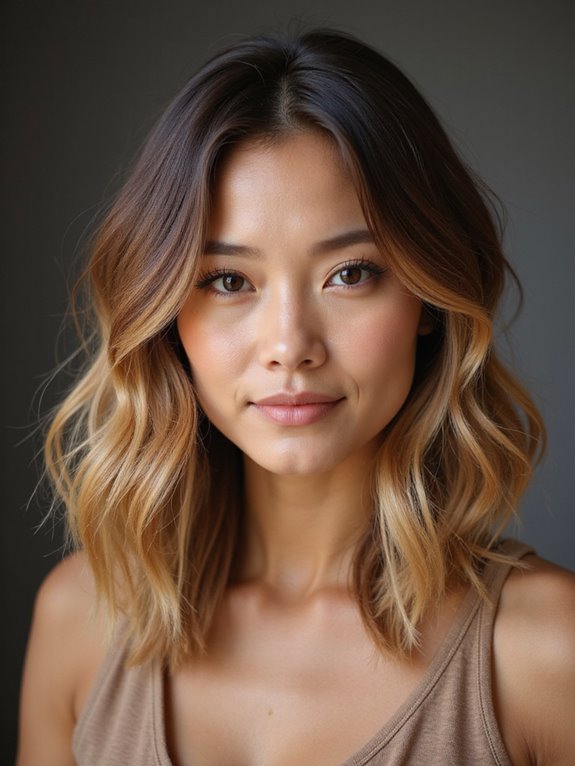
This cut works best on hair that’s shoulder-length or longer, with enough texture to grab onto. Think undone waves that actually fall the way you want them to, not a polished blowout.
The secret is asking your stylist for invisible layers that strip away bulk without looking choppy. They’re carving out weight strategically so your hair naturally lifts and moves instead of sitting flat.
Once it’s cut right, you just scrunch damp strands and let them air-dry. No heat styling, no guesswork.
What you get is that lived-in, second-day beach vibe that looks intentional because it actually is. The cut does the heavy lifting, which means your mornings get simpler and your hair stays healthier.
Which Low-Maintenance Short Cut Suits Your Face Shape?
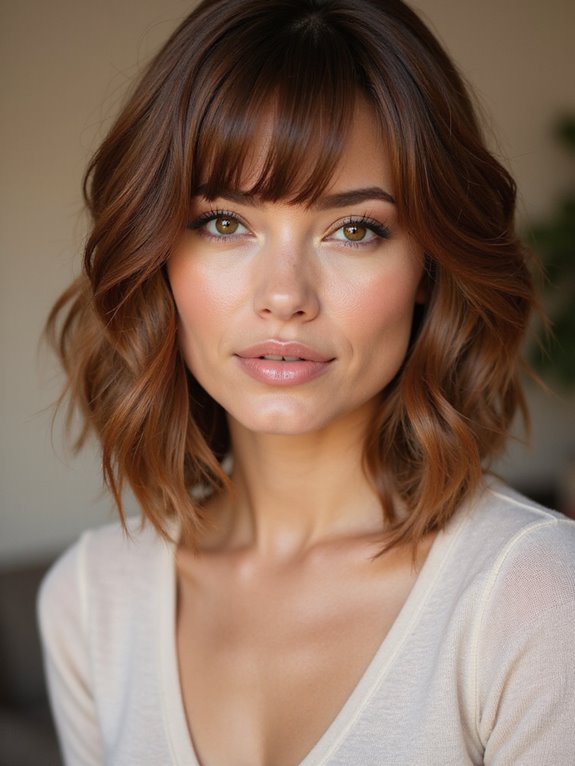
Which Low-Maintenance Short Cut Suits Your Face Shape?
Your hair’s texture and density matter more than anything else when choosing a cut that won’t demand daily styling. Match your face shape to the right silhouette, and you’ll actually enjoy your hair.
- Round faces need angles. A stacked bob lifts volume at the crown and creates definition where you need it most.
- Square jaws benefit from softness. Ask your stylist for a textured pixie with wispy, side-swept bangs that break up the line of your chin.
- Oval shapes are flexible, but if you have fine hair, a blunt chin-length bob actually makes thinner strands look denser.
- Heart faces have wider foreheads that balance smoothly with a chin-grazing, layered bob that draws focus downward.
- Long faces should skip extra height at the crown. A classic pixie with brow-skimming fringe shortens your proportions without fuss.
Slicked-Back Short Styles for Days You Skip the Shower
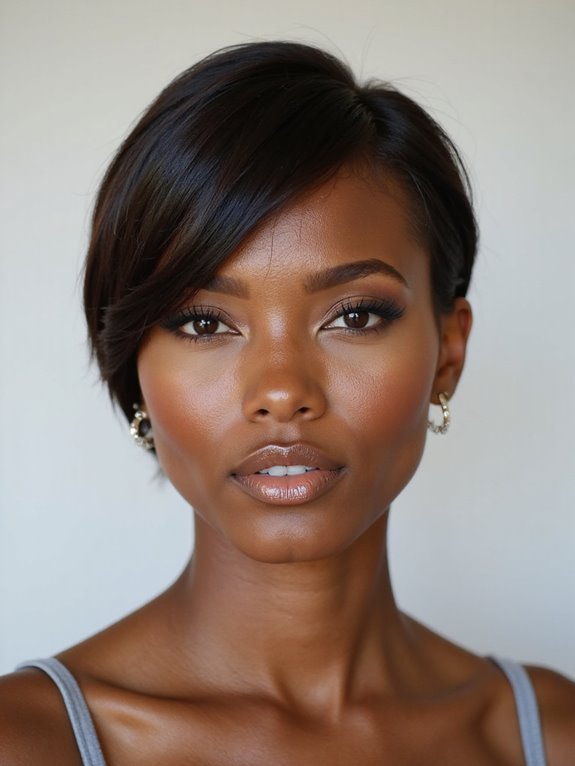
Pixies, crops, and undercuts with longer tops are perfect for this move. The key is having enough length on top to actually push back and away from your face, which means asking your stylist specifically for that ratio when you get cut.
A coin-sized dab of gel or cream is all you need. Work it through damp strands, raking everything backward. No blow-dryer required, no perfect part needed. What you get is a slick, wet-look finish that reads as deliberate rather than rushed. The bonus: this disguises oily roots instantly, so you’re covered on mornings when you’ve skipped washing.
Curtain Bangs: The 60-Second Add-On for Short Hair
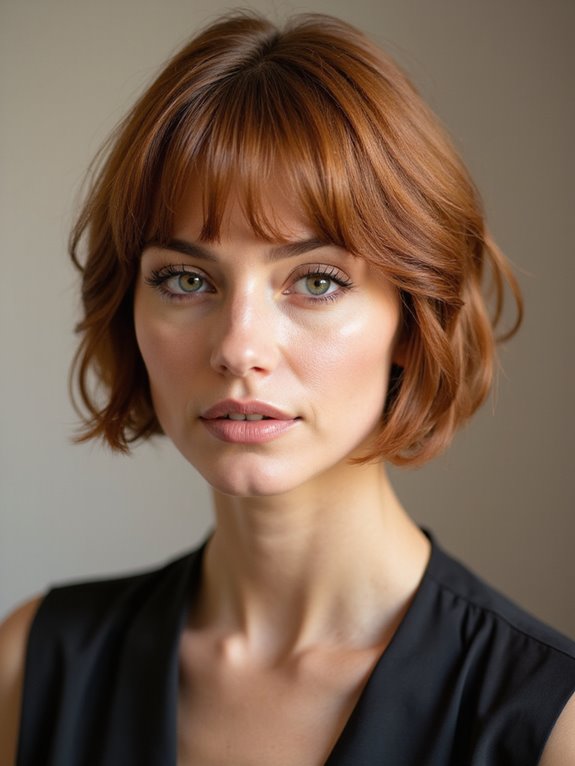
Picture this: two pieces of hair that start at your center part and angle outward, with feathered, textured ends that naturally fall away from your face.
This cut works because it requires almost zero styling while still looking intentional. The bangs disguise second-day roots and break up a strong jawline without needing you to do much of anything.
When you’re getting them cut, ask your stylist to keep the layers choppy rather than blunt. That texture is what makes them look good between washes.
Then styling is simple:
- Mist dry shampoo at the hairline to kill oil fast.
- Run a mini flat iron through the ends to catch a subtle bend.
- Tuck one side behind your ear if you want an off-center vibe.
- Spray texturizing product on your fingers, then pinch the strands for separation.
- Flip your head upside down and shake for natural movement, no brush required.
The Asymmetrical Bob That Looks Styled on Its Own
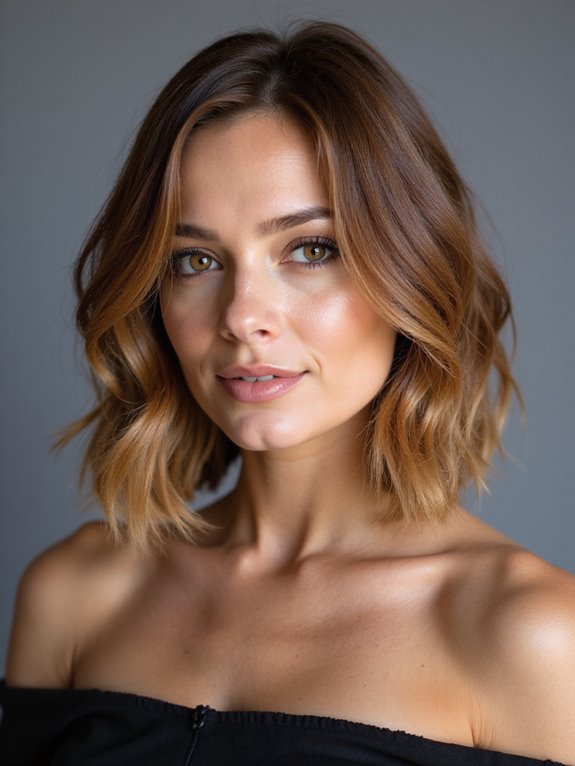
One side falls noticeably longer than the other, hitting maybe chin-length while the shorter side sits closer to your ear. That uneven cut is what does the heavy lifting. The moment you step out of the shower, the shape already exists—no styling required to make it look intentional.
Air-dry it or just run your fingers through when you wake up. The longer side naturally falls with movement, and the shorter side adds an edge that reads as deliberate rather than messy. Because the lengths are different, your eye doesn’t expect symmetry, so the cut works even when your hair isn’t perfectly styled. You skip the flatiron because the asymmetry itself creates visual interest.
When you talk to your stylist, ask them to keep enough length difference that the shape reads clearly even when you’re not doing anything to it. That’s the real trick.
| Time Saved | Styling Required | Confidence Boost |
|---|---|---|
| 15 mins daily | None | Instant |
| Zero products | Finger-comb only | Modern silhouette |
| Skip blow-dry | Shape stays put | Edgy polish |
| Morning freedom | No heat damage | easy cool |
| Sleep-in bonus | Wake-up ready | Compliment magnet |
Why Some Short Cuts Need Styling and Some Don’t
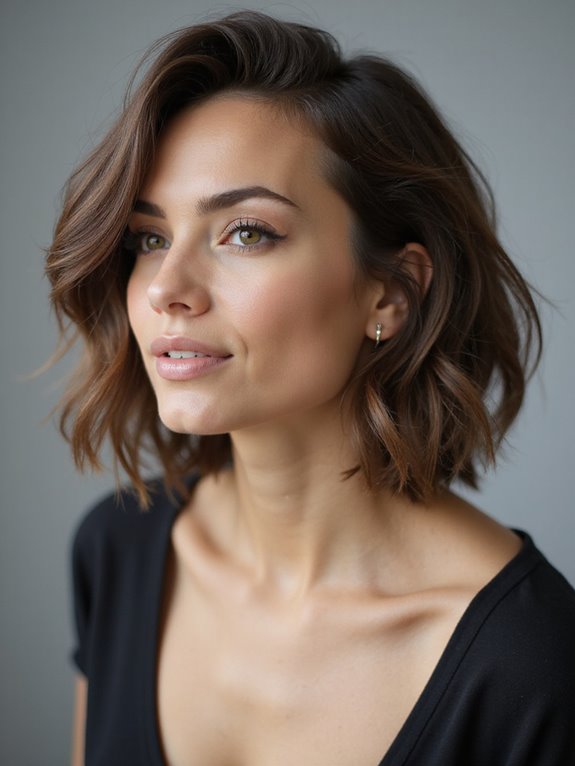
The asymmetrical bob has a built-in structure that holds its shape naturally, but plenty of other short cuts are a different story. What works for you depends on your hair’s texture and how your stylist shapes the cut itself. Some mornings you’ll wake up ready to go, and other mornings you’ll need to do some work.
- A fine, straight pixie tends to look flat without styling product for volume.
- Curly crops often air-dry into their best shape when the cut follows your natural curl pattern.
- Thick hair’s weight can collapse an undercut, so layering helps it hold.
- Wavy textures fall into shags more naturally than they do blunt, straight-across cuts.
- Heavily layered bobs sometimes just need your fingers run through them to look defined again.
The Only Two Products Your Short Cut Needs
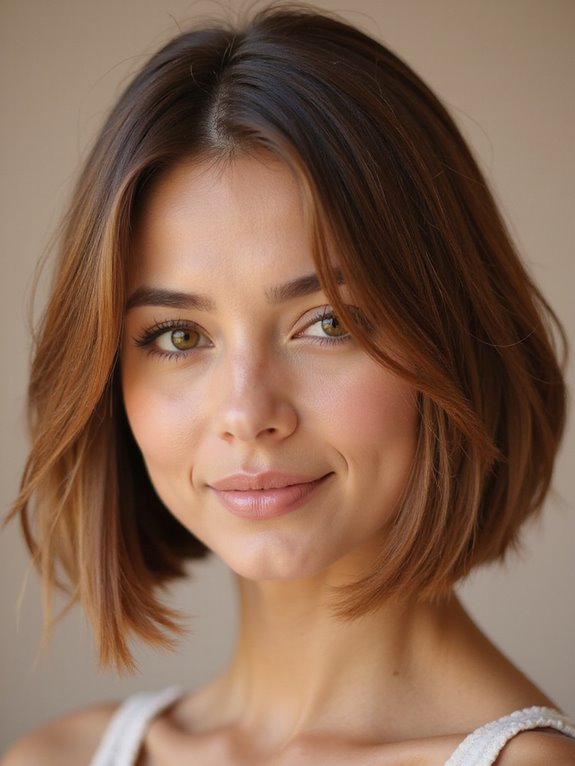
A good short cut should have enough texture built in that styling feels optional.
Once your stylist’s done, you’re really just refreshing what’s already there.
Grab a styling cream first—work a dime-sized amount through damp hair to define your natural pattern and calm frizz.
Air-dry or hit it with a diffuser.
After that, texturizing spray at the roots gives you instant lift and piece-y separation without any stiffness or buildup.
That’s legitimately all you need.
Skip the heavy mousses or serums.
These two products handle shape and hold, and they let your cut do most of the talking.
How the Right Cut Stays Fresh Even on Day Three
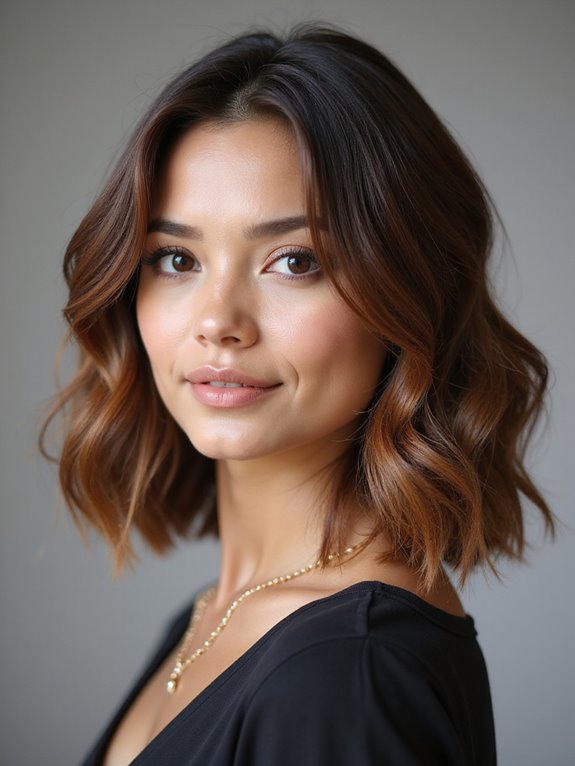
A precision cut means your shape doesn’t collapse the second day hits. Because the lines are intentional, you’re working *with* the cut, not against it. Just nudge it back awake.
Scrunch dry shampoo into your roots, especially at the crown, to soak up oil and bring back volume. A texture spray over mid-lengths gives you that piece-y, lived-in feel without looking like you slept on it. Flat-iron just the face-framing pieces to snap the silhouette back into focus. Pin one side back for an asymmetrical lift that feels fresh. If the shape’s gotten fuzzy, run a tiny dab of matte paste through with your fingers to redefine where the cut actually lives.
What to Tell Your Stylist to Get a Zero-Effort Cut
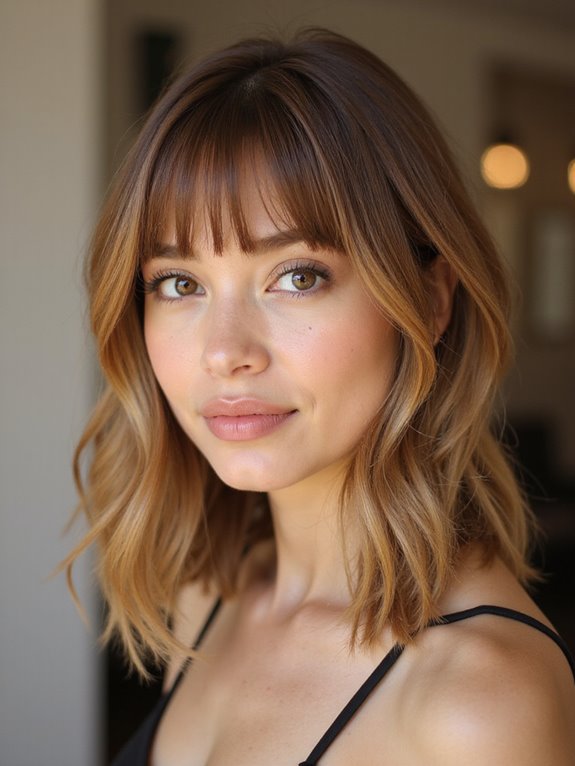
The key to waking up and walking out is getting the cut right from the start. Here’s what actually matters when you’re in the chair: ask for internal layers that peel away weight but leave your perimeter intact. You want a shape that settles into place when air dries, no styling tools required. Movement comes from the architecture, not from you wrestling with a round brush every morning. Be specific about this.
| Your Vague Words | What Your Stylist Hears |
|---|---|
| “Just shorter” | A blank canvas for their interpretation, not your lifestyle. |
| “Light and easy” | A risky guess, not your trusted morning ally. |
| “Like the picture” | A static look on different hair, promising daily struggle. |
| “I trust you” | An emotional burden, not a roadmap to your freedom. |
Instead of those phrases, name the texture you want and where. Tell them exactly how much time you have in the morning, and whether you’re okay with a bit of bedhead or if you need something polished. The difference between a cut that works and one that doesn’t lives in those small admissions.
Frequently Asked Questions
Will Short Hair Make My Round Face Look Rounder?
Short hair won’t automatically make your round face look rounder. You’re in control when you pick cuts that add height and angles.
Choose styles with volume on top like a pixie with textured layers or an asymmetrical bob. Avoid blunt, chin-length bobs that widen cheeks.
You’re creating vertical lines and softening edges, so your face appears more oval. It’s all about clever shaping, not length alone.
How Often Do I Need Trims?
You’ll need a trim every 4 to 6 weeks to keep your short style crisp and manageable.
Waiting longer lets the shape collapse, making mornings harder, not easier.
Book appointments ahead so you’re never fighting overgrown layers that add bulk.
If you’ve got fine hair thinning at the ends, you might even pop in at 3 weeks.
A quick dusting preserves that fresh-from-the-salon silhouette you rely on.
Can I Still Pull My Hair Back?
You can still pull your hair back easily.
You’ll twist a small section into a mini ponytail or secure it with bobby pins for a quick half-up style.
You’re not fighting layers because they’ll fall into a natural, face-framing shape.
Don’t worry if some strands slip out—that’s the easy look you’re after.
You’ll use a soft headband when you want everything off your face without flattening your cut.
How Do I Prevent Bedhead Lines?
You’ll dodge those stubborn creases by sleeping on a silk pillowcase, which cuts friction dramatically.
Mist your hair lightly with water in the morning and blast it with a hairdryer while you tousle the roots. You’re reactivating your style without a full wash.
If you’ve got stubborn ridges, quickly run a flat iron over just the surface to smooth them flat. Don’t forget a texturizing spray to reintroduce piecey separation.
Does Short Hair Work With Thick Hair?
Yes, short hair works brilliantly with thick hair because it removes weight and lets your natural texture shine.
You’ll find that strategic layering banishes bulk and creates movement, preventing that dreaded triangle shape.
Don’t fight your density; instead, choose a cut like a textured bob or pixie that carves out shape and lightens the load, making your mornings easily rapid and your style look intentionally cool.
Conclusion
The real difference for busy mornings isn’t finding the perfect style—it’s choosing a cut that works *with* your natural texture, not against it. When your stylist understands whether your hair wants to be wavy, straight, or textured, they can shape the cut so it falls the right way on its own. That’s when you actually stop fighting your hair and start having those ten-second mornings.