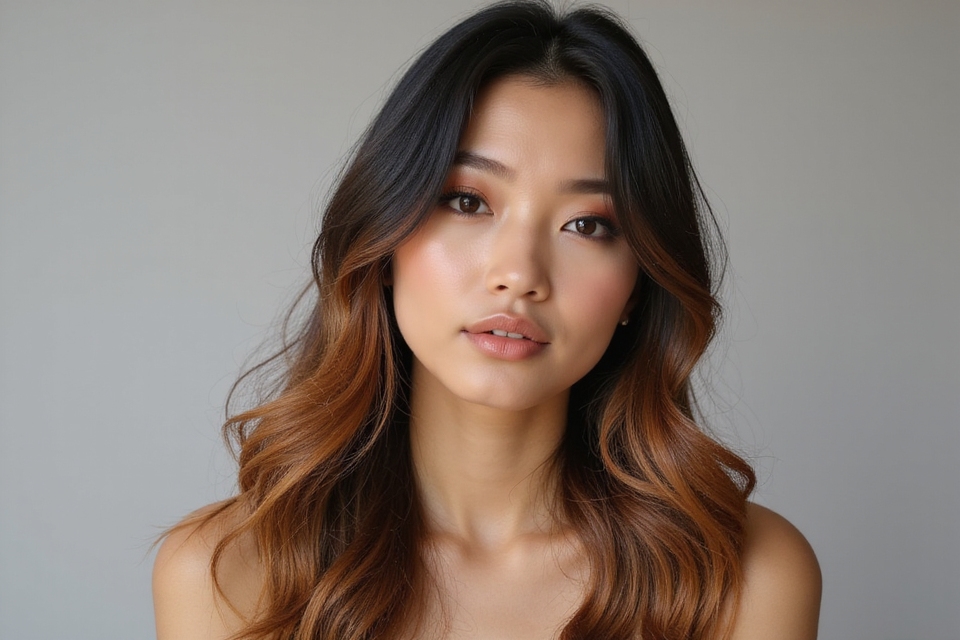

The lob, or long bob, has stayed on every best-cut list for years, and it is not hard to see why. It is long enough to feel like hair you can actually play with, but short enough that it never tips into feeling like a chore, which is the exact sweet spot most of us are looking for.
What makes it so wearable is how much it can change with small tweaks. The same basic length can read sleek and corporate, beachy and undone, sharply asymmetric, or full of curls, depending on the cut and how you style it. These fifteen long bob haircuts walk through the full range, with notes on which suits your face and texture so you can walk into the salon knowing exactly what you want.
Key Takeaways
- A blunt lob makes fine hair look denser, while layered and shaggy lobs add movement to thick or flat hair.
- A deep side part flatters round and square faces; a center part suits oval and heart shapes.
- Curtain bangs and face-framing highlights are the easiest, lowest-commitment upgrades to a plain lob.
- Curly hair should be cut dry and in its natural pattern so the lob springs to the right length.
- Blunt, A-line, and inverted shapes need trims every five to eight weeks, since the clean line shows grow-out.
| Lob type | Best for | Styling effort |
|---|---|---|
| Blunt classic | Fine hair, sleek polished looks | Medium, needs a blow-dry |
| Layered or shag | Thick or flat hair, movement | Low, air-dry friendly |
| Inverted or A-line | Crown volume, fine hair | Medium |
| Curly lob | Natural curls and coils | Low, scrunch and go |
| With curtain bangs | Face-framing, most shapes | Medium, plus fringe upkeep |
15 Long Bob Haircuts to Try
Sleek Classic Lob
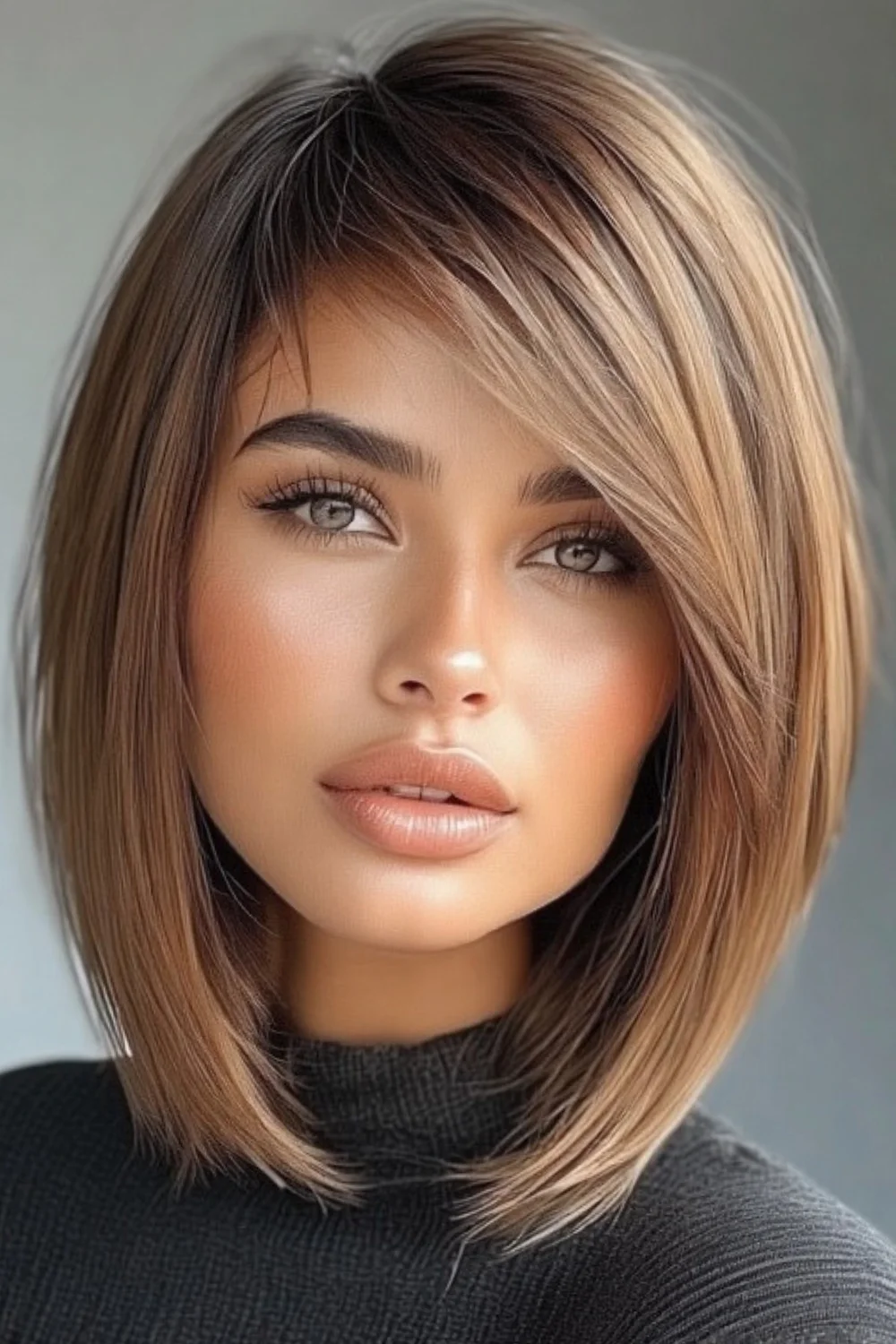
The classic lob is the one that started the whole obsession, hitting between the chin and collarbone in a clean, blunt line. It is the safe-in-the-best-way starting point, polished enough for the office and easy enough for the weekend.
It flatters almost every face shape, though it is especially sharp on oval and heart faces where the clean line frames the jaw. It works on straight and lightly wavy hair, and the blunt weight at the ends makes fine hair look noticeably thicker.
Ask your stylist for one length all the way around with minimal layering, cut to graze the chin or sit just below it. Specify a blunt, even perimeter rather than a textured one, since the precision is what gives this cut its polish.
To style, blow-dry with a round brush turning the ends slightly under, then run a flat iron through for a glassy finish and seal with a drop of serum. It needs a trim every six to eight weeks to keep that clean line from growing shapeless.
Textured Beach Waves Lob
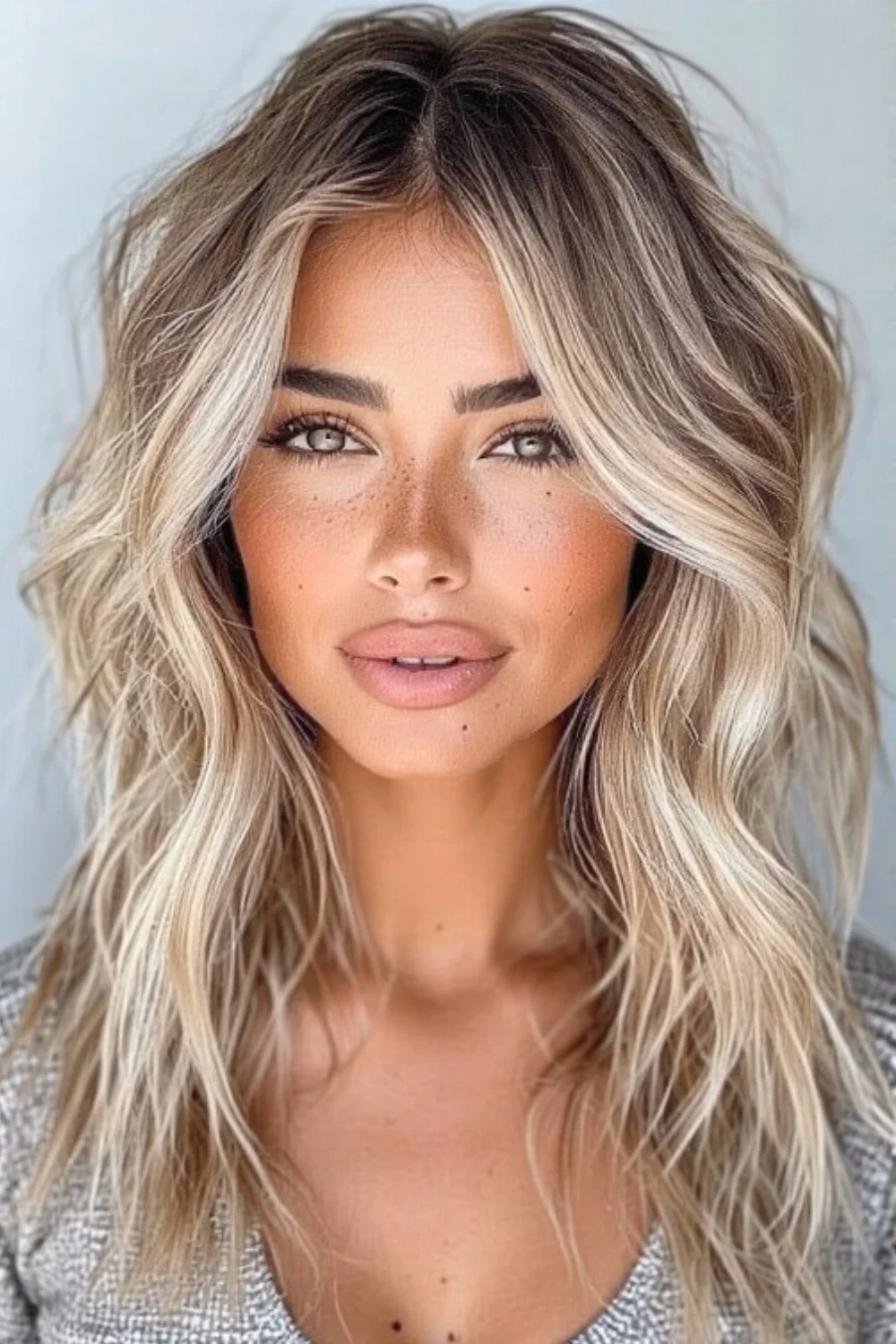
Loosen the same length with waves and the lob turns instantly off-duty cool. The texture reads relaxed and current, the kind of hair that looks like you woke up effortlessly chic rather than spent an hour on it.
It suits anyone who wants a low-key, lived-in look, and it is forgiving on most face shapes since the soft waves frame gently. Wavy and thick hair carry it most naturally, while fine hair benefits from a texture spray for grip.
You can keep the cut as a blunt or softly layered lob; the waves do the work. Ask for a little internal texturizing if your hair is heavy, so the waves move rather than sit as a solid block.
To style, mist a wave spray through damp hair, rough-dry, then bend random sections with a flat iron or wand and leave the ends out for that piecey finish. Scrunch as it cools and break the waves with your fingers so nothing looks too set.
Layered Long Bob
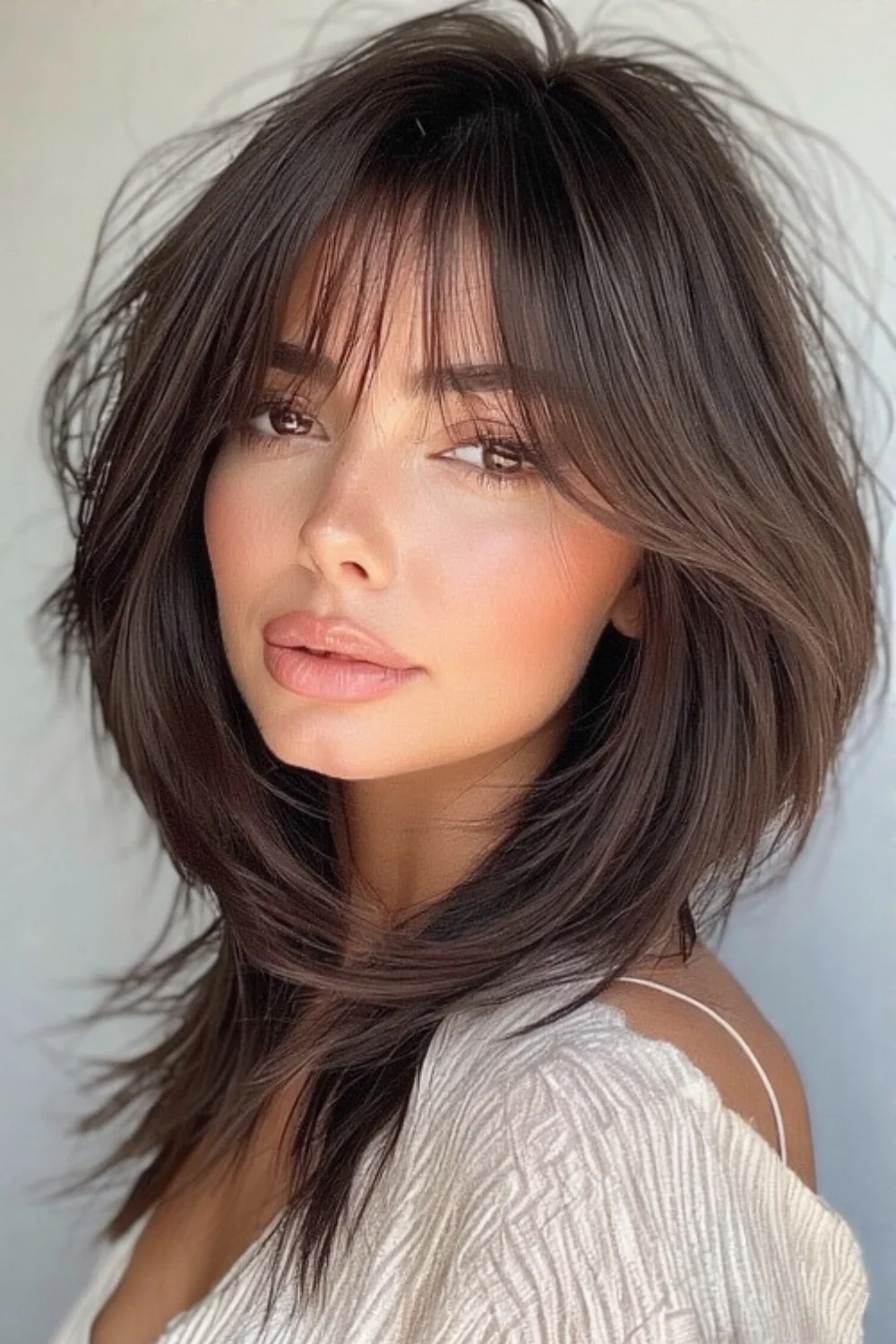
Layers are what keep a lob from sitting flat and lifeless, especially on fine or very heavy hair. A layered long bob builds soft volume and movement into the cut itself, so it looks alive even air-dried.
It suits fine hair that needs lift and thick hair that needs weight removed, making it one of the most adaptable options here. Round and square faces love it, since the movement breaks up width and softens angles.
Ask for soft internal layers that remove weight without thinning the perimeter, so the cut keeps a strong outline while gaining bounce. Mention whether you want the shortest layer to hit at the cheekbone or lower, depending on how much face-framing you like.
Style it by scrunching in a mousse and diffusing, or blow-drying with a round brush for more polish. A little texture spray at the roots keeps the volume going, and the layered shape forgives a longer gap between trims than a blunt cut.
Blunt Cut Lob

A blunt lob keeps every strand the same length for a dense, graphic edge that reads modern and confident. It is the most precise cut on this list and the one that makes the strongest fashion statement.
It is a gift for fine and thin hair, since concentrating all the weight at the ends creates the illusion of far more density. It suits straight hair best and flatters oval and heart faces, where the strong line balances the proportions.
Tell your stylist you want a true blunt perimeter with no layering and no texturizing, cut to a length that sits at or just below the chin. The cleaner the line, the better the effect, so this is one to trust to a precise cutter.
Smooth it with a flat iron and a serum for that razor-sharp finish, and keep up with trims every five to six weeks, because a blunt line shows grow-out faster than any other cut. The upkeep is the price of that crisp edge.
Side-Parted Lob

Shift the part off-center and the same lob gains instant volume and a flattering diagonal line. A side-parted lob is soft, a little glamorous, and one of the easiest ways to make a simple cut feel styled.
A deep side part suits round and square faces especially, drawing the eye up and across and adding height on the fuller side. It works on every hair type and is a smart choice if your hair tends to fall flat at the roots.
The cut itself can be any lob shape; the part creates the effect. If you want extra lift, ask your stylist to cut a few subtle layers so the volume on the fuller side has somewhere to go.
Blow-dry away from a deep side part for built-in volume, adding soft waves through the lengths for movement. Train a stubborn part by drying it in the new direction, and a little dry shampoo at the root keeps the lift through the day.
Lob With Curtain Bangs
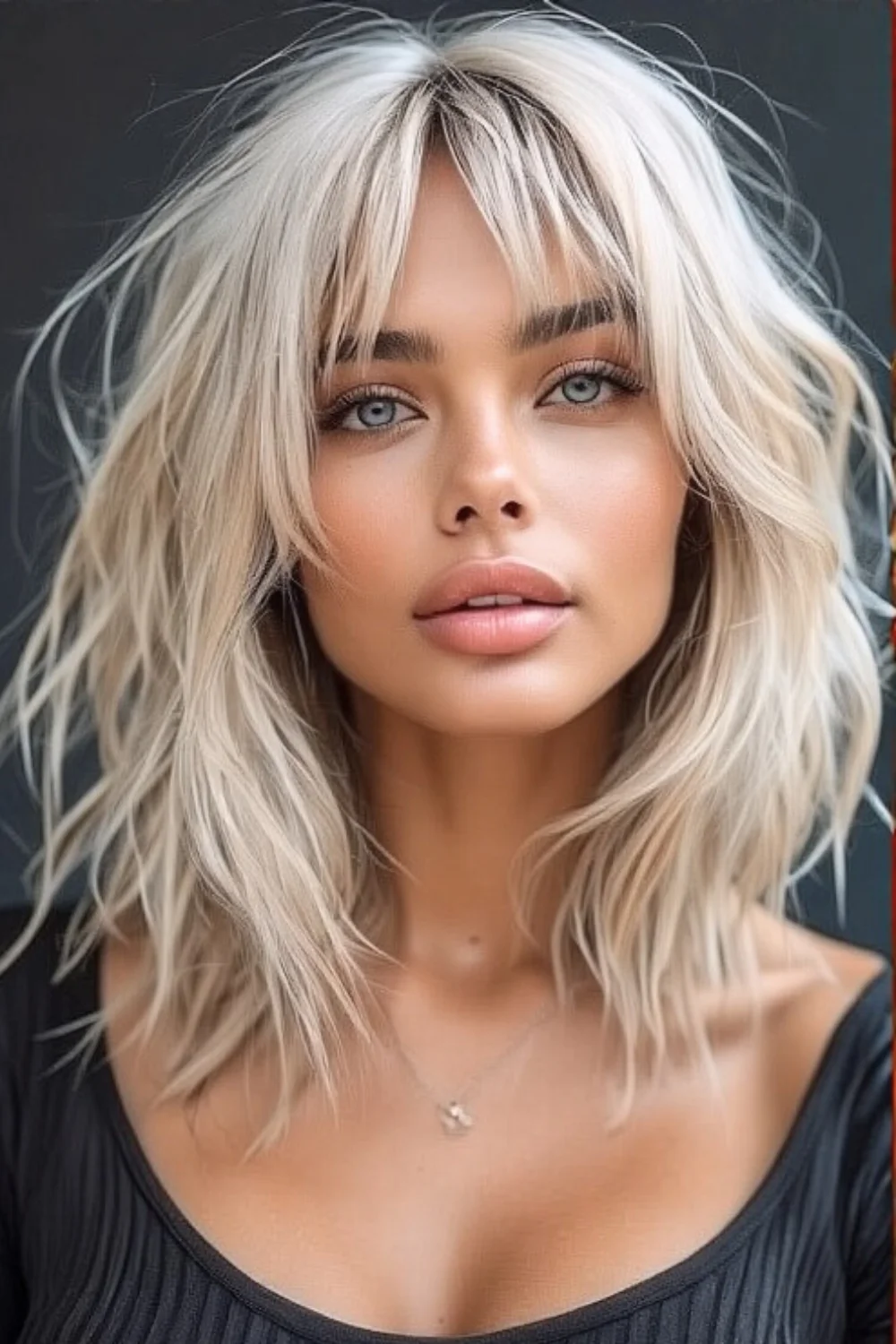
Add curtain bangs and the lob suddenly frames your face. The fringe parts in the middle and sweeps toward your cheekbones, blending into the lengths so the whole cut feels intentional and current.
It flatters nearly everyone, and the open, angled fringe is especially kind to round and square faces. Curtain bangs are also the most forgiving fringe to grow out, since they simply lengthen into face-framing layers.
Ask for the bangs to start at your cheekbone and blend into the front layers of the lob, cut soft rather than blunt. The connection between the fringe and the cut is what keeps it from looking like two separate ideas.
Style by bending the fringe back with a round brush for a few seconds, then waving the lengths to match. If you want to see the fringe on a slightly different cut, these lob with fringe variations are worth a look.
Asymmetrical Long Bob

Cutting one side noticeably longer than the other gives a lob built-in drama. An asymmetrical long bob is bold and modern, and the uneven shape does the styling work so it looks deliberate even air-dried.
It suits anyone who wants an edge and pairs beautifully with a confident, minimalist wardrobe. It flatters most faces, and the diagonal line can be tailored to slim a rounder face by angling the longer side forward.
Be specific about how dramatic you want the difference, from a subtle slope to a bold several-inch gap, and bring a photo since asymmetry is hard to describe. Ask for clean, sleek ends so the shape reads sharp.
Style it sleek with a flat iron to emphasize the line, or add a soft wave for a more relaxed take. A trim every six weeks keeps the asymmetry crisp, since grow-out blurs the very thing that makes this cut work.
Wavy Shaggy Lob
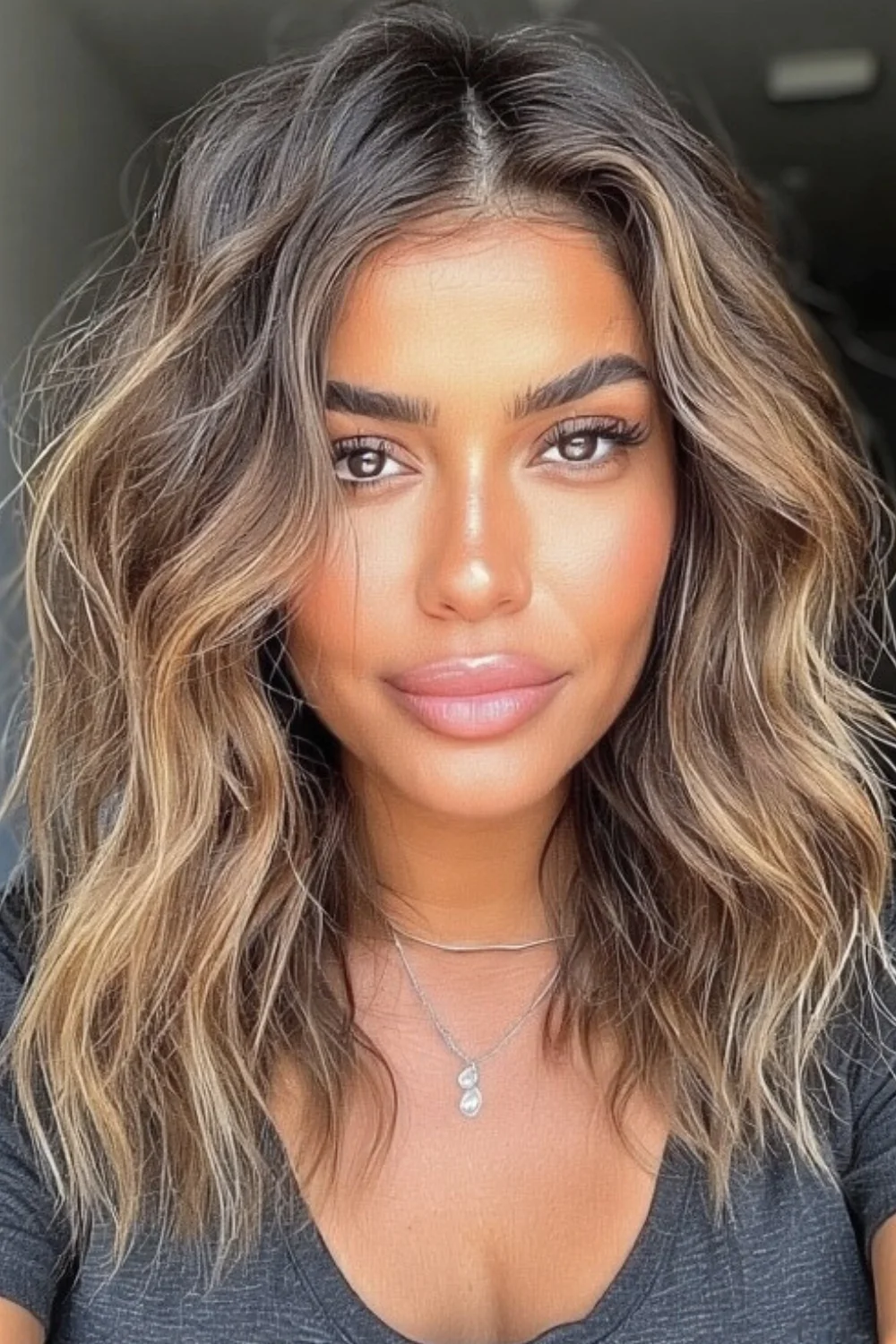
Cross a shag with a lob and you get heavy texture and movement at a manageable length. The wavy shaggy lob is all choppy layers and piecey ends, the cool-girl cut that looks better the less you fuss with it.
It thrives on wavy and naturally textured hair and suits anyone who wants an undone, rock-leaning vibe. The layering adds volume to fine hair and removes bulk from thick hair, so it adapts in both directions.
Ask for choppy, point-cut layers through the lengths and ends, with shorter pieces around the face for that shaggy frame. Request plenty of texture so the cut moves as one shape rather than sitting heavy.
Style it on second-day hair with a texture spray scrunched through, and finger-comb rather than brush so the pieces stay separated. It is one of the most low-maintenance cuts here, forgiving both styling and grow-out.
Center-Parted Straight Lob
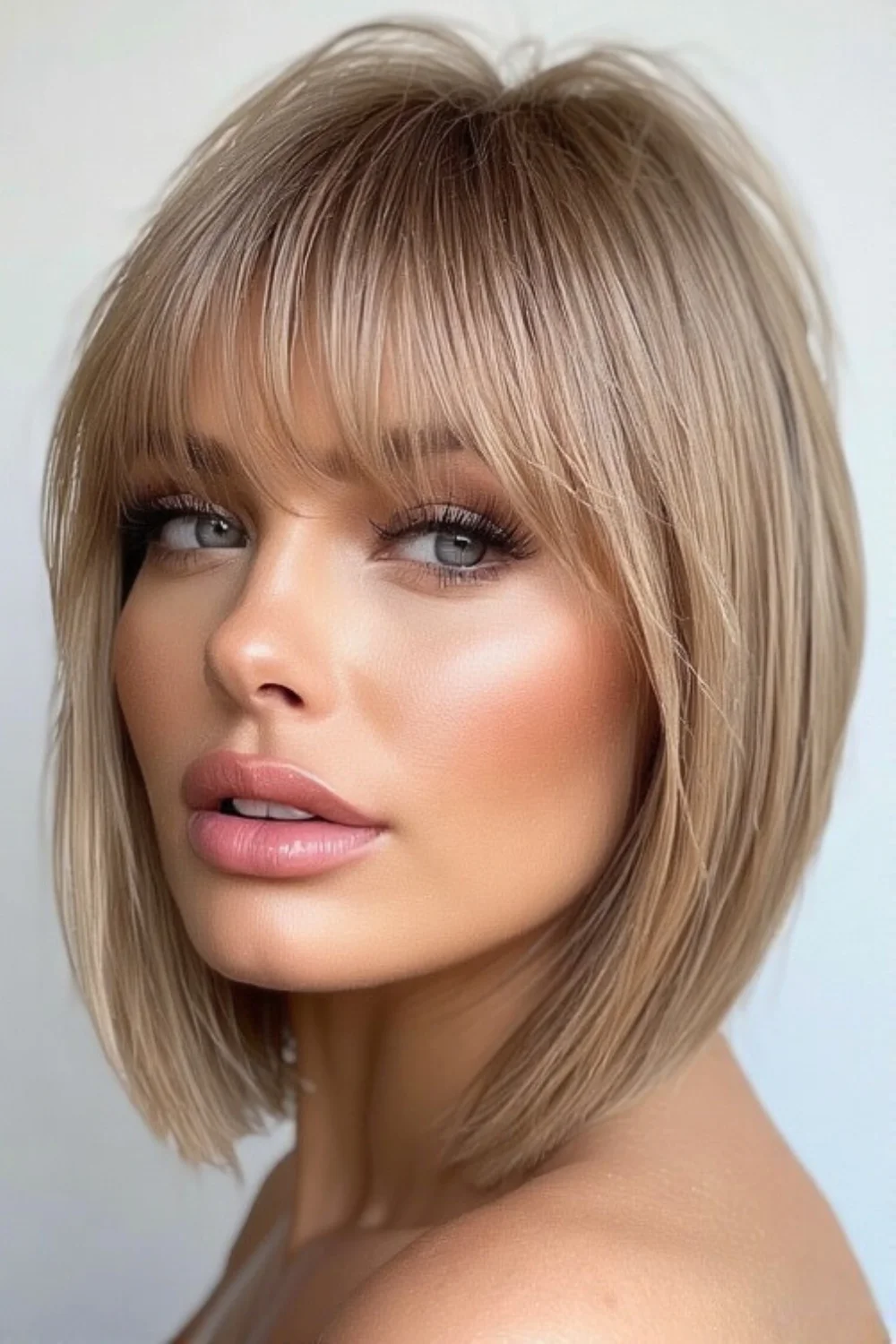
A dead-center part and a glassy straight finish read minimalist and modern, the antidote to fussy styling. The center-parted straight lob is clean, sharp, and quietly fashion-forward.
It flatters oval and heart faces best, since a center part emphasizes symmetry, and it suits straight hair that takes a smooth finish well. It is the look for someone who likes their hair simple, sleek, and undone-in-a-polished-way.
The cut is usually a blunt or softly graduated lob; the center part and the smooth finish define it. Ask for a clean perimeter so the straight ends look sharp rather than wispy.
Flat-iron the hair straight, part it precisely down the middle, and finish with a smoothing serum and a shine spray. Keep frizz in check with a little oil on the ends, since any flyaway shows against such a clean line.
Inverted Long Bob
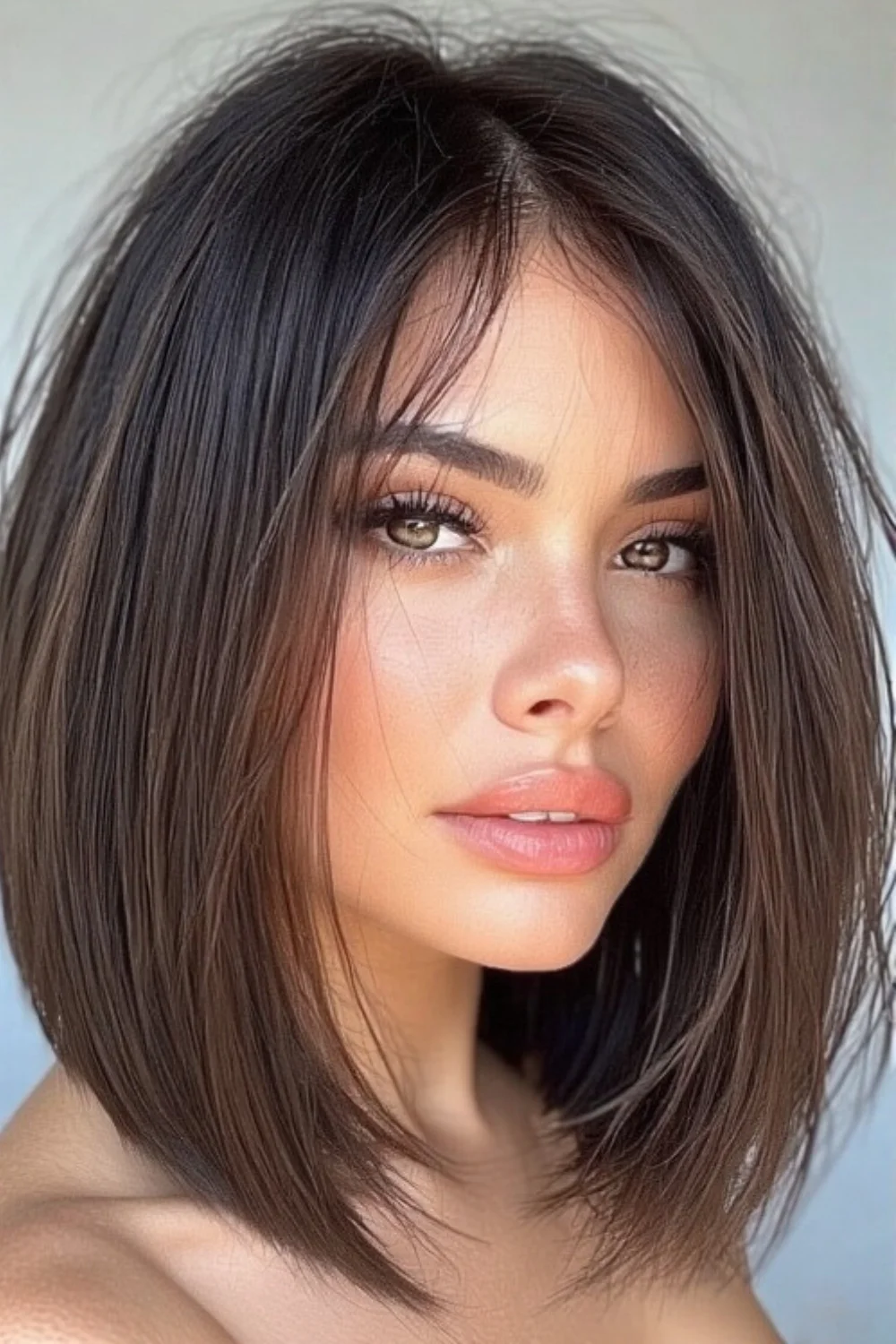
An inverted lob is shorter and stacked at the back with longer pieces angling toward the front, which builds volume at the crown and a sleek forward line. It is a strong, structured cut with built-in lift.
It is one of the best options for fine hair that falls flat, since the stacking creates fullness at the back of the head where flatness usually shows. It flatters most faces, and the longer front pieces frame and slim the jaw.
Ask for graduated, stacked layers at the back and longer face-framing pieces in front, and be clear about how steep you want the angle. The stacking needs a skilled cutter, so bring a photo for reference.
Blow-dry the back with a round brush rolling under to set the stacked volume, then smooth the front pieces forward. A little root lift product at the crown keeps the fullness going through the day.
A-Line Lob
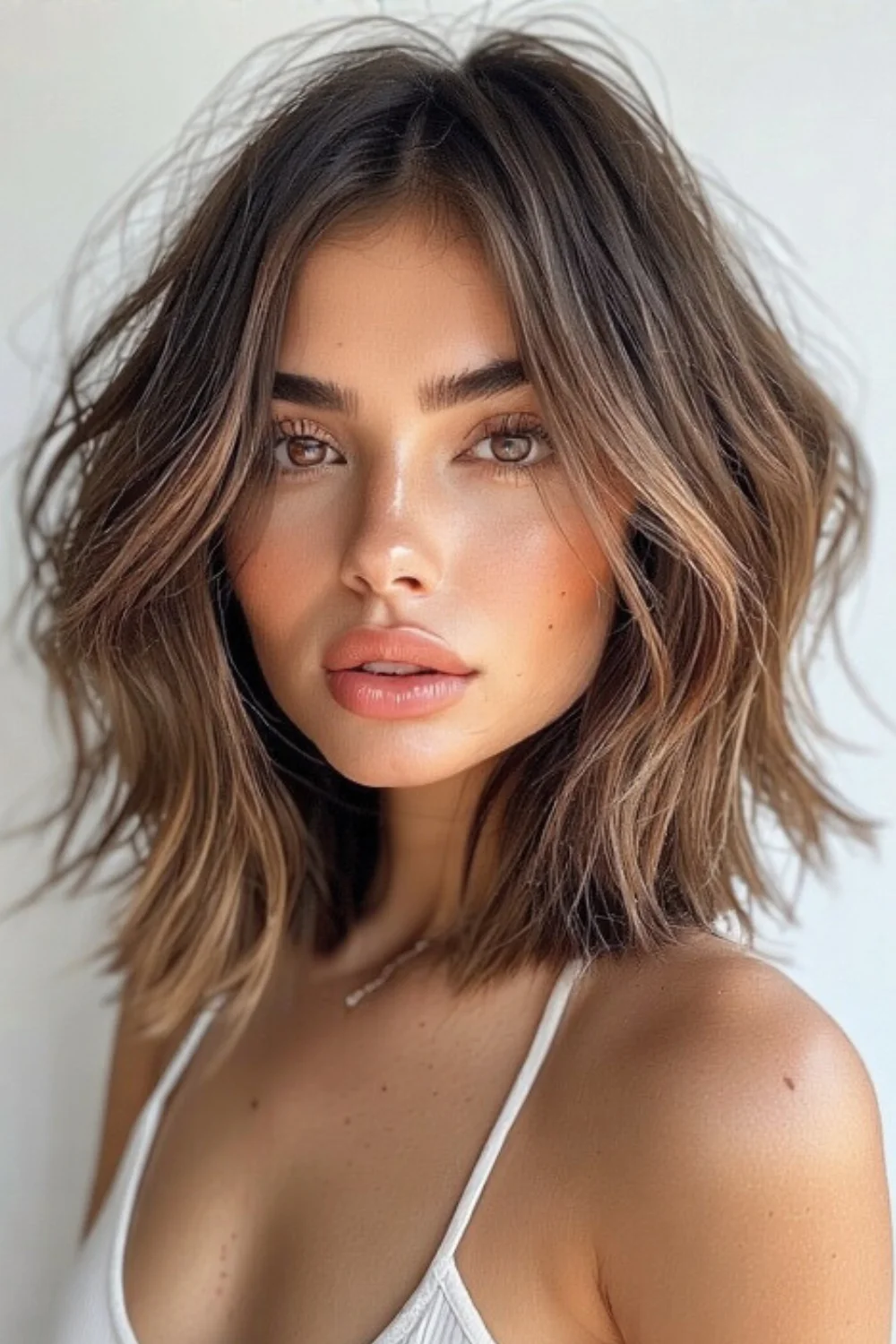
The A-line is the softer cousin of the inverted cut, a gentle angle from a shorter back to longer front with no stacked layers. It is clean, flattering, and one of the most universally easy lobs to wear.
It flatters almost everyone, since the forward angle frames the face and the lack of heavy layering keeps it low-fuss. It grows out gracefully, which makes it a great choice if you cannot get to the salon often.
Ask for a subtle angle, longer at the front and shorter at the back, kept all one length within that line rather than stacked. Specify how much longer you want the front, since a gentle slope reads softer than a steep one.
Style it sleek with a flat iron to show the clean angle, or add soft waves for movement. It needs a trim every six to eight weeks to maintain the shape, but it forgives grow-out better than a blunt or inverted cut.
Curly Lob
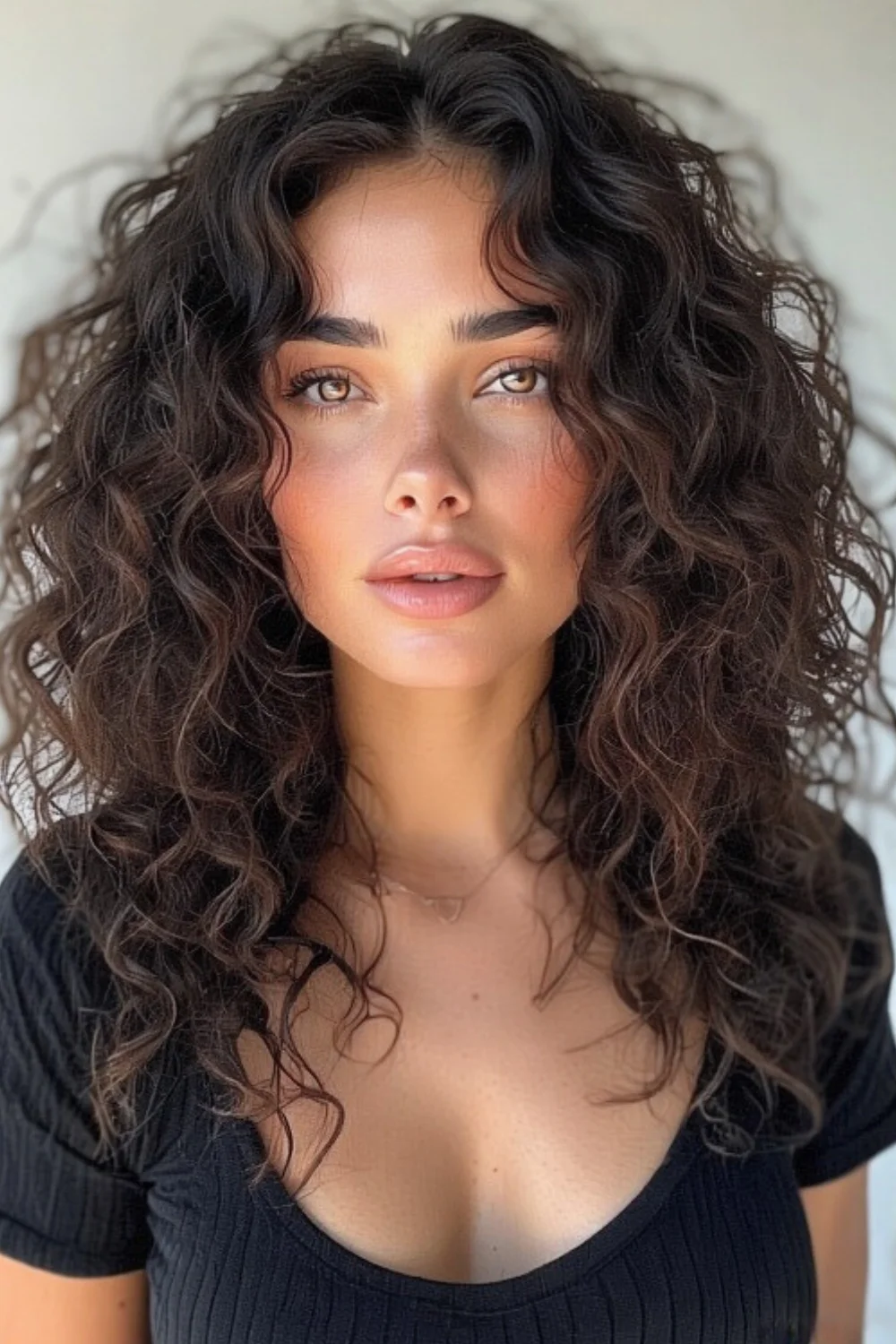
Curls love a lob because the length lets them spring and bounce without piling up into a triangle. A curly lob is full, playful, and one of the most flattering ways to wear natural texture at a manageable length.
It suits defined curls and coils and flatters round and heart faces, where the volume balances the proportions. The key is that a lob keeps the weight where curls need it while removing the bulk that drags them down.
Always have curly hair cut dry and in its natural pattern so the stylist can see where each curl springs to once loose. Ask for layers that give the curls room without thinning them into frizz.
Scrunch in a leave-in or curl cream on damp hair and air-dry or diffuse on low, then leave it alone, since touching curls as they dry causes frizz. For more on shaping curls at this length, these curly bob hairstyles go deeper.
Lob With Face-Framing Highlights
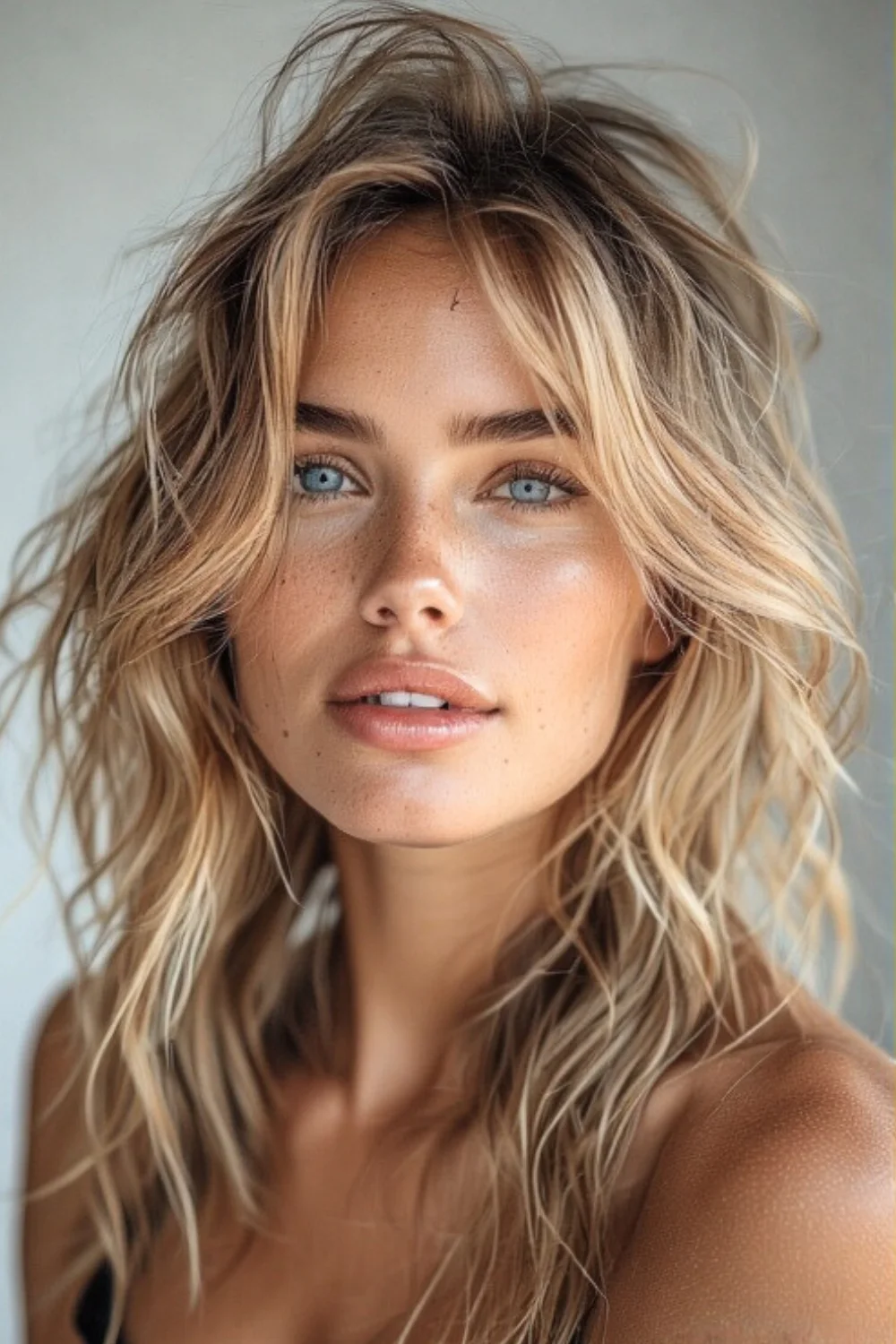
A few bright pieces around the face lift a one-length lob without committing to a full color change. Face-framing highlights brighten your complexion and fake dimension and movement, even on stick-straight hair.
This is a styling-meets-color choice that suits anyone wanting a low-commitment refresh, and it is especially flattering as skin tone shifts with age, since soft warmth around the face is universally lifting. It works on any lob shape.
Ask your colorist for soft, face-framing highlights a few shades lighter than your base, placed around the front and through the part rather than all over. Keep them blended at the root so grow-out stays soft.
Style the lob however you like; the color does the work of adding dimension. A purple-toning shampoo keeps cool highlights from going brassy, and a gloss treatment every few weeks keeps them bright.
Long Bob With Deep Side Sweep

Sweeping the whole lob hard to one side gives old-Hollywood volume and a confident, asymmetric line. It is a five-minute way to make a lob feel genuinely dressed up, ideal for an event or a night out.
It flatters every face and is a clever fix for fine hair, since the deep sweep piles volume onto one side. The dramatic part also covers a higher forehead and adds instant glamour to an otherwise simple cut.
No special cut is needed; the look lives in the styling and a deep part. If you want more drama, ask for a few long layers so the swept side has movement rather than sitting as a flat sheet.
Blow-dry away from a deep side part, lifting at the roots, then sweep everything to one side and set with a light hairspray. A wave through the lengths adds to the Hollywood feel, and dry shampoo keeps the lift alive.
Choppy Ends Lob

Point-cut, choppy ends give a lob a modern, slightly undone edge that softer cuts cannot match. The choppy ends lob is textured, cool, and built to look intentional even when you have done nothing to it.
It suits anyone wanting an edgy, low-maintenance finish and works best on medium to thick hair, where the choppiness reads as texture rather than thinness. It flatters most faces and pairs well with a side or center part.
Ask your stylist to point-cut or razor the ends for that piecey, separated finish, keeping the overall length at a classic lob. Be clear you want texture at the ends specifically, not heavy layering throughout.
Work texturizing paste through the tips to define and separate them, and finger-comb rather than brush. For more of this undone energy at a shorter length, these choppy bob hairstyles are a natural next step.
Frequently Asked Questions About Long Bob Haircuts
What is the difference between a lob and a bob?
A bob generally sits at or above the chin, while a lob, short for long bob, falls between the chin and the collarbone. That extra inch or two of length is what makes a lob so versatile, since it is long enough to tuck, tie back, wave, or wear sleek, where a shorter bob has fewer options.
Is a long bob good for fine hair?
Very. A blunt or inverted lob is one of the best cuts for fine hair, because concentrating the weight at the ends and stacking volume at the crown makes strands look noticeably denser than they are. Avoid heavy thinning, which leaves fine hair looking stringy rather than full.
How do I style a lob without heat?
Choose a layered or shaggy shape that air-dries with built-in movement, then scrunch a wave spray or curl cream through it while damp. A side part and a little texture paste worked through the ends finish the look, so you can skip the hot tools entirely on most days.
How often does a lob need trimming?
Every six to eight weeks keeps the shape sharp for most cuts. Blunt, A-line, and inverted lobs sit at the shorter end of that range, since their clean lines show grow-out quickly, while layered and shaggy lobs forgive a longer gap between appointments.
How to Walk Into the Salon Knowing Your Lob
Pick your lob by hair type first and face shape second. Reach for layers if your hair is thick or falls flat, a blunt cut if it is fine and you want density, a side part for round and square faces, and a center part for oval and heart shapes. Decide on bangs and highlights before you sit down, since both change the whole feel of the cut.
Then bring a photo, name the exact length you want against your chin or collarbone, and be honest about how much time you will actually spend styling. Match the shape to that reality, layered and shaggy for low effort, blunt and sleek if you enjoy a blow-dry, and the cut will do the work for you every morning.