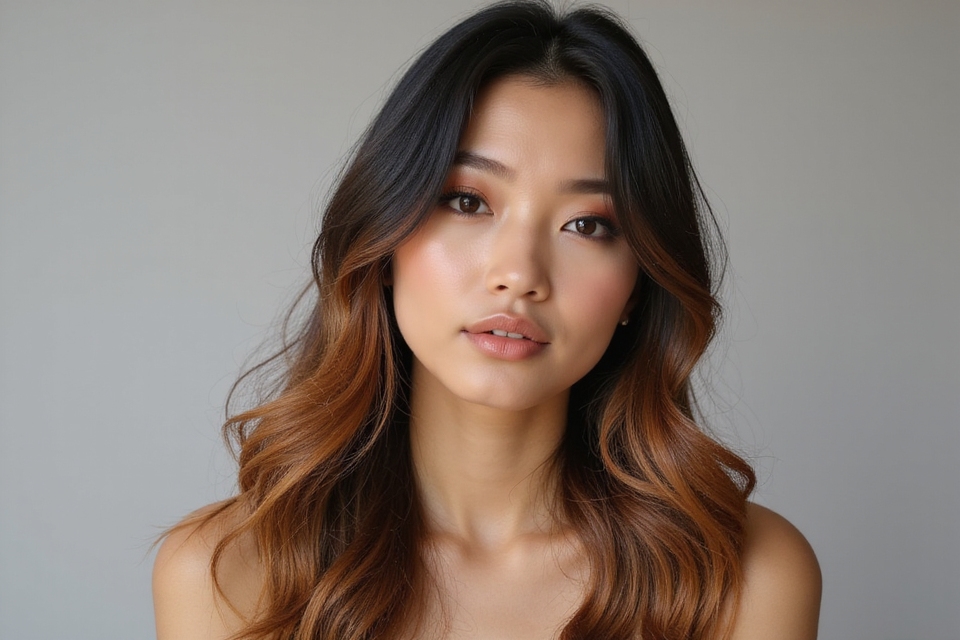

I have cut more bobs than any other shape, and I still find them the most honest haircut going. A bob has nowhere to hide. The line either suits your face or it fights it, and that is exactly why getting it right feels so good.
The word covers a huge range, from a glassy blunt cut to a soft, wavy crop that looks slept-in on purpose. Below are the versions I cut and style most, sorted from sharpest to softest, with a straight answer on who each suits and the upkeep waiting for you at home.
Bob Basics, Fast
What makes a bob suit a face? The length where it ends. A bob that finishes at the chin sharpens a round face; one grazing the collarbone softens a long one. The endpoint matters more than the style name.
Blunt or layered? Blunt for thick hair that needs taming, layers for fine hair that needs lift. Pick by what your hair does, not by the photo you saved.
How much upkeep is a bob? More than long hair, less than a pixie. Most bobs want a trim every five to eight weeks to hold the line clean.
The Timeless Bob, Decade After Decade

The bob has outlived nearly every trend that tried to bury it. It showed up in the twenties as a rebellion, returned in the sixties sleek and geometric, and never really left. That staying power is not an accident.
What keeps it alive is range. The same basic shape can read sharp or soft, polished or undone, depending on where it ends and how you finish it. No other cut bends to so many faces.
I think of the bob as a frame more than a style. Get the proportions right for your jaw and neck, and the haircut does half the work of looking pulled together every morning.
Timeless Elegance, A Little Rebellion

The bob lives in the tension between precise and relaxed. A clean perimeter gives it backbone, while a little movement keeps it from feeling stiff. Balancing those two is the whole craft.
- A crisp line looks modern; a touch of texture keeps it human.
- Ask for a blunt baseline with light internal softening.
- This combination flatters most face shapes.
“The fastest way to a bob you will love is to talk about your endpoint, not a celebrity photo. Tell your stylist where you want the cut to land relative to your jaw and collarbone, and the right shape follows from there.”
The Versatile Chop, Step By Step

A good bob starts with a plan for where the weight sits. Here is the order I work in when a client wants a classic chin-skimming shape they can wear a dozen ways.
- Section the hair and cut a clean guide at the back first.
- Build the length forward, checking balance on both sides.
- Point-cut the ends to soften the blunt line.
- Style smooth one day, tuck behind the ears the next.
Sleek Blunt Bob
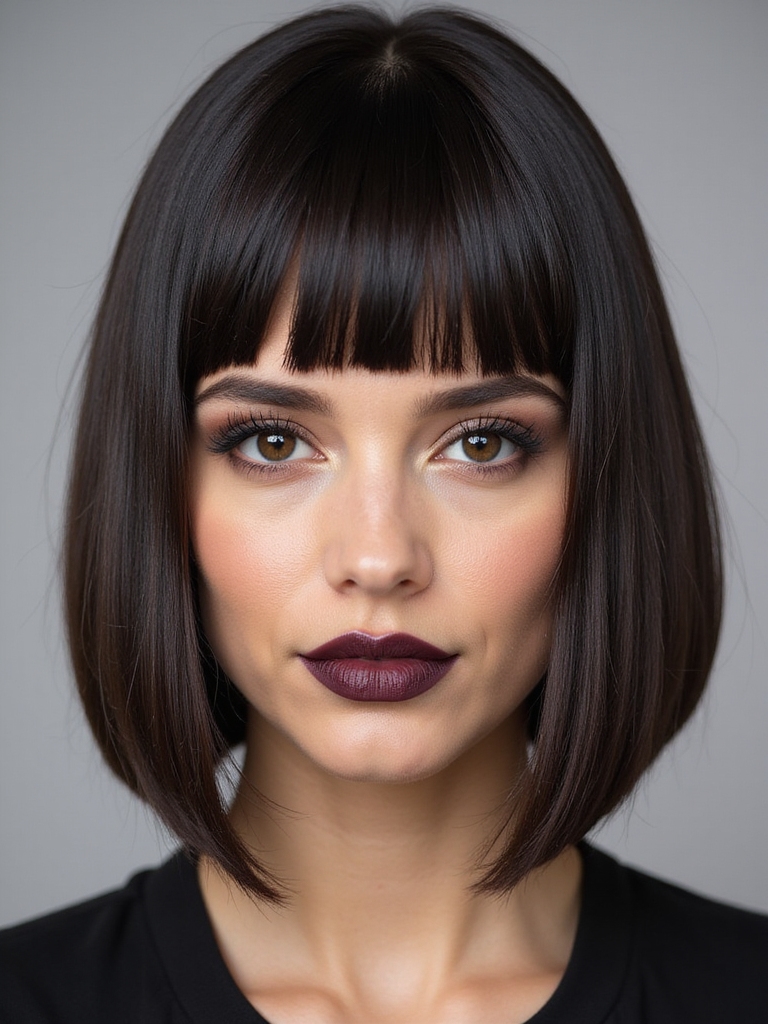
The blunt bob is the boldest version, cut to a single clean length with no layers. It hangs like a sheet of glass and looks expensive when it is healthy and shiny. On thick or straight hair, it is unbeatable.
The trade-off is honesty. A blunt cut shows every split end and every flat-iron mistake, so it rewards good condition and punishes neglect. Fine hair can struggle to fill the line, which is where a layered version serves better.
- Best on thick, straight, or wavy hair with body.
- A weekly gloss or oil keeps the blunt line sharp.
- Re-cut about every six weeks so the line stays true.
Match the bob to your hair type:
🎯Thick or straight hair
A blunt or internally layered bob to control the weight.
🎯Fine or flat hair
A layered or inverted bob for built-in lift.
🎯Curly or coily hair
A dry, curl-by-curl cut shaped for shrinkage.
Layered Bob For Volume

If the blunt bob is about weight, the layered bob is about lift. Soft internal layers remove bulk and let fine hair stack up with body it cannot manage on its own. This is the one I cut most for clients who say their hair falls flat by noon.
- Layers add movement and fake fullness on fine hair.
- Avoid over-layering, which can leave thin ends stringy.
- A round brush at the roots boosts the lift further.
Wispy Bangs For An Easy Frame

If you want a fringe on a bob with the least commitment, wispy bangs are the softest route in. Thin, feathered, and parted just enough to breathe, they veil the forehead without the demands of a dense blunt fringe. Because the ends melt in rather than landing on a hard line, almost any face can carry them.
I steer nervous clients here first. Wispy bangs grow out kindly, melting into face-framing layers instead of hitting an awkward length, so the regret factor is low if you change your mind.
ℹ️Good to Know
A bob trimmed every five to eight weeks holds its line far longer than one left to grow. The shape blurs fastest at the nape, which is why the back loses its crispness before the front does.
Asymmetrical Bob With Bangs, Step By Step

Cut so one side falls noticeably longer than the other, an asymmetrical bob already has drama, and adding bangs pushes it further into statement territory. Here is how the shape comes together in the chair.
- Cut the longer side first to set your maximum length.
- Angle the line down toward the front for the slant.
- Keep the shorter side cleaner so the contrast looks deliberate.
- Add soft bangs to tie the two sides together.
Natural Curly Bob

On curly and coily hair a bob can sing, provided the stylist cuts with the curl pattern instead of wrestling it flat. Curls spring up shorter than they hang wet, so a curl-literate cut accounts for that shrinkage from the first snip.
Cut dry, curl by curl, the shape lands where it should once it dries. Cut wet by someone guessing, and a chin-length goal can end up at the ear. Find a stylist who cuts textured hair regularly and bring photos of curls like yours.
At home, a curly bob loves a leave-in and a diffuser, and hates a brush on dry hair. For more shapes built around the curl, my guide to a low-maintenance curly bob goes deeper.
👍Why A Bob Wins
- +Flatters most faces when matched to your jaw.
- +Styles fast once the cut is right.
- +Bends from sharp to soft with finish alone.
👎What To Weigh
- –Needs more frequent trims than long hair.
- –A blunt line shows damage and split ends.
- –Growing it out passes through awkward lengths.
Inverted Bob

The inverted bob is shorter and stacked in the back, angling longer toward the face. That stacking builds a little tower of volume at the crown, which is a gift for flat, fine hair that collapses at the back of the head.
Why Inverted Adds Crown Height
The graduation also creates a flattering swing toward the jaw. It draws the eye forward and down, which slims and lengthens a rounder face. I cut a lot of these for clients chasing volume they cannot get any other way.
Upkeep runs higher because the stacked nape grows out faster than the front. Expect to book a tidy roughly monthly so the stacked-to-long contrast stays sharp.
Chic Pixie Bob
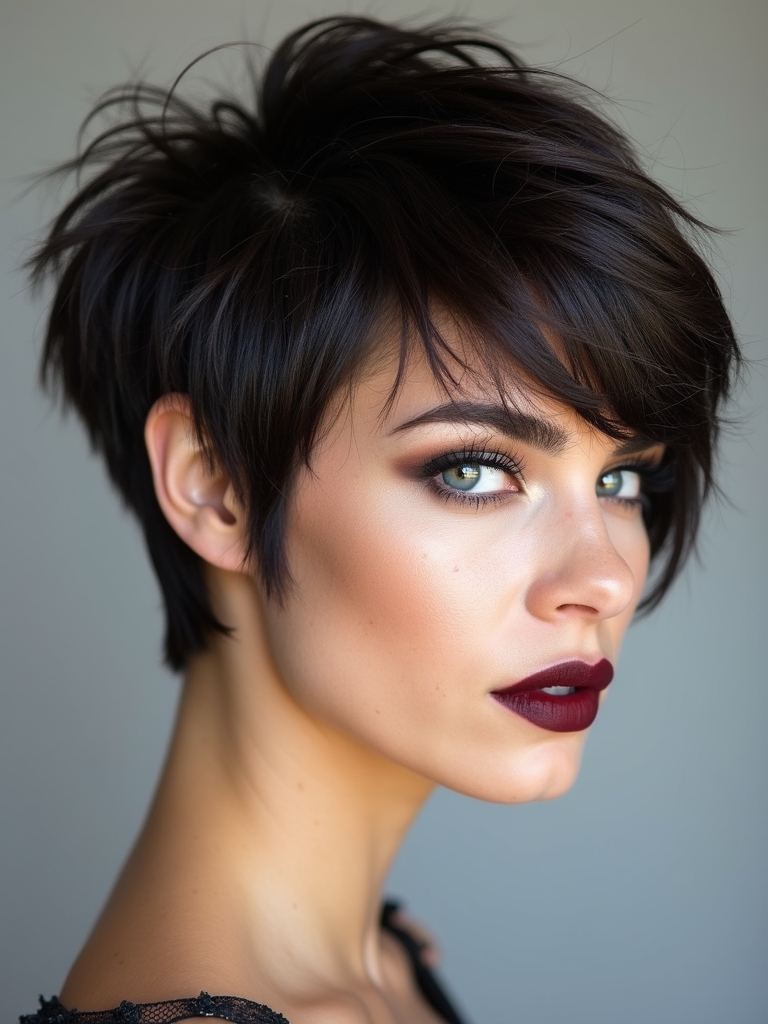
The pixie bob splits the difference between the two shortest cuts, longer than a true pixie but cropped closer than a standard bob. It keeps a little length to play with while delivering the freedom of short hair.
The Bridge Between Two Cuts
It is bold without being severe, since the extra length around the ears and nape softens the crop. I offer it to anyone tempted by short hair who is not ready to part with all their length in one sitting.
Styling takes minutes. A little texture paste worked through dry hair gives it shape, and a quick rough-dry is usually all the heat it needs. A longer pixie is the natural next step if you fall for it.
Bold And Edgy Bob

Some clients want a bob with an edge, and there is plenty of room to push it. Sharper angles, a heavier disconnection, a shaved underlayer, or a strong side part can all tip a classic bob into something with real attitude.
The trick is choosing one bold move, not five. A single strong element looks intentional, while a pile of them competes and turns chaotic. I usually pick the boldest feature for a client’s lifestyle and keep the rest clean.
Edgy does not have to mean high-maintenance. A hidden undercut, for instance, looks dramatic when you lift the hair yet vanishes when you wear it down.
Versatile Long Bob

The long bob, or lob, lands between the collarbone and the chin and is the most wearable bob of all. It is long enough to tie back, short enough to feel like a change, and forgiving on nearly every face. When clients are nervous about going short, this is where I start them in my chair.
- Flatters almost every face shape and hair type.
- Long enough for a small ponytail or half-up.
- Grows out gracefully into longer layers.
Bob With Highlights
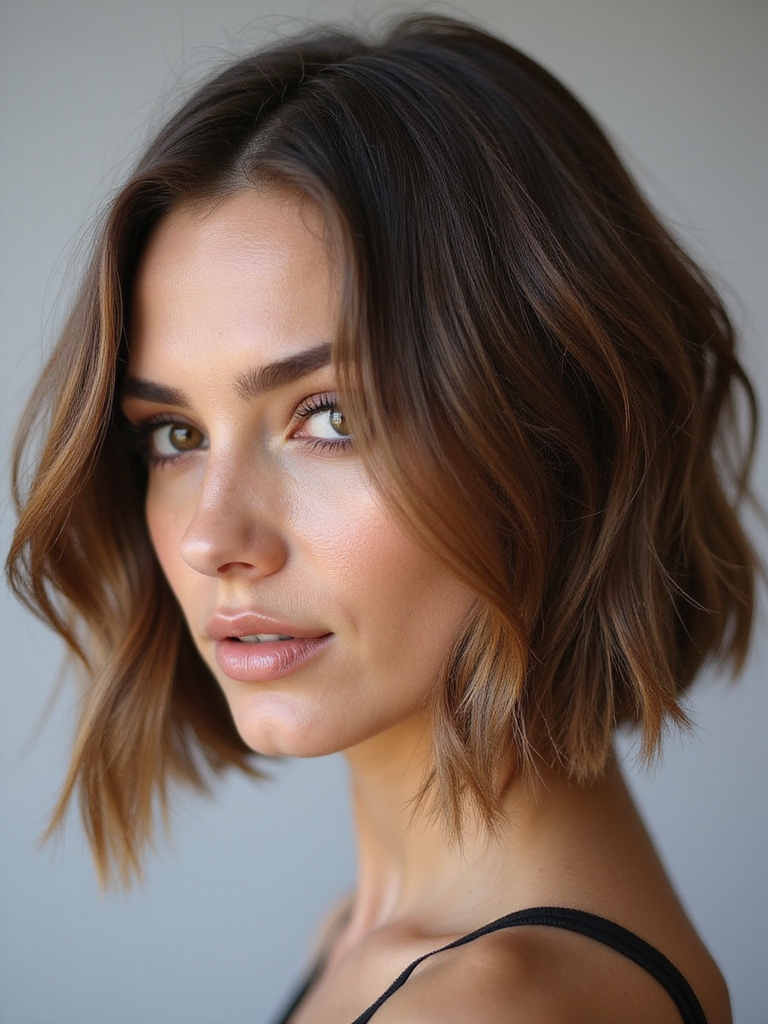
Color brings a bob to life. Fine highlights or soft face-framing brightness add dimension that makes the shape look thicker and more dynamic, especially on a one-length cut that can otherwise hang flat.
Placement matters more than the shade. A few brighter pieces at the front lift the complexion, and the right tone flatters every skin tone when matched to your undertone, warm gold on warm skin, cooler beige on cool. Keep the contrast soft for a grown-out-friendly result.
- Face-framing highlights brighten the complexion.
- Babylights add subtle, low-upkeep dimension.
- A gloss every few months keeps the tone fresh.
Gradient Ombre Bob

An ombre bob fades from a deeper root into lighter ends, and on a short cut that gradient happens fast, which makes it look intentional and modern. It is a smart way to wear color on a bob with minimal root upkeep, since the dark top grows out invisibly.
- Low root maintenance thanks to the dark base.
- Best with a soft, blended fade, not a hard line.
- Brightest at the ends, where a bob shows the most movement.
Soft Beach Waves

Beach waves are the most-requested bob finish I get, full stop. Loose, tousled bends through a bob look relaxed and pretty and forgive a multitude of styling sins. A short cut holds a wave beautifully because there is less weight to drag it out.
Getting The Bend To Last
Use a wide-barrel iron or a flat iron with a wrist twist, leaving the ends out for that worn-in bend. Alternate the wave direction so it looks natural rather than uniform, then break it up with fingers and a little texture spray.
Skip the wand on soaking-wet hair and skip heavy serum, which weighs the bend straight down. A light salt spray on damp hair, rough-dried, gives a softer version with no heat at all.
Textured Bob For Movement, Step By Step

A textured bob is cut with internal point-cutting so it moves and separates without much styling. Here is how to keep that texture looking deliberate rather than frizzy day to day.
- Rough-dry with fingers instead of a brush for natural separation.
- Work a pea of texture paste through the mid-lengths and ends.
- Scrunch, do not smooth, to keep the piecey effect.
- Refresh day-two texture with a quick mist of dry shampoo.
From Limp To Full
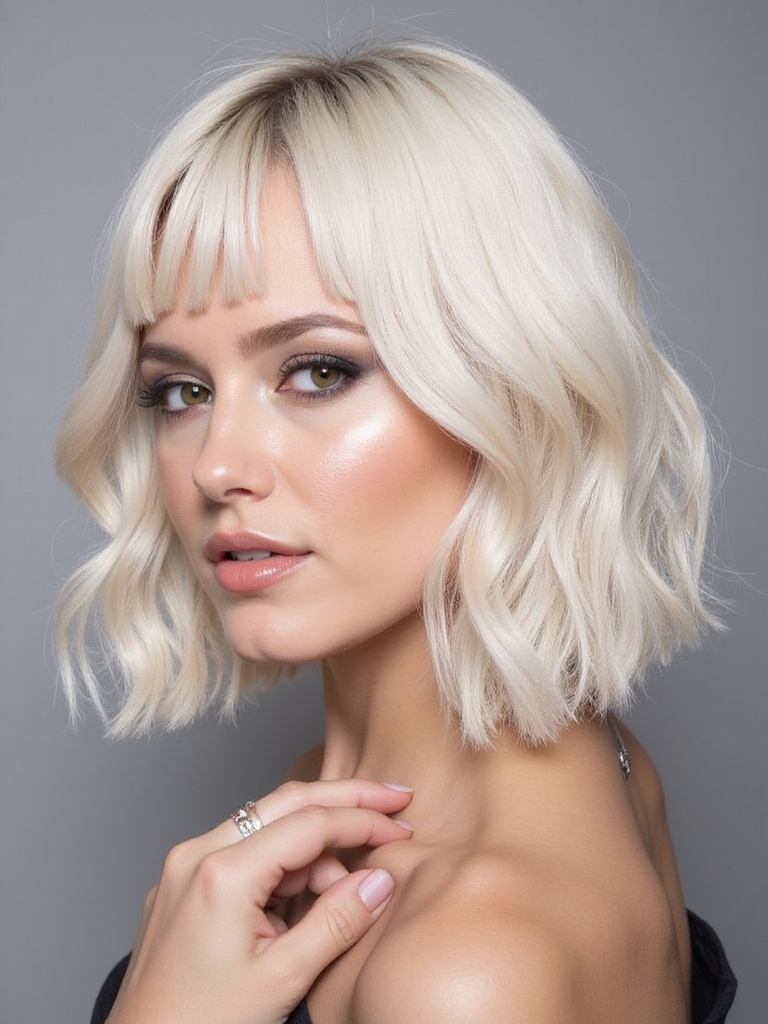
If your bob falls limp by lunchtime, the fix is usually weight removal and product choice, not more hairspray. A lighter, layered shape plus a volumizing mousse at the root does more than any amount of teasing. Wash at the scalp, condition only the ends, and let the cut carry the volume.
- A layered shape beats a heavy blunt line for fine hair.
- Mousse or root spray at the base, nothing heavy on top.
- Blast the roots with cool air to set the lift.
Taming Thick Hair With Layers

Thick hair has the opposite problem: too much weight, a tendency to puff into a triangle. The answer is strategic internal layering that removes bulk from underneath while keeping the outer line clean and heavy.
Done well, you never see the layers, you just feel the bob get lighter and lie flatter. I tell clients with dense hair that the goal is a hidden de-bulk, not visible choppy layers that can make thick hair look bushier.
- Internal layers remove weight without thinning the line.
- Avoid surface layers, which can puff thick hair out.
- A smoothing cream tames the baseline in humidity.
Stylish Bob With Bangs

Bangs and bobs are natural partners. A fringe draws the eye to the face and balances the horizontal line of a bob, giving the whole shape a finished, considered look. The style of fringe is what tunes the mood.
Choosing Your Fringe
A blunt fringe looks bold and graphic, curtain bangs feel soft and modern, and micro bangs are pure statement. Match the fringe to your face: longer, parted shapes flatter rounder faces, while a fuller fringe suits a longer one.
Commit to the upkeep before you cut. Plan a quick fringe tidy roughly every fortnight to keep hair off your lashes, much more often than the bob underneath asks for.
The Right Bob For Your Face

The single biggest factor in a bob looking right is matching it to your face shape, and it comes down to where the cut ends. A round face is flattered by a longer bob that finishes below the chin to add length.
A long or oval face suits a chin-length cut that adds width, often with a fringe to shorten the face. A square jaw softens under wavy, layered bobs that blur the hard corners. A heart-shaped face balances with a little length at the jaw.
When in doubt, the collarbone lob flatters nearly everyone, which is why it is my safe recommendation for a first-timer unsure of their shape.
How Age Shapes Bob Styles

A bob suits every age, but the flattering version shifts over time. Younger clients often want sharp, experimental shapes and bold color, and the cut takes the drama well.
Softening The Line With Age
Later, a soft, layered bob with face-framing pieces tends to flatter most, lifting the features and adding the volume that hair can lose with age. A little movement looks more youthful than a heavy, severe one-length line.
There are no age rules here, only what suits your hair and face now. I have cut sharp blunt bobs on clients in their seventies that looked sensational because the hair could carry it.
Day To Night In Minutes

A great bob shifts from desk to dinner with almost no effort, which is half of why I love it. The same cut you wore sleek and tucked all day takes a fast evening change with a few bends and a stronger part.
Run a flat iron through for some quick waves, switch a center part to a deep side sweep, and add a slick of shine. Three moves, three minutes, and the daytime bob turns into something for the evening.
Keep a travel texture spray and a mini iron in your bag, and any bob becomes a night-out style without a trip home first.
Seasonal Bob Shifts
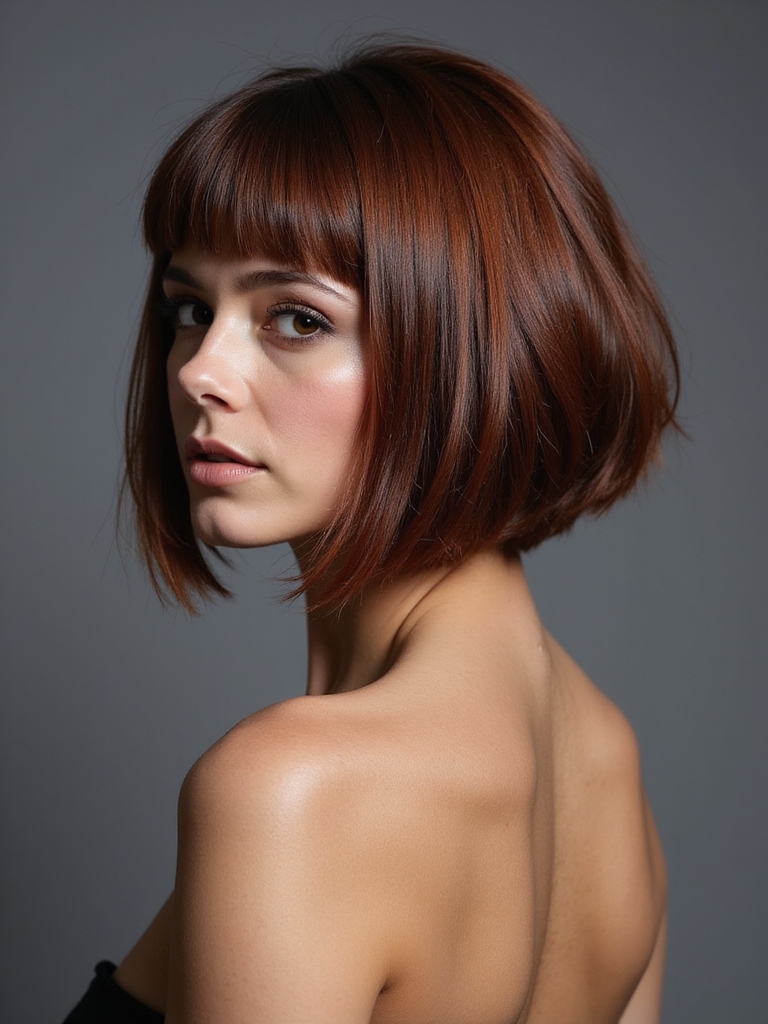
A bob can flex with the seasons without a full recut. In summer, I push clients toward airy texture and salt-spray waves that handle heat and humidity, often a touch shorter for the neck.
Summer Texture Versus Winter Shine
Come winter, the same cut goes sleeker and glossier, worn smooth under collars and finished with a shine spray to fight static. Color tends to deepen in the colder months and brighten in the warm ones.
The shape stays put; only the finish and tone change. That adaptability is what makes a bob worth the commitment across a whole year.
Maintain Your Bob Haircut
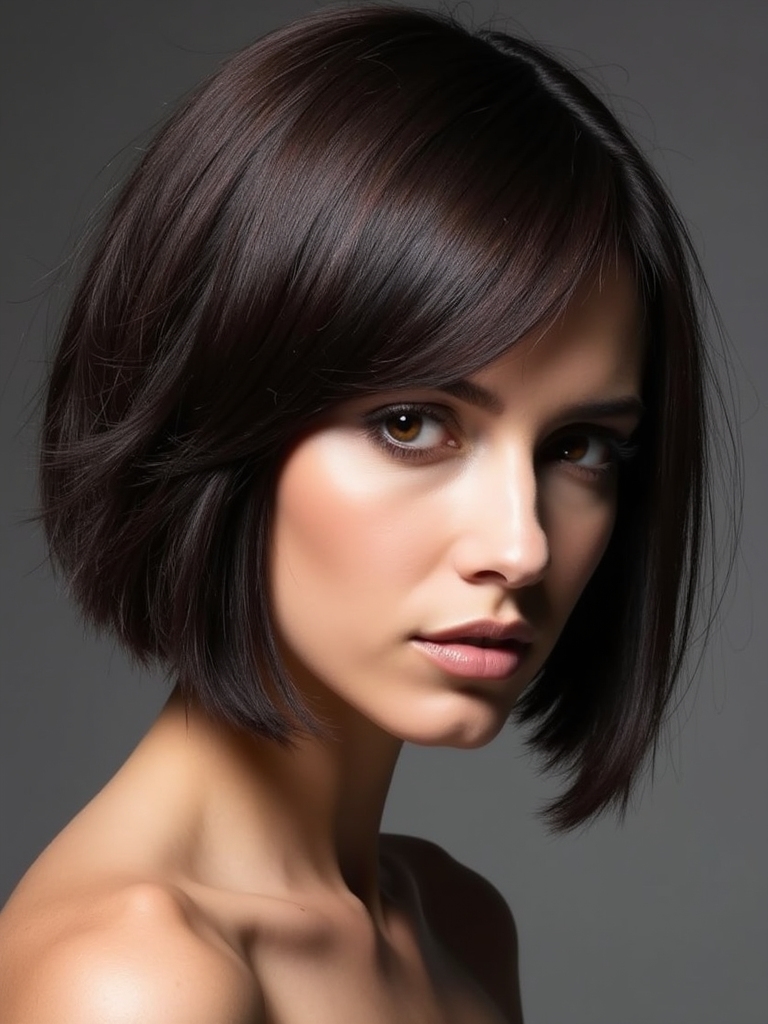
A bob is a precision cut, so it lives and dies on regular trims. Let it grow unchecked and the careful shape blurs into something shapeless within weeks.
- Trim every five to eight weeks to hold the perimeter.
- Invest in a good blow-dry brush for at-home smoothing.
- Use a heat protectant; a bob sees a lot of irons.
- Schedule fringe tidy-ups on their own, roughly every couple of weeks.
Transformation Ideas For Your Bob
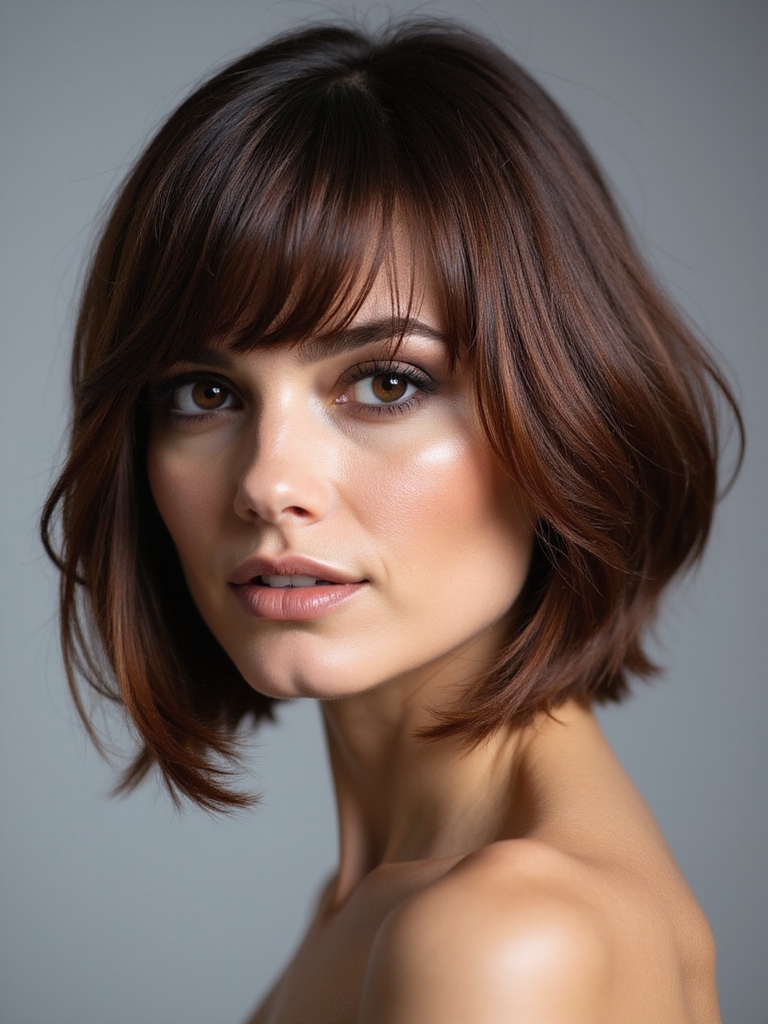
Once you have a bob you love, it becomes a launchpad. You can shorten toward a pixie bob, add a fringe, take it asymmetrical, or play with color, all without growing it out and starting over. The shape is a beginning, not a destination.
- Try a fringe before committing to a bigger change.
- Shift the part to refresh the whole look instantly.
- Explore a choppy version for more edge.
Who It Suits Best
A bob suits almost anyone, but the right bob depends on your hair type, face shape, and how much time you will really spend styling it. Thick, straight hair carries a blunt cut; fine hair comes alive with layers; curls need a stylist who cuts texture. Match the endpoint to your face, and let your daily routine decide how much shape and upkeep to take on.
If you want one safe place to start, the collarbone lob flatters nearly every face and grows out without drama. From there, you can sharpen, soften, or color your way to the bob that is truly yours. For a longer take, see my guide to the long bob.
Bob Hairstyle Questions
?What is the most flattering bob for a round face?
A bob that ends below the chin, ideally with a side part or soft layers, adds length and slims a round face. Avoid a chin-blunt cut that stops at the widest point, since it can emphasize roundness rather than balance it.
?Do bobs work on curly hair?
Yes, when cut for the curl. A bob on curly or coily hair should be cut dry and curl by curl so the stylist can account for shrinkage. Cut wet without that experience, it can spring up far shorter than planned.
?How often does a bob need trimming?
Every five to eight weeks for most people. A bob is a precision shape, so it loses its clean line faster than long hair. If you have bangs, trim those every two to three weeks separately.
?Is a bob high maintenance?
It sits in the middle. A bob needs more frequent salon trims than long hair but far less daily fuss than a pixie. The styling time depends on the cut: a layered, textured bob air-dries well, while a sleek blunt one wants a blow-dry.
?Can fine hair pull off a bob?
Fine hair often looks its best in a bob. A layered or inverted shape removes weight and builds volume that long, fine hair simply cannot hold. Skip a heavy blunt line if your hair is very fine, since it can look sparse at the ends.
The Bob That Is Yours
The bob lasts because it is really dozens of haircuts in one, sharp or soft, cropped or grazing, plain or colored, with a version tuned to almost every face and life. The skill is matching the endpoint and finish to you, not chasing the cut on someone else.
So which bob have you been quietly wanting to try? Take a photo of the line you love to a stylist who can fit it to your face, and let the most reliable cut in the book do the rest.
Don’t Miss These