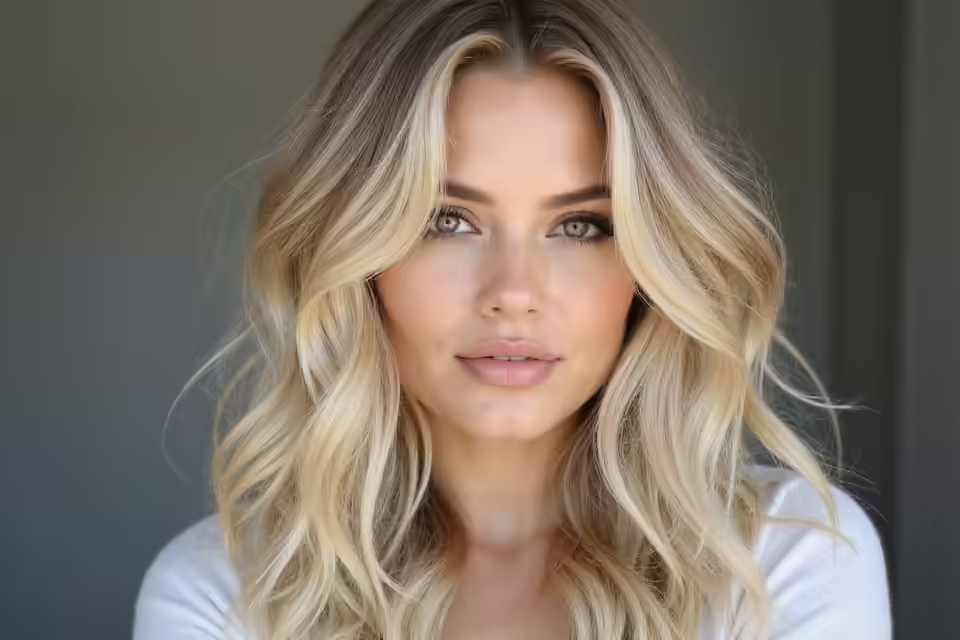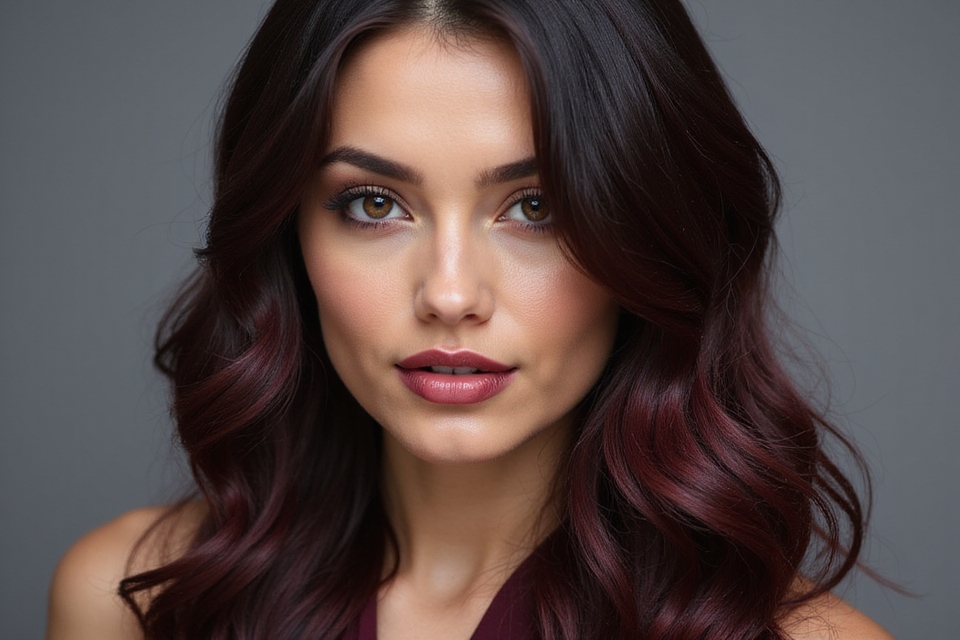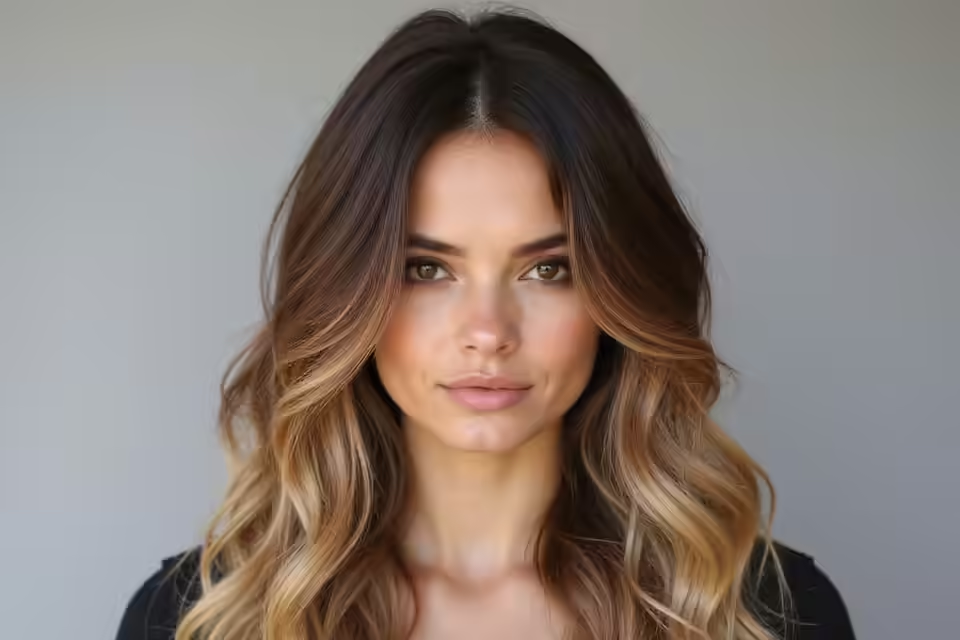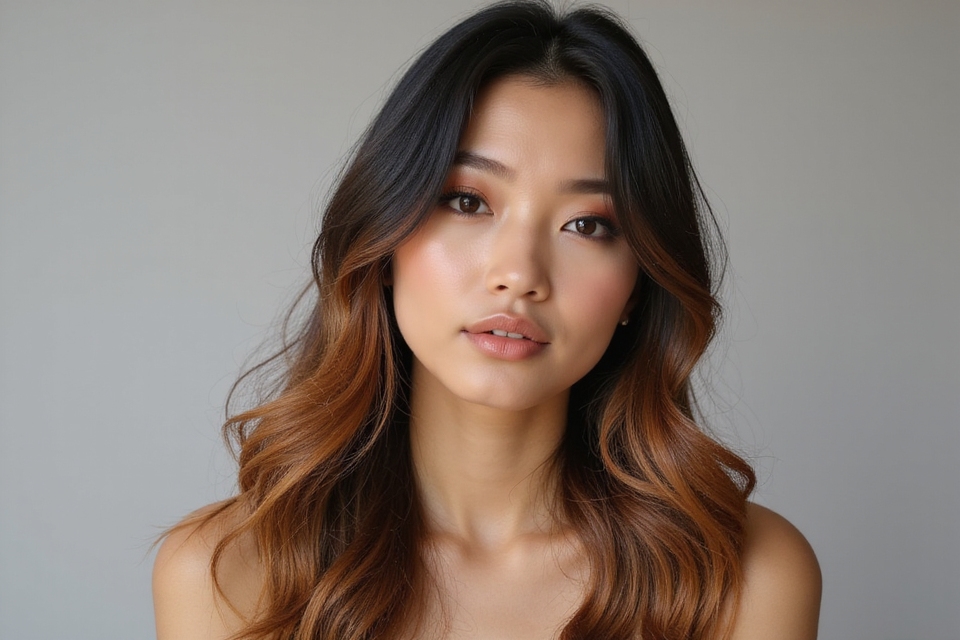

The medium shag is the rare haircut that looks better the less you fuss with it. Built on choppy, feathered layers of varying lengths, it is designed to move, separate, and tousle, which is exactly why it looks its best after you have slept on it and barely touched it in the morning.
Below we cover thirteen takes on the medium shag, from a classic 70s version to curly, fine-hair, and bohemian variations, plus the science of why it improves overnight and how to keep it fresh. Whatever your texture, there is a shag here that rewards doing less.
Key Takeaways
- The shag’s layered structure is built to look better with movement, so bedhead enhances it.
- It flatters every texture: fine hair gains volume, curly hair gains shape, thick hair loses bulk.
- Texturising or sea-salt spray suits it far better than heavy creams that flatten the layers.
- Razor-cut and wispy layers create the softest, most weightless movement.
- A trim every eight to ten weeks keeps the layers crisp and the shape flattering.
A few things people get wrong about the shag before we get into the styles:
Myth: The shag is high-maintenance and hard to style.
Reality: It is the opposite. The layers are designed to fall into place with minimal effort, which is exactly why it looks better after a night’s sleep than after an hour of styling.
Myth: Shags only suit thick hair.
Reality: Fine hair is one of the best matches, because strategic layers fake volume and density. Thick, curly, and wavy hair all suit it too, with the layering tailored to each.
Myth: You need heavy product to hold the texture.
Reality: Heavy creams flatten a shag. A light texturising or sea-salt spray is all it needs, and using less is genuinely more here.
Why It Works
The shag’s secret is layers of different lengths: shorter pieces at the crown lift the roots, while longer, textured ends keep movement. That built-in structure is why a quick scrunch beats a full blow-dry every time.
13 Medium Shag Haircuts and Styling Notes
The Science Behind Why Shags Look Better After Sleep

It is not just in your head: a good shag genuinely does look better after you have slept on it. The cut is built on layers of varying lengths, and those layers need movement and a little disruption to fall into their most flattering, lived-in shape.
Overnight, the friction of your pillow gently separates the layers, breaks up any over-styled stiffness, and redistributes your hair’s natural oils down the strands. The result is the piecey, tousled texture the shag was designed to show off.
That is also why the shag is so low-maintenance: it is one of the few cuts that actively rewards doing less. A quick scrunch with a texturising spray in the morning, and the bedhead becomes the style.
Classic 70s-Inspired Medium Shag With Face-Framing Layers

The original shag was a 1970s icon, and the classic medium version stays true to those roots, full of feathered layers and bold, face-framing pieces. It is effortlessly cool and full of retro attitude.
The face-framing layers are the heart of the look, cut shorter around the face to draw attention to your features and give that signature rock-and-roll movement.
It pairs beautifully with a center part and a little texture spray. For more on the medium length overall, see these medium hairstyles.
Modern Textured Shag for Fine Hair Types

Fine hair and the shag are a perfect match, because the layered, choppy structure fakes the volume and density that fine hair naturally lacks. The trick is keeping the layers strategic rather than over-thinned.
- Shorter crown layers build instant lift and body.
- Choppy, textured ends create the illusion of fullness.
- A light texture spray adds grip without weighing fine strands down.
See more in these medium shags for fine hair.
Choppy Medium Shag With Heavy Bangs

Adding a heavy, full fringe to a choppy medium shag amplifies the bold, edgy attitude. The thick bangs anchor the face while the choppy layers add movement and texture throughout.
It is a statement cut that reads confident and a little rebellious, perfect for anyone who wants their hair to make an impression. See more pairings in these medium shags with bangs.
Wavy Medium Shag for Natural Texture Enhancement

If you have natural wave, the shag was practically made for you. Its layers free your waves to move and spring without the weight that flattens them, enhancing your natural pattern rather than fighting it.
The varied lengths give each wave room to form, creating effortless, beachy texture that needs almost no heat styling.
Scrunch in a wave spray and air-dry or diffuse for the easiest, most flattering result. It is the ultimate low-effort cut for wavy hair.
Asymmetrical Shag Cut for Edgy Morning Hair

An asymmetrical shag, longer on one side or with an off-center emphasis, leans fully into the cut’s edgy, undone spirit. It looks intentional even when you have barely touched it.
The uneven shape adds a modern, fashion-forward twist to the classic shag, and it only gets cooler with that just-woke-up texture. It is made for low-effort, high-impact mornings.
Layered Bob-Shag Hybrid for Versatile Styling

The bob-shag, or shob, blends the clean shape of a bob with the choppy layers of a shag, landing somewhere between structured and tousled. It is one of the most versatile cuts around.
The best of both worlds
You get the polished outline of a bob with the movement and volume of a shag, so you can wear it sleek and neat or scrunched and textured. It suits almost every hair type and face shape.
Curly Medium Shag That Embraces Natural Volume

Curly hair and the shag are a dream pairing, because the layers give curls the room they need to spring and stack into glorious natural volume. The key is cutting it dry and in its natural pattern.
Without the weight of one-length hair dragging them down, the curls lift and define, building a full, rounded shape that celebrates the texture rather than taming it.
Scrunch in a leave-in and diffuse for the best definition. For more, see these curly medium shags.
Shaggy Lob With Curtain Bangs for Effortless Chic

Combining a longer, lob-length shag with soft curtain bangs creates that coveted effortless-chic look. The curtain fringe frames the face on both sides while the shaggy layers add movement.
It is relaxed yet polished, the kind of cut that looks expensive but is genuinely low-maintenance. For more on the fringe, see these curtain bangs.
Razor-Cut Shag for Maximum Movement and Flow

Razor cutting thins and feathers the ends rather than blunt-cutting them, which gives a shag the ultimate soft, piecey movement and flow. Each layer melts into the next for a weightless finish.
It is especially flattering on medium-to-thick hair, removing bulk while amplifying that airy, lived-in texture. The result moves with you and never looks heavy or blocky.
Medium Shag With Wispy Layers for Thick Hair

Thick hair can feel heavy and hard to manage, and a shag with plenty of wispy internal layers is one of the best ways to lighten it without losing length or body.
- Internal layers remove weight and bulk from underneath.
- Wispy ends keep the shape soft rather than blocky.
- The result is movement and manageability while keeping enviable fullness.
Bohemian-Style Shag With Long Face-Framing Pieces

The bohemian shag keeps the layers soft and the face-framing pieces long and sweeping, for a relaxed, free-spirited finish. It trades the choppiness for a gentler, dreamier texture.
The longer face-framing layers cascade softly around the face, giving that effortless, festival-ready boho vibe. A wave spray and air-drying complete the laid-back look.
Maintenance Tips for Keeping Your Bedhead Shag Looking Fresh

The shag is famously low-maintenance, but a few smart habits keep it looking deliberately tousled rather than simply messy. The goal is to enhance the natural texture, not fight it.
Reach for a texturising or sea-salt spray rather than heavy creams, which can drag the layers down. Scrunch it in on damp or dry hair, and resist the urge to over-brush, which kills the piecey separation the cut depends on.
Book a trim every eight to ten weeks to keep the layers crisp, refresh second-day hair with a little dry shampoo at the roots, and let your pillow do some of the styling work overnight. For more layered options, see these medium shag hairstyles.
Frequently Asked Questions About Medium Shag Haircuts
Why does my shag look better the second day?
Because the cut relies on separated, piecey layers, and overnight friction from your pillow gently breaks up any stiffness, redistributes your natural oils, and lets the layers fall into their most flattering position. The shag is one of the few cuts that genuinely rewards less styling.
What products work best for a medium shag?
A texturising spray or sea-salt spray is ideal, because it adds grip and separation without weight. Avoid heavy creams and oils, which flatten the layers and kill the piecey movement. A little dry shampoo at the roots refreshes second-day hair and adds body.
Is a medium shag good for fine or thick hair?
Both, with the right layering. For fine hair, strategic crown layers and choppy ends fake volume and fullness. For thick hair, internal wispy layers remove bulk and weight while keeping length and body. The shag is one of the most adaptable cuts for any density.
How often should I trim a medium shag?
Every eight to ten weeks is ideal to keep the layers crisp and the shape from growing out shapeless. Because the cut is designed to look lived-in, it grows out more gracefully than blunt cuts, but regular trims keep the texture and face-framing pieces sharp.
Choosing the Right Medium Shag for You
The medium shag’s superpower is adaptability: the same cut can fake volume on fine hair, tame thickness, or set curls free, just by adjusting the layering. Start with your texture, then choose the vibe, soft and bohemian, sharp and choppy, or somewhere in between.
If there is one thing to take from all of this, it is to stop fighting your shag and start working with it. Skip the heavy products, let your natural texture lead, and let your pillow do half the styling. The shag rewards a lighter hand than almost any other cut, which is exactly why it keeps coming back.