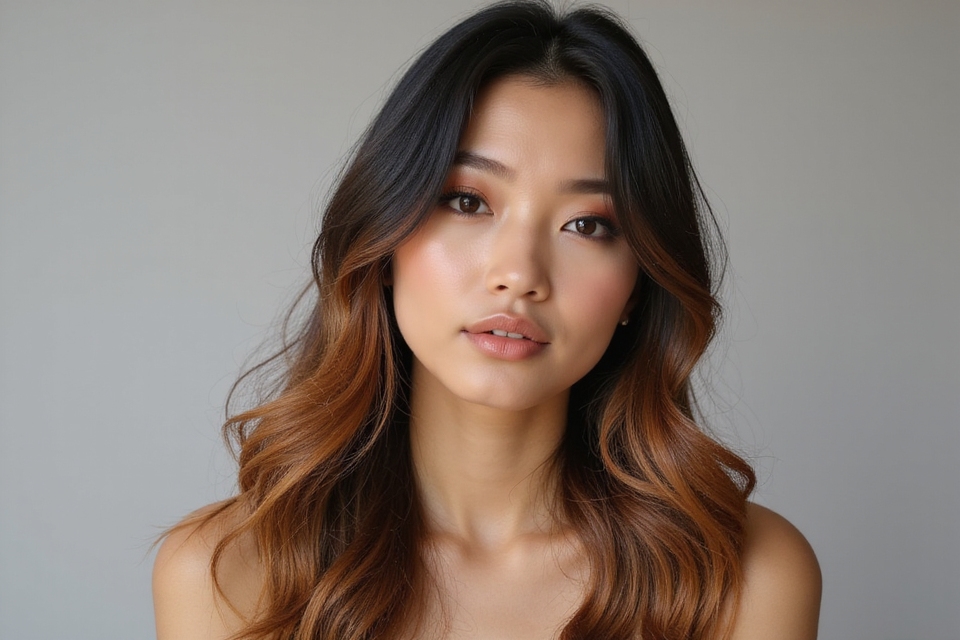

I’ve watched the same hairstyle behave two completely different ways in one week: a bride’s low bun held through a three-hour reception and a sweaty first dance, while a gym client’s knot slid loose by her second set of squats. Same shape, wildly different staying power, and that gap is the whole story behind these bun hairstyles. The difference was never luck.
What makes a bun hold has almost nothing to do with how many pins you stab in and everything to do with prep, product, and matching the style to your day. Below I’ll walk you through the bun hairstyles that survive real life, from a workout to a wedding, plus the honest reasons the wrong ones fall apart so you can stop fighting yours.
What Actually Keeps a Bun in Place
- Hold starts before the bun. Day-old texture or a mist of dry shampoo gives strands grip that freshly washed, slippery hair never will.
- Match the style to the day: a braided base and a coated elastic survive workouts and dancing, while a soft knot is plenty for errands.
- Refreshing beats redoing. A little product and a few replaced pins carry a morning bun into the evening in about two minutes.
The Stylish Bun You Can Trust
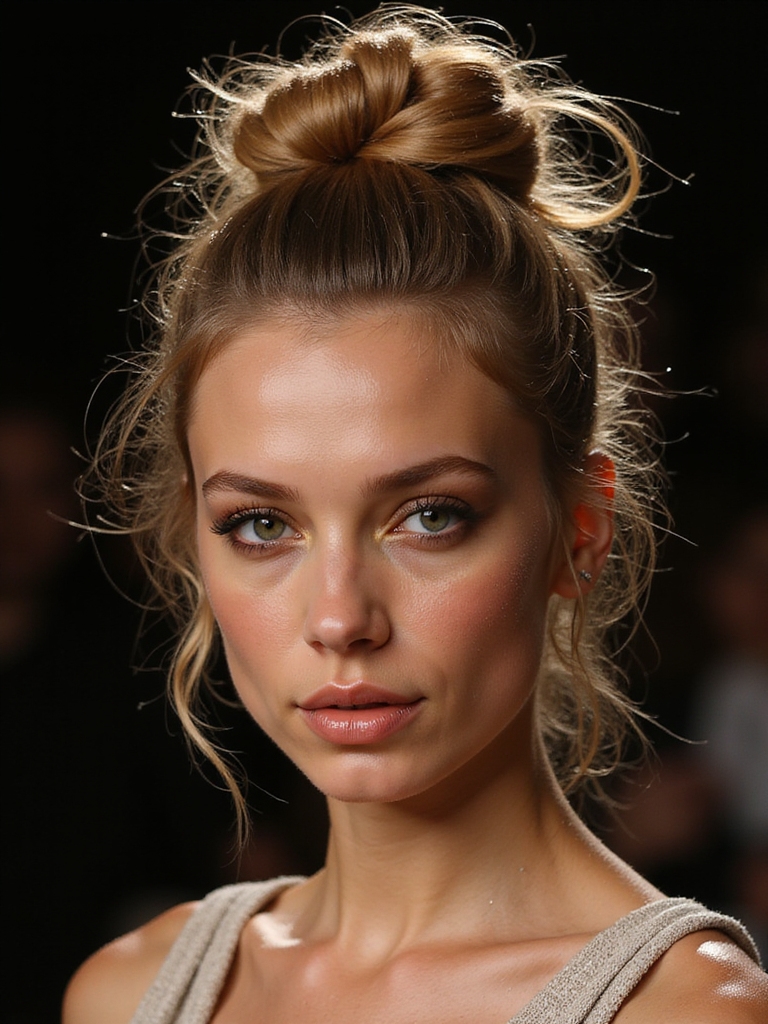
The bun earns its place because it does the one thing most styles can’t: it gets your hair off your neck and stays there while you actually live your day. No reapplying, no checking the mirror every hour, no spray every twenty minutes.
It also flexes across your whole life. The same gathered knot covers a 7 a.m. spin class, a desk full of deadlines, and a dinner out, with only small tweaks in between. That range is rare in a hairstyle.
And it asks almost nothing of you in money or tools. A handful of pins and one good elastic, both well under ten dollars, are the entire kit. The skill is in the technique, which is exactly what the rest of this guide covers.
The Bun’s Historical Journey
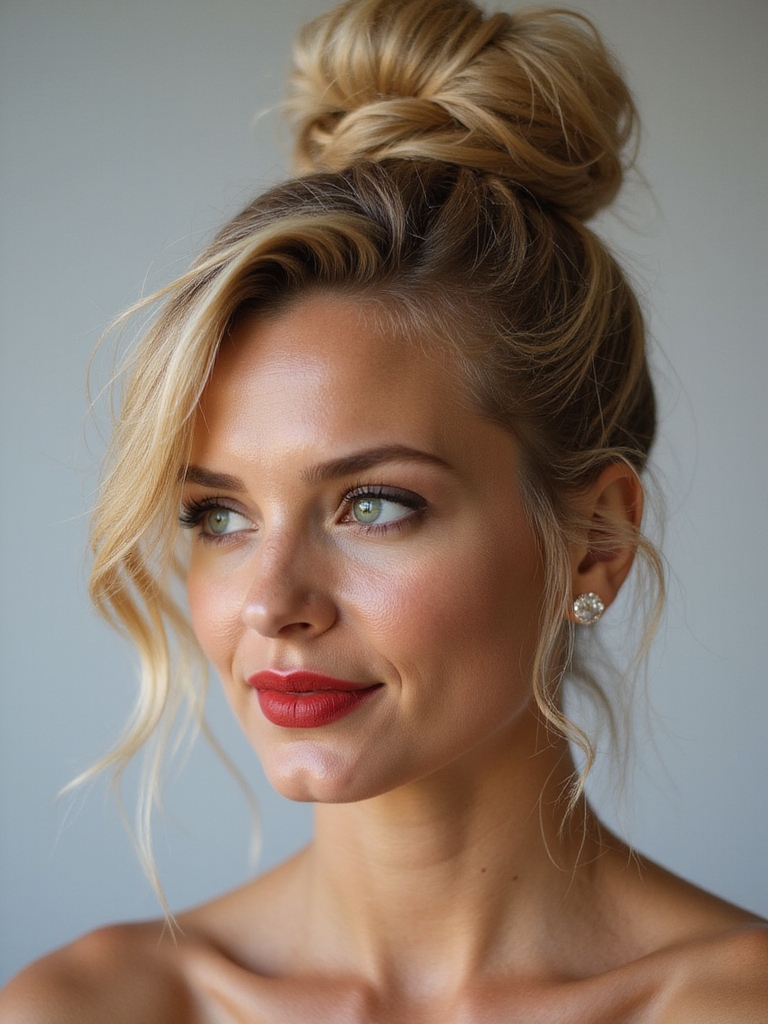
The bun isn’t a trend that will date your photos, and that’s part of why I trust it. Versions of it show up across centuries and continents, which tells you the shape simply works for human hair.
- Ancient Greek women wore low knots pinned with gold; the silhouette has barely changed.
- Ballet formalized the high, smooth bun as the standard for keeping hair fully controlled in motion.
- Across many cultures the bun signaled everything from marital status to daily practicality, which is why it never reads as a passing fad.
| Bun style | Realistic hold | Best for |
|---|---|---|
| Slicked high top knot | Full day | Work, events, photos |
| Braided-base bun | Through a workout | Gym, dancing, humidity |
| Soft messy knot | A few hours | Errands, casual days |
Versatile Bun Options by Occasion
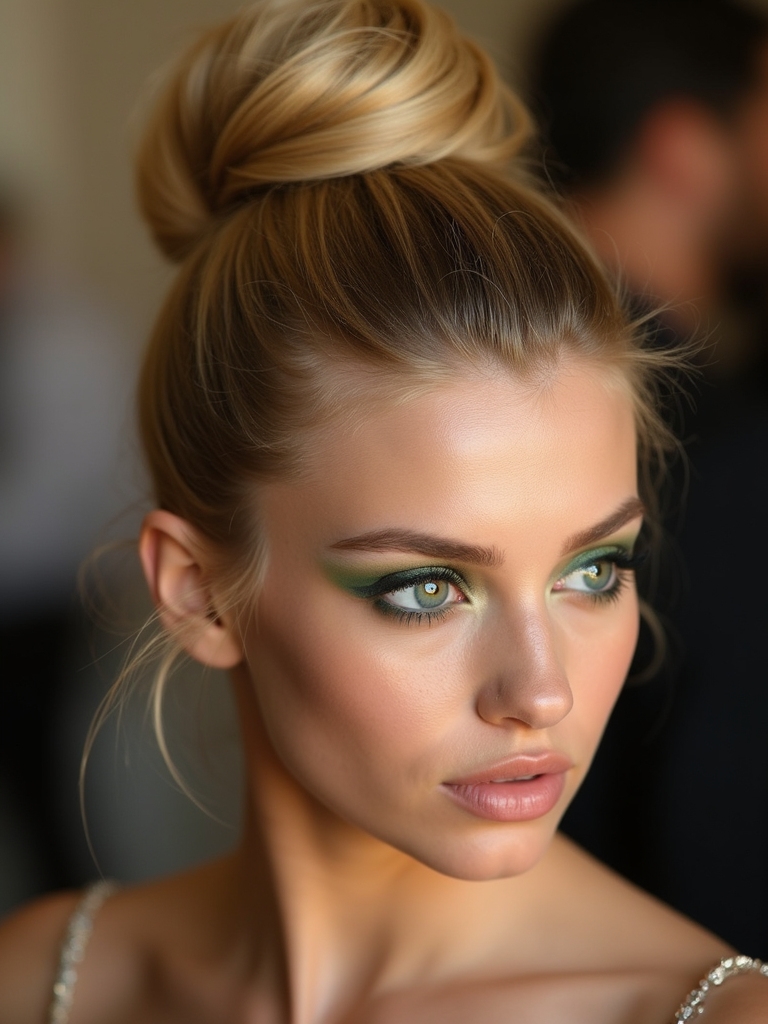
Before you pick a technique, pick a purpose. Where the bun sits and how tightly it’s built should answer what your day demands of it.
- Formal or photographed: go low and smooth at the nape, where it photographs cleanly and stays composed.
- Active or sweaty: go high and braided-in, so movement and moisture can’t drag it down.
- Casual or quick: a soft mid-height knot is forgiving and takes two minutes.
The Messy Bun That Survives a Long Day
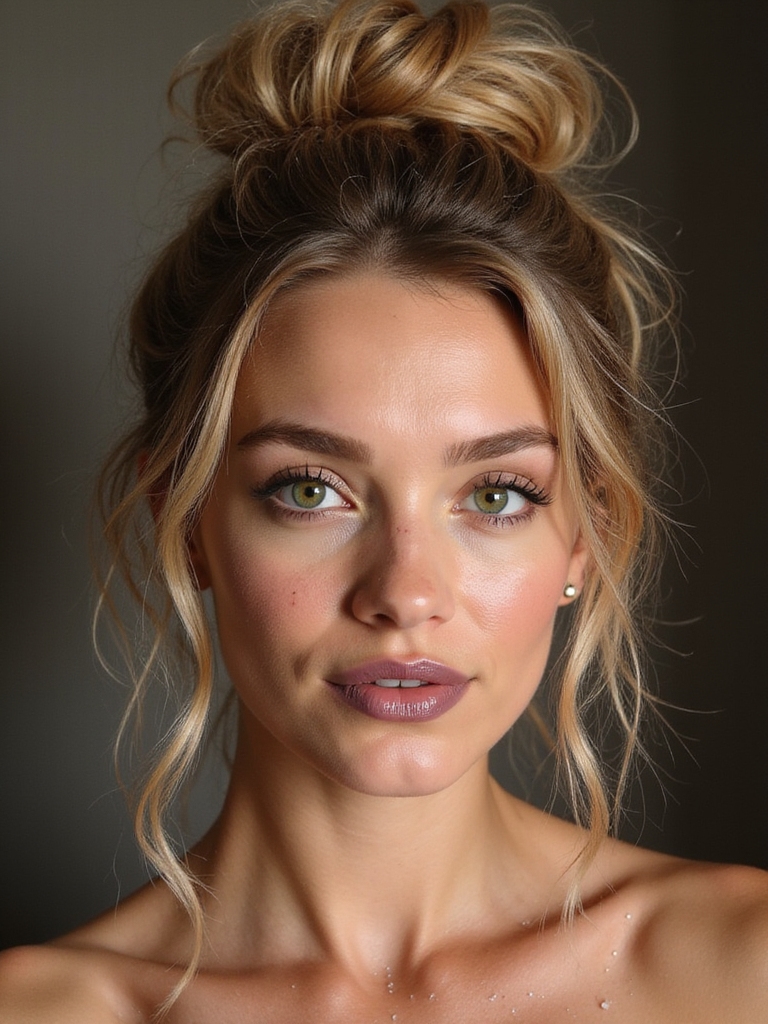
A messy bun looks careless, but a long-lasting one is quietly engineered. The slouchy look you want comes from texture and a loose final wrap, while the hold comes from a firm anchor underneath that nobody sees.
Loose on top, locked underneath
Start on second-day hair, tie a ponytail, then twist and wrap loosely before pinning the base tight and leaving the outside soft. Pull a few pieces free at the very end so it looks lived through, not styled.
The brides and bridesmaids I work with love this one because it carries a whole event, from the ceremony through the last sweaty dance, without going flat or frizzy, yet still looks soft and relaxed in close-up photos. For an even lower, slouchier take, the low messy bun guide breaks it down further.
📋Your bun-that-lasts kit
- ✓A coated, snag-free elastic
- ✓Eight to ten bobby pins
- ✓Dry shampoo or texture spray for grip
- ✓A flexible-hold hairspray
A Polished Bun in Five Minutes
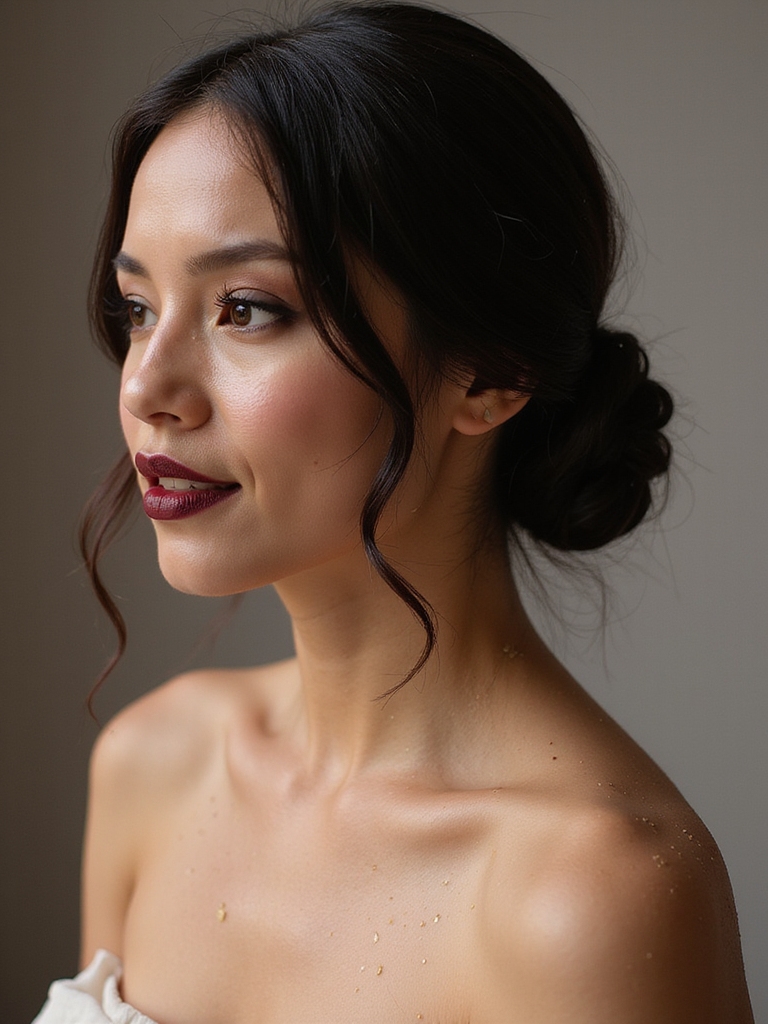
When you have five minutes and need to look put-together, this is the sequence I teach. It’s the fastest route to a bun that looks intentional rather than rushed.
- Brush hair back smooth and tie a ponytail where you want the bun to sit.
- Twist the length into a rope, coil it around the base, and tuck the tail under.
- Anchor the base with two crossed bobby pins, smooth the front with a dab of gel, and you’re done.
The High Top Knot
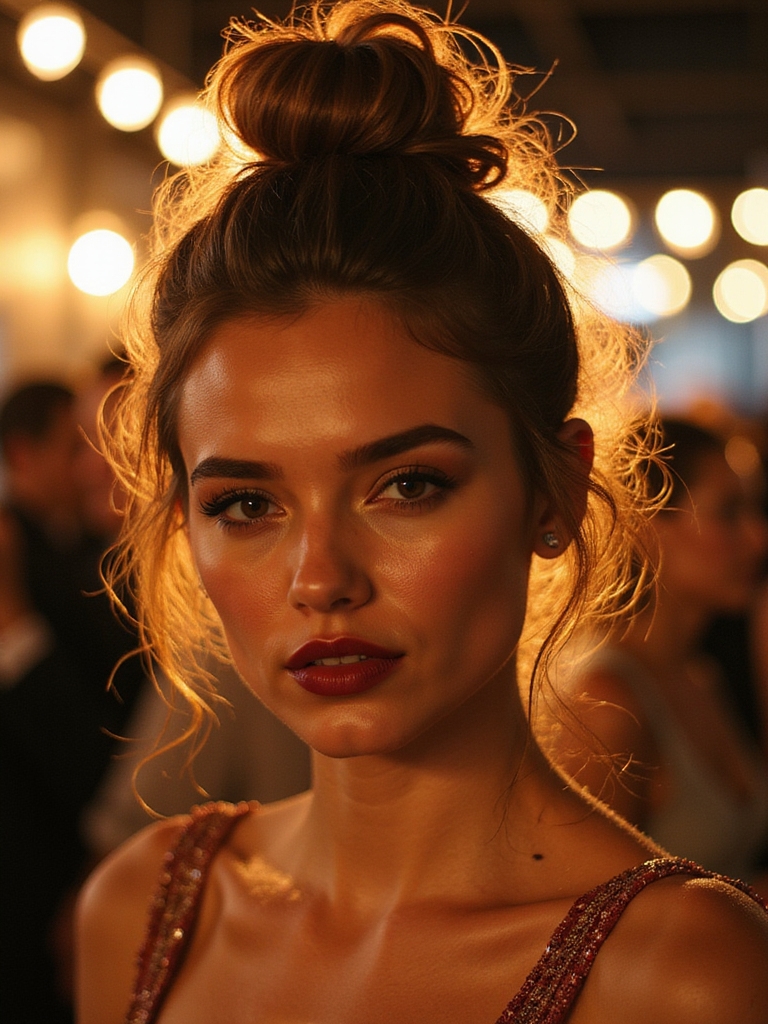
A high top knot is the most reliable bun for a day that needs to look sharp from morning to night, because the height keeps it visible and the slick finish hides any slipping. It does demand smooth, controlled hair, so it rewards a little product.
- Flip your head down and sweep it all up to the highest point of your crown.
- Smooth the hairline with edge control or a touch of gel and a fine brush.
- Wrap into a tight knot, pin, and lock with a strong-hold spray. The dedicated high bun guide covers more height-focused variations.
The five-minute bun, start to finish:
1Prep for grip
Mist dry shampoo through your roots so the hair isn’t slippery.
2Gather and tie
Make a ponytail at your chosen height with a coated elastic.
3Coil and lock
Twist into a knot, wrap, and cross two pins at the base.
Braided Buns for Extra Hold

If a plain knot slides out on you, braiding part of the hair first gives the bun something to grip and dramatically improves how long it lasts. The braid acts like scaffolding.
- Braid the hair, either a single back braid or two along the sides, before gathering it.
- Coil the braided length into a bun at your chosen height.
- Pin into the braid itself, not just loose hair, so the pins have real structure to hold onto.
Busy-Morning Buns
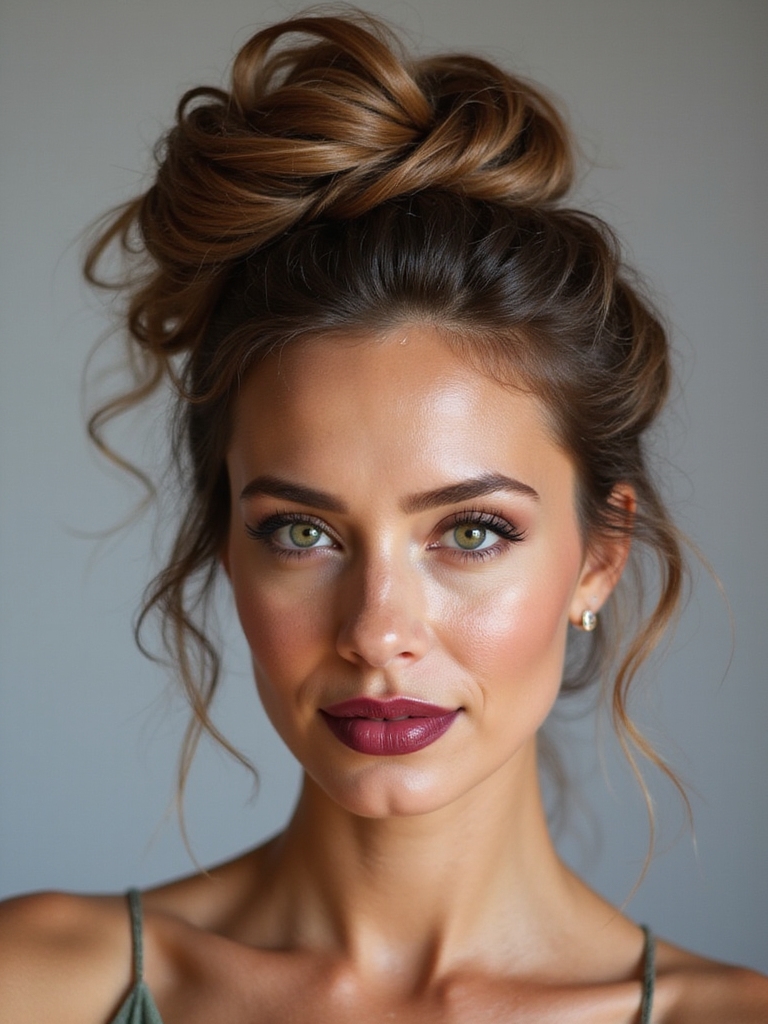
On the mornings when you’re already late, the goal is a bun that takes under three minutes and still survives the commute. The secret weapon here is dry shampoo on day-two hair, which buys you both grip and a fresher root.
Don’t aim for perfect. A slightly imperfect knot reads as deliberate, and chasing a perfect one is what makes you late.
- Flip your head over and finger-gather a high ponytail, no brush required.
- Twist into a quick knot and secure with a coated elastic and one pin.
- Mist the front with dry shampoo to soak up overnight oil and add hold.
Two things people get wrong about buns:
❌ Myth: Wearing a bun causes hair loss
✅ Reality: The bun isn’t the problem; constant tight tension in the same spot is. Keep it loose and move the placement around.
❌ Myth: You need long, thick hair for a bun
✅ Reality: Short and fine hair buns work just fine. The knot is simply smaller and usually sits lower.
The Workout Bun That Stays Put
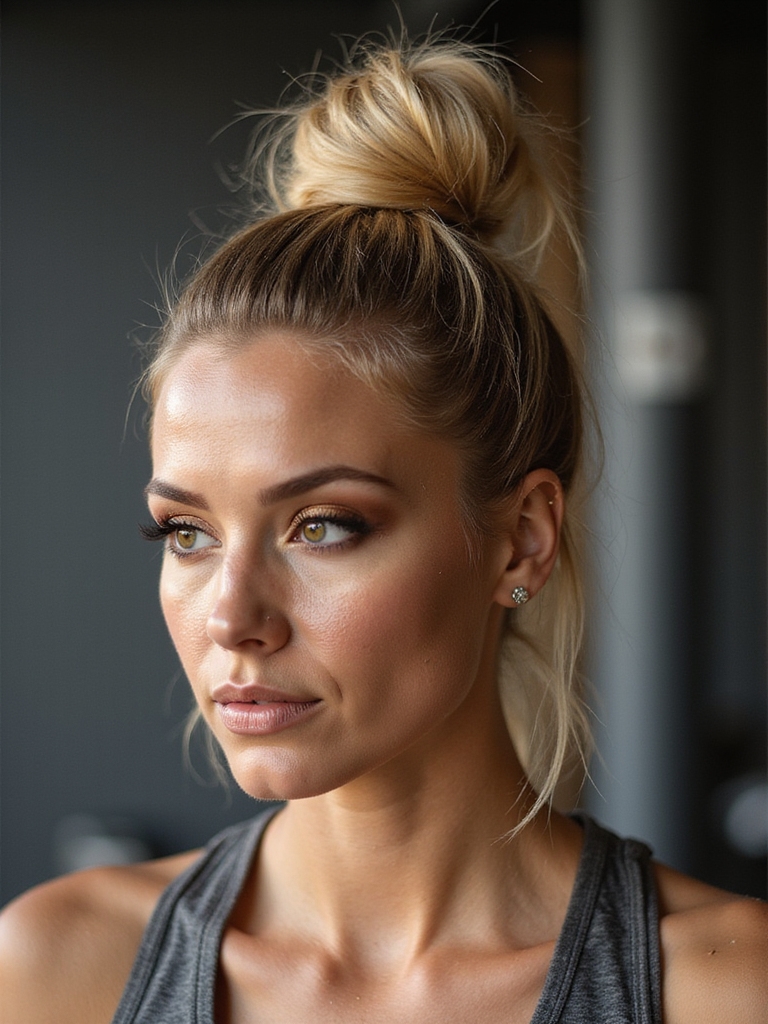
A bun that survives burpees and a sweaty spin class is a specific build, and I’ve rebuilt enough collapsed gym knots to know the rules. I see more workout buns fail from a cheap, slippery elastic than from anything the exercise itself throws at them, so that single swap matters more than any amount of extra pinning. The whole job is keeping it high, secure, and friction-free against your neck.
- Use a coated, snag-free elastic and place the bun high, above where you’ll lie back on a bench.
- Twist tightly and double-pin, since sweat loosens everything as you move.
- Skip heavy product, which gets sticky with sweat, and tie a thin band around the hairline if baby hairs bother you.
Taking Your Bun Style Higher
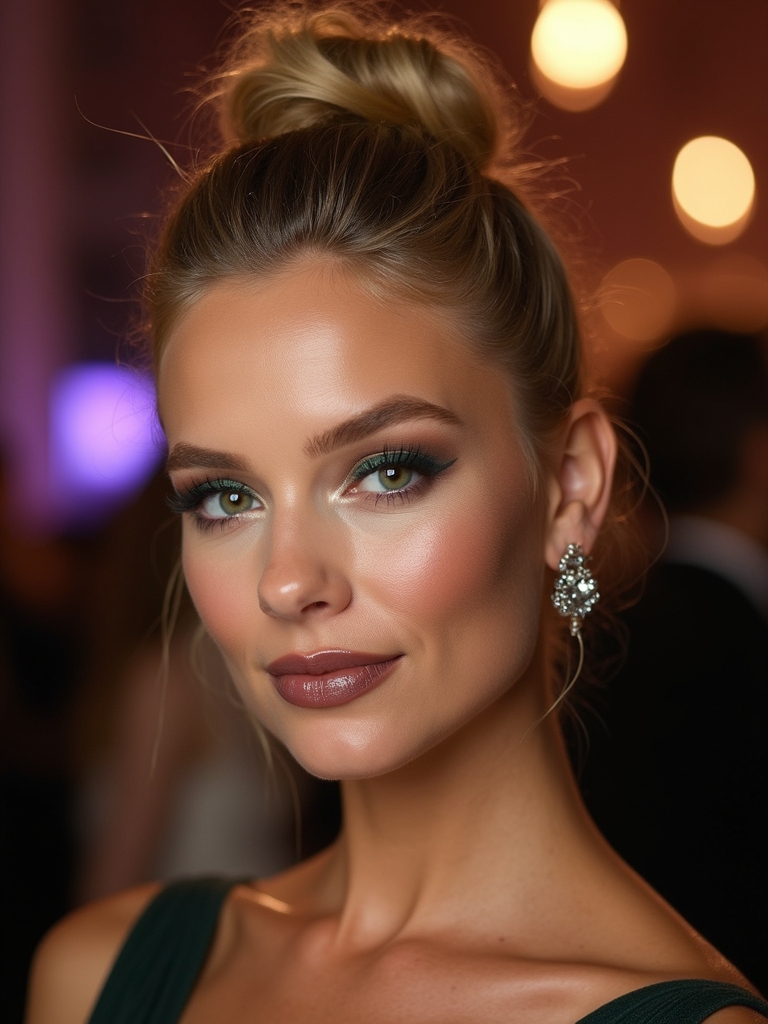
The same base knot can move from plain to special with three small, fast changes. None of them add more than a minute, which is why I lean on them before an unexpected dinner.
- Take a pencil-thin piece, coil it over the band, and pin it under to conceal the elastic.
- Tug a little volume back into the crown so the shape looks fuller and more done.
- Add a single metal pin or a small claw clip detail for a touch of shine.
Trendsetter Bun Styles
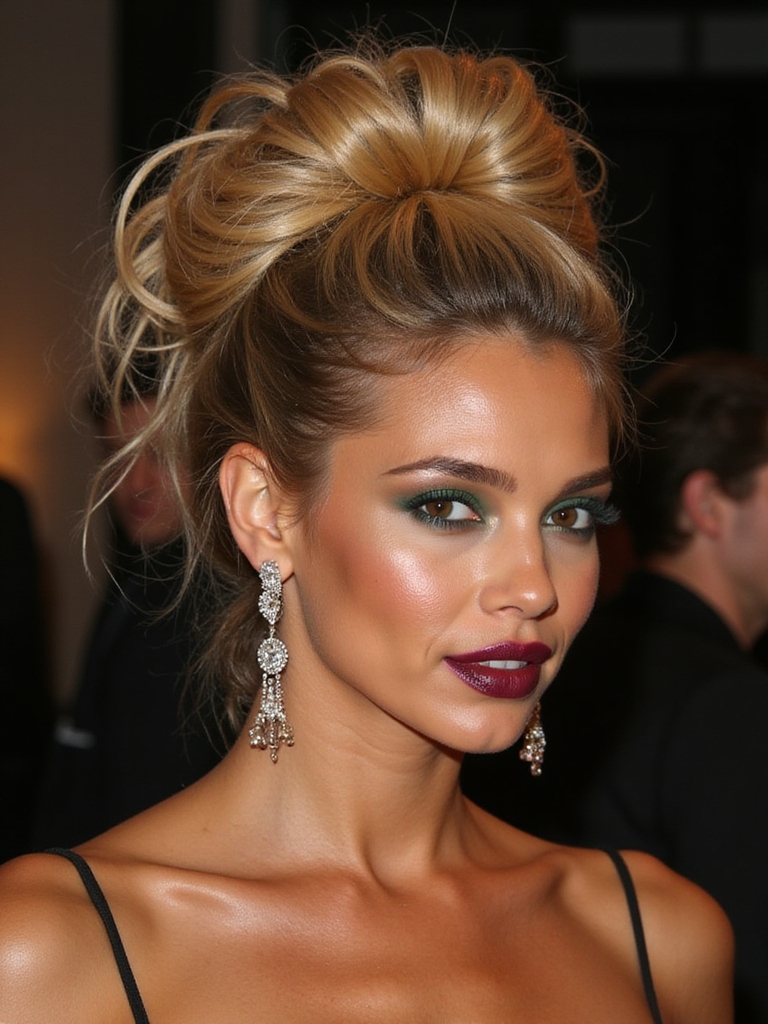
The buns trending on red carpets and feeds right now lean into either extreme polish or deliberate undone-ness, with little in between. You’re seeing wet-look slicked knots one minute and soft, piecey 1990s buns the next.
The good news is that both ends are easy to copy at home, since the trend is really about finish, not difficulty.
- Wet-look knot: comb a strong gel through damp hair for that glossy, sculpted surface.
- Soft 1990s bun: leave face-framing tendrils out and keep the knot loose and low.
- Sculptural twisted bun: loop the length into an architectural shape and pin it wide.
Bun Accessory Tips

Accessories are the fastest way to make a five-minute bun look like you planned it, and they double as smart cover for any awkward bits. A well-placed clip hides a lumpy spot better than any amount of repinning.
Match the accessory to the occasion. A simple matte pin keeps a work bun professional, while a pearl comb or a wrapped silk scarf turns the same knot into an evening look.
I always recommend keeping it to one statement piece. Layering three clips, a scrunchie, and a headband at once buries the bun and tips the whole thing into costume.
Tips for the Perfect Bun
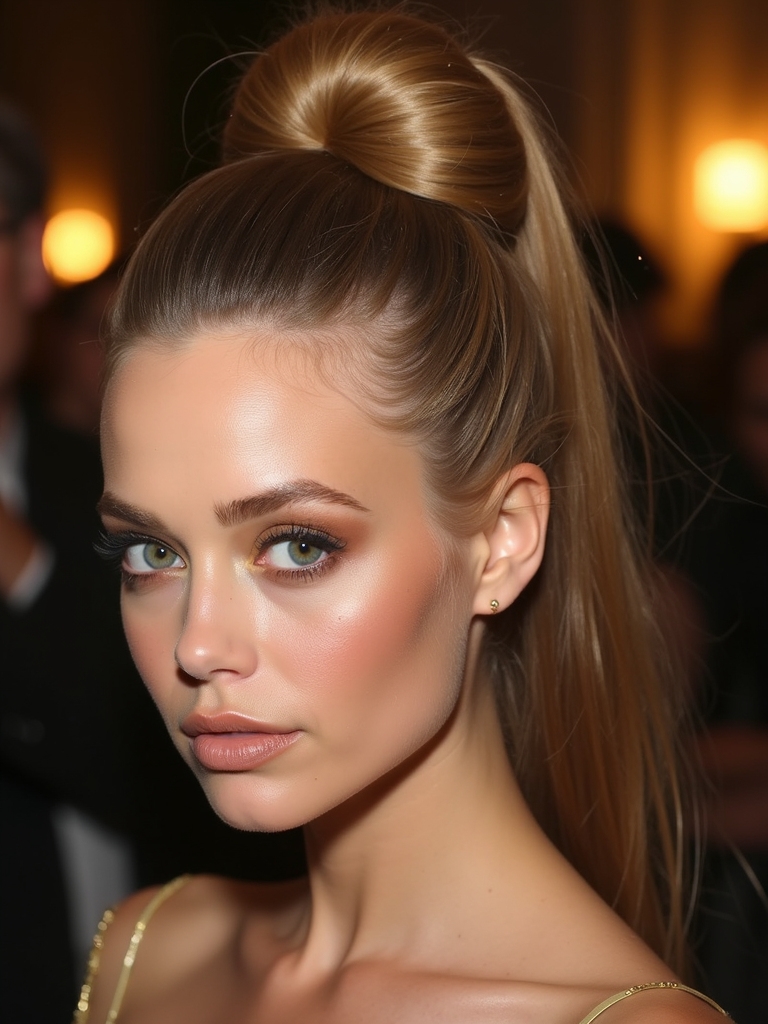
The gap between an amateur bun and a salon one usually comes down to a few habits. The biggest one is direction: slide each pin in pointing toward the center of the knot and let it catch a little scalp hair on the way, so it locks rather than working straight back out. Most people push them in flat and then wonder why everything slips by noon.
One more thing I tell every client whose bun looks flat: gently tease the ponytail before you coil it. That hidden lift gives the finished knot body so it sits proud of your head instead of pancaking against it after an hour.
Products That Make a Bun Last
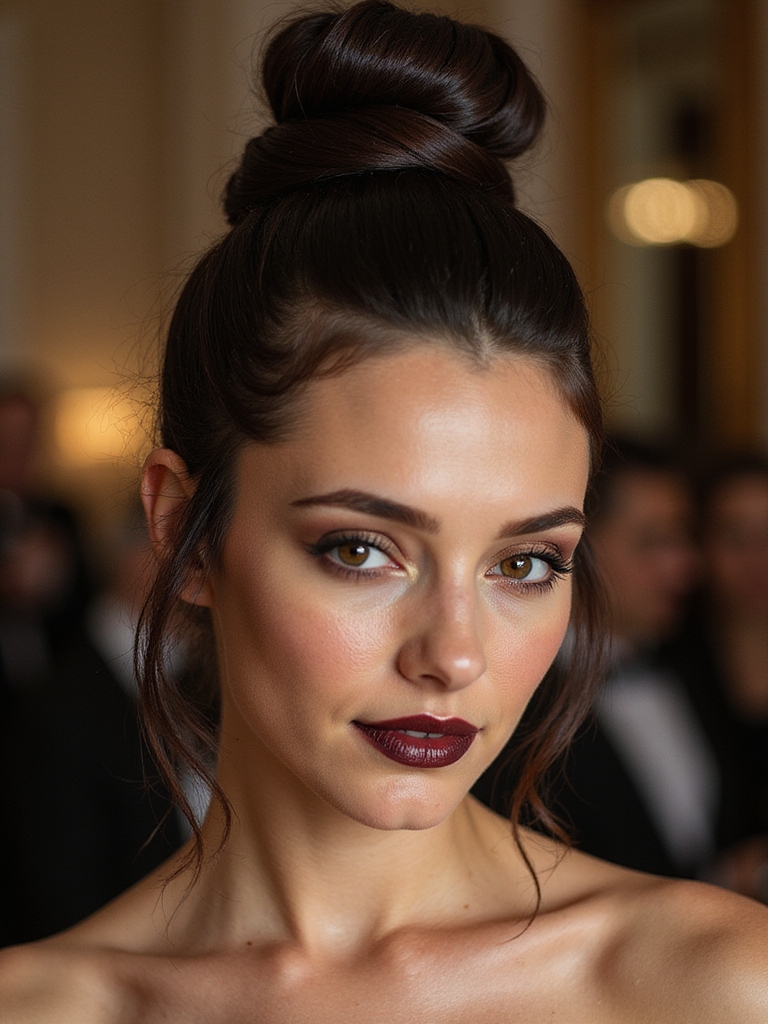
Product is where most lasting power actually lives, and you need surprisingly little of it. Three things cover almost every bun: a grip product, a hold product, and a smoothing one.
For grip, dry shampoo or a light texture spray gives slippery hair something to hold. For hold, a flexible-hold hairspray keeps the shape without turning it crunchy. For smoothing, a pea of pomade or edge control tames the hairline and any flyaways.
You don’t need a salon shelf of this. One can of dry shampoo and one flexible spray, maybe $20 to $30 together, will outlast dozens of buns and do more than a drawer full of half-used products.
Bun Styles by Hair Type
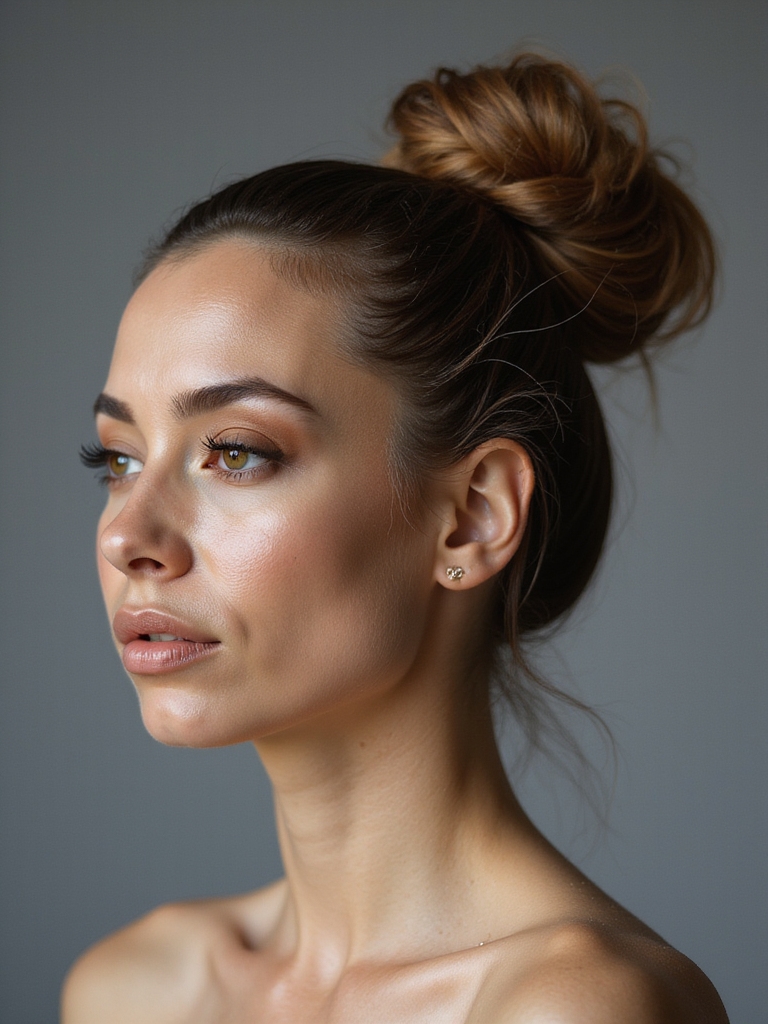
The right bun depends a lot on what your hair naturally does, and forcing the wrong one is why so many fall apart. Fine hair needs teasing and texture spray for fullness and grip; thick hair holds easily but may need a stronger elastic and more pins to manage the weight.
Protective and kind to your edges
Curly, coily, and natural hair wear a bun beautifully as a protective style, since gathering your length tucks your ends away and saves them from daily friction. Work on damp or refreshed hair with a leave-in, use a soft scrunchie at the gather point, and shape the knot without combing the texture out of it.
Whatever your type, keep the tension kind at your hairline. A bun should never sting, and that steady strain is what wears edges thin over time, so loosen anything that pulls. If a style stings or you notice tension bumps forming along your hairline after a few wears, that’s your signal to loosen the gather and move the bun’s placement around for a while. For texture-specific looks, the curly bun roundup and bun styles for Black hair go deeper.
DIY Bun Tutorials at Home
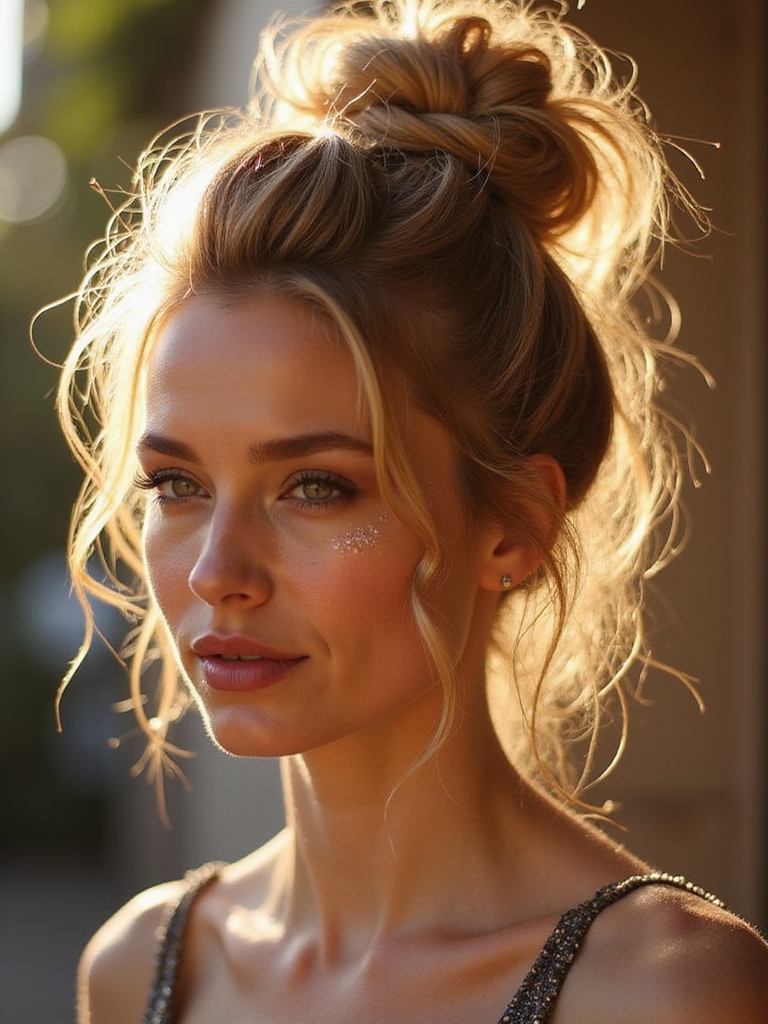
You really can get a salon-looking bun at home, and the only thing standing between you and it is practice on a low-stakes day. Don’t make your first attempt the morning of an event.
Work in front of a mirror with a second hand mirror or your phone camera so you can see the back, which is the part you can’t feel and everyone else sees. Build the bun, then turn and check it before you decide it’s finished.
Once the motion lives in your hands, the whole thing takes a couple of minutes and stops feeling like a project. That muscle memory is the real goal, not perfection on the first try.
Midday Bun Maintenance

A bun rarely needs a full redo to make it to evening. A 60-second touch-up keeps it looking fresh long after you built it in the morning.
- Replace any pins that have worked loose and push them back into the densest part of the knot.
- Mist a little dry shampoo at the roots to lift any oil that’s crept in.
- Smooth flyaways with a damp fingertip and re-tug the loose pieces you want left out.
Taking a Daytime Bun Into Evening
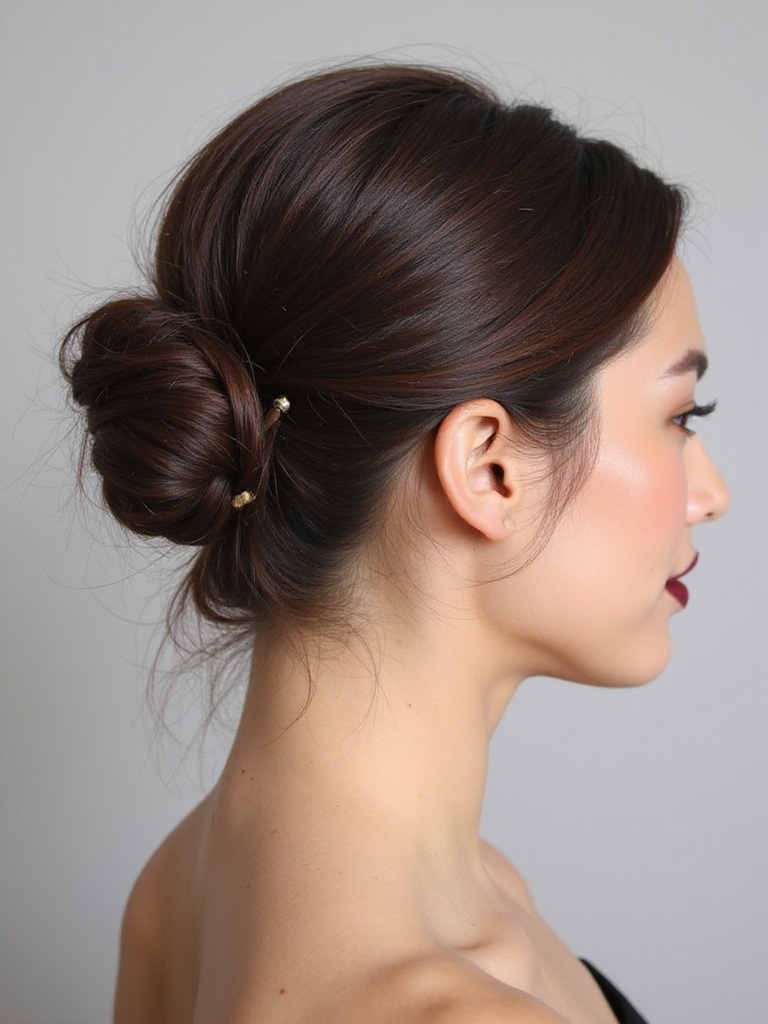
The smartest thing about a bun is that you rarely have to start over to dress it up at night. A morning work knot becomes an evening look with two or three deliberate changes, no comb-out required.
Loosen the knot slightly and pull a few face-framing pieces down to soften the daytime tightness. Then add a glossy mist or a single sparkling pin to shift the mood from practical to polished.
If you have an extra two minutes, swap a low office bun for a slightly higher, looser one. The new placement reads completely different in evening light, and you’ve spent nothing but a few seconds.
Buns Around the World
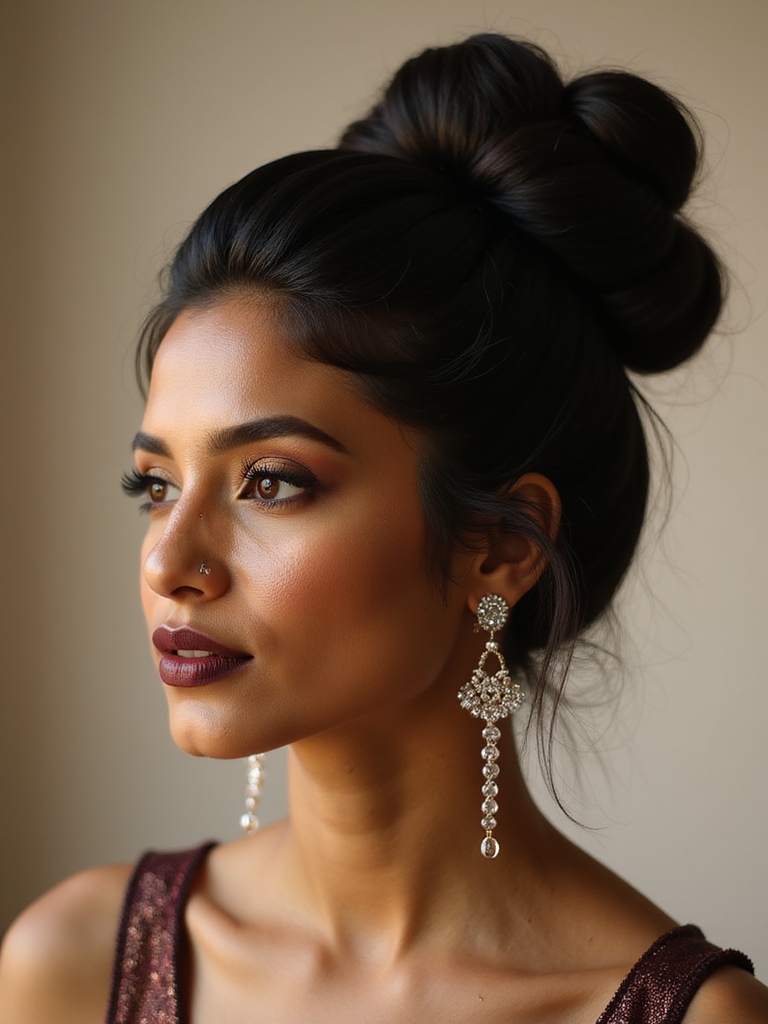
Part of why the bun feels so dependable is that it belongs to everyone. Versions of it anchor traditional and modern looks across the globe, each adapted to different hair and occasions.
- In much of South Asia, the low jura or bun is a staple for both everyday wear and weddings.
- Ballet and figure skating worldwide rely on the slicked competition bun for control in motion.
- Across West Africa and the diaspora, gathered and braided buns double as protective styling that guards the hair.
Make the Bun Your Personal Style
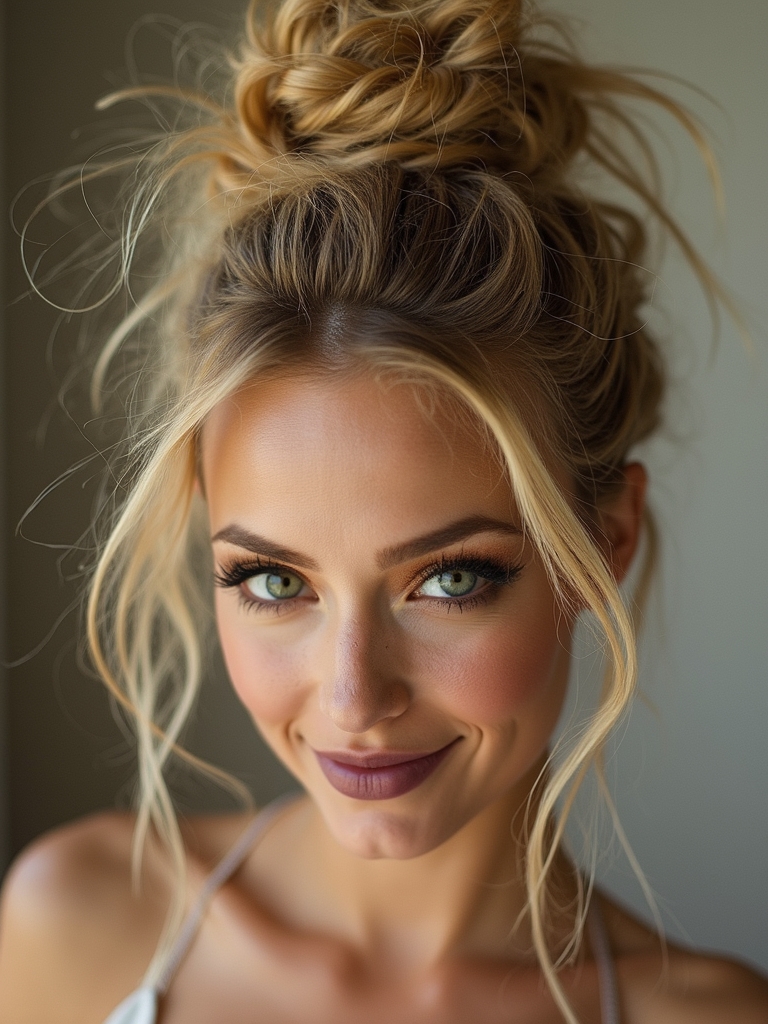
After the techniques, the fun part is that no two people wear a bun the same way, and yours will end up with its own signature. Maybe it’s the exact height you like, the pieces you always leave out, or a clip you reach for again and again.
I always tell clients to treat the rules here as a starting point. Once you know how to make a bun hold, you’ve earned the freedom to break the polish on purpose, wear it crooked, or pile it sky-high because it feels like you.
One Versatile Bun, Many Ways
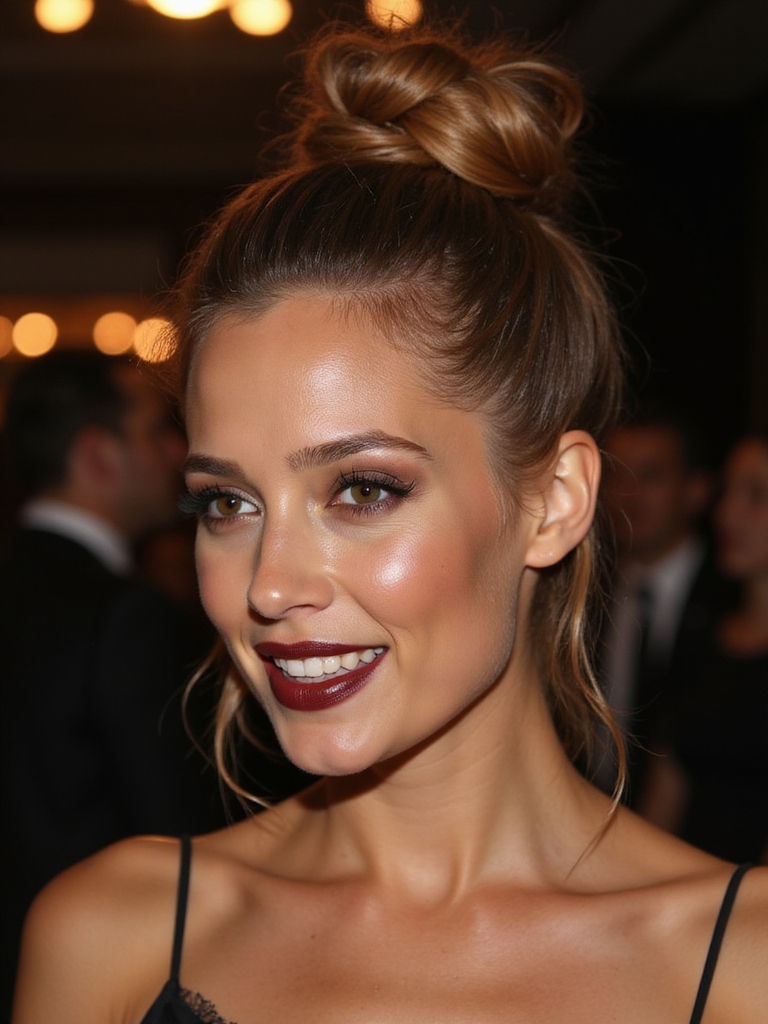
To pull it all together, here’s how one skill set stretches across a whole week without ever feeling repetitive. The knot itself barely changes; what changes is where you put it, how tightly you build it, and the finish you give it. Master that and you effectively own a dozen looks for the price of learning one.
- Monday gym: high, braided-in, coated elastic.
- Wednesday office: low, smooth, one matte pin.
- Saturday night: mid-height, loose, with a sparkling clip and a few pieces down.
What to Expect
Be realistic about the learning curve. Your first few buns will take longer than the two minutes a practiced one needs, and they may slip until you nail the prep and pinning. That’s normal, and it passes faster than you’d think with a little daily practice.
Expect upkeep to be minimal once you’ve got it. A lasting bun needs no more than a quick midday touch-up, and the whole system runs on cheap, reusable tools rather than a constant spend. The payoff is a go-to style that truly holds, whatever your day throws at it.
Bun Questions I Hear Most
?How do I keep my bun from falling out by midday?
Almost always it’s prep, not pins. Work on day-old hair or add dry shampoo for grip, anchor the base tightly before leaving the outside loose, and pin into the densest part of the knot rather than loose strands.
?What’s the best elastic for a bun that holds?
A fabric-coated, snag-free elastic in a color close to your hair. Skip thin drugstore bands, which slip and snap, and never use a rubber band, which tears the hair when you take it down.
?Can I work out in a bun without damaging my hair?
Yes, if you keep it high and loose-ish with a coated elastic and skip heavy product that gets sticky with sweat. The damage comes from daily tight tension in the exact same spot, so vary your placement between sessions.
?How do I take a daytime bun into the evening?
Loosen it slightly, pull a couple of face-framing pieces down, and add one sparkling pin or a glossy mist. If you have two minutes, move a low bun a little higher for a different mood in evening light.
?Why does my bun give me a headache?
It’s too tight or sitting in the same stressed spot all day. Loosen the elastic, lower the placement, and give your scalp a break by wearing it down or in a different style the next day.
The Bun That Earns Its Keep
Once you understand that a bun holds because of prep and placement, the whole thing stops feeling like a gamble. You start choosing the right version for the day instead of hoping the same knot works for the gym and the gala, and it quietly becomes the most useful skill in your routine.
If your buns keep sliding out, start with just the prep step this week: dry shampoo on day-two hair before you do anything else. Build from there, and you’ll have a knot that lasts from chaos to champagne without a single mid-day rescue.