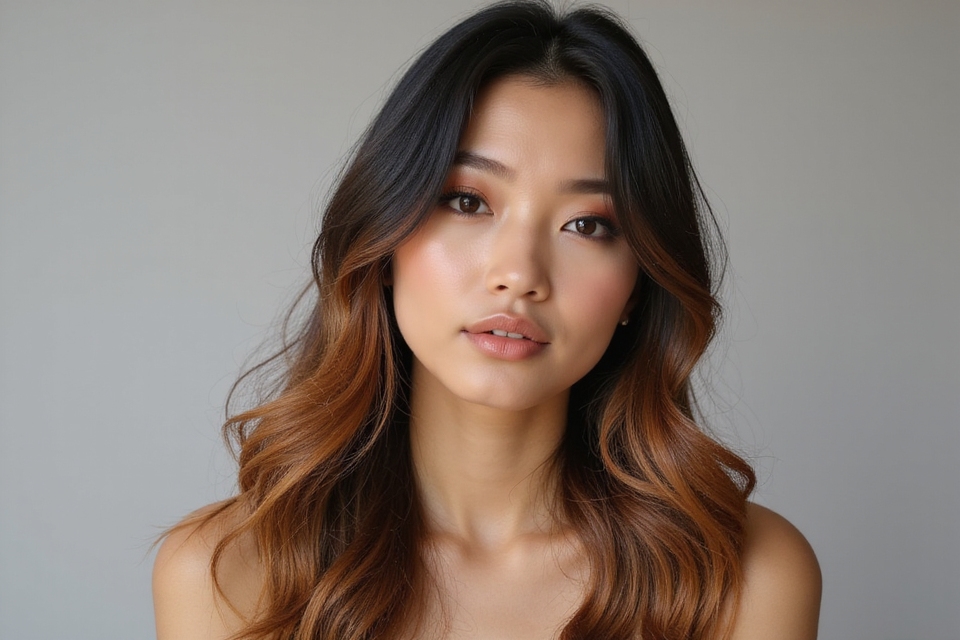
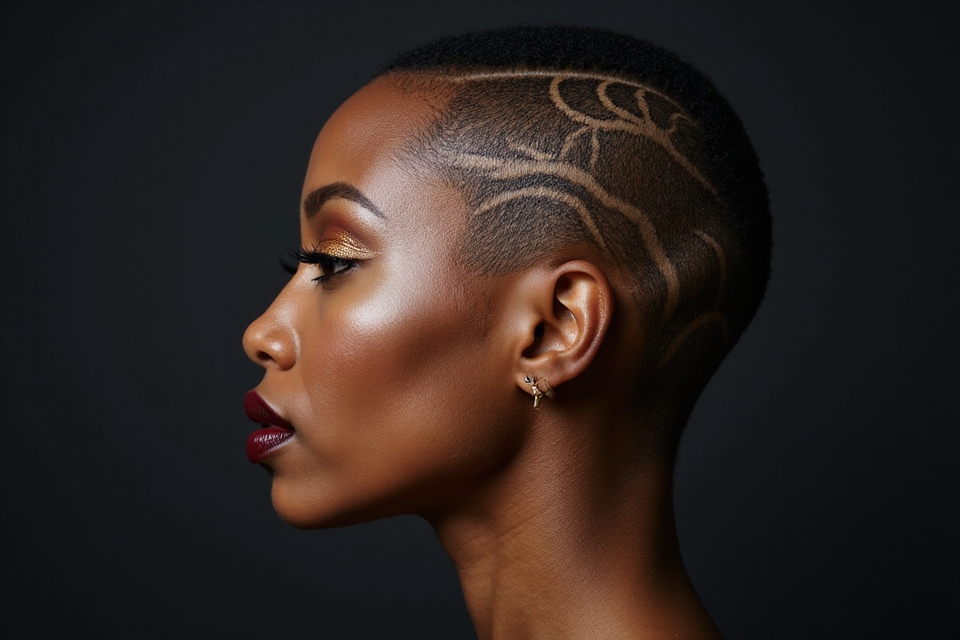
Hair has always been a canvas, and nowhere is that clearer than in freehand scalp design. With nothing but clippers, a trimmer, and a steady hand, a skilled barber can sketch lines, geometry, portraits, and stories directly onto the scalp, no stencil, no guide, just freehand artistry. It is one of the boldest, most personal forms of self-expression in beauty.
This is an art form with deep roots, carried for generations through African and Black diaspora barbering traditions, and it is having a creative renaissance now. Below I walk through the craft behind it: the tools, the techniques, the culture and meaning, the artists, and how to get a design of your own. Treat it as a tour of a living art form rather than a how-to checklist.
Key Takeaways
- Freehand hair design uses clippers and trimmers to sketch patterns directly onto the scalp, with no stencils, relying entirely on the artist’s skill.
- The craft is rooted in African and Black diaspora barbering traditions, where hair design has long carried cultural meaning and identity.
- Designs range from simple lines and geometry to full portraits, and many are temporary, growing out within weeks.
- Finding a barber who specializes in freehand work, and respecting the culture it comes from, matters as much as the design itself.
- It is one of the most affordable, low-commitment ways to wear true wearable art, since it grows out and changes with you.
Why Scalp Art Is Thriving Now
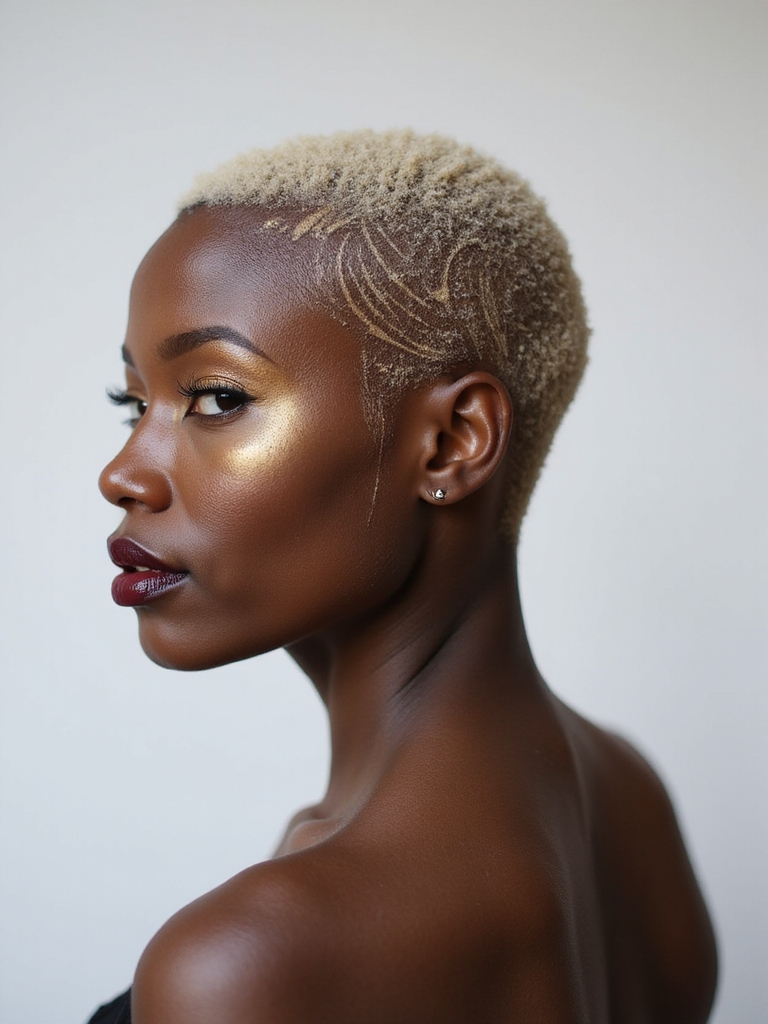
Freehand scalp art is everywhere right now, and the reasons go beyond trend. Social platforms have given barbers a global stage, so a design carved in one city can inspire someone halfway around the world by morning. The work is finally getting seen as the fine art it always was.
There is also a hunger for individuality. In a world of mass-produced everything, a one-of-a-kind design sketched onto your own head is about as personal as beauty gets. No two are alike, and no one else can wear yours.
And it is accessible. A design costs a fraction of most body art, grows out on its own, and can change every few weeks. That low-stakes freedom is a big part of why so many people are trying it.
The Freedom of Designing on Hair
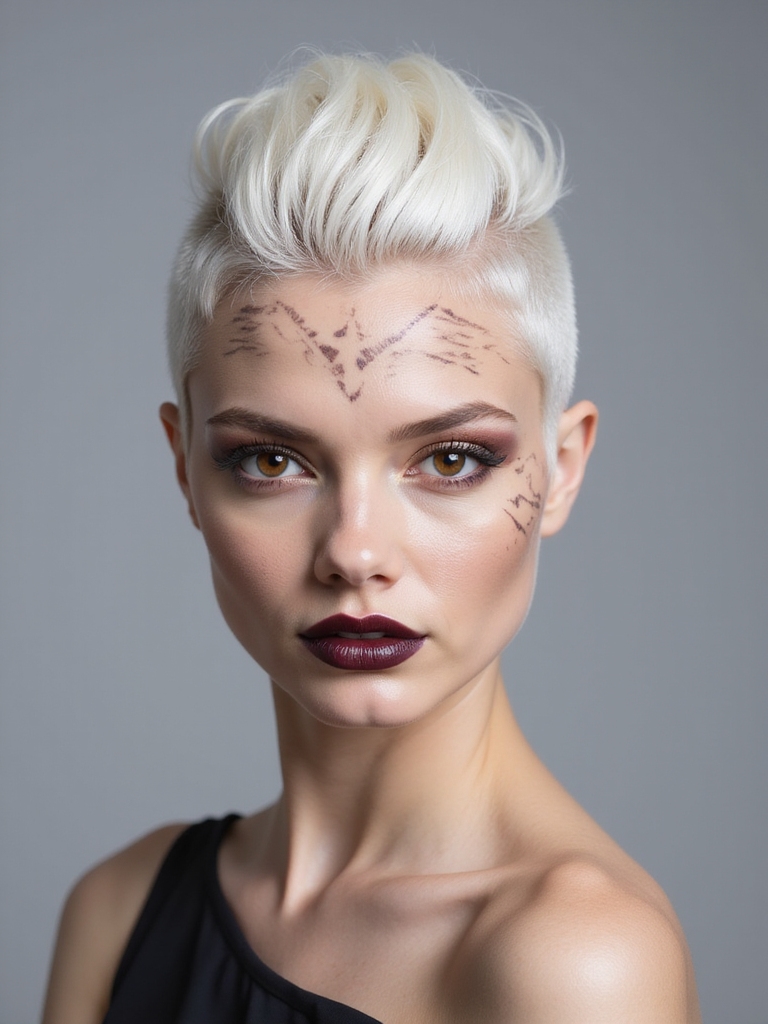
What makes hair such a thrilling medium is how forgiving it is. Unlike a tattoo, a freehand design is not permanent, so an artist can take real creative risks knowing it will grow out. That freedom shows up in the boldness of the work.
It also means the wearer can experiment. You can try a daring geometric pattern for one event, then go clean the next month, treating your own head like a rotating gallery.
- Low commitment: most designs fade with regrowth in two to four weeks.
- Endless range: from a single sharp line to dense, layered patterns.
- Personal: the design can mark a mood, a milestone, or just a whim.
Hair as Genuine Wearable Art
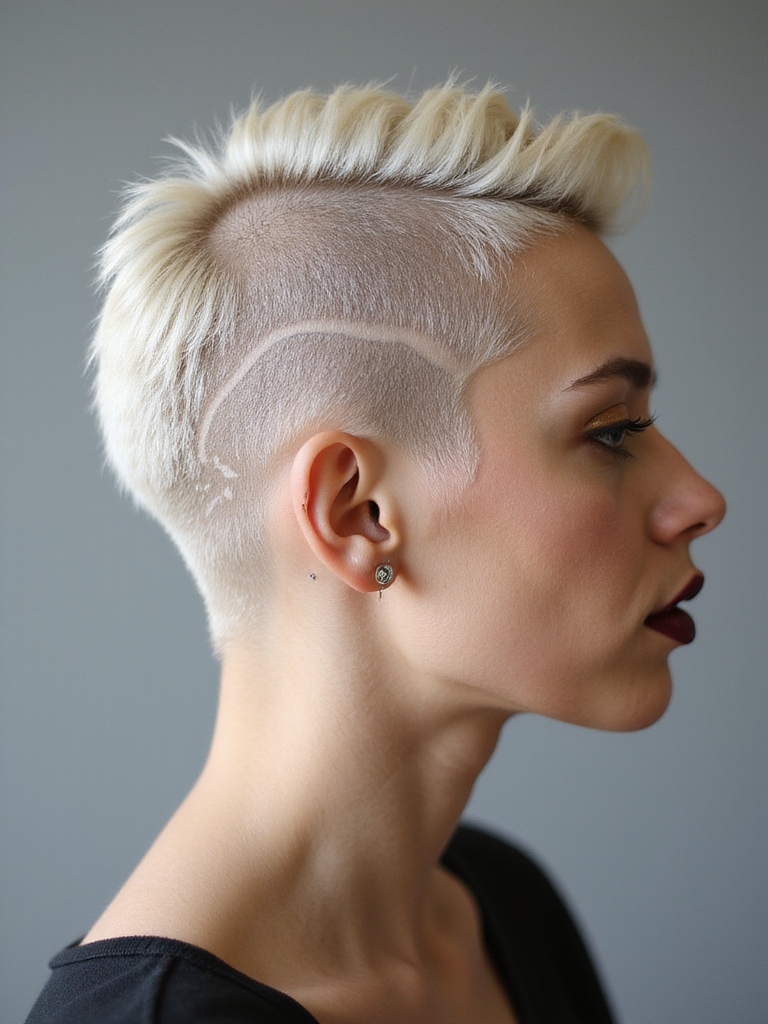
Calling these designs wearable art is not an exaggeration. The best freehand work shows composition, balance, negative space, and line weight, the same principles a painter or sculptor uses, applied to the curve of a living head.
- Composition: the design is mapped to the shape of the head and the hairline.
- Negative space: shaved areas and left-in hair work together as figure and ground.
- Movement: lines follow the contours of the skull so the art looks alive in motion.
Creative Self-Expression Starts With a Conversation
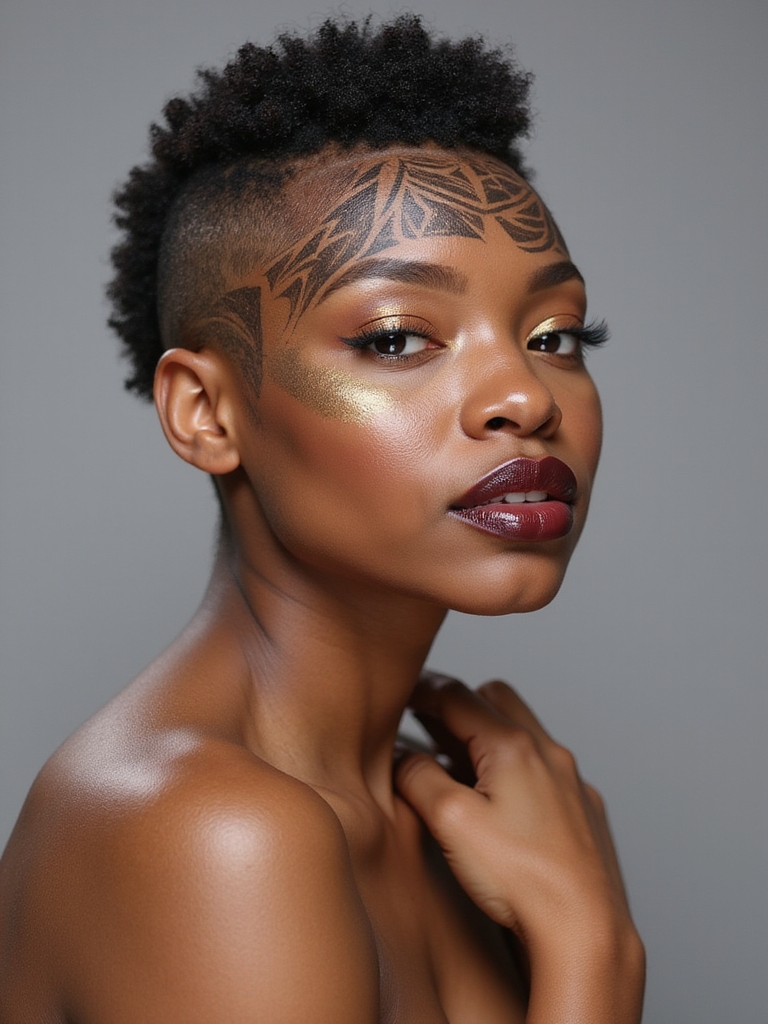
A good freehand session starts with a talk, not a clipper. The artist asks what you want the design to say, looks at your hair type and the shape of your head, and sketches an idea that fits you specifically. It is a collaboration, and the best results come from being honest about what you love and what you are nervous about.
From there it is pure skill. The barber works freehand, building the design line by line, checking proportion against your features as they go. Watching it happen is part of the experience, like sitting for a portrait that ends up being you.
How a freehand design session usually goes:
1Consult
You and the artist talk through ideas, references, and what suits your head shape and hair type, then agree on a direction.
2Map and sketch
The barber lightly maps the design and begins carving freehand, building it line by line and checking proportion as they go.
3Refine and finish
Edges are sharpened, any color is added, and the design is cleaned up. You get the mirror tour, and aftercare is explained.
The Tools Behind the Craft
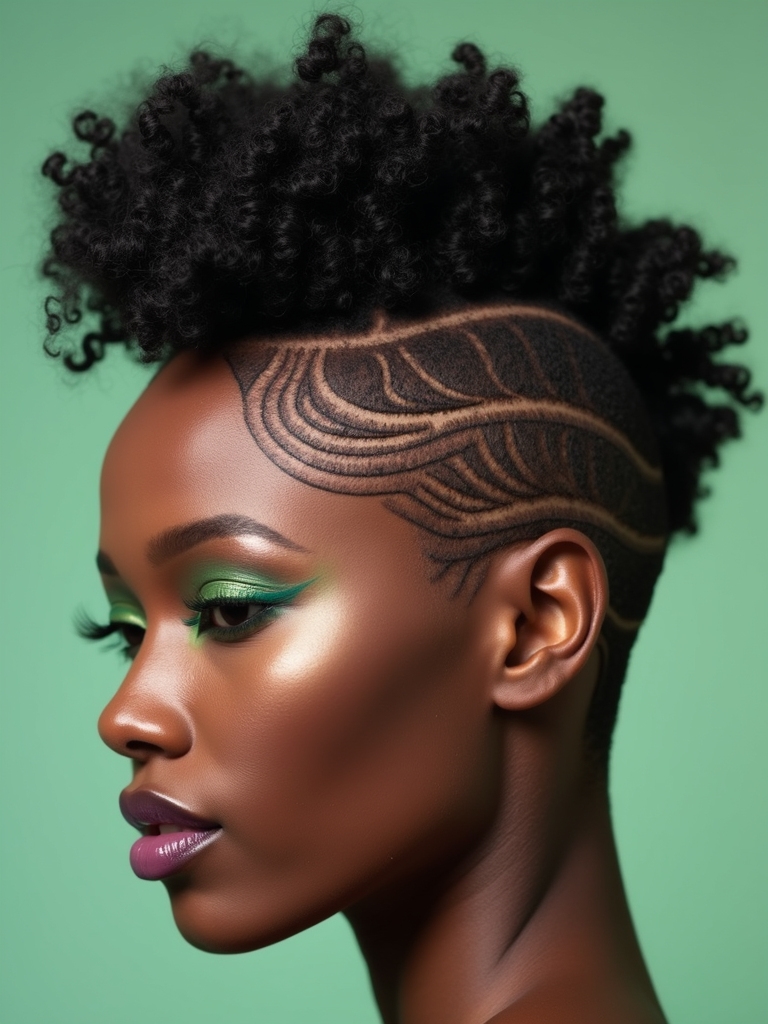
The toolkit is surprisingly compact, which makes the skill behind it even more striking. Most of the artistry comes down to a few precise instruments and thousands of hours of practice with them.
- Trimmers and T-liners for the finest, sharpest lines and detail work.
- Clippers with various guards to grade depth and create shading.
- A straight razor for the crispest edges and the cleanest negative space.
Custom Designs as Personal as a Signature
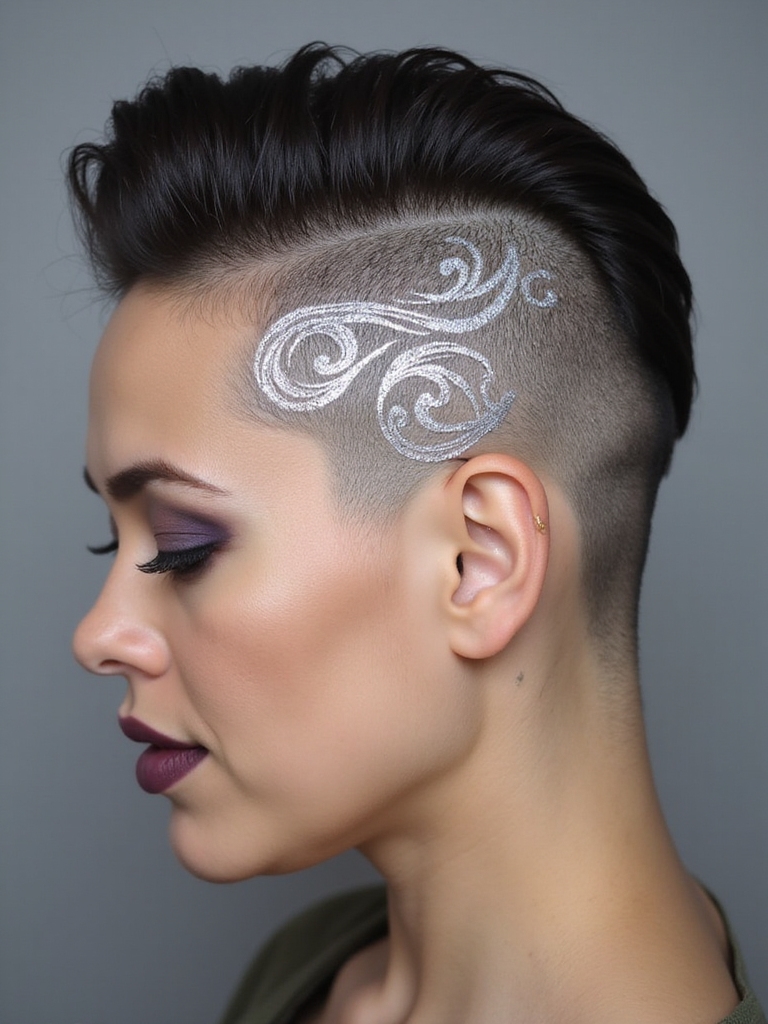
The whole point of freehand is that it is custom. There is no catalog number, no repeated stencil, just a design made for one head on one day. That uniqueness is what draws people who want to look unmistakably like themselves.
Some choose abstract patterns purely for their beauty. Others build in personal meaning, initials, a symbol, a nod to where they are from, so the design carries a story only they fully know.
Because it grows out, you are never locked in. Many regulars build an evolving relationship with one artist, refining and changing their look over months like an ongoing project.
Expression That Goes Beyond Words
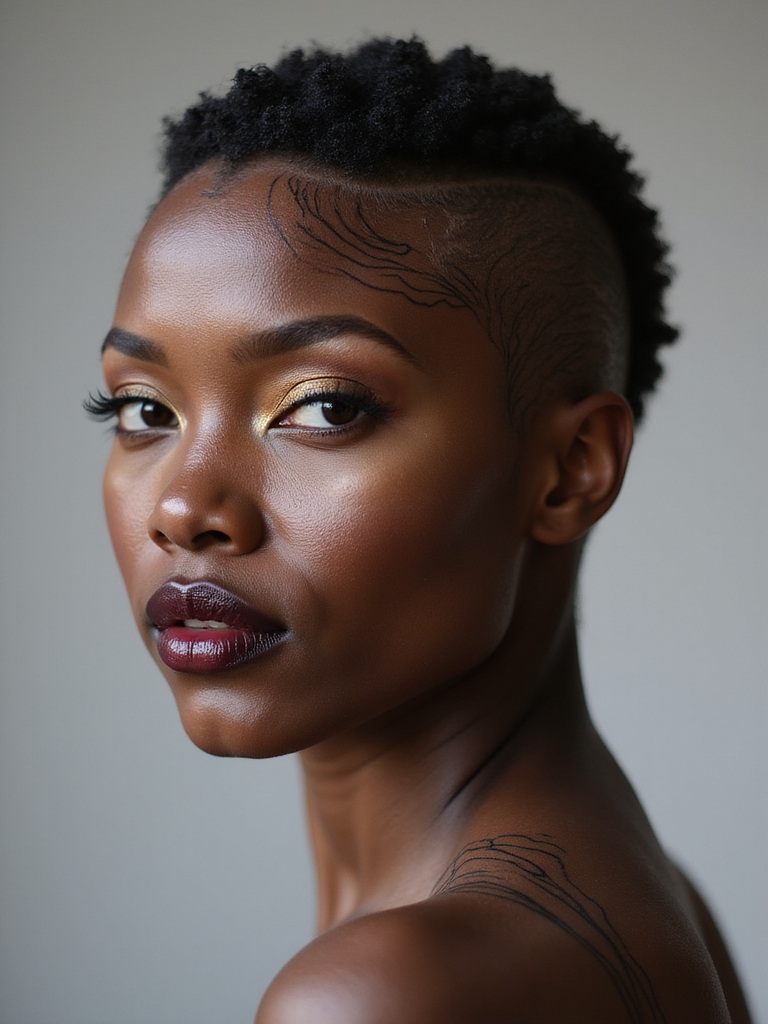
For many people, a freehand design says something they cannot put into words. It can signal confidence, creativity, grief, joy, or belonging, all without a single sentence. That is a rare and powerful thing in everyday self-presentation.
It is also a reclaiming of attention. Choosing to wear bold art on your head is a way of saying you decide how you are seen, which is exactly why the work resonates so deeply with the people who wear it.
Cultural Symbolism in Hair Design
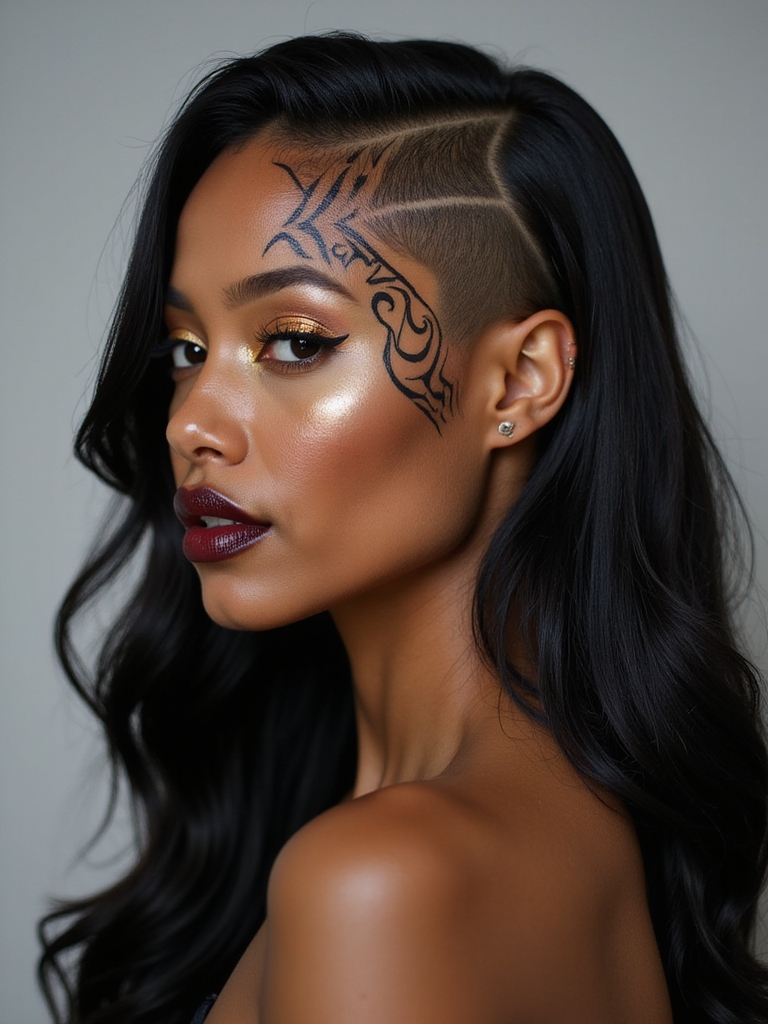
Hair design as communication is not new. Across many African cultures, hairstyles have long signaled age, status, lineage, marital state, and community, with specific patterns carrying specific meanings. Freehand scalp art sits within that long, rich lineage.
- Identity: patterns historically marked which group or family a person belonged to.
- Status and role: certain designs signaled standing within a community.
- Continuity: today’s freehand artists carry that tradition of meaning forward into a modern form.
When the Scalp Becomes a Portrait
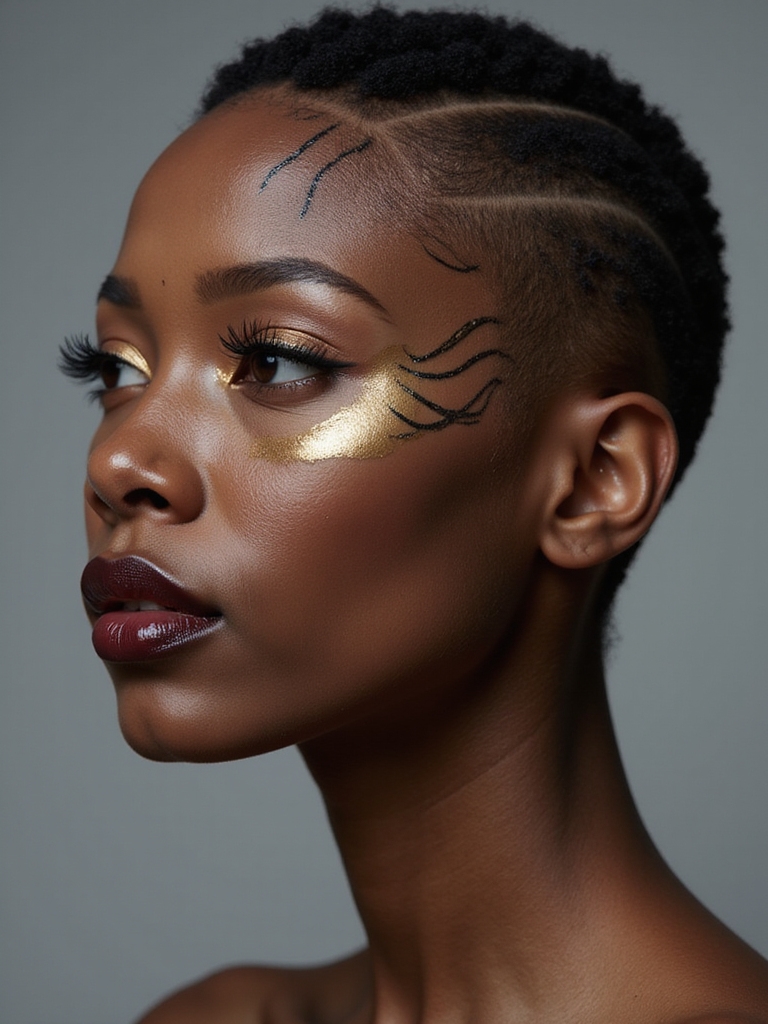
At the very top of the craft, some artists carve recognizable portraits, faces, logos, even detailed scenes, into the hair. This is the freehand equivalent of photorealism, and it takes extraordinary control to render a likeness using only depth and line.
Portraits are usually reserved for special occasions or tributes, since the detail involved is immense and the work is painstaking. A single piece can take hours in the chair.
Seeing one in person is deeply moving. The fact that it is rendered in something as ordinary as hair, and that it will gently fade, gives it a quiet, temporary beauty that a framed picture never has.
Adding Color to the Canvas
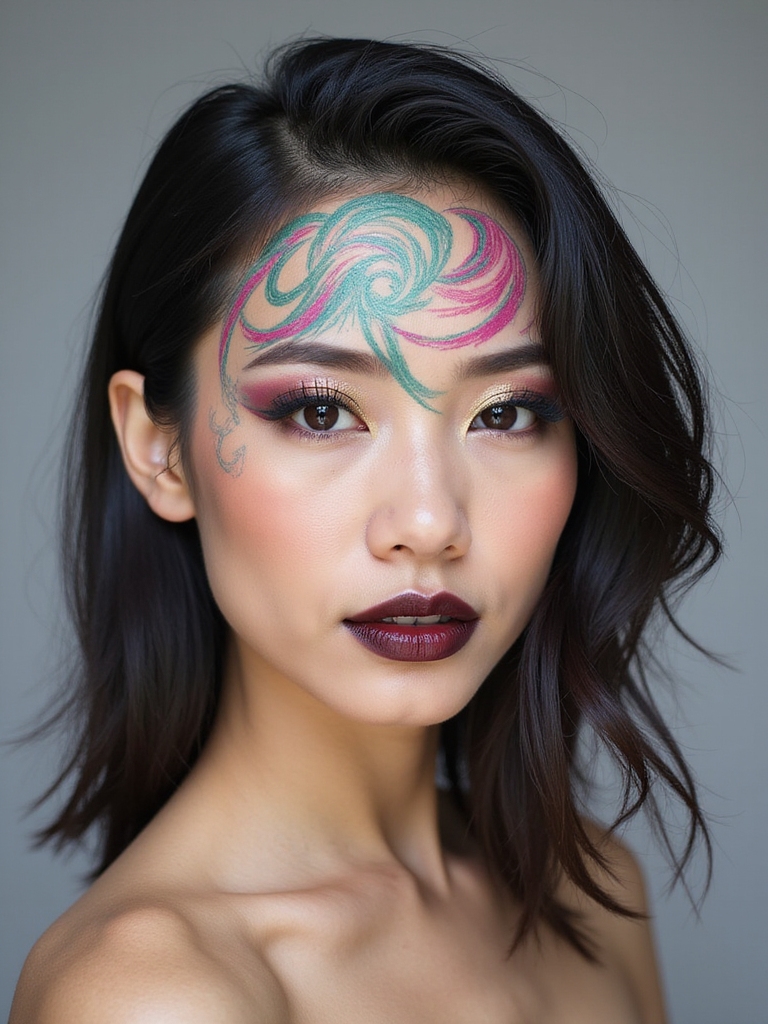
Color takes freehand work to another level. Layering bright or graphic color into a carved design adds a second dimension, so the pattern reads from across a room and the artistry doubles. It is bold, joyful, and increasingly popular, and it pairs naturally with the kind of statement shades I cover in my exotic hair color guide.
- Temporary color sprays wash out fast and are great for one-off events.
- Semi-permanent dyes last through the life of the design as it grows.
- Stencil-free color blocking lets the artist paint within the carved lines freehand.
Where Tattoo Technique Meets Hair
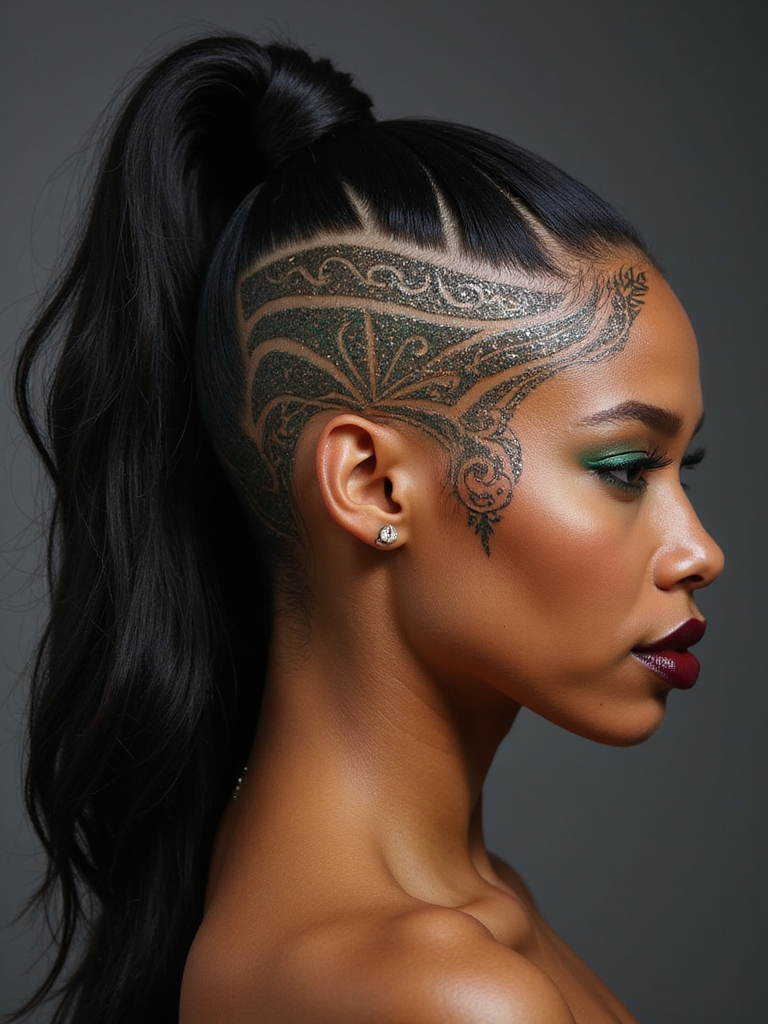
Many freehand artists borrow the visual language of tattooing, fine-line work, stippling, shading, geometric repetition, and translate it into hair. The crossover makes sense, since both are about rendering detailed art on the body with a precise tool and a steady hand.
The big difference is permanence, which changes the creative stakes entirely. A tattoo artist commits forever; a hair artist gets to experiment, knowing the canvas renews itself in weeks.
- Fine-line detail borrowed from tattoo flash translates into crisp clipper lines.
- Shading and gradients are built with graded guards instead of ink density.
- Geometric repetition patterns scale beautifully across the curve of the head.
Learning the Craft Through Mentorship
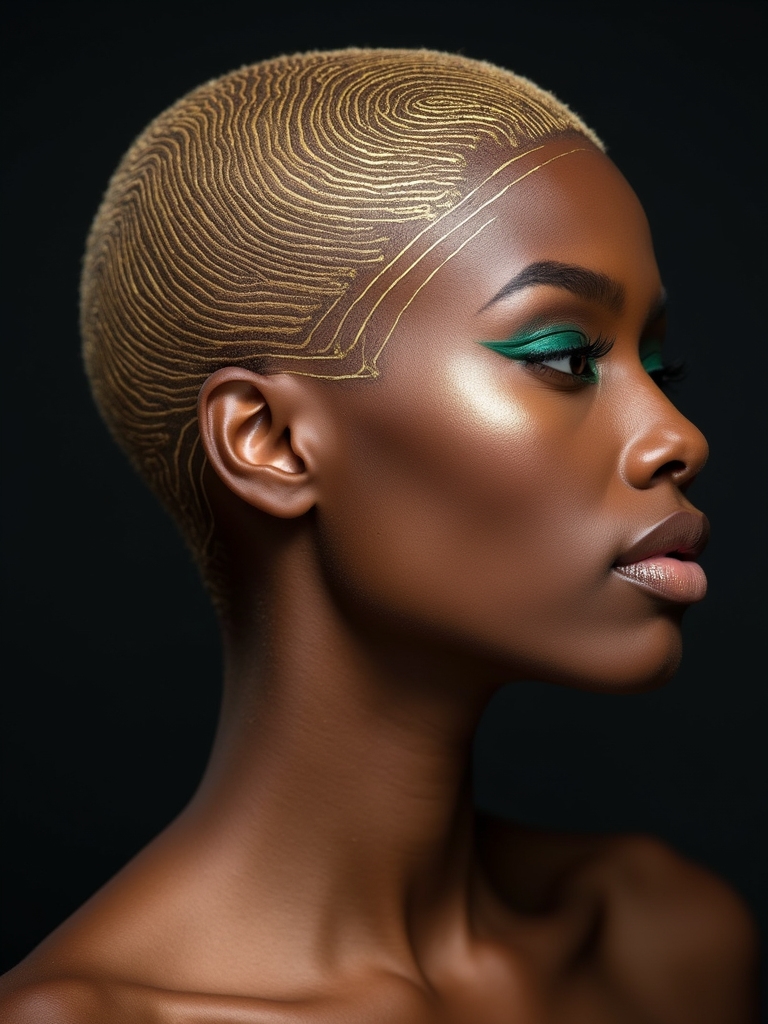
This skill is rarely learned from a book. It passes from mentor to apprentice, barber to student, often within communities and family shops, through years of watching, practicing, and being corrected. That hands-on lineage is part of what keeps the quality, and the culture, alive.
If you are drawn to learning it, seek out a working artist whose style you admire and ask about apprenticing. The path is demanding, but the community around it is generous to those who show up to learn with respect.
- Practice relentlessly on mannequin heads before ever touching a client.
- Study the roots of the art, not just the trending designs.
- Find a mentor whose work and values you truly respect.
📋Choosing a Freehand Artist
- ✓Look at healed, real-life results, not just filtered before-and-after photos
- ✓Confirm they specialize in freehand design, not only standard cuts
- ✓Ask about their training, mentors, and experience with your hair type
- ✓Choose someone who respects and credits the culture the art comes from
How Social Media Fuels the Art
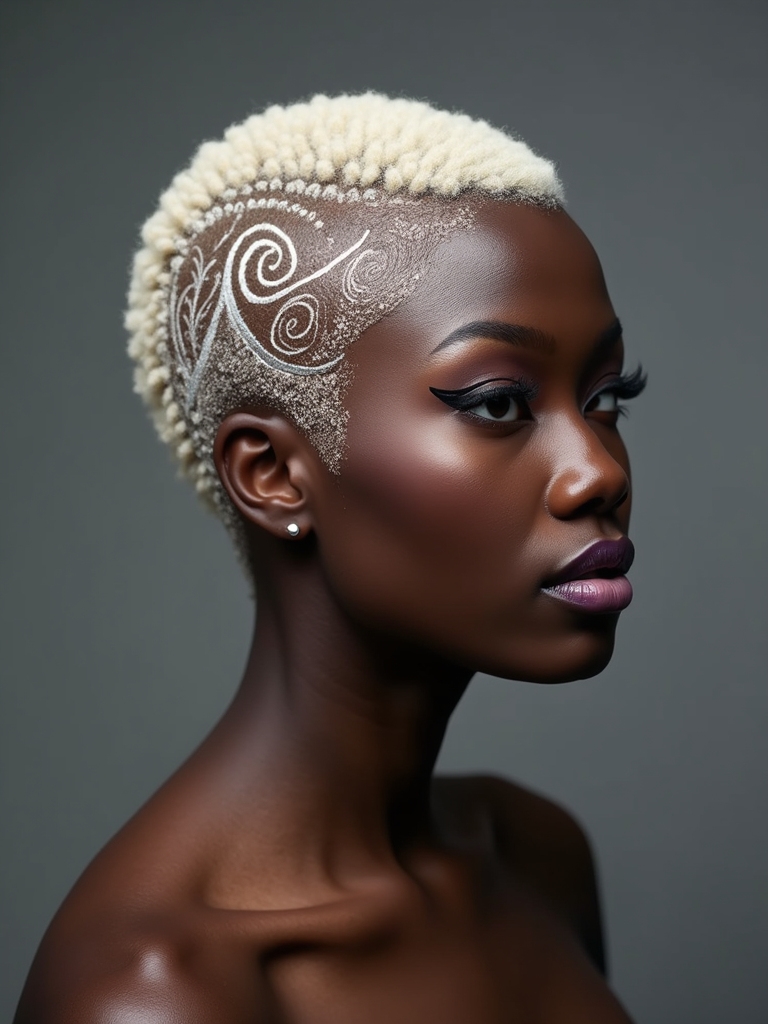
Short-form video changed everything for freehand barbers. A time-lapse of a design coming together is mesmerizing, and it travels fast, so talented artists who once worked in obscurity now reach huge audiences and book clients worldwide.
- Exposure: skilled barbers build global followings from a single chair.
- Inspiration: clients arrive with saved references and clearer ideas.
- Connection: artists trade techniques across cities and countries online.
Celebrity Hairstyles and the Spotlight
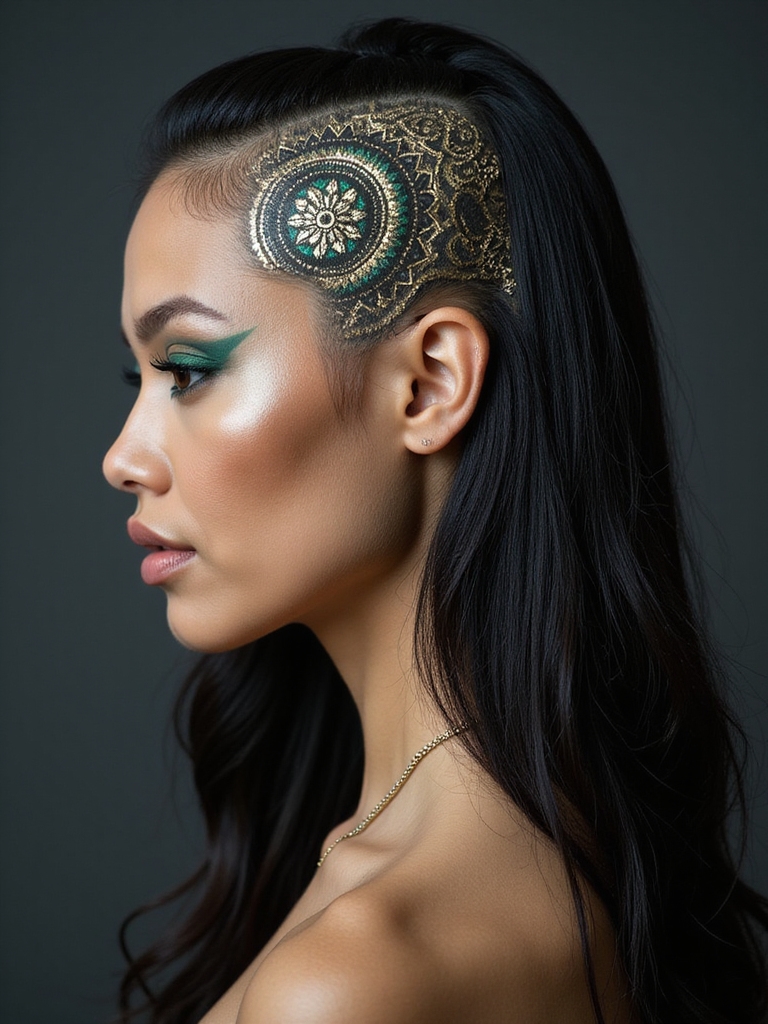
When public figures step out with a striking carved design, it pushes the art further into the mainstream. Athletes, musicians, and performers have long used freehand work to make a statement on stage and on the field, and that visibility opens doors for the artists behind it.
The attention is a double edge. It raises the profile and the rates of skilled barbers, which is wonderful, but it also risks separating the look from its cultural roots if people forget where it comes from.
The healthiest version of the spotlight credits the artists and the tradition, not just the famous head wearing the work. Naming the barber matters.
Eco-Friendly, Temporary by Nature
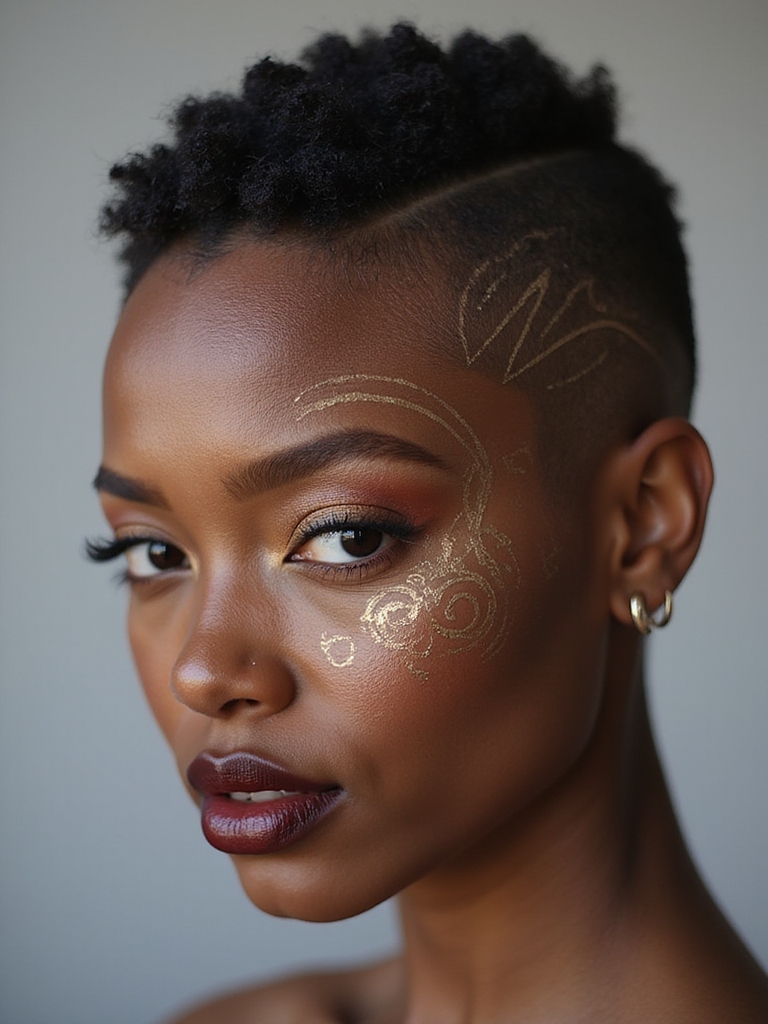
There is a quiet sustainability to freehand hair art that is easy to overlook. The medium is your own hair, the design fades on its own, and there is no lasting waste, which makes it one of the lowest-impact ways to wear bold, changeable art on your body.
- No permanent materials: the canvas is hair that grows back.
- Minimal product: a clean design needs little beyond clippers and care.
- Choose gentle color: ammonia-free and temporary options keep it kinder still.
The Precision It Demands
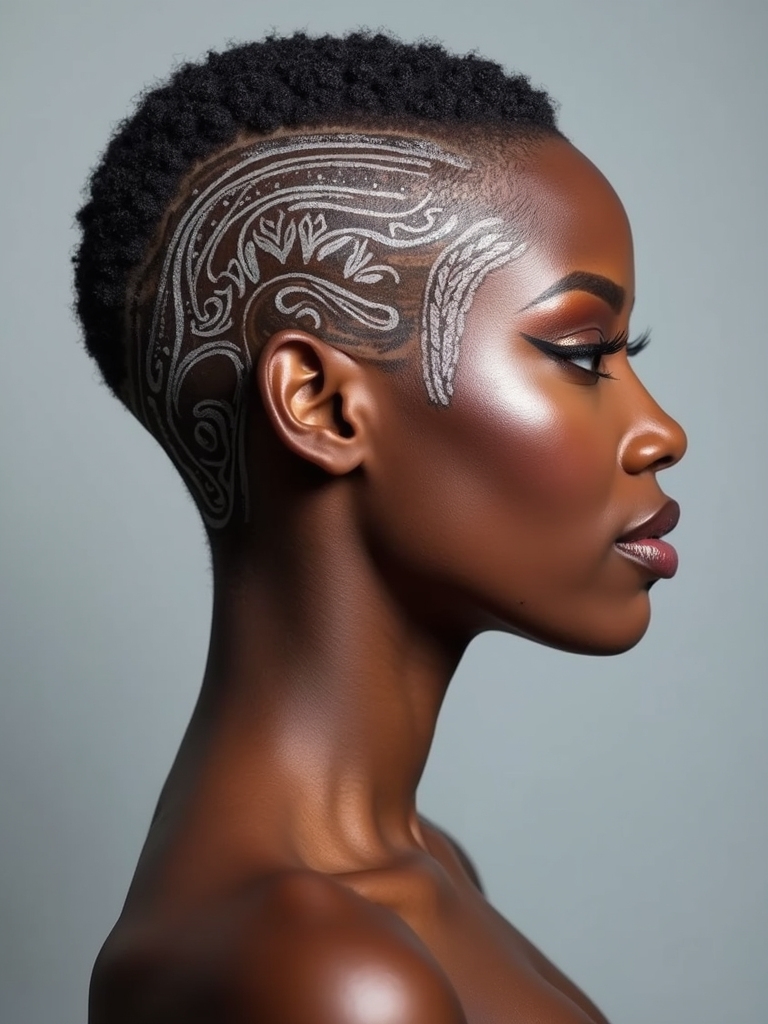
Make no mistake, this is exacting work. The scalp is curved, the hair is the only ink, and there is no undo button. A line cut too deep or at the wrong angle cannot be put back, so the artist must commit with total confidence on every pass.
That is why true freehand work commands the price and respect it does. The steadiness, the spatial reasoning, and the years of practice behind a clean design are enormous, even when the finished piece looks deceptively simple.
- No stencil: every line is judged and placed by eye.
- No undo: a misplaced cut means reworking the whole design.
- Curved canvas: the artist accounts for the shape of the head at every step.
Telling Stories Through Sketching
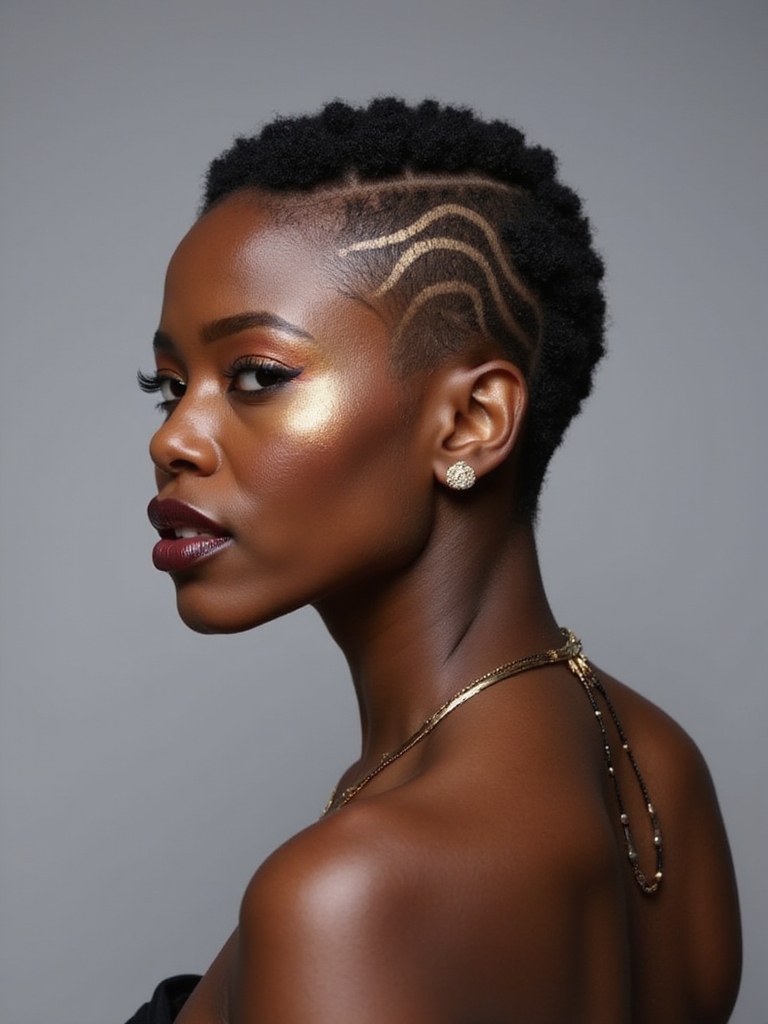
Some of the most powerful freehand work tells a story. Artists carve symbols of heritage, maps of where someone is from, tributes to people they have lost, or motifs from their culture, turning the head into a narrative surface that the wearer carries with pride.
Hair as a Surface for Memory
This storytelling tradition is especially meaningful within Black communities, where hair has long been a site of identity, resistance, and celebration. A design can be a quiet act of honoring roots and ancestors.
Approached with that understanding, a freehand design becomes more than decoration. It is a way of wearing memory and meaning in public, which is what lifts the very best of this art.
ℹ️Good to Know
Hair as a carrier of identity and status is ancient and global. In many African societies, specific braided and carved patterns historically signaled a person’s community, age, or role, a tradition that directly informs the meaning carried in freehand scalp art today.
Hair Worn as Wearable Art
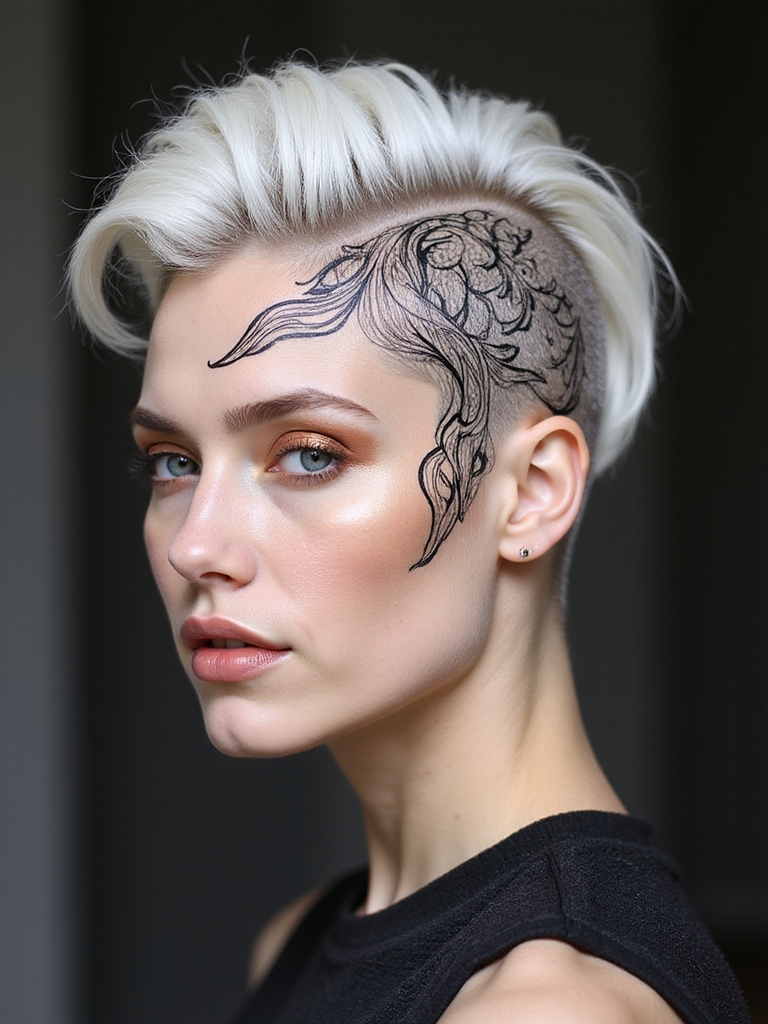
Step back from any single design and the bigger idea comes into focus: the whole head is a gallery, and the wearer is both the canvas and the curator. People plan designs around events, outfits, and moods the way others plan jewelry or a statement coat.
This reframing matters. When you treat your hair as art, you start making bolder, more intentional choices, and you collaborate with your barber as you would with any artist whose work you collect.
It is also democratic. Anyone with hair and access to a skilled artist can wear original art, no gallery wall or budget required, which is part of what makes the form so joyful.
Fearless Beauty and the Confidence It Gives
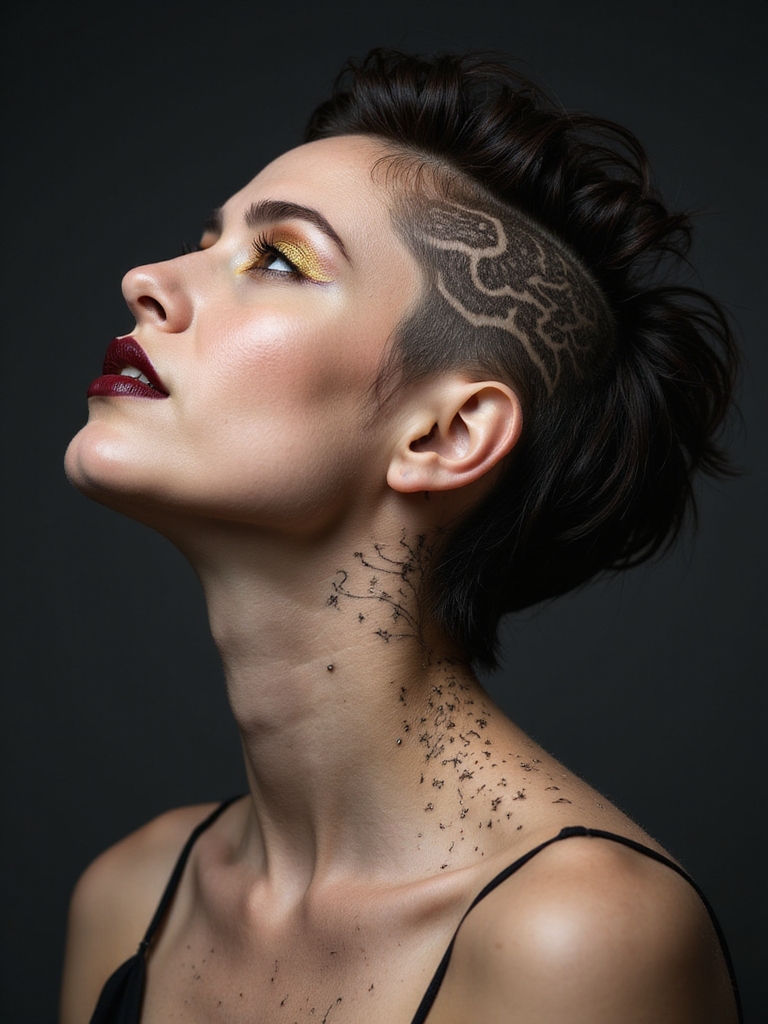
Wearing a bold design on your head takes a certain fearlessness, and it tends to give some back. There is a feedback loop where choosing something daring makes you carry yourself differently, and that shift is real. Clients often tell me a new design changed how they walked into a room.
That is the quiet magic of visible self-expression. It is not about everyone else’s approval; it is about the private satisfaction of looking like the boldest version of yourself, on your own terms.
The Self-Expression Trend, Here to Stay
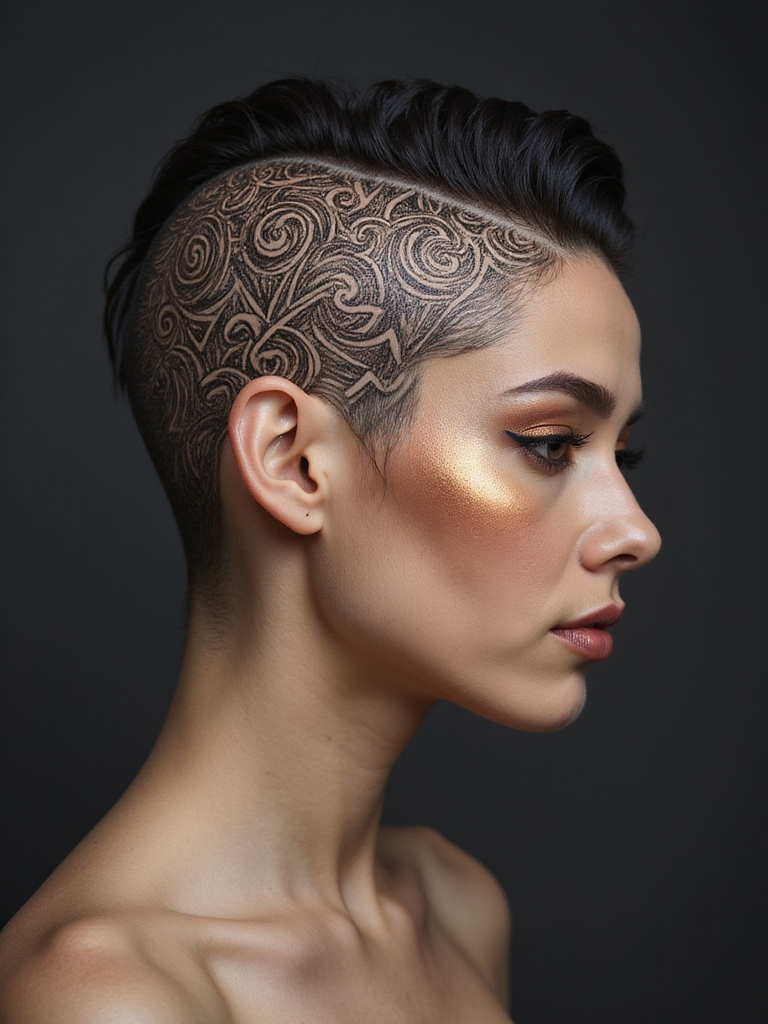
It would be easy to call freehand scalp art a passing trend, but its roots run too deep for that. What looks new to the mainstream is actually an old, continuous tradition finding fresh audiences and tools. That is why it keeps growing rather than fading.
As long as people want to express who they are without saying a word, this art will have a place. The styles will shift, but the impulse behind them is permanent.
- Rooted, not new: a long tradition reaching wider audiences.
- Tool-driven growth: better trimmers and video keep pushing the craft.
- A lasting impulse: the desire to express identity does not fade.
The Community Around the Chair
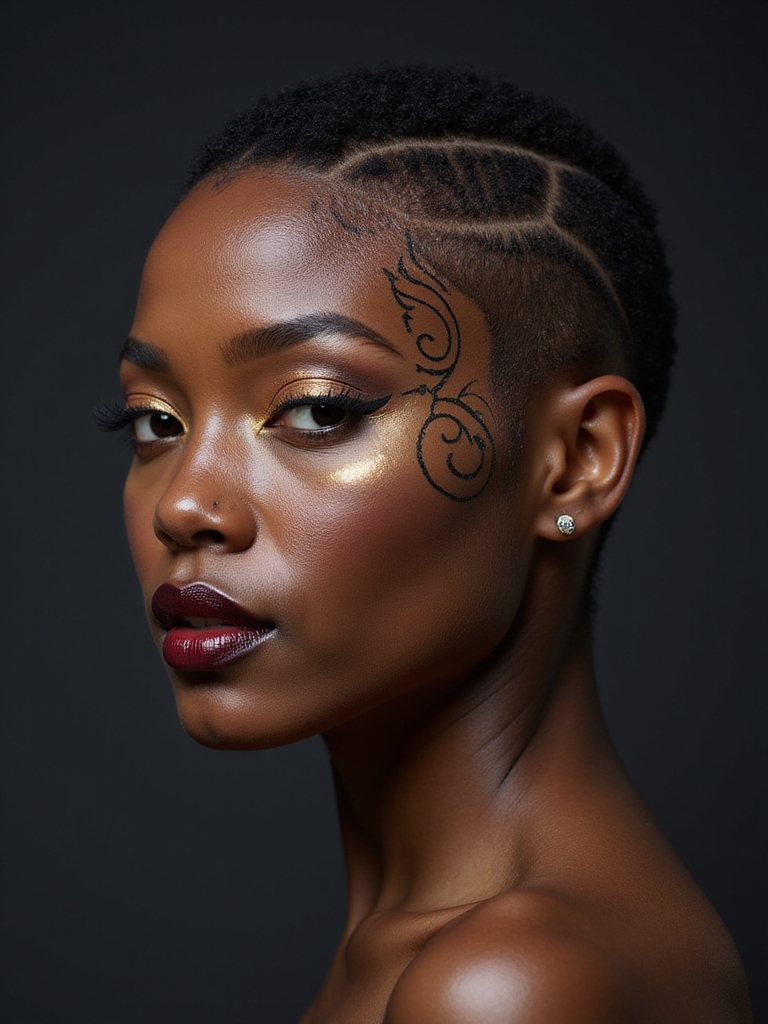
Freehand design has never been a solo act. The barbershop has long been a community hub, a place of conversation, mentorship, and belonging, and the rise of scalp art has deepened that. Artists support each other, share techniques, and lift up newcomers.
Why the Barbershop Matters
For clients, finding the right artist often means joining a little community too. You become a regular, you trust someone with your look, and you become part of the story of their shop.
That human connection is easy to forget when you only see the polished final photo. Behind every great design is a relationship, and often a whole room of people cheering the work on.
💡Stylist Tip
If it is your first freehand design, start simple. A single clean line or a small geometric accent lets you live with the feeling of wearing art before committing to a large, intricate piece, and it builds trust between you and your artist for the next, bolder design.
Colorful, Diverse, and Sustainable
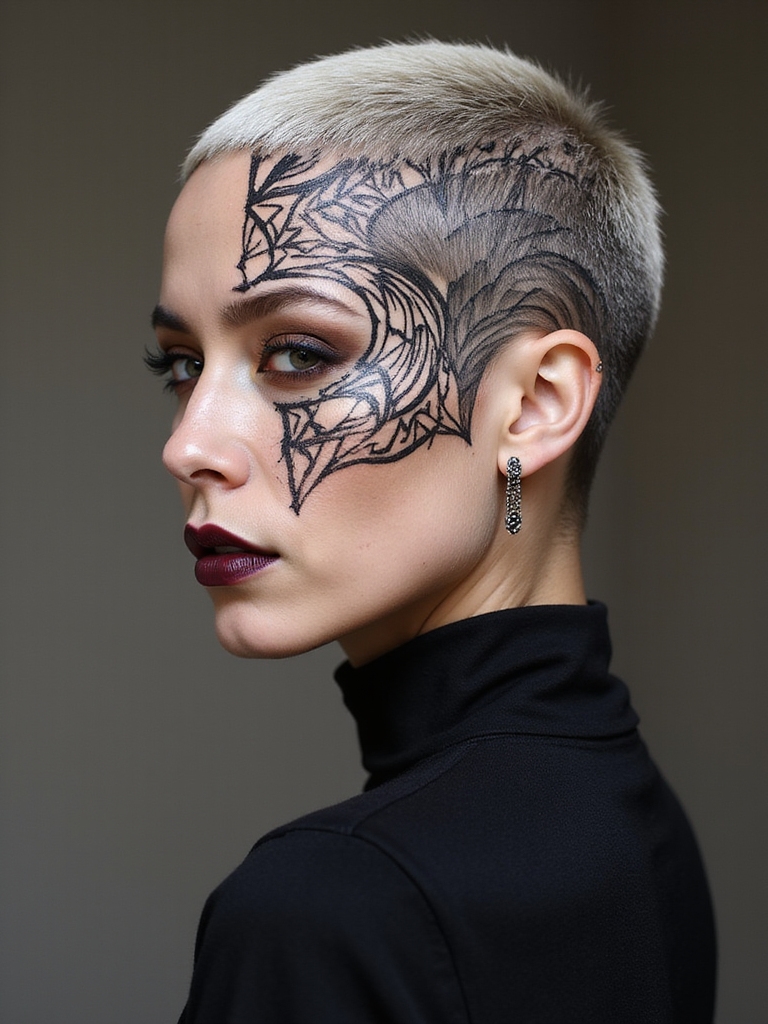
Looking ahead, the form is getting more colorful, more diverse, and more conscious. Artists are blending carved designs with bold color, working across every hair type and texture, and leaning into the medium’s natural sustainability.
The diversity matters most. As more artists from more backgrounds bring their own visual languages to the craft, the range of what is possible keeps expanding, and the art stays connected to the many cultures that shaped it.
That is a bright future: an art form that is personal, temporary, low-waste, and open to anyone willing to sit in the chair and trust the hand holding the clippers. For more on caring for textured hair styled boldly, see my formal curly hairstyles for work and events notes.
What to Expect
If you want a freehand design of your own, plan for the experience as much as the result. A simple line design is quick and affordable, often in the range of a detailed haircut, while an intricate portrait or multi-hour piece costs considerably more and should be booked well ahead.
Bring reference images, but stay open to the artist’s eye, since they know what will sit well on your head and hair type. Expect the design to look its sharpest for the first week or so, then soften as it grows, usually fading within two to four weeks depending on how fast your hair grows.
Aftercare is simple but worth doing. Keep the scalp clean and moisturized, protect it from sunburn on exposed shaved areas, and book a touch-up if you want to keep crisp lines longer.
Most of all, choose your artist carefully: look at healed, real-life work rather than only filtered photos, ask about their experience with freehand designs specifically, and approach the art with respect for the culture it comes from. The right barber turns a haircut into a piece you will be sad to see grow out.
Frequently Asked Questions
?What are freehand hairstyles?
Freehand hairstyles are designs sketched directly into the hair and scalp using clippers, trimmers, and a razor, with no stencils or guides. The artist works entirely by eye and hand, creating patterns, geometry, lettering, or even portraits as a form of wearable art.
?How long does a freehand hair design last?
Most designs look sharpest for about a week, then soften as the hair grows, typically fading within two to four weeks depending on your growth rate. That impermanence is part of the appeal, since you can change the look regularly with low commitment.
?Does a freehand design hurt or damage the hair?
No. It is done with clippers and trimmers on the surface of the hair and scalp, so it does not hurt and does not damage the hair, which simply grows back. Just protect any exposed, closely shaved areas from sunburn and keep the scalp clean and moisturized.
?How do I choose the right barber for freehand work?
Look for an artist who specializes in freehand design, review their healed real-life results rather than only edited photos, and ask about their training and experience with your hair type. Choosing someone who respects the culture the art comes from matters as much as their technical skill.
Wearing Art You Can Grow Out
Freehand hairstyles sit at a rare intersection of skill, culture, and pure self-expression. They turn an everyday haircut into something closer to a sketch, a sculpture, or a story, made by hand, worn with pride, and gently impermanent. From a single sharp line to a full carved portrait, the range is as wide as the artists are talented.
If the idea calls to you, start small, find an artist whose work and values you trust, and honor the tradition that built this craft. Then sit back and let someone turn your own hair into a piece of art, the kind you get to wear out into the world and grow out when you are ready for the next one.
Don’t Miss These