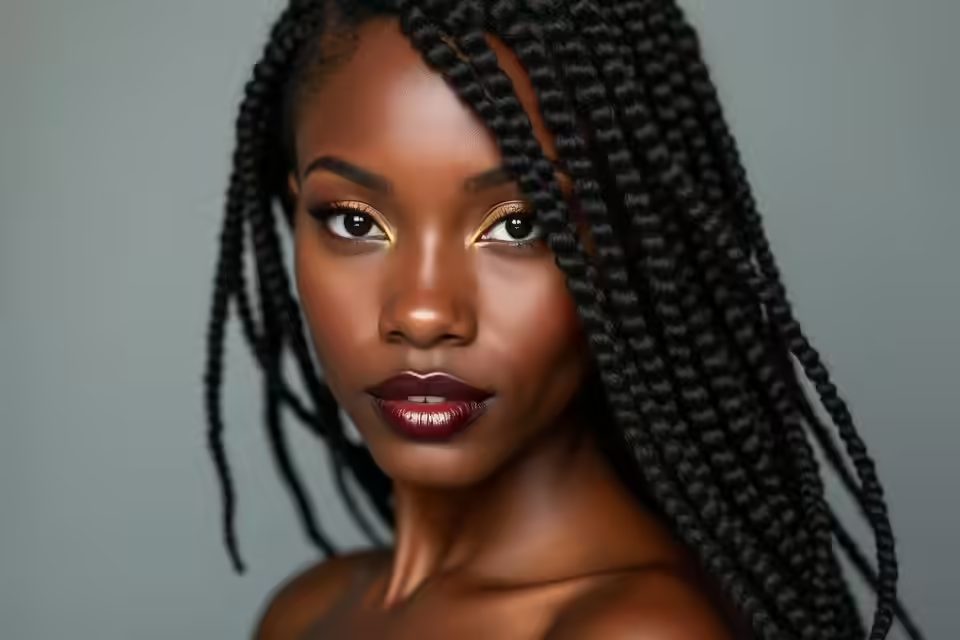
Here’s the myth worth retiring first: that locs are a single, fixed hairstyle you either have or don’t. They aren’t. Locs are a living process, formed over months and years, carrying deep cultural and personal meaning, and evolving in look and feel the whole way. The styling is the last chapter of a much longer story.
This guide steps back from the how-to-style-it angle to look at what locs actually are: where they come from, how they form, what the journey feels like, how to care for them, and the stubborn myths still worth correcting. Understanding that foundation makes every style you eventually wear, sleek or wild, colorful or bare, mean more. Let’s start with the roots, in every sense.
Locs at a Glance
| Aspect | The short version | Why it matters |
|---|---|---|
| Cultural roots | Ancient and global, with deep meaning in Black and African heritage | They carry history, not just trend |
| Formation | Hair coiled or twisted that mats into ropes over months | It’s a process, not a one-day style |
| The journey | Starter, budding, teen, mature, rooted stages | Locs change as they age |
| Care | Clean, moisturized, gentle tension, satin at night | Healthy locs last decades |
Strength, Rebellion, and Spirit in Locs
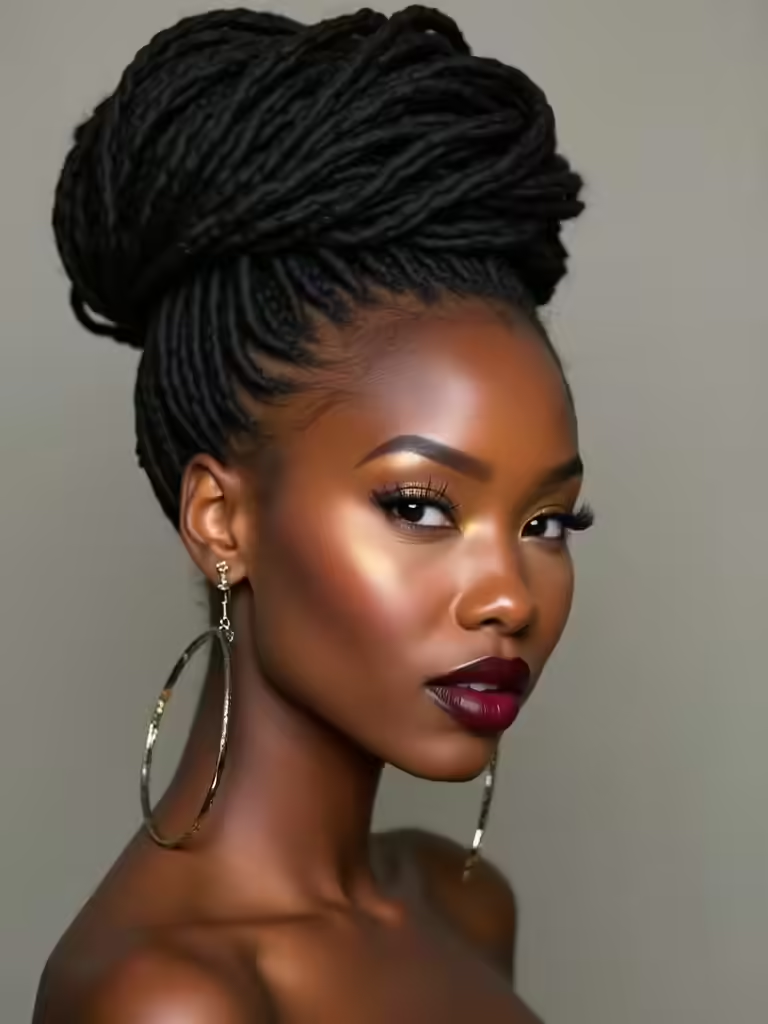
Long before they were a beauty trend, locs stood for something. Across history they’ve signaled strength, spiritual devotion, and a refusal to conform, and that weight is part of why they feel so personal to wear:
- Strength: locs have long been worn as a sign of resilience and inner conviction.
- Rebellion: at many points they’ve been a deliberate stand against narrow beauty standards.
- Spirit: in several traditions, growing locs is tied to faith, vows, and a spiritual path.
The Cultural Significance of Locs
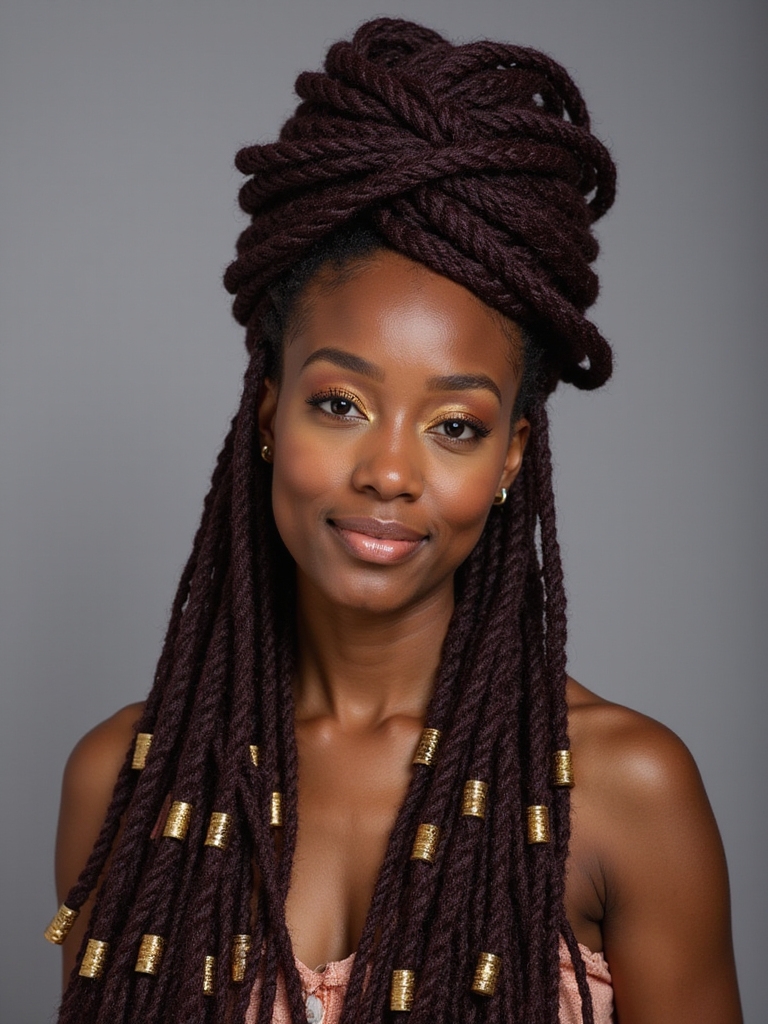
Locs carry deep cultural significance, with especially strong roots in Black and African heritage, where they’ve been worn for generations as a connection to ancestry, identity, and community. They’re also found in ancient cultures around the world, which is part of what makes their history so rich.
Because of that meaning, locs are more than a look, and the conversation around them, including who wears them and how that’s received, is a real and ongoing one. Wearing locs with awareness of that history, helps honor where they come from.
How Locs Symbolize Personal Identity
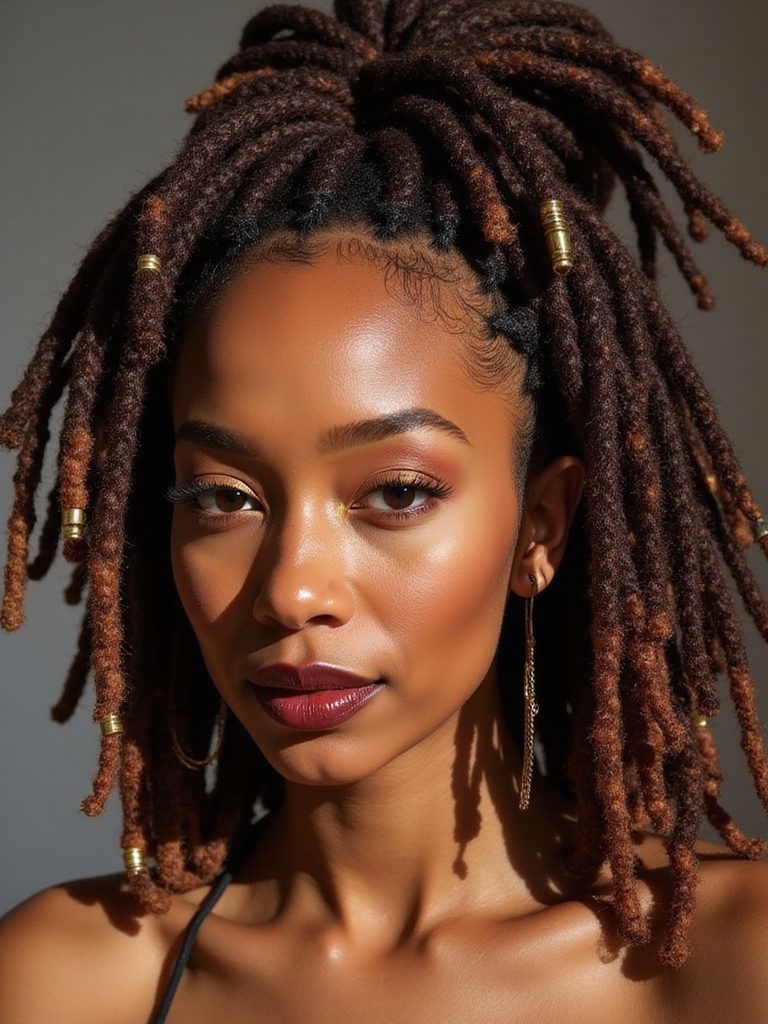
Beyond their shared history, locs become deeply personal. Because they form and grow over years, they end up holding a kind of timeline of your life, each inch representing months you lived while they grew.
Many people describe the decision to loc their hair as a turning point, a commitment to themselves and a release from the pressure to constantly change and conform.
That’s why no two heads of locs look alike: they take on the texture, thickness, and character of the person wearing them. The hair becomes a quiet, daily statement of who you are. For ways to wear that identity, my loc styling ideas pick up where this leaves off.
Where are you in the loc story? Start here:
🎯Just curious
Read up on formation methods and the journey stages before committing, and talk to a loctician about your texture.
🎯Brand new locs
Focus on a gentle routine, washing, light moisture, satin at night, and patience through the budding and teen stages.
🎯Mature locs
This is where styling opens up: updos, color, accessories, and sculptural looks are all on the table.
🎯Honoring the roots
Whatever your background, wear locs with awareness of their cultural significance rather than as a costume.
The Spiritual Significance of Locs
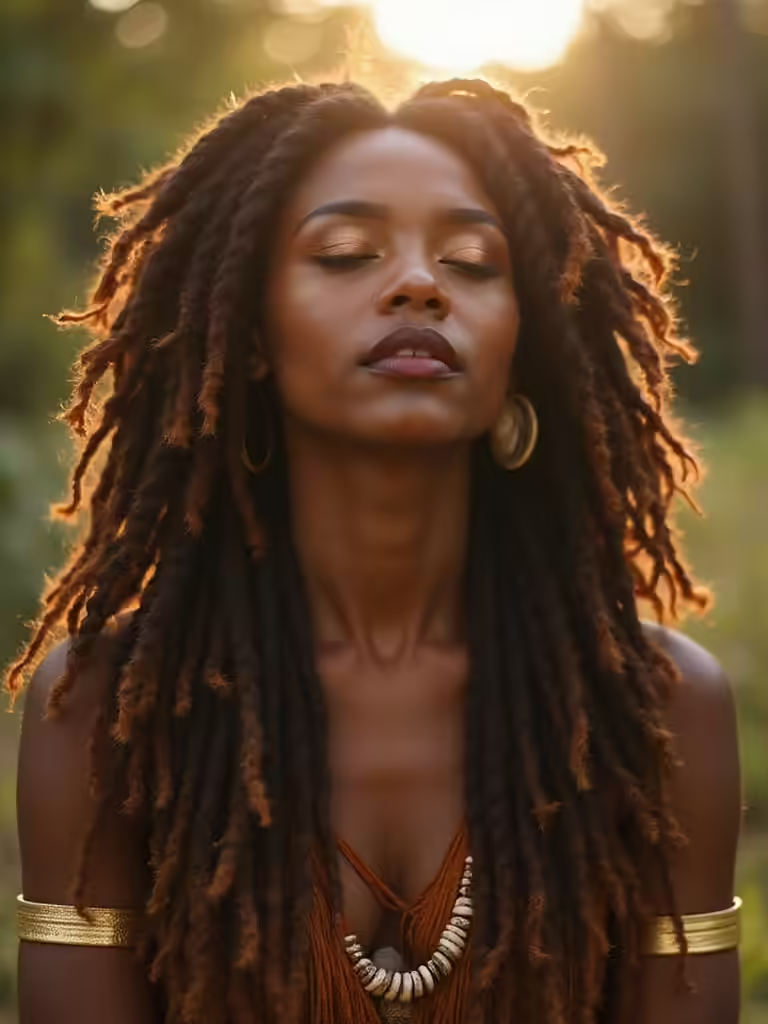
For many, locs are spiritual as much as aesthetic. In several faith traditions, letting the hair grow and lock is an outward sign of devotion, a vow, or a connection to something larger than the self.
Why the slow process is part of the meaning
The slow, patient nature of the process is part of that meaning. You can’t rush mature locs; they ask for time and care, which mirrors the discipline of a spiritual practice.
Even for those who wear locs without a specific religious meaning, many describe a sense of groundedness and intention that comes with them. The hair becomes a reminder of patience and self-acceptance worn every day.
An Overview of Loc Formation
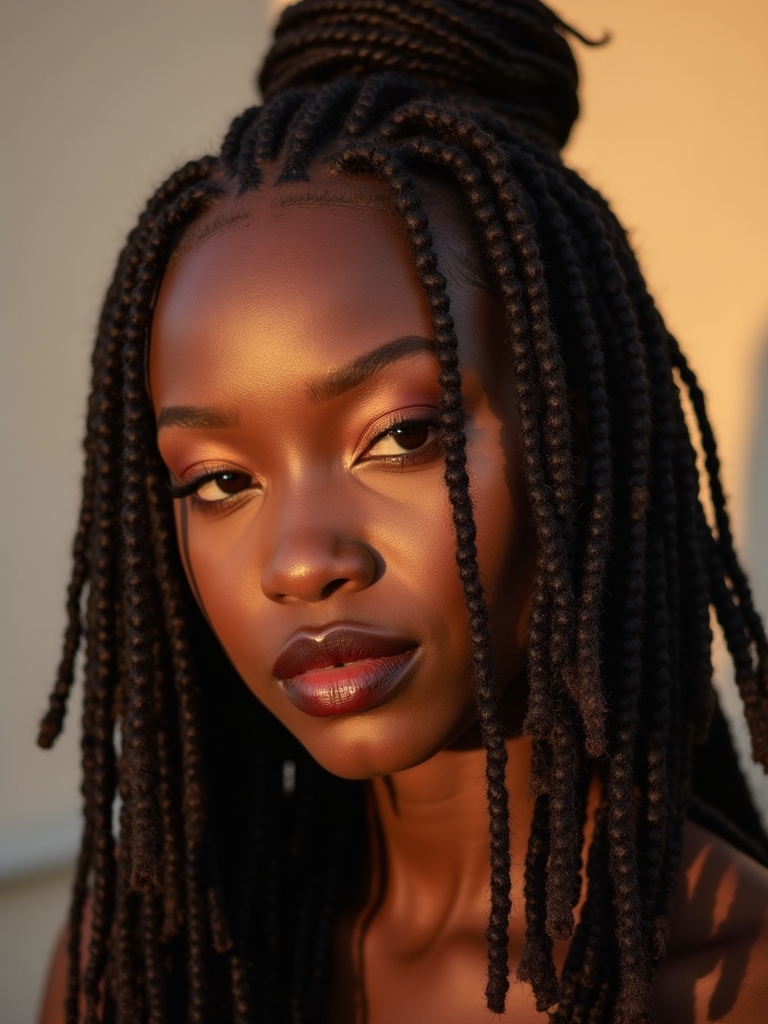
At their simplest, locs form when hair is allowed to coil, mat, and bind into rope-like strands instead of being combed apart. How you start that process shapes how the locs look as they mature, which is why the starting method matters.
There’s no single right way. Some methods are neat and uniform, others embrace a freer, more organic result, and the best choice depends on your hair texture and the look you want. A loctician can help you pick a method suited to your hair, which saves a lot of trial and error early on.
A professional starter session typically runs somewhere around $75 to $200 depending on your hair and method, with retwist maintenance visits often $50 to $100, and I always tell first-timers that money spent on a good start saves far more in corrections later.
Innovative Loc Formation Techniques
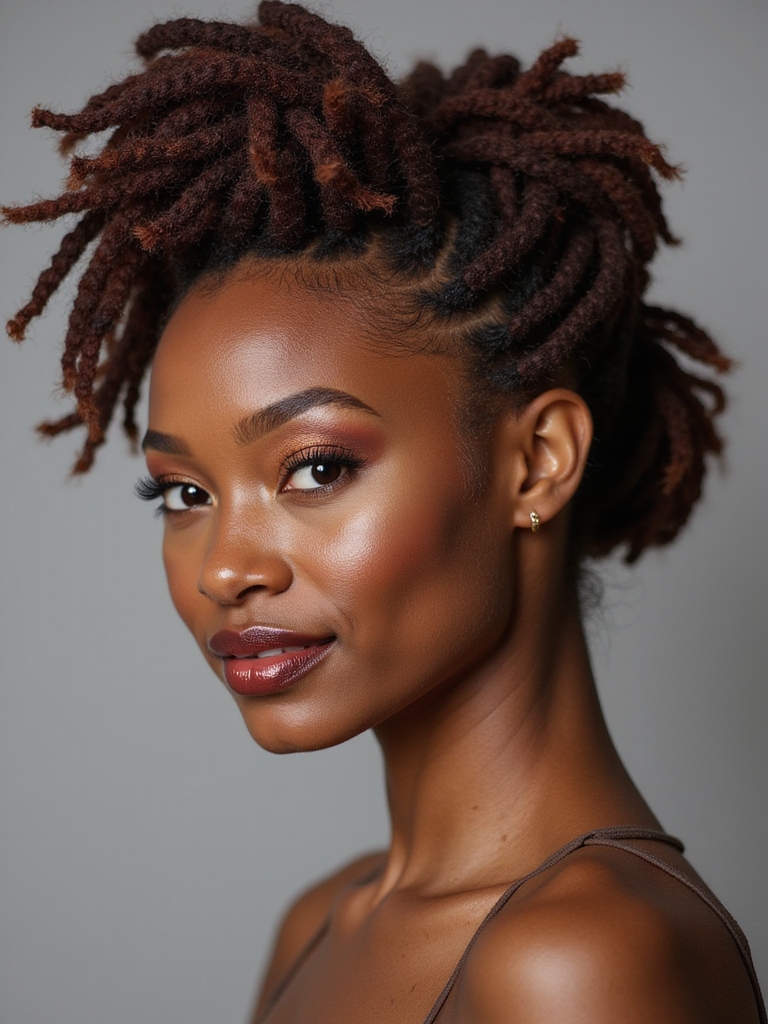
Beyond simply letting hair freeform, several established methods give you control over how your locs begin. Each suits a different texture and a different level of neatness.
Knowing the options helps you have a real conversation with a loctician rather than leaving it to chance.
- Two-strand twists and comb coils create defined, uniform starter locs and are popular on coily and curly textures.
- Interlocking pulls the ends through the root for a tight, low-maintenance loc that holds well.
- Backcombing and the freeform method offer fuller or more organic results; freeform especially lets the locs find their own natural shape over time.
Locs as Expressive, Unique Styles
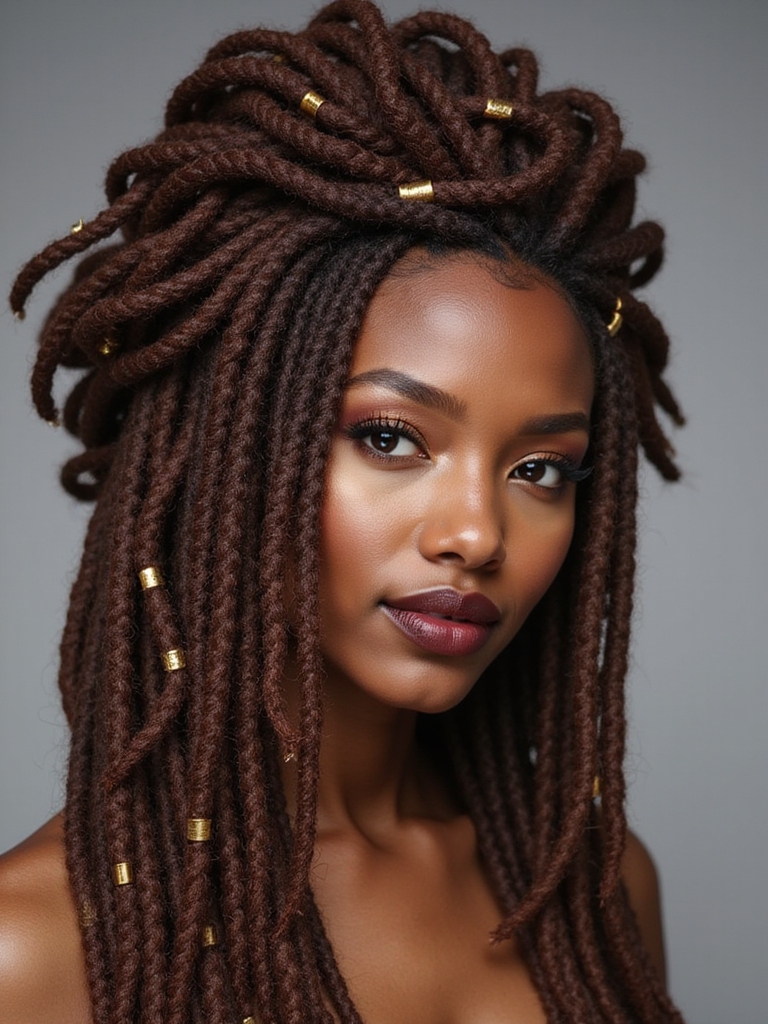
Once locs are established, they become one of the most expressive canvases in hair. The same head can go sleek and refined one day and free and bohemian the next, and that range is a big part of the appeal.
Because each loc is its own thick, textured strand, they hold shapes, colors, and accessories in ways loose hair can’t, which opens up styles unique to locs.
The expression isn’t only in elaborate styling, either. Even worn simply down, a head of mature locs reads as distinctive and intentional. For the full range of looks, my curly loc styling guide explores what’s possible.
Customizing Your Locs Creatively
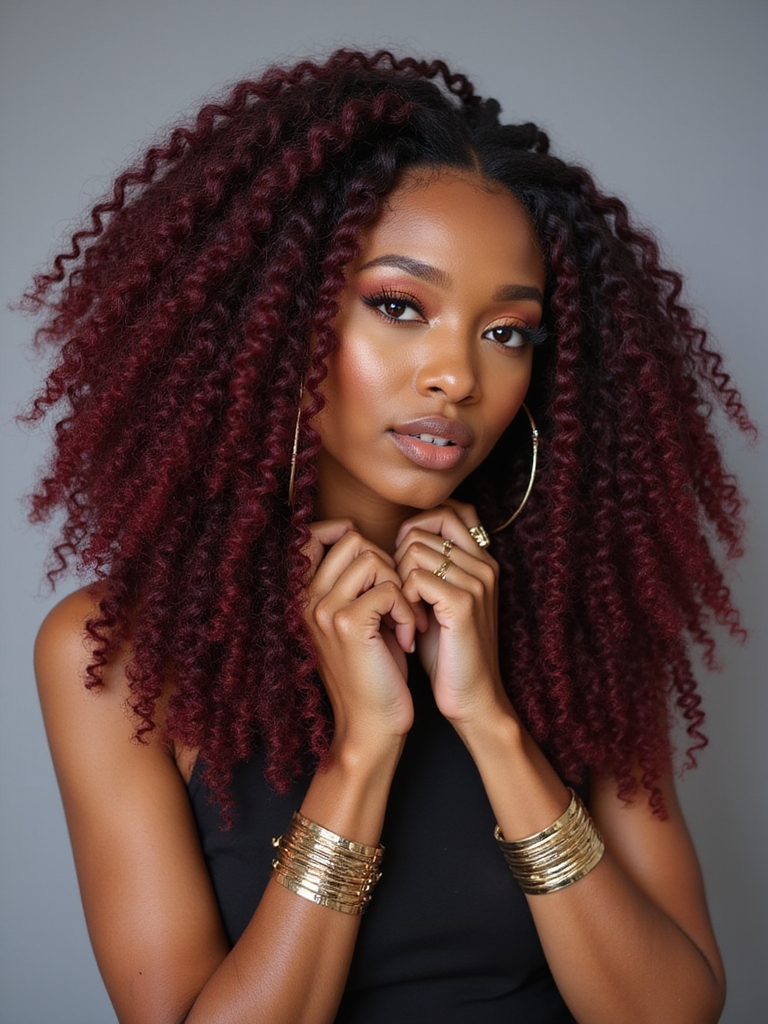
Part of what makes locs so personal is how endlessly you can customize them once they’re mature, without changing the locs themselves:
- Add color, from a subtle ombre on the ends to bold all-over shades, done carefully by a loctician.
- Wrap individual locs in thread or fabric for temporary, fully reversible color and texture.
- Decorate with beads, cuffs, and charms that carry personal or cultural meaning, kept light so they don’t strain the locs.
Locs aren’t a hairstyle you put on; they’re a process you grow into. By the time they’re mature, they hold a record of the time and patience it took to get there.
Routine Care for Loc Longevity
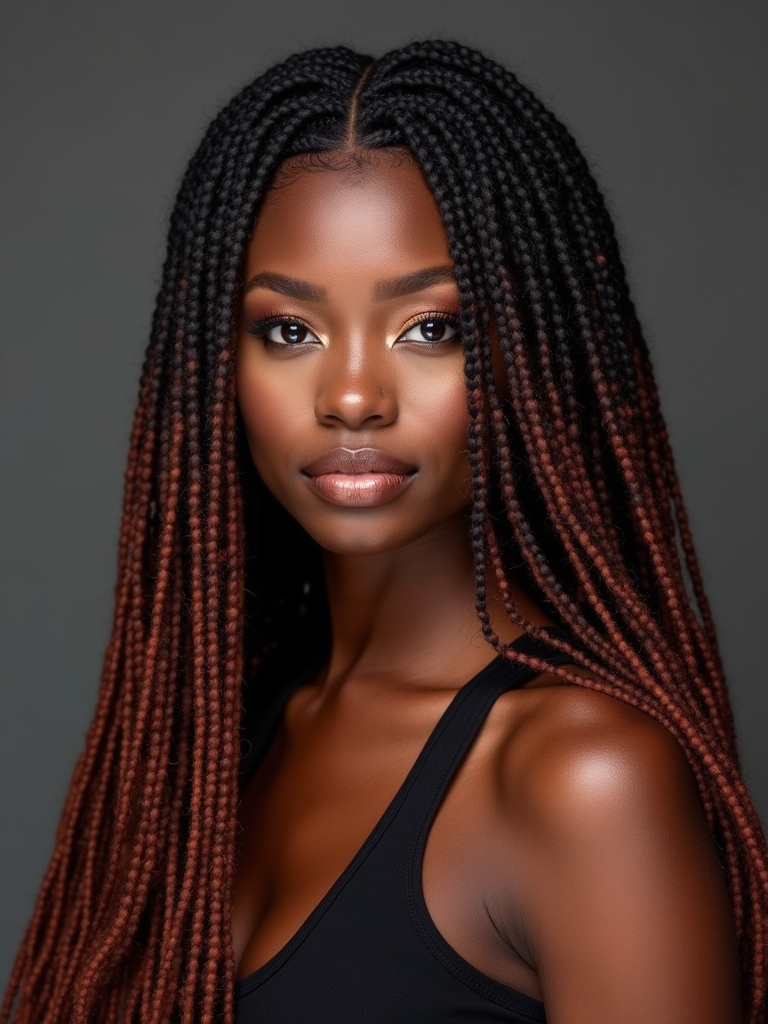
Healthy locs can last for decades, and the routine that gets them there is simpler than people expect, just consistent:
- Wash regularly with a residue-free shampoo so buildup doesn’t form inside the locs.
- Moisturize lightly with water and a small amount of oil, since locs can dry out, and avoid heavy waxes that cause buildup.
- Protect them at night with satin or silk, and keep root maintenance gentle rather than over-tight to protect your edges.
Freedom From Daily Styling Norms
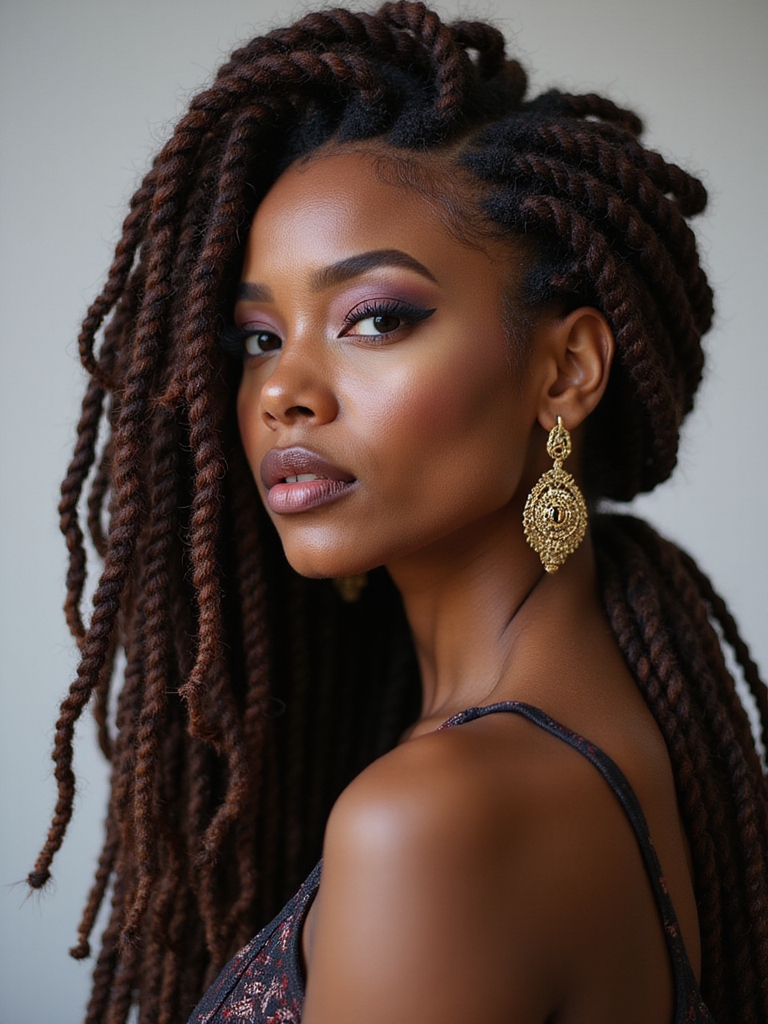
One of the most practical freedoms locs offer is release from the daily styling treadmill. Once they are established, there is no morning routine of straightening, curling, or restyling, the hair is simply ready, which for many people is the single biggest day-to-day relief of having locs.
That low-manipulation reality is good for your time and your hair at once.
- No daily heat or restyling means more time back every morning and far less wear on the hair.
- The look improves with age rather than needing constant upkeep, so the effort curve runs opposite to most styles.
- It frees you from the expectation that hair must be manipulated daily to look acceptable, which many wearers describe as deeply liberating.
Locs in Pop Culture
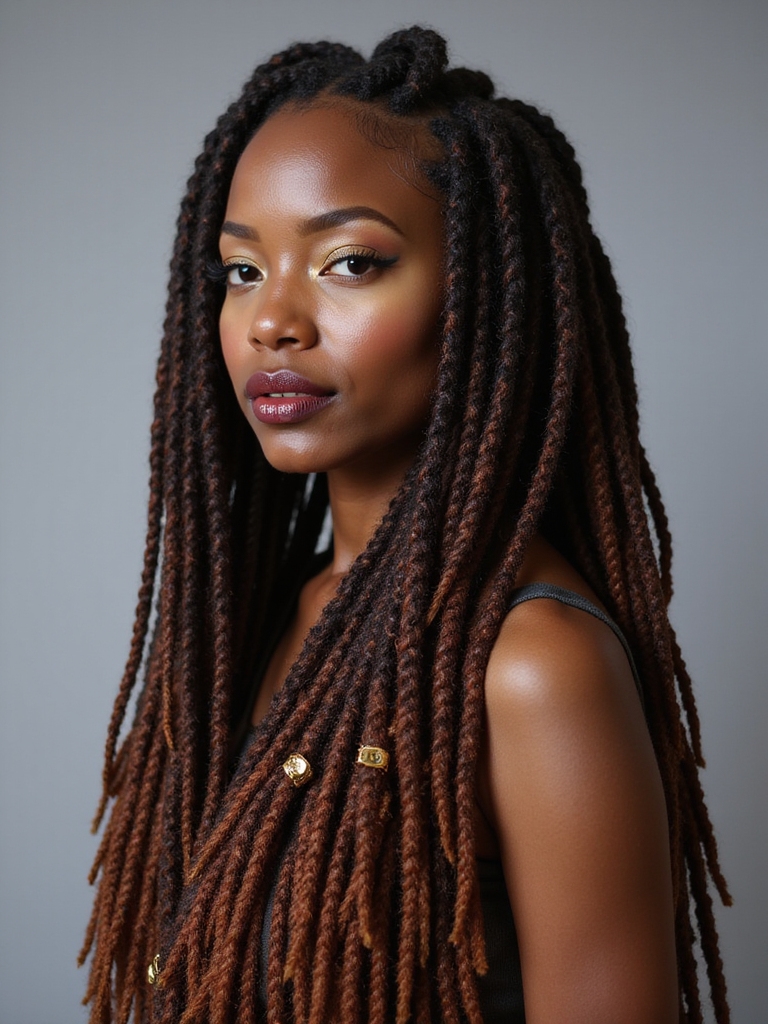
Locs have a long and visible presence across pop culture, and their image there has shaped how the wider world sees them. From reggae and hip-hop musicians to athletes, actors, and runway models, locs have been worn on some of the most public stages there are.
That visibility has done two things at once: it’s celebrated locs and brought them into the mainstream, while also, at times, flattening their meaning into pure aesthetic.
Understanding that history helps explain why locs carry both pride and a certain protectiveness for many who wear them. They’ve been both a symbol of cultural identity and, in some eras, a reason people faced unfair judgment.
Loc Adornments That Showcase Personality
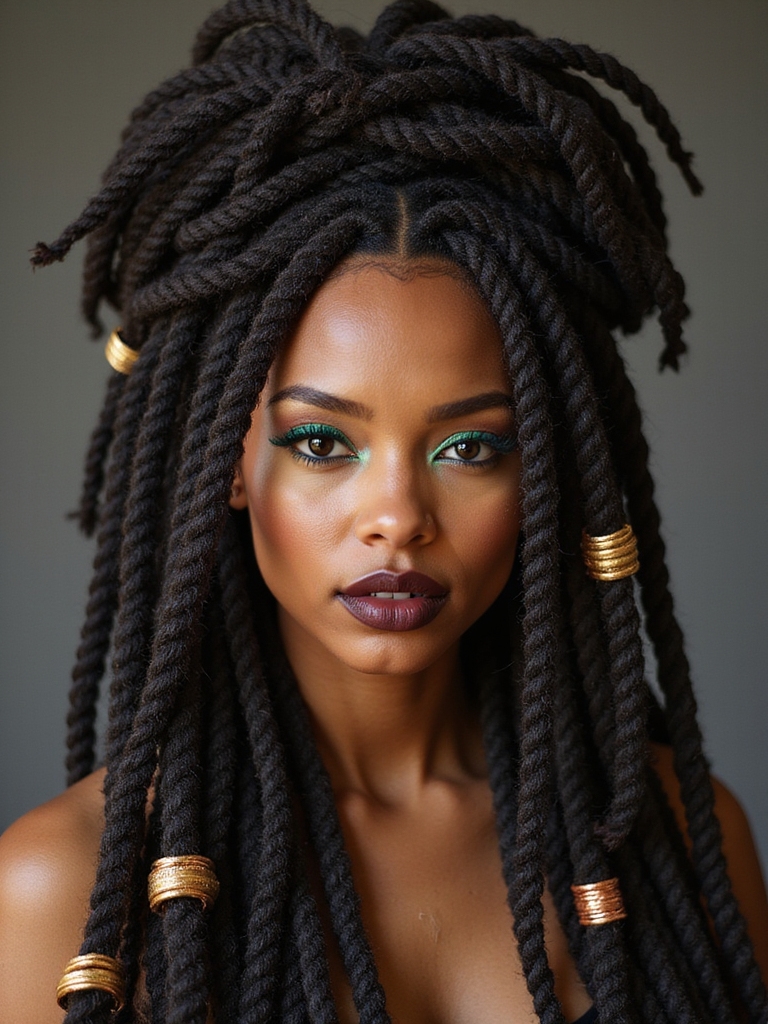
Adornments are one of the oldest and most meaningful ways to personalize locs, with beads and cuffs carrying cultural history as well as style. A handful of well-chosen pieces can shift the whole feel of your hair.
Wooden beads, metal cuffs, shells, thread wraps, and charms all let you mark a season, a mood, or something personal, and they’re easy to change whenever you like. The key is keeping them light and spread out so no single loc bears too much weight, which protects the hair underneath while letting your personality show.
Versatile Loc Styling Options
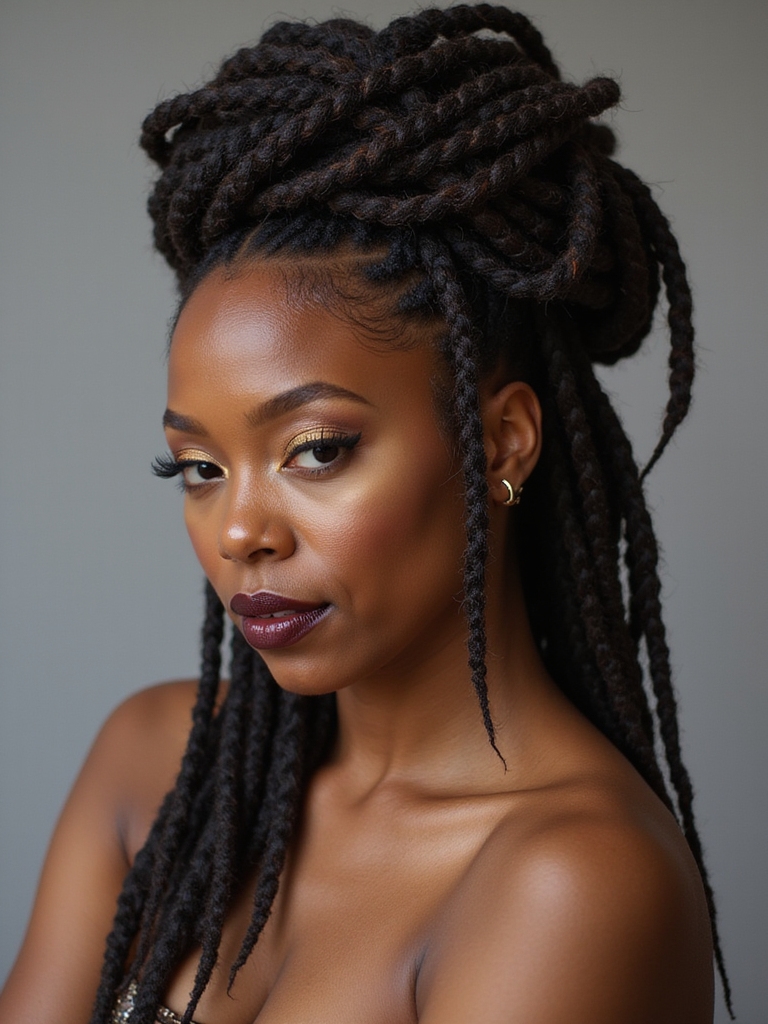
One of the biggest surprises for new loc-wearers is just how versatile mature locs become. Far from limiting your options, they expand them.
Almost anything you can do with long hair, you can do with locs, plus a few things only locs allow.
- Updos, buns, ponytails, and half-up styles work beautifully and keep hair off the face.
- Braids, twists, and curls add texture and pattern using the locs themselves.
- Crowns, wraps, and sculptural shapes turn locs into genuine showpieces for events.
Embracing Your Loc Journey
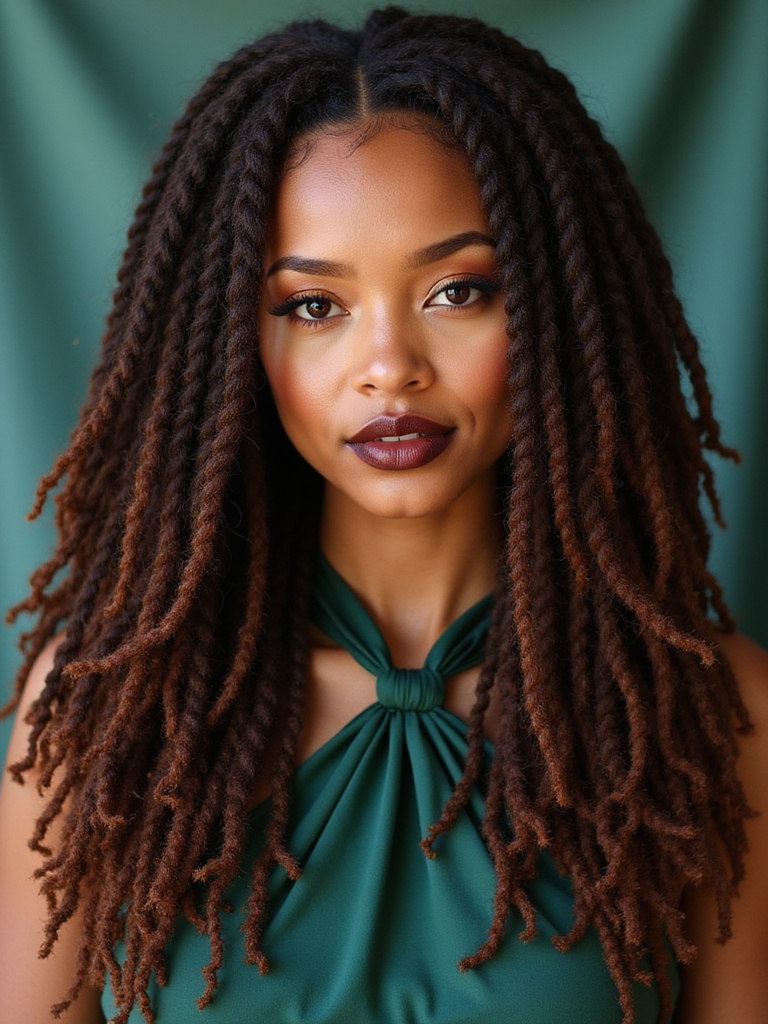
Locs aren’t instant, and the journey through their stages is part of the experience more than a wait for the real thing. Each stage looks and behaves differently.
Knowing the stages helps you set expectations and enjoy where you are.
- Starter and budding stages: the locs are forming and may look fuzzy or unravel a little, which is normal.
- Teen stage: often the most awkward, as the locs start to take shape but don’t yet lie predictably.
- Mature and rooted stages: the locs are firm, settled, and behave reliably, usually after a year or more of patience.
Sustainable, Low-Waste Locs
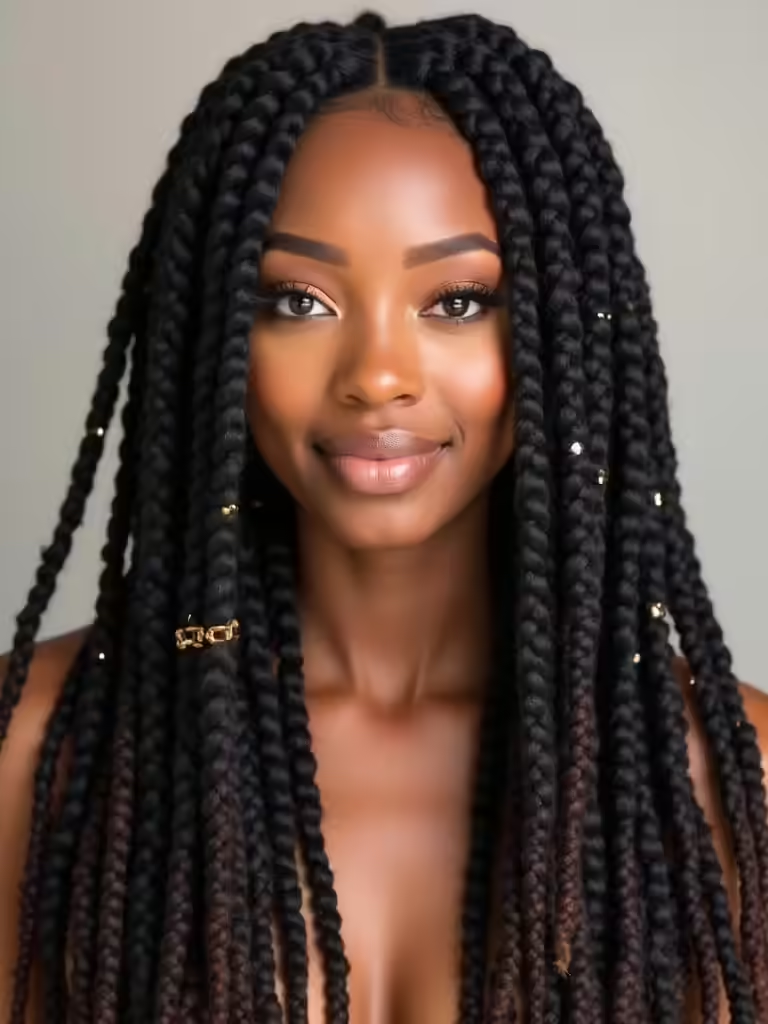
One quietly appealing thing about locs is how low-waste they can be. Once established, they need far fewer products than many other styles, no daily heat, no constant restyling, and minimal packaging over the years.
A simple routine of a good shampoo, water, and a little oil replaces the long shelf of products other hair routines collect.
That simplicity is good for the planet and for your time and budget, which is part of why many people find locs freeing in practical ways as well as personal ones. Less product, less heat, and less daily fuss add up over the years.
ℹ️Good to Know
The word carries weight for some wearers. Many people prefer the term locs over the older word, feeling it better reflects the pride and care involved rather than any sense of being unkempt. Both terms are widely used, but if you’re unsure, locs is the more universally welcomed choice.
Loc Myths vs. Reality
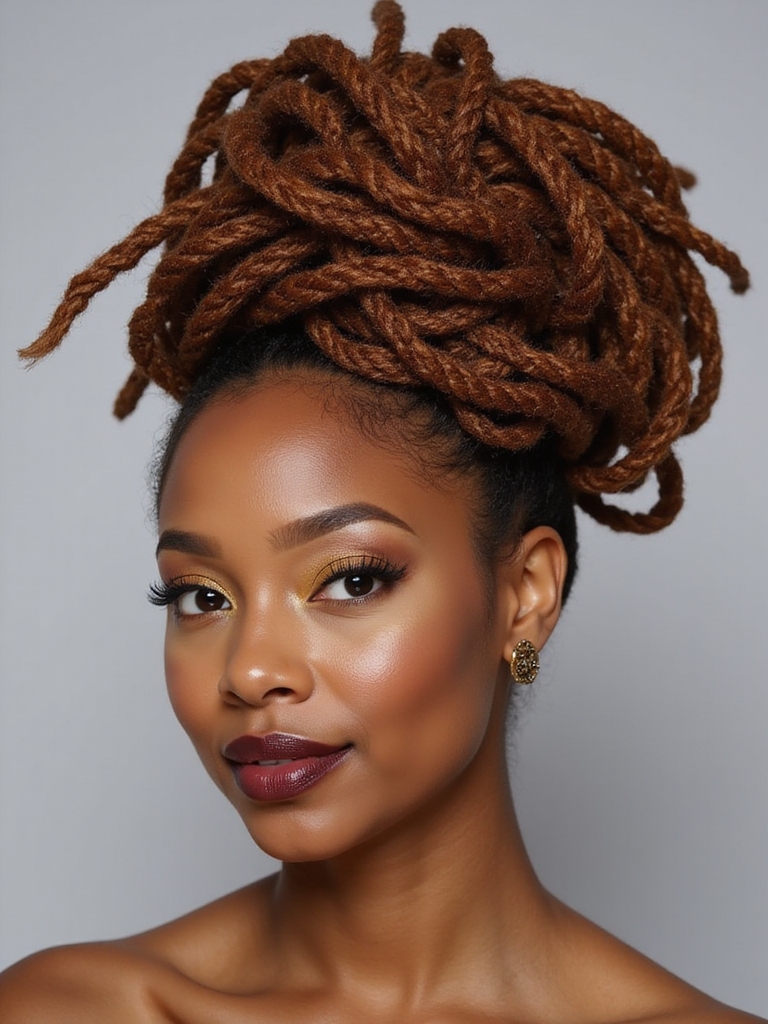
Locs come with stubborn myths, and clearing them up matters, because some of those myths have been used to unfairly judge the people who wear them.
In most cases the stereotype gets it backwards.
- Myth: locs are dirty. Reality: they are washed like any hair, and a clean scalp is the whole basis of good loc care, the stereotype simply is not true.
- Myth: you can never undo or restyle them. Reality: locs are endlessly styleable, and some can even be combed out, depending on how they’re formed.
- Myth: locs are unprofessional. Reality: that’s a bias, not a fact, and it’s increasingly recognized as discrimination, not a standard.
Locs and Workplace Professionalism

For a long time, loc-wearers faced real bias in professional settings, with locs unfairly labeled as unkempt or unprofessional, a judgment rooted in prejudice, with no real standard behind it. That history is important to name, because it shaped how many people felt they had to hide or alter their hair to be accepted.
This is changing. Legislation like the CROWN Act specifically protects against discrimination based on natural and protective hairstyles including locs. Sleek loc updos, neat buns, and polished styles have always belonged in any professional room; the shift is that the bias itself is finally being recognized and challenged.
The most harmful loc myth, corrected:
❌ Myth: Locs are dirty or unhygienic.
✅ Reality: This is false and has done real harm. Healthy locs are washed regularly with a residue-free shampoo, and cleanliness is central to proper loc care. The myth is a stereotype, not a fact, and it has historically been used to unfairly judge the people who wear them. Clean, cared-for locs are exactly that: clean and cared for.
Locs as a Style for Everyone
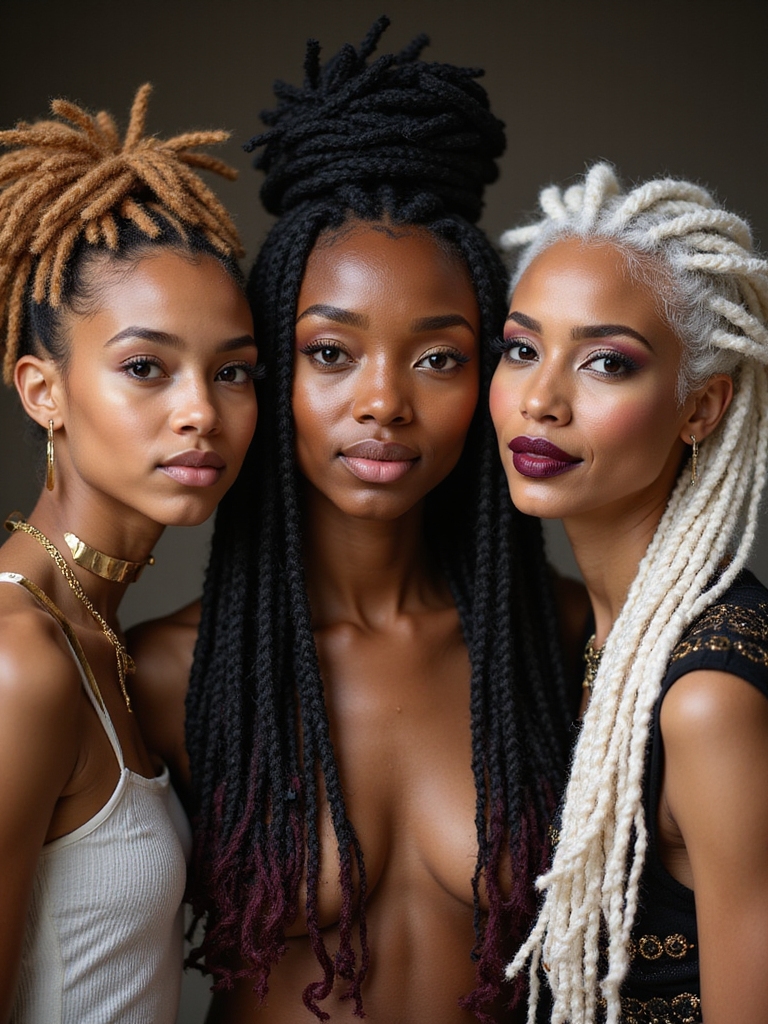
Locs form on many hair textures, and people from many walks of life wear them, though it’s worth holding their cultural roots in mind alongside that breadth. The look adapts to the person:
- Different textures produce different locs, from sleek and uniform to thick and organic.
- Locs suit every length, from a cropped loc cut to floor-length growth.
- They flex across lifestyles, polished for formal settings, free for casual days, worn with awareness of where they come from.
Low-Maintenance Hair Health
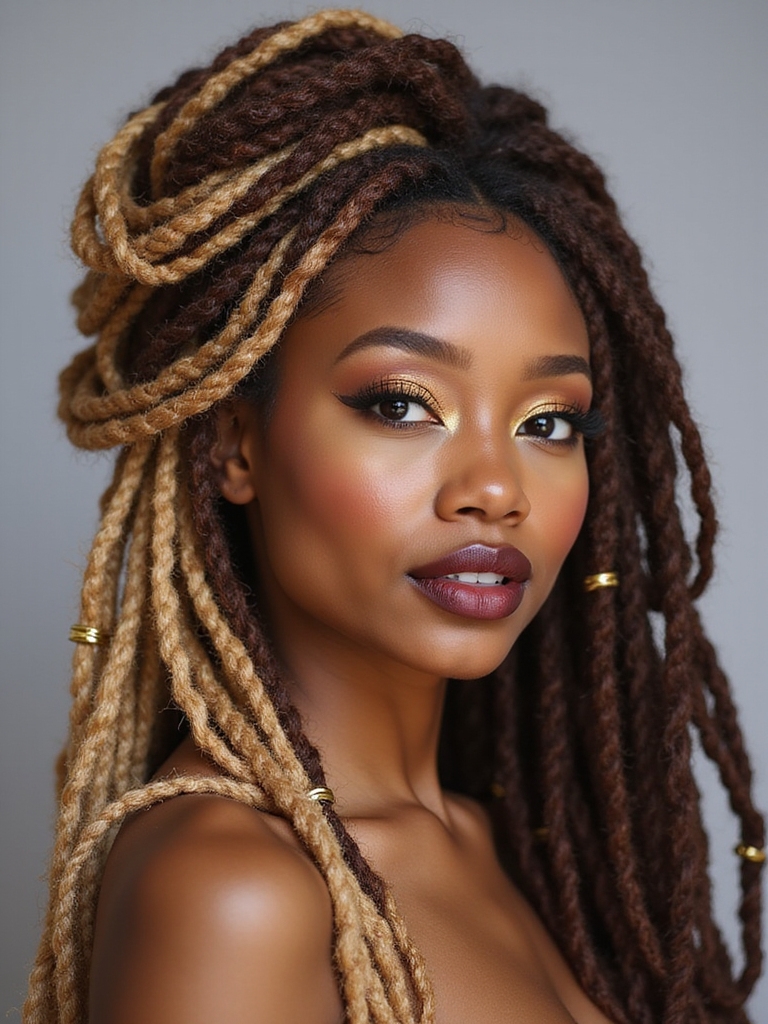
Compared with routines built on daily heat and constant manipulation, locs can be quite good for hair health, since the hair is left largely alone to grow:
- No daily heat styling means far less heat damage over time.
- Minimal daily manipulation reduces breakage from constant brushing and restyling.
- The main things to watch are tension at the roots and keeping the locs clean and moisturized, which keeps both hair and scalp healthy.
Global Cultural Expression Through Locs
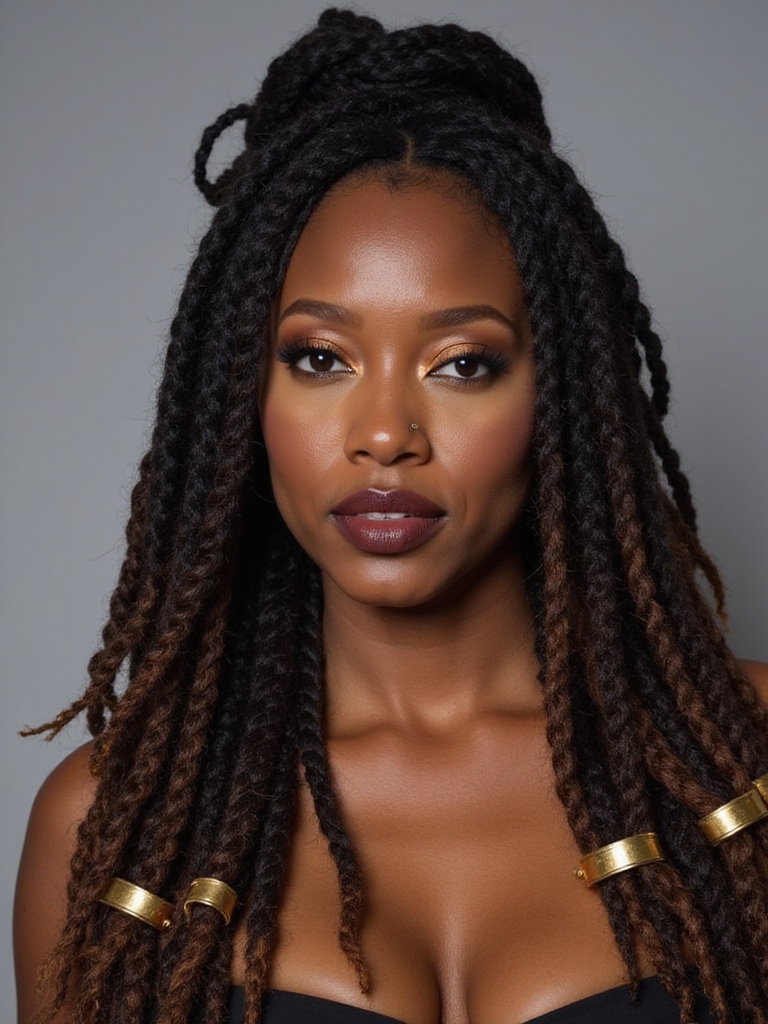
While locs are most strongly associated with Black and African heritage, versions of them appear across many cultures and eras worldwide, which speaks to how deeply human the impulse to loc hair is. That global thread is fascinating, and it sits alongside, not in place of, their specific cultural weight in the communities where they mean the most:
- Locs and loc-like styles appear in ancient art and writing from several regions across the world.
- Different cultures have attached their own spiritual, social, and personal meanings to the look.
- That long, shared history is part of what gives locs their depth today.
Self-Expression That Outlasts a Haircut
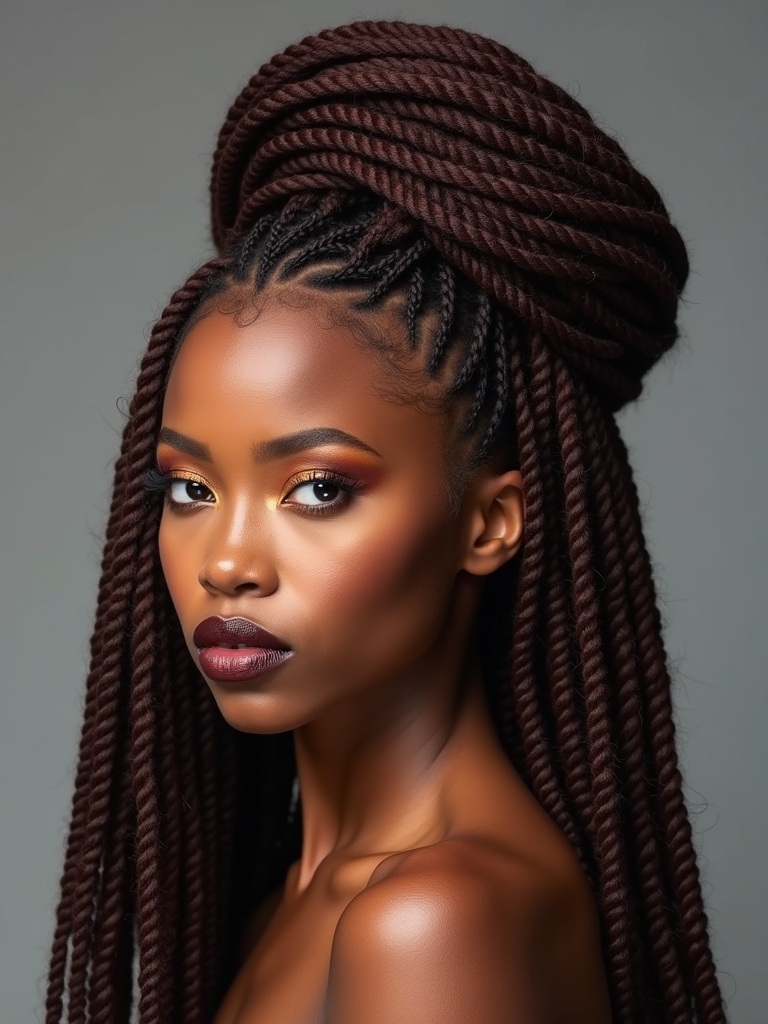
What sets locs apart from almost any other hairstyle is permanence and commitment. A haircut or color can change on a whim; locs are grown over years and cannot be swapped out by Friday, which gives them a weight no temporary style carries.
Why permanence ties locs to identity
That commitment is exactly what makes them feel so tied to identity. You live alongside your locs as they form, so they end up reflecting a stretch of your life rather than a passing mood.
It also changes the decision to start them: locing your hair is a long-term choice, not an afternoon experiment, and most people who do it describe it as deliberate rather than impulsive. That permanence is the source of both the pride and the patience locs ask for, and it is why the styling on top feels like sharing something you have built rather than just wearing a look.
Futuristic, Colorful Loc Styles
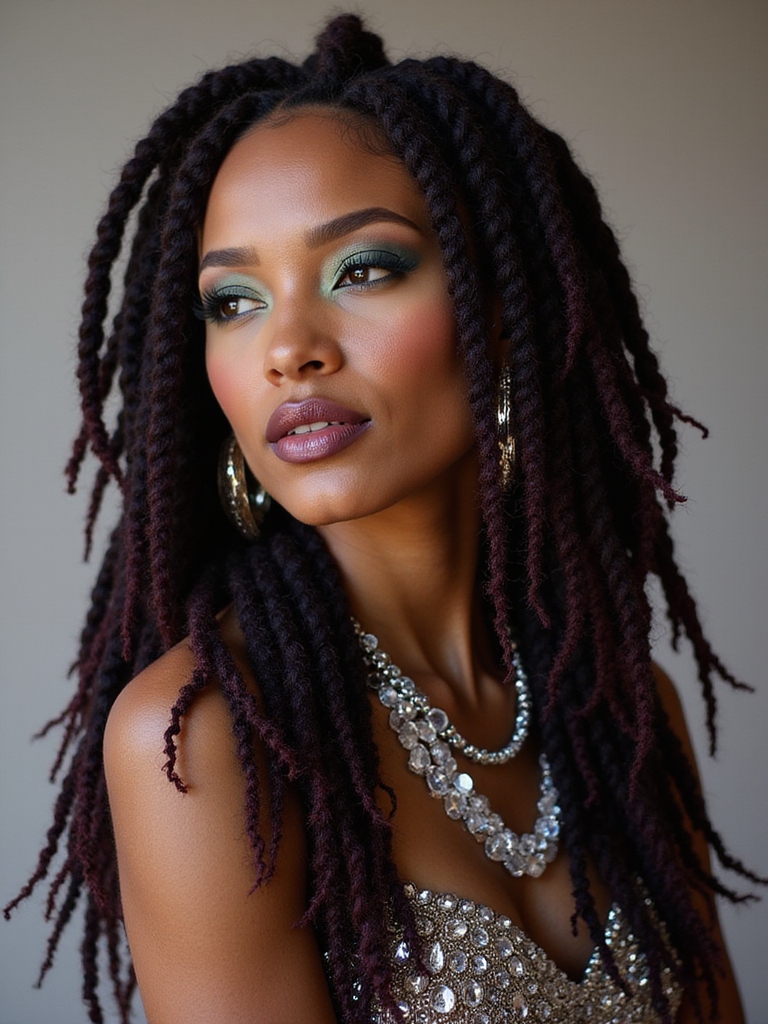
If the roots of locs are ancient, their future is wide open, and modern loc-wearers are pushing the look in bold, colorful, future-facing directions. Vivid dyes, metallic accents, sculptural shapes, and mixed textures are turning locs into real art pieces.
It’s a beautiful continuation of the story: a style with thousands of years of meaning behind it, still evolving and still personal in the hands of each new wearer. However far the color and shapes go, the foundation stays the same, healthy, cared-for locs grown with patience, then styled however the moment calls for. For more bold ideas, see my other loc style inspiration.
What to Expect
If you’re considering locs, the most useful thing to know going in is that you’re starting a long relationship with your hair, not getting a quick new style. Expect a real timeline, often a year or more before the locs feel mature and behave predictably, and expect the awkward in-between stages to be part of the deal rather than a sign anything’s wrong.
Choosing a starting method suited to your texture, ideally with a loctician’s help, makes the early months far smoother, and a simple, consistent routine of washing, light moisture, and gentle root care is what carries them for the long haul.
Beyond the practical, expect locs to mean more than most hairstyles do. They carry cultural history, with their strongest roots in Black communities, and they often become tied up with your own sense of identity and patience.
Wearing them with awareness of that weight, and protecting your edges by keeping tension gentle, lets you enjoy the whole journey, from a fuzzy starter loc to a colorful, sculptural showpiece, knowing the foundation underneath is healthy. Then the styling, which is its own deep well, becomes the fun part on top of something that already means a great deal.
Locs, Answered
?How long do locs take to fully form?
Usually a year or more to reach the mature, settled stage, though it varies with hair texture, the starting method, and how you maintain them. The early starter, budding, and teen stages are part of the journey, and not a delay, and each looks and behaves a little differently as the locs find their shape.
?Are locs hard to keep clean?
No, and the idea that they are dirty is a harmful myth. Locs get shampooed and dried thoroughly on a regular schedule; the real enemies are product buildup and trapped damp, which is why a clarifying wash and full drying matter. A well-kept loc is a sign of effort, not the lack of it.
?Can anyone get locs?
Locs form on many hair textures and are worn by people from many backgrounds. That said, they hold deep cultural significance, especially in Black and African heritage, so they’re best worn with awareness and respect for that history over treating them as a passing trend. Choosing a method suited to your texture, with a loctician’s guidance, gives the healthiest result.
Grown With Patience, Worn With Pride
The single thing to carry away is that locs are far more than a hairstyle: they’re a process, a history, and for many a meaningful part of identity, all of which the eventual styling sits on top of. Understanding where they come from, how they form, and what the journey asks turns the whole experience from a look into something with real depth, formed to stay, and styled to evolve.
Grow them with patience, care for them consistently, keep the tension gentle, and wear them with awareness of their roots, and your locs will reward you with years of meaning and an endless canvas of style.
Worth a Look