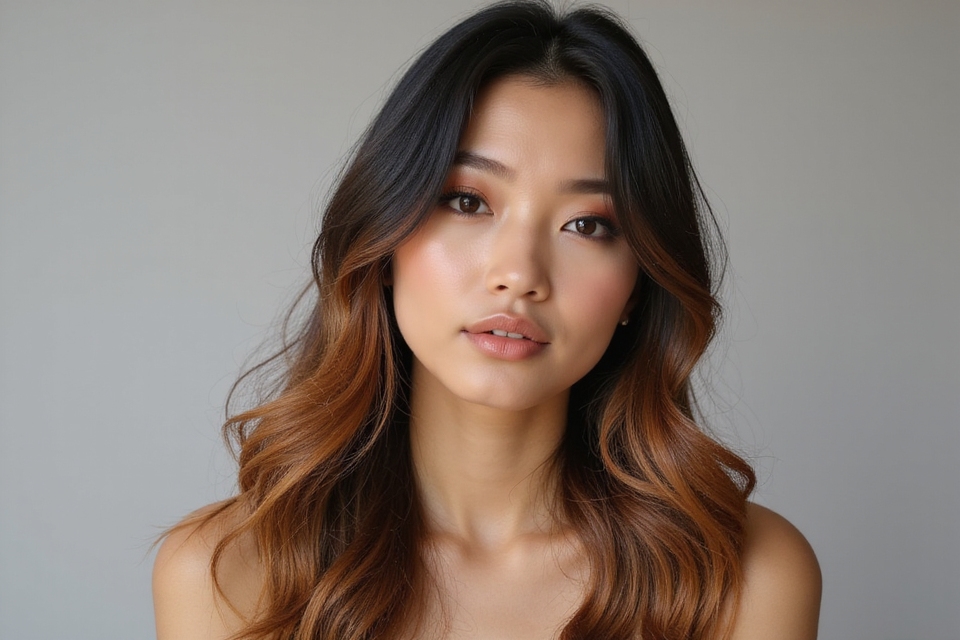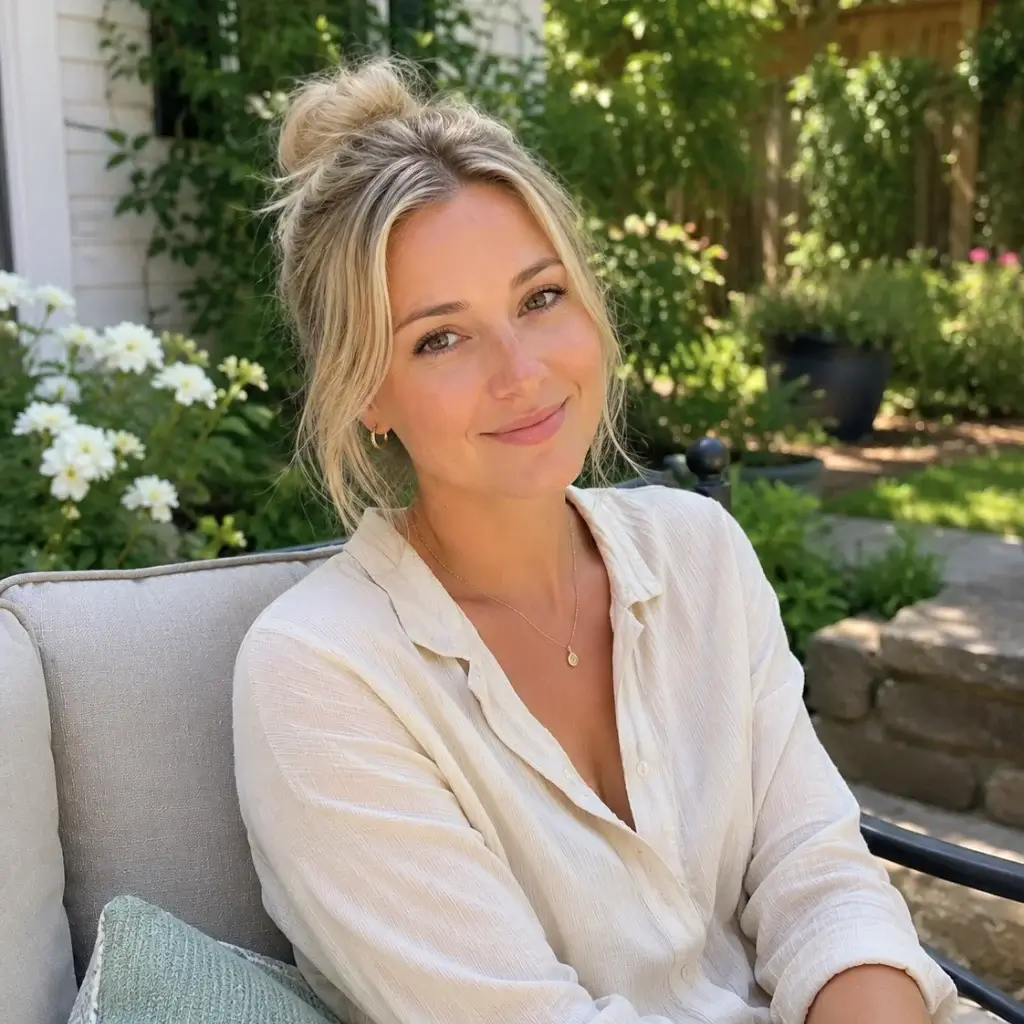

Here’s the honest truth about hair-color trends: the ones worth following are directions to interpret, loose by design. A trend that looks incredible on someone else can drain you when you copy the exact shade instead of the idea behind it. The smartest way to use a trend is to take its principle, dimension, or a soft grow-out, or a certain placement, and let your colorist translate it to your undertone and your face.
Below are 18 current color trends, from expensive brunette to iridescent metallics, each with what it actually is and, just as usefully, how to bring it into a tone and placement that suit your own hair. The what matters far less than the how.
Hair Color Trends, at a Glance
| Trend | What it is | Adapt it by |
|---|---|---|
| Expensive brunette | Woven multi-tonal brown | Matching the tones to your undertone |
| Money-piece / face-frame | Bright pieces at the front | Placing them where they lift your face |
| Root shadow / grown-in blonde | Soft dark root, brighter ends | Choosing warm or cool to suit you |
Dynamic, Moving Color
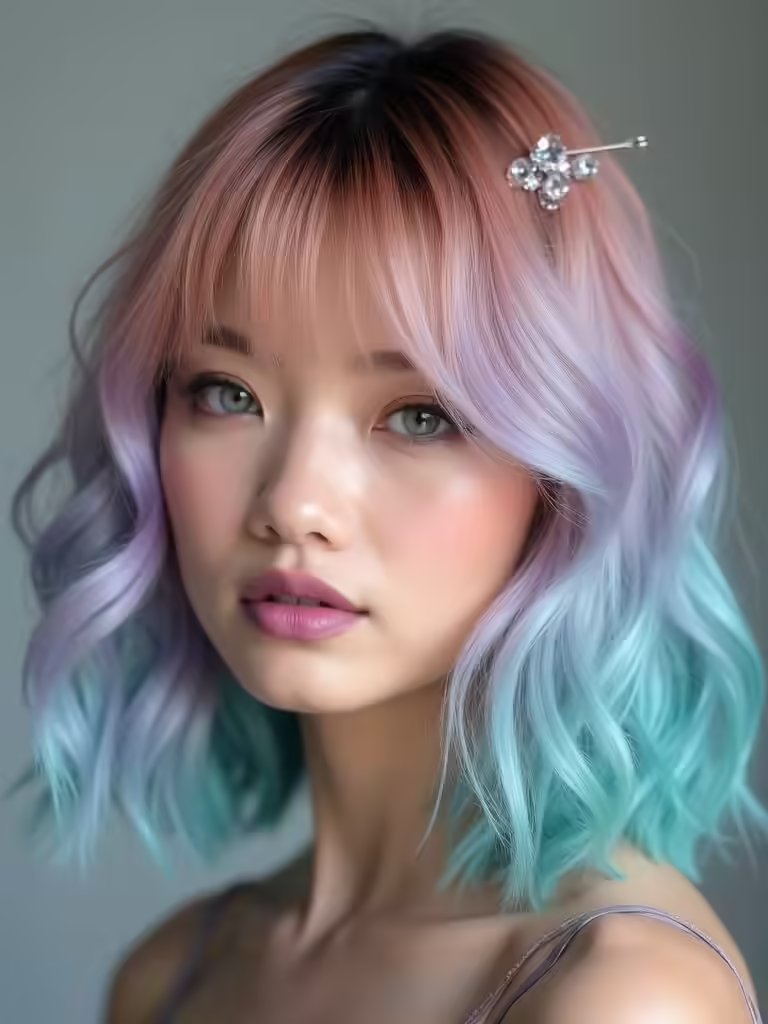
The biggest shift in color right now is away from flat, solid shades toward dynamic, dimensional color that shifts and moves. Instead of one uniform tone, colorists build several tones that catch the light differently as the hair moves, so the color looks alive.
The idea to borrow is dimension itself; how you apply it, warm or cool, subtle or bold, is where you make it yours. Ask for woven tones over a single flat color, and even a natural shade looks current and expensive.
- The trend is dimension over flat, solid color.
- Several woven tones catch the light as hair moves.
- Borrow the idea; choose warm or cool to suit you.
- Woven tones make even a natural shade look current.
Multidimensional Color

Clients ask me for the ‘expensive’ look constantly, and it’s really multidimensional color: a deep base, mid-tones, and brighter pieces layered so the hair looks rich and glossy, well beyond one-note. It’s the reason salon color looks different from box dye, and it works in every color family.
To adapt it, keep the tones within a range that flatters your undertone, warm caramels and golds for warm skin, cool ashes and beiges for cool. A full multidimensional color is usually a two-to-three-hour appointment, while a gloss to refresh it takes about twenty minutes. The principle travels; the exact shades should be yours. See brown color ideas.
- A deep base, mid-tones, and brighter pieces layered.
- Reads rich and glossy, never one-note.
- Keep the tones within your flattering range.
- Works in every color family, warm or cool.
Iridescent Color

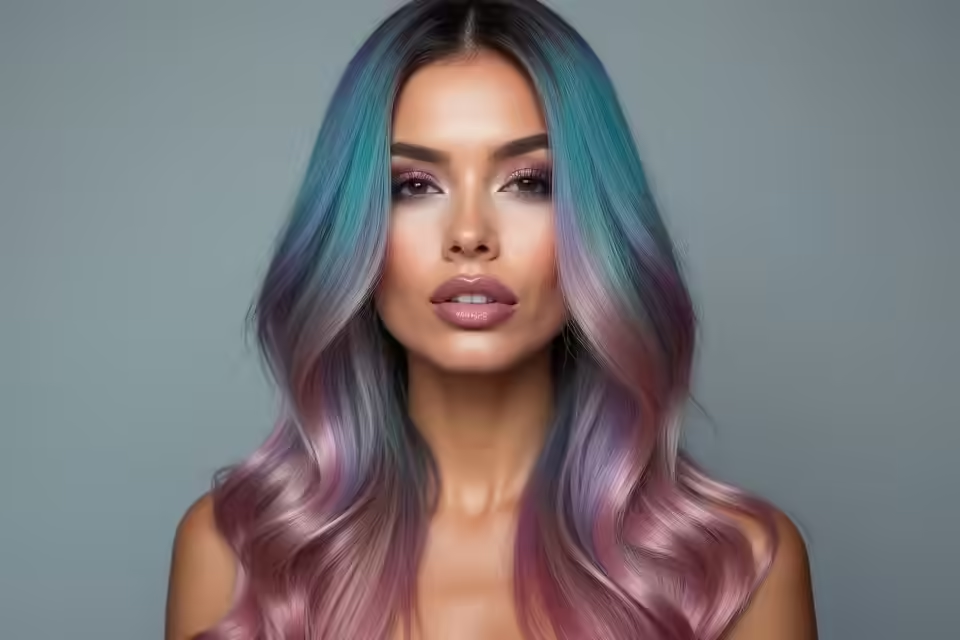
Iridescent, or ‘oil-slick’ and pearl, color weaves shifting pastel and jewel tones through a base so the color changes in the light like a soap bubble. It’s the only trend here that visibly shifts hue as you move, which is exactly why it demands the palest, most even pre-lightened base of the lot.
To make it wearable, you don’t need an all-over rainbow; a few iridescent pieces, or the effect kept to the ends, gives the magic with less commitment. It suits every skin tone, and against deep skin the shifting tones read especially vivid.
- Shifting pastel or jewel tones that change in the light.
- The one trend that visibly shifts hue as you move.
- Keep it to a few pieces or the ends for wearability.
- Against deep skin the shift reads especially vivid.
Bold Jewel Tones

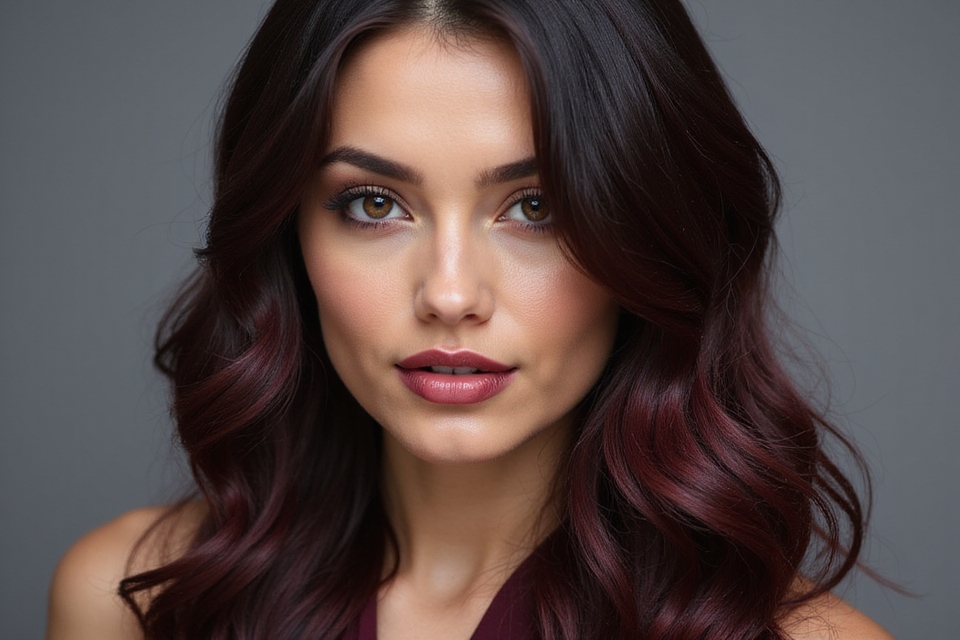
Jewel tones, deep emerald, sapphire, ruby, and amethyst, are the wearable end of fashion color, since their richness feels sophisticated, a world away from costume. They flatter deep and cool skin especially, where the saturated depth glows against the complexion.
Choosing Your Jewel
The trick to adapting a jewel tone is choosing the one that complements your undertone, warmer rubies and garnets for warm skin, cooler sapphires and amethysts for cool. Kept deep, they’re strikingly wearable.
Of all the fashion colors, jewel tones are the most forgiving, because their depth disguises regrowth far better than any pastel can. They do need pre-lightening to show true, and they soften with every wash, so color-depositing care keeps them saturated.
Natural Earthy Tones

Running counter to the bold trends, natural earthy tones, warm chocolate, walnut, mushroom, and golden brown, are having a major moment, as people move away from high-maintenance platinum toward rich, grounded, wearable color. The appeal is that they look expensive and natural at once, and they’re low-maintenance, growing out softly.
This is the easiest trend to adapt, since you simply choose the earthy tone that matches your undertone and your natural depth. It suits every age and complexion, and a gloss keeps it rich. It’s proof that the most on-trend color is often the most natural-looking one.
- Warm chocolate, walnut, mushroom, and golden brown.
- A move away from high-maintenance platinum.
- Expensive and natural at once, and low-maintenance.
- Choose the earthy tone matching your undertone.
Dreamy Pastels

Pastels, soft lilac, rose, mint, and peach, remain a favorite fashion trend for their dreamy, romantic softness. They’re the gateway to fashion color for many, since a wash of pastel feels gentler than a bold neon.
Pastels That Suit You
To adapt pastels to yourself, choose the one that flatters your undertone (cool lilacs for cool skin, warm peaches for warm) and consider a more saturated version on deep skin, where a chalky pale pastel can disappear.
Pastels ask for the palest base of any trend on this list, since the softest lilac or mint only shows over near-white hair, and they lose their tint quickly. That makes them a genuine commitment, though the washed-silk result is unlike anything else.
Color-Melting Technique

Color melting is the technique behind so many current looks: blending multiple tones into each other with no hard lines, so one shade flows into the next like a gradient. It’s what gives modern color its soft, expensive, dimensional finish.
As a trend it’s less a color than a way of applying color, which means you can ‘melt’ any palette, natural browns, warm blondes, or bold fashion tones. The soft, line-free result is what makes it feel current.
In my chair, melting is the step that turns a set of highlights into a soft, cohesive color, and it’s worth asking for by name.
🅰️Follow the idea
Take a trend’s principle, dimension, placement, or a soft grow-out, and adapt it to your undertone and face.
🅱️Copy the photo
Replicate the exact shade from an image; often disappoints, since it suited that person’s undertone, not yours.
The Root Shadow

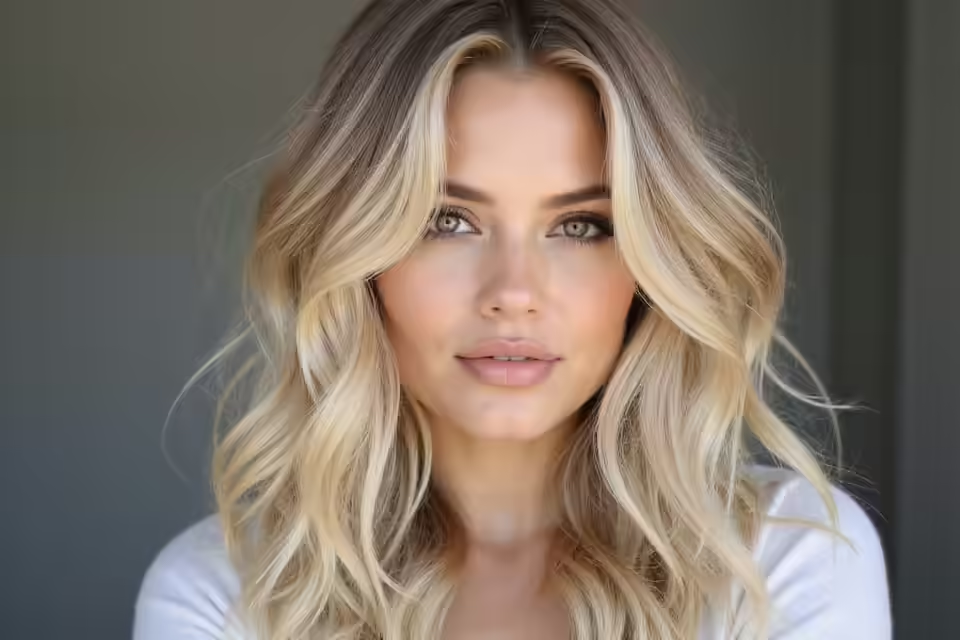
The root shadow (or ‘shadow root’) is one of the most practical trends going: a soft, slightly deeper root melted into brighter lengths, so regrowth is built into the look and grows out invisibly.
It’s why so much modern blonde looks grown-in on purpose, a step away from freshly bleached, and it stretches your root touch-ups from every four to six weeks out to every few months. To adapt it, match the shadow to your natural root depth and keep it soft. It works on blonde, bronde, and even fashion colors, and it’s the single best trick for lower-maintenance color.
- A soft, deeper root melted into brighter lengths.
- Regrowth is built in, so it grows out invisibly.
- Match the shadow to your natural root depth.
- The best trick for lower-maintenance color.
Sunset-Inspired Color

Sunset color blends warm reds, oranges, and golds through the hair like the sky at dusk, a warm, glowy fashion trend that flatters warm and deep skin especially. It’s bolder than a natural warm shade but softer than a single loud color, since the blended tones melt into one another.
You can dial it from a subtle copper-gold melt to a full fiery sunset depending on your appetite, and because the tones are blended into one another, it fades more gracefully than most fashion color. It does need lightening and warm-toned upkeep, but the glow is worth it. See copper red shades.
- Warm reds, oranges, and golds blended like dusk.
- Bolder than natural warm shades, softer than one loud color.
- Dial it from subtle copper-gold to full fiery sunset.
- Flatters warm and deep skin especially.
Neon Statements

At the loud end, neon, acid green, electric pink, ultraviolet, stays a bold trend for the fearless, offering pure, high-voltage self-expression. It looks incredible on every skin tone, and it positively vibrates against deep skin.
Wearing Neon Part-Time
The smartest way to wear neon is part-time, through placement: a neon money-piece, tips, or a hidden panel gives the impact without committing your whole head to the upkeep.
Neon is the fastest-fading color of the lot and needs a pale base, so color-depositing products are non-negotiable, but nothing else delivers that glow.
A few trend terms to help you talk to your colorist.
📖Color melting
Blending tones into each other with no hard lines for a soft, melted gradient finish.
📖Root shadow
A soft, deeper root melted into brighter lengths so regrowth is built in and grows out invisibly.
📖Money-piece
Brighter face-framing pieces at the front that lift and flatter the complexion.
Metallic Shimmer

Metallic color, molten bronze, rose-gold, steel, and pewter, brings a high-shine, reflective finish that looks futuristic and expensive. It’s the one trend defined less by its hue than by its shine, all about that reflective, liquid-metal quality, which is what makes it read editorial and modern.
Warm or Cool Metal
To adapt it, choose a metallic in your flattering temperature, warm bronze and rose-gold for warm skin, cool steel and pewter for cool. The shine is the point, so it’s worth the toning to keep it clean.
It needs pre-lightening and regular toning, but the liquid-metal finish is unlike a matte color.
Color for Natural Texture

A welcome trend is color designed specifically for natural texture, painted to follow and celebrate the curl or coil pattern instead of fighting it. On curly and coily hair, dimension placed along the curl pattern makes the texture pop and the color move beautifully.
The key is a colorist experienced with textured hair, who lifts gently with bond-builders and places color to define the curls. Lightened coils run drier, so moisture is essential. In my chair, coloring textured hair to its own pattern is some of the most rewarding work I do. This trend is about working with your texture, which makes it one of the most flattering and personal ways to wear color.
- Color painted to follow the curl or coil pattern.
- Dimension along the curls makes texture pop.
- Needs a colorist experienced with textured hair.
- Lightened coils run drier, so moisture is essential.
The Ombré Revival

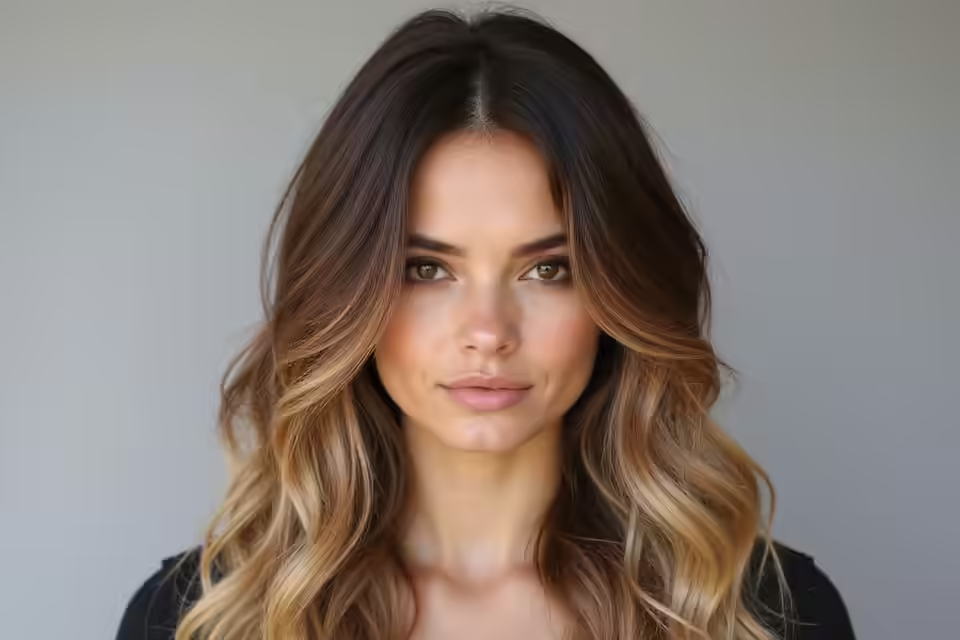
Ombré is back, but softer than the hard, high-contrast version of a decade ago. The updated ombré melts a deeper root gradually into brighter ends with no harsh line, which looks modern and grows out gracefully.
Keep the ends warm or cool to match your skin, and the contrast subtle, for a current finish over a dated one. It’s a low-maintenance way to add brightness, since the roots stay dark, and it works best on medium to long hair, with length for the fade.
- A softer, low-contrast update on the old ombré.
- A deeper root melts gradually into brighter ends.
- Keep the ends and contrast suited to your skin.
- Low-maintenance, since the roots stay dark.
Which trend direction suits you? A quick match.
1Want low-maintenance and modern?
Expensive brunette, root shadow, earthy tones, or subtle dimension.
2Want bold self-expression?
Jewel tones, iridescent, neon, metallic, or a bold color pairing.
New Balayage Directions

Balayage keeps evolving, and the current directions are softer, rootier, and more natural than the bright, chunky balayage of a few years ago. Think ‘expensive brunette’ balayage, subtle babylights, and gentle, grown-in blends over stark, high-contrast lightening.
The Current Balayage Look
The technique is endlessly adaptable, which is exactly why it stays on-trend; the same hand-painting delivers a whisper of dimension or a bright, beachy lift. Ask for the current soft, rooty finish adapted to your base.
Because it grows out softly, balayage remains the lowest-maintenance way to wear painted color. See caramel highlights.
Bold Color Pairings

Pairing two bold colors, a split-dye, a contrasting money-piece, or blocked tones, is a trend for the expressive, turning hair into graphic, wearable art. Complementary pairings like blue-and-pink or purple-and-teal read especially striking.
To adapt it without going all-in, keep one color as an accent, a peekaboo or a few face-framing pieces, short of a full two-tone head. Choose colors that both suit your undertone, and the pairing flatters instead of clashing. It’s bold, but placement keeps it wearable.
Avant-Garde Color

At the most experimental edge, avant-garde color, stencilled patterns, geometric color-blocking, unexpected placements, treats hair as a canvas for art. It’s the trend for people who see color as pure creative expression, and it’s often shown on short or shaved cuts where precision holds.
You don’t have to go full runway to borrow the spirit: a small stencilled panel, a graphic underlayer, or one unexpected placement brings an avant-garde edge in a wearable dose. It’s the boldest, most personal way to wear a trend.
- Stencilled patterns, color-blocking, unexpected placement.
- Treats hair as a canvas for creative expression.
- Often shown on short or shaved cuts.
- Borrow the spirit with one small graphic detail.
How to find a colorist who can adapt a trend, not just copy it.
1Study their own work
Scroll their real client photos, not reposts, for melted, dimensional color and clean fashion tones on hair like yours.
2Ask how they’d change it
A colorist who adapts will talk undertone and placement before booking; one who copies just says ‘yes, I can do that photo.’
3Check they protect the hair
For any lightening, ask about bond-builders and a plan to keep the color rich, especially on textured or previously colored hair.
Subtle Dimension

For anyone who finds bold trends intimidating, the quietest current trend is simply adding subtle dimension: a few soft, well-placed highlights or lowlights that make your natural color look richer and more expensive. It’s the most universally flattering, lowest-commitment trend, a quiet lift to your natural color.
The idea to borrow is placement over quantity, a handful of face-framing pieces does more than a whole head. It works on every complexion and grows out softly, the easiest trend of all to say yes to.
- A few soft highlights or lowlights for dimension.
- Lifts your natural color instead of changing it.
- Placement over quantity: face-framing pieces do most.
- Universally flattering and grows out softly.
Seasonal Color Shifts

A practical trend is shifting your color subtly with the seasons in place of one shade year-round. Many people go a touch brighter and warmer in spring and summer, then deeper and richer in fall and winter, echoing the light and their own changing skin tone.
You don’t need a full recolor to follow this; a gloss in a warmer or cooler tone, or a few brighter summer pieces, does it gently and affordably.
It keeps your color feeling fresh all year, and it’s the tweak I suggest most to clients who love a change but hate the commitment of a full recolor.
Trends and Your Undertone

The single most important thing about any trend is that it has to work with your undertone, which is what separates ‘move’ from ‘mimic.’ Warm skin glows in warm trends (gold, caramel, copper, warm jewel tones); cool skin suits cool ones (ash, beige, sapphire, cool pastels); and deep skin wears saturated, warm-leaning versions of almost anything beautifully.
This is why copying a photo exactly so often disappoints: the trend suited that person’s undertone, not necessarily yours. Read your undertone with the vein and jewelry test, then ask your colorist to bring any trend into a tone that flatters you. Done that way, a trend lifts you instead of wearing you.
- Any trend has to work with your undertone.
- Warm skin: gold, caramel, copper, warm jewels.
- Cool skin: ash, beige, sapphire, cool pastels.
- Deep skin wears saturated, warm-leaning versions beautifully.
Hair Color Trend Questions, Answered
?What are the biggest hair color trends right now?
The mood is soft, dimensional, and natural: expensive brunette, root shadows and grown-in blondes, earthy tones, and soft balayage lead the low-maintenance end, while jewel tones, iridescent metallics, and bold color pairings lead the expressive end. Across all of them, the through-line is dimension and softly melted color over flat, high-contrast blocks.
?How do I follow a trend without it looking wrong on me?
Follow the idea, not the exact photo. A trend that flatters someone else may have suited their undertone, not yours. Take the principle, dimension, placement, or a soft grow-out, and ask your colorist to translate it into a tone that flatters your undertone. That’s the difference between a trend enhancing you and wearing you.
?Which trends are the most low-maintenance?
Root shadows, expensive brunette, earthy tones, soft balayage, and subtle dimension all grow out softly with little to no harsh regrowth, so you can go months between appointments with just a gloss. Bright fashion trends, neon, pastel, iridescent, jewel tones, sit at the other end: they usually need pre-lightening (often $100 to $250 or more), then toning or a color refresh every few weeks to stay vivid.
?Do bold color trends work on deep or textured hair?
Absolutely. Deep skin wears saturated, warm-leaning versions of jewel tones, neon, and metallics beautifully, often better than pale skin, since the depth stands up to a bold color. On textured and coily hair, color painted to follow the curl pattern is a genuine trend; it just needs a skilled colorist, gentle lifting, and extra moisture, since lightened coils run drier.
Make the Trend Yours
The whole art of following hair-color trends is knowing that the good ones are ideas, not instructions. Dimension, a soft root, a certain placement, a warm or cool finish, these principles adapt to anyone, while an exact copied shade rarely does. Take the part of a trend that speaks to you, match the tone to your undertone, and let a good colorist translate it to your face, and the result truly belongs to you.
Where to Next