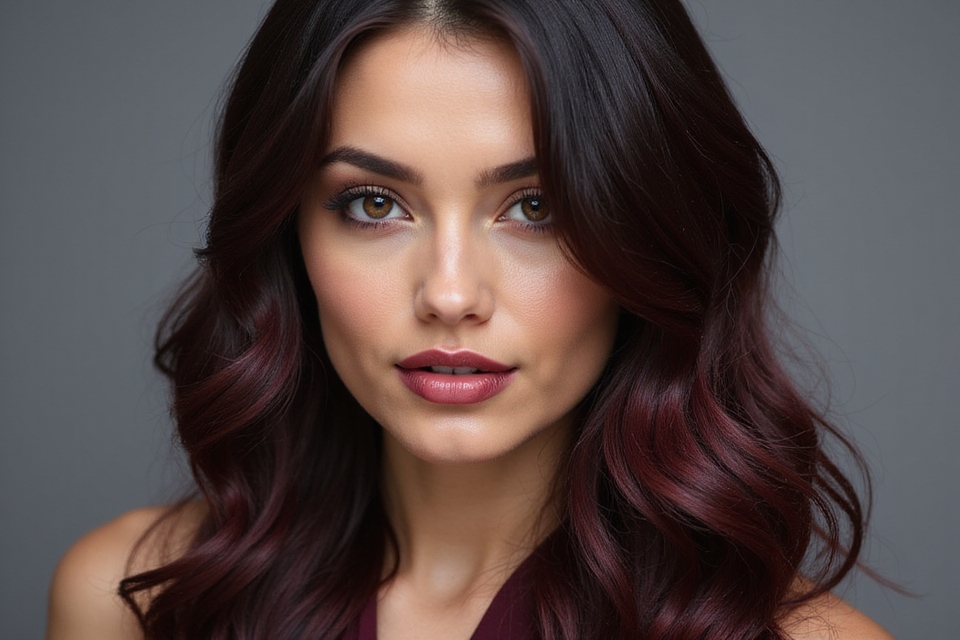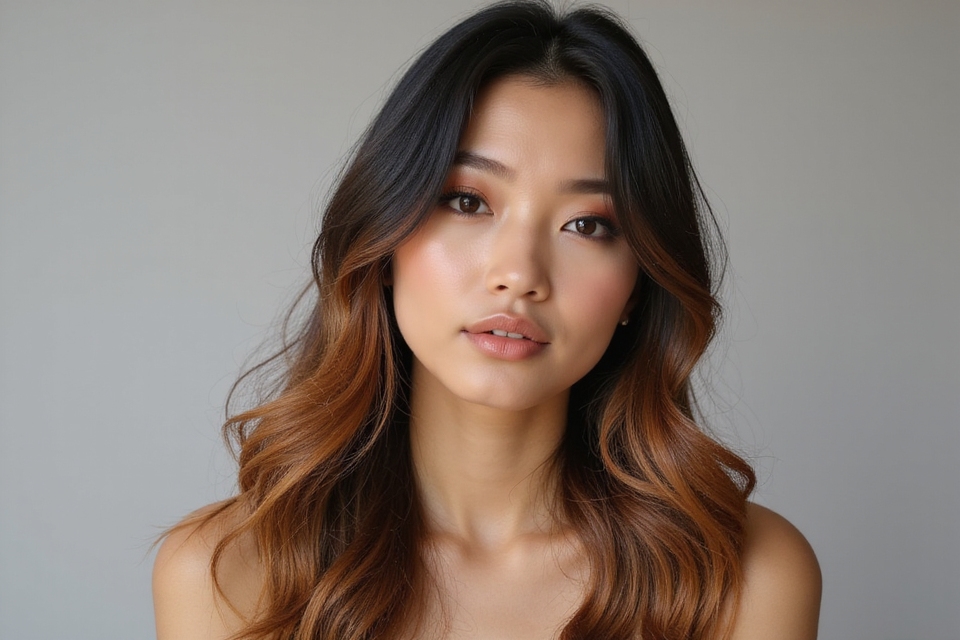

What is it about dark auburn that makes people stop you on the street? I have mixed this color for clients more than almost any other red, and the answer is always the same: it is the warmth of copper grounded by the depth of brown, so it looks rich without shouting. It works on more complexions than a loud, bright red ever could.
Dark auburn is not one shade. It runs from a cool burgundy-auburn to a warm mahogany to a chestnut threaded with copper, and the right one depends entirely on your skin and how much upkeep you want. Get the shade matched to your undertone and the upkeep dialed in, and it stays rich for weeks; get it wrong, and it fades to a flat brass by week three. The difference is all in the details below.
Dark Auburn at a Glance
| If You Want | Ask For | Upkeep |
|---|---|---|
| Warm and rich | Mahogany or chestnut auburn | Gloss every 4 to 6 weeks |
| Deep and cool | Burgundy-leaning auburn | Roots every 5 to 7 weeks |
| Low effort | A few face-framing copper highlights | A gloss every 8 weeks |
The Warm Pull of Dark Auburn

Dark auburn sits in the sweet spot between red and brown, which is exactly why it works on so many people. The brown anchors it so it never goes costume-bright, while the red gives it the glow that catches light and turns heads in the sun. It is autumn worn as a hair color. The effect is hard to resist.
I reach for it most with clients who want red but are nervous about it, since dark auburn is the gentlest way in. It passes as a rich brunette indoors and lights up copper outside, so it never feels like a leap. That dual quality is its whole appeal.
It also grows out softly, since the brown base blends with most natural roots better than a vivid red would. That means fewer panicked salon trips and a color that forgives a busy month. For a lighter take, compare it with a classic auburn.
Auburn Shades Worth Knowing

Dark auburn is a family, not a single tube, and naming the one you want is half the battle in the chair. Mahogany auburn leans purple-brown and looks the richest and most formal. Chestnut auburn is warmer and browner, the most natural-looking of the bunch. Burgundy auburn pushes coolest and deepest, almost wine in low light. Knowing which direction you want saves you from the vague photo that gets you the wrong red.
- Mahogany auburn: purple-brown, rich, the most dramatic
- Chestnut auburn: warm and brown, the most natural
- Burgundy auburn: deep and cool, nearly wine in dim light
A little auburn-color vocabulary before your appointment:
📖Gloss
A semi-permanent toner that seals shine and refreshes tone, the step that keeps auburn glassy.
📖Filler
A warm base color applied first when going red over blonde, so the red grabs evenly instead of patchy.
Finding Your Perfect Auburn Shade

Picking the right auburn comes down to your undertone, not your favorite photo. The quickest check is your wrist veins and how you tan. If your skin runs warm and you tan easily, golden and copper-leaning auburns light you up. If you run cool and burn before you tan, a burgundy or mahogany auburn flatters more. Neutral skin gets to play in the middle. Get this match right and the color looks like it grew out of you, not onto you.
- Warm skin, tans easily: copper and golden auburns
- Cool skin, burns first: burgundy and mahogany auburns
- Unsure: bring a bare-faced photo in natural light to your colorist
The Copper Undertones in Auburn

The copper running underneath is what separates a dark auburn from a plain dark brown, and it is the part that comes alive in sunlight. A good colorist builds that copper into the formula rather than glazing it on top, so it glows from within the color instead of sitting on the surface. The depth of it is close to a chocolate brown with a fire lit behind it.
- Copper is what makes auburn shift and glow in the sun
- Ask for it built into the base, not just glazed on top
- More copper looks warmer and brighter, less goes deeper
“The mistake I see most with auburn is clients washing it like normal hair. Red is the fastest color to fade, so cool water, sulfate-free shampoo, and washing every other day at most are what keep it rich. Treat it gently and it pays you back for weeks.”
Where Warmth Meets Dimension

Flat color is the enemy of a good auburn. What makes it look costly is dimension, which means a deeper base with slightly brighter pieces woven through so the color has movement instead of reading like a helmet of one tone. A skilled colorist places a darker shade at the roots and underneath, then brings warmth and light to the mid-lengths and ends where the sun would naturally hit. That contrast is what gives auburn its depth and movement.
- Keep the base deepest at the roots and underneath
- Bring warmth and brightness to the mid-lengths and ends
- Dimension, not one flat tone, is what looks costly
Red Highlights for Real Depth

Threading a few brighter red or copper highlights through a dark auburn base is the easiest way to add the dimension that makes the color glow. Kept fine and set around the hairline, they pick up light near your face and break up a solid block of color without tipping you full redhead.
I usually keep them concentrated up top and around the hairline, where they pass as natural sun-lift rather than stripes. A handful of well-placed pieces does more than a whole head of them, and it keeps your upkeep lower since the regrowth blends softly.
- Keep red highlights thin and face-framing, not all over
- Concentrate them up top where light naturally hits
- Fewer, well-placed pieces beat a whole head of stripes
| Service | Typical Cost | How Often |
|---|---|---|
| Single-process auburn | $90 to $150 | Every 5 to 7 weeks |
| Dimensional with highlights | $150 to $250 | Every 8 to 10 weeks |
| Gloss or toner refresh | $40 to $80 | Every 4 to 6 weeks |
A Custom Multi-Tonal Blend

The richest dark auburns are rarely one shade. They blend a deep chestnut base with hints of copper and a whisper of gold, layered so the color shifts as you move. This multi-tonal approach is what turns a flat dye job into something that looks dimensional and expensive.
Ask your colorist to map two or three tones from the same warm family, kept close enough to stay cohesive but distinct enough to give movement. It costs a little more in chair time, but it is the difference between hair that looks colored and hair that looks alive.
- Blend two or three tones from one warm family
- Keep them close enough to stay cohesive, not patchy
- Multi-tonal costs more chair time but looks far richer
Transitioning Into Dark Auburn

Going dark auburn from another color is straightforward from most starting points, with one big exception. From a brown or natural base it is a single, easy session, since you are adding warmth and depth rather than lifting. From blonde or highlights it takes a filler step first, because red needs a warm base underneath or it grabs unevenly and fades fast.
If you are coming from a box-dyed black or a faded old red, be honest with your colorist about every color in your history, since old dye sits in the hair and changes how the new one takes. A consultation before the appointment saves you a surprise in the mirror.
- From brown: usually one easy session
- From blonde: needs a filler step so red grabs evenly
- Disclose your full color history, old dye changes the result
One auburn myth worth clearing up:
❌ Myth: Auburn only suits pale, freckled, cool-toned skin.
✅ Reality: Dark auburn flatters a wide range of skin tones, deep and rich complexions included. The key is matching the warmth and depth of the shade to your undertone. A warm, deep auburn looks striking on brown and deep skin.
Mastering the Auburn Coloring Process

A great auburn is built, not just brushed on. The colorist picks a base that matches your depth, then layers warmth so the copper shines through rather than on top, and finishes with a gloss that seals shine and tone. In my chair, the gloss is the step I never let a client skip. It is what makes the color look glassy instead of matte.
A full single-process auburn runs roughly $90 to $150, and a dimensional, multi-tonal version with highlights climbs to $150 to $250 depending on your length and your market. Plan on two to three hours in the chair for the dimensional version. It is worth booking a colorist who shows real red work in their portfolio, since red is the hardest color to do well.
Caring for Auburn Hair

Red molecules are the largest dye molecules and the first to wash out, which is why auburn needs more care than almost any other color. The clients I see with the fastest fade are almost always washing daily in hot water. The single biggest thing you can do is wash less often and keep the water cool, because hot, frequent rinses pull the warmth out fastest.
Deep-condition once a week, since color-treated hair runs drier, and never skip a heat protectant before any hot tool. Color-treated auburn that gets fried with heat fades to a flat, brassy brown in weeks.
Trim every eight to ten weeks too, since faded, split ends hold color worst and make the whole head look dull. Healthy ends keep an auburn glossy between visits. Faded ends drag the whole color down.
Color-Protecting Products and Care

The right products are what stand between you and a fast fade, and a few swaps make a real difference. A sulfate-free, color-safe shampoo is non-negotiable, since sulfates strip red faster than anything in your shower. A warm copper toning mask, used once a week, redeposits pigment between salon visits and buys you extra time before a refresh. And a UV-protecting spray matters more than people think, since the sun fades red dramatically over a summer.
- Sulfate-free, color-safe shampoo is the first swap
- A copper color-depositing mask refreshes tone weekly
- A UV spray shields red from heavy summer fade
Stylish Highlights for Auburn

Once you love your auburn, a few highlights take it from pretty to dimensional. The trick is choosing tones that live in the same warm family so they sit as light rather than contrast.
Stay in the Warm Family
Soft caramel or copper pieces give a sun-kissed lift, while a tonal red highlight just a shade or two brighter than your base adds depth without obvious stripes. For something bolder, a sparse face-framing balayage in warm copper brightens around the eyes.
Keep any lighter pieces away from a full bleach situation, since heavy lightening on a red base fades unevenly. A little brightness woven in the right places is all an auburn needs. For placement ideas, see balayage.
Protective Hairstyles That Hold Color
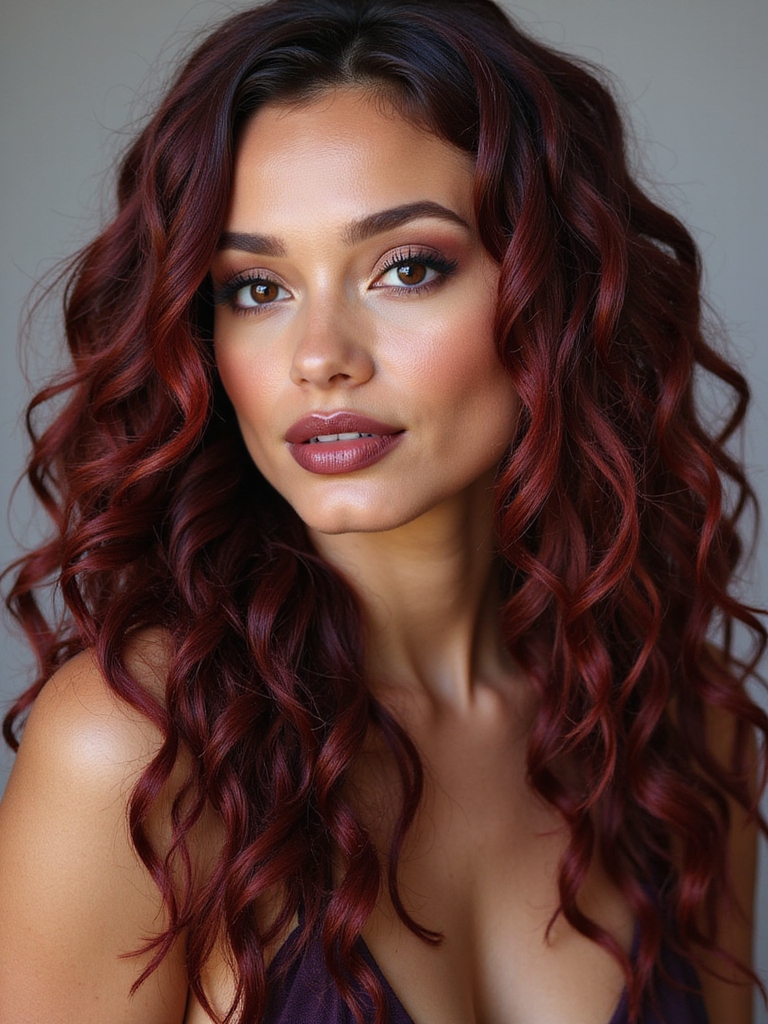
How you wear your hair affects how long the color lasts, which surprises a lot of clients. Loose braids, low buns, and soft updos keep your lengths tucked away from the sun and from the constant friction that roughs up the cuticle and lets color leak out.
On wash days, air-dry in a braid when you can to skip the heat entirely. And protect your hair at night on a satin pillowcase, which cuts the friction that dulls color-treated hair over time. None of it is fussy, and all of it buys you weeks of richer color between appointments.
- Loose braids and low buns shield lengths from sun and friction
- Air-dry in a braid to skip color-fading heat
- A satin pillowcase cuts the friction that dulls color
Auburn Shades for Every Season

One of the quietest perks of auburn is how readily it bends with the seasons without a whole new color. A gloss in a slightly different tone every couple of months keeps it feeling fresh and seasonal. You do not need a whole new color, just a tonal nudge at your regular gloss appointment.
- Fall: lean into deep mahogany and warm red
- Winter: a cooler burgundy-auburn looks rich and moody
- Spring and summer: brighter copper glints lift the whole color
Root Touch-Up Techniques
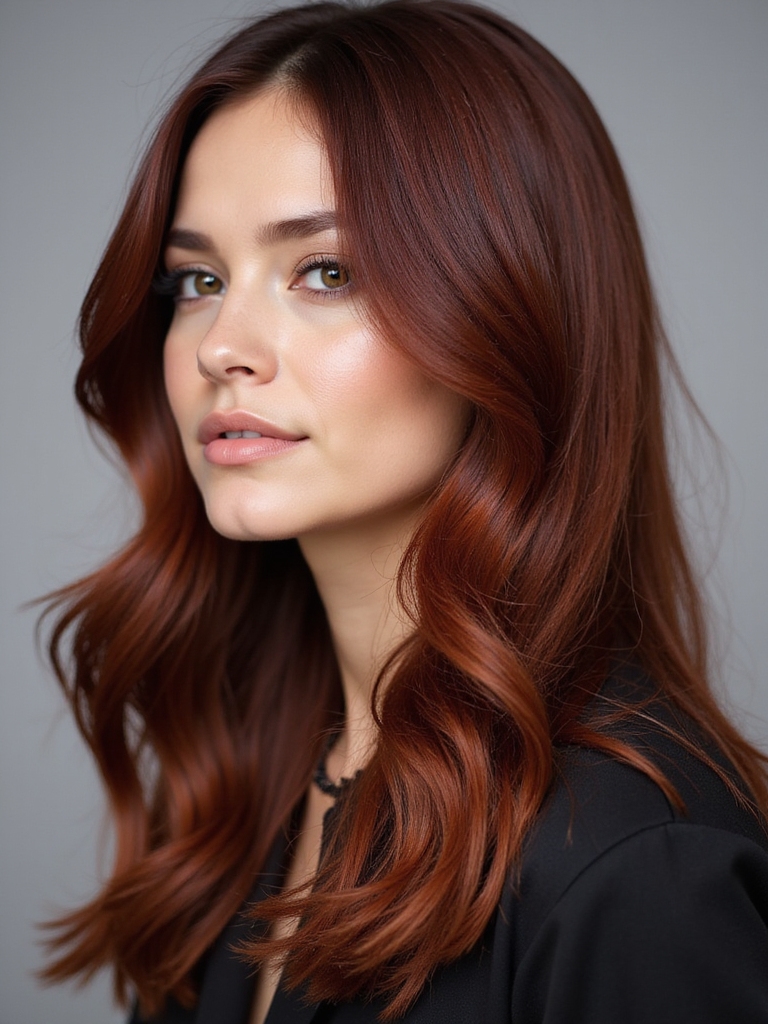
Auburn roots show sooner than you would like, especially if your natural color is much lighter or has gray. A few tricks buy you time between full appointments.
A root touch-up kit or a tinted root powder in a matching warm shade covers regrowth in minutes for an event, and a copper-tinted dry shampoo blurs the line at the part in a pinch. For gray regrowth, a root concealer wand is the fastest fix.
That said, leave any real color correction to your colorist, since boxed root kits often pull too warm or too dark and create a band you will pay to fix later. Stretch the time, but do not try to recolor your whole head at the sink.
Fighting Color Fade

Every redhead, natural or colored, fights the fade, but auburn gives you a head start since the brown base hangs on longer than a bright red. Still, a few habits make the difference between six weeks of rich color and three.
Wash in cool water, keep washes to two or three a week, and reach for dry shampoo on the off days. Rinse after swimming, since chlorine and salt are brutal on red, and limit your hot tools or always shield with a heat protectant.
When the warmth starts to dull, a copper color-depositing mask revives it at home, and a salon gloss every four to six weeks resets the tone completely. Fade is not a question of if but how slow, and these habits slow it a lot.
Iconic Dark Auburn Looks

Dark auburn has been a red-carpet staple for decades, and the looks worth borrowing are less about any one face and more about the finish. The version that always looks pricey is glossy, dimensional, and worn with movement rather than flat and matte. Think soft waves that let the copper catch light, a deep side part, and a high-shine finish.
- Glossy and dimensional beats flat and matte every time
- Soft waves let the copper undertones catch the light
- A high-shine gloss is what makes any auburn look luxe
Auburn Color Coordination With Makeup

A dark auburn changes which makeup and colors flatter you, usually for the better. Warm bronzy and copper eyeshadows make the color sing, while a berry or brick lip echoes the red without competing.
On the wardrobe side, emerald green, deep teal, cream, and rust all play beautifully against auburn, since cool greens and warm neutrals both set off the red. Skip anything that clashes warm against warm in an unflattering way, like a bright orange, and let the hair be the warm anchor of the whole look.
- Bronzy and copper eyeshadow makes auburn glow
- A berry or brick lip echoes the red without clashing
- Emerald, teal, cream, and rust all flatter against auburn
How to Ask Your Stylist for Dark Auburn
Walking into the salon with the right words gets you the auburn you actually want. Bring two or three photos in natural light, not filtered, and shown on hair as close to your starting color as you can find, since the same formula takes differently over blonde than over brown. Name your direction clearly: warmer mahogany, browner chestnut, or cooler burgundy, so your colorist is not guessing.
Be upfront about everything you have ever put on your hair, box dye included, since old pigment lingers in the strand and changes the result. And say upfront how much upkeep you can commit to, because that decides whether you get an all-over color or a lower-maintenance dimensional blend.
Two habits make the whole thing last. Ask for a gloss to finish every appointment, since that is what gives auburn its glassy shine and even tone, and ask which sulfate-free shampoo and color-depositing mask your colorist recommends for the exact shade they mixed.
Cool-water washing and a weekly tone top-up at home are the difference between color that lasts six weeks and color that is muddy in three. Treat the appointment as the start of the upkeep, not the end, and your auburn stays rich far longer.
Dark Auburn, Answered
?Does dark auburn fade fast?
Faster than brown but slower than a bright red, since the brown base holds on. Cool-water washing, sulfate-free shampoo, and a copper-depositing mask stretch it to six weeks or more between glosses.
?Will dark auburn suit my skin tone?
Most likely, yes. Warm skin loves copper-leaning auburns, cool skin loves burgundy and mahogany, and deep and brown skin look striking in a rich, warm auburn. It is one of the most universally flattering reds there is.
?How much does dark auburn cost at a salon?
A single-process auburn runs about $90 to $150, and a dimensional version with highlights climbs to $150 to $250, plus $40 to $80 for a gloss refresh every few weeks.
?Can I go dark auburn from blonde?
Yes, but it needs a filler step first so the red grabs evenly, otherwise it fades patchy and fast. Tell your colorist your full color history before the appointment.
Your Richest Red Yet
Dark auburn earns its reputation honestly: it is the red that suits nearly every complexion, glows in the sun, grows out softly, and looks rich rather than loud. The whole game is matching the shade to your undertone, building in dimension, and then caring for it so the warmth lasts.
So pull a few photos in natural light, figure out whether you lean warm or cool, and book a colorist who shows real red work. Ask for a gloss to finish, commit to cool-water washes, and you will have an auburn that turns heads from the first week to the last. Your richest red is worth the small upkeep.
You Might Also Like