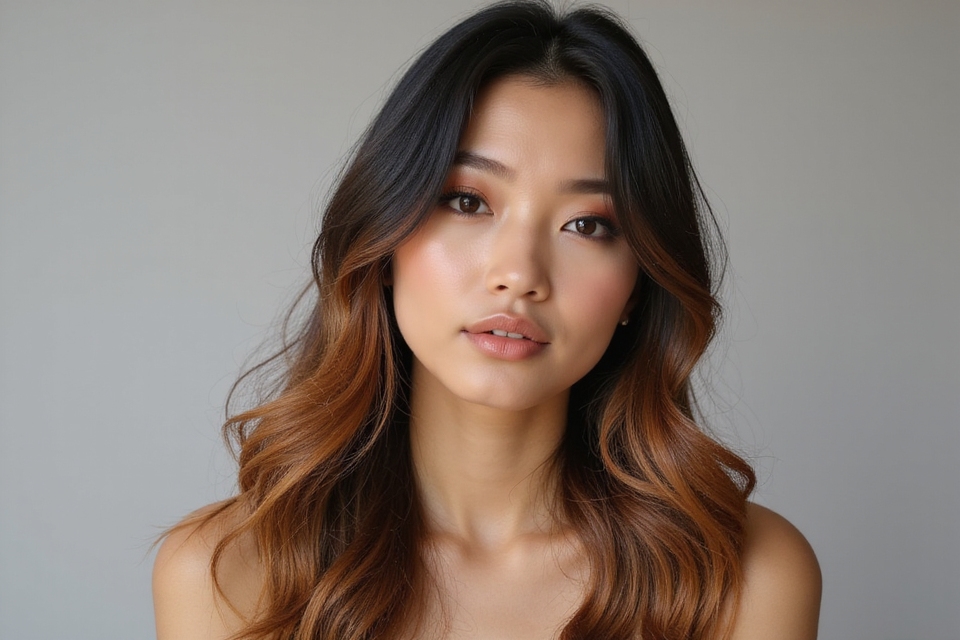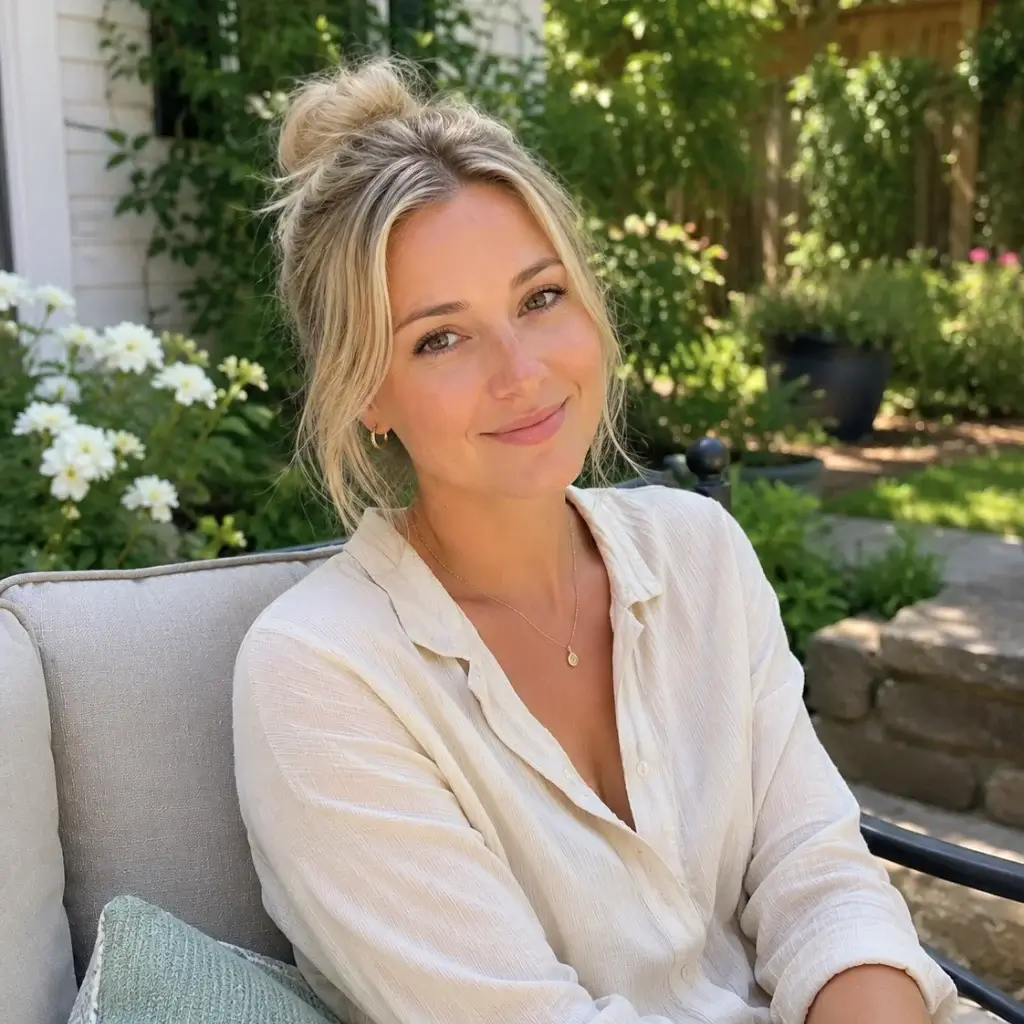
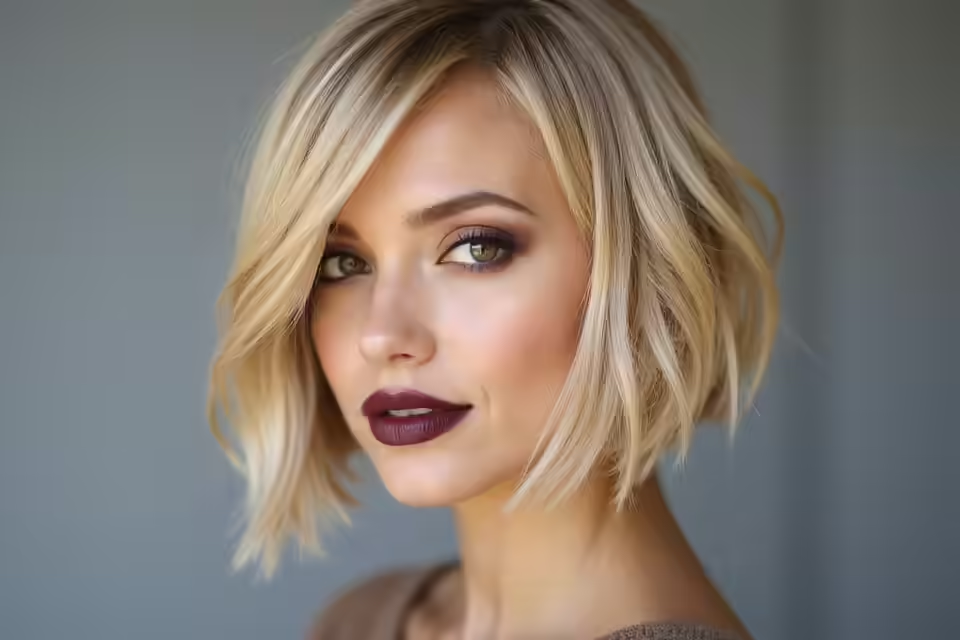
How many times have you walked into a salon with a photo, walked out with something close to it, and still felt like it wasn’t quite you? A haircut is one of the most personal decisions you make about how you show up in the world, and yet most of us choose one based on what’s trending or what looked good on someone else. The cut that actually works is the one built around your face, your texture, and the life you actually live.
This guide is less a list of trendy cuts and more a way to think about choosing one. We’ll cover what a great cut really does, how to read your own face and texture, the classic shapes that hold up for years, and how to talk to your stylist so you leave with hair that feels honest to who you are. Change is good; regret is optional.
The Short Version
- The best cut is chosen for your face shape, hair texture, and lifestyle, not for what’s trending on your feed.
- A skilled stylist reads your hair and your life, then adapts a shape to you; a screenshot can only ever be a starting point.
- Classic cuts (the bob, soft layers, the pixie, the shag) endure because they flatter real hair and grow out gracefully.
- A new cut can truly lift your mood, but the ones you love a year later are the honest ones that suit your real routine.
How Hair Trends Reflect Their Era
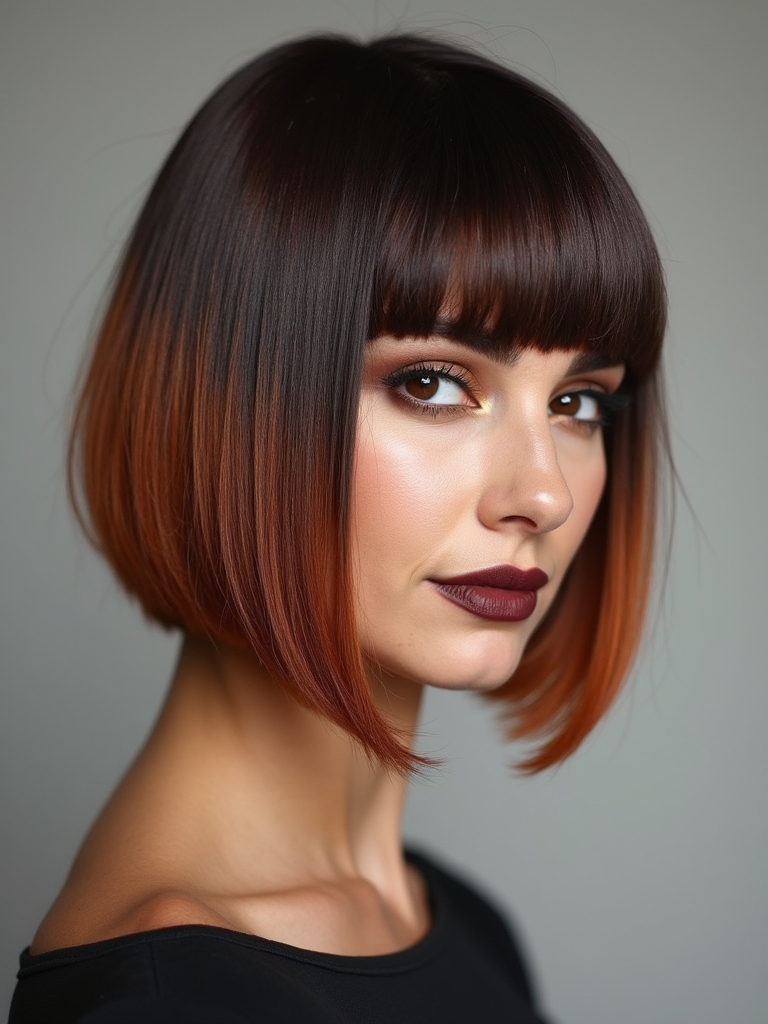
Look at any old photograph and you can date it within a few years by the hair alone. The bobs, the feathered layers, the sharp crops, each belonged to a moment and carried its mood. Hair is one of the fastest ways we signal where we are, both in time and in life.
That’s worth remembering when you’re tempted by whatever cut is everywhere right now. A trend tells you what the moment loves; your face shape decides what actually suits you. The cuts that outlast their era are the ones chosen for the person wearing them.
- Trends move fast; your face shape and texture don’t.
- A dated-looking cut is usually a trend chased too literally.
- The goal is a cut that will still feel right in two years.
Your Haircut as Personal Expression

Whether you mean it to or not, your hair speaks first. A blunt, precise bob lands differently from soft, tumbling waves, and a bold crop says something all its own. None of these is better; they’re just different sentences.
Start With the Feeling, Not the Photo
The question worth asking is what you want yours to say. Polished and put-together? Relaxed and low-effort? Creative and a little unexpected? When clients ask me where to start, I ask them that before I ask about length or layers.
Getting the message right matters more than getting the trend right. A cut that matches how you actually want to be seen will always feel better than one that’s simply fashionable.
What a Great Stylist Actually Does

The best stylists can feel a little like magicians, but what they’re really doing is reading information the rest of us miss. Before a single snip, a good one is studying how your hair grows, where it parts, how it behaves, and what your morning routine can realistically handle.
- They assess your texture, density, and growth patterns first.
- They ask about your routine, so the cut fits your real mornings.
- They adapt the shape you want to the face and hair you have.
- They tell you honestly when a photo won’t translate to your hair.
Modern Cutting Techniques Worth Knowing

Cutting has come a long way, and the techniques a skilled stylist reaches for can shape the same length in very different ways. You don’t need to master these, but knowing the vocabulary helps you ask for what you want.
- Dry cutting shapes the hair as it naturally falls, ideal for curls and texture.
- Point cutting softens ends and adds movement without a blunt line.
- Razor work creates piecey, wispy texture, best used sparingly.
- Graduation and layering build shape and volume into the cut itself.
📋Signs You’ve Found the Right Stylist
- ✓They ask about your routine and lifestyle, well beyond the length you want.
- ✓They’re honest when a photo won’t translate to your hair type.
- ✓They look at how your hair grows and parts before they start cutting.
- ✓You leave able to recreate the look yourself at home.
Trendy or Timeless: How to Choose
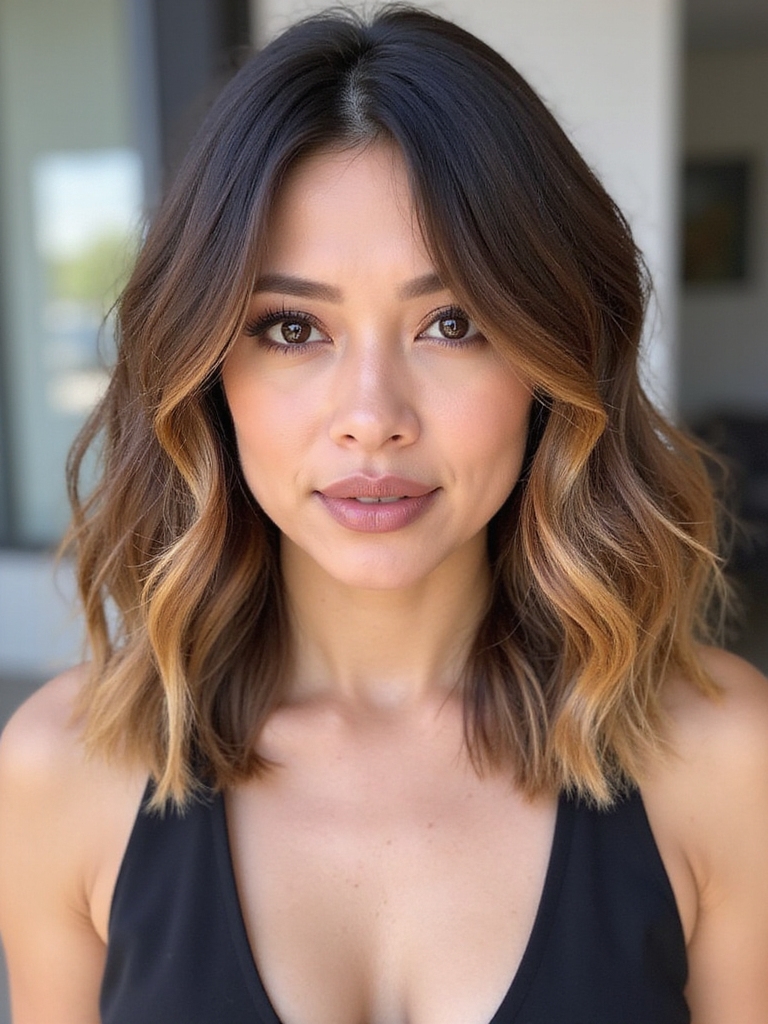
There’s a real pleasure in a cut that feels current, and there’s a deeper comfort in one that holds up for years. You don’t have to pick a side forever, but it helps to know which you’re chasing this time around.
The Case for a Classic Base
A middle path works for most people: choose a classic foundation, a bob, a lob, soft layers, and let the trend live in how you wear it, the styling, the color, the finish. That way the shape holds up even as the moment moves on. See the lob for a foundation that bends both ways.
If you love change and get bored fast, lean trendy and enjoy it. If you’d rather find your look and keep it, lean classic. Both are honest choices; the trap is chasing every trend and always feeling unsettled.
When a Hairstyle Choice Reflects Growth

There’s a reason so many big life changes come with a big haircut. A breakup, a new job, a milestone birthday, the end of a hard season, hair is the one thing we can transform immediately, and it makes the internal shift feel visible.
I’ve had clients sit down and say almost nothing except that they’re ready for something different, and I understand exactly what they mean. The cut becomes a line drawn between before and after.
If you’re in one of those moments, honor it, but give yourself one guardrail: make the change because you want this new look, and let escaping the old one be a bonus. The best transformations move toward something you want.
Trendy or timeless? A quick gut check before you book.
1You get bored of your hair within a few months and love a change.
Lean trendy, and enjoy it. Pick a versatile base so switching things up is easy and low-risk.
2You’d rather find your look once and keep refining it for years.
Lean timeless. Choose a classic shape that flatters your face and let color or styling carry any trend.
Transforming Your Look Without Regret

Dramatic changes are thrilling, and they’re also where most haircut regret is born. A little strategy keeps the excitement and drops the risk, so you can go bold with your eyes open instead of gambling on a whim.
- Go in stages if you’re nervous; take off length in a few steps over time.
- Bring several photos so your stylist sees the theme behind them.
- Ask how it’ll grow out, because that phase lasts far longer than day one.
- Book a stylist who’s honest about what will actually work for your hair.
Hairstyles That Express Your Identity
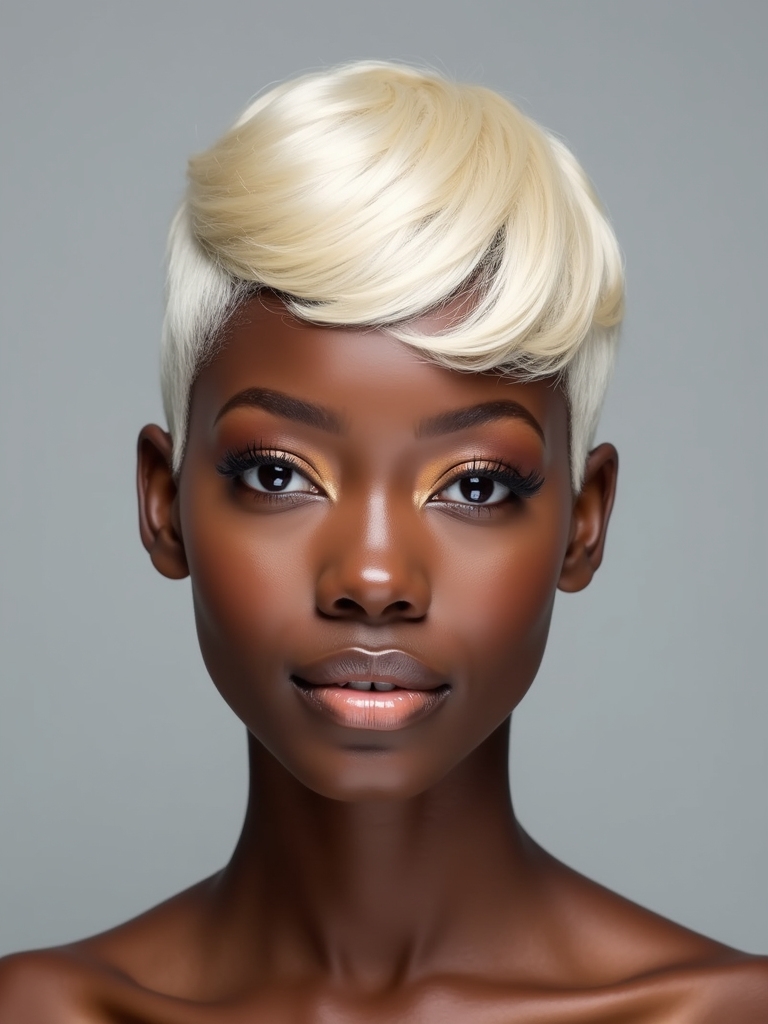
There’s no rule that a certain personality needs a certain cut, but some pairings tend to click. Think of these as loose starting points, a way to translate how you feel into a shape you can play with.
- Bold and decisive: a sharp bob or a cropped pixie with real edge.
- Soft and romantic: long layers, curtain bangs, and loose movement.
- Low-key and practical: a wash-and-go lob or a grown-out shag.
- Creative and expressive: an asymmetric shape or a statement fringe.
Empowering Cuts and the Confidence They Give

There’s a specific kind of walk people have when they love their hair. A cut that suits you does more than look good; it changes how you carry yourself, how you meet your own eyes in the mirror, how you take up space in a room.
Confidence Comes From Fit, Not Flash
That’s not vanity. Feeling at home in how you look frees up a surprising amount of mental energy, and hair is one of the few things you can adjust in an afternoon.
The catch is that this confidence comes from a cut that fits you, not one that impresses others. A shape you can actually manage on an ordinary morning gives you far more confidence than a demanding one you fight every day.
Cuts That Work for a Busy Life

For most of us, the honest test of a haircut comes on a chaotic Tuesday when you have nine minutes and wet hair. The cuts that earn their keep are the ones that look good with minimal effort and shift easily from desk to dinner.
- A lob you can wear straight, waved, or tied back on a rough day.
- Layered mid-length hair that air-dries with shape and body.
- A pixie that’s ready in the time it takes to run your hands through it.
- Any cut that still looks intentional pulled into a quick clip or bun.
Working With Your Natural Texture
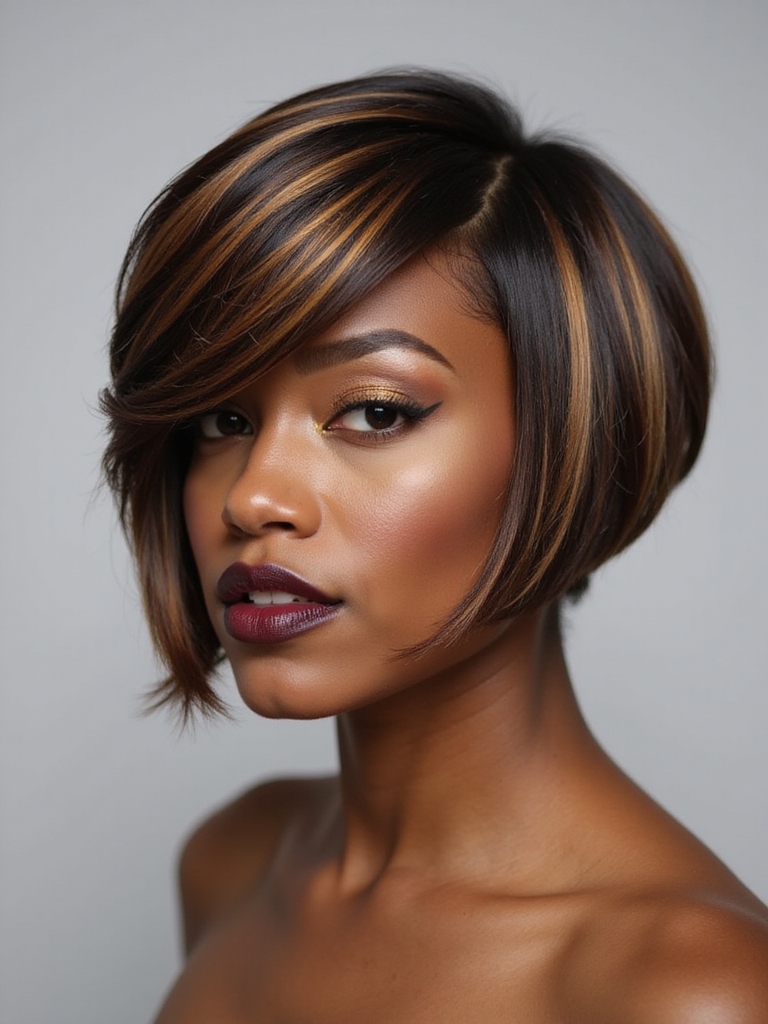
The single biggest upgrade most people can make is to stop fighting their natural texture and cut for it instead. If your hair is curly, coily, wavy, or fine and straight, the right cut works with that pattern, so your hair looks its best on a day you barely touch it.
Cut for the Hair You Have
This matters enormously for textured and curly hair, which is too often cut by someone who doesn’t understand it and left shapeless or over-thinned. A stylist who cuts curls dry, follows the natural pattern, and understands coils and locs will give you a shape that springs to life on its own.
Fighting your texture with daily heat is exhausting and hard on your hair. I recommend finding a stylist who specializes in your texture; it’s the difference between a cut you maintain and one that maintains itself. See soft layers for movement that suits most textures.
A Cut That Stays True to Yourself

It’s easy to lose yourself in inspiration photos and end up chasing someone else’s look. Every so often it’s worth stepping back and asking a simpler question: what do I actually feel like myself in?
For some people that’s long hair they can hide behind and play with; for others it’s a crop that feels like armor. There’s no correct answer, only your answer, and it’s allowed to be different from what’s fashionable or expected.
The cuts people keep coming back to over a lifetime are almost always the ones that feel like home. When a shape feels like you, you stop performing your hair and just live in it.
Timeless Hairstyles That Endure

A handful of cuts have survived every trend cycle because they simply flatter real women’s hair, and any of them makes a reliable foundation you can update forever with styling and color.
These are the shapes I come back to again and again in the chair, because they suit a huge range of faces and textures and grow out with grace as the weeks pass.
- The bob: blunt or soft, it flatters nearly everyone and looks polished.
- The lob: a longer bob with more versatility and less commitment.
- Long layers: movement and shape without losing your length.
- The pixie: bold, freeing, and endlessly re-stylable. See a soft pixie.
When a Hairstyle Change Feels Like Therapy

Almost everyone has, at some point, booked a haircut mostly to feel better, and there’s real sense in that. Shedding weight and length can feel like shedding a mood, and an hour in the chair with someone’s full attention is its own small comfort.
Feel the Urge, Sleep on the Details
There’s nothing shallow about it. Small, controllable acts of care matter, especially in seasons when a lot feels out of your hands, and hair is beautifully within reach.
The only caution is timing. A cut you’ll love is worth waiting a few days for; a cut made in the heat of a hard night is where impulsive regret tends to live. Feel the urge, then sleep on the specifics.
How the Right Cut Boosts Confidence

Face shape is the quiet workhorse behind every flattering cut. The idea is simple: the right lines and lengths balance your proportions and draw the eye where you want it, which is why the same bob can flatter one person and overwhelm another.
Balance Is the Whole Idea
You don’t need to obsess over this, and the rules are loose guidelines. Still, knowing roughly what balances your face gives you and your stylist a smart place to begin.
Use the table below as a starting map, then let a good stylist fine-tune it to your actual features. Softening here, length there; the adjustments are where the artistry lives.
Why a Custom Cut Beats a Screenshot
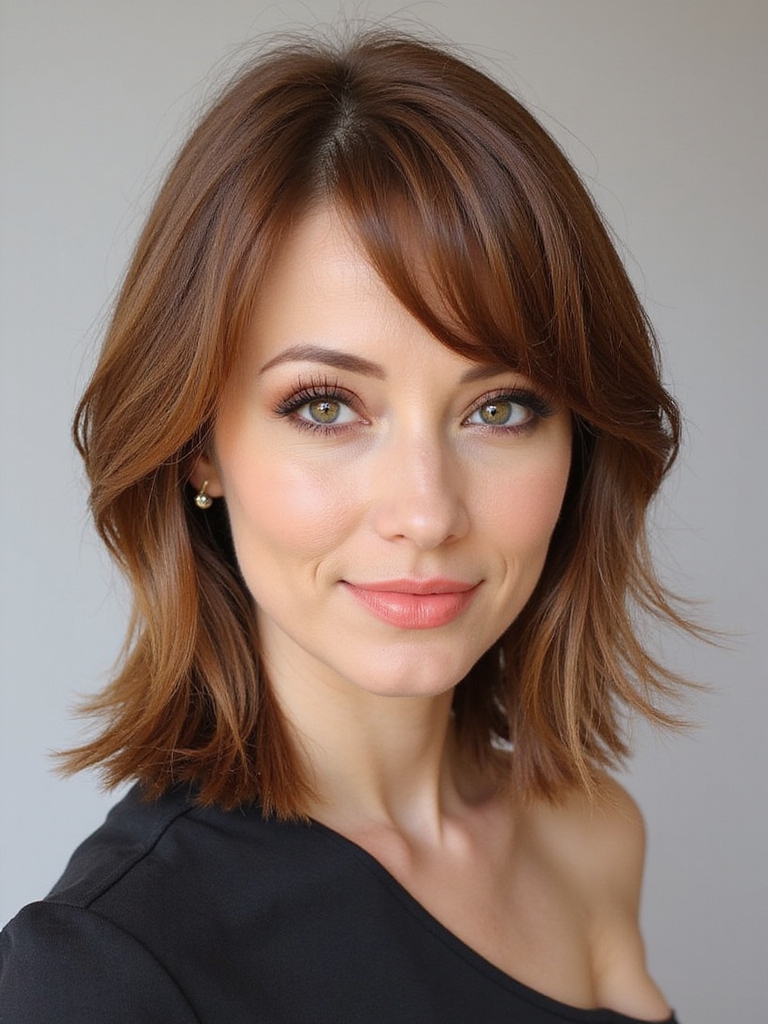
That photo you saved looks so good partly because of things you can’t see: the model’s texture, density, face, and a stylist who tailored the cut to her. Copied strand for strand onto different hair, it can land completely differently.
This is why a skilled stylist is worth their rate. Bring the photo absolutely, but treat it as a direction to build from, and let someone adapt the idea to the hair you’re actually working with. The custom version is the one you’ll love.
| Face shape | Tends to flatter | Approach with care |
|---|---|---|
| Round | Long layers, lobs, side parts that add length | Blunt chin-length bobs that widen the face |
| Oval | Almost anything, from pixies to long layers | Very heavy, face-covering fringes |
| Square | Soft layers and waves that soften the jaw | Sharp, blunt lines level with the jaw |
| Heart | Chin-length bobs and curtain bangs for balance | Short, blunt cuts that emphasize a narrow chin |
The Evolution of Women’s Hairstyles
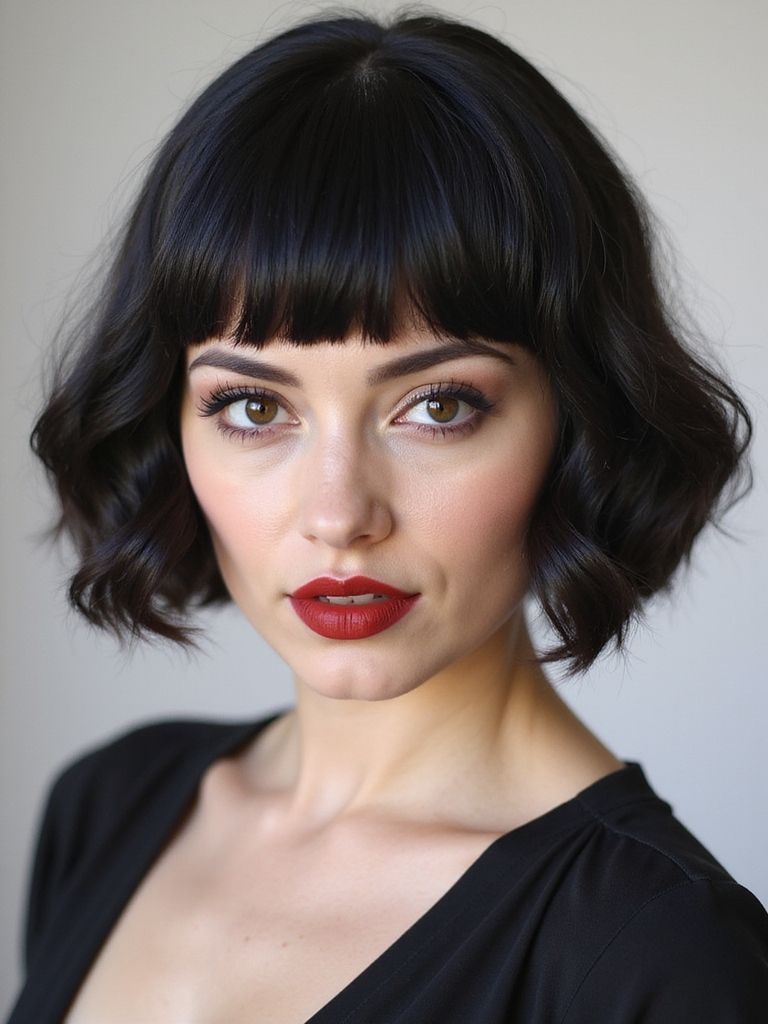
Women’s haircuts have always carried more than style; they’ve carried freedom, rebellion, and shifting ideas of who a woman gets to be. The bobbed hair of the 1920s was a statement of independence, and every decade since has had its own charged moment.
Knowing that history is quietly freeing. It reminds you that a haircut has always been a way women claim how they want to show up, well beyond looking pretty. Yours is part of that long line.
Haircuts as Self-Expression, Decoded

Half of getting the cut you want is being able to describe it, and salon language can feel like a code. A few key terms go a long way toward closing the gap between what you picture and what you get.
- Learn a handful of terms so you and your stylist speak the same language.
- Describe the effect you want (soft, sharp, full) alongside any photos.
- Ask what a word means if you’re unsure; a good stylist will happily explain.
- Agree on length in inches, using clear numbers, to avoid surprises.
Building a Timeless Signature Style

Some women seem to have a signature, a look so tied to them you can’t picture them any other way. That isn’t luck; it’s usually a shape they found, refined, and committed to over years until it became shorthand for them.
You can build one too. Find a cut that really suits you, then evolve it slowly over the seasons. Small, consistent refinements are how a haircut turns into a signature you keep.
A few salon terms, so you and your stylist mean the same thing.
📖Layers
Hair cut at varying lengths to add movement, shape, and volume.
📖Graduation
Shorter under-layers that stack to push the hair up and out for body.
📖Point cutting
Cutting into the ends at an angle to soften the line and add texture.
📖Blunt cut
One clean length with no layering, for a dense, sharp perimeter.
Celebrate Your Natural Beauty

So much hair frustration comes from wanting someone else’s, thicker, straighter, curlier, longer, that we miss what our own hair does beautifully. Every hair type has a range of cuts that make it look its best.
The shift that changes everything is choosing a cut for the hair you have, and setting aside the hair you wish you had. Work with your density, your texture, your growth, and your hair rewards you by looking healthy and full with far less of a fight.
How Celebrity Hairstyles Spark Trends

A famous haircut can send thousands of people to the salon overnight, and there’s nothing wrong with drawing inspiration from a look you love on screen or a red carpet. The images are polished for a reason, and they’re a fine place to gather ideas.
Just remember what you’re seeing: professional styling, ideal lighting, and often extensions or a team of people. The cut may be real, but the daily reality behind it is usually a world away from your morning.
Borrow the shape, the vibe, the length, and then ask your stylist to translate it to your hair and your life. That’s how a celebrity look becomes a cut that works on an ordinary morning.
Future Haircut Trends for Women

Predicting hair trends is a bit of a game, but the clearest direction is less about any single cut and more about a mindset: individuality over uniformity, and hair that works with your natural texture. The future of women’s cuts looks personal.
- More celebration of natural texture, curls, coils, waves, and all.
- Lower-maintenance shapes built for real, busy lives.
- Personalization over one-size-fits-all trends.
- Cuts chosen for how they make you feel, beyond how they photograph.
How Haircuts Reveal Your Identity
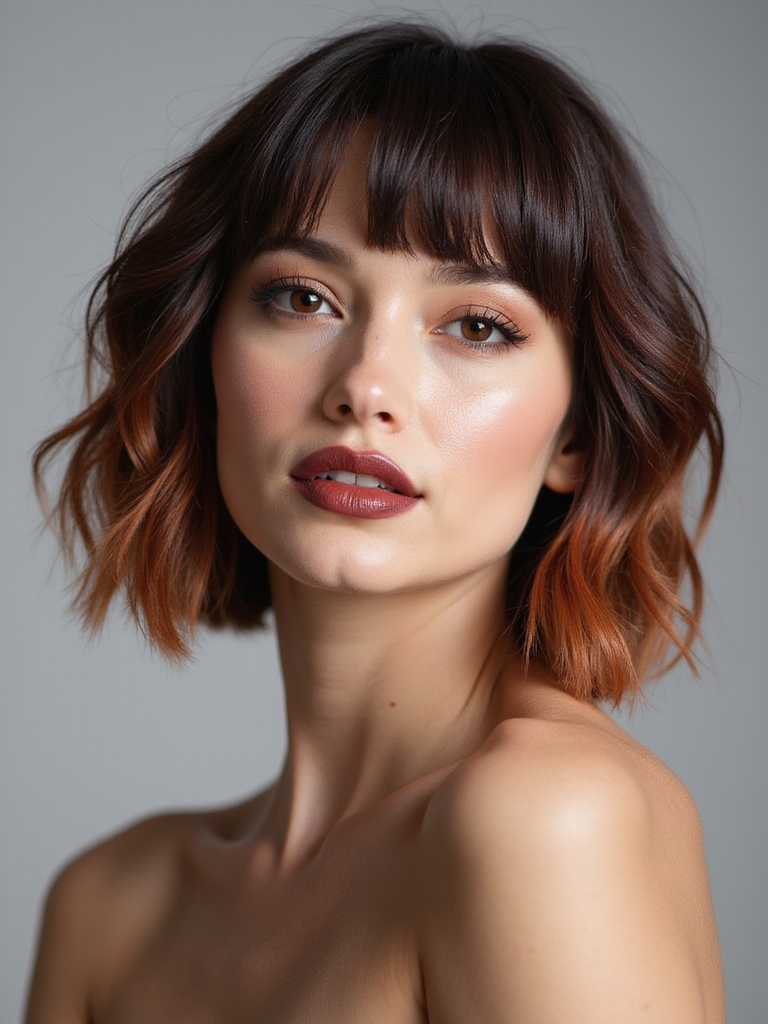
At its best, a haircut is a quiet form of self-knowledge. It shows something true about how you want to move through the world, and when it’s right, it feels less like a style and more like recognition, the mirror catching who you already are.
That’s the whole aim of choosing well. Not the trendiest cut or the one that impressed the salon, but the one that makes you feel most fully yourself when you catch your reflection.
Get that right and your hair stops being a daily problem to solve and becomes something you barely think about, because it simply fits. That’s the honest cut this whole guide is pointing toward.
Styling Tips
The best cut still benefits from a few smart habits. Work with your natural texture, and skip forcing it straight or curly every day, use a small amount of the right product for your hair type, and learn one or two quick styles you can rely on when you’re short on time. Heat tools are fine occasionally, but a cut that looks good air-dried will save your hair and your mornings.
On cost, a quality women’s cut typically runs anywhere from about $40 to $150 or more depending on your area, the stylist’s experience, and the complexity of the shape, and precise cuts like a blunt bob usually need a fresh trim roughly every two months to hold, while longer, layered styles can stretch closer to three. Think of regular trims as protecting an investment: the upkeep is what keeps a good cut looking like one.
Common Questions About Choosing a Cut
?How do I choose the most flattering haircut for me?
Start with three things: your face shape, your natural texture, and your daily routine. Those matter far more than what’s trending. Use face shape as a rough guide for balancing your proportions, choose a cut that works with your texture, and be honest about how much styling time you’ll really give it. Then find a stylist who can tailor a shape to all three.
?How often should I get my haircut?
It depends on the cut. Precise, short shapes like a blunt bob or pixie need a trim on a six-to-eight-week cadence to hold their shape, while longer, layered styles can often stretch to ten or twelve weeks. If you’re growing your hair out, a light trim every couple of months keeps the ends healthy without losing length.
?Should I bring a photo to the salon?
Yes, bring a few of them, and treat the set as direction to adapt. Photos are the best way to show the effect you want, but your hair’s texture and your face may need the idea adapted. A good stylist uses your photos as a starting point and adjusts the cut to suit the hair you actually have.
The Honest Cut Is the One You Keep
If there’s one thread running through all of this, it’s that the right haircut is the most honest one, ahead of the trendiest or most dramatic. The one chosen for your real face, your real texture, and your real life is the one you’ll still love long after the moment that inspired it has passed. Change your hair as often as you like, but change it toward yourself.
So the next time you sit down in the chair, bring the photo, but bring your real question too: what will make me feel most like me? Answer that honestly, find a stylist who listens, and you walk out with a cut that is fashionable and, more than that, yours. That’s the kind of change worth making.
More to Try