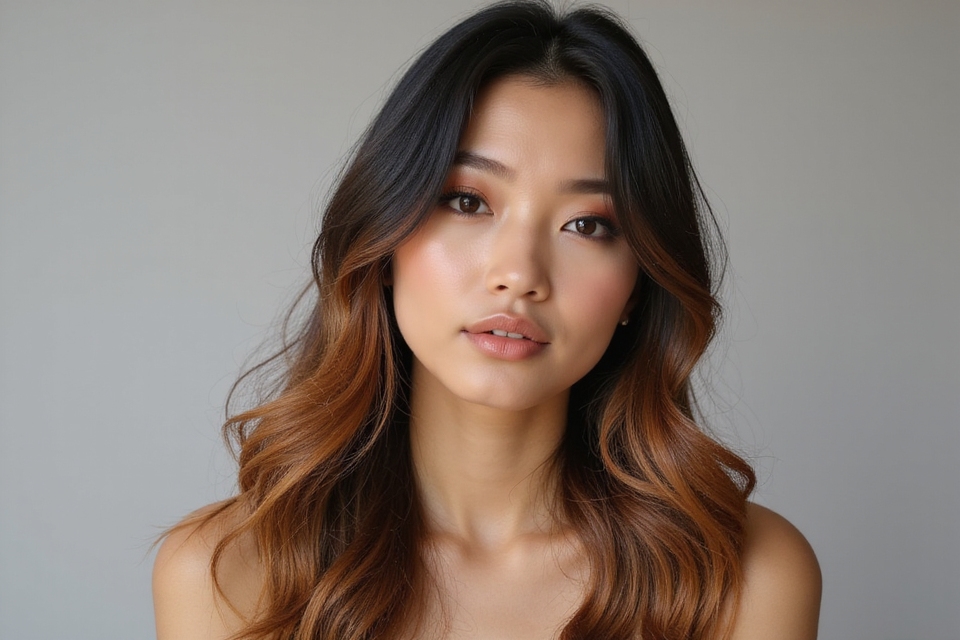

Ever save a hairstyle you love, try it at home, and end up wondering why it looked nothing like the photo? Nine times out of ten the answer isn’t your skill; it’s that the style was built for a different hair type than yours. The single most useful thing you can learn about your hair is to style with your texture, working alongside it, because a look that fights your natural pattern will never sit right for long.
So this is a guide organized the way it actually matters: by hair type first, straight through coily, then by the length and the occasion. Find your texture below, borrow the ideas that fit, and you’ll spend far less time forcing your hair to be something it isn’t.
Quick Answers
How do I find styles that actually work for me? Look at your natural texture and density first. A style built for your hair type holds better and takes far less effort than one you have to force into place.
Does my hair type limit my options? Not really. Every texture, from poker-straight to tight coils, has a wide range of flattering cuts and styles; the trick is choosing the ones that play to its strengths.
What matters more, the cut or the styling? The cut, almost always. A shape built for your texture does most of the work, so your daily styling becomes quick and forgiving instead of a fight.
Straight Hair

Straight hair’s superpower is shine and clean lines, since light travels right down the strand with nothing to break it. The flip side is that it can go flat and show oil fast, so the styles that flatter it build in movement and hold.
- A blunt bob or lob, where the straight line looks sharp and full.
- A sleek high pony or low bun, playing straight hair’s polish to the hilt.
- Soft bends from a large-barrel iron when you want body and swing.
Wavy Hair
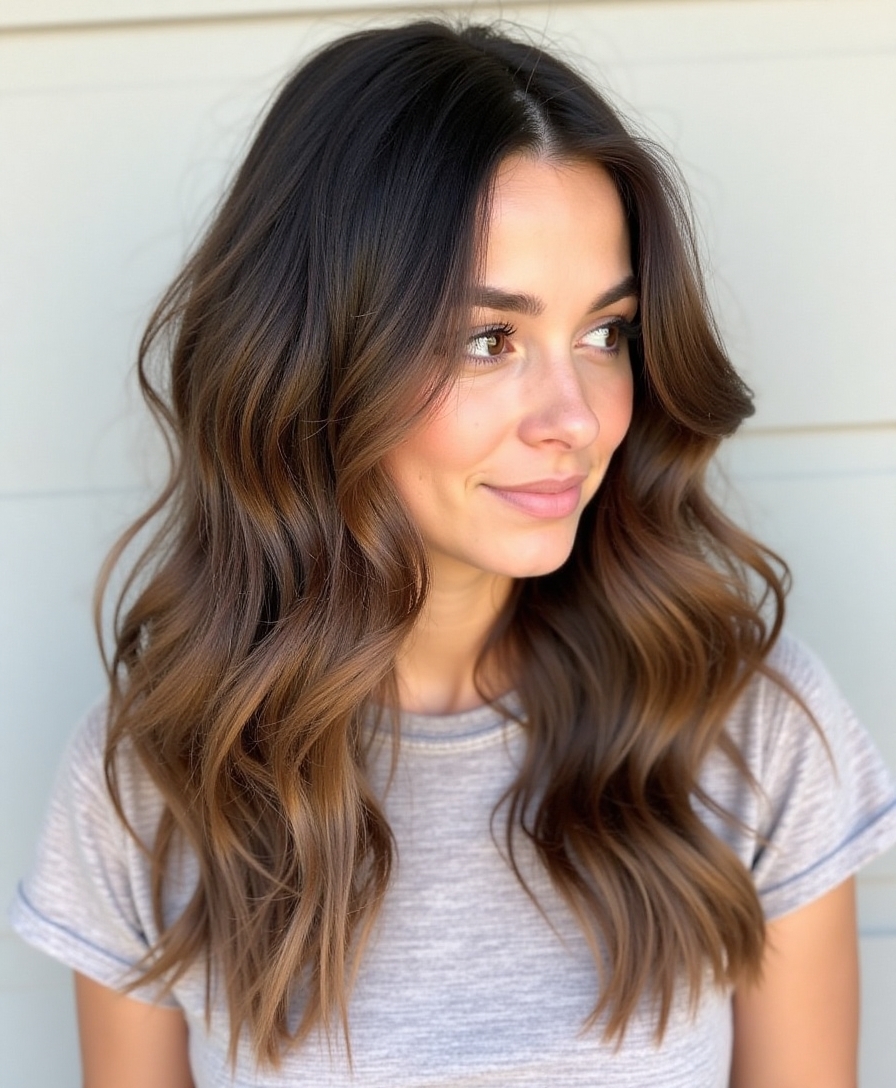
Wavy hair sits in a lucky middle: it has natural movement without the upkeep of curls, so it air-dries with a soft, undone texture a lot of people spend hours trying to fake. The mistake is flattening it with the wrong products or too much heat.
The best move is to lean in. A little mousse or sea-salt spray scrunched into damp hair encourages the wave and stops it drying limp, and a diffuser adds definition without frizz.
Cut-wise, long layers let waves bounce and stack, which is why a wavy shag or a soft lob suits this texture so well. Encourage that bend with a light hand and wavy hair gives back easy, natural body.
Curly Hair
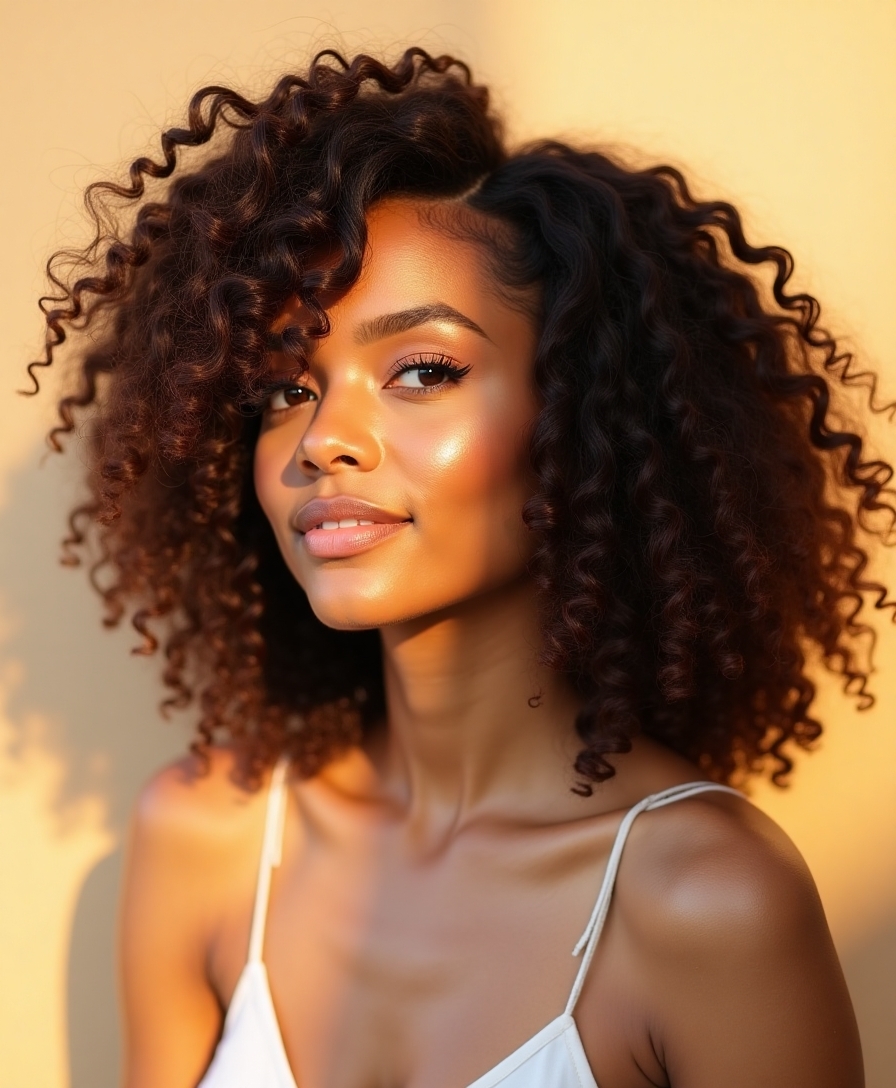
Curly hair is all about definition and moisture. When it’s hydrated and cut to its own pattern, it springs into full, bouncy shape; when it’s dry or cut wrong, it frizzes and falls shapeless. So the whole game is keeping curls moisturized and letting them clump undisturbed as they dry.
Definition Starts When Wet
Work a leave-in and curl cream through hair that is still dripping wet, coax the clumps together, and keep your hands off until it has dried down completely. A curl-literate stylist, ideally cutting dry, matters more than any product.
Cuts that let curls stack, like a curly bob, lob, or shag, flatter this texture most. See curly hairstyles for a full run of ideas.
Coily, Natural Hair
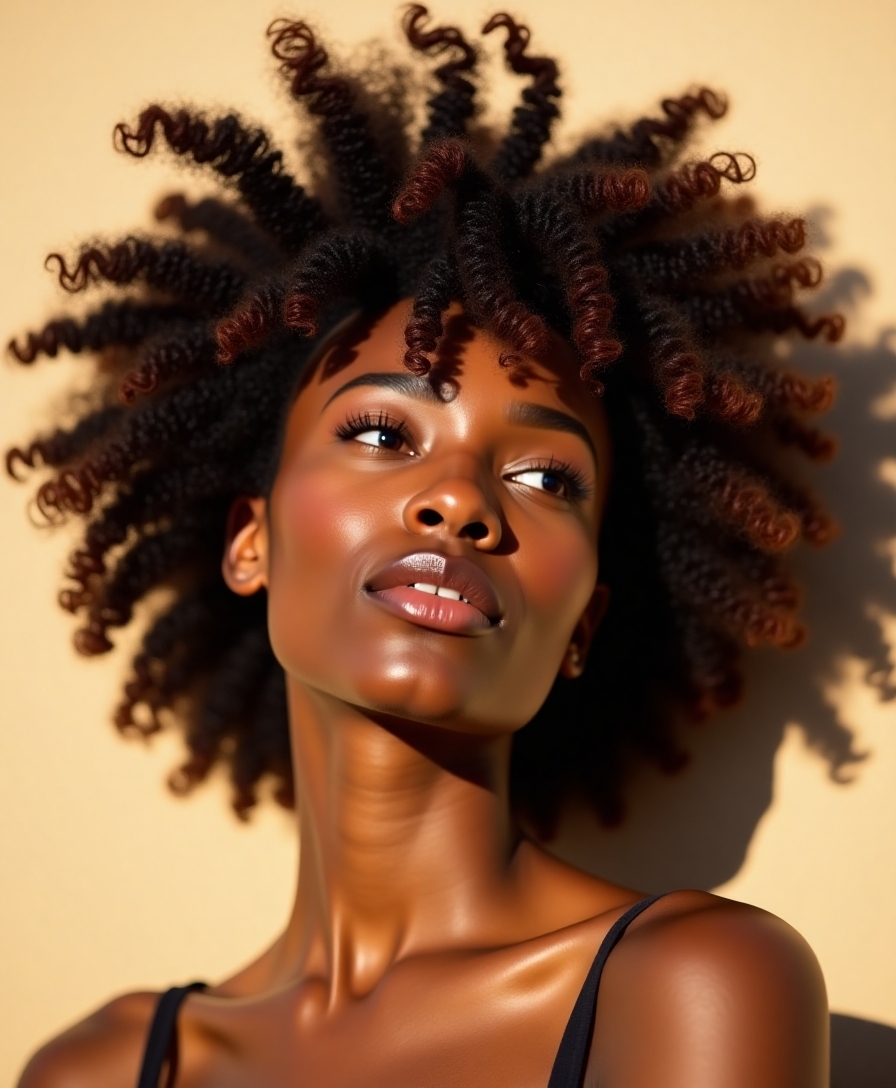
Coily and kinky textures, the tight 4-type patterns, are the most versatile hair on the planet and also the most in need of moisture, since natural oils struggle to travel down all those bends. Healthy coily hair, whether it is picked into a rounded Afro, set in a twist-out, or left as a wash-and-go, is a beautiful crown, and caring for it well is the foundation of every style.
Because these coils are fragile, gentle handling and protective, low-manipulation styles keep length and health. The right approach celebrates the natural pattern and leaves it be.
- Moisture first, always: coily hair drinks up leave-ins and creams.
- Twist-outs, braid-outs, and wash-and-gos show off the natural pattern.
- Detangle gently on wet, conditioned hair with fingers or a wide-tooth comb.
- Satin at night protects coils and keeps definition for the next day.
💡Curl Tip
To stretch a curly style to a second and third day, sleep with your curls piled loosely on top of your head in a ‘pineapple’ and wrapped in satin. It keeps the curls from being crushed flat overnight, so a quick morning refresh with a water mist is all they need instead of a full restyle.
Short Hair
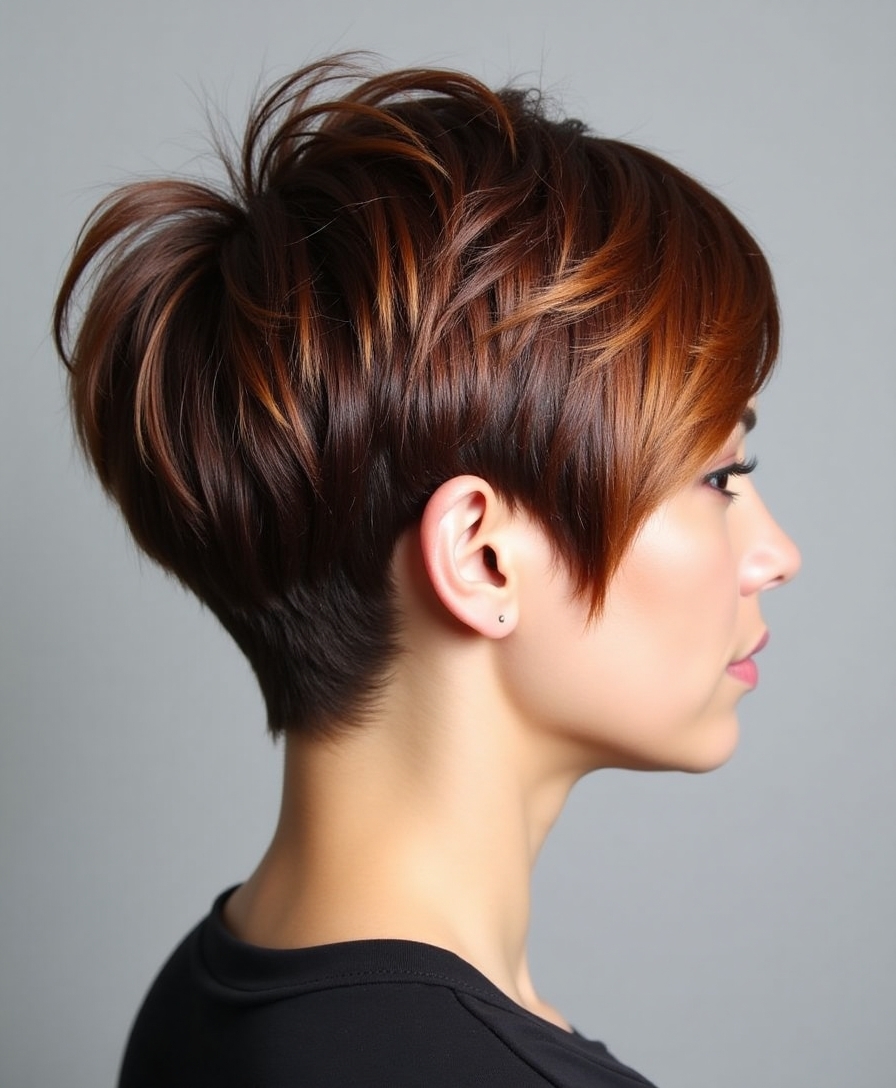
Short hair is pure personality, and it works on every texture when it’s cut right. A pixie, crop, or short bob puts the focus on your face and takes almost no time to style, which is exactly why so many people feel freest after the big chop.
The one thing short hair asks for is regular shape-ups, since the cut is the whole look. Plan a fresh shape-up on a roughly monthly rhythm, often around 30 to 60 dollars a visit, and a little texture paste is the only daily styling most short cuts need. See a soft pixie.
- Suits every texture, from straight crops to coily tapered cuts.
- Minimal styling time; a little paste and you’re done.
- Wants a fresh shape-up on a roughly monthly rhythm to stay sharp.
Medium-Length Hair
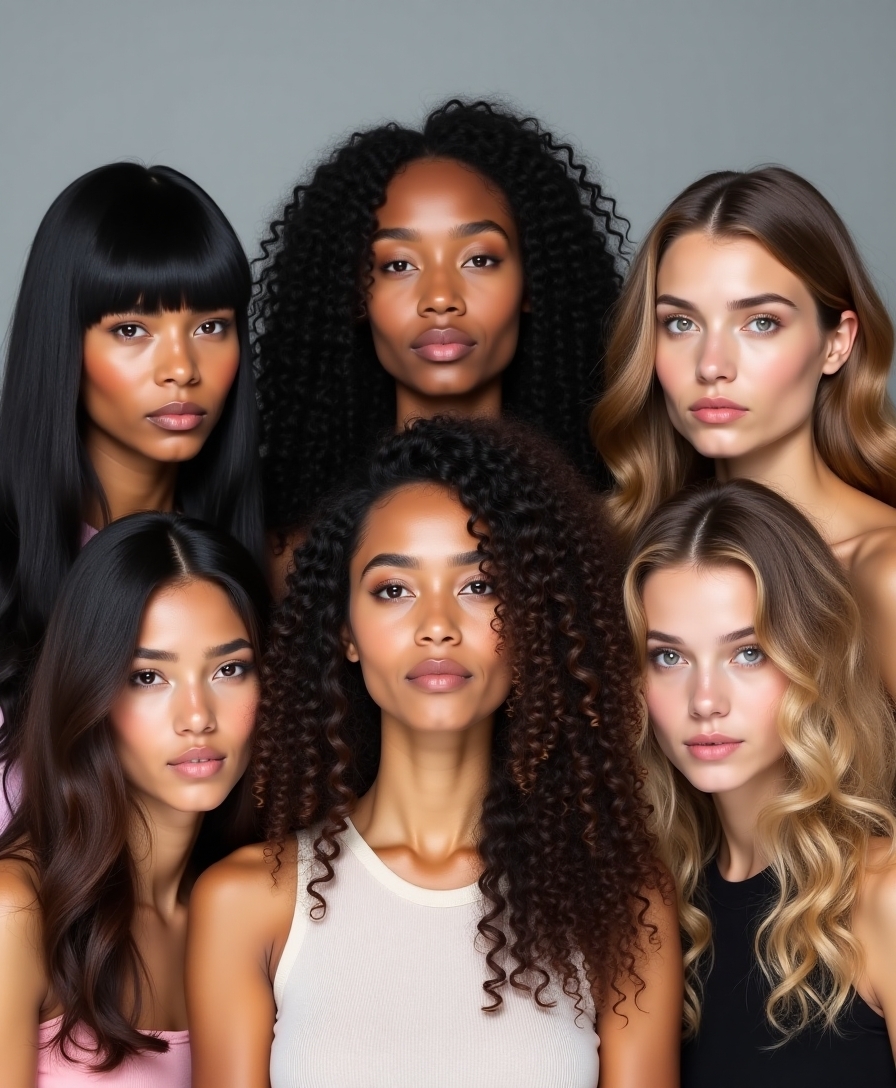
Medium length, anywhere from the collarbone to just past the shoulders, is the most versatile length there is, which is why stylists quietly call it the sweet spot. It’s long enough to tie up, braid, or half-up, and short enough to stay easy and full.
This length flatters most textures and faces, and it takes styling in every direction. If you can’t decide how short or long to go, medium is the safe, flexible answer almost every time.
- Long enough for updos, braids, and half-up styles.
- Short enough to stay full and quick to handle.
- Flatters most textures and face shapes.
“The clients who talk themselves out of short hair are almost always the ones who suit it most. Short cuts flatter far more faces and textures than people believe; if you’ve wanted the chop for years, that’s usually your answer.”
Long Hair

Long hair is a canvas: braids, updos, waves, sleek and straight, the styling options really are close to endless. The catch is that length only looks its best when the ends are healthy, so long hair that skips trims starts to look thin and stringy at the bottom.
The secret to expensive-looking long hair is condition and movement, glossy, well-kept ends and soft layers that keep it from hanging like a curtain. Trim the ends every couple of months even while growing it, and long hair keeps its lush, healthy fall.
- Near-endless styling: braids, updos, waves, or sleek and straight.
- Healthy ends are everything; trim every couple of months.
- Soft layers add movement so it doesn’t hang flat.
The Occasion Updo
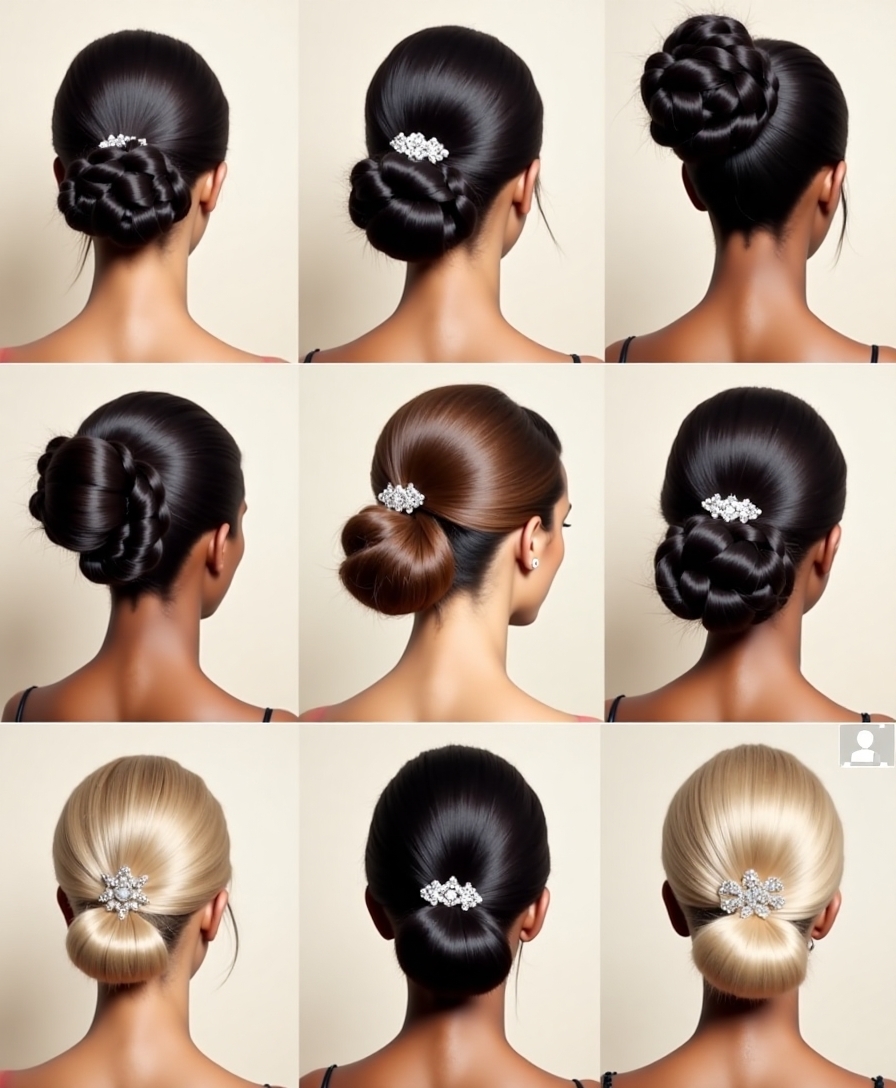
When there’s a wedding, a gala, or a big night out, an updo delivers instant elegance on any texture. Sweeping the hair up and away frames the face, shows off your neckline, and looks pulled-together in a way loose hair rarely matches.
The good news is that texture only helps: curls and coils give an updo built-in volume and hold, while straight hair keeps it sleek. Leave a few soft pieces out to frame the face, and almost any updo softens beautifully.
- Instant elegance for weddings, galas, and events.
- Curls and coils give updos natural volume and grip.
- Soft face-framing pieces keep it from looking severe.
The clients who fight their hair the hardest usually have the least trouble the day they finally stop and let it do its own thing.
Quick Morning Styles
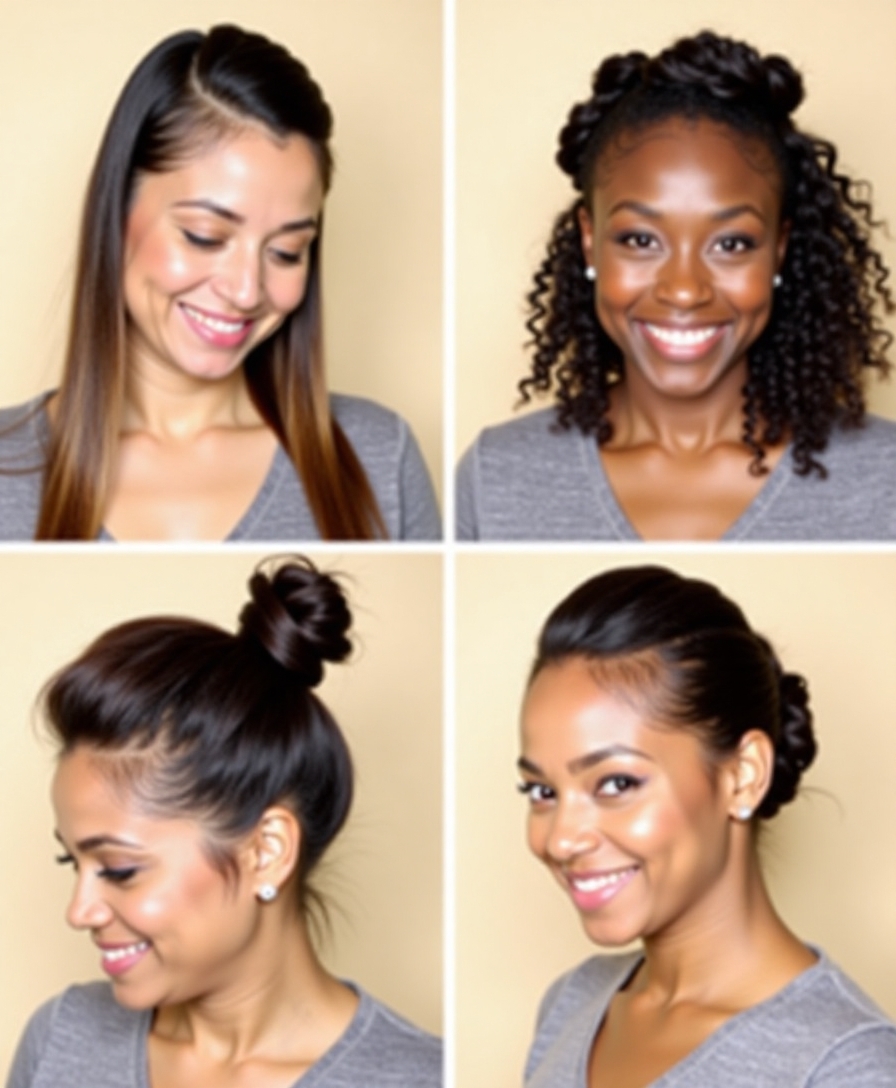
Some mornings you have nine minutes and wet hair, and that’s exactly when a handful of reliable quick styles saves you. The trick is having two or three you can do half-asleep, so a rushed day never means a bad-hair day.
Two Minutes, Tops
A low bun, a slicked pony, a claw-clip twist, or a quick braid all take under two minutes and look intentional. On second-day hair, a little dry shampoo at the roots buys you another day.
I tell clients to practice their go-to styles on a calm evening, so their hands already know the moves when the morning is chaos.
Fine Hair
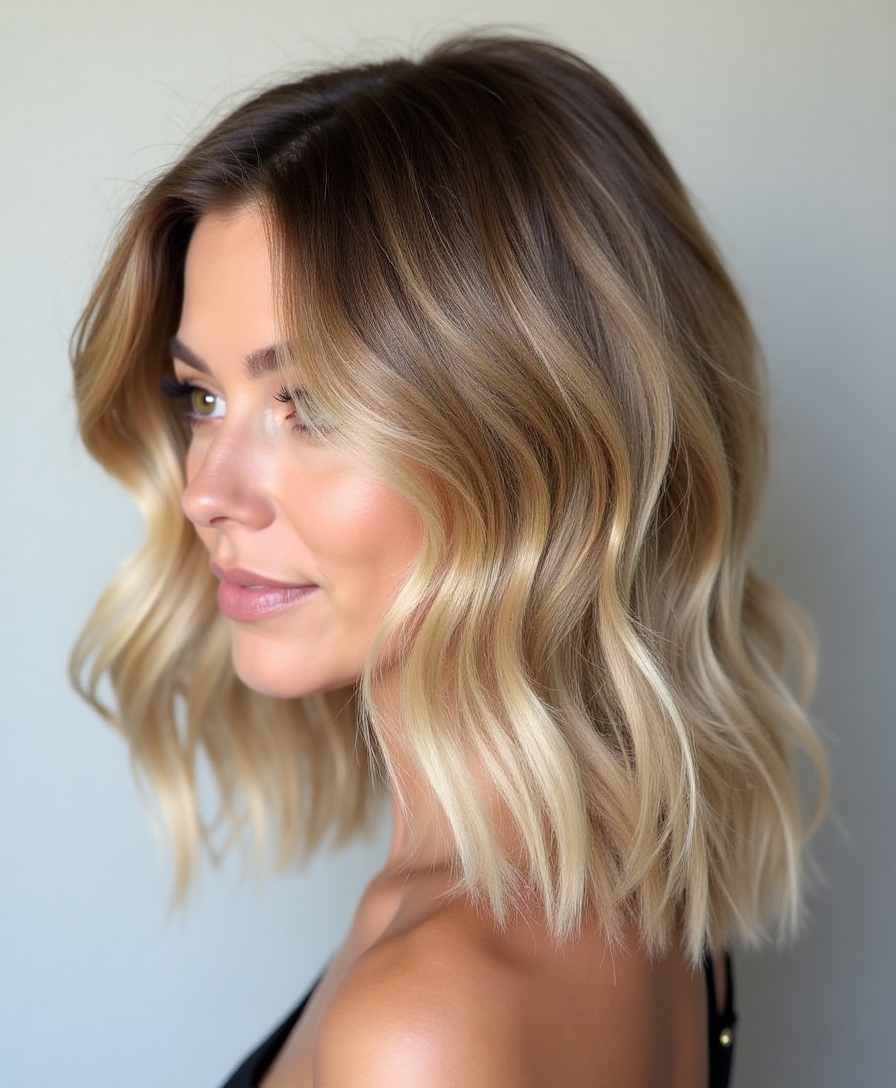
Fine hair is all about the illusion of fullness, because thin strands go flat under weight and heavy product. The cuts that flatter it, a blunt bob, a soft lob, a textured pixie, build body into the shape itself so you’re not fighting for volume every day.
For styling, less and lighter is the rule: a volumizing mousse or root spray at the roots only, and heavy oils kept off the crown. Blow-drying with a round brush or flipping your head to dry adds real lift.
The blunt line is fine hair’s best friend, since it makes the ends look dense. See fine-hair cuts for the shapes that fake the most fullness.
Thick Hair
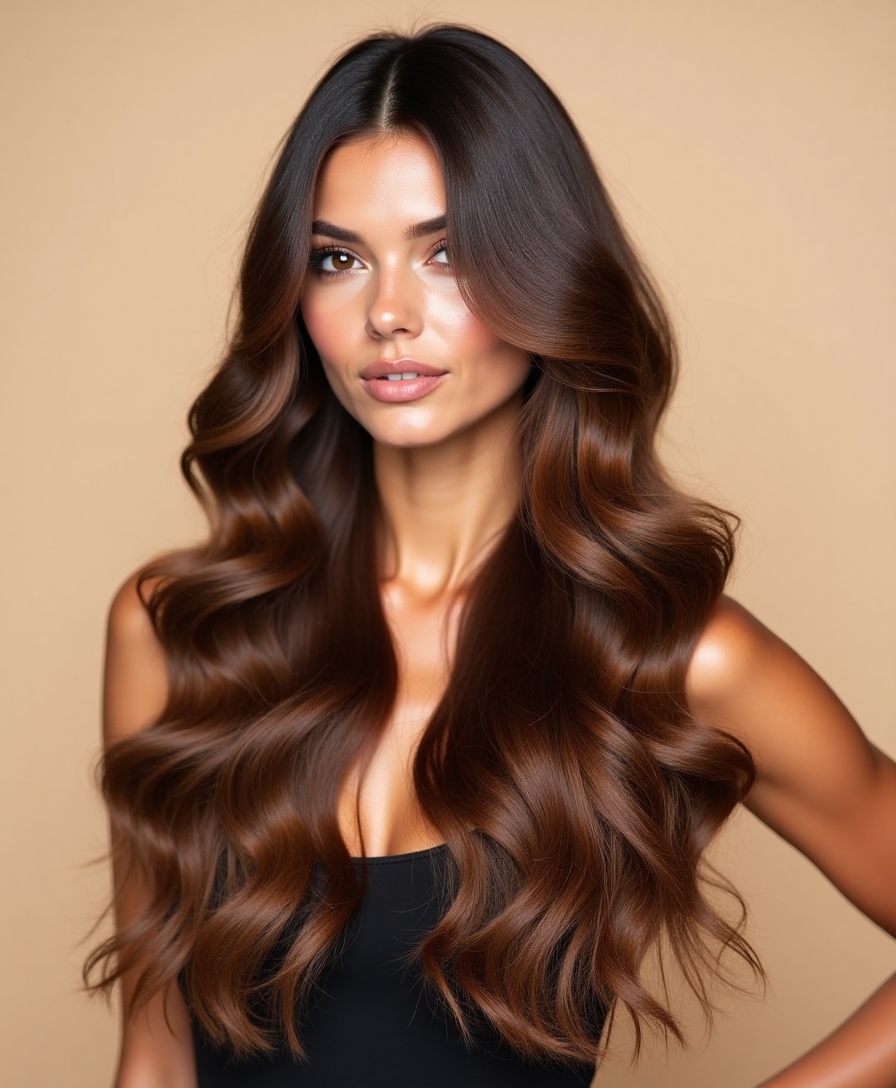
Thick hair is the envy of everyone with fine hair, but it comes with its own challenge: managing the volume so it looks intentional and controlled. The right cut removes some weight without thinning the shape into a shapeless pouf.
Long layers are thick hair’s best friend, letting all that density move and fall in place of sitting like a helmet. A little smoothing product tames flyaways, and thick hair holds braids, updos, and blowouts better than any other type. Ask your stylist to remove weight while keeping density, and thick hair styles like a dream.
Layered Hair
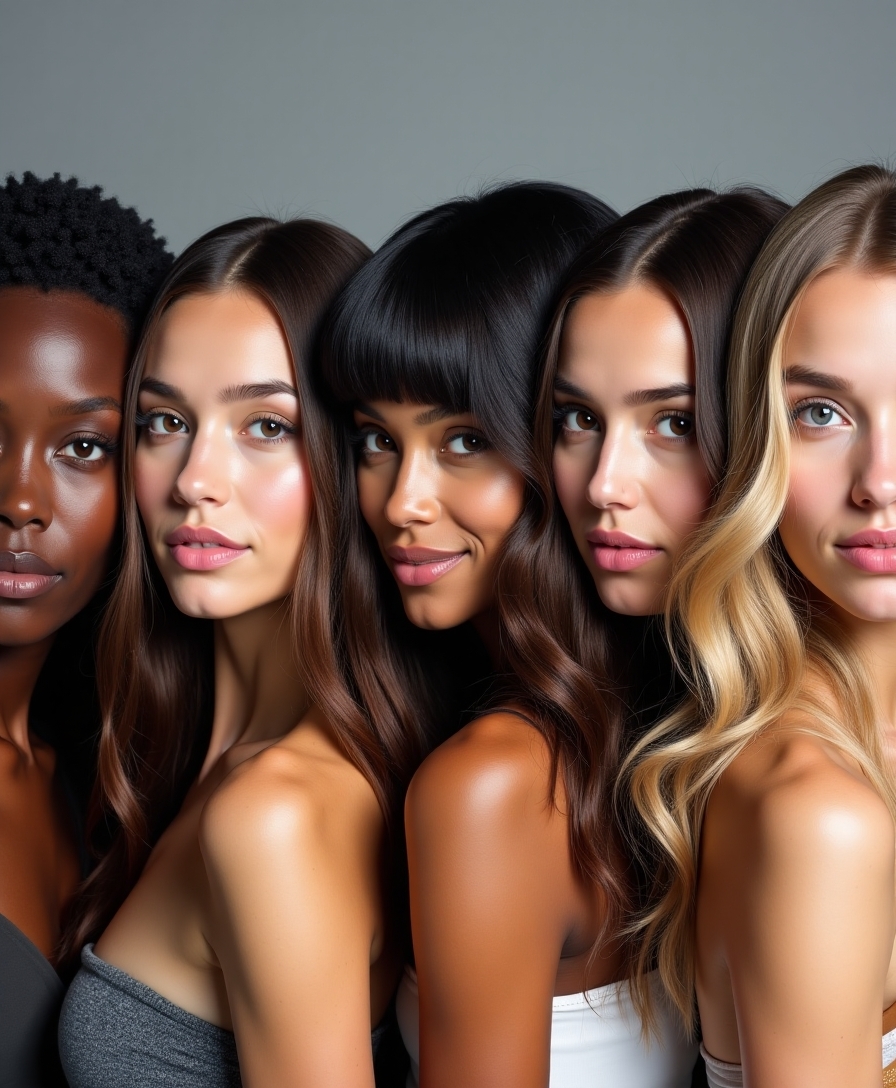
Layers are the quiet workhorse of styling, and they flatter every texture when they’re cut for it. Placed well, they add movement, remove bulk from thick hair, build the illusion of fullness in fine hair, and give curls room to stack and spring. The key is layers tailored to your texture and length, cut for you alone. See layered hair for how layering changes a cut.
- Add movement and shape to almost any cut.
- Remove weight from thick hair; add the look of body to fine.
- Give curls and waves room to stack and lift.
- Must be tailored to your texture, not a generic template.
Braided Styles

Braids are as practical as they are beautiful, and they carry deep cultural roots, especially in Black haircare, where styles like cornrows, box braids, and Fulani braids are both artistry and heritage. Worn with respect for that history, braids protect the hair, keep it neat, and turn it into wearable art.
From a simple side plait on wavy hair to intricate woven crowns, braids suit every texture and occasion. They stretch a wash, protect fragile ends, and give you soft waves when you take them down. A skilled braider is worth seeking out, since good tension and technique protect your hairline and your length.
The Pixie
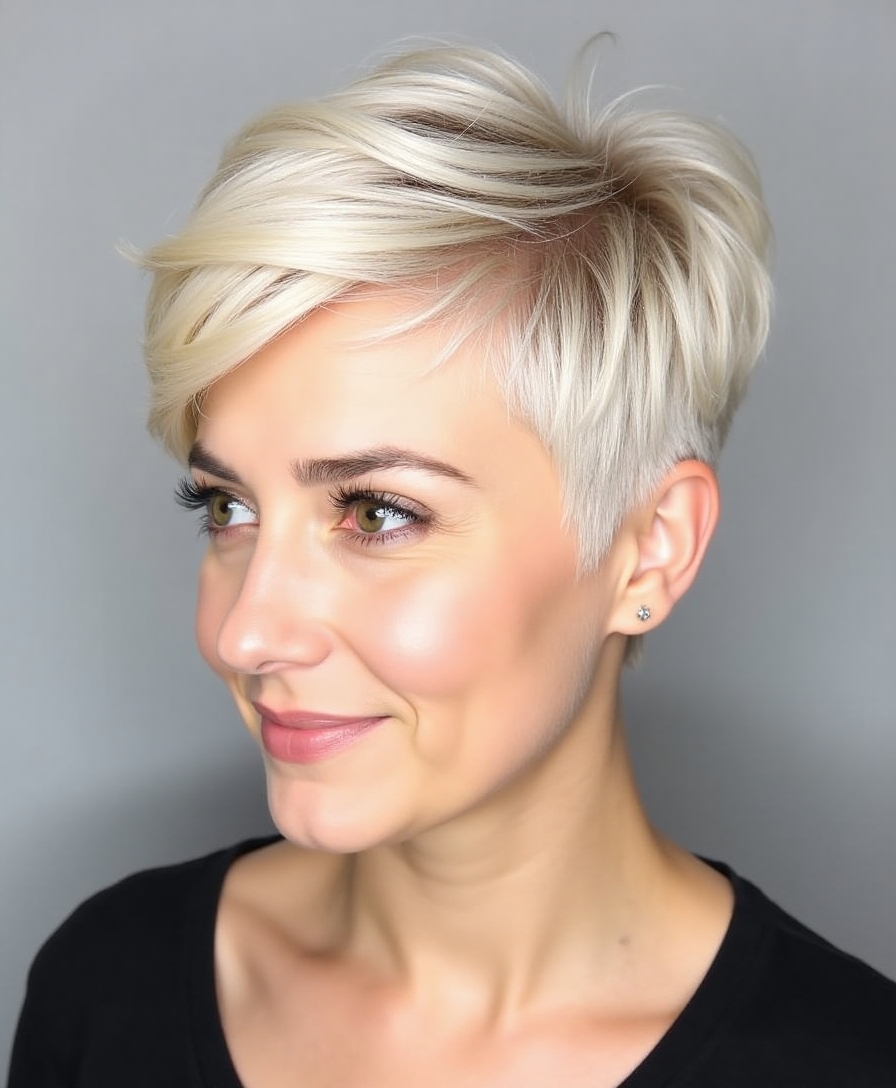
The pixie proves how much personality lives in short hair, and there are more versions of it than people expect. A long, piecey pixie feels soft and editorial; a cropped, tapered one is sharp and bold; a curly or coily pixie shows off natural texture with almost no upkeep. Whatever your texture, there’s a pixie that suits it, and it puts your face and features center stage.
- Long and piecey for a soft, editorial feel.
- Cropped and tapered for something sharp and bold.
- A curly or coily pixie flaunts natural texture with low upkeep.
The Bob
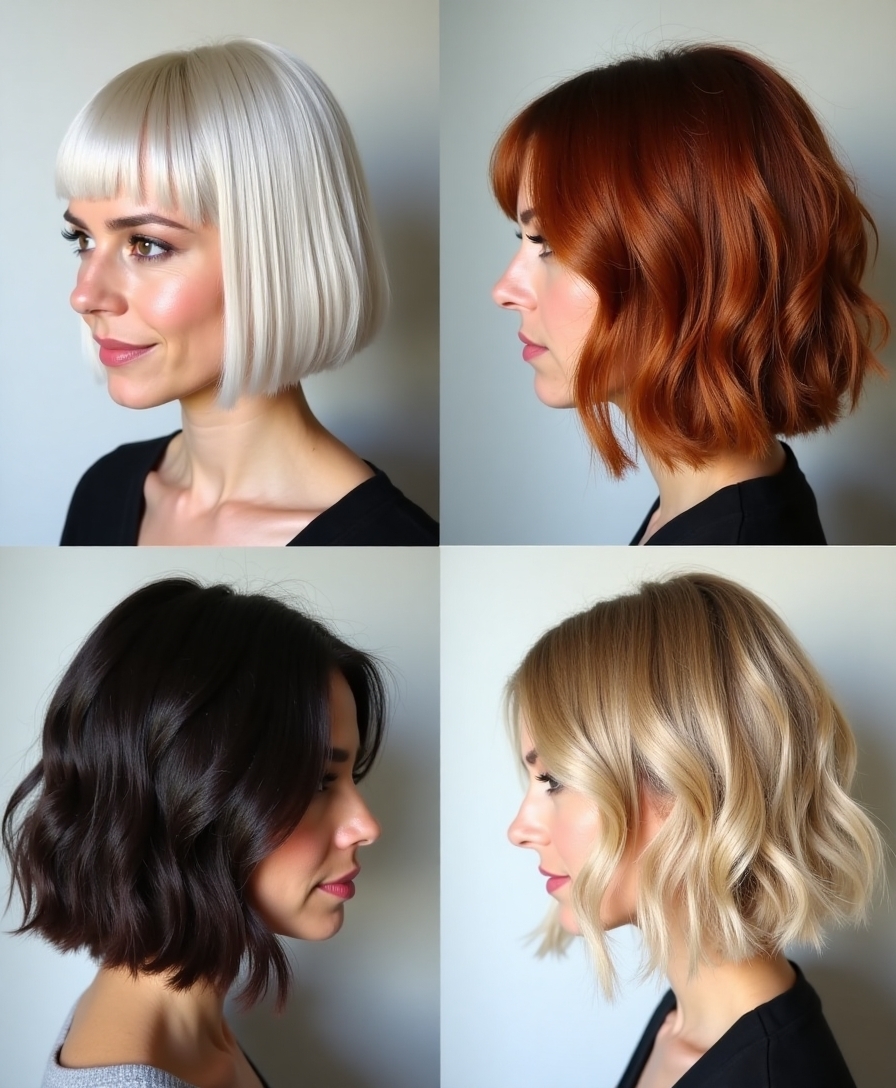
The bob has survived every trend cycle for a reason: it flatters nearly every face and texture, and it shifts easily with the seasons. Worn blunt and sleek in cooler months, then tousled and beachy in summer, one cut carries you through the year.
It’s endlessly adaptable in length and finish, from a sharp chin-length bob to a soft, wavy lob. See the lob for a longer, lower-commitment take. Whatever your texture, a bob shaped to it looks polished with barely any styling.
Protective Styles

For curly, coily, and kinky hair, protective styles are a cornerstone of healthy hair, well beyond a look. By tucking away the fragile ends and cutting down daily manipulation, styles like braids, twists, buns, and wigs help natural hair retain length and stay strong between wash days.
- Tuck the ends away to protect them from daily wear.
- Braids, twists, buns, and wigs all count as protective.
- Keep the scalp and hair moisturized underneath while it’s up.
- Don’t leave a style in too long or install it too tight.
Beach Waves
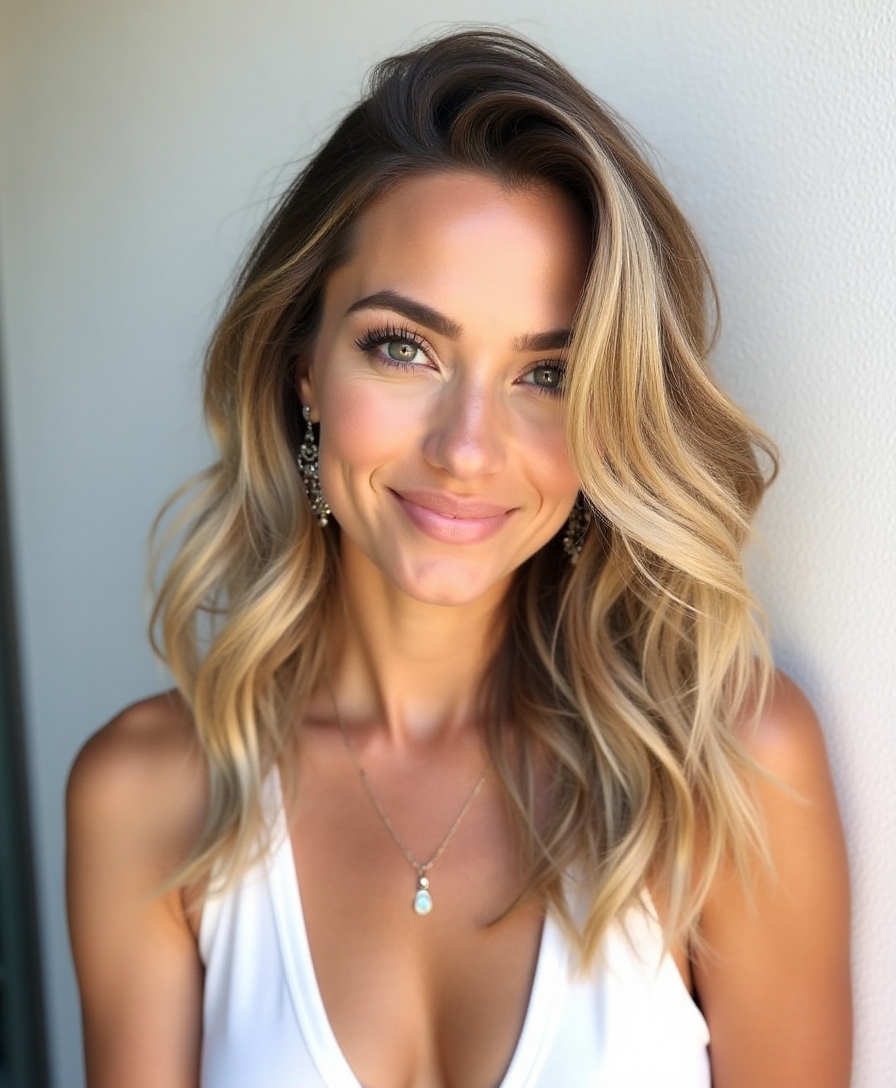
Beach waves are the universal it-girl texture, that soft, tousled, sun-and-salt look, and there’s a route to them for every hair type. Naturally wavy hair barely needs help; straight hair takes a curling wand or an overnight braid; curly and coily hair stretches its pattern into looser waves with braids or twists.
The goal is relaxed, imperfect movement, so a light salt spray and a hands-on scrunch beat a stiff, uniform curl every time. It’s the go-to for a laid-back day when you still want your hair to look done.
- Wavy hair: a little salt spray and scrunch.
- Straight hair: a wand or an overnight braid.
- Curly and coily hair: braids or twists to stretch the pattern.
- Keep it loose and imperfect for that off-duty beach feel.
Styles for Work

A polished work style is less about being formal and more about looking pulled-together and feeling like yourself. The best professional looks are neat, comfortable, and quick, so they carry you from an early meeting to a long day without fuss.
Neat, Comfortable, Quick
A low bun, a sleek pony, a neat half-up, or simply well-kept hair worn down all look professional across every texture. Natural coils and protective styles are every bit as workplace-appropriate as a blowout.
Choose something you can redo in two minutes if it slips, and pick one polished style you trust for the days that matter most.
Date-Night Hair
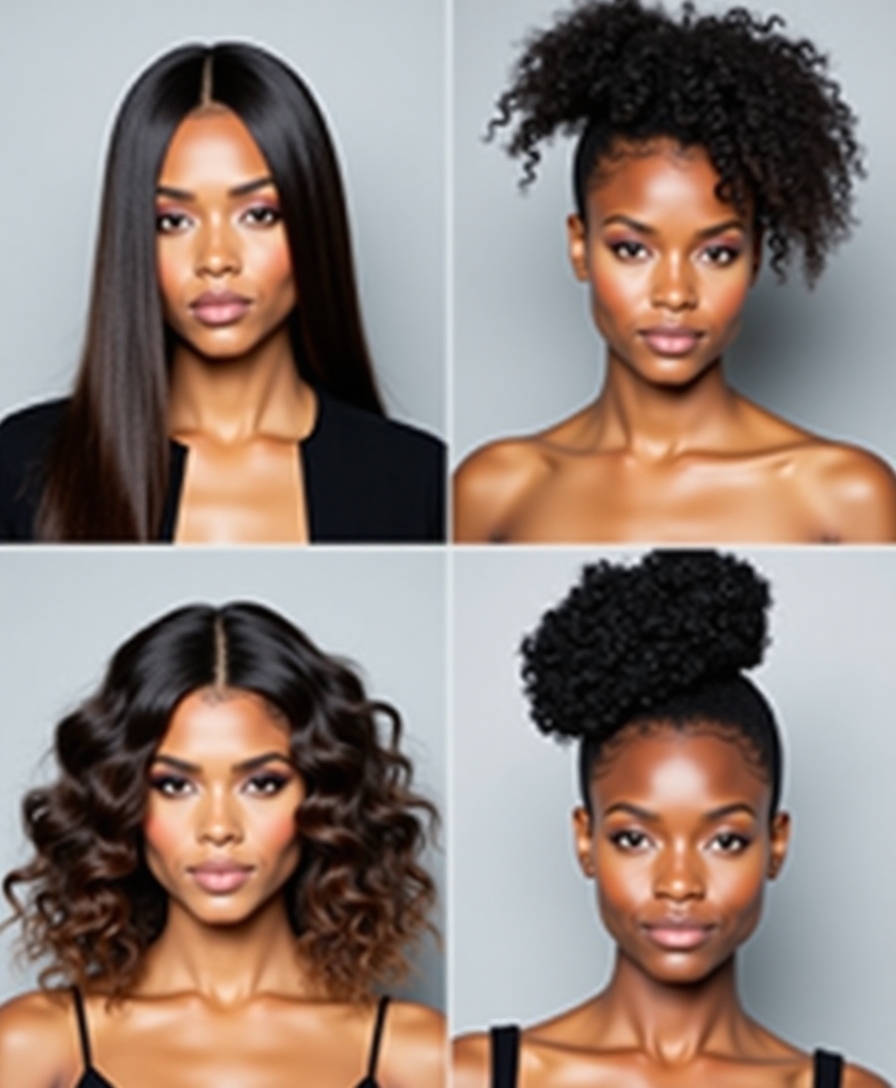
Date-night hair is where you get to feel a little special, and the sweet spot is a style that looks done without trying too hard. Soft waves, a romantic half-up, or curls loosened around the face all feel warm and confident.
Clients ask me for date-night hair constantly, and my advice is always the same: pick the version of your own hair that makes you feel most like yourself, then add one soft touch. Whether that’s a face-framing curl or a little shine, confidence is the real finish.
- Soft waves or a romantic half-up read warm and easy.
- Loosen a few curls around the face for softness.
- Go with the version of your hair that feels most like you.
🅰️Soft and romantic
Loose waves or a half-up with face-framing pieces; warm, easy, and low-effort for a relaxed date.
🅱️Sleek and striking
A polished low bun or straightened, glossy hair; sharper and more dramatic for a big night out.
Festival and Party Hair
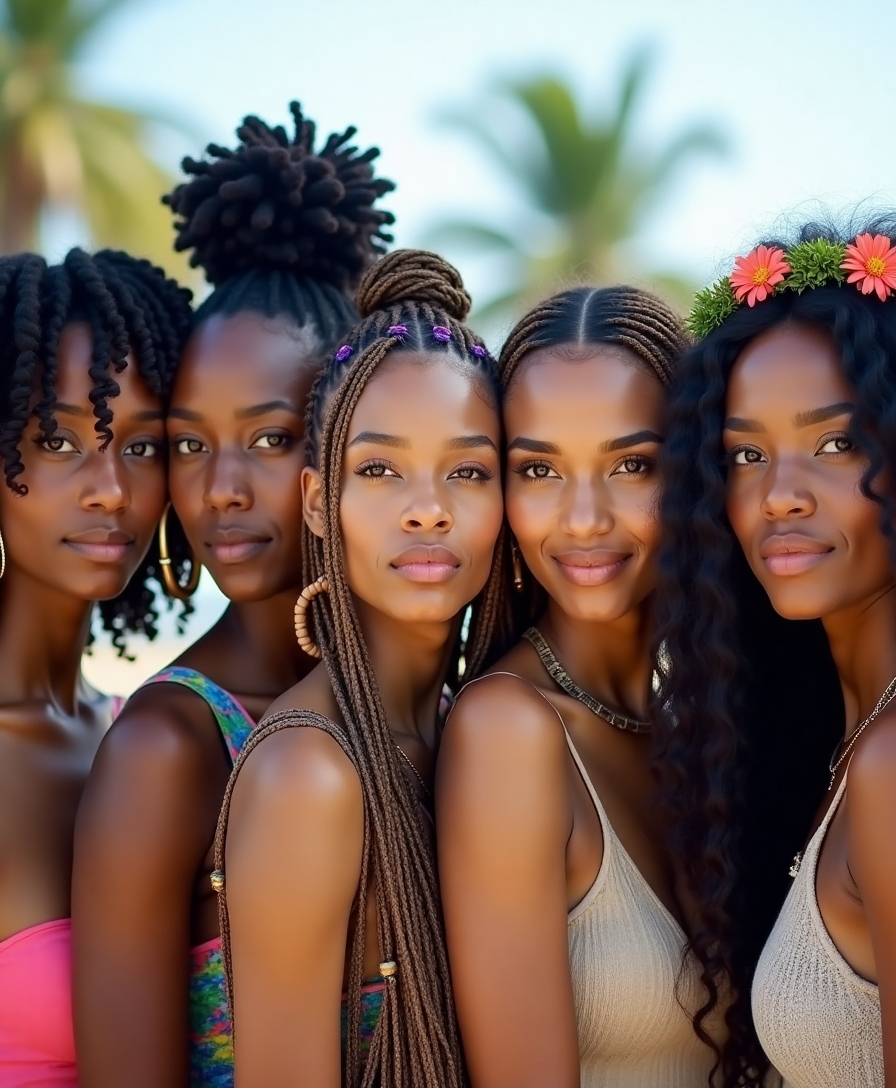
When the occasion is pure fun, festival and party hair is your chance to play: space buns, glitter parts, bold braids, or a splash of temporary color. The only rules are comfort and staying power, since these styles need to last through a long, active day and still look good in every photo. Pick something secure, a little bold, and unmistakably you.
- Space buns, bold braids, glitter parts, temporary color.
- Prioritize a secure hold that survives a long day.
- This is the time to go playful and expressive.
Hair Type and Style Questions, Answered
?How do I know my hair type?
Hair type covers a few things: your curl pattern (straight, wavy, curly, or coily), your strand thickness (fine, medium, or coarse), and your density (how much hair you have). Look at how your hair dries with no product to see its natural pattern, and check a single strand’s thickness against a thread. Knowing all three helps you and your stylist choose styles that truly suit you.
?Can I wear the same trendy style as everyone else?
Often yes, but it may need adapting to your texture. A trend that looks great on straight hair might need a different technique, or a slightly different cut, to work on curls or coils. Bring the photo to your stylist as inspiration, and ask them to translate it to your hair type rather than copying it exactly.
?What’s the lowest-maintenance option for my hair type?
For most textures, it’s a cut shaped to your natural pattern that you can wash and wear: a wash-and-go for curls and coils, an air-dried lob for waves, a blunt bob for straight or fine hair, and a good pixie for anyone wanting the least fuss. The less a style fights your texture, the less daily work it takes.
Start With Your Texture
If you take one idea from all of this, let it be this: the best hairstyle for you begins with the hair you actually have. Straight, wavy, curly, coily, fine, or thick, every texture has a wide range of cuts and styles that make it look its best, and the whole secret is choosing the ones that work with your natural pattern instead of fighting it. Get a cut built for your texture, learn two or three reliable styles, and good hair days stop being luck.
So instead of asking which trend to chase next, try a better question: what does my hair already do beautifully, and how do I lean into it? Answer that, and every occasion, from a rushed Tuesday to a big night out, has an easy, flattering style waiting for you.
Hand-Picked for You