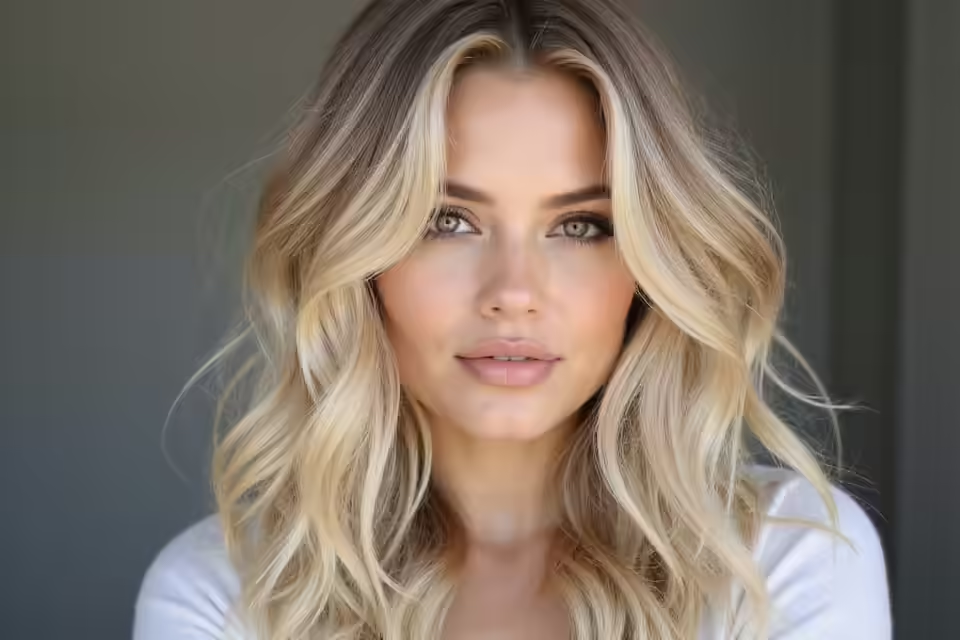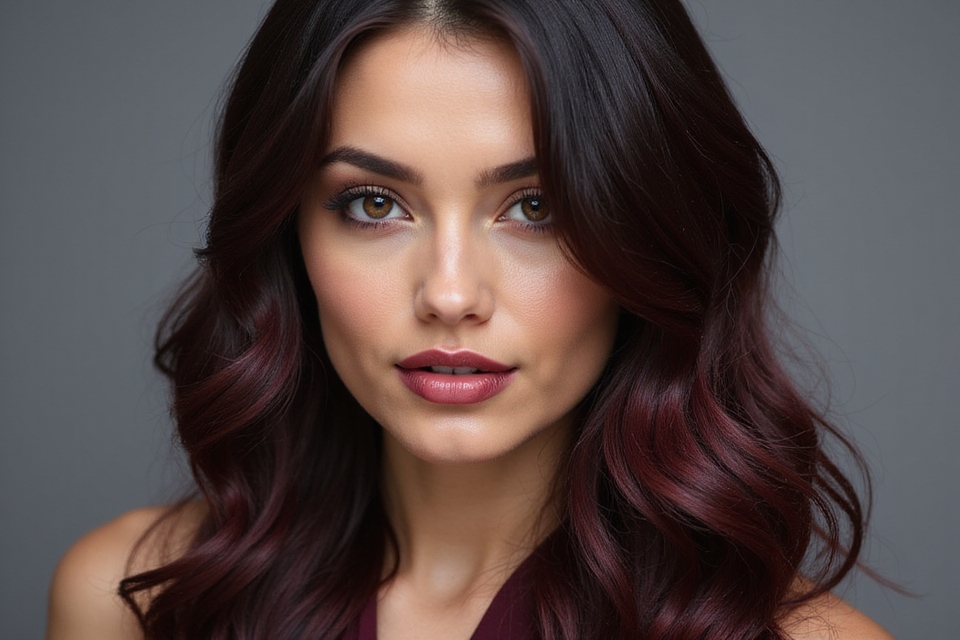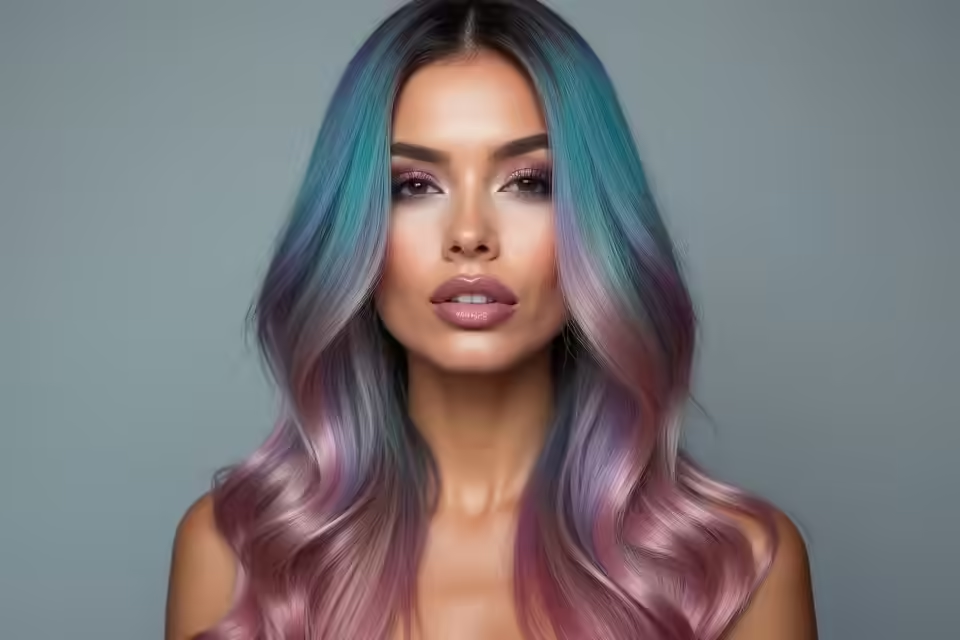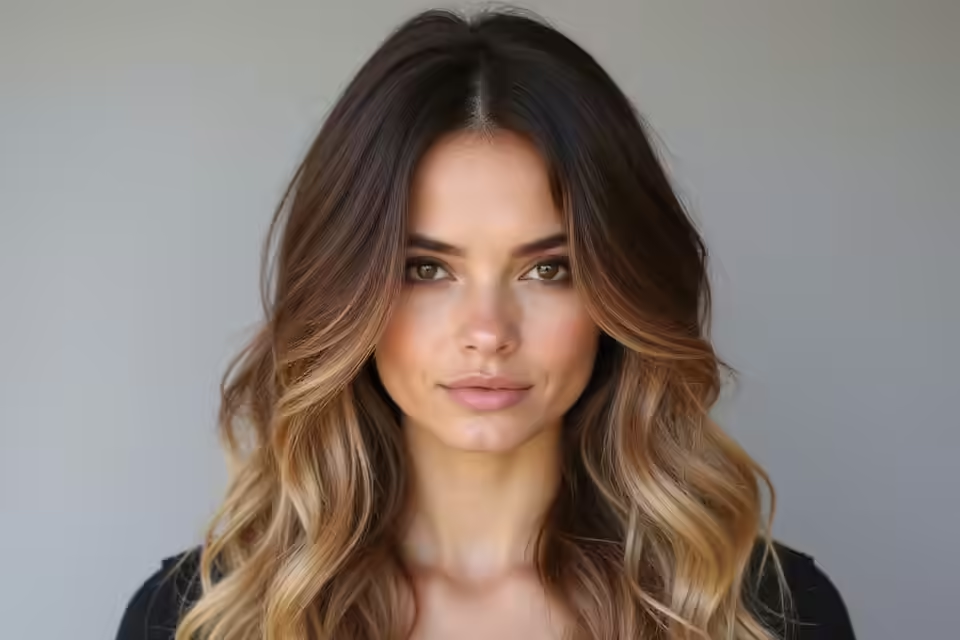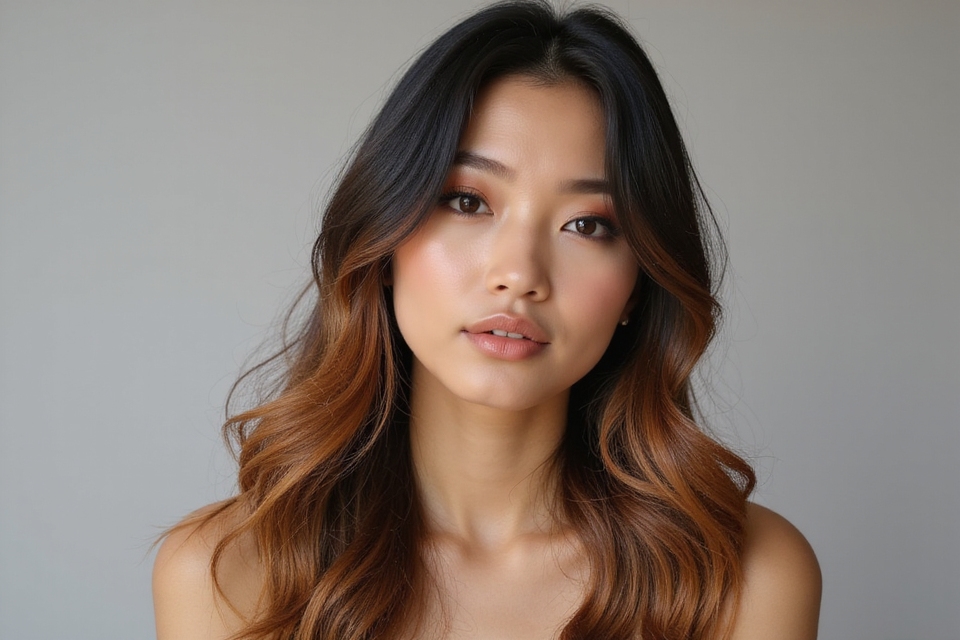
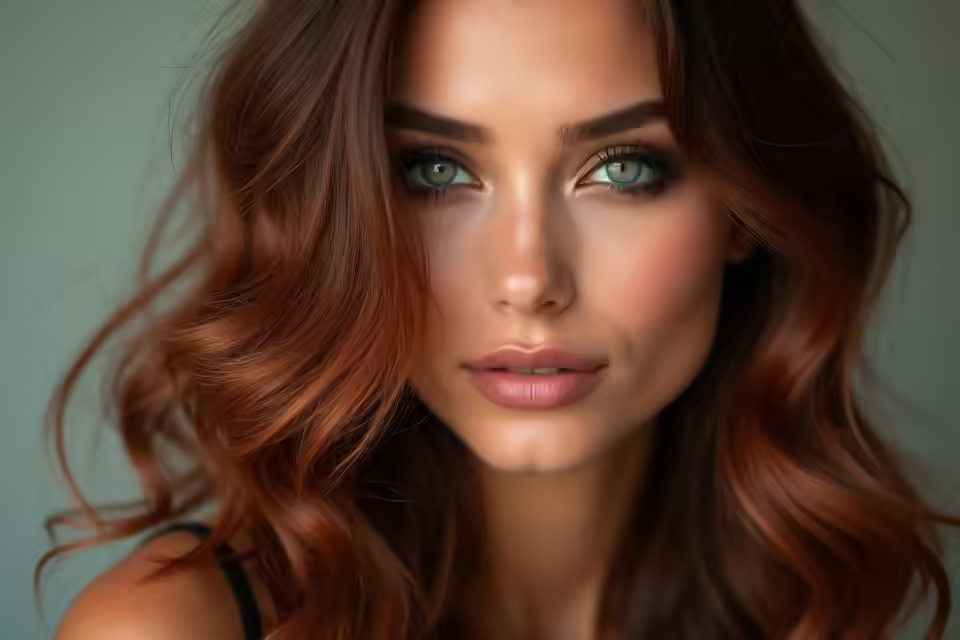
The best hair color isn’t the one that photographs well in bright sun; it’s the one that still looks rich indoors, in the soft, low light where you actually spend your day. That’s what separates a shade that reads expensive from one that goes flat the moment you leave the salon. The right depth and tone hold their glow anywhere.
Below are 24 shades I come back to again and again, from warm caramel and deep chocolate to icy platinum, smoky gray, and soft lavender, each with the skin tones it flatters and the upkeep it asks for. Find the family that fits your coloring, then pick the exact shade from there.
Choosing a Shade at a Glance
| Shade family | Best on | Upkeep |
|---|---|---|
| Warm browns and caramels | Warm, olive, and deep skin | Low; gloss every 8 to 10 weeks |
| Cool blondes and icy tones | Fair, cool undertones | High; toner every 4 to 6 weeks |
| Fashion shades (lavender, blue, pink) | Any skin, bold taste | High; fades fast, refresh often |
Warm Caramel Highlights
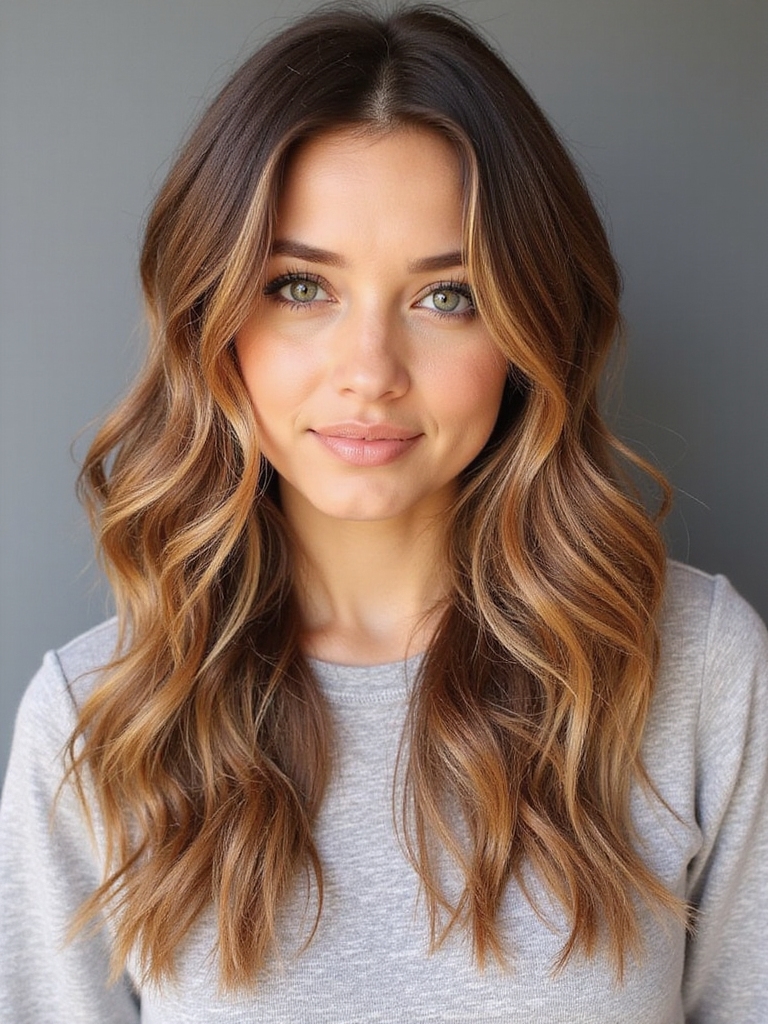
Caramel highlights are the shade clients ask me for most, and for good reason: the warm, buttery tone lights up brown hair without the upkeep of going fully blonde. Woven through a brown base, caramel adds glow and dimension while the darker roots keep grow-out soft. It’s warm enough to flatter olive, tan, and deep skin especially. See caramel highlights on brown hair for the full look.
- Best on medium to dark brown bases that can carry warmth.
- Flatters warm, olive, and deep skin with golden undertones.
- Low upkeep; a gloss every 8 to 10 weeks keeps it rich.
Subtle Bronde for Quiet Elegance
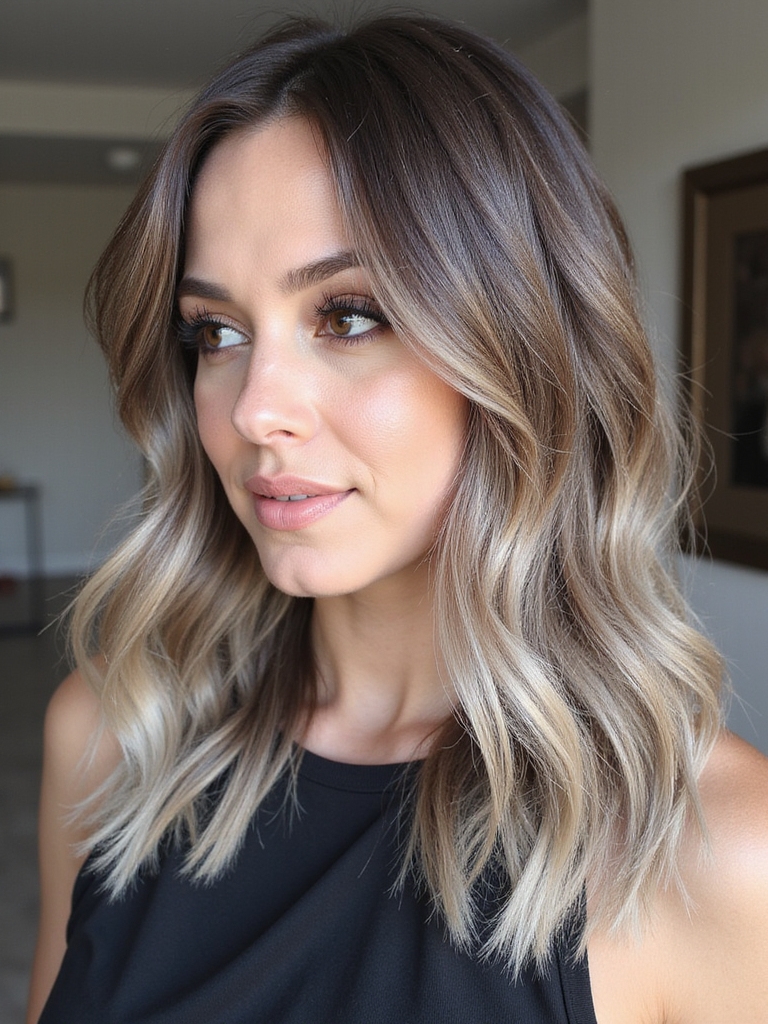
Bronde sits exactly between brown and blonde, and it’s the shade I recommend when someone wants change without commitment. The soft, low-contrast blend adds brightness around the face while keeping natural depth, so it looks polished rather than dramatic. It suits almost everyone, since you can lean it warm or cool to match your skin.
- Great for a first-timer who wants a natural, grown-out look.
- Lean warm for olive and deep skin, cooler for fair skin.
- Low upkeep thanks to the soft root; a gloss keeps it fresh.
Rich Chocolate Brown
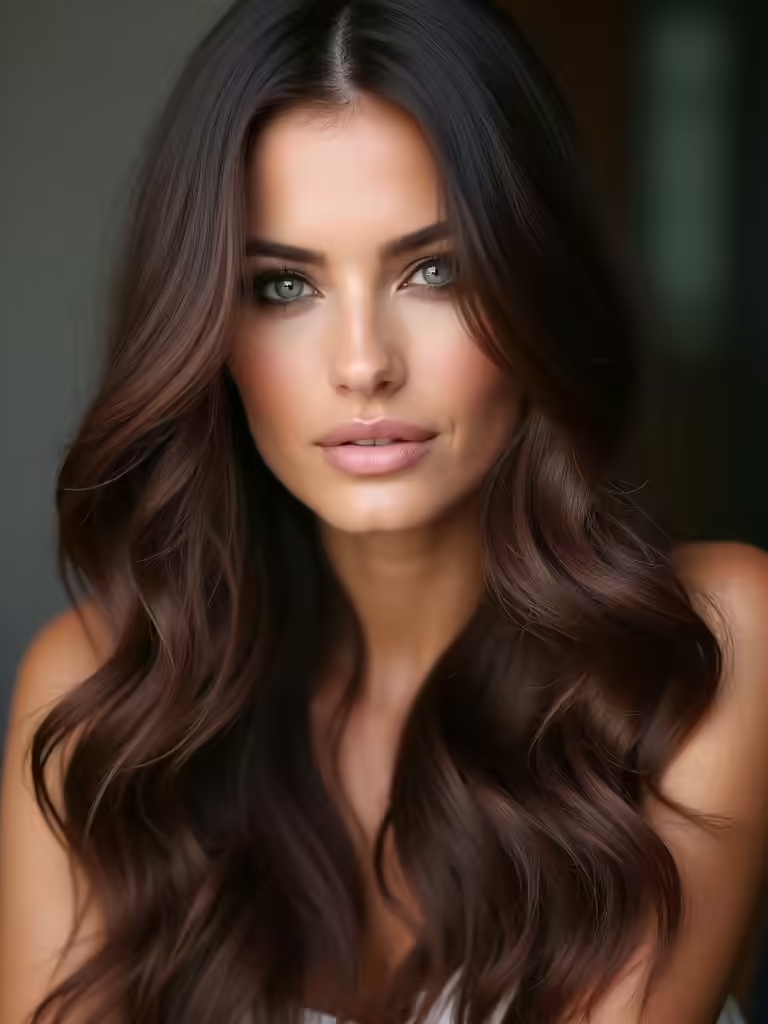
Rich chocolate brown is the little black dress of hair color: deep, glossy, and flattering on nearly everyone. Its cool-to-neutral depth makes skin look brighter and eyes stand out, and the high shine looks healthy and expensive. It’s one of the most forgiving colors to maintain, since regrowth blends easily with dark roots.
Cooler chocolate suits fair and cool skin, while a warmer, coffee-leaning chocolate flatters olive and deep tones. A clear gloss every eight weeks or so keeps it glassy. Explore more in chocolate brown ideas.
Golden Honey Blonde
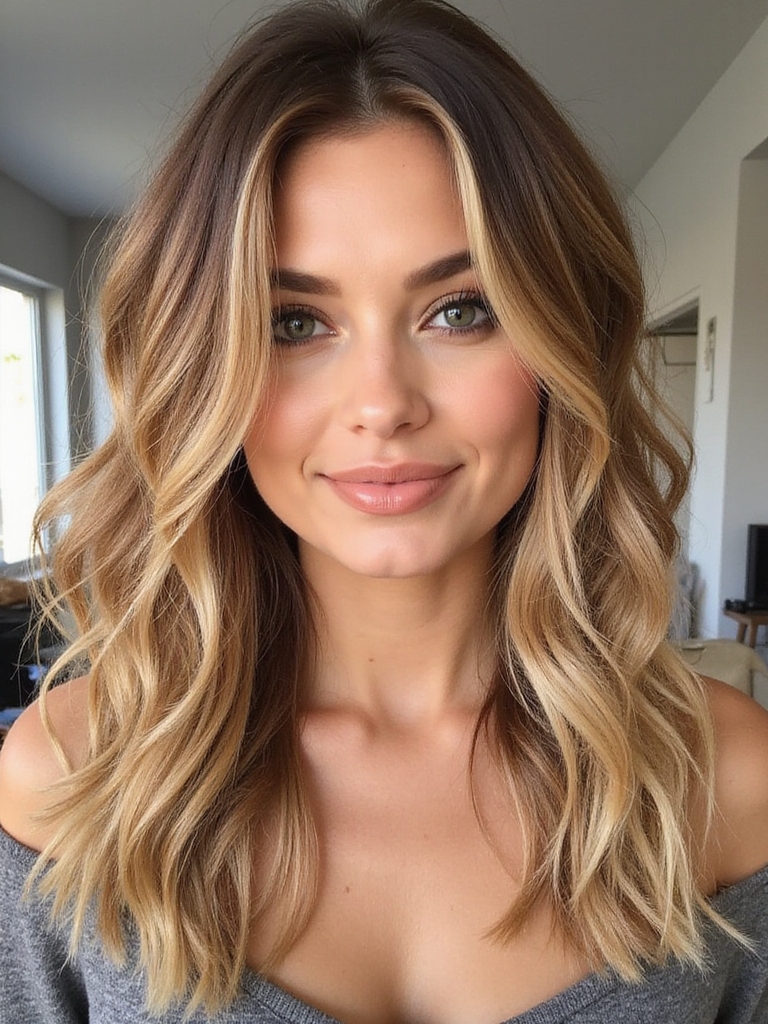
Golden honey blonde is warm blonde at its most flattering, a soft, sunlit gold that glows against warm skin. Unlike icy blonde, it doesn’t wash out warm and olive complexions; it echoes their warmth instead. The gold tone also grows out more softly than a stark platinum.
It does fade warm, so a gold-leaning gloss keeps it from going brassy. Kept sulfate-free and washed less often, honey blonde holds its glow for weeks.
- Flatters warm, golden, and olive skin especially.
- Softer grow-out than icy blonde thanks to the warm tone.
- Refresh with a gold gloss every 6 to 8 weeks.
Autumnal Copper-Brown Hues
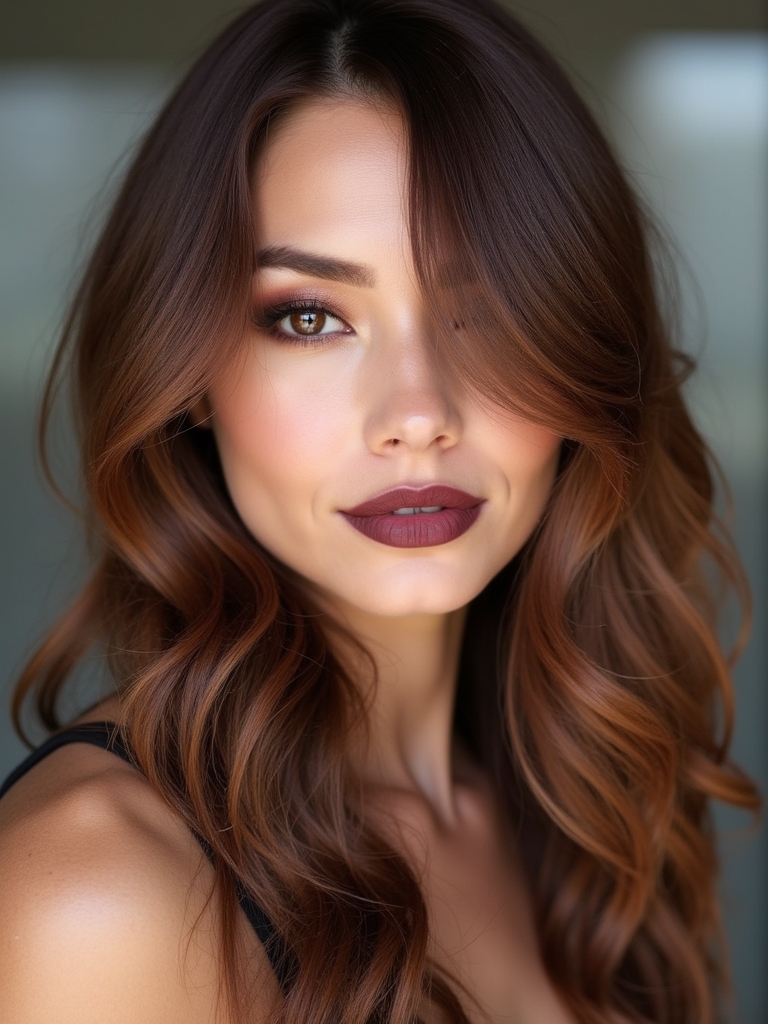
Copper-brown is the shade that makes people ask if you’ve been somewhere sunny. It blends warm brown with a copper glow, so it’s richer than plain brown but softer than full red. It comes into its own in autumn, echoing the season’s warm light, and flatters warm and neutral skin beautifully.
- Warms up a plain brown base without a full color change.
- Best on warm and neutral undertones; test a swatch if cool.
- Copper fades fast, so keep a gloss on hand between visits.
Glowing Autumn Auburn
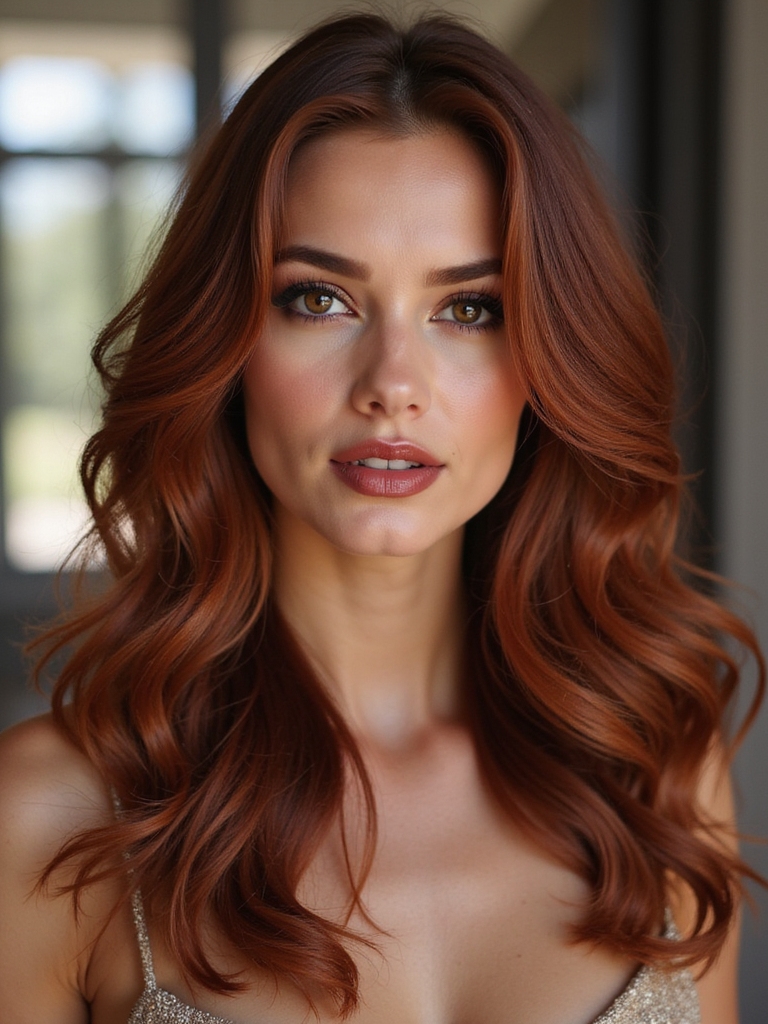
Auburn is red-brown with real warmth, a shade that reads bold but stays wearable because the brown keeps it grounded. It brings color to the face and suits warm, neutral complexions, and it belongs in autumn. Deeper auburns flatter deep skin, while lighter, coppery auburns suit fair, warm complexions.
- Choose a deeper auburn for deep skin, lighter copper-auburn for fair.
- Red pigment fades first, so use color-safe, sulfate-free products.
- See auburn shades for the full range.
Icy Platinum Brilliance
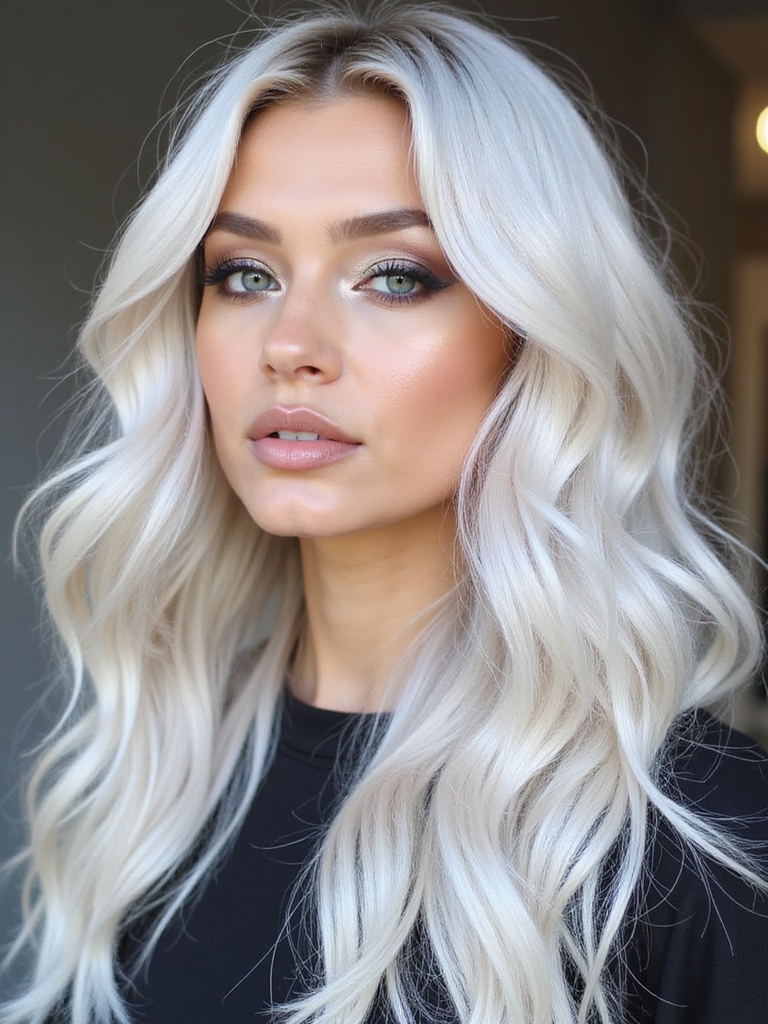
Icy platinum is the boldest blonde there is: bright and almost white, with no warmth at all. It’s striking on cool, fair skin and dramatic on deep skin with cool undertones, where the contrast is high-fashion. This is the highest-maintenance color in the guide, though, so go in with open eyes.
Getting there means lifting hair to its lightest level, which takes skill and healthy hair, often over more than one session. In my chair, I only take someone platinum if their hair can handle the lift.
Upkeep is real: purple toner every few weeks, bond treatments, and gentle washing to keep the tone clean and the hair from breaking.
Luxurious Warm Chestnut Brown
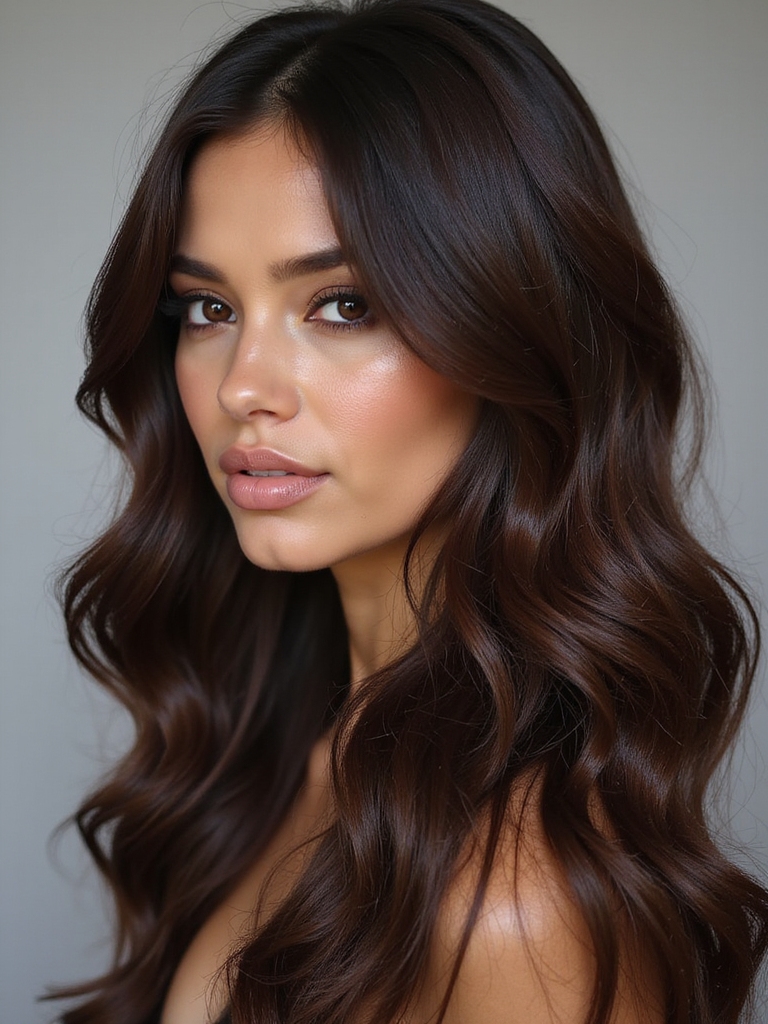
Chestnut brown is warm brown with a whisper of red, a rich, glossy shade that suits more complexions than nearly any other brown. The warmth brings life to the face, and the depth keeps it low-maintenance, since roots blend in easily. It’s a safe, universally flattering choice that never looks flat.
It suits warm, neutral, and deep skin especially well. A warm-toned gloss now and then stops the red undertone from fading to a flat brown.
Golden Beachy Bronde
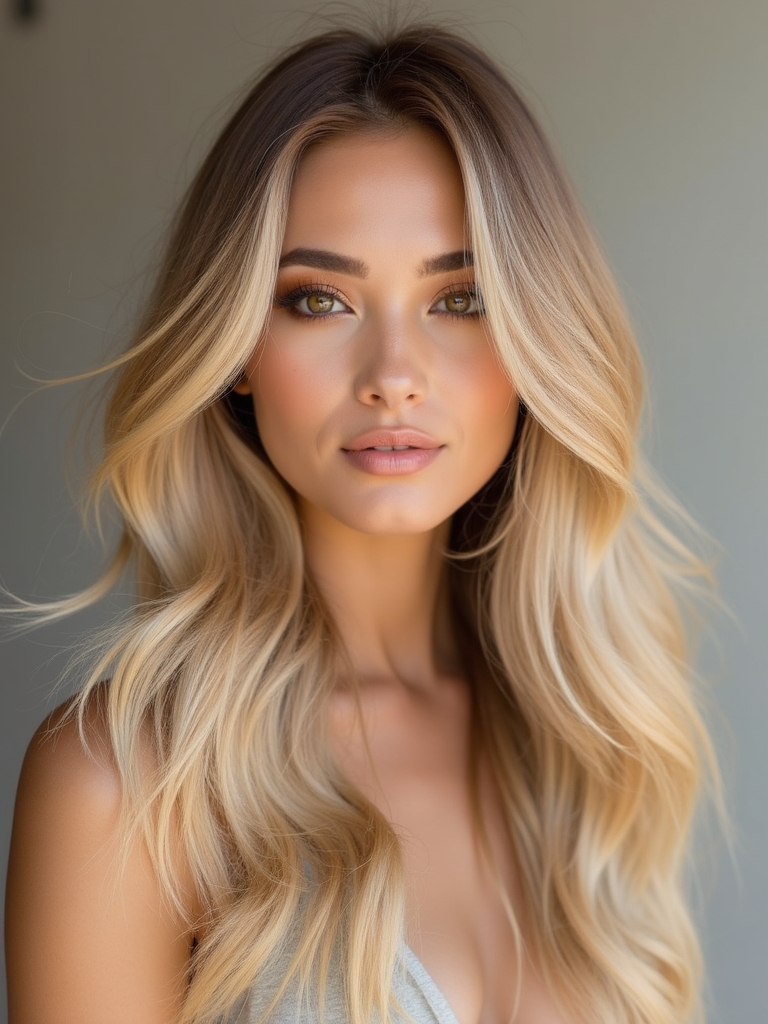
Beachy bronde is the color of hair after a summer by the sea: warm, golden, and lightest around the face, as if the sun did it. It’s a soft, low-contrast blend that grows out gracefully and flatters warm and neutral skin. The brightness up front lifts the complexion without a big commitment.
It’s a favorite because it looks expensive and undone at once. A gold gloss keeps the warmth from fading brassy, and the soft root means fewer salon trips.
Cool Smoky Gray
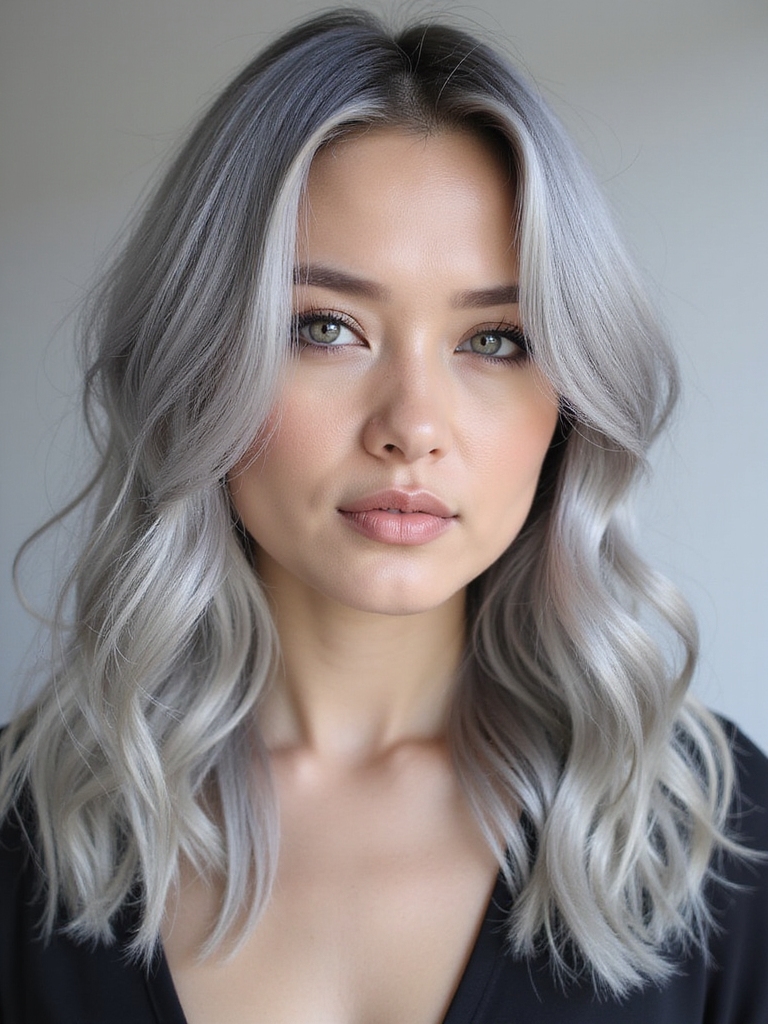
Smoky gray is a cool, muted silver-gray that turns heads while staying sophisticated. It’s a modern, fashion-forward choice that looks editorial on cool skin tones especially. Because it’s a lifted-and-toned color, it needs light, healthy hair underneath and regular toning to stay clean rather than yellowing.
- Best on cool undertones; warm skin may fight the ashy tone.
- Requires pre-lightening, so hair health comes first.
- Tone every few weeks to keep it from turning brassy.
Deep Merlot Red
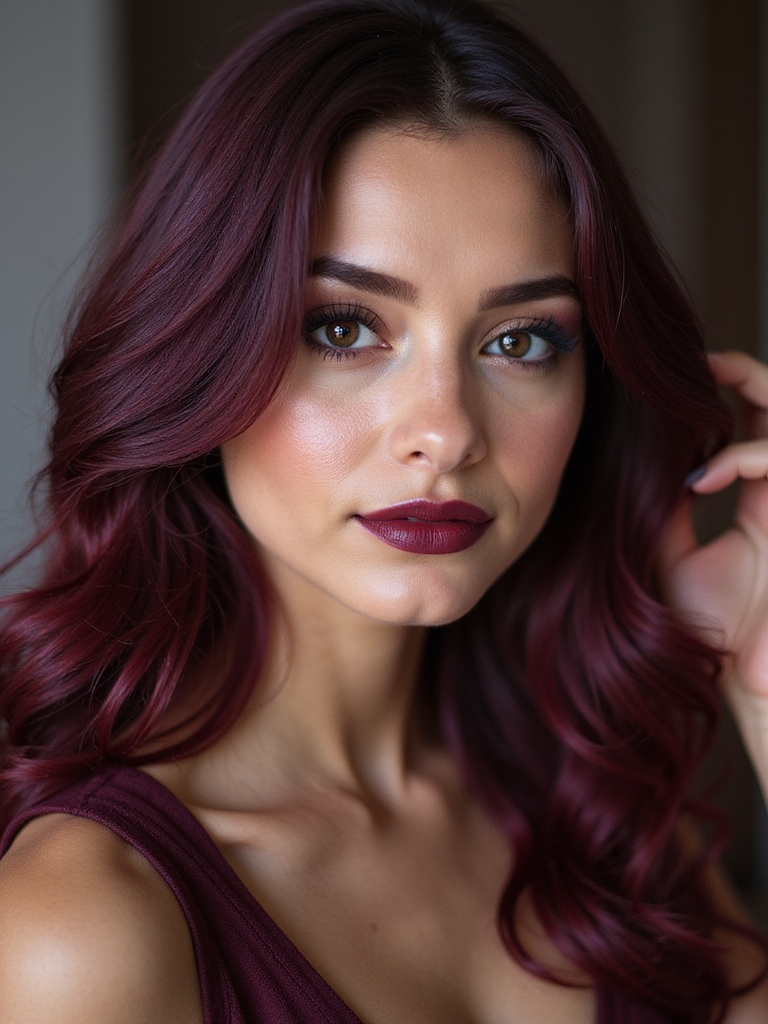
Merlot is a deep, wine-toned red, rich and glossy with real depth. It’s bold without being bright, which makes it more wearable than a fire-engine red, and it looks luxurious on deep and olive skin as well as fair, cool complexions. It’s a rich cool-weather shade.
- Deep enough to flatter most skin tones with the right undertone.
- Red fades fast, so wash less and use color-depositing conditioner.
- Refresh with a red gloss to keep the wine tone from dulling.
Sun-Kissed Bronde Transformation
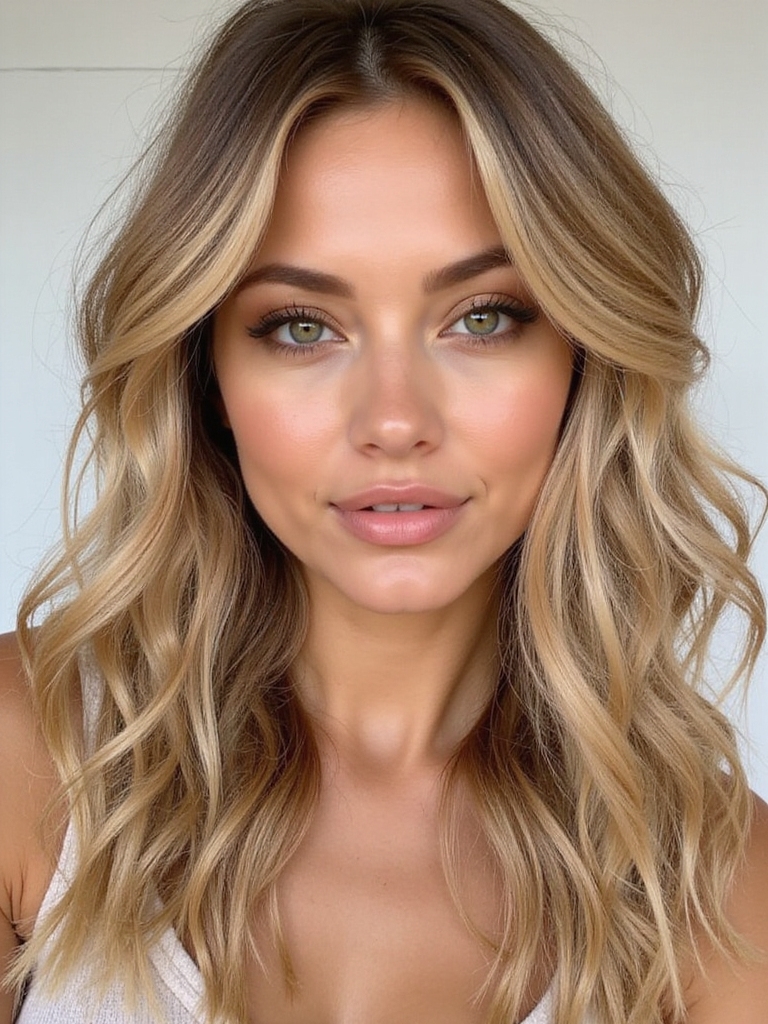
If you want a noticeable change that still looks natural, a sun-kissed transformation lifts your base a few shades and adds bright, face-framing pieces. The effect is like a long holiday in the sun, warm and glowy without a hard line. It works on almost any starting color.
The key is keeping the brightness concentrated where the sun would naturally hit: the front pieces, the ends, and the top layers. That placement flatters the face and keeps grow-out soft.
I tell clients this is the easiest big change to live with, because there’s no stark regrowth and the upkeep is a gloss every couple of months.
Timeless Espresso Brunette
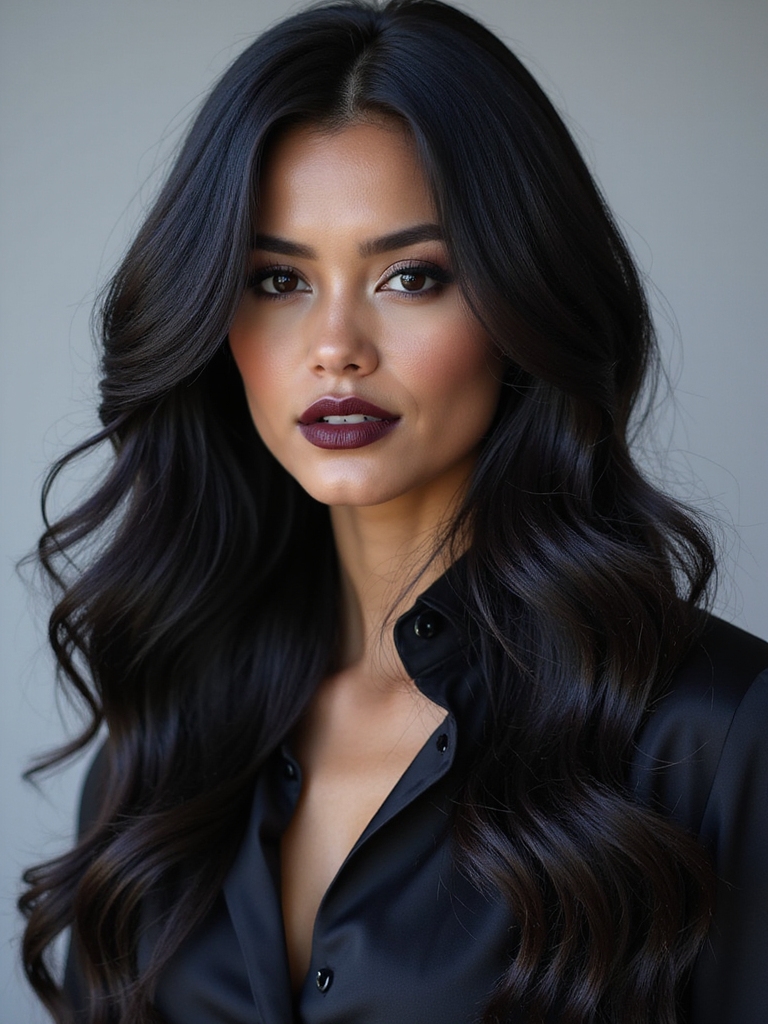
Espresso is the deepest brown before black, a rich, glossy near-black that’s dramatic and endlessly chic. It makes skin look luminous and eyes pop, and it’s one of the lowest-maintenance colors going, since regrowth barely shows against such a dark base. This is the shade for anyone who wants impact without frequent salon trips.
Cooler espresso suits fair and cool skin, while a slightly warmer espresso flatters olive and deep tones. Keep it glossy with a clear or cool gloss.
On textured and coily hair, espresso looks especially rich, though any color service on textured hair needs a gentle hand and plenty of moisture.
Warm Golden Autumn Glow
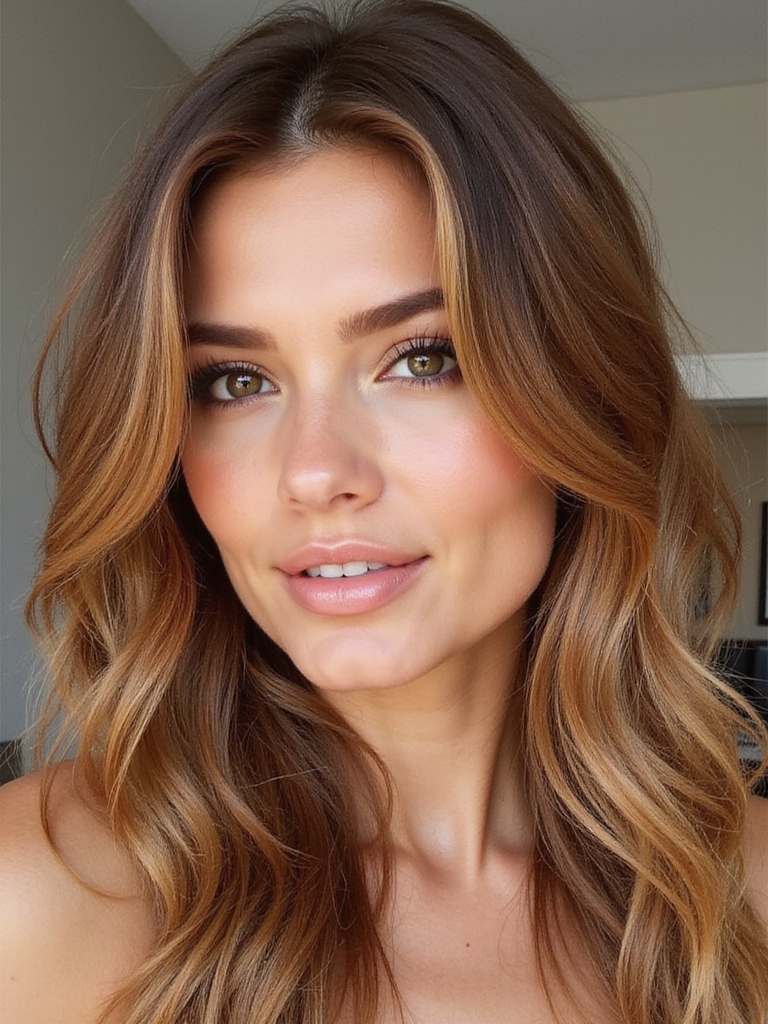
This is the warm, golden-brown glow that suits the shift into cooler months, a mix of soft gold and warm brown that looks like late-afternoon light. It’s less about one shade and more about a warm, dimensional finish that flatters warm and neutral skin.
It’s an easy update from a plain brown: a few golden pieces and a warm gloss bring the whole color to life. The warmth also softens the face in flat winter light.
Keep it from fading dull with a warm-toned gloss, and it holds its glow through the season.
A few color terms to help you talk to your stylist.
📖Gloss
A semi-transparent tone that adds shine and refreshes color; the cheapest way to keep a shade looking new.
📖Toner
A treatment that cancels unwanted warmth or brass after lightening, setting the exact final shade.
📖Level
How light or dark hair is on a 1 (black) to 10 (lightest blonde) scale; colorists use it to plan lift.
Enigmatic Midnight Blue
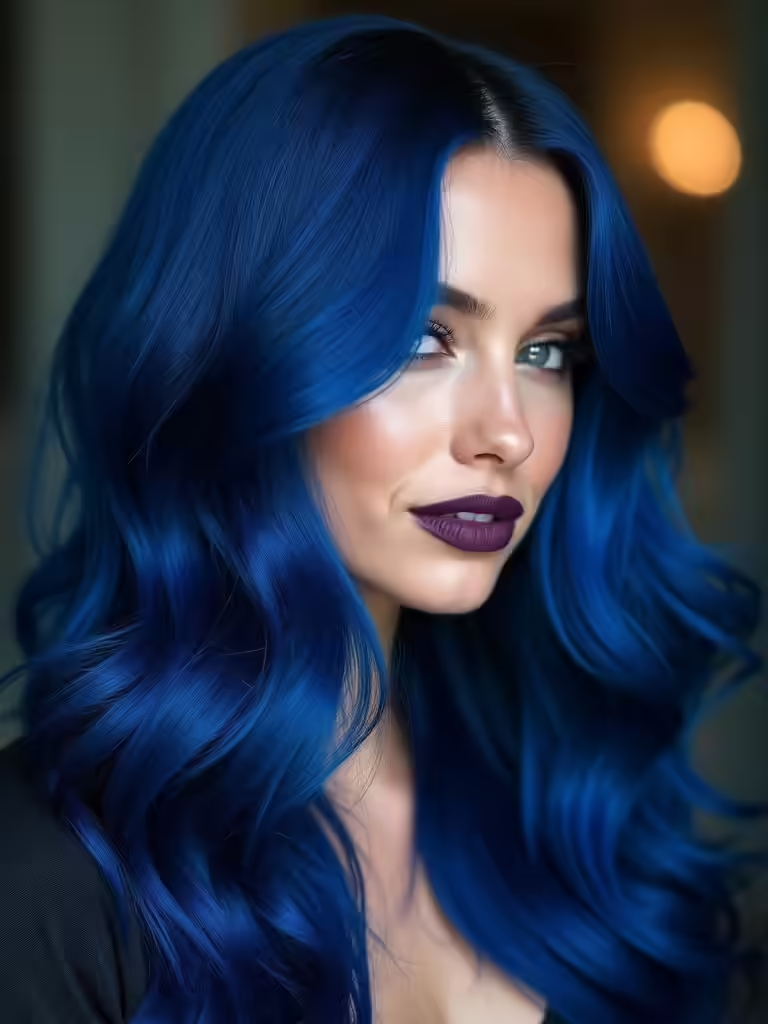
Midnight blue is a deep, near-black blue that only reveals itself in the light, when a flash of cool blue shifts through the dark. It’s subtle enough to wear day to day yet unmistakably different, and it looks striking on cool and deep skin tones. The dark base keeps it lower-maintenance than a bright fashion color.
It needs a dark canvas, so it works best over already-dark hair. A blue-depositing conditioner keeps the shift from fading out to plain black.
Soft Ethereal Lavender
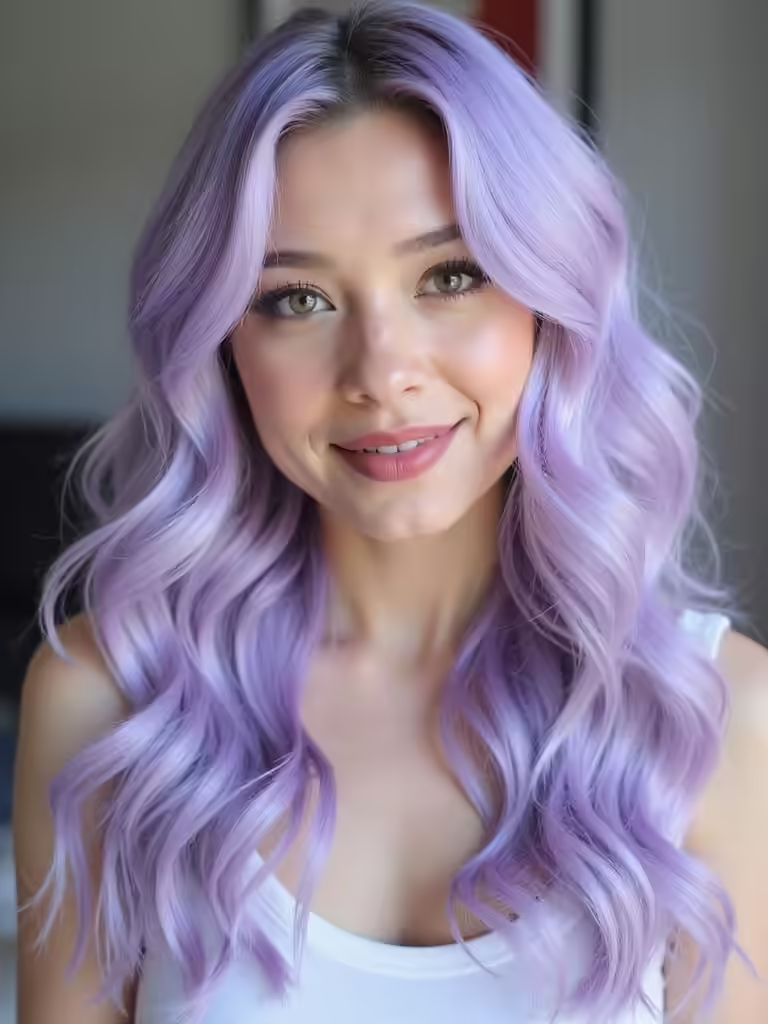
Soft lavender is a pale, dreamy purple that feels romantic and modern at once. It’s a true fashion shade, so it needs pre-lightened hair to show up, especially the palest versions. It flatters cool undertones best, where the violet plays nicely against pink-based skin.
Pastels fade quickly, which is part of the charm, since they soften beautifully as they go. Expect to refresh the tone every couple of weeks to keep it bright.
Warm Face-Framing Highlights
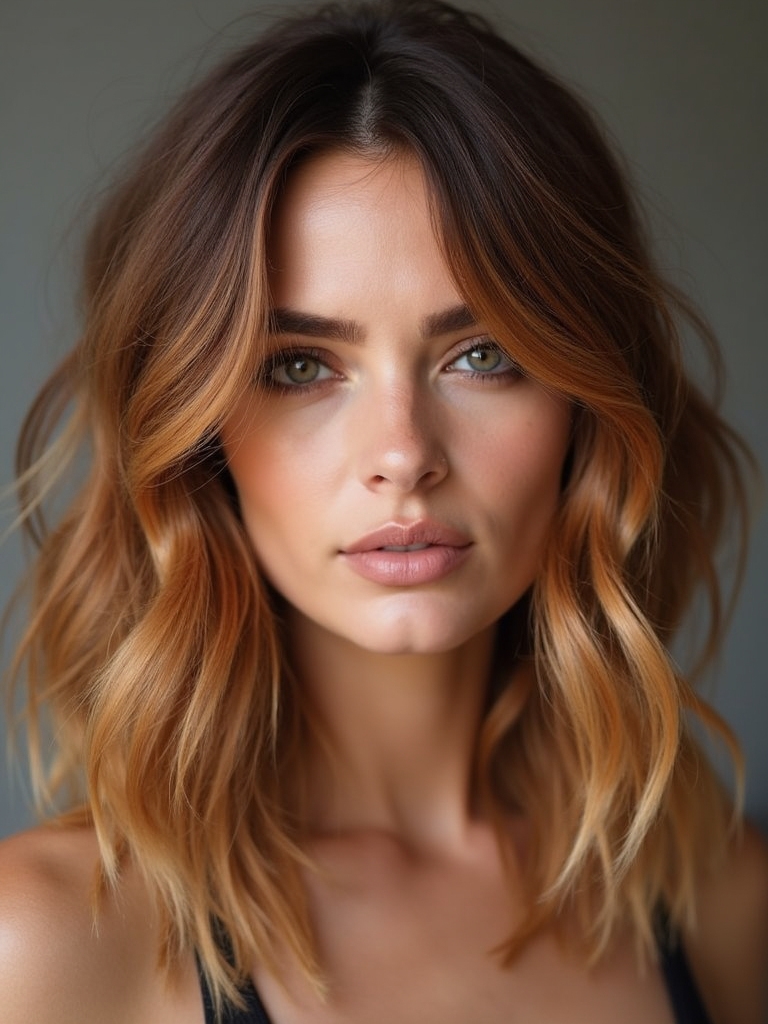
Sometimes the biggest lift comes from the smallest change: a few warm highlights placed right around the face. They brighten your complexion, add movement, and cost far less than a full color, which makes them the easiest way to test going lighter. This is what I suggest to anyone unsure about a big change.
- Concentrate the highlights on the front pieces for the biggest lift.
- Match the warmth to your skin so it brightens your complexion.
- Low commitment and low cost compared with an all-over color.
🅰️All-over color
A full, uniform shade; bold and dramatic, but roots show sooner and touch-ups come around faster.
🅱️Highlights or balayage
Dimensional, painted lightness; softer grow-out and fewer salon trips, ideal for a low-maintenance change.
Smoky Ash Brown
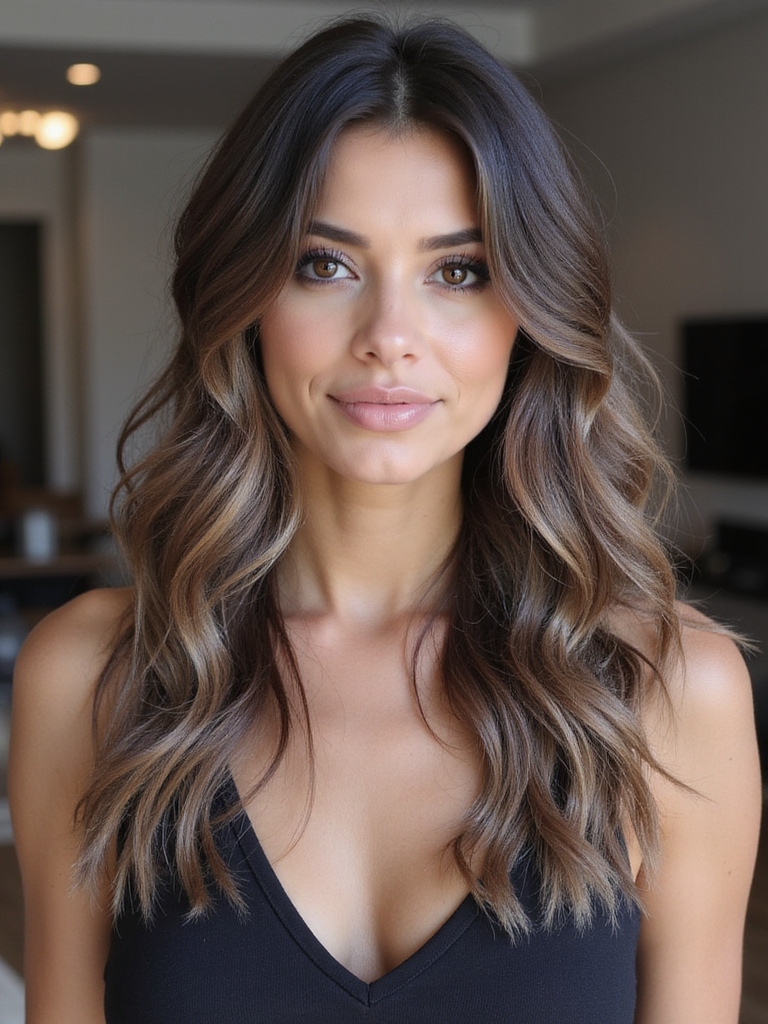
Ash brown is cool-toned brown with a smoky, muted finish that looks expensive and modern. It’s the antidote to brassiness for anyone whose brown pulls too warm or orange, since the ash tones neutralize the warmth. Cool and neutral undertones wear it best.
Is Ash Right for You?
Because it’s a cool tone, it can fade warm over time, so a periodic ash gloss keeps it muted. It’s a favorite for a sleek, understated look.
Ash tones can read dull on very warm skin, so hold a swatch to your face first. If it makes your skin look grey, warm it up a touch.
Ethereal Silver Accents
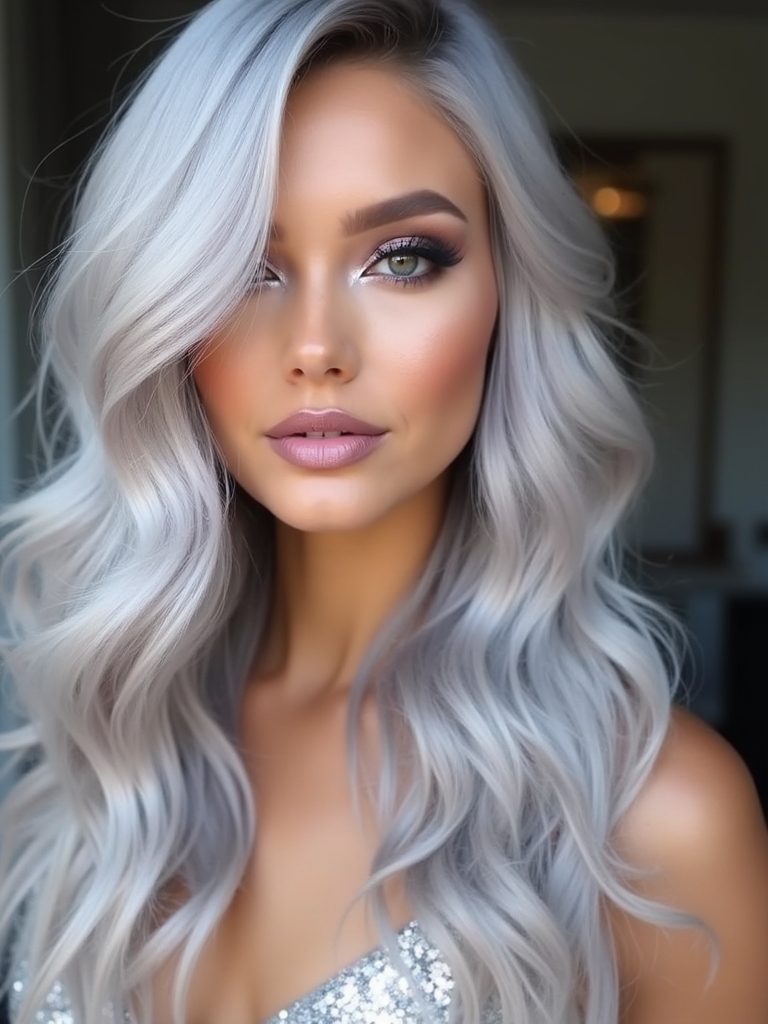
Silver accents thread cool, metallic gray through a base color for a modern, editorial finish. Worn as a few panels or face-framing pieces, they add a high-fashion edge without committing to an all-over silver. They look especially striking against dark or cool-toned hair.
Start Small With Silver
Like all cool tones, silver needs pre-lightening to show up clean, and it wants regular toning to stay from yellowing. Keep the rest of the hair healthy so the lifted pieces don’t stand out as damaged.
This is a bold accent, so start with just a couple of pieces. You can always add more once you see how it wears.
Heads-Up
Fashion shades like silver, lavender, and pink almost always need pre-lightened hair to show up. Going from dark to pastel in one day usually isn’t safe; it can take several sessions to lift without damaging the hair, so plan for that.
Rosy Pink Highlights
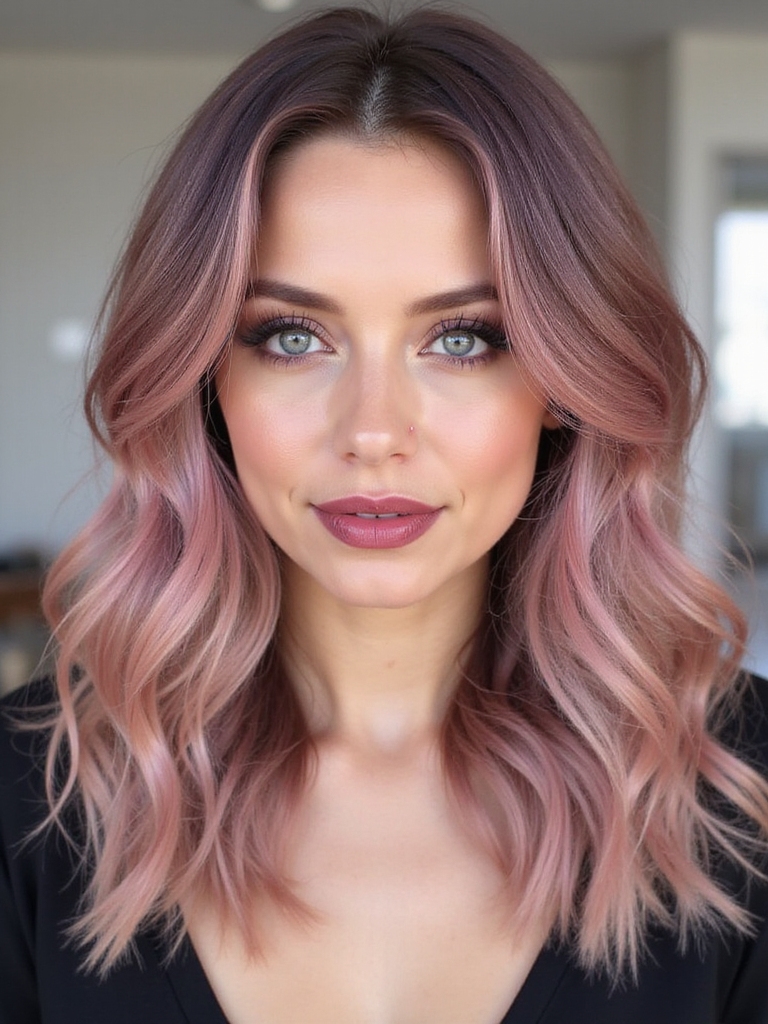
Rosy pink highlights weave a soft, warm pink through the hair for a playful, romantic finish. Kept subtle, they’re surprisingly wearable, adding a wash of color that catches the light without going full fantasy. They suit warm and neutral skin, where the rosy tone flatters rather than clashes.
Pink shows up brightest on pre-lightened pieces, so the lighter your base, the more it pops. On darker hair, expect a softer, more muted rose.
Pink fades fast, so treat it as a fun, low-stakes color and refresh it when the mood strikes.
Silky Mahogany
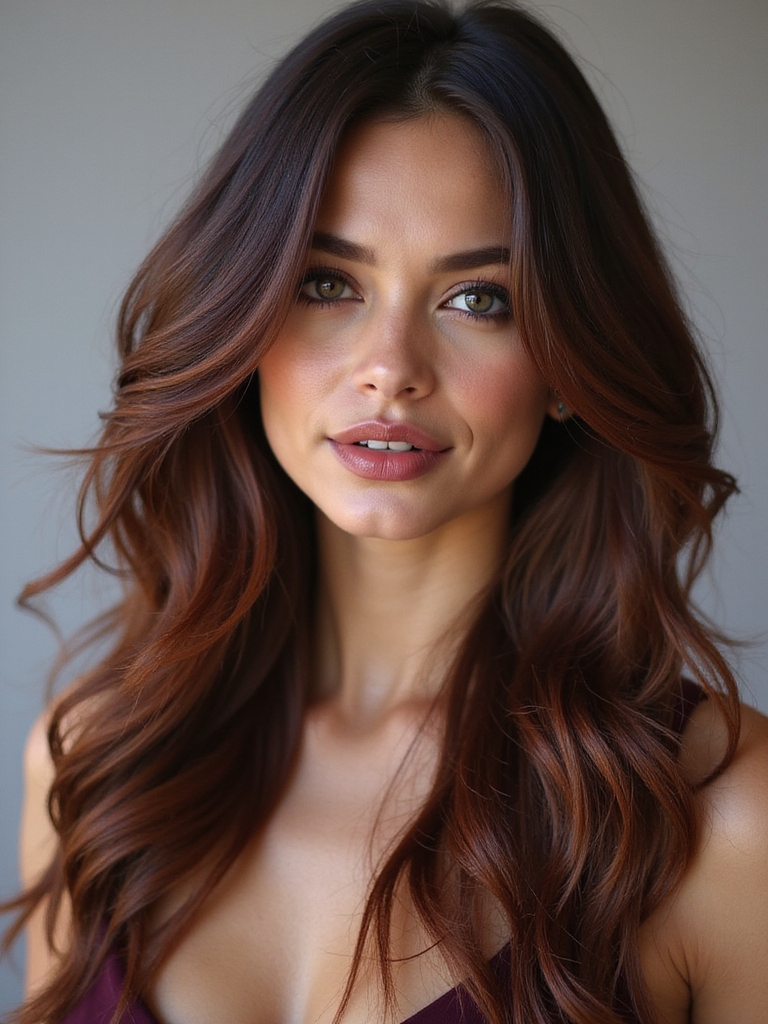
Mahogany is a deep red-brown with a purple-red undertone, glossy and rich like the wood it’s named for. It’s warmer than a plain brown but subtler than a true red, which makes it a great first step into red tones. It looks luxurious on deep, olive, and cool-fair skin alike.
The red-violet base fades faster than brown, so color-safe products and a mahogany gloss keep it from dulling to a flat brown.
- A gentle way into red for anyone nervous about bright shades.
- Flatters deep, olive, and cool-fair skin with the right depth.
- Use color-depositing conditioner to hold the red-violet tone.
Muted Lavender
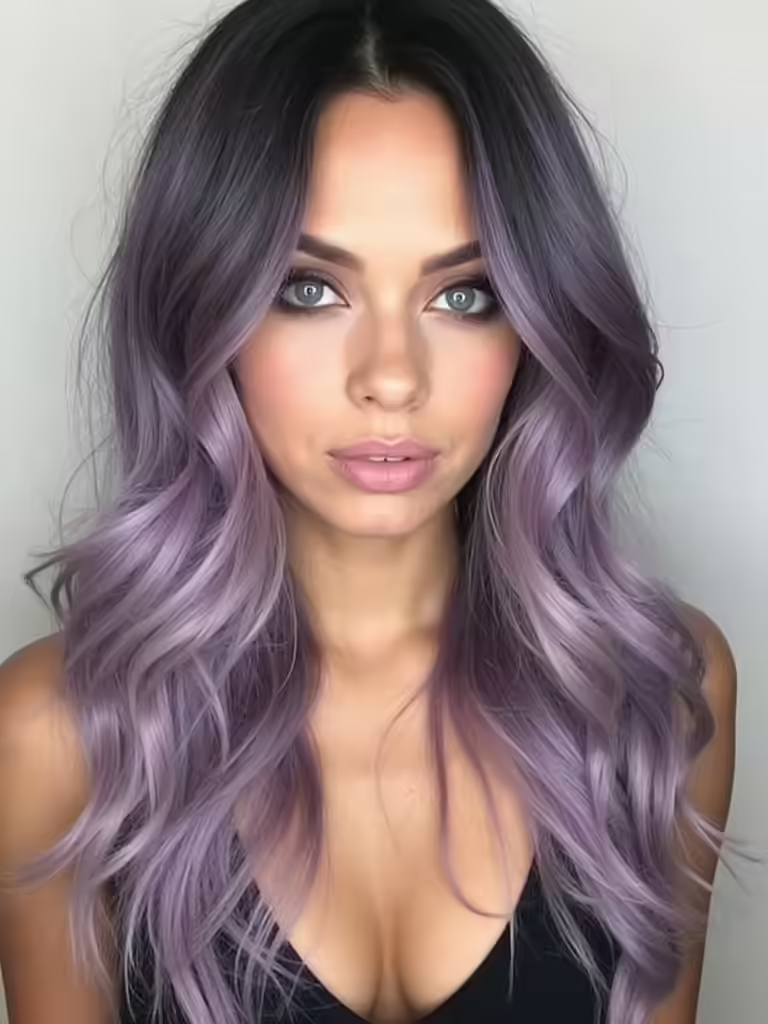
Muted lavender is lavender’s more wearable cousin: a smoky, grayed-off purple that feels sophisticated rather than candy-bright. The gray in it makes it easier to wear day to day and easier on the eyes than a saturated pastel. It suits cool undertones and looks modern against fair, cool skin.
Like all pastels, it needs a light base and fades with washing, though the muted tone ages more gracefully than a bright one.
A weekly tinted conditioner keeps the color topped up between salon visits without much effort.
Subtle Sun-Kissed Sophistication
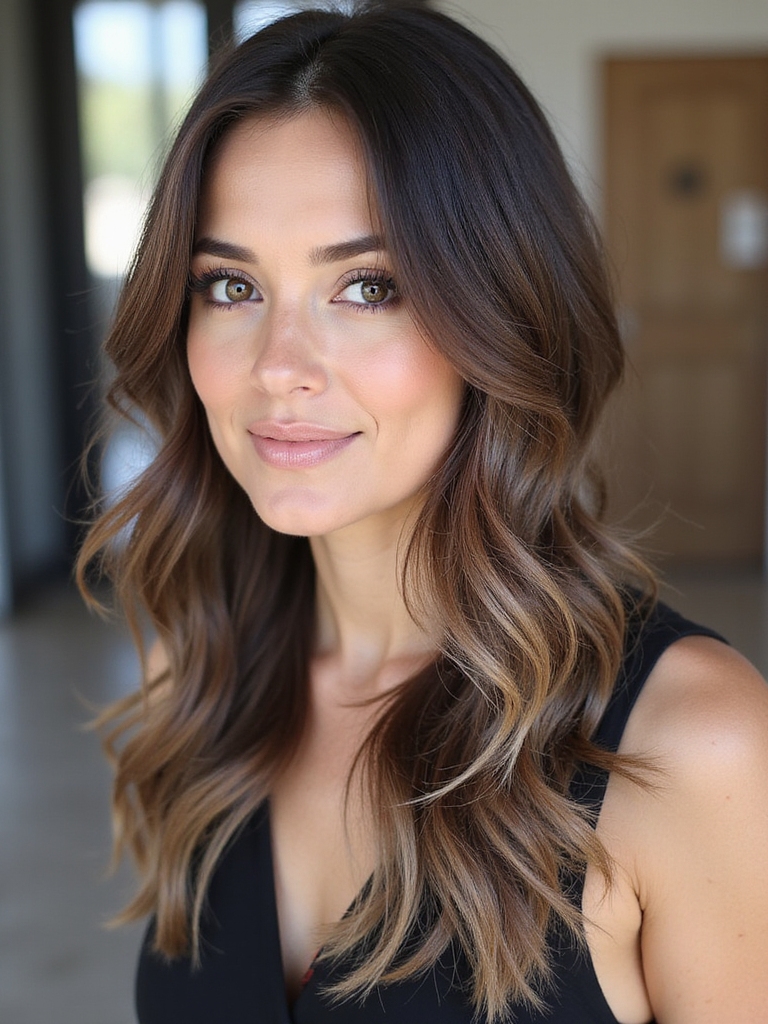
For the quietest change of all, a subtle sun-kissed finish adds just a few soft, light pieces to your natural color, the kind of brightening a summer would give you. It’s the most understated option here, and the most low-maintenance, since a handful of highlights grow out invisibly. It suits anyone who wants their color to look like theirs, only a little brighter.
- The lowest-commitment, lowest-cost way to freshen your color.
- Grows out invisibly, so touch-ups can wait months.
- Keep the pieces warm and face-framing for the most flattering lift.
ℹ️Good to Know
Warm shades (caramel, honey, copper, auburn) fade slower and grow out softer than cool ones, which makes them the lowest-maintenance choice. Cool blondes and fashion pastels need the most frequent toning.
Enchanting Strawberry Blonde
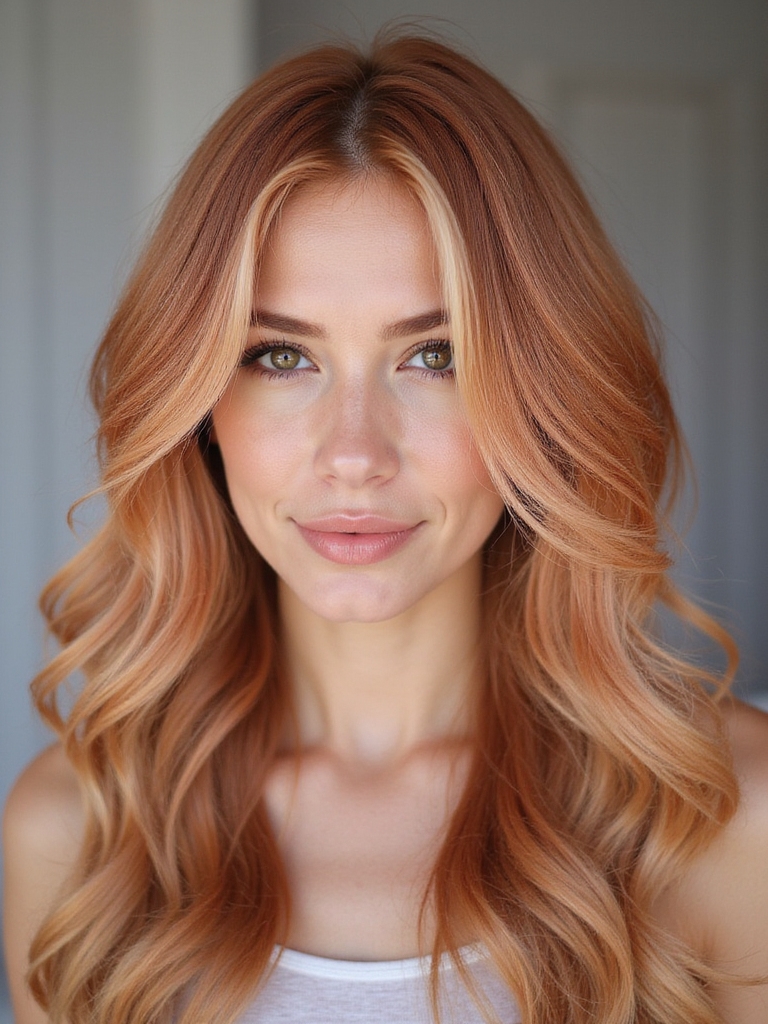
Strawberry blonde is the softest way to wear red: a warm, golden blonde with a rosy tint that looks sun-warmed and gentle. It’s romantic and flattering, especially on fair and warm skin with peachy undertones, where it echoes the complexion’s warmth. It’s less bold than copper but just as pretty.
It sits at the warm end of blonde, so it fades softly rather than turning harshly brassy. A warm, rose-gold-leaning gloss keeps the strawberry tint alive.
For deeper skin, a richer strawberry-copper reads beautifully, so adjust the depth to suit you. See blonde color ideas for more.
Hair Color Questions, Answered
?How do I choose a hair color for my skin tone?
Start with your undertone. Warm, golden, or olive skin glows in caramel, honey, copper, and warm browns. Cool, pink-based skin suits ash, platinum, and cool reds. Neutral skin can wear both. Hold a shade against your jaw in natural light; the right one makes your skin look brighter and more awake.
?Which hair colors need the most upkeep?
Cool blondes like icy platinum, and fashion pastels like lavender, pink, and silver, need the most maintenance, with toning every few weeks and frequent glossing. Warm browns, caramels, and dark shades are the lowest-maintenance, since regrowth blends softly and the tones fade slowly.
?Can I go from dark to a pastel shade in one session?
Usually not safely. Pastels need very light, pre-lightened hair, and lifting dark hair that far in one day risks serious breakage. A good colorist will spread it over two or three sessions to protect the hair. Be honest about your hair’s health and plan for the extra visits.
?How do I keep my color from fading?
Wash less often in cooler water, use sulfate-free color-safe products, and add a weekly bond or color-depositing treatment. A gloss or toner on your colorist’s schedule resets the tone, and a UV or heat protectant slows fading from sun and hot tools. Reds and pastels fade fastest, so treat them gently.
Finding the Shade That’s Yours
The thread through all 24 of these shades is the same: the color that suits you is the one that flatters your skin’s undertone and fits the upkeep you’ll realistically keep up with. Warm skin glows in caramel, honey, and copper; cool skin shines in ash, platinum, and lavender; and almost everyone looks good in a warm, dimensional brown.
Start with your undertone and your patience level, then pick the exact shade from there. Bring a photo, ask your colorist what the maintenance really looks like, and choose the version that will still look rich in the low light where you spend your days.