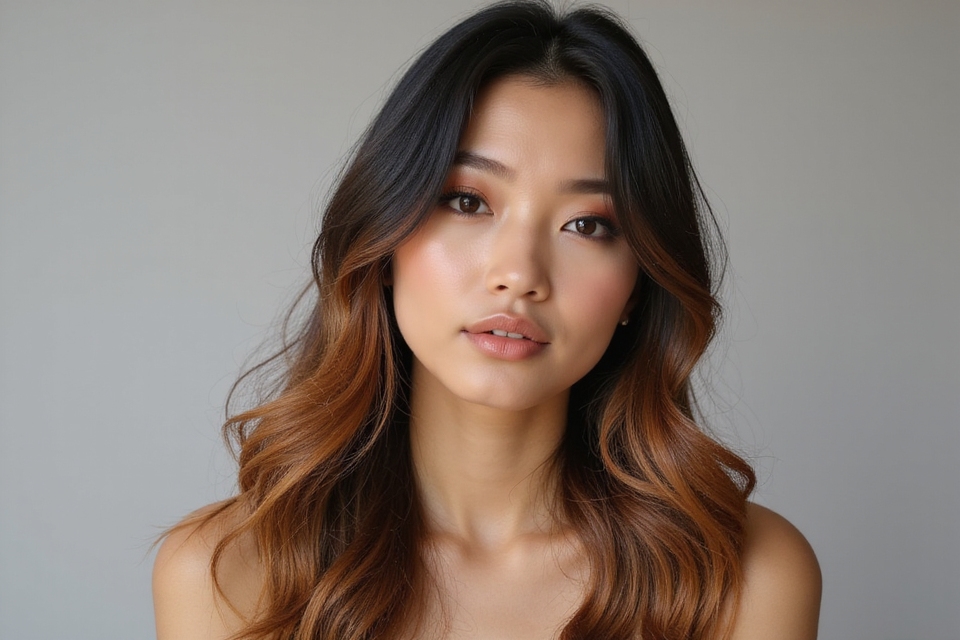

No brunette shade does more work for less upkeep than chocolate brown. It is rich enough to look expensive, warm enough to flatter almost everyone, and forgiving enough that the regrowth never screams for a salon visit.
That is a rare combination in hair color, expensive-looking, near-universally flattering, and low-maintenance all at once, and it is exactly why chocolate brown has quietly stayed a colorist favorite through every passing trend cycle for decades now.
The word covers a whole spectrum, though, running from pale milk chocolate to near-black espresso, with warm caramels and cool ashy versions in between. Picking the right one is all about your undertone, your skin, and how much maintenance you actually want. Below are the chocolate brown hair color shades worth knowing, with the honest notes I give clients in the chair.
Chocolate Brown, the Quick Version
What makes chocolate brown so flattering? Its depth and warmth. The shade carries multi-dimensional tone that catches the light, and it sits in a range that flatters cool, warm, and neutral skin once you pick the right undertone.
Is it high-maintenance? No, which is half its appeal. Because it stays close to most natural brunette bases, the grow-out is soft. A gloss every few weeks and color-safe shampoo keep it rich.
Warm or cool version? Warm skin glows in golden, caramel, and red-leaning chocolates. Cool skin suits ashy and mocha versions. Neutral skin can wear nearly the whole range.
What Makes Chocolate Brown Timeless

Chocolate brown earns its staying power honestly. It looks polished and put-together, it grows out gracefully, and it stays well clear of any trend you might regret in a year. The depth is what sells it, a rich brown that swirls with subtle warmth and catches the light as you move.
It also plays well with almost every complexion, which is rare for a color this saturated. A small shift in undertone is all it takes to make the same family of shades flatter very different people, which is exactly why I reach for it so often at the color bar.
The Benefits of Going Chocolate Brown

If you want maximum impact for minimum upkeep, this is the brunette to ask for. The warm undertones add a cozy richness, the depth makes thin hair look fuller, and the soft regrowth keeps you out of the salon longer than a blonde ever would. A few reasons clients keep coming back to it:
- It flatters a huge range of skin tones with small undertone tweaks.
- The grow-out is gentle, so you stretch the weeks between appointments.
- It shifts from work-neat to evening-glam with nothing but a change of outfit.
Heads-Up
Going more than two shades darker than your natural color is hard to reverse, since lifting dark brown back out is slow and damaging. If you are unsure, start with a demi-permanent that fades out softly, with no permanent you might come to regret.
Warm Versus Cool Chocolate Tones

Every chocolate brown leans warm or cool, and that single choice changes everything about how it suits you. Warm versions carry golden and caramel light, giving a sun-warmed glow that flatters warm and olive skin. Think of the difference between a milk-chocolate bar and a square of dark.
Cool versions lean on mocha and ash, reading sleek and modern, and they balance pink-toned or fair, cool complexions beautifully, which is why, whenever a client cannot decide between the two, I simply hold a swatch up against the jaw and watch closely to see which one makes the skin look brighter. The skin tells you the answer.
Classic, Timeless Chocolate Brown

Classic chocolate brown is the benchmark the others are measured against, a true mid-brown with balanced warmth that suits nearly everyone. Most people start right here. It is the safest first step into the family and the easiest to wear to anything, from a Monday meeting to a Saturday wedding.
It is also the most forgiving to maintain, since it sits close to most natural brunette bases. To get it right:
- Take a reference photo to your colorist, since brown looks different in every light.
- Ask for a demi-permanent if you want a softer, lower-commitment version.
- Keep it hydrated, because dryness is what makes brown look flat and dull.
ℹ️Good to Know
Chocolate brown looks darker wet than dry, and darker in the salon’s bright light than in daylight. Always judge a fresh color in natural light before you decide it is too dark.
Rich, Sophisticated Dark Chocolate

Dark chocolate is for anyone who wants drama without going fully black. The deep pigmentation comes across glossy and expensive, and a whisper of warm undertone keeps it from looking flat or harsh against the skin. It is one of my favorites for making fine hair look thicker and healthier. What to know before you commit:
- It shows shine beautifully, so a glossing treatment is worth the splurge.
- Going this deep can wash out very fair skin, so keep a hint of warmth in it.
- Growing it out is easy on dark bases and trickier on light ones.
Milk Chocolate Warmth

Milk chocolate is the lighter, sweeter end of the spectrum, all soft warmth and gentle dimension. It brightens the face without the upkeep of blonde, and the cozy, caramel-kissed tone feels friendly and approachable. It softens a face.
It is a lovely choice for warm and medium skin, and it pairs beautifully with subtle caramel highlights woven through. To keep it from going brassy:
- Reach for a sulfate-free, color-safe formula to lock the tone.
- Add a warm gloss every few weeks to keep it luminous.
- Skip clarifying shampoos, which strip warmth fast.
Brown is never just brown. The undertone is the whole story, and it is what makes the same shade flatter one person and fight another.
Mocha Brown

Mocha brown is the clever in-between, a sophisticated blend of cool and warm that lands neither too golden nor too ashy. That balance is exactly what makes it so wearable, since it sidesteps the brassiness warm browns can drift toward and the flatness cool ones sometimes show.
It suits sleek bobs and tousled waves alike, and it photographs as a rich, multi-dimensional brown with real depth. I often suggest it to clients who have tried both warm and cool and found each one slightly off.
Because it leans neutral, mocha flatters a wide span of skin tones, which makes it among the most universally easy chocolate browns to wear.
Rich Espresso

Espresso is chocolate brown at its deepest and most dramatic, a near-black brown with a glossy, sultry finish. It carries real sophistication, and on the right person it looks like the most expensive thing in the room. There is a trade-off, though. This much depth makes pale skin look even paler, so it pays to know your contrast before you commit.
It suits medium-to-deep skin especially well, where the richness looks luminous. To wear it well:
- Keep it glossy, since espresso lives or dies on shine.
- Balance very fair skin with a warmer brow and a touch of blush.
- Use a demi formula first if you are nervous about going this dark.
💡Colorist Tip
A clear or tinted gloss every four to six weeks is the cheapest way to keep chocolate brown looking salon-fresh. It costs a fraction of a full color and restores the shine that makes the shade look expensive.
Cozy Chestnut

Chestnut is the warm, reddish-brown cousin in the chocolate family, like sunlit autumn leaves caught mid-fall. It hits a sweet spot between rich and light, giving real dimension without the depth of espresso or the lift of caramel.
Best for Warm Undertones
The subtle red warmth is what sets it apart, flattering warm and golden complexions and adding life to hair that looks a little flat in its natural state. It is a lovely transitional shade for easing from summer-light into autumn-rich.
If your natural base already has red in it, chestnut is an easy, low-commitment direction that works right along with your undertone.
Warm, Versatile Hazelnut

Hazelnut is a warm, mid-toned brown with a little more golden lift than classic chocolate, which gives it natural-looking contrast and dimension, suits a huge range of skin tones, and shifts beautifully with the seasons as the daylight changes from summer to autumn. It is one of the easiest browns to live with. Here is how to make it sing:
- Ask for fine, woven highlights a shade or two lighter for built-in dimension.
- Keep the base warm so the contrast reads soft, not stripey.
- Refresh the tone with a warm gloss as it fades toward neutral.
Caramel-Infused Brown

A touch of caramel woven through chocolate brown adds the warmth and movement of light catching the hair, like a sun-warmed glow threaded through your strands. It is the easiest way to add interest without committing to a wholesale color change. Build it like this:
- Place caramel pieces around the face first, where they brighten the most.
- Keep them soft and blended for a romantic, lived-with finish.
- Pair them with a deeper base so the contrast stays elegant and subtle.
Icy Chocolate Glaze

An icy chocolate glaze swings the family fully cool, pairing deep brown with a sleek, frost-kissed finish. It is depth without warmth, all mirror-like shine and modern polish, and it looks expensive in a clean, minimal way.
It flatters cool and neutral skin best, and it is the version to ask for if warm browns always look a little brassy on you. A few notes:
- A clear or cool-toned gloss is what gives it that glassy reflection.
- Keep brassiness in check with a blue or purple toning treatment.
- Pair it with a healthy cut, since cool, glossy color shows every split end.
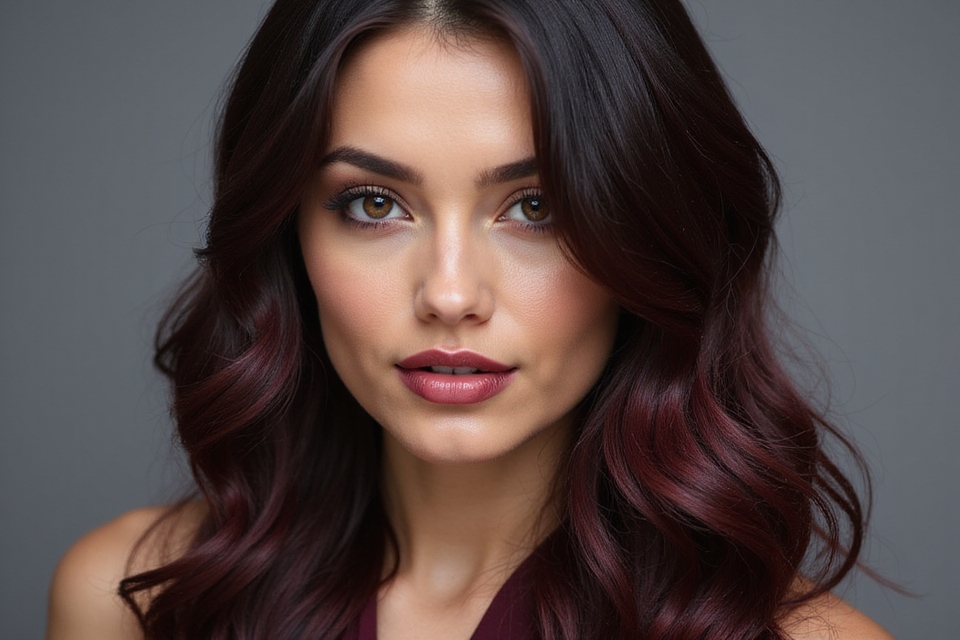
Warm Auburn-Chocolate

Red-toned chocolate blends rich brown with subtle auburn warmth, turning up the heat without going fully red. The result is dimensional and striking, with the kind of glow that catches the eye in sunlight. If you want a bolder spin, my notes on cherry-red hair show how far the red end can go.
Warm and olive skin glow with it especially, and it makes a wonderful low-stakes way to try red. To keep the red true:
- Red molecules fade fastest, so use a color-depositing conditioner.
- Wash in cool water to slow the fade and protect the shine.
- Refresh with a red-leaning gloss every few weeks.
Ashy Chocolate

Ashy chocolate is the coolest, smokiest member of the family, a deep brown with the warmth pulled right out. It feels sophisticated and modern, and it is the antidote for anyone whose hair turns orange the moment they color it.
The Anti-Brassy Brown
The cool, smoky cast flatters fair, cool, and neutral skin, and the grow-out stays soft, with no harsh demarcation line. It is a quietly trend-setting shade that still looks polished in any setting.
The one catch is that ash can read flat if it goes too far, so a good colorist keeps a sliver of depth and shine in it to stop it looking dull.
Bold Chocolate Balayage

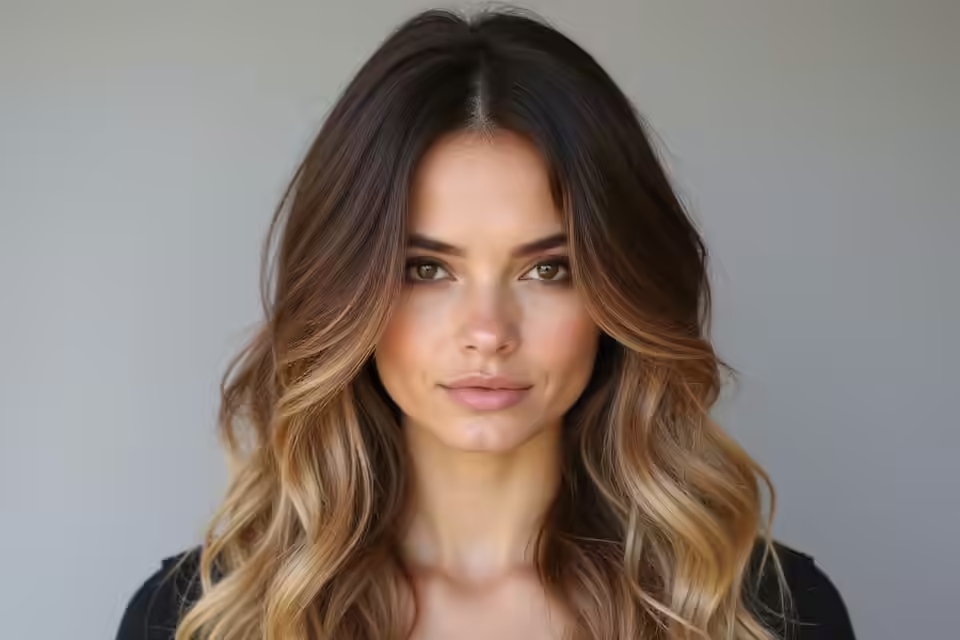
Balayage takes chocolate brown from one flat tone to swirled, hand-painted dimension, blending warm pieces through the base like ribbons through a chocolate bar. The grow-out is forgiving. It is the most dimensional option here, and that soft regrowth is what makes a high-impact color surprisingly low-maintenance over time. Keep it looking fresh with these steps:
- Book a gloss every few weeks to keep the painted tones from dulling.
- Use a bond-building treatment, since lifting the lighter pieces stresses the hair.
- Stretch full appointments by toning at home between visits.
Transform It With Lowlights and Highlights

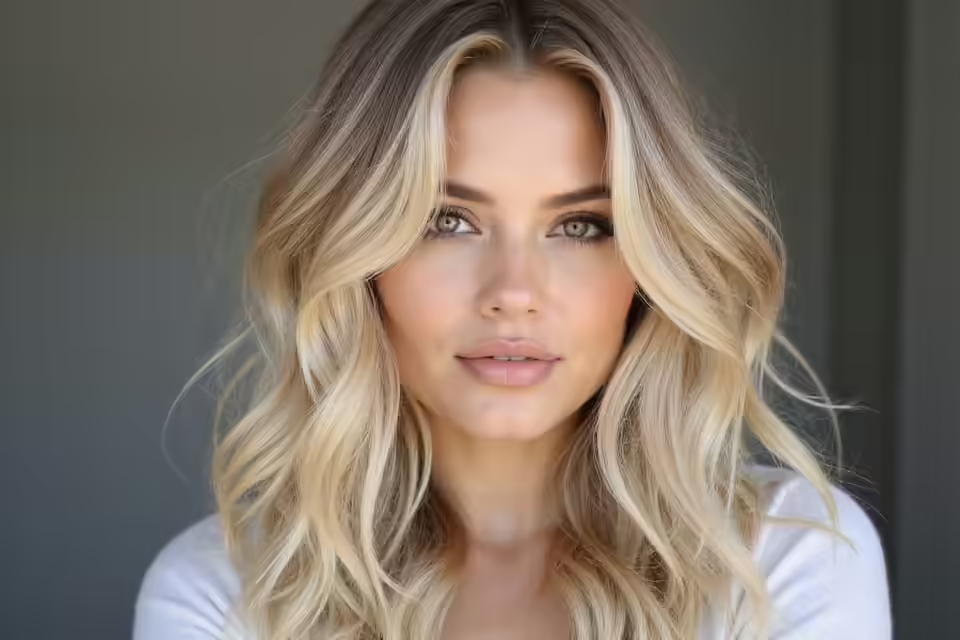
Even a rich chocolate brown gains from a little contrast, and the trick is using both lowlights and highlights together. Subtle caramel highlights add warmth and brightness around the face, while deep espresso lowlights build depth and make the whole color look thicker and more alive.
Used together, they keep the result natural and dimensional, sidestepping the stripey effect that highlights alone so often create. I almost always weave in a few lowlights to anchor the brightness.
A whisper of gold through the mid-lengths adds a final touch of shimmer that catches the light beautifully, especially on second-day hair.
Seasonal Chocolate Trends

Chocolate brown shifts gracefully with the calendar, which is part of why it never feels stale. A small tonal tweak is all it takes to keep it feeling current as the light changes through the year. A simple seasonal guide:
- Spring and summer: lighter milk-chocolate and mocha tones with sun-warmed lift.
- Autumn: rich espresso and chestnut for cozy, deeper warmth.
- Winter: deep, glossy dark chocolate for a luxe, polished finish.
Maintaining Your Chocolate Color

Keeping chocolate brown rich is mostly about protecting tone and shine, and it is remarkably low-effort. A sulfate-free shampoo is the single most important step, since sulfates strip both color and the gloss that makes brown look expensive.
The Three-Step Routine
A deep conditioner once a week keeps the strands hydrated, which matters because dryness is what makes brown look dull and lifeless. Hydration is everything here. Cooler water in the shower, along with the occasional bond treatment, helps the color hold its richness and shine for noticeably longer between salon visits.
Expect a salon refresh roughly every six to eight weeks depending on your shade, and a full color usually runs $80 to $200 by region. A quick gloss between visits takes about twenty minutes and is the cheap secret to keeping it looking fresh.
Matching Your Skin’s Undertone

The single biggest factor in whether a chocolate brown flatters you is your skin’s undertone, not your skin’s depth. Warm undertones, with golden or peachy casts, glow against golden and caramel-leaning browns. Cool undertones, with pink or blue casts, come alive in ashy and mocha shades.
Gold or Silver Test
Neutral undertones are the lucky ones, wearing nearly the whole spectrum with ease. A quick test: if gold jewelry flatters you most, lean warm; if silver wins, lean cool.
And depth is no barrier. Deep and rich skin tones look beautiful in chocolate brown, often glowing most in the warm espresso, chestnut, and red-toned versions, where the saturation of the color reads luminous and alive against the warmth of the skin.
Common Mistakes to Avoid
The most common chocolate brown mistake I fix is going too cool too fast. Pulling all the warmth out can leave the color flat, dull, and oddly aging, so I almost always keep a sliver of warmth even in an ashy shade. The second mistake is neglecting gloss: brown left unrefreshed slides into a muddy, dimensionless version of itself within a couple of months.
The other big one is ignoring your undertone in favor of a photo. A shade that looks incredible on the model can fight your skin completely, which is why a swatch held to your jaw beats any reference picture. Get the undertone right, keep it glossy, and chocolate brown will stay the easiest rich color you can wear. For a bolder change later, a burgundy or a deep calico blend are natural next steps.
Find Your Chocolate Shade
Chocolate brown stays a favorite because it gives so much for so little, flattering nearly everyone, growing out kindly, and shifting with the seasons whenever you want a change. The only real decision is which version is yours, and that comes down to your undertone and how much warmth or coolness flatters your skin.
Start with a swatch held to your jaw in daylight, lean warm or cool from there, and keep a gloss in your routine to hold the richness. Whichever shade you land on, chocolate brown rewards you with depth and shine that look far more high-maintenance than they actually are.
Worth a Look