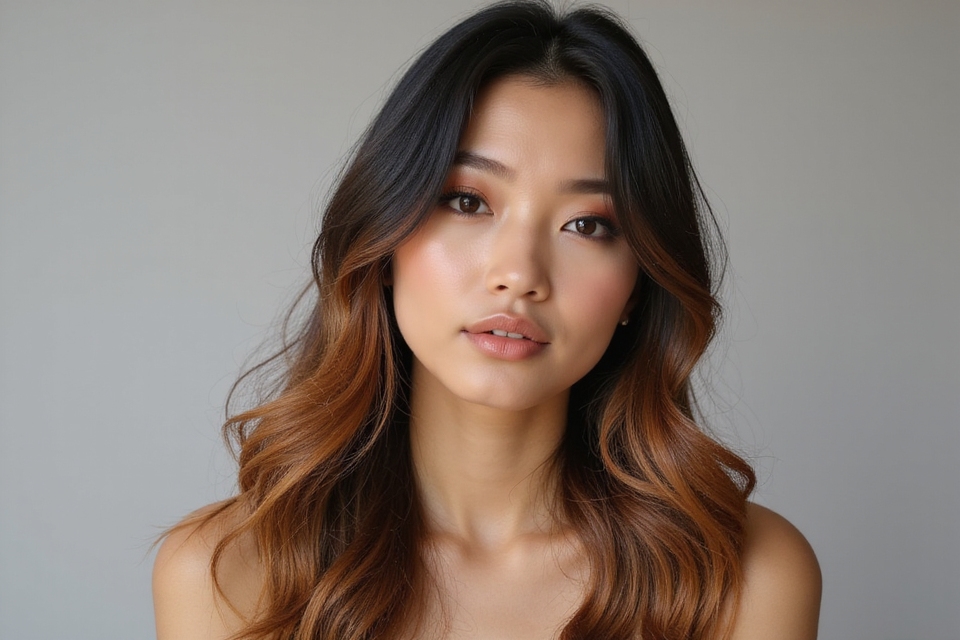

Which bob actually belongs on your head? That is the question I get more than any other, usually from someone holding a photo of a cut that looks incredible on the model and wrong on them.
The honest answer is that the perfect bob is less about the trend and more about the match, your age, your texture, and the shape of your face. Get those three right and almost any bob works. Get them wrong and even a beautiful cut fights you. Here is how I match the shape to the person in my chair.
Choosing Your Bob
- Texture leads: fine hair wants layers, thick hair wants weight removed, curls want a dry cut.
- Face shape sets the length: longer for round faces, chin-grazing for long ones.
- Age is about finish, not a cut-off; softer movement tends to flatter as hair changes.
- A trim every six weeks keeps any bob looking deliberate rather than grown-out.
Classic Bob, Endless Versatility

The reason the bob suits so many people is that it is endlessly adjustable. Length, weight, layering, and finish can each be dialed up or down, so the same idea becomes a hundred different cuts. That flexibility is its superpower.
Think of what follows as a fitting guide rather than a lookbook. Instead of falling for a picture, you will learn which levers to pull for your own hair, which is how you walk out with a bob that suits you and not just the model who wore it first.
Age-Defying Bob Choices

There is no age at which you must give up or take up a bob. What shifts over the years is the finish that flatters, not the cut itself. In your twenties and thirties, sharp lines and bold experiments tend to land well.
As hair changes in density and texture later on, soft layers and gentle movement usually do more favors than a heavy, severe line. The point is to tune the softness to your hair right now, whatever your age.
- Younger hair carries sharp, graphic shapes with ease.
- Softer, layered finishes flatter changing density beautifully.
- Face-framing pieces lift the features at any stage.
🅰️Sleek bob
Precise, glossy, and polished, but it shows every split end and wants a blow-dry.
🅱️Wavy bob
Soft and forgiving of styling slips, with a more relaxed, lived-with mood.
Curls Or Sleek, The Bob Does Both

People assume the bob belongs to sleek, straight hair, but it is just as happy curly. The difference is entirely in the cutting and the styling, not in whether your hair qualifies. A sleek bob leans on a precise line and a smooth blow-dry.
A curly bob leans on shape and shrinkage instead, cut to let the curl pattern do the talking. Both are bobs; they simply ask different things of you and your stylist. Decide which finish you actually want to wear day to day before you book.
- Sleek bobs reward a blow-dry and a good line.
- Curly bobs reward a dry cut and a light leave-in.
- Pick the finish you will realistically maintain.
Matching The Bob To Your Face

Face shape is the single most useful thing to know before you book. A round face is balanced by length that falls past the chin and by a side part, both of which add the illusion of length the face wants.
A longer, oval face does well with a shorter, chin-skimming bob, often with a fringe to break up the vertical line. Strong, square jaws soften beautifully under waves and rounded edges rather than a hard, blunt perimeter.
If your face is heart-shaped, a bob with a little weight around the jaw balances a narrower chin. When you are unsure, a chin-length bob sits in the flattering middle for most people.
Which bob fits your hair?
1My hair is fine and flat
A layered or inverted bob builds the body you are missing.
2My hair is thick and heavy
A blunt outline with hidden internal layers tames the bulk.
3My hair is curly
A dry, curl-by-curl cut shaped for shrinkage.
The Confident Sleek Bob

A sleek bob is the most polished version of the cut, and it telegraphs confidence the moment you walk in. Smooth, shiny, and precise, it relies on a clean line and a glassy finish rather than any clever styling tricks.
It works best on straight to gently wavy hair in good condition, because shine is the whole point and damage shows instantly on a flat surface. A weekly gloss or a few drops of oil keep the surface reflective.
I love it for clients who want low daily fuss but high impact. Once the cut is right, a quick blow-dry with a flat brush is usually all it takes to look pulled together.
Playful Curls With Natural Bounce

A curly bob is one of my favorite cuts to do because the bounce does the styling for you. Cut to work with your curl pattern, it springs up full of life with almost no heat and very little daily effort.
The key is a stylist who cuts curls dry, curl by curl, so they can see exactly where each one will sit once it dries. Curls shrink as they dry, so a wet cut by someone unfamiliar with texture can land far shorter than planned.
At home, a curly bob wants moisture, not friction. A leave-in on soaking hair, scrunched and diffused or air-dried, keeps the bounce defined and the frizz down.
💡Paige’s Tip
Bring two photos to your consult: the bob you want and a shot of your own face from the front and side. The second photo helps your stylist adapt the cut to your real proportions, which is where most copied looks go wrong.
Layered Bob For Built-In Dimension

Layering is how a flat bob gains life. Soft internal layers break up a solid block of hair into something with movement and depth, which is a gift for hair that hangs heavy or reads one-note.
Done with restraint, layers add bounce and the look of more body. Pushed too far, they can thin out the ends, so the skill is in subtraction, taking just enough weight to wake the shape up.
Asymmetrical Bob For Versatility, Step By Step

An asymmetrical bob, longer on one side, gives you a built-in way to change your look without changing your cut. Here is how it comes together and how to wear it.
- Set the longest point on your statement side first.
- Slope the line gradually toward the shorter side.
- Wear it tucked on the short side for maximum contrast.
- Flip your part to the long side to soften the whole effect.
A few terms to know before your appointment:
📖Inverted bob
Shorter and stacked at the back, angling longer toward the front.
📖Lob
A longer bob that lands around the shoulders or collarbone.
📖Point-cutting
Cutting into the ends at an angle to soften a line and add texture.
Blunt Cut Bob And Its Payoff

The blunt bob keeps every strand the same length, and that single decision is what makes thin hair look denser. With no layers stealing weight, all the hair piles into one solid, blunt edge that reads thick and healthy.
Why Blunt Reads Thicker
It demands condition in return. Because nothing is hidden, dryness and split ends show up plainly on that crisp line, so regular trims and a little oil are non-negotiable.
On naturally thick hair it can verge on heavy, so I sometimes hollow out the inside slightly while keeping the outline blunt. That gives the density without the weight dragging the style down.
Modern Edgy Bob
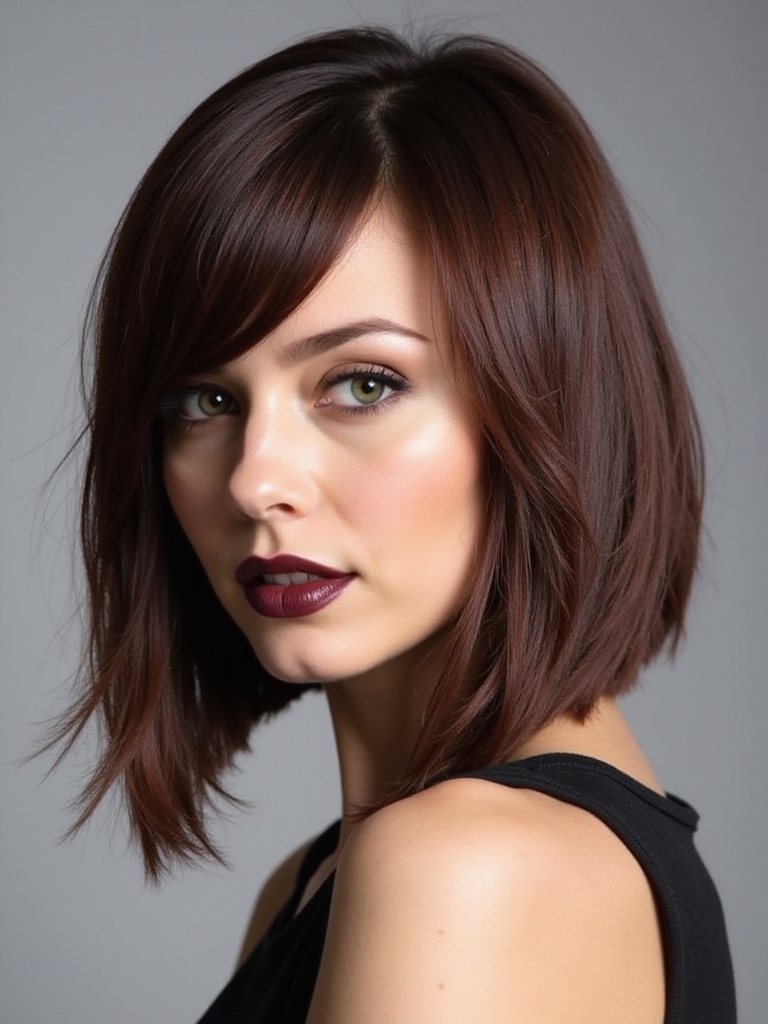
For clients who find a classic bob too safe, a few deliberate choices add edge fast. A disconnected layer, an undercut you can hide, a razored end, or an extreme side part each pushes the cut somewhere bolder.
The trick is restraint, picking one strong move and letting it stand alone. Stacking several edgy elements at once muddies the look, where a single one reads like a clear, confident choice.
- Choose one bold feature, not a pile of them.
- A hidden undercut adds drama you can cover at will.
- Razored ends suit straight hair but can frizz curls.
Bobs With Bangs

Adding bangs to a bob shifts the whole balance toward your eyes and cheekbones, which is often exactly what a face wants. The right fringe completes the shape and can take years off in the process.
Curtain bangs suit nearly everyone and grow out painlessly, a blunt fringe makes a graphic statement, and baby bangs are pure boldness. Match the style to your face and, just as importantly, to how often you will return for fringe trims.
- Curtain bangs are the most forgiving to grow out.
- A blunt fringe needs the most upkeep, every couple of weeks.
- Choose based on your face and your patience.
Trims And Care, Step By Step

A bob looks its best when it is maintained, and the routine is simple once you know it. Follow this to keep yours sharp between appointments.
- Book a trim every six weeks to hold the perimeter.
- Use a heat protectant before any iron or dryer.
- Deep-condition weekly to keep the ends from fraying.
- Refresh color or gloss every couple of months for shine.
Textured Waves With Gloss

Texture and shine sound like opposites, but together they make a bob look both relaxed and expensive. Loose, lived-with waves give movement while a glossy finish keeps it from looking dry or messy. The combination is what makes a casual bob still feel done.
- Wave with a flat iron, then add a shine spray, not oil.
- Break the waves up with fingers for a natural fall.
- A little texture spray at the roots stops it going limp.
Versatile Shoulder-Length Bob

The shoulder-grazing bob, the lob, is the most user-friendly length of all. Current enough to feel like a real change yet long enough to scrape into a clip when life gets hectic, it is what I suggest to anyone scared of cutting off too much.
It flatters almost every face and texture, and it grows out without a single awkward stage. For a slightly shorter take with the same easy energy, a short bob is worth a look.
- Long enough for a ponytail, short enough to feel fresh.
- Suits nearly every face and hair type.
- Grows out with no awkward in-between phase.
Easy Chic Textured Bob

A textured bob is built to look good with barely any work, which is why I push it on clients who swear they have no time. Internal point-cutting lets the hair separate and move on its own, so the entire routine is a fast rough-dry plus a dab of paste worked through.
- Rough-dry with your fingers for instant separation.
- A pea of paste defines the pieces without stiffness.
- Day-two hair only improves with a little dry shampoo.
Soft Romantic Wavy Bob

A softly waved bob is the romantic end of the spectrum, all gentle bends and a tender, pretty mood. It suits weddings, dates, and any day you want to feel a little softer, and it forgives an unsteady styling hand because perfection is not the goal here.
- Use a large barrel for loose, open bends.
- Leave the very ends straight for a modern finish.
- A light hairspray holds the wave without crunch.
Chic Bobs For Thick Hair

Thick hair and bobs can be a beautiful match, but only if the weight is managed. Left solid, dense hair swells outward into a pyramid shape, heavy and wide along the bottom while the crown sits flat, a silhouette that suits nobody.
Hiding The Weight Removal
The fix is hidden internal layering that removes bulk underneath while the outer line stays clean. You keep the enviable thickness but lose the puff, and the bob finally lies the way it should.
I always warn thick-haired clients off heavy surface layers, which only add to the width. The work needs to happen on the inside, where no one sees it but everyone feels the difference.
Sleek Bob For Fine Hair, Step By Step

Fine hair and a sleek bob can look wonderfully dense if you build the volume in the right order. Here is the sequence I use to make thin hair read full.
- Start with a volumizing mousse on damp roots.
- Blow-dry lifting the roots up and away from the scalp.
- Use a round brush to bend the ends under for body.
- Finish with a light root spray, never a heavy serum.
Embrace Your Bob’s Evolution

A bob is rarely a final destination; it is a shape you can keep evolving. Here is how to take yours somewhere new without growing it all out.
- Add a fringe to refresh the front without losing length.
- Take it shorter toward a pixie bob when you want a change.
- Introduce color or highlights for dimension.
- Grow it into a lob, then long layers, with planned trims.
The Pull Of A Celebrity Bob
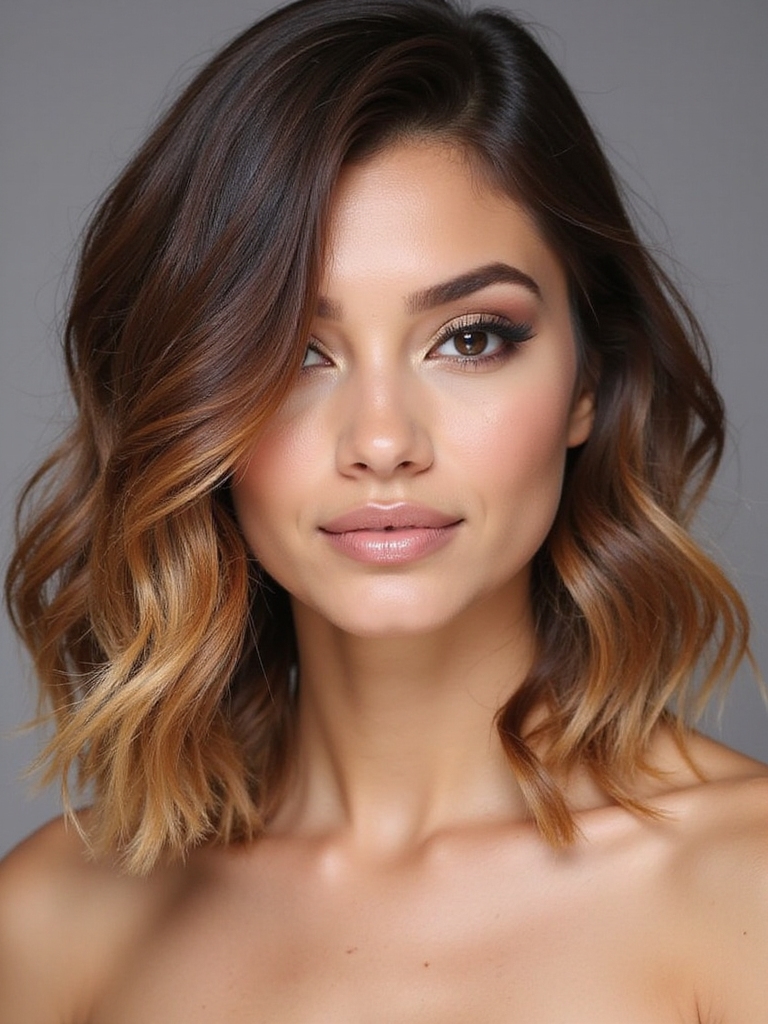
There is a reason a sharp bob shows up on red carpets season after season. It photographs beautifully, frames the face for the cameras, and signals a kind of polished confidence that reads instantly. The appeal on screen is the same as the appeal in real life.
- A bob frames the face cleanly for photos and video.
- Take inspiration from the shape, not a name, and adapt it to you.
- Ask your stylist to translate the line to your own face and texture.
Styling Tips
Whatever bob you land on, a handful of small habits keep it looking like you just left the chair. Keep trims on a six-week rhythm so the shape never drifts, and protect the hair from heat every single time you reach for an iron, since a bob sees a lot of them. Match your products to your texture: mousse and root lift for fine hair, smoothing cream for thick, a moisturizing leave-in for curls.
Most of all, choose the bob that fits your real life, not the one in the photo. The right cut for your age, texture, and face will look better on you than the trendiest shape that ignores all three. Bring a picture you love to a stylist who can fit it to your head, and let the most adaptable haircut going do the rest.
Bob Hairstyle Questions
?How do I know which bob suits my face?
Start with where the cut ends. Round faces are flattered by length below the chin and a side part; long faces by a chin-skimming cut, often with bangs; square jaws by soft waves; heart shapes by a little weight at the jaw. When unsure, a chin-length lob suits most people.
?Are bobs good for thick hair?
Yes, as long as the weight is managed. Thick hair needs hidden internal layering to stop a bob ballooning into a triangle, while the outer line stays clean. Avoid heavy surface layers, which only add width to already dense hair.
?Can fine hair look full in a bob?
Very much so. A layered or inverted bob removes length that drags fine hair flat and builds body it cannot hold when long. Add a volumizing mousse at the roots and a root-lifting blow-dry, and fine hair can look surprisingly dense.
?How often does a bob need a trim?
Roughly every six weeks. A bob is a precision shape, so it loses its line faster than longer hair. If you wear bangs, those need a separate tidy every couple of weeks to stay out of your eyes.
Find The Bob That Fits You
A bob is not one haircut but a system you tune to yourself, by texture first, then face shape, then the finish that suits where you are now. Match those, and the cut rewards you every morning with a shape that already looks intentional.
So bring the version that suits your hair and face to a colorist or cutter you rate, and have them tailor it to you. Start with the length and finish that suit your life, and let the most adaptable cut in the salon carry the rest.
More Looks We Love