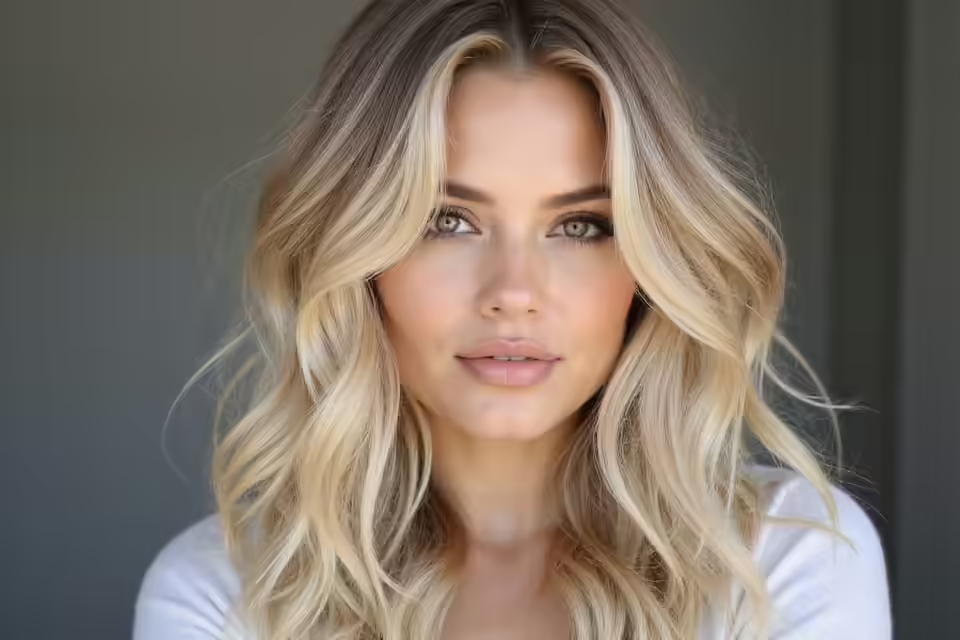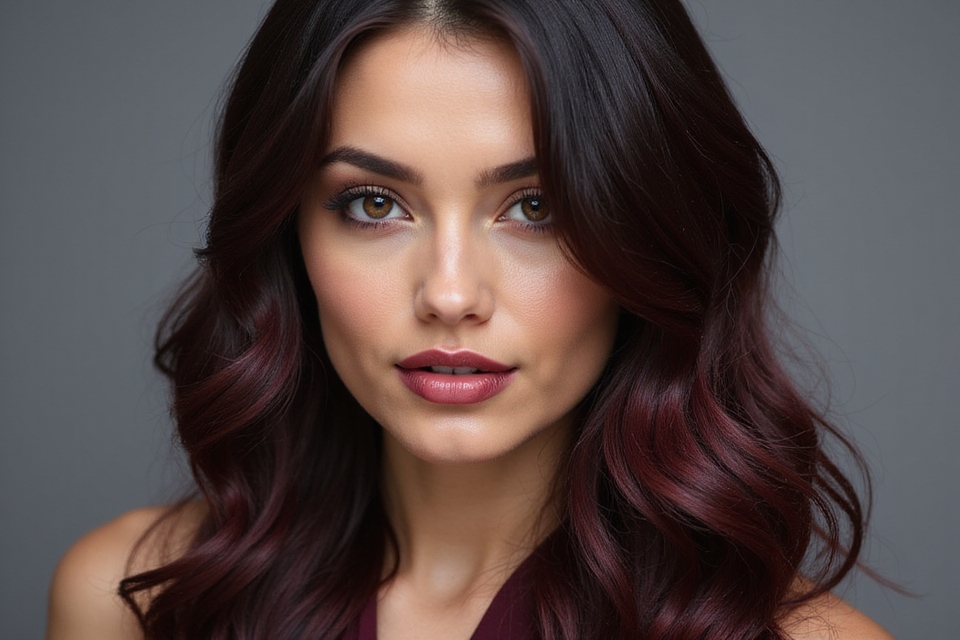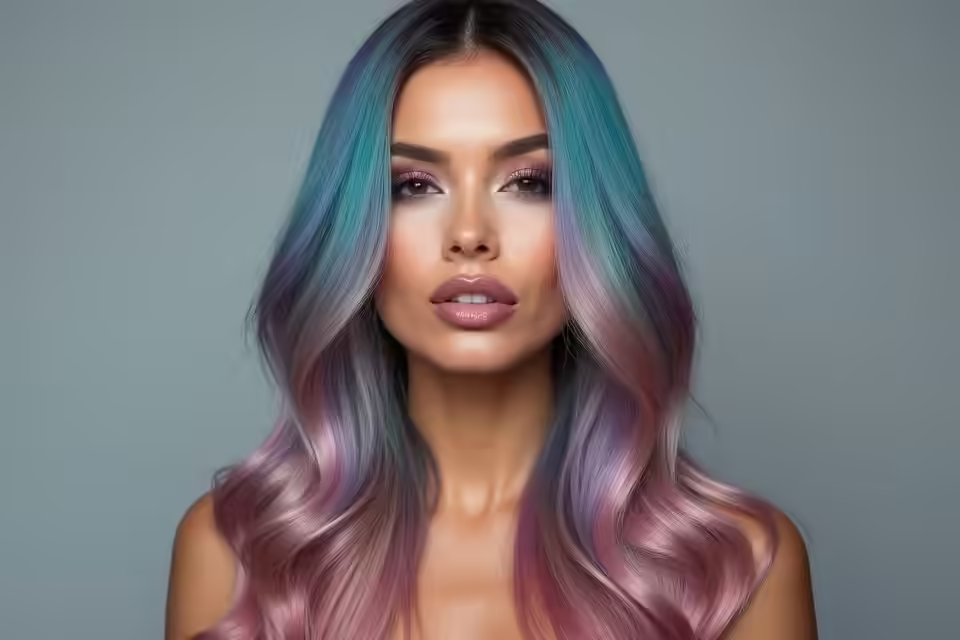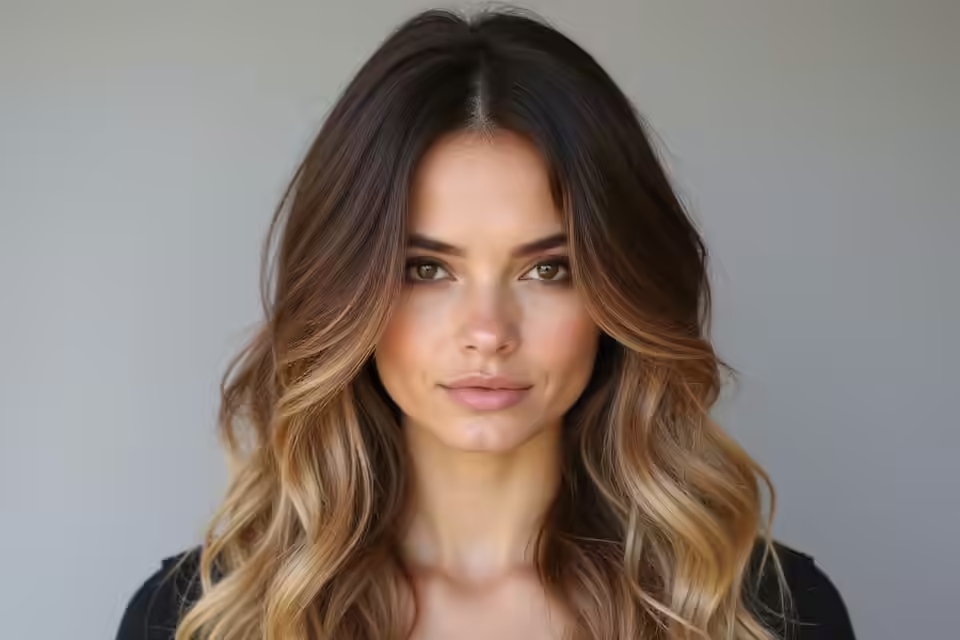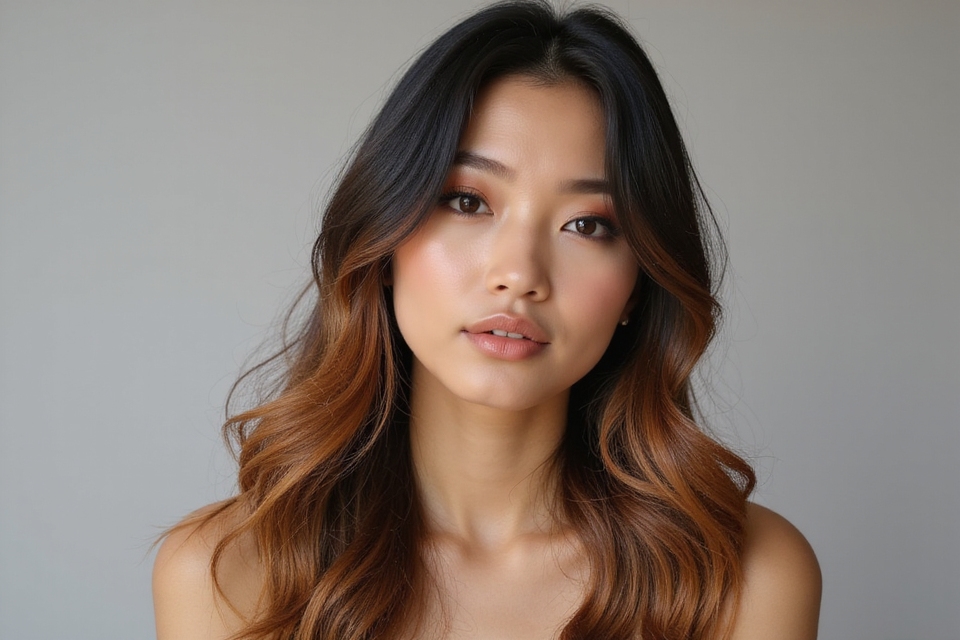

Want big, bouncy layers and movement without sacrificing your length? That’s the exact promise of the butterfly haircut, and it’s the cut I’m asked for most in my chair these days. It keeps your hair long while building in shorter, face-framing layers that lift and frame, so your hair looks fuller and more alive without ever feeling short.
The name comes from the way the layers fan out like wings when your hair moves. Below I’ll break down how the cut actually works, the textures and faces it flatters, how to style and maintain it, and the honest answers on whether you can pull it off, so you can decide if it belongs on your next salon visit.
The Butterfly Cut at a Glance
What is a butterfly haircut? A layered cut with short, face-framing layers at the front and long layers through the back, built to add volume and movement while keeping your overall length.
Will it make my hair look shorter? Just the opposite. The face-framing pieces draw the eye up and the layers add body, so most people read the cut as more hair, not less.
How much upkeep is it? Moderate. A trim every eight to twelve weeks keeps the layers crisp, the cut runs roughly $60 to $120, and most people need a round brush or curling iron to show off the shape.
The Butterfly Haircut Explained
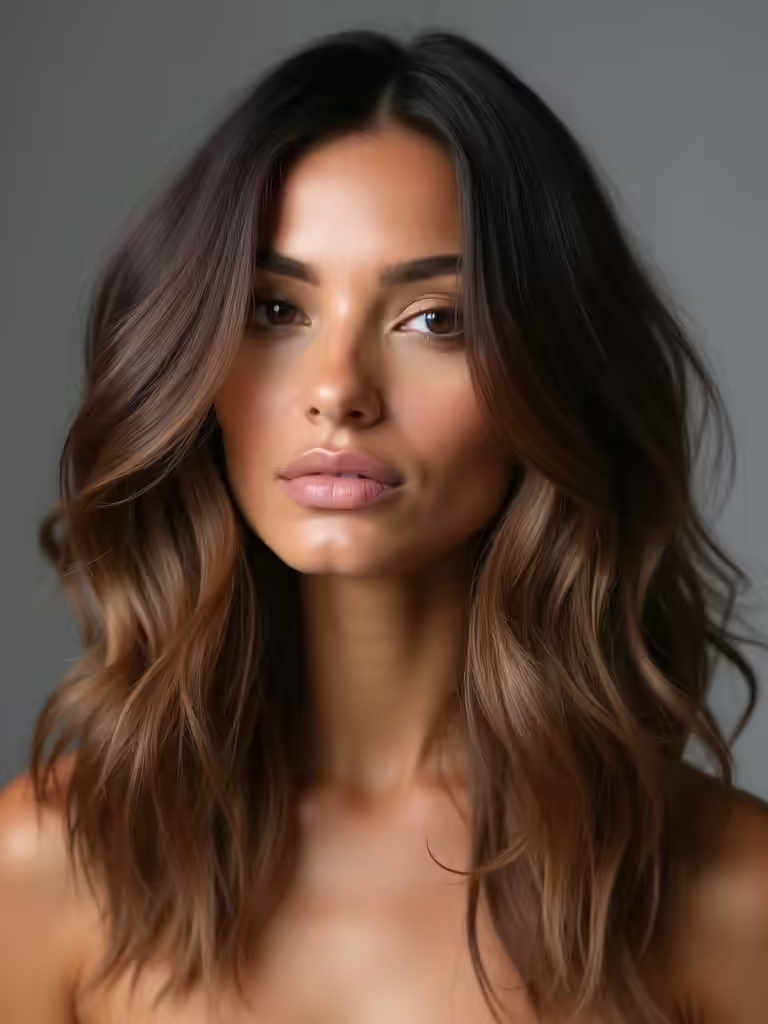
At its simplest, the butterfly haircut is a clever layering pattern: short layers around the face and crown, blended into long layers through the rest. Those two lengths working together, the short framing pieces propping up the longer ones beneath them, are what create the soft, voluminous, winged shape that gives the cut its name.
- Short layers start around the chin or cheekbone to frame and lift the face.
- Long layers keep your overall length intact through the back.
- The blend between them is what creates volume and that signature movement.
Voluminous Layers for Body

The reason this cut looks so full is that those shorter top layers sit above the longer ones, propping them up and stopping hair from hanging flat. It’s structural volume built right into the cut, so you get real body even on days you barely style it. The shape does the work.
- Layers stack to add lift at the crown and through the mid-lengths.
- Fine hair looks instantly thicker because the layers create the illusion of density.
- Thick hair feels lighter and moves more, since the layering removes some weight.
A couple of terms you’ll hear in the chair:
📖Face-framing layers
The shortest layers, cut around the face to lift and frame your features.
📖Point-cutting
Cutting into the ends at an angle to soften them and blend the layers smoothly.
How the Volume Layers Work

The skill in a butterfly cut is in how the layers are connected, which is why it matters who cuts it. A good stylist creates two clear tiers, the short face-framing pieces and the longer body, then blends them so there’s no harsh shelf where one stops and the other begins.
Most stylists cut this with the hair twisted or sectioned forward, using point-cutting to soften the ends so the layers melt together. The shorter pieces are typically cut while the hair is pulled up, which is what fans them out into that winged shape.
When it’s done well, the layers look intentional and fluid in motion. Rushed, they turn into choppy, disconnected chunks. This is a cut worth describing carefully and giving real time on the chair.
Lifted, Flicked Ends

A defining feature of the butterfly cut is how the ends can be styled to flick and lift outward, adding to that airy, in-flight look. The layering gives the ends somewhere to go, so they bend outward with real movement.
You can play this up or down depending on your mood. A soft inward bend reads polished and grown-up. Flicked-out ends feel playful and a little retro. Both come from the very same cut, and simply switching how you brush or curl the ends is enough to send the entire look in a completely different direction from one day to the next.
💡Stylist Tip
When you blow-dry, lift each section straight up at the root and curve the brush under at the ends. That root lift plus end bend is what turns the cut into the full, winged shape, not extra product.
Ideal Hair Textures

The butterfly cut works on more textures than you’d think, but it does behave differently on each, which is worth knowing before you commit. The layering can be tailored to play to your hair’s natural strengths.
Talk through your specific texture with your stylist so the layer placement suits what your hair actually does day to day.
- Fine hair: gains the most, since layers fake fullness and movement.
- Medium and wavy: the sweet spot, with natural bend showing off the shape.
- Thick hair: needs more layering to avoid a heavy, triangular bottom.
Layering That Adds Movement

Beyond volume, the real magic of a butterfly cut is movement, the way it sways and bounces as you walk. That comes from the graduated layers catching the air, and a few choices maximize it.
- Ask for soft, blended layers so the hair moves freely and swings.
- Keep the longest layers long enough to swing, usually past the shoulders.
- Style with a slight bend or wave, since movement reads best on textured ends.
🅰️Soft, air-dry butterfly
Longer, softer layers that look good tousled and undone; best for low-effort routines.
🅱️Dramatic, voluminous butterfly
Shorter, bolder top layers that reward a round-brush blowout with big volume.
A Butterfly Cut for All Faces

One of the best things about the butterfly cut is how flattering the face-framing layers are across different face shapes. Because the short layers are customizable, your stylist can place them exactly where they balance your features.
Round faces benefit from layers that start lower to lengthen, long faces from layers around the cheeks to add width, and square faces from soft pieces that gentle a strong jaw. The cut adapts to you, which is why it works on so many people. I always tailor where those first layers fall to the face in front of me, and clients ask me about that framing more than anything else.
The Layered Look You’ve Seen Everywhere

You’ve almost certainly seen this cut on your favorite actresses and influencers, even if you didn’t know its name. The bouncy, layered styles that have dominated red carpets and feeds are very often butterfly cuts, styled with a round brush for that lifted, glossy finish.
It’s the cut, then the blowout
What makes those versions look so polished is the styling as much as the cut. The layers are set with volume at the root and a soft bend through the lengths, the kind of blowout that photographs beautifully.
The encouraging news is that the cut is the hard part, and once you have it, recreating that look at home is mostly practice with a brush and heat. You don’t need a glam squad, just the right layers underneath.
📋Before you book
- ✓Reference photos of the length and volume you want
- ✓A clear idea of how short you’ll allow the face-framing layers
- ✓An honest read on how much you’ll style it
- ✓A stylist who cuts your texture (especially curls)
Can You DIY a Butterfly Haircut?

There are countless tutorials showing how to do this at home with the twist-and-cut or ponytail method, and I’d be lying if I said it never works. For loose, forgiving waves, a careful DIY can give you a passable version.
Book it for the full shape
That said, the blended, two-tier layering is surprisingly tricky to get right yourself, and a botched butterfly cut is hard to hide because the short layers are right around your face. The DIY methods also tend to give a single shelf of layers, missing the proper graduated blend that makes the shape work.
My honest take: if your hair is wavy and forgiving and you just want a little face-framing, a cautious trim at home is low-risk. For the full, polished butterfly shape, this is one to book, since the framing pieces are unforgiving when they go wrong.
Styling Essentials

The butterfly cut rewards a little styling, since the shape really comes alive with some volume and bend worked in. A round brush and a blow-dryer are the classic combo, lifting the roots and curving the layers under or out as you dry in about ten minutes.
If a full blowout feels like too much, a curling iron or wand used loosely through the mid-lengths and ends does the job in less time. The goal is always movement and lift, so even a quick once-over with a brush beats letting the layers fall flat.
Maintaining the Cut

Like any layered cut, the butterfly grows out, and how you maintain it decides whether it ages gracefully or turns shapeless. The good news is that it grows out softly, so you have some flexibility on timing.
A standing trim keeps the layers doing their job, and a few habits between visits keep the shape looking fresh.
- Book a trim roughly every couple of months to keep the face-framing layers sharp.
- Use a little texture or volume product to support the layered shape day to day.
- Tell your stylist you want to keep the length while refreshing the layers.
The Butterfly Cut Transformation

What makes this cut so satisfying is how dramatic the change feels even though you keep your length. Flat, one-length hair walks in, and full, moving, framed hair walks out. It’s a big visual shift for very little sacrifice.
That’s exactly why it’s such a popular first step for anyone bored with their hair but scared to actually cut it short. You get the thrill and the fresh-start feeling of a real change while keeping the length you’re attached to, which is the dream for anyone who’s commitment-shy about scissors.
A Butterfly Cut for Every Lifestyle

Beyond face shape, the butterfly cut bends to fit how much time you actually want to spend on your hair. Tell your stylist you want a wash-and-go version and they’ll keep the layers softer and longer, so air-dried waves still look intentional.
If you love styling, ask for more dramatic, shorter top layers that reward a blowout with serious volume. The same cut can be low-effort or high-glam depending on how it’s cut and how you wear it, which makes it realistic for busy lives as well as styling lovers.
Products for a Butterfly Cut

You don’t need a cabinet full of products to keep a butterfly cut looking good, just a few that support volume and movement. A lightweight mousse or root-lift spray worked in at the base gives the layers their lift before you blow-dry.
Light at the roots, richer on ends
Through the lengths, a light texture spray adds the grip that makes the layers look piecey and full of movement. A heat protectant is non-negotiable if you’re using hot tools regularly, which most people with this cut are.
Skip anything heavy or oily on the roots, since it drags the volume straight back down. Save richer products for the ends only, where they smooth without flattening the shape.
Adding Color to Your Layers
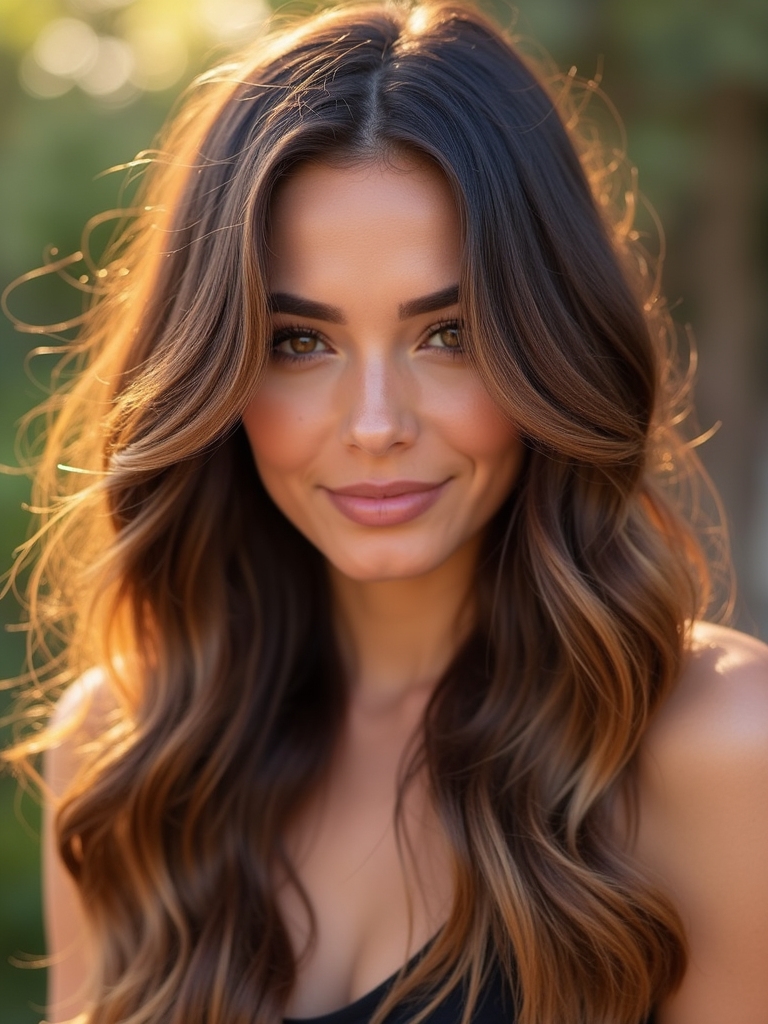
Color and the butterfly cut are a brilliant pairing, because the layers give dimensional color somewhere to show off. The right placement makes the cut look even more three-dimensional and full.
- Balayage or face-framing highlights light up the shortest layers around the face.
- A slightly lighter money-piece at the front draws the eye to the framing layers.
- Darker roots melting into brighter ends emphasize the movement of the lengths. See our hair color ideas for brunettes.
The Butterfly Cut on Curls

Curly and coily hair can absolutely wear a butterfly cut, and on curls the layered shape looks incredible, but the cutting approach has to change. Because curls shrink up as they dry, layers cut at the wrong length can leave you far shorter and rounder than you wanted.
Find a curl specialist
What matters most is a stylist who dry-cuts curly hair, or who carefully accounts for shrinkage, placing the layers so your curl pattern forms that winged volume naturally. On coily textures, the cut shows up as beautiful shape and bounce, a different but equally lovely effect from the smooth wings you’d see on straight hair.
If you have textured hair, seek out a curl specialist for this cut. The layering logic is the same, but the execution is specialized, and the payoff on well-cut curls is some of the very best this cut has to offer. The curly shag is a close cousin worth seeing too.
What to Ask Your Stylist

Whether you adore your butterfly cut or just put up with it often comes down to the consultation. I tell everyone to walk in with photos, since the term lands a little differently from one stylist to the next, and a picture removes the guesswork.
Bring photos, name your length
Be specific about two things: how much length you want to keep, and how short you’re comfortable with the face-framing layers being. Those shortest pieces are the most noticeable and the slowest to grow back, so it pays to be clear.
Also mention your styling reality. If you’ll never pick up a round brush, say so, and a good stylist will cut a softer version that air-dries well and won’t demand daily heat to look right.
Seasonal Versatility

The butterfly cut earns its keep all year because the layers give you options as the weather and your mood change. The same cut shifts easily from summer beachy waves to a sleek winter blowout.
- Summer: air-dried, tousled waves that show the layers with zero heat.
- Fall and winter: a smooth, voluminous blowout for a polished look.
- Transitional: half-up styles that show off the face-framing pieces.
Accessorizing Your Butterfly Cut

Because the butterfly cut has those shorter face-framing layers, it plays beautifully with accessories that work with or around them. Clips and headbands can pin back grown-out framing pieces or add a little polish on a lazy day.
A claw clip is especially handy here, because it gathers the long layers up and out of the way while the short framing pieces fall softly around your face, giving you an easy, pretty half-up effect in about ten seconds flat. Small clips can pin back the framing layers when you want them out of your eyes between trims.
Headbands and scarves are another simple way to dress the cut up, holding back the shorter pieces while letting the layered lengths flow. They’re also a lifesaver in that awkward grow-out phase when the face-framing layers reach your mouth.
Customizing Your Butterfly Haircut

No two butterfly cuts have to look the same, and the variables are where you make it yours. You can adjust the length of the shortest layers, how dramatic the volume is, and whether you add bangs into the mix for a different feel entirely.
Curtain bangs are the most popular pairing, blending softly into the face-framing layers for an even gentler frame. You can also choose how long to keep the overall length, from a collarbone version to hair well down the back, all while keeping the same layered logic underneath.
The Confidence of a Fresh Cut

There’s a real reason a new haircut can shift your whole mood, and the butterfly cut delivers that lift without the anxiety of a big chop. Walking out with fuller, framed, moving hair tends to make people stand a little taller, and on the right person the change can be spectacular.
I’ve watched plenty of clients light up in the mirror after this one, partly because it flatters and partly because it feels like a fresh start they didn’t have to be brave for.
- It’s a noticeable change that still keeps your length and your comfort zone.
- Face-framing layers draw attention to your features in a flattering way.
- The fuller shape simply feels good to wear and toss around.
Where the Trend Is Headed

The butterfly cut has staying power because it taps into something timeless: the love of volume and movement. It’s no passing gimmick. Right now it’s leaning softer and more worn-in than the very sharp, dramatic versions of a couple of years back, which suggests the trend is maturing into something people can wear comfortably for years rather than a single season.
Where it’s going looks like more personalization and more texture-friendly versions, which is good news for everyone.
- Softer, more blended layers over stark, choppy ones.
- More versions cut specifically for curls and coils.
- Pairings with curtain bangs and money-piece color staying strong.
How the Butterfly Cut Evolved

If the layered, voluminous shape feels familiar, that’s because it is. The butterfly cut is really a modern, refined descendant of the iconic layered styles of the 1970s and 1990s, updated with softer blending and a focus on face-framing.
What pushed it back into the spotlight was social media, where the bouncy, full layers translate perfectly to short videos of hair flips and blowouts. A catchy name and a clear visual were all it took to make an old idea feel new.
That lineage is exactly why it doesn’t feel like it’ll disappear. Layered, voluminous hair has flattered people for decades, and the butterfly cut is just the most refined, well-named version of a truly classic idea.
Who It Suits Best
The butterfly cut ranks among the most flattering layered styles around, but it shines brightest for a few groups. It’s ideal for anyone who wants noticeably more volume and movement, which makes it a real win for fine or flat hair that needs the illusion of fullness. It’s also perfect for the commitment-shy, since it delivers a real, dramatic change while keeping every inch of length you’re attached to.
It asks for a little honesty about styling, though. If you truly never want to pick up a brush or heat tool, ask for the softest, most air-dry-friendly version, or this may not be your cut. And if you have tightly textured or curly hair, the payoff is beautiful but you’ll want a stylist who truly understands cutting curls. Choose the version that fits your texture and your routine, and almost anyone can wear it well.
Butterfly Haircut Questions
?Will a butterfly haircut make my hair look shorter?
No, and that’s its whole appeal. The shortest layers frame your face while your overall length stays intact, so you get volume and movement without losing inches.
?Is the butterfly cut good for fine hair?
Yes, it’s one of the best layered cuts for fine hair, because the stacked layers create the illusion of fullness and stop hair from hanging flat. Keep the longest layers from getting too thin at the ends.
?Can I get a butterfly cut on curly hair?
Absolutely, and it looks beautiful, but go to a stylist who cuts curls and accounts for shrinkage. Curls cut at the wrong length spring up much shorter than expected, so dry-cutting or a curl specialist is worth it.
?How often do I need to trim a butterfly cut?
Every eight to twelve weeks keeps the face-framing layers sharp and the shape crisp. It grows out softly, so you have a little flexibility, but the framing pieces lose their effect if you stretch trims too far.
Is the Butterfly Cut for You?
The butterfly haircut has earned its hype for a simple reason: it gives you fuller, moving, beautifully framed hair without making you sacrifice your length. Whether your hair is fine and craving volume or thick and craving movement, the layering can be tailored to give you exactly that.
If you’ve been wanting a change but freezing at the idea of really cutting your hair, this is the low-risk leap worth taking. Bring photos, be clear about your length and your styling habits, and you’ll likely walk out wondering why you waited so long to try those wings.
Keep Reading