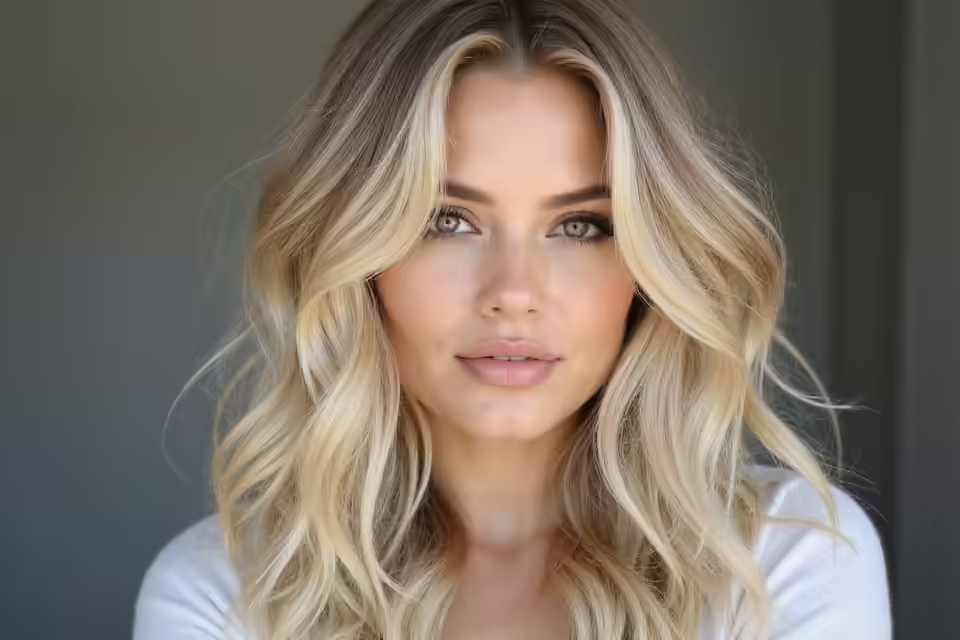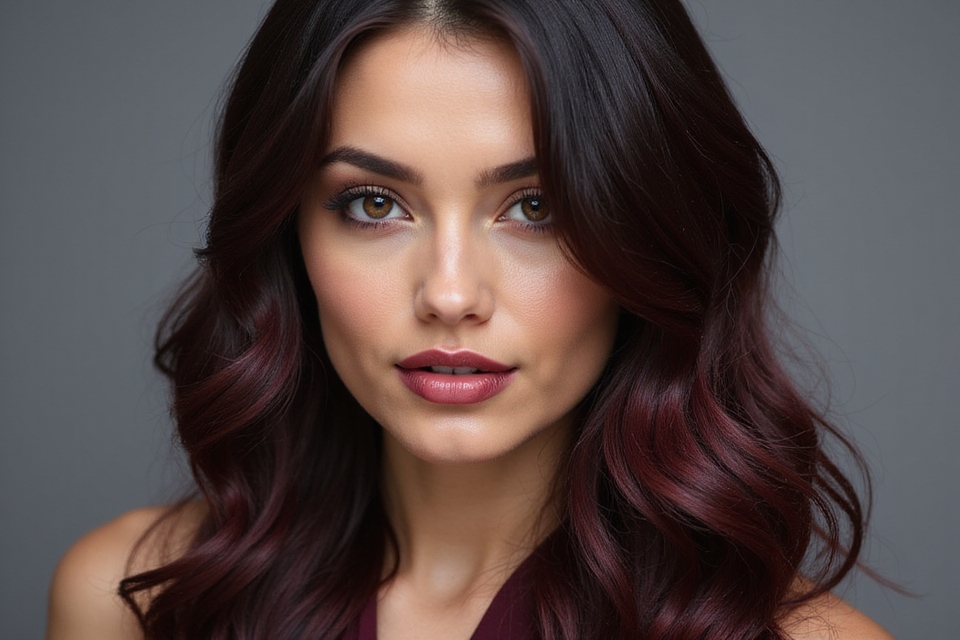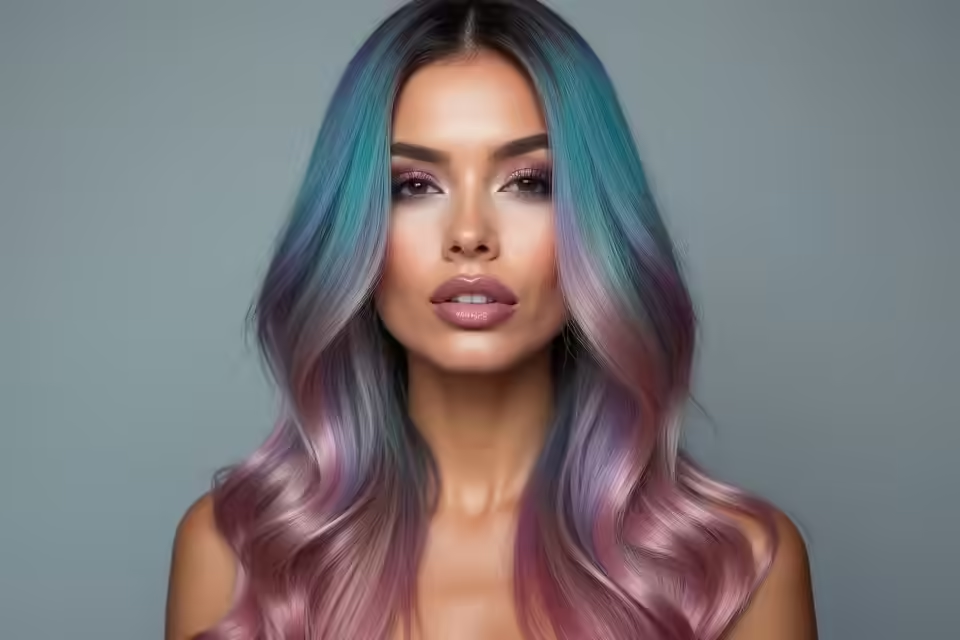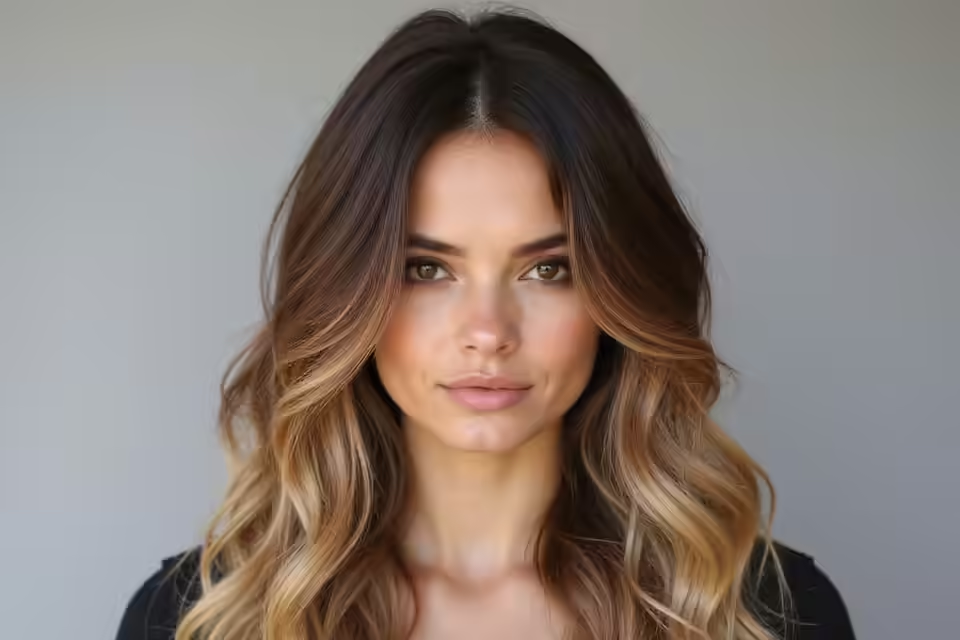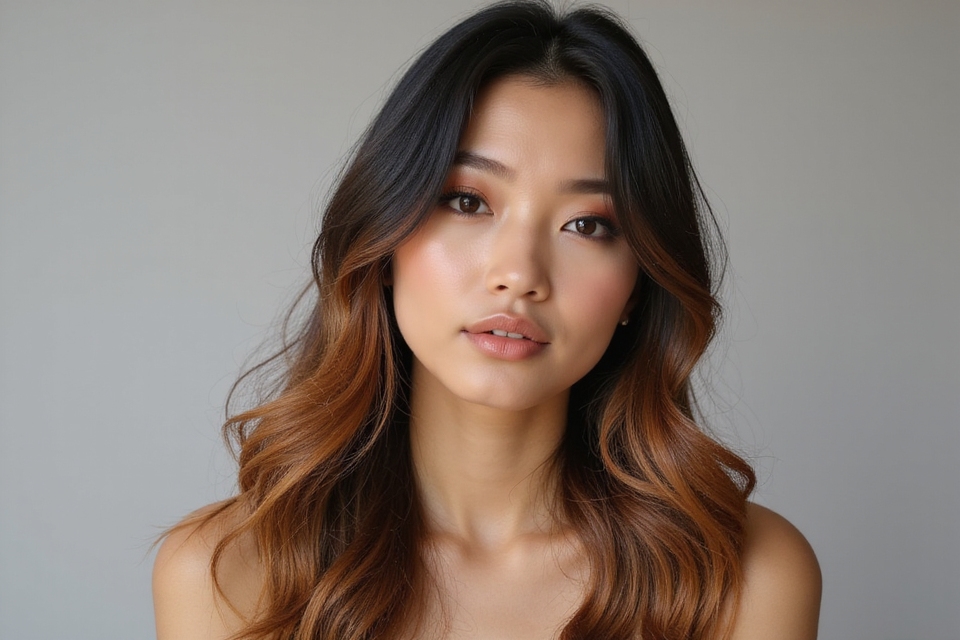

Run your fingers through a head of dark hair in good light and you’ll notice the colors that aren’t really there until they catch the sun: a flash of blue in the black, a wink of red in the brown, ribbons of a slightly lighter tone breaking up the depth. That movement is what separates dark hair that looks rich from dark hair that looks like a flat block of dye.
These ideas travel from the inkiest black down to a warm espresso, and the thread connecting them isn’t just the shade, it’s how you build dimension into it: where to place a highlight, which finish to chase, and how to keep depth from looking dull. Pick the spot on that spectrum that calls to you and steal the dimension trick that goes with it.
The Quick Version
- Dark hair looks expensive when it has dimension; a single flat color is what makes it look cheap.
- Tone-on-tone highlights add movement without obvious lightness, the easiest upgrade for black or deep brown.
- Hidden color, peekaboo panels and money-piece pieces let you wear a bold tone while keeping it work-safe.
- Whatever the shade, a gloss is the finishing step that turns dark hair glassy instead of matte.
Classic Black, the Inkiest Starting Point

We start at the deepest end of the spectrum: a true, solid black. It’s the most graphic dark color and the one that makes the boldest statement on a sleek blunt cut, where the density of the color does all the work.
Stopping flat black from looking heavy
The honest catch with flat black is that it can go heavy fast. The fix I lean on is a glaze with the faintest cool or warm tint over the black, so it picks up a whisper of dimension and a glassy finish in place of that dull matte.
If you want the drama of black with a softer hand later on, everything below this is a step warmer or more dimensional. Think of black as your anchor and the rest of the list as ways to loosen it up.
Deep Raven Tones With Built-In Dimension

Raven is black with the lights on: still unmistakably dark, but with a faint cool shimmer that keeps it from going one-note. The trick that earns the raven look is a few tone-on-tone ribbons, a slightly different dark worked through the lengths so the color moves when you do.
It’s the upgrade I suggest most for anyone bored of solid black. You keep the depth and the drama, but the hair photographs with life in it, never like a flat shadow.
- Ask for low-contrast dimension, not highlights you can name; the goal is movement you feel more than see.
- Best on cool and deep complexions, where the blue-cool base glows.
- A salon dimension service runs roughly $120 to $200 depending on length and how much they weave through.
Deep Blue Highlights Threaded Through Black

Here’s where dark hair gets a little secret. Deep blue highlights are placed so the blue only shows when the light hits or when you part the hair a certain way, so the everyday effect is a richer, more dimensional black.
Because the blue is woven in fine pieces, it grows out softly and never leaves a harsh line, which makes it a low-stress way to test a fashion color. On a darker base it usually tints without heavy lifting.
I love this one for people who want to feel like they’re getting away with something at the office. It passes as black under fluorescent light and turns electric in the sun.
Mysterious Ebony Blue, Cool and Glassy

Where blue highlights are pieced in, ebony blue is an all-over wash, a deep ebony with a cool blue cast that looks black indoors and blue-black in daylight. It’s the most polished, gothic-leaning idea in the cool family.
The defining feature is glassiness; a flat ebony blue loses the whole point. Keep it sealed and shiny and it looks like polished stone.
- Most striking on cool, neutral, and deep skin where the blue undertone sings.
- Finish every wash with a cold rinse so the cuticle lies flat and reflects.
- A blue-tinted conditioner keeps the cool from fading warm between colors.
📋Before You Go Dark, Check
- ✓Know your undertone: cool skin suits the inky end, warm skin the espresso end.
- ✓Decide on dimension now, since adding movement later costs more than building it in.
- ✓Budget for a gloss every few weeks; it’s what keeps any dark shade from going matte.
- ✓If you’re picking a red or purple, accept the faster fade and the depositing conditioner that comes with it.
Chic Charcoal With a Shimmer Finish

Charcoal pulls black toward smoke: a gray-leaning dark with a soft sheen that feels modern and a touch editorial. It’s also the smartest idea if you’re growing in natural gray and want to blend it in gracefully.
- Getting a clean charcoal usually means a colorist, since gray pigment needs a lighter canvas to show on dark hair.
- It leans cool, so it suits pink and neutral skin; a purple-toning shampoo keeps the gray from yellowing.
- Chase a soft shimmer with a glossing treatment; a heavy product just flattens the smoky tone.
Deep Charcoal Melting Into Midnight Blue

This idea blends two cool darks into one: a smoky charcoal melting into a midnight blue so the hair shifts temperature as it moves. The blend is the whole point, a color melt of soft, blended tones, so there’s no obvious line where one ends.
It’s a colorist’s playground and the kind of layered dark that looks custom-mixed for you. It suits cool and neutral skin, and like all of these blue-cool tones, it wants a cool-toning conditioner to hold its mood through the weeks.
Luxurious Espresso, the Warm Anchor

Now we cross into warm territory. Espresso is a deep coffee brown that holds onto gold in sunlight, the warm counterpart to black and the easiest dark to wear because it flatters so much skin and needs no bleach to achieve.
- Made for golden, olive, and warm-neutral skin; it can sit heavy on very cool complexions.
- Deposits onto natural hair, so it’s the lowest-damage way to go dark.
- Add a few face-framing espresso-on-espresso pieces for subtle dimension without losing the depth.
Chocolate Beauty With Cocoa Depth

Chocolate brown sits a notch warmer and softer than espresso, with cocoa and mahogany tones that keep the face looking lit. It’s the dark color people pick when black or espresso feels too severe but they still want real depth.
It takes beautifully to balayage, where a soft chocolate-on-chocolate sweep through the mid-lengths gives that expensive, sun-grown dimension. Warm undertones make it a natural fit for golden and olive skin, and a sulfate-free wash keeps the cocoa from stripping to flat brown.
Bold Black Cherry Accents and Panels

Black cherry doesn’t have to be all-over to make a point. As accents, hidden panels underneath, a few face-framing pieces, or a peekaboo layer, the cherry-red flashes against the dark base only when you move or flip a part.
It’s the idea I reach for when someone wants color but has a strict dress code, since the bold tone hides until they want it seen. If you’d rather take the cherry all the way, the cherry cola shade does it head to toe.
- Peekaboo panels keep a bold red wearable for work or a uniform.
- Reds fade fast, so the accents need a red-depositing conditioner every couple of washes.
- Face-framing cherry pieces brighten the complexion without committing the whole head.
Warm Versatile Brown for Everyday Wear

Not every dark idea has to be dramatic. A warm, versatile brown sits in that flattering middle: dark enough to feel rich, soft enough to grow out with no fuss. It’s the workhorse color that goes with everything and asks for very little.
The everyday magic is in tiny variations, a hint of warmth here, a slightly deeper root there, so even a low-key brown has some quiet movement. That quiet movement is the whole difference between rich brown and a flat dye job.
Its warmth flatters golden, tan, and olive skin, and the low upkeep makes it a favorite for anyone who wants color they can mostly forget about between gloss refreshes.
Elegant Dark Transformation With a Color Melt

If you want the most dimensional idea on the list, this is it: a dark transformation built on a color melt, where a deep rooted shade dissolves into a slightly lighter dark through the ends. No stripes, no harsh regrowth line, just a gradient of depth.
Why a melt grows out kinder than highlights
It’s the technique behind that lit-from-the-roots look you see on dark hair that somehow has movement everywhere. Because the root is kept dark, the grow-out is forgiving and the salon trips are spaced out.
This is worth a skilled colorist; a clean melt is about blending, and a sharp line ruins the effect. Budget for a longer appointment and a higher price for the artistry.
A fast way to narrow the list by what you actually want:
🎯Drama with no upkeep
Solid raven or licorice black with a gloss, no lightening required.
🎯Color that hides at work
Blue highlights or black cherry peekaboo panels under a dark base.
🎯Warmth and glow
Espresso, chocolate, or reddish brown for golden and olive skin.
🎯Soft dimension
A tone-on-tone or color melt that moves without obvious highlights.
Warm Aubergine Highlights for a Purple Wink

Aubergine is the warm-purple idea: deep eggplant pieces threaded through a dark base so the hair flashes a rich, berry-purple in the light. Woven as highlights, it adds dimension and a hint of fantasy at once.
- The warm-purple tone flatters both warm and cool skin depending on placement.
- Shows brightest when pieced through a slightly lighter base; on black it stays a subtle shimmer.
- Like all purples, it fades from the violet first, so a violet-depositing mask keeps the aubergine alive.
Dark Plum, a Jewel-Toned Idea

Dark plum is the all-over version of that purple wink: a near-black laced with plum that surfaces amethyst and currant tones in bright light. It’s a jewel tone that still passes as professional indoors, which is exactly its appeal. For the full purple range, my plum guide covers brighter takes.
- Cool plum undertone suits cool and neutral skin and gives deep complexions a jewel-like shine.
- Tints over dark hair; richer and brighter on a lifted base.
- Keep a violet conditioner in rotation so the plum doesn’t wash to plain dark.
Coffee Bean Hues, a Roasted Warm Brown

Coffee bean is espresso’s cozier cousin: a warm, roasted brown with that natural, just-came-this-way richness. As an idea, it’s the comfort pick, dark and warm and almost impossible to get wrong at home since it deposits with no lift.
- Warm roasted tone lights up golden, tan, and olive skin.
- No bleach, forgiving regrowth, beginner-friendly.
- A warm gloss every couple of months brings the roast back as it dulls.
🅰️All-Over Color
One dark shade head to toe is simpler, cheaper, and usually doable at home, but it can look flat without a gloss and shows regrowth at the root sooner.
🅱️Dimensional Color
Highlights, melts, and tone-on-tone movement look richer and grow out softer, but they cost more and want a skilled colorist to keep the blend natural.
Magical Smoky Amethyst Highlights

Smoky amethyst is the dusty, grayed-off purple idea, less candy, more stormcloud. Placed as highlights through a dark base, it gives a moody, sophisticated dimension that’s bolder than a tone-on-tone but quieter than a bright violet.
- The muted purple suits cool and neutral skin and feels grown-up.
- Needs a lighter canvas in the highlighted pieces, so plan on some lifting in those sections.
- A purple conditioner keeps the smoke from drifting brassy as it softens.
Sophisticated Reddish Brown With Warm Glow

Reddish brown is the idea for warm skin that wants a little fire without going full red. It’s a dark brown with red woven through, so it catches auburn and chestnut tones in the light and warms the whole complexion.
Reddish brown versus a true auburn
As an all-over it’s rich and natural; as a dimensional service it really comes alive, with red-brown ribbons that flash in the sun. If the red end tempts you, my auburn breakdown pushes the same warmth a shade brighter.
The red undertone is what fades first, so treat it like a red: sulfate-free washing and an occasional warm gloss to keep the glow.
Chic Licorice, Glossy and Sleek

Licorice is black at its glossiest: a deep, wet-looking black with a high-shine finish that looks almost lacquered on a sleek style. The idea here isn’t the shade so much as the finish, this is black chasing maximum gloss.
- Universally bold, but only when the hair is healthy enough to reflect light.
- Deposits without bleach; the work is all in the shine routine.
- A clear glaze every few weeks is the single biggest payoff for that licorice gleam.
Subtle Mulberry for Quiet Berry Depth

Mulberry is the understated berry idea: a soft, dusty berry-brown that’s barely-there until the light reveals it. It’s for someone who wants the romance of a berry tone without anyone clocking it as colored.
- The muted berry suits cool and neutral skin and keeps things elegant and quiet.
- Subtle over dark hair, fuller on a slightly lighter base.
- Berry tones fade quick, so a depositing conditioner keeps the mulberry from going muddy.
A few terms that come up when you ask for dimension:
📖Tone-on-tone
Low-contrast pieces in a shade close to your base, for movement you feel more than see.
📖Color melt
A smooth gradient from a darker root to a lighter dark, with no visible line.
📖Peekaboo
A bold color hidden in a lower layer, visible only when you move or part the hair.
Rich Sleek Color With a Glass Finish

This idea is less about a specific shade and more about a philosophy: take any rich dark color and chase a glass finish on a sleek, blunt style. The shade can be black, espresso, or anything between, the sleekness and the shine are what make it look expensive.
It’s built as much in the cut and the care as in the dye. Healthy blunt ends, a weekly gloss, a smoothing serum, and cool rinses all keep light traveling cleanly down the strand.
It works on anyone willing to keep the hair healthy, since a glass finish is impossible on damaged, dry ends. The payoff is dark hair that looks polished from across a room.
Subtle Glimmering Graphite, Soft Gray-Dark

We close the cool end with graphite: a soft, glimmering gray-dark that’s lighter and airier than charcoal, like pencil lead catching light. It’s a gentle, modern idea that works beautifully as a transition shade if you’re easing toward silver.
- Cool gray tone suits pink and neutral skin and bridges nicely into natural gray.
- Usually needs lifting to get the gray clean, so it’s more of a salon project.
- Purple toning keeps the graphite from yellowing as it softens between visits.
Who It Suits Best
If you take one thing from this spectrum, let it be the temperature rule. Cool skin, the pink, neutral, and olive-cool crowd, looks freshest in the inky end: raven, ebony blue, charcoal, plum, and graphite.
Warm skin, golden and olive-warm, glows in the espresso end: chocolate, coffee bean, reddish brown, and aubergine sit right at home there. Deep and rich complexions get to enjoy both, with cool high-shine darks and jewel-toned berries both looking striking against melanin-rich skin.
Beyond color, the bigger question is how much dimension and upkeep you actually want. Tone-on-tone movement and color melts are the low-maintenance heroes; bright highlights and any red or purple ask for more frequent care. Match the idea to your real routine, not just your mood board, and the color stays lovely far longer.
Dark Hair Color Ideas, Answered
?How do I keep dark hair from looking flat?
Dimension and shine. Ask for tone-on-tone movement or a color melt so the dark isn’t a single block, and finish with a gloss plus cool rinses so it reflects light. Healthy, reflective, slightly varied dark hair is what looks expensive; a flat, matte all-over is what looks cheap.
?Can I wear a bold color like cherry or plum to a strict job?
Yes, through placement. Peekaboo panels, hidden underlayers, and money-piece pieces let the bold tone stay tucked away until you flip a part or pull your hair up, so it passes as a dark color at work and turns colorful on your own time.
?Which dark ideas are the lowest maintenance?
Solid deposit-only shades like espresso and chocolate, plus tone-on-tone dimension and color melts, because none of them leave a harsh regrowth line. Bright highlights, graphite, charcoal, and any red or purple need more frequent salon trips and at-home toning to stay true.
?Do dark colors need bleach?
The browns and blacks don’t, since they deposit pigment onto your existing hair with no lifting. Bleach only comes in when you want a highlight, a bright purple, or a gray-based charcoal or graphite to show clearly, which all need a lighter canvas in those sections.
Where Will You Land on the Spectrum?
The fun of dark hair is realizing how much range hides inside what most people dismiss as just black or just brown. From an inky licorice to a warm coffee bean, every stop on this spectrum can be flat and forgettable or rich and dimensional, and the difference is almost always the dimension trick and the gloss, not the dye itself.
Start by deciding whether you belong at the cool, inky end or the warm, espresso end, then pick the one dimension idea, a melt, a peekaboo, a few tone-on-tone ribbons, that fits how much upkeep you want. If you’d like to see these shades laid out by undertone instead of by idea, my full dark shade guide sorts them that way. Bring a photo to your colorist and ask how they’d build movement into your length.
Where to Next