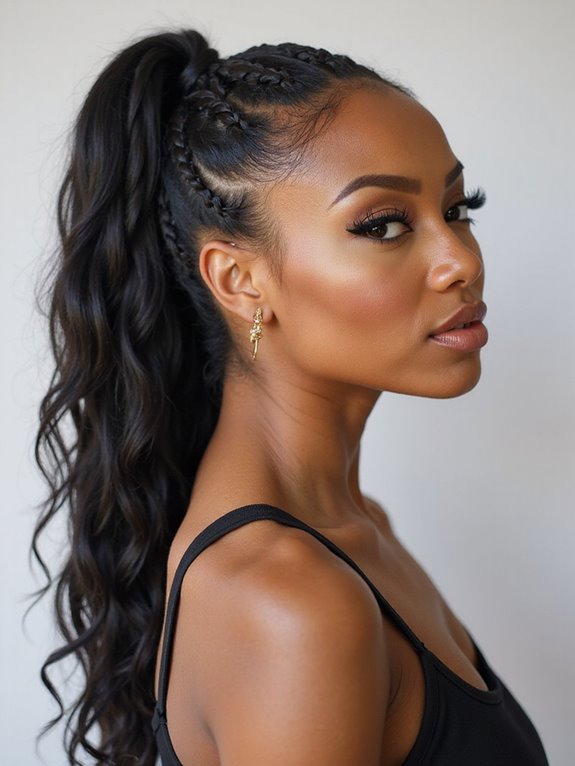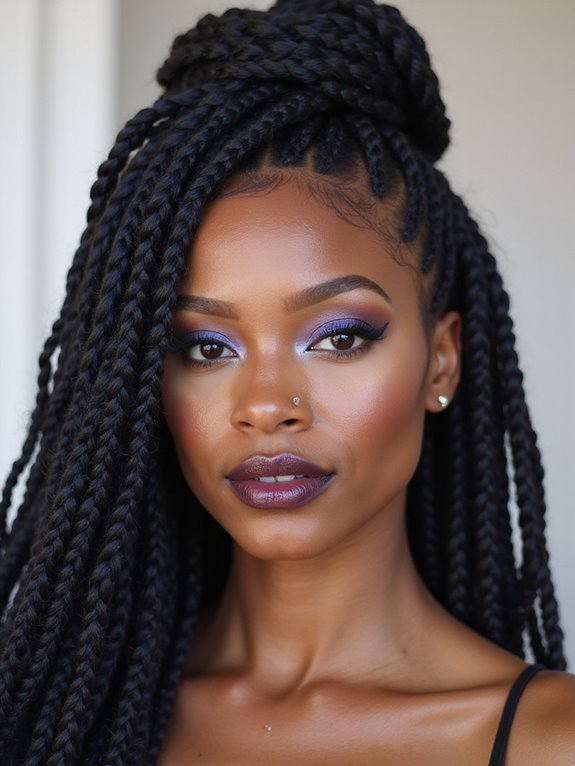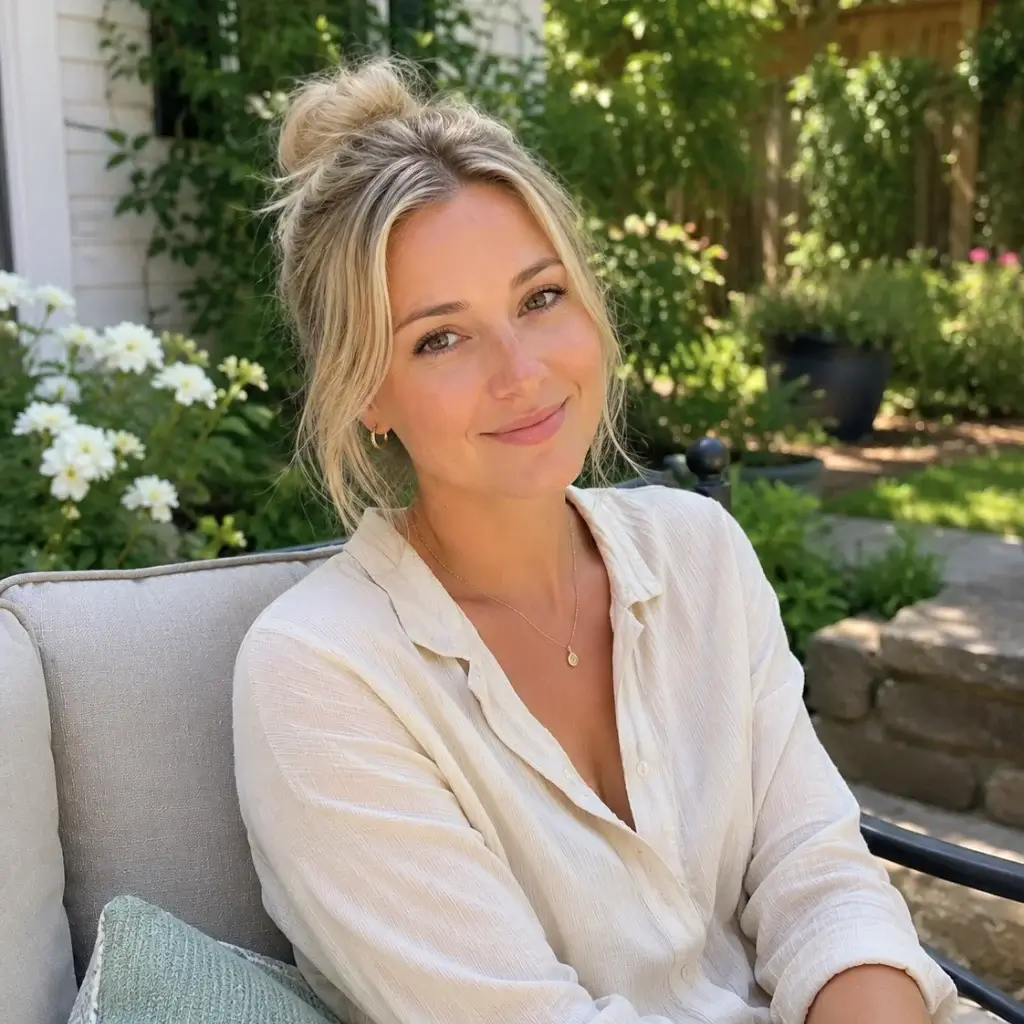

I learned the value of an easy braid the morning I had eleven minutes before a client walked in and bedhead that needed hiding. A quick side braid later, three people asked if I’d just come from a blowout. That’s the quiet magic of braids: a few crossing strands turn unwashed, in-between hair into something that looks completely intentional.
These are five foundation braids, the classic three-strand, a side braid, a low braided pony, a half-up braid, and a braided headband, each with a couple of quick variations, so you’ve got a whole rotation of easy looks that read polished. None take real skill or more than a few minutes, and all of them work across hair types. Let’s get you a braid you can do half-asleep.
Why These Braids Work
- Five foundation braids, each with variations, give you a full week of easy, polished looks.
- All are beginner-friendly: if you can do a basic three-strand, you can do every one here.
- They work best on second-day hair, since a little texture grips better than freshly washed strands.
- Loosen and pull the braid apart gently for that full, done-by-a-pro effect, and keep tension easy on your edges.
The Timeless Classic Three-Strand Braid
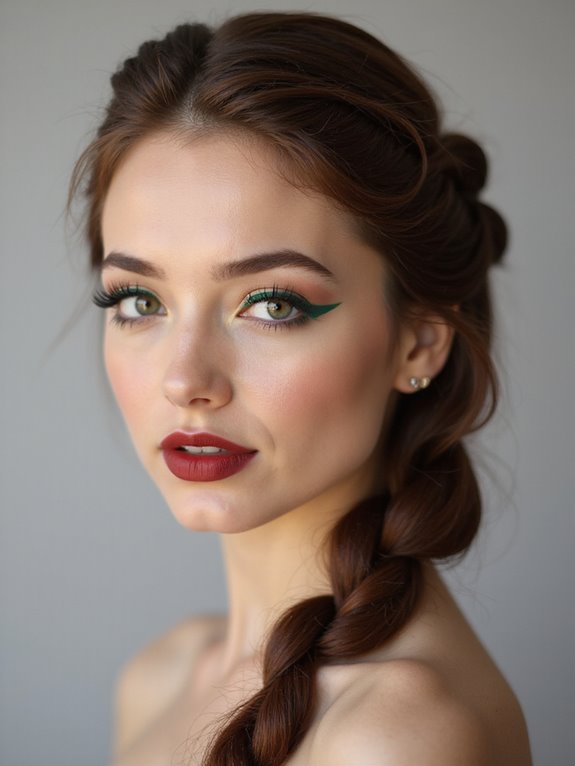
Every easy braid starts here, and the plain three-strand is still the most useful one you’ll ever learn. Gather the hair at the back, split it into three equal sections, and cross the outer pieces over the middle one, alternating sides until you reach the ends, then secure with an elastic. That’s the whole thing, and once it’s muscle memory you can do it without a mirror.
- Variation, the messy braid: once it’s tied, gently pull the edges of each loop outward to make it look fuller and more relaxed.
- Variation, the side-swept classic: do the same braid but bring it over one shoulder for a softer, more romantic line.
- Variation, the low bun: wind the braid up into a low coil and hold it with a couple of pins for a quick updo. My braided style guide has more patterns to grow into.
The Soft Chic Side Braid
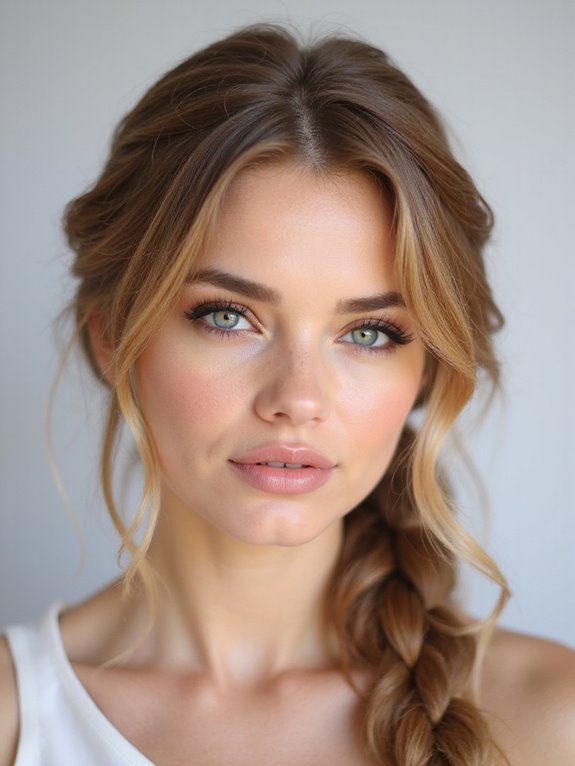
The side braid is my desert-island style, the one I reach for when hair needs to look done in under five minutes. Sweeping everything to one side and braiding loosely instantly reads soft and romantic, and it flatters almost every face because it frames one side and adds movement.
Why loose beats tight for a chic side braid
The trick to making it look expensive rather than juvenile is to keep it loose and a little undone. Braid with relaxed tension, then gently tug the loops wider once it’s tied so it looks full and lived in.
It’s endlessly adaptable: a sleek version for work, a tousled one for a festival, a fishtail if you want to look fancier with the same effort. It’s especially good on second-day hair, where a little natural texture keeps the braid from slipping loose. Leave a few face-framing pieces out for the softest finish.
If you want it to last into the evening, mist a flexible hairspray over the finished braid and re-tuck any face-framing pieces before you head out. The side braid also transitions well: loosen it further and add a couple of pins, and the daytime version becomes a soft, romantic look for dinner with zero restyling.
“If your braids always look thin or schoolgirl-ish, the fix isn’t a fancier braid, it’s the pull-apart at the end. Once the braid is tied off, hold the elastic with one hand and gently tug the outer edge of each loop wider with the other, working from the bottom up. It instantly makes the braid look thicker, softer, and like a pro did it.”
The Elegant Low Braided Ponytail

This one looks far more polished than the two minutes it takes, which is exactly why I love it for a meeting or a dinner. Pull all of the hair together into a low gather right at the nape and fasten it with an elastic, then braid the length of the tail and tie the ends, the simple act of braiding the tail turns a basic pony into something that looks deliberately styled.
For a dressier version, **tuck a thin ribbon of hair over the elastic and pin it underneath before you braid, which is the single move that makes a ponytail look salon-done. Keep the gather comfortably loose so it doesn’t strain your hairline, especially if you wear it often.
It works on every length that reaches a ponytail and suits every texture, and a little smoothing serum on top keeps flyaways in check for a sleeker finish. My braided ponytail ideas show a few more placements.
The Easy Half-Up Braid

The half-up braid is the perfect in-between: hair off your face but the length still flowing, casual and pretty at once. Take the top section of hair, braid it back from the crown or from each side, and secure it in the middle while leaving the rest down.
One braid or two for the half-up
Two crossing braids pinned at the center give a soft, boho effect, while a single braid across the back reads cleaner and more polished.
Because only the top section is held, it’s gentle on the hair and works on a day when the lengths underneath are unwashed, flat, or completely unstyled. It’s a favorite for growing-out bangs or layers, since it tucks shorter front pieces back neatly. Pull the braids slightly wider for fullness, and it goes from a school run to a date with no extra work. A braided crown is the dressier cousin if you want one; my crown braid guide covers it.
Mind Your Edges
Easy braids are low-tension by design, but they can still strain your hairline if you braid too tight at the temples or wear the same braid every day. Keep it comfortably loose where it meets your edges, vary your styles, and avoid sleeping in a tight braid night after night. Gentle tension is what keeps these styles kind to your hair over the long run.
The Chic Braided Headband

The braided headband is the prettiest way to keep hair out of your face, a braid that travels over the crown from one side to the other like a soft band, with the rest of your hair left loose or gathered behind. It looks intricate but is really simple, and it’s a lifesaver on a bad-hair day.
It’s a touch more involved than the others but still beginner-friendly once you’ve tried it once.
- Take a section near one ear, braid it back along your hairline toward the other side, then anchor the end with a pin tucked just behind the far ear so it disappears.
- Tuck the tail under and secure it so the braid looks like a continuous band across the crown.
- Leave the rest of your hair down, in a low pony, or in a bun; keep the braid comfortably loose so it doesn’t pull at your hairline.
Choosing the Right Braid for Your Day
Part of why these five earn their keep is that each one quietly solves a different problem, so picking the right one is really about matching the braid to your morning. If you woke up with limp roots and no time, the low braided ponytail hides everything and reads instantly tidy.
If your hair is clean but boring, a loose side braid adds the softness and movement a plain down-do lacks. Growing out bangs or short layers that won’t stay back? The half-up braid tucks those front pieces away without flattening the rest. And on a true bad-hair day, the braided headband pulls everything off your face and looks deliberate even when nothing else is cooperating.
It also helps to think about where you’re going. A sleek, tightly finished version of any of these suits work or a formal setting, while the same braid pulled loose and left a little undone reads relaxed and romantic for a weekend or a date.
The classic three-strand is your blank canvas: wear it neat down your back for the office, swept over a shoulder for softness, or coiled into a quick bun when you want to look pulled together in seconds. Once you can do all five without thinking, you have a styling outfit for every kind of day, built from the same handful of moves.
Length plays a role too. Shorter hair that barely reaches a ponytail does best with the half-up braid or the headband, where you only need the top and front sections to cooperate. Longer hair has the run of all five, and the classic and side braids especially show off the length.
Whatever you are working with, the trick is to stop fighting your hair type and pick the braid that plays to it: grippy textures hold the intricate styles longest, while silkier hair shines in a sleek, simple plait.
Maintenance & Care
Two small habits make these braids look better and treat your hair more kindly. First, braid on second-day hair whenever you can. Freshly washed strands are slippery and slide loose, while a day-old texture (or a little dry shampoo and a light texturizing spray) grips beautifully and holds a braid for hours longer.
A drop of smoothing serum or oil on the lengths tames flyaways and gives the finished braid that polished, intentional sheen. And the single move that makes any of these look professionally done is to gently pull the edges of the braid wider once it’s tied, which fakes thickness and that relaxed, expensive texture.
Second, protect your hairline. Easy braids are gentle by nature, but braiding too tightly at the temples, or sleeping in the same braid night after night, puts repeated tension on your edges, which can weaken them over time.
Keep the braid comfortably loose where it meets your hairline, take it down before bed (or switch to a looser version to sleep in), and these styles stay kind to your hair. They also work on every texture, from fine straight hair that needs a little grip to thick or curly hair that braids up full, so there’s a version of each that fits whatever your hair is doing today.
Easy Braided Hairstyles, Answered
?What’s the easiest braid for a total beginner?
The classic three-strand braid, and the side braid that’s built from it. If you can split hair into three sections and cross the outer pieces over the middle one, you can do both. Bringing it over one shoulder makes it easier to see what you’re doing, which is why the side braid is the friendliest place to start.
?How do I make a simple braid look fuller and more professional?
Pull it apart. Once the braid is tied off, hold the bottom and gently tug the outer edge of each loop wider, working upward. This fakes thickness and gives that relaxed, expensive texture. Braiding on second-day hair and adding a little smoothing serum for shine also makes a basic braid look far more polished.
?Do these braids work on all hair types and textures?
Yes. Fine, straight hair grips best with a little dry shampoo or texturizing spray; thick and curly or coily hair braids up beautifully full and often holds longest. There’s a version of each braid here for every texture, so the only adjustment is how much product you use to get the right grip and finish for your hair.
?How do I keep a braid from falling out by midday?
Start with day-old hair, since freshly washed strands are too slippery to hold. Secure the end with a snag-free elastic, and for extra staying power, mist a flexible hairspray over the finished braid. If your hair is very fine or silky, a light texturizing spray before braiding gives the strands something to grip.
?Are easy braids safe to wear every day?
They’re gentle by nature, but the key is keeping the tension loose at your hairline and varying your styles. Wearing the exact same tight braid every day, or sleeping in it nightly, puts repeated stress on your edges. Keep it comfortably loose, switch up the look, and take it down or loosen it before bed, and braids are a kind, low-damage way to style your hair.
Your New Five-Minute Braid Rotation
What makes these five braids worth learning is that together they cover almost every situation, the side braid for a soft day, the low braided pony for the office, the half-up for casual-pretty, the headband for hair off your face, and the classic for everything else, plus all the little variations that multiply them into a full rotation.
None asks for more than a basic three-strand and a few minutes, yet each one turns in-between hair into a look that reads completely done.
Start with whichever solves your most common hair emergency, then add the others as they become muscle memory. Keep the tension gentle on your edges, braid on day-old hair for the best grip, and pull the loops wide for that pro finish. Which one’s going to save your next rushed morning?
Where to Next