
You do not need to be good at braiding to look like you are. Half the braids that get the most compliments take two minutes, and the other half just look hard. The trick is knowing which is which before you commit your morning to it.
So this list runs in order of effort, from quick plaits you can do half-asleep to total showstoppers worth a patient evening. Each one comes with roughly how long it takes and a tip to pull it off, so you can pick a braid to match your skill and the clock.
Where to Start, Answered
What is the easiest braid to try first? A loosened three-strand or a bubble braid. Both look full and finished with almost no skill, and they forgive a shaky first attempt.
How do I make a braid look more impressive? Pancake it, gently pulling the edges wider after you tie off, and work on second-day hair so it grips. Fullness reads as effort.
Which braid is the real showstopper? A crown, a woven updo, or a lattice braid. They look advanced but build from simple plaits, so they are more achievable than they appear.
The Loosened Three-Strand Braid

Start here, with the braid you already know. A basic three-strand plait turns modern the moment you loosen it, pulling the edges wider so it looks full and relaxed instead of tight and schoolgirl-neat. It takes about two minutes and forgives every mistake. To wear it well:
- Braid on second-day hair so it grips and holds all day
- Pull each section wider once tied for a fuller, modern look
- Sweep it over one shoulder with a few loose pieces at the front
A Sleek French Braid

The French braid is the first real step up, gathering hair from the crown as it travels so it lies smooth and flat against the head. It is the everyday classic, neat enough for work and pretty enough worn loose, and it opens the door to half the fancier braids once you have it. The basics:
- Add a little hair with each cross as you work down the head
- Keep your tension even so the braid lies smooth and tidy
- Loosen it afterward for a softer, more romantic finish
The clients who think they cannot braid almost always can. They just started with the hardest one and gave up. Begin with a loosened three-strand or a bubble braid, get a quick win, and the fancier braids stop looking so scary.
The Raised Dutch Braid

The Dutch braid is the French braid’s bolder twin, made by passing each strand beneath the others so the braid stands raised and proud of the head. That one change gives it real dimension and the illusion of extra volume.
Cross under, not over
It is no harder than a French braid once you flip the motion in your head, and it photographs beautifully thanks to those raised rows. Worn as one braid or two, it brings instant edge.
Pull the edges wide for a fuller braid, and try two parallel Dutch braids for a sporty, secure look that holds through anything. It is the braid to try when you want a little drama for not much more effort.
A Bohemian Fishtail Braid

The fishtail looks like the most advanced braid here and is secretly one of the easiest, just crossing small pieces from each side into the opposite section, no three-strand juggling required. Worn soft and over one shoulder, it has a dreamy, bohemian quality. To get it:
- Halve your hair into two sections and bring a slim piece from each outer edge across to the other side
- Go slow, since small sections make a finer, prettier weave
- Pancake it wide at the end so the woven pattern really shows
A couple of braiding myths worth busting before you try:
❌ Myth: Good braids have to be tight
✅ Reality: The opposite is true. Loose, pulled-out braids look fuller and more modern, and tight braids worn close to the scalp can strain your edges over time.
❌ Myth: You need long hair to braid
✅ Reality: Short and medium hair handle most of these styles, from Dutch braids to half-ups and crowns, sometimes with a few extra pins to gather shorter pieces.
A Wrapped Crown Braid

Now we are into showstopper territory. A crown braid wraps a plait around the head into a soft halo, and while it looks like real skill, it is just a basic braid pinned in a circle. It is the look that turns an ordinary day romantic.
It rewards a little patience and a few extra pins. A few pointers:
- Braid loosely and fan it wide so the crown looks soft, not tight
- Pin the end out of sight where the braid meets at the back
- Leave face-framing pieces down, and see braided crown hairstyles
A Two-Minute Rope Braid
Back to the quick end of the spectrum: the rope braid is the fastest real braid here, twisting two sections around each other into a sculptural, rope-like plait. It takes under two minutes and holds better than a loose three-strand, since the firm twist grips itself.
Twist each section hard in the same direction, wind them together, and tie off. It is the braid to try when you want something that looks done in less time than it takes to find your shoes, and it works on almost any length.
An Easy Bubble Braid
The bubble braid skips braiding entirely, which makes it the most foolproof look on this list, you just segment a ponytail with small elastics and puff each section into a round bubble. It looks current and playful with zero technique.
It is the one to try if braiding intimidates you. A few tips:
- Tease each section before puffing it out for maximum roundness
- Use clear elastics spaced evenly down the length
- Pull each bubble wider so the whole thing looks full
A Pretty Half-Up Braid
A half-up braid is the five-minute style that always looks intentional, joining two small plaits across the back of the crown while the rest of your hair falls free. It keeps your face clear while still letting your length hang loose below.
Braid a small section from each side, join them at the back, and pin or tie them together. Hide the join with a wrapped braid if you like, and leave the lower half down. See half-up half-down braids for more versions.
A Sporty Braided Ponytail
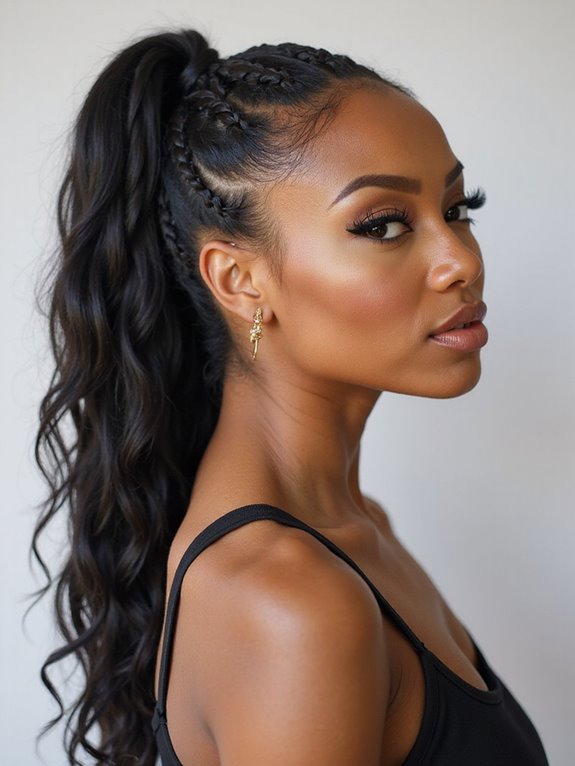
A braided ponytail is the workhorse to try when you want polish that survives real movement, a French braid or cornrows feeding into a high pony, or the ponytail itself plaited down its length. It is sleek, secure, and endlessly practical.
Gather your hair where you want it, braid the front or the tail or both, and wrap a small braid around the base to finish. It carries you from a workout to a casual dinner without a single touch-up. See braided ponytail hairstyles.
A Romantic Milkmaid Braid
Stepping up the romance, the milkmaid braid carries two plaits up and over the head into a sweet, vintage crown. It is a wedding and festival favorite, and far easier than the dreamy result suggests, just two braids pinned across the top of the head.
It works best on longer hair so the braids reach, though a little added hair helps shorter lengths. Pin securely where they meet, fan the braids wider for fullness, and leave a few wisps loose for that soft, storybook finish.
A Soft Braided Bun
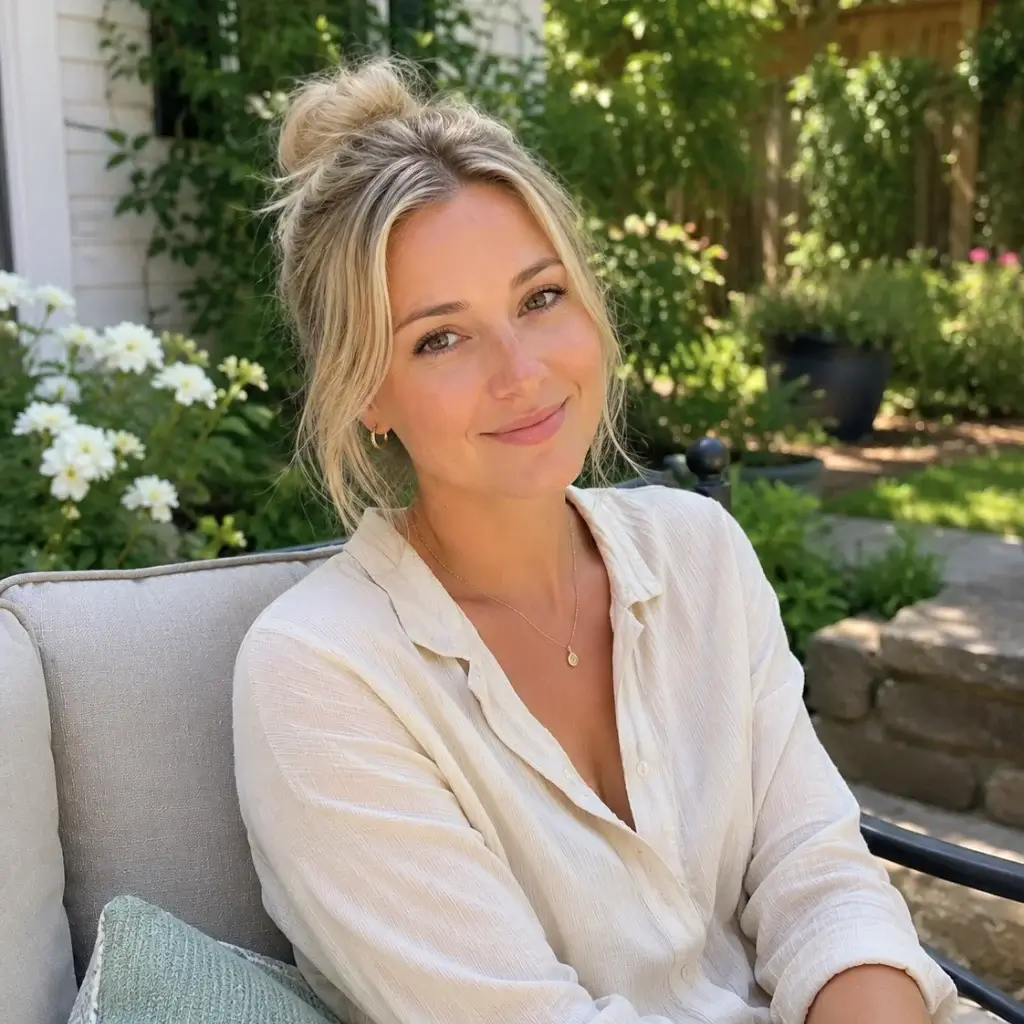
A braided bun is the dressed-up style that still takes only minutes, coiling a plait into a low or high knot that suits the office, a wedding, or a hectic Tuesday. The braid holds the bun far better than loose hair, so it stays put all day.
It is a satisfying one to try once you can braid a basic plait. A few directions:
- A low coiled bun for soft, refined elegance
- A high braided bun for a lifted, statement look
- A few pieces tugged loose, and see braided bun for more
A Dreamy Waterfall Braid
The waterfall braid is the romantic showpiece that looks far harder than it is, dropping a strand with each pass so pieces cascade down through a half-up braid. It travels across the head while hair streams softly below, and it always earns a second look.
Curl the dropped strands lightly for movement, keep the braid loose, and set it with hairspray so the falling pieces hold. It is the braid to try for a date or a wedding when you want something that looks like you spent an hour and did not.
An Intricate Lattice Braid
Deep into showstopper territory, the lattice braid weaves strands between two braids to look like the rungs of a ladder climbing across the head. It is a truly advanced look worth building up to, the kind of style that makes people ask who did your hair.
Each individual braid is simple; the woven effect between them is what dazzles. This one rewards patience and a clear reference photo, so save it for an unhurried evening once you are comfortable with cornrows and French braids.
A Total-Showstopper Braided Updo
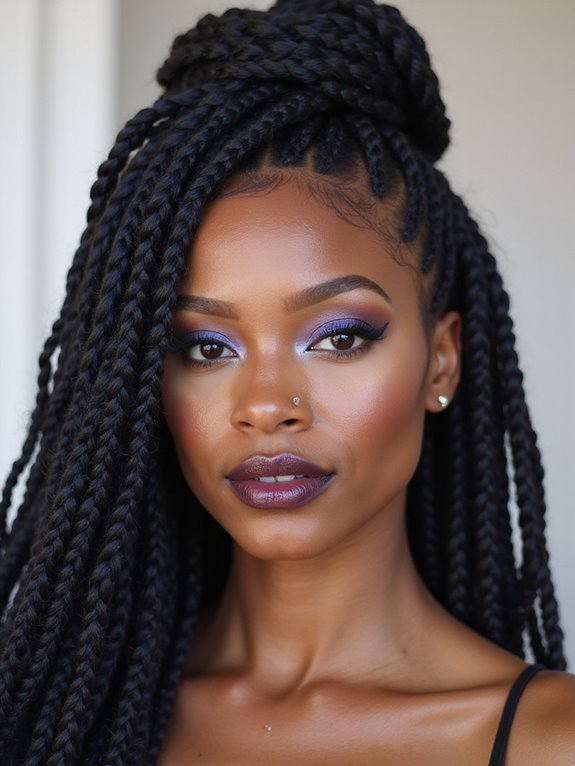
At the very top of the list sits the braided updo, one or more plaits gathered and pinned into a twisted, sculpted shape, the most formal and impressive way to wear braids. The structure of a braid holds a shape loose hair never could, which is why updos rule weddings.
It is the showstopper worth working toward. A few directions, simplest to grandest:
- A single braid coiled into a low knot for easy elegance
- Several braids pinned together for a fuller, sculpted updo
- An elaborate woven crown of braids, see braided updo hairstyles
Common Mistakes to Avoid
Most braid frustrations come down to a few fixable mistakes, and knowing them ahead of time saves a lot of redos. The biggest is starting on freshly washed hair, which is too slippery to hold a braid; reach for day-two hair or a quick mist of texture spray first. The second is braiding too tightly in the name of neatness, which looks severe and, worn close to the scalp over time, strains your edges.
The other common trap is skipping the pancake, leaving the braid thin and flat instead of pulling it wider for fullness. And do not forget to set the finished braid with a light hairspray, since even a perfect plait unravels by afternoon without it. Fix those four things and almost any braid on this list comes out looking like you knew exactly what you were doing.
Braids to Try, Answered
?Which braid should a beginner try first?
A loosened three-strand braid or a bubble braid. Neither demands real skill, both look full and finished, and they forgive a wobbly first attempt while you build confidence for the fancier styles.
?How do I stop my braids from falling out?
Start on second-day hair instead of freshly washed, since clean hair is too slippery to hold. Add texture spray or dry shampoo for grip, and set the finished braid with a light hairspray.
?How long do these braids take?
The quick ones, three-strand, rope, and bubble braids, take two to five minutes. French and Dutch braids take a little practice, and the showstoppers like crowns and woven updos run ten to twenty minutes once you know them.
Pick One and Try It Tonight
The only braid you cannot do is the one you never try. Start at the quick end with a loosened plait or a rope braid, build your confidence, and work your way up to the crowns and woven updos, none of which are as hard as they look.
So pick the one that caught your eye, give it a go on a relaxed evening, and keep a light hairspray and a little patience close. Whatever your skill level, there is a braid here worth trying before the week is out.
More Looks Worth Saving