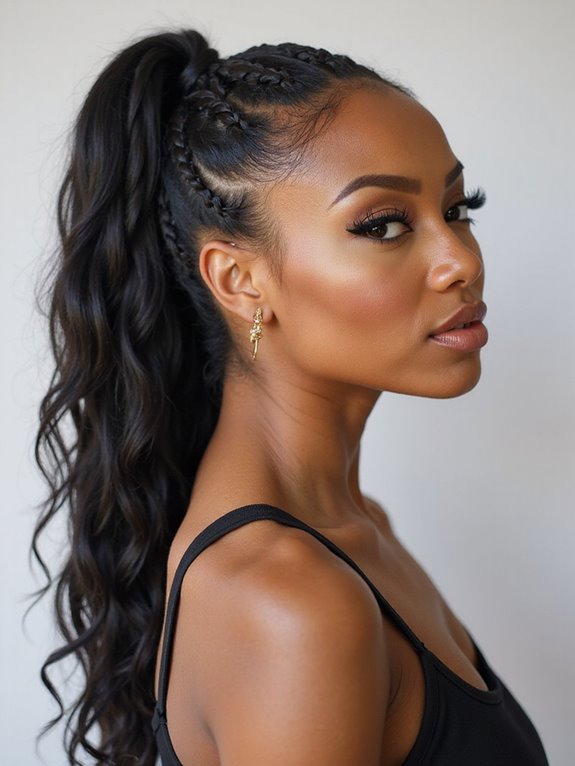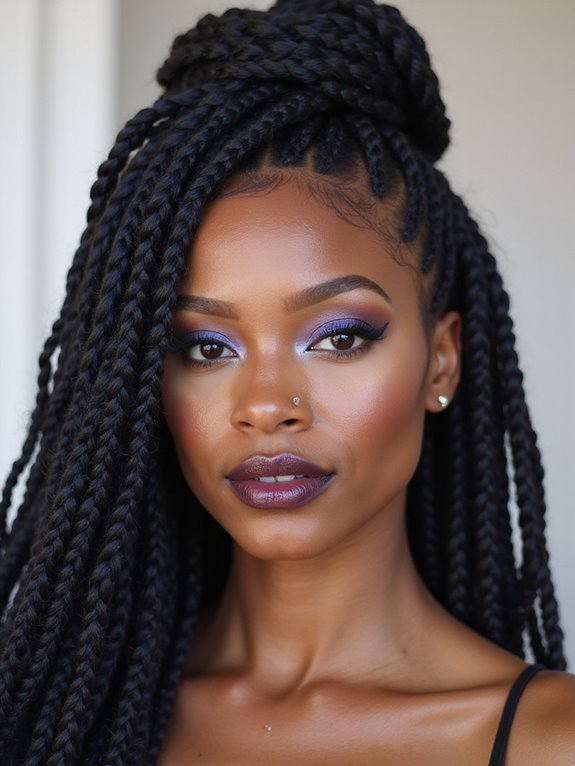

There is a reason the braid section of any beauty feed is the one people screenshot most. A braid takes hair you would otherwise pull into a plain ponytail and turns it into something that looks considered, even when it took five minutes. The range is enormous, too, from a quick everyday plait to an intricate crown worthy of a wedding.
These fourteen cute braided styles span easy and intricate, casual and formal, loose-textured and tightly coiled. I have flagged which ones suit which hair, how to keep them comfortable, and what to expect from each, so you can find a braid worth screenshotting and actually pull it off at home.
Braids at a Glance
- Braids range from five-minute everyday plaits to intricate crowns, so there is a cute option for every skill level.
- Braids built on second-day, textured hair grip far better than freshly washed, slippery strands.
- For tighter, protective braids on textured hair, gentle tension at the hairline is non-negotiable to keep your edges healthy.
French Over and Dutch Under, Explained

Almost every braided style starts from one of two techniques, and knowing the difference changes everything. A french braid crosses each section over the middle, so the plait sits flat and sleek against your head. A dutch braid crosses each section under, which pushes the braid up and out so it stands proud, raised off the scalp.
One Move Changes the Whole Look
That one difference, over versus under, decides the whole mood. French braids read soft and elegant; dutch braids read bold and dimensional, which is why dutch is the base for those popping, raised styles you see everywhere.
Learn both and you can build most of the looks here. After years of teaching braids, I can promise the motion clicks faster than you expect. Practice on dry, second-day hair. It grips far better than freshly washed strands, and your fingers learn the rhythm within a few tries. Do not give up at the first lopsided attempt; everyone’s first french braid looks like a bird’s nest, and the second looks twice as good.
The Simple Two-Section Braid

If a three-strand braid still trips you up, the two-section twist braid is your shortcut to something that looks far more elegant than its effort. You split a ponytail in two, twist each half the same way, then wind them around one another the opposite way, and they lock into a rope-like plait that holds itself.
It is truly one of the easiest braids to master, and it reads polished enough for work or a date. The twisting also gives it a beautiful, dimensional texture that a flat braid lacks. Try it on a low ponytail for an elegant everyday look, and pull the edges gently once finished to make it fuller and softer. It is the braid I teach nervous beginners first, every time.
- Twist two sections one way, wrap them the other, and they lock
- Easier than a three-strand braid but looks more elegant
- Pull the edges gently for a fuller, softer finish
📋Braid-Day Checklist
- ✓Style on second-day or lightly textured hair for grip
- ✓Keep clear elastics, bobby pins, and a tail comb handy
- ✓Pull braids gently wider for a fuller, softer finish
A Bohemian Waterfall Braid

The waterfall braid is the prettiest way to wear a braid and your loose hair at once. Strands drop out of the plait like little falls. You braid horizontally across the back of your head, dropping a section each pass and gathering a new one, so the braid travels across while the dropped pieces cascade below.
It looks intricate but rewards a relaxed hand, since the loose hair underneath hides any wobble. It suits medium to long hair and a romantic, bohemian mood, and it pairs beautifully with soft waves. Leave a few face-framing pieces out for the dreamiest version.
One tip that helps every first-timer: secure each dropped strand with a tiny clear elastic the first few times you try it, so the falls do not pull loose before you finish. Once it feels natural, skip them.
- Drop a section each pass so strands cascade like falls
- Loose hair below hides any imperfection
- Pair it with soft waves for a romantic finish
An Elegant Braided Updo

When you want braids dressed all the way up, a braided updo is the showpiece. You plait one or more sections, then twist and pin them into a low knot or a wrapped shape at the nape, combining the texture of a braid with the polish of an updo.
Braids, Dressed All the Way Up
This is the look for weddings, galas, and milestone events. It holds beautifully through a long night, because the braided structure grips itself. It suits most lengths and textures, and it pairs naturally with a soft curly updo.
It does take a little practice or a steady-handed friend, so do a trial run before any big day. Pull the braids slightly wider before pinning for a fuller, more romantic shape, and tuck a few small flowers or pins into the coil for an extra special-occasion touch.
A little braid vocabulary.
📖French vs dutch
French crosses sections over the middle for a flat braid; dutch crosses under for a raised, popping one.
📖Feed-in braid
A cornrow technique where hair is added in gradually for a natural-looking, less tense base, common in protective styles.
Chic Braids for Short Hair

Short hair is not off-limits for braids; you just work smaller and smarter. Two tiny dutch braids along one side, a braided section pinning back the front, or a row of mini braids across the crown all add interest to a bob or lob without needing length.
These little braids are perfect for grow-out days and second-day hair, and they solve the up-do problem short cuts often have. Anchor them with small clips or pins, since short braids need a little help staying put, and leave the rest of your hair loose.
Tuck the ends under so nothing frays out by midday, and a touch of pomade smooths any flyaways the shorter pieces throw. In my chair, short-haired clients are always surprised by how many braids they can wear. You do not need length. You need a few clips and a little patience, and a bob takes a braid as happily as any long cut.
Braiding Tips for Better Results
A few small habits separate braids that hold and flatter from ones that slip and pull. Start with grip. Freshly washed hair is too slippery to braid well, so work on second-day hair or mist in a little texture spray first. Keep your tension even as you go, since loose spots and tight spots are what make a braid look amateur.
Use the right tools, too: a tail comb for clean parts, clear elastics that vanish into the plait, and bobby pins matched to your color. I tell clients that clean parts and even tension do more for a braid than any fancy technique ever will.
Once the braid is in, two finishing moves change everything. Gently pull the edges wider to loosen and soften the plait. That hides unevenness and reads fuller and more romantic. Then set it with a flexible-hold spray so it lasts without freezing stiff.
On textured hair, tie your braids under a satin scarf overnight so the style stays crisp and your edges stay smooth. None of this is hard. It just turns a decent braid into one that actually holds and flatters.
More Cute Braids to Try
The list runs deep once you start combining techniques. A fishtail braid uses a simple over-under motion for an intricate-looking, herringbone texture that belies how easy it is. A braided crown, a single plait wrapped around your head like a halo, is romantic and keeps hair off your face, while milkmaid braids do the same with two plaits pinned over the top.
A half-up braid gathers just the crown into a plait, leaving your length loose, for the easiest pretty option of all. A rope braid wraps two twisted sections for a quick, dimensional look, and a side braid swept over one shoulder is the laziest cute braid there is. In my chair, the side braid is the one I hand people when they want pretty in sixty seconds flat.
For textured and coily hair, braids are also a cornerstone of protective styling. Box braids, cornrows, and feed-in braids tuck your natural hair away while looking incredible, and they last for weeks. The one rule that matters most here is tension: a braid should never pull hard at your hairline, since that is what stresses fragile edges over time. For the full textured-hair approach, see protective braided styles and natural styling for Black women.
What to Expect
What a braid asks of you depends entirely on the style. A quick everyday plait or two-section twist takes two minutes and costs nothing, while an intricate braided updo for an event may want a stylist, running roughly $40 to $90 depending on complexity.
Protective styles like box braids are a bigger commitment, taking hours to install and lasting six to eight weeks, with a cost to match. Knowing the time and money up front saves you a surprise in the chair. A simple plait is free. An event updo is not. A weeks-long protective install sits somewhere in between, and it is worth budgeting for both the hours and the upkeep before you book.
Across every braid, a few truths hold. Clean, freshly washed hair is too slippery to hold a braid, so a little texture spray rescues a wash-day plait. Loose, pulled-apart braids look fuller and more forgiving than tight, perfect ones, so do not chase precision.
And on textured hair, keep the tension gentle and wrap your braids in satin at night to protect both the style and your edges. Treat braids as the versatile, low-cost magic trick they are, and you will reach for them far more than a plain ponytail.
Cute Braid Questions, Answered
?What is the easiest braid for beginners?
The two-section twist braid is the easiest by far. You only manage two pieces instead of three, and they lock into a rope-like plait that looks far more advanced than it is.
?How do I make my braids look fuller?
Gently pull the edges of each braid wider once you finish, a technique called pancaking. It loosens the plait into a fuller, softer shape and hides any unevenness, which is why loose braids look so pretty.
?Why do my braids slip out so fast?
Usually because your hair is freshly washed and too slippery to grip. Braid on second-day hair, or work in a little texture spray or dry shampoo first, and anchor the ends with clear elastics.
?Are braids a good protective style for textured hair?
Yes, box braids, cornrows, and feed-in braids are classic protective styles that tuck your natural hair away for weeks. Just keep the tension gentle at your hairline and moisturize underneath to protect your edges.
?How do I keep braids from hurting my scalp?
Tell your stylist if a braid feels tight; it should never sting. Gentle, feed-in tension at the hairline, looser braids, and a satin scarf at night all keep braids comfortable and kind to your edges.
Find a Braid Worth Screenshotting
Braids are the most versatile trick in hair, taking five minutes or fifty and working on every length and texture, from a quick two-section twist to a wedding-worthy crown. The fourteen styles here prove there is a cute braid for every skill level, occasion, and hair type, including protective options that do double duty for textured hair.
Start with the technique that matches your patience, a french or dutch base, a simple twist, or a clip-anchored short braid, and build from there. Practice on second-day hair, keep your tension kind to your edges, and screenshot the looks that speak to you. The braid you master today becomes the style you reach for on a hundred mornings to come.
More Hair Ideas