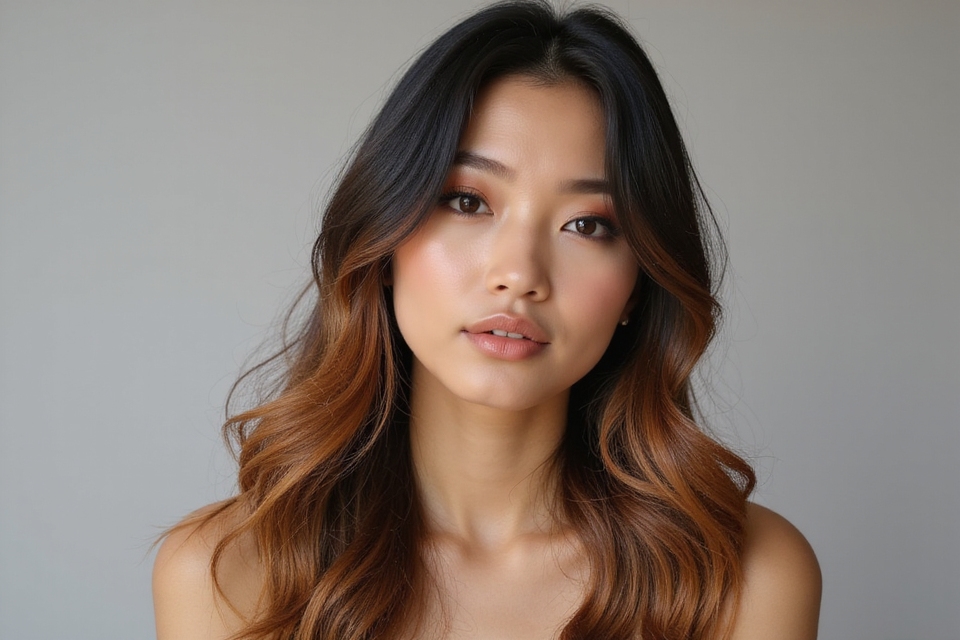
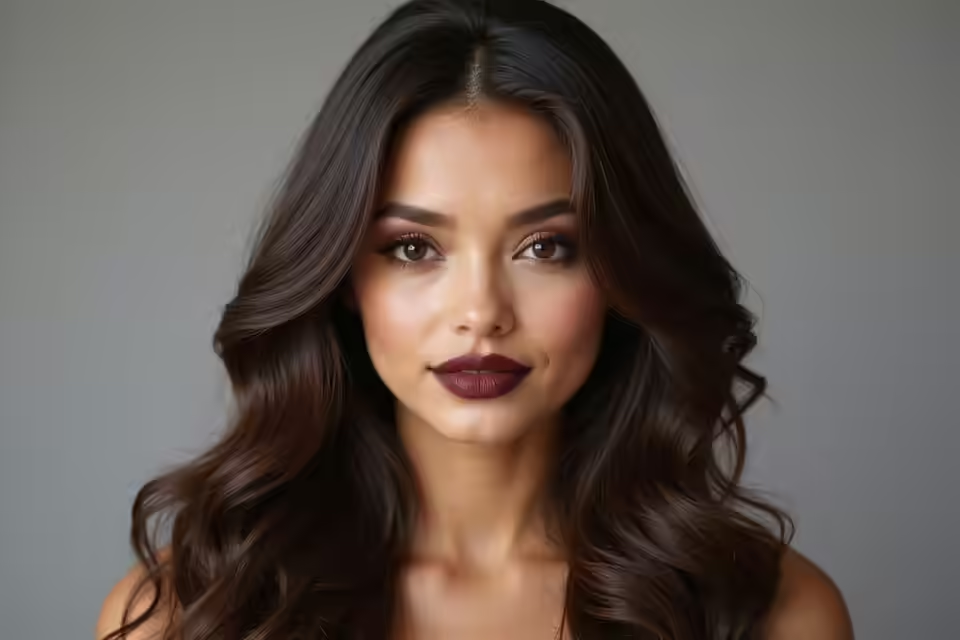
Espresso brown is the richest-looking dark hair color you can ask for, and most people request it completely wrong. They say ‘dark brown’ and walk out with flat, one-note black-brown that eats the light. True espresso is the opposite: deep, but with the glossy, multidimensional richness of a real shot of coffee, the cold-roast and warm-caramel notes layered into the dark.
Getting it right is about understanding the range, from cold, shadowy roast to a warmer, bitter-edged brown, and matching the undertone to your skin so it flatters and lights up your face. This guide walks through the full espresso spectrum, who each version suits, how to ask for it, and exactly how to keep that deep brown glossy and fade-resistant, so you end up with coffee-rich hair, not a muddy dye job.
Espresso Brown at a Glance
| Shade | Undertone | Flatters |
|---|---|---|
| Cold roast espresso | Cool, ashy, shadowy | Cool and neutral skin; fair to deep |
| Classic espresso | Neutral deep brown | Almost everyone, the safe pick |
| Warm bitter-edge espresso | Warm, red-brown, caramel-flecked | Warm and olive skin; adds glow |
| Espresso with dimension | Mixed, lowlights or subtle highlights | Anyone wanting movement, not flat color |
Velvety Autumnal Espresso
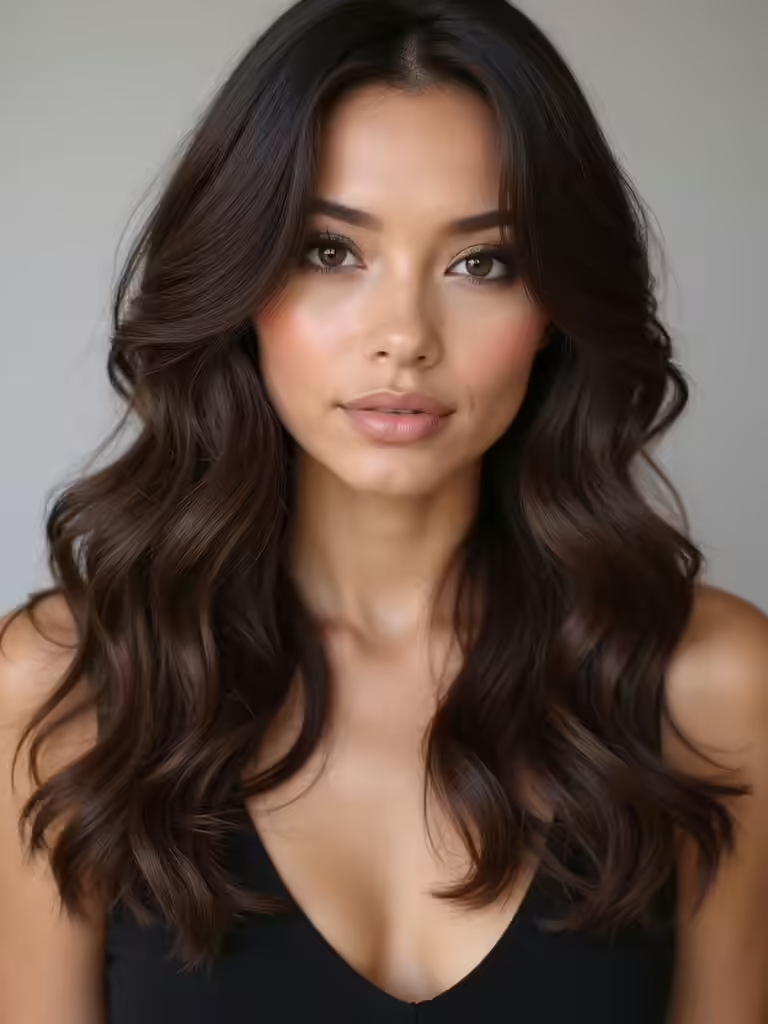
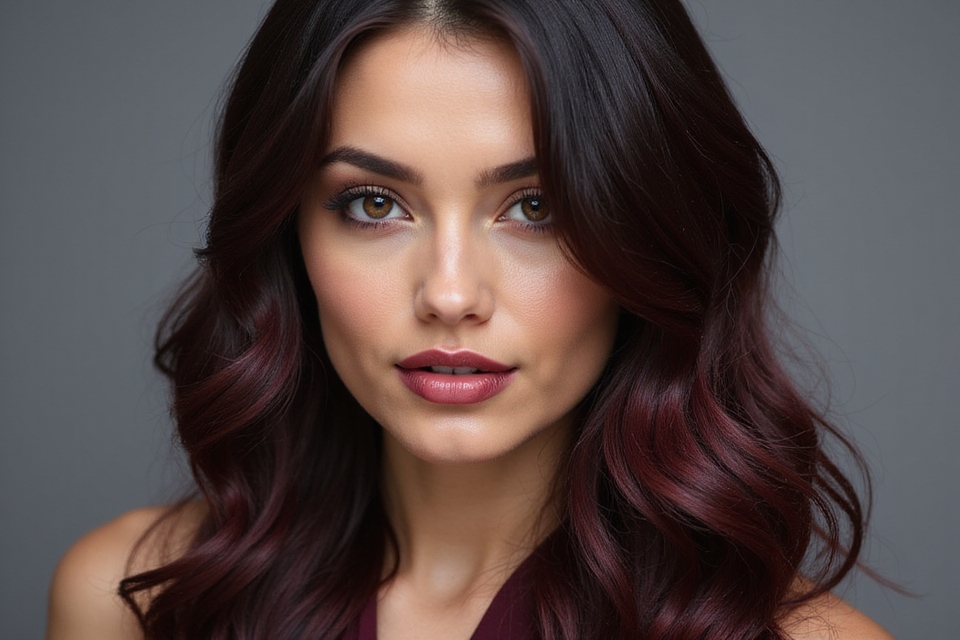
At its best, espresso brown has a velvety, autumnal richness, the deep, warm-cool depth of fallen leaves and a dark roast. It’s the color that looks rich in every light and flatters the widest range of people of any dark shade.
- Think of it as black’s more flattering, more dimensional cousin, all the drama, none of the harshness.
- The velvety quality comes from a glossy finish and layered tones, not a single flat dye.
- It’s a year-round color but feels especially rich and at home through fall and winter.
The Espresso Brown Spectrum
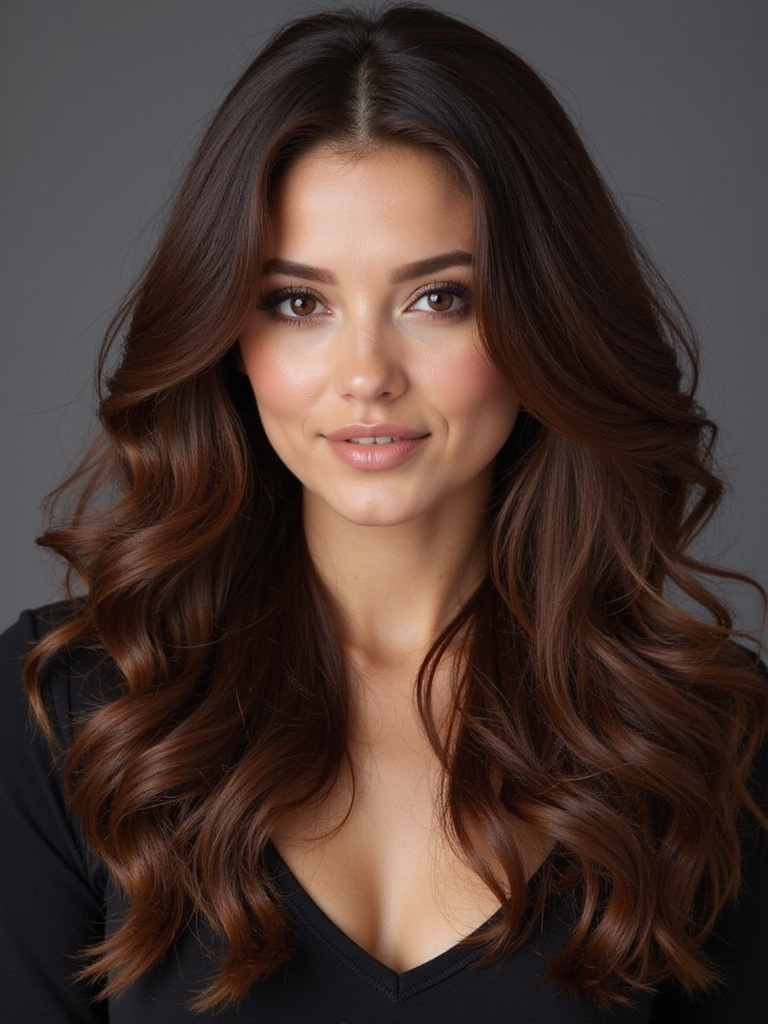
Espresso isn’t one color, it’s a spectrum, and understanding that range is the key to getting the version you actually want. At one end sits cold roast: a cool, ashy, almost shadowy brown with no warmth. At the other is a warmer, bitter-edged espresso with red-brown and caramel undertones.
In the middle is classic espresso, a neutral, deep brown that looks rich without leaning obviously warm or cool. Most people have this in mind when they say espresso, but the cool and warm versions flatter very differently.
Knowing where on this spectrum you want to land, and bringing a photo, is what separates a great espresso from a generic ‘dark brown’ that misses your undertone entirely.
The Subtle Everyday Espresso
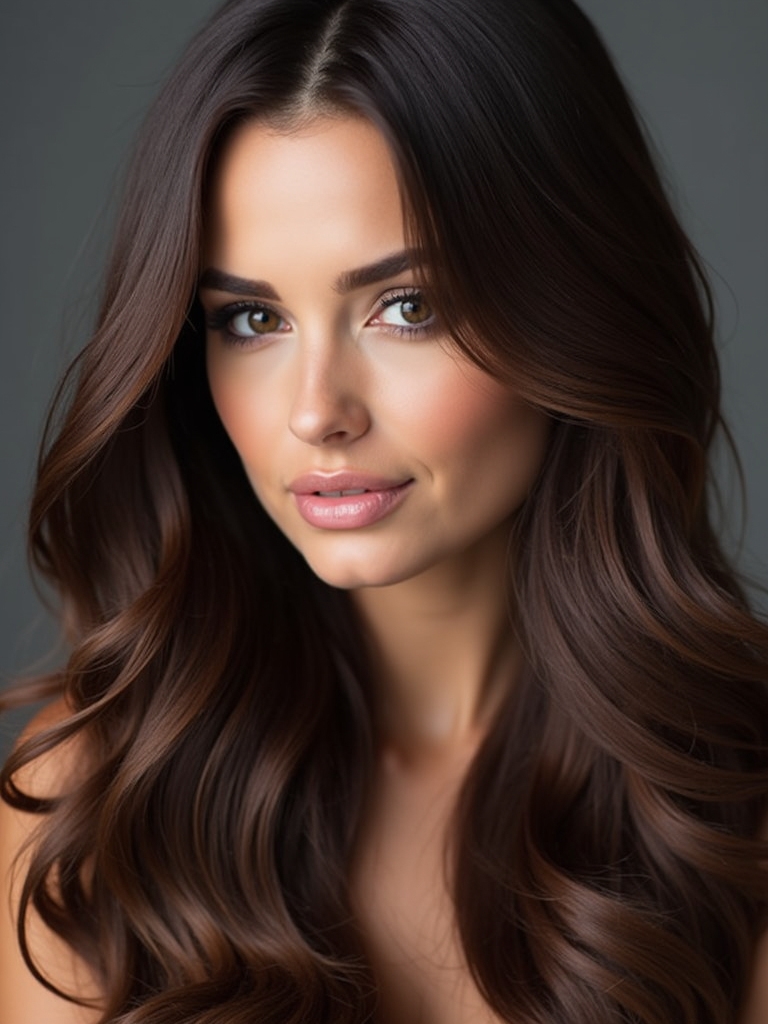
Not every espresso has to be dramatic. The subtle, everyday version keeps the depth and gloss but stays soft enough for the office, low-key, polished, and quietly expensive. It’s the espresso for someone who wants rich color without a statement.
When to choose subtle over dramatic espresso
This version usually means a classic neutral espresso with just a hint of dimension, enough to catch the light without obvious highlights. It reads as ‘really good natural hair’ rather than a bold dye job.
Reach for this version when you want hair that looks richer and healthier than your natural shade without anyone quite clocking that you colored it at all.
Espresso Across the Seasons
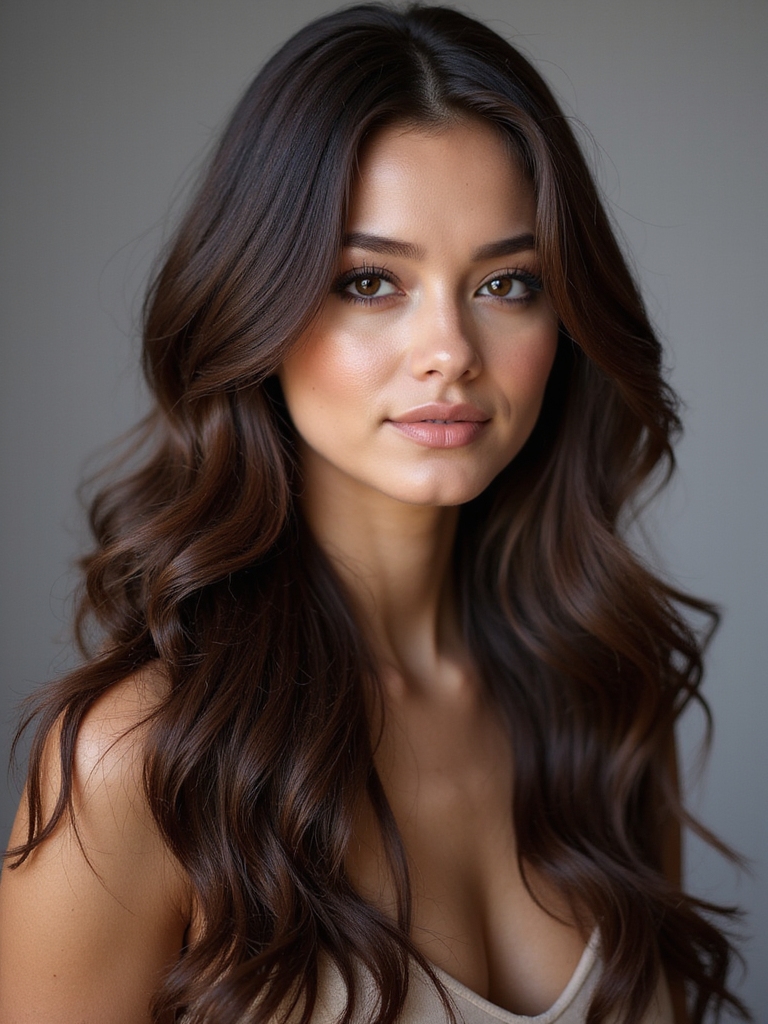
One of espresso’s best tricks is how it shifts with the seasons without a full recolor. In summer, a warmer, slightly lighter espresso with caramel notes feels sun-touched and alive.
- For fall and winter, deepen toward a cooler, richer roast for that cozy, dramatic feel.
- In spring and summer, warm it up with subtle caramel or chestnut dimension for lift.
- A gloss or toner shift achieves this seasonal change without lifting or re-dyeing the whole head.
Warm Espresso With Shadowy Depth
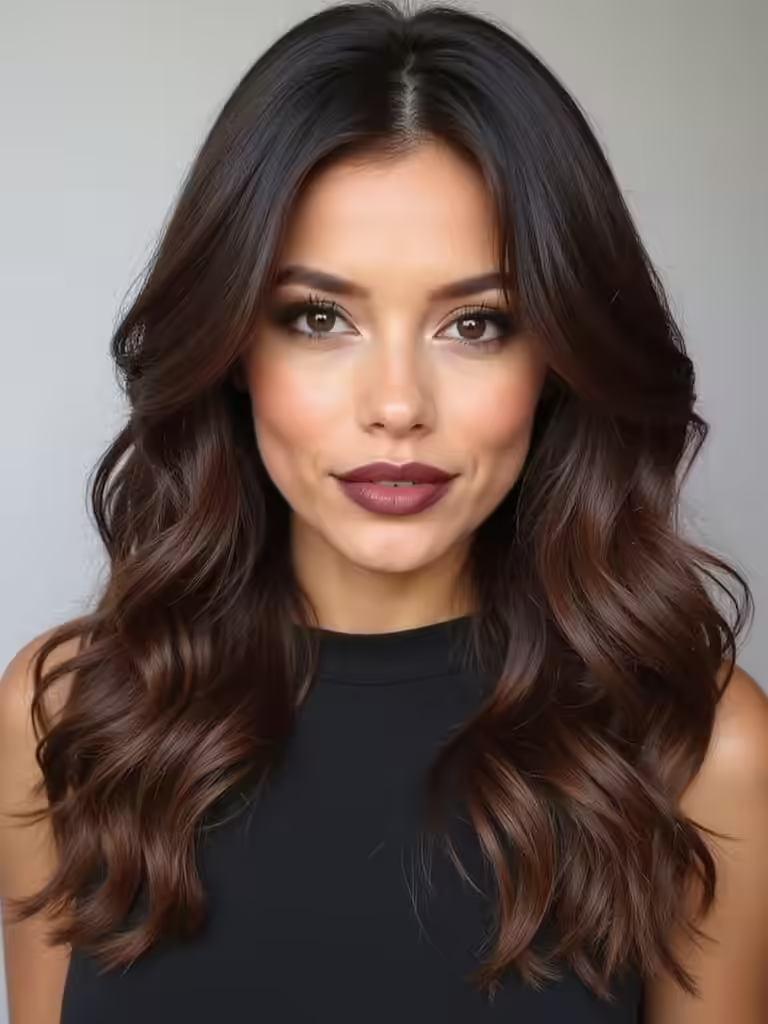
The most dimensional espresso pairs warmth through the mid-lengths with a shadowy, deeper root, the contrast that makes the color look expensive and worn-in. Warmth and depth work together here for real dimension.
Why a shadowed root makes espresso grow out gracefully
A slightly deeper root melting into a warmer, glossier length catches the light beautifully and grows out softly, which is part of espresso’s low-maintenance appeal. The shadow at the root means regrowth blends softly into the length.
This is the version that looks most like real, healthy, multidimensional hair, which is exactly why it photographs so richly and never looks like a solid block of brown.
The Deepest Espresso
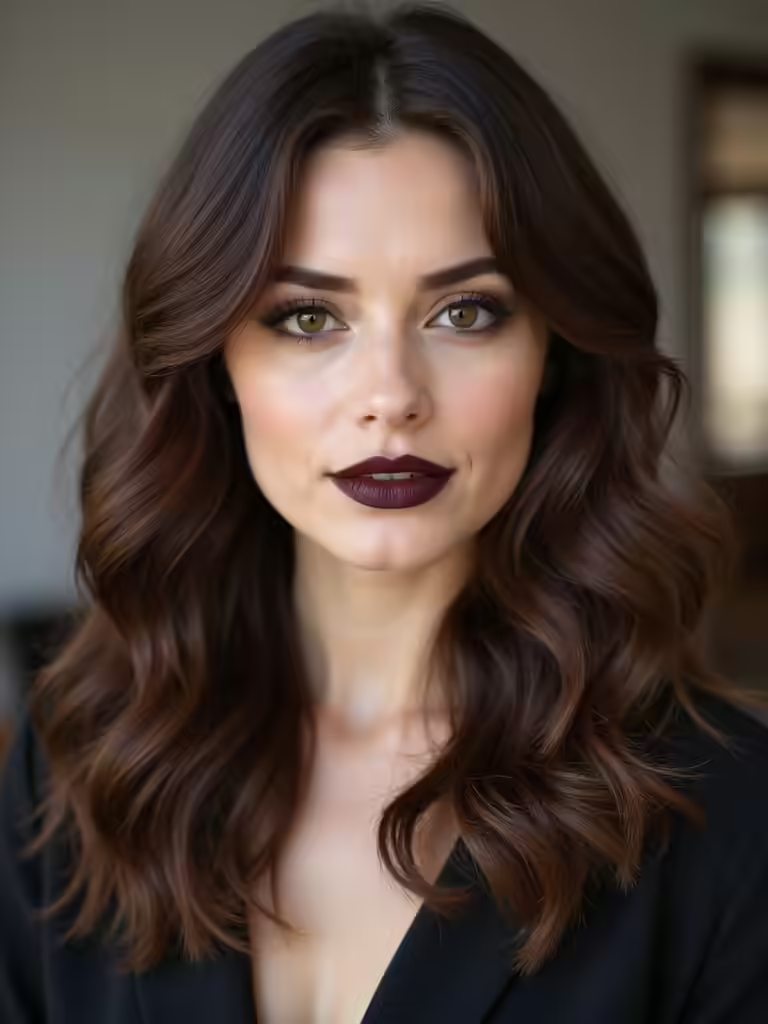
For maximum drama, the deepest espresso sits just a breath above black, dark and intense but still unmistakably brown in the light. It’s the most striking version, all depth and gloss, and the closest espresso gets to black without the harshness:
- Ask for the darkest brown that still shows warmth or coolness in sunlight, not a true black.
- A high-gloss finish is essential here, since shine is what keeps deep espresso from reading flat.
- It suits bold, high-contrast features and looks especially dramatic on deep and rich skin tones.
A few espresso terms worth knowing:
📖Gloss / glaze
A semi-transparent toner that refreshes shine, depth, and tone without lifting or fully recoloring, the key to keeping espresso rich between dye jobs.
📖Shadow root
A deliberately deeper root that melts into the length, so regrowth blends softly into the length, what makes espresso low-maintenance.
Bold Winter Espresso
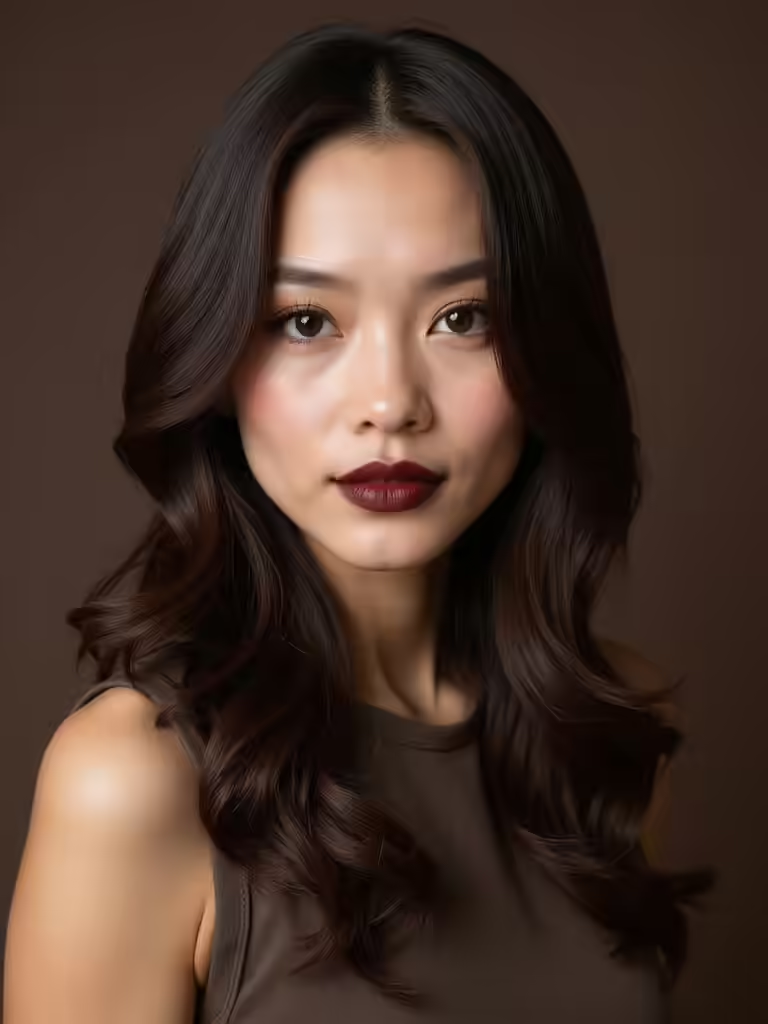
Winter is espresso’s season, and a bold, cool-toned roast feels made for short days and dramatic light. The cooler, deeper version looks sophisticated and intense against winter wardrobes and pale winter skin.
This is the time to go richer and cooler than you might in summer, leaning into that cold-roast end of the spectrum for maximum drama. A glossy finish keeps the deep cool brown from looking dull in flat winter light, and it pairs beautifully with the bold lips and rich knits the season invites.
If you only go espresso for one season, make it winter, when the deep, cool roast feels most at home and most flattering against cold-weather light.
Matching Espresso to Your Skin Tone
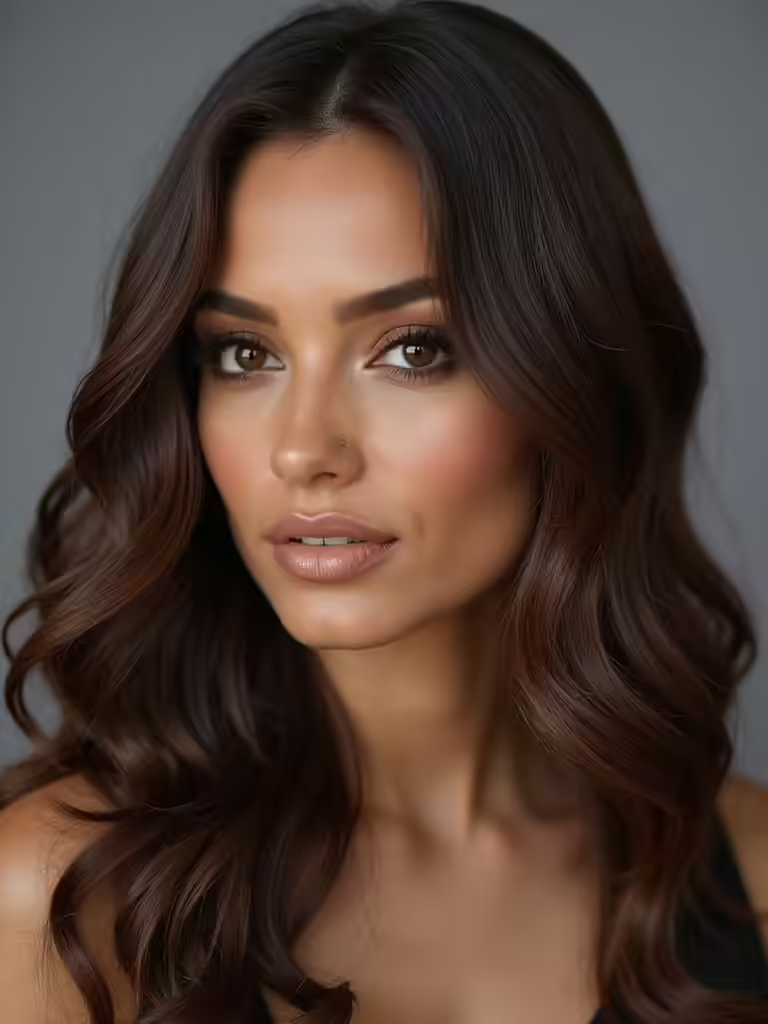
The single biggest factor in whether espresso flatters you is matching its undertone to your skin. Cool and neutral complexions glow under a cool, ashy roast, while warm and olive skin comes alive with a warmer, caramel-flecked espresso.
Get this backward, a cool espresso on warm skin or vice versa, and the color can look harsh or sallow even though the shade itself is beautiful. When in doubt, a neutral classic espresso is the safest, most universally flattering choice.
🅰️Flat All-Over Espresso
A single deep espresso from root to tip. Dramatic, full coverage, and the most DIY-friendly, but it can read one-note and needs gloss and shine to stay rich.
🅱️Dimensional Espresso
Espresso with subtle lowlights, highlights, or balayage. Looks the most expensive and grows out softest, but it’s salon work and a slightly bigger investment up front.
Personalizing Your Espresso Tone
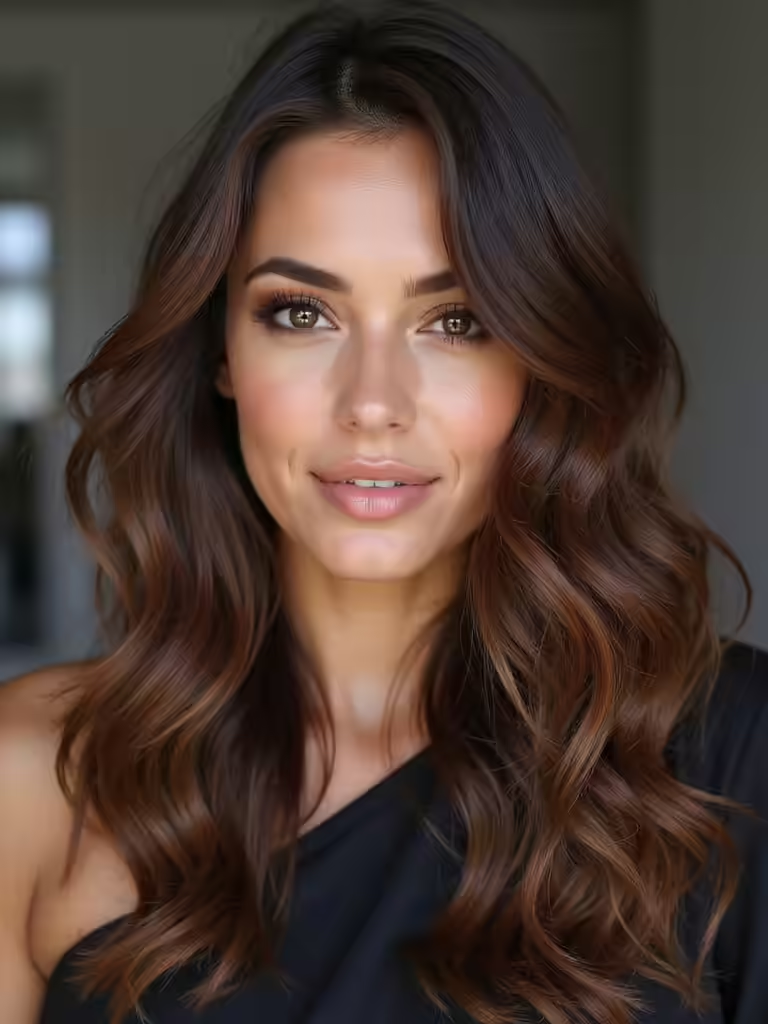
The real luxury of espresso is how customizable it is: a good colorist mixes warmth, coolness, and dimension specifically for your skin, eyes, and lifestyle. Two people asking for espresso can walk out with beautifully different browns.
Why two espressos can look completely different
This is where a consultation pays off, bring photos of espresso you love and espresso you don’t, so your colorist can read the undertone you’re drawn to. The difference between ‘meh’ and ‘wow’ is usually a half-step of warmth or a touch of dimension.
Personalizing also means matching the upkeep to your life, a low-dimension espresso closer to your natural depth grows out almost invisibly, while a high-contrast version needs more frequent salon visits. For more dark-shade ideas, my dark hair color ideas guide covers the wider range.
Espresso on Short Hair
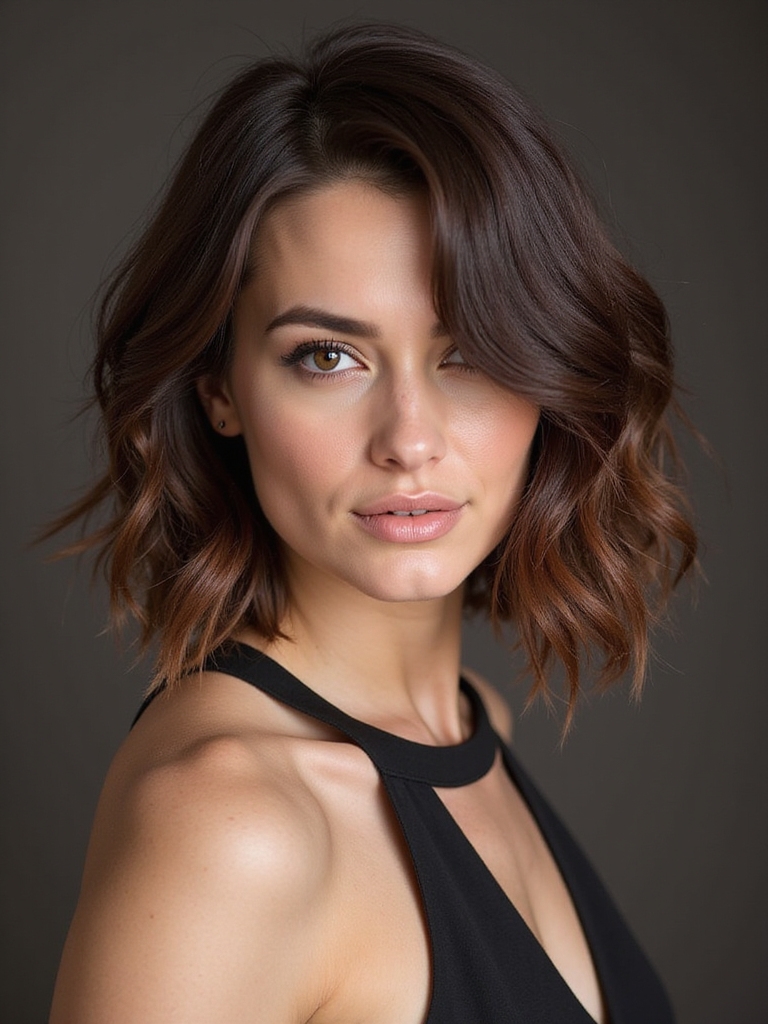
On short hair, espresso looks sharp, glossy, and modern, the depth gives a bob, pixie, or lob a sleek, expensive finish. Short cuts show off the shine especially well, since there’s less hair for the light to get lost in.
Why espresso flatters a sharp short cut
The deep color emphasizes the lines of a precise cut, so espresso and a sharp bob are a classic pairing. On shorter hair, a subtle bit of dimension keeps it from looking like a helmet of flat color.
It’s also practical on short hair, since the more frequent trims a short cut needs pair naturally with the gloss refreshes that keep espresso rich, so upkeep stays on one schedule.
Espresso on Long Hair
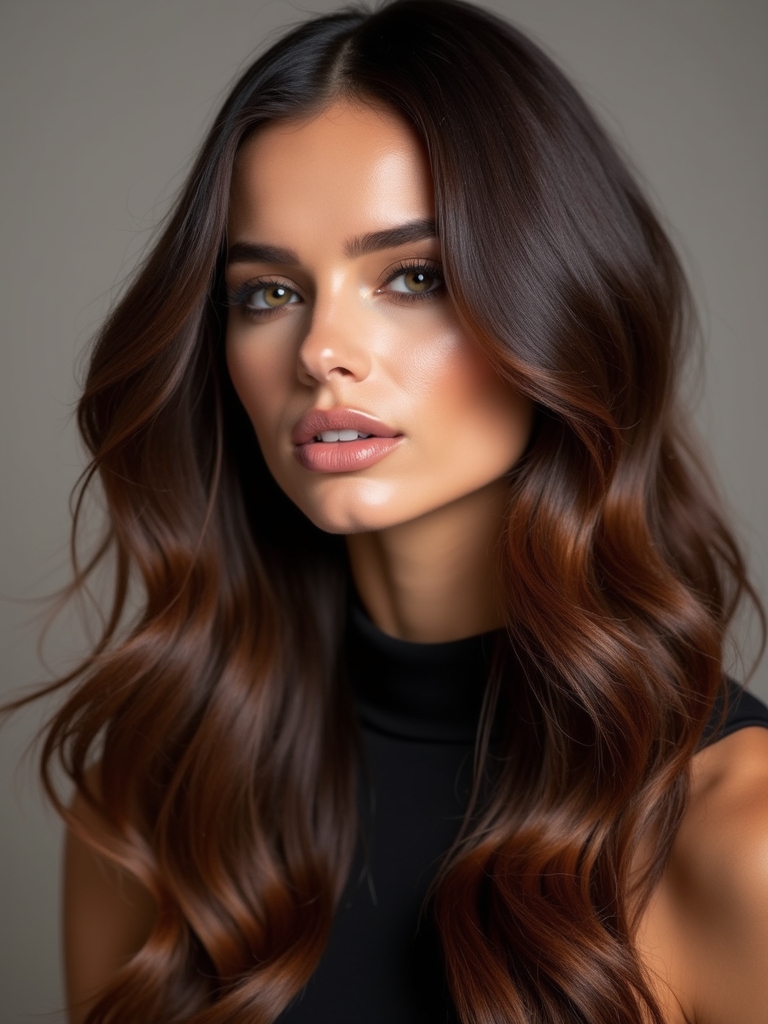
On long hair, espresso becomes a curtain of glossy, multidimensional richness, and the length is the perfect canvas for subtle dimension and a shadowed root. Long hair lets the color shift and catch light along its whole length.
Dimension matters most here, since a flat espresso on very long hair turns heavy and one-note, while a touch of subtle lowlights and highlights keeps all that length looking alive:
- Add subtle face-framing dimension so long espresso hair doesn’t read as a solid block.
- Keep the ends glossy and healthy, since dark color makes dryness and split ends more visible.
- A shadowed root keeps the long grow-out soft and low-maintenance.
Espresso With Highlights
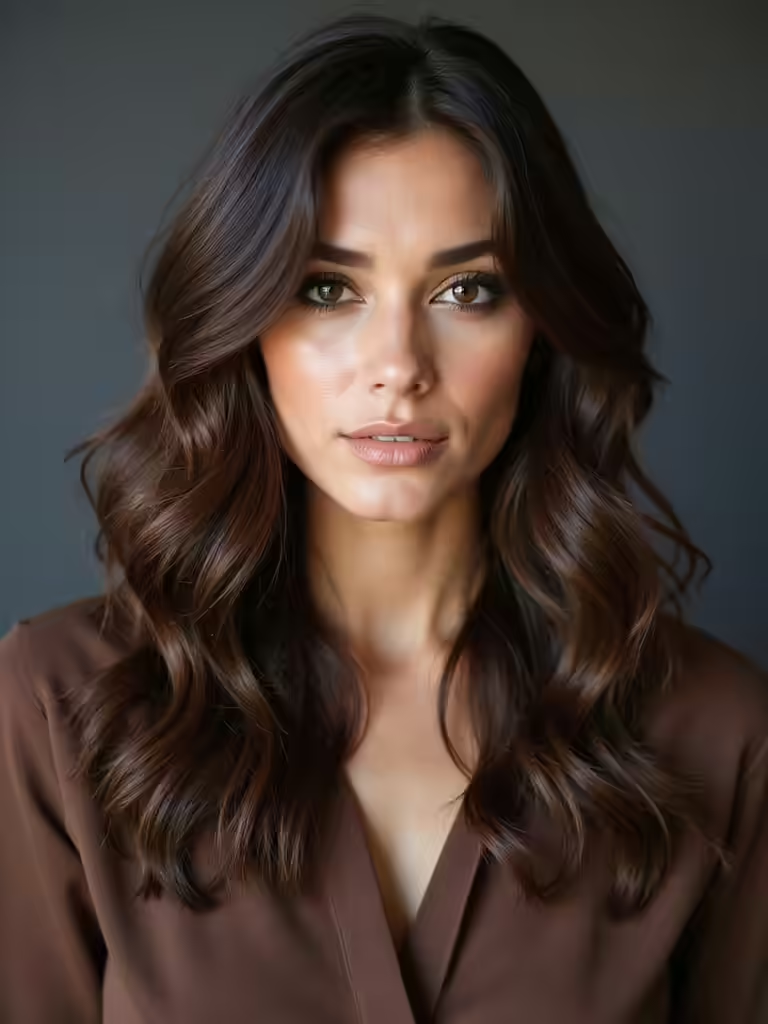
Espresso doesn’t have to mean solid dark, threading in subtle caramel, chestnut, or warm-brown highlights adds the brightness that lifts the whole color. The key word is subtle: espresso highlights whisper, they don’t stripe:
- Keep highlights within a few shades of the base for a soft, expensive blend.
- Face-framing pieces and money-piece highlights brighten the complexion without much upkeep.
- Babylights woven through give the most natural, lit-from-within dimension on espresso.
Espresso Ombre and Balayage
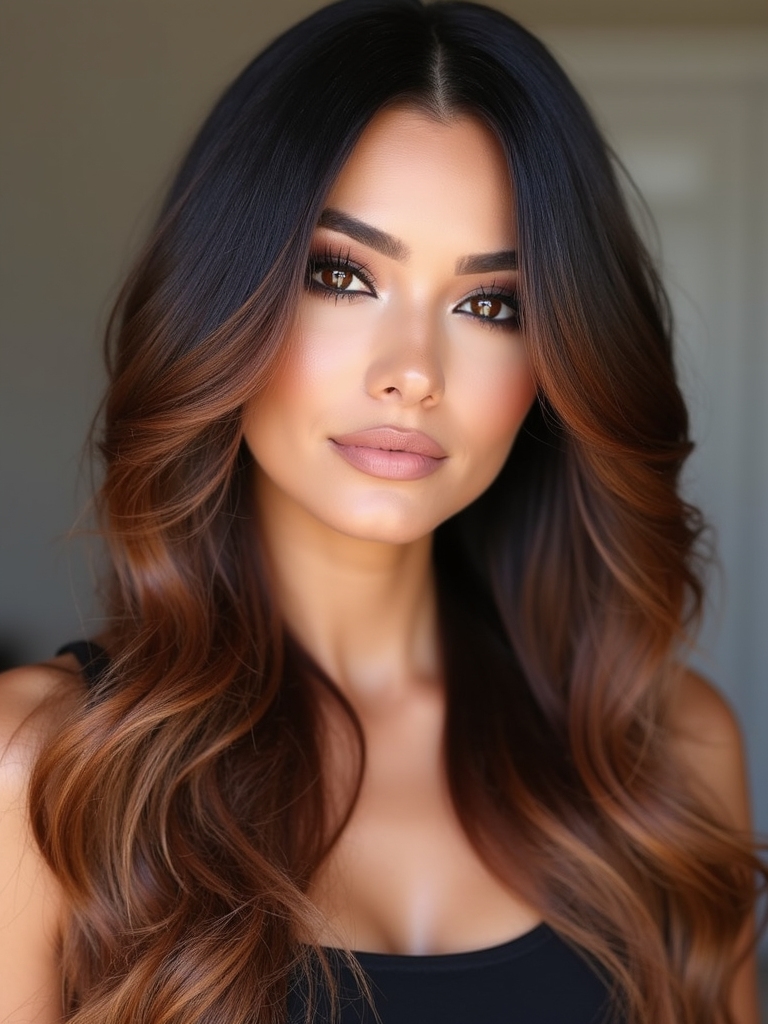
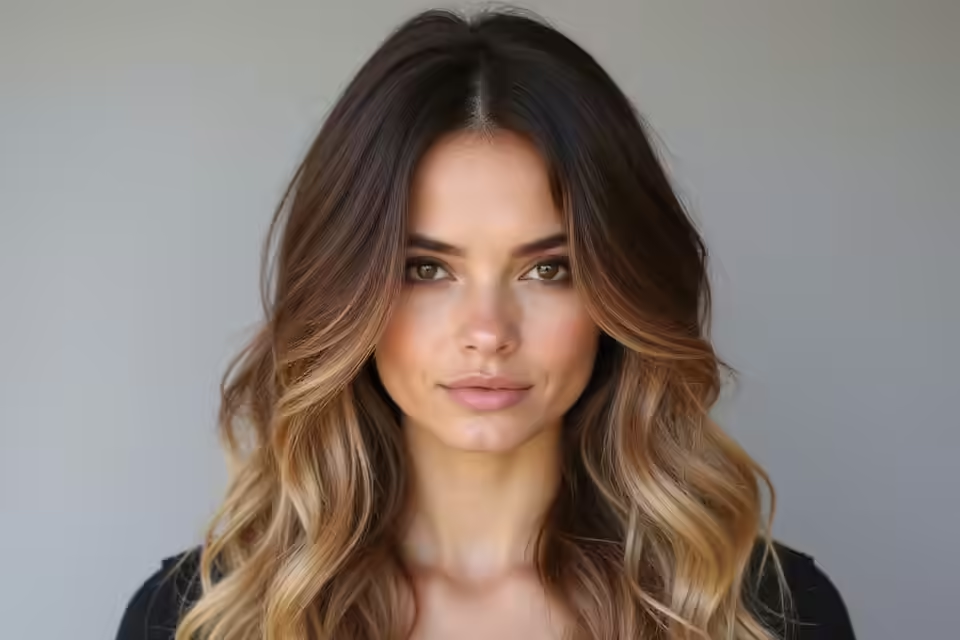
Balayage and ombre take espresso from a single rich shade to a dimensional gradient, deep at the root melting into warmer caramel or chestnut toward the ends. It’s the most modern, low-maintenance way to wear the color.
Why balayage makes espresso nearly grow-out-proof
Because the lighter pieces are painted on rather than starting at the root, the grow-out is soft and smooth, which is why espresso balayage is so popular for people who don’t want frequent touch-ups. The contrast stays subtle and expensive when the painted tones stay in the warm-brown family.
This is espresso at its most dimensional and sun-touched, all the depth at the root with movement and warmth through the lengths, and it photographs beautifully in any light.
Year-Round Espresso Versatility
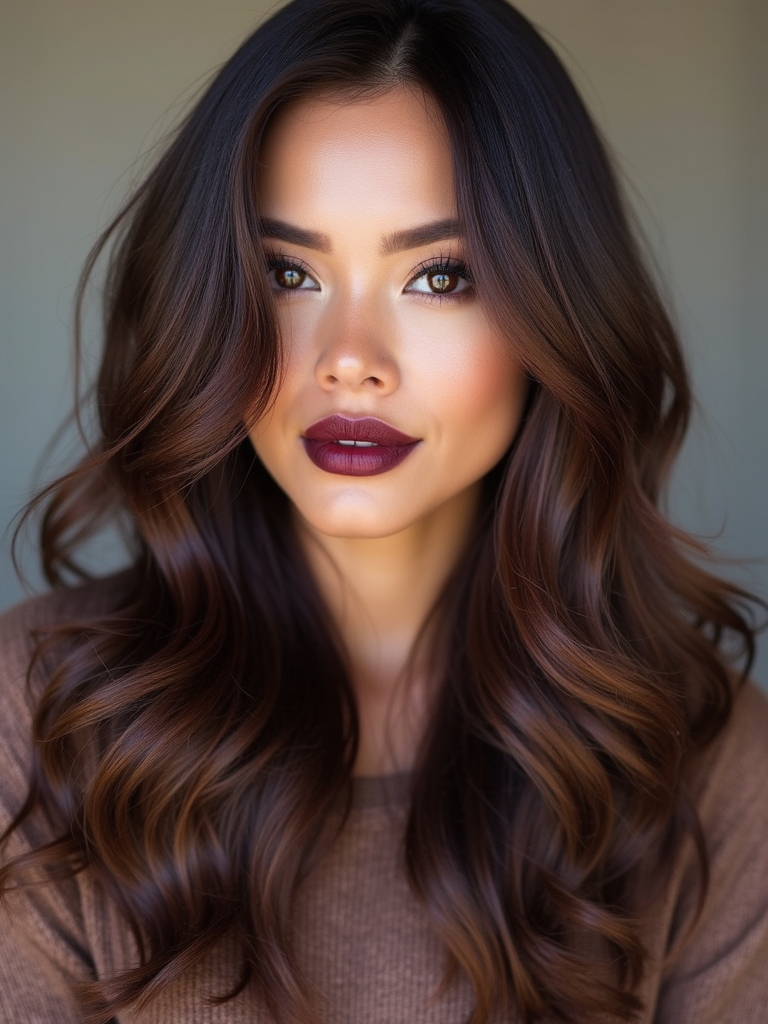
Part of espresso’s appeal is that it truly works year-round, unlike trendier shades tied to one season: its depth feels cozy in winter and, warmed up slightly, sun-kissed in summer, so you can live in it for years and simply shift the warmth and dimension rather than overhauling the color:
- In winter, lean into the cooler, deeper roast for cozy drama against the light.
- In summer, warm it up with subtle caramel dimension so it looks sun-touched.
- A gloss shift handles the seasonal change without lifting or re-dyeing.
Caring for Espresso Color
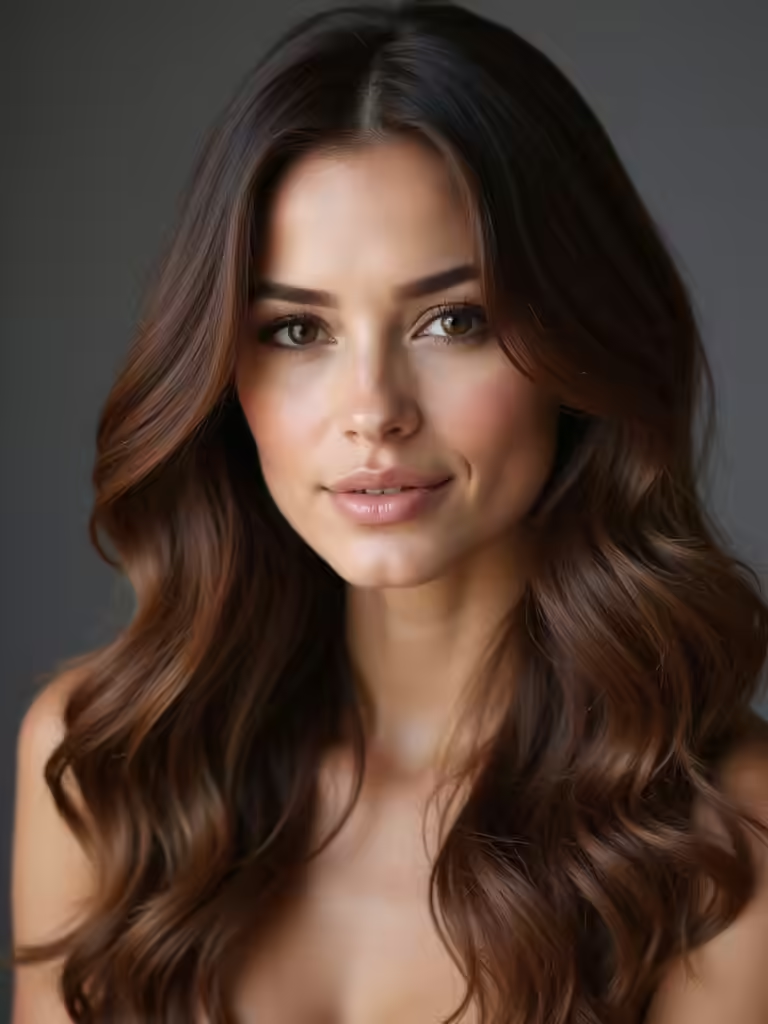
Deep brown color demands real care, because espresso fades and dulls faster than people expect, drifting brassy or washed-out without the right routine. The foundation is gentle, color-safe washing:
Get the washing routine right and you protect both the tone and the gloss that make espresso look expensive in the first place:
- Use sulfate-free, color-safe shampoo and wash less often in cool, not hot, water.
- Deep-condition regularly, since healthy, hydrated hair holds dark color far better.
- Rinse cool to seal the cuticle and keep the gloss and depth locked in.
Preserving Espresso Richness
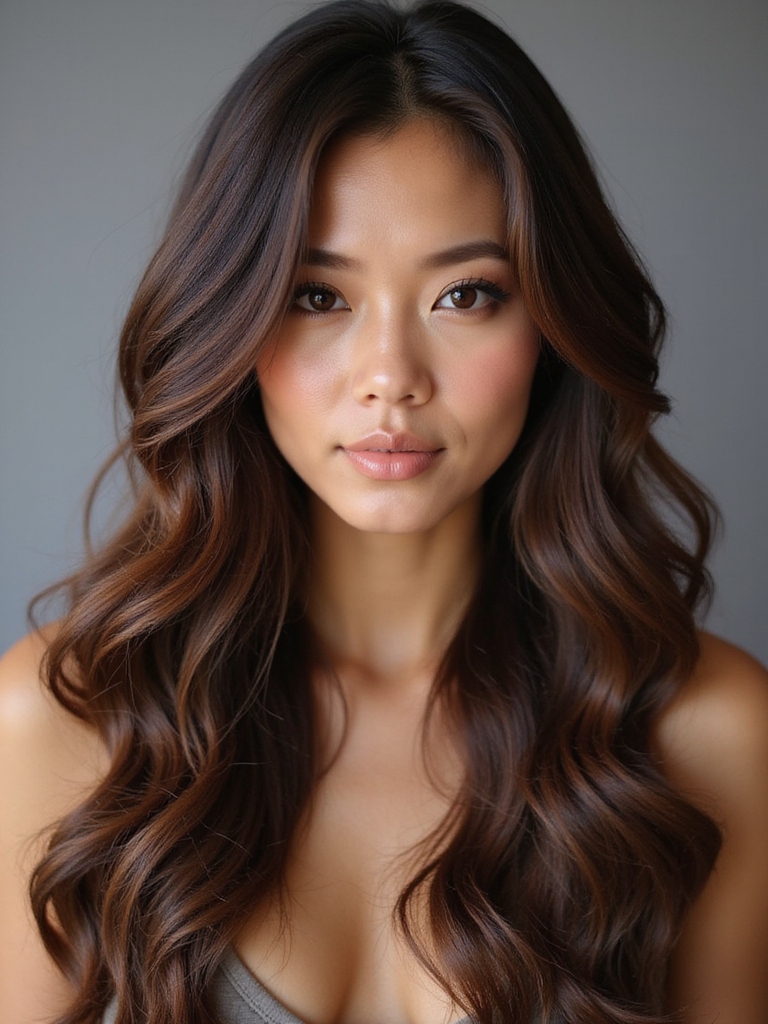
Beyond basic care, a few targeted habits keep espresso looking freshly done far longer, since its enemies are sun, hot tools, and hard water, all of which lift and dull the color over time:
- Book or do a glossing treatment every few weeks to revive shine and depth.
- Add a UV-protective spray and heat protectant, since sun and hot tools dull the color.
- Use an occasional clarifying or chelating wash to clear hard-water buildup.
ℹ️Good to Know
Deep brown dyes fade faster than most people expect, often shifting brassy or dull within weeks, because the dark pigment sits largely on the surface of the strand and washes out gradually. This is why a gloss every few weeks does more for espresso than almost anything else: it re-deposits tone and shine, keeping that fresh-from-the-salon richness going far longer than shampoo alone.
DIY vs Salon Espresso

Espresso is one of the more DIY-friendly dark colors, since going darker is far more forgiving than lifting lighter, but the dimensional versions are a different story, the moment you want highlights, balayage, a shadowed root, or precise undertone matching, it becomes salon territory:
- DIY works for a simple, all-over espresso near your natural shade, plus glossing top-ups.
- Go to a salon for dimension, balayage, gray blending, or a specific cool or warm undertone.
- Whatever the route, a gloss (DIY or salon) is the easiest way to keep espresso rich.
Espresso for Gray Coverage
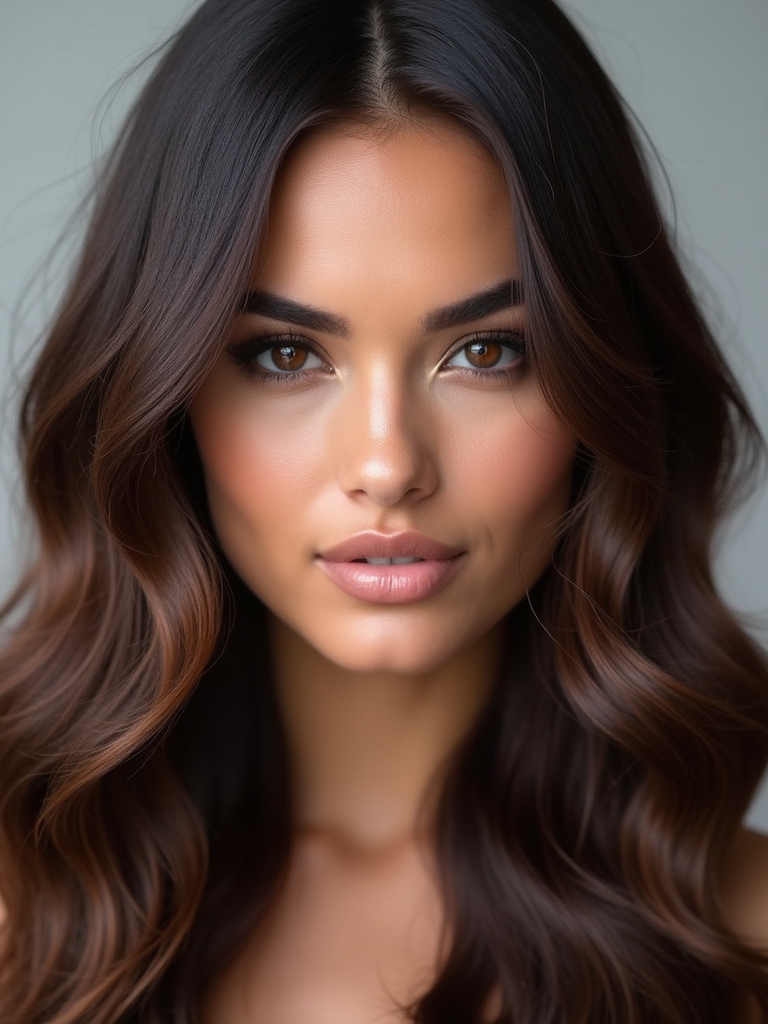
Espresso is a popular choice for covering grays, because its depth gives full, rich coverage that lighter browns can struggle to deliver. The dark, saturated tone blankets gray completely for a uniform, glossy result.
Why deep espresso needs frequent root touch-ups on gray
The trade-off is regrowth: against deep espresso, silver roots stand out clearly, so espresso over gray usually wants a fresh root roughly once a month. A shadowed root or a slightly softer espresso can stretch that window by making the regrowth less stark.
For anyone with significant gray who wants a deep, polished brown, espresso delivers the most thorough, expensive-looking coverage, as long as you’re ready for the maintenance that deep dark color on gray requires.
How Light Changes Espresso
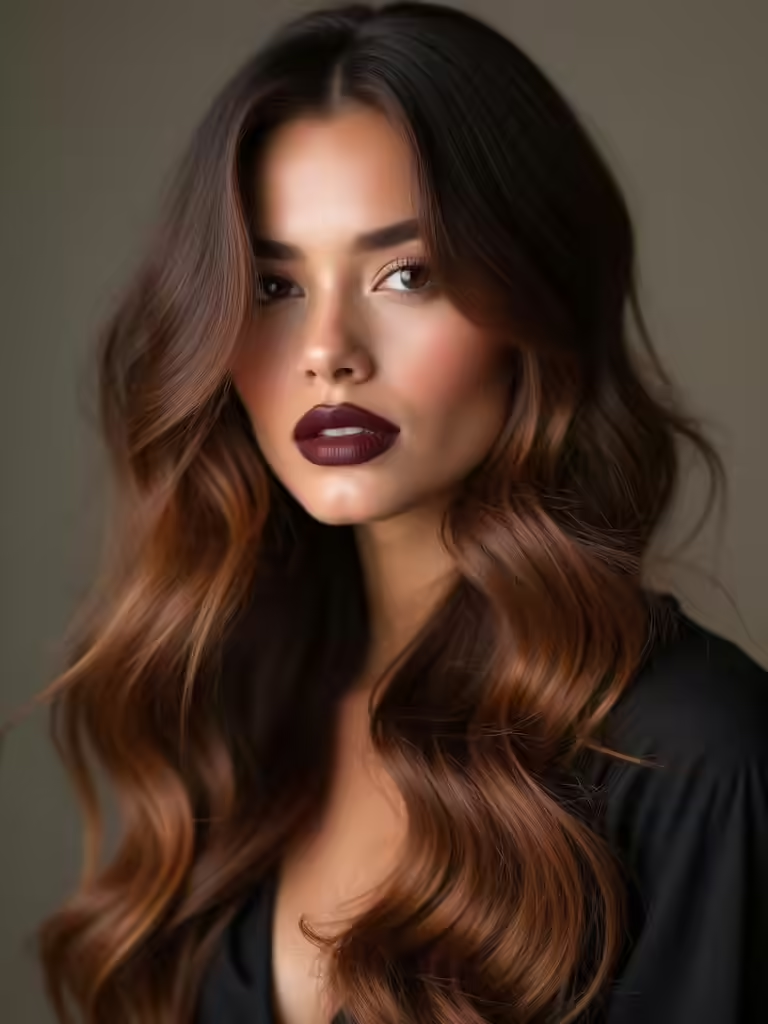
Espresso is a chameleon, and understanding how light changes it helps you choose the right version, since in bright sun it reveals its hidden warmth while cool indoor light makes the same color read deeper, cooler, and almost black:
- In bright sun, espresso shows its hidden caramel and red-brown warmth.
- Under cool indoor or overcast light, it deepens toward a cooler, near-black shadow.
- Bring photos in different lighting to your colorist so the undertone is no guess.
Espresso on Textured Hair
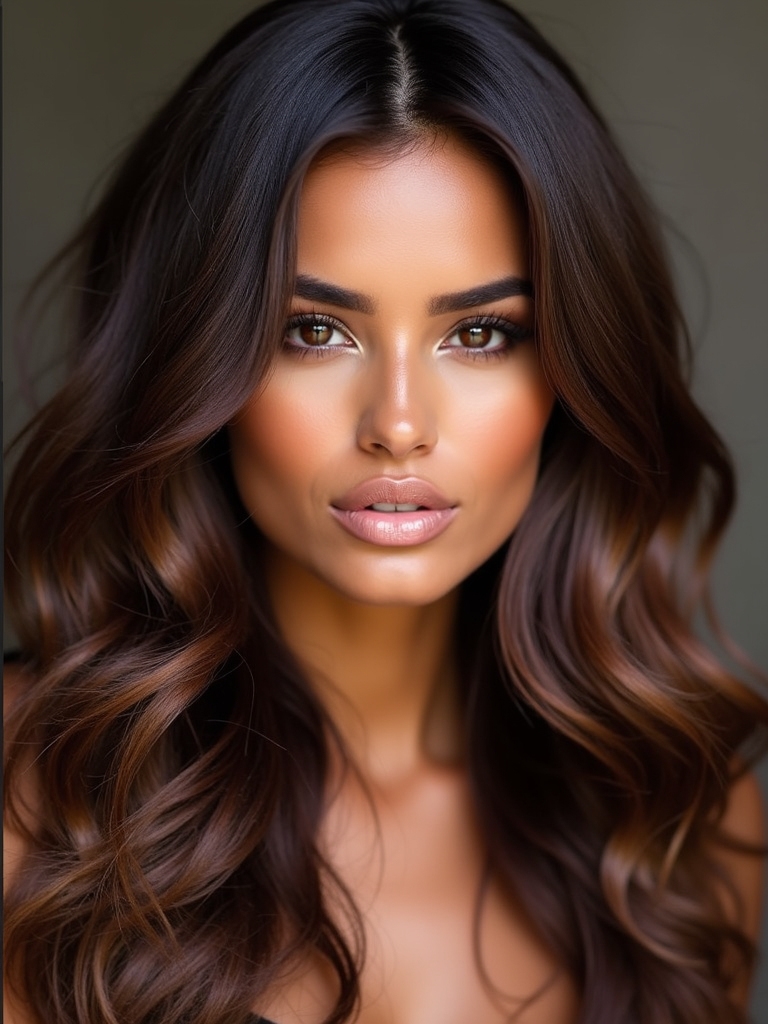
On curly and coily hair, espresso is a real showstopper, the deep, glossy tone defines every curl and coil and catches the light along the texture for incredible dimension. Rich brown and textured hair are a beautiful match:
- The depth and shine emphasize curl definition, making each coil look sculpted and healthy.
- Bond-building and deep moisture are essential, since color plus texture both need extra hydration.
- On deep skin, a rich warm espresso glows beautifully against the complexion.
The Elegance of Espresso
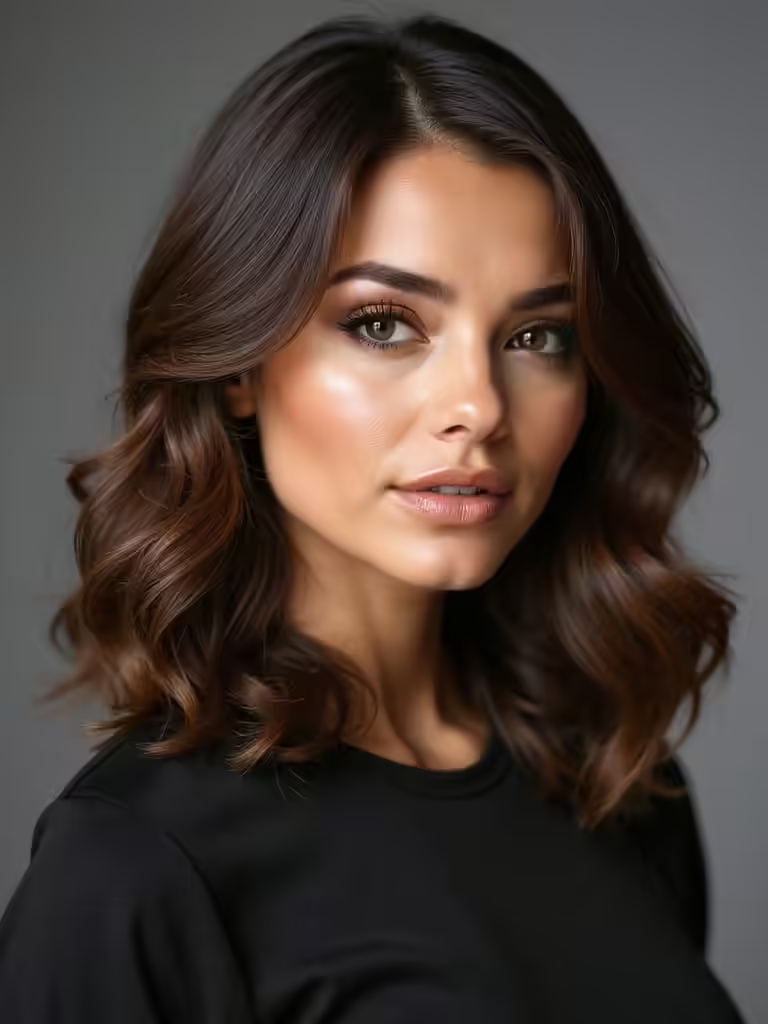
There’s a reason espresso comes across as elegant and expensive: deep, glossy, dimensional brown is the color of health and richness, and worn sleek it looks high-fashion while softened with waves it turns romantic, which is why it never dates among people who like quiet luxury:
- Worn sleek and glossy, espresso looks the most high-fashion and refined.
- Softened with waves, the same depth turns romantic and luxe.
- It flatters classic, minimalist style especially, a big reason it stays in rotation.
The Espresso Maintenance Routine
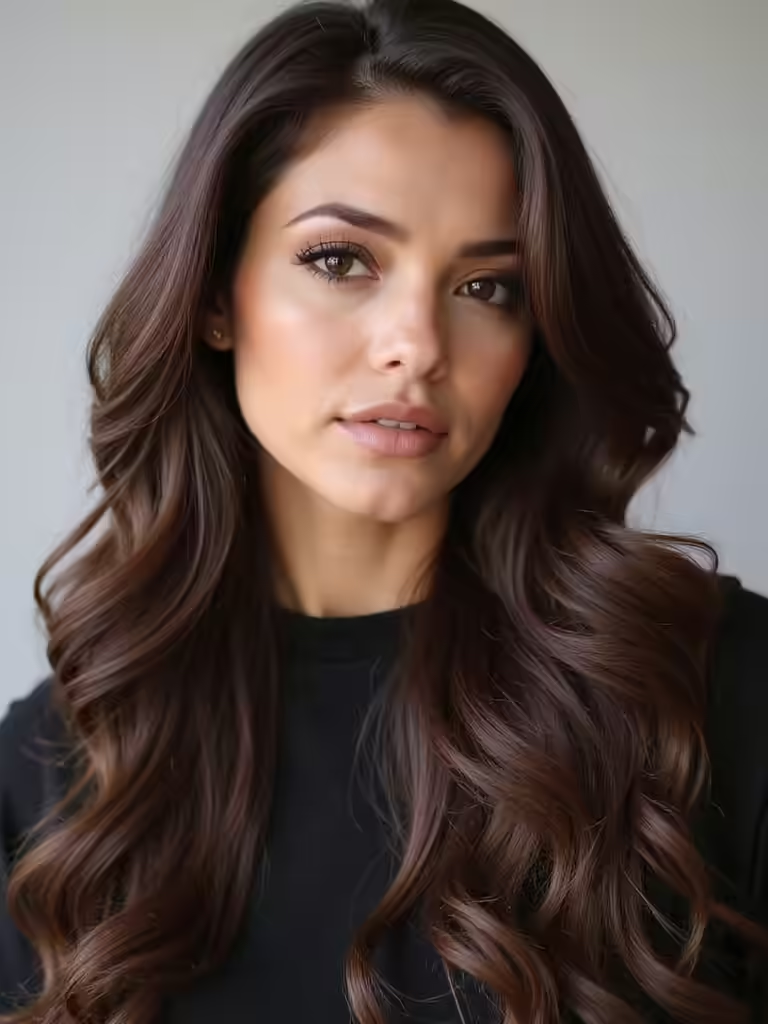
Living with espresso long-term comes down to a simple, consistent rhythm: gloss to refresh, touch up the roots on schedule, and protect the color day to day. Build that routine and the color rewards you with months of richness:
None of it is complicated, but the consistency is what keeps the color from sliding brassy or dull between salon visits:
- Revive shine and tone with a salon or at-home gloss about every month.
- Touch up roots on a regular cadence, more often if you’re covering gray.
- Protect daily with heat protectant, UV spray, and gentle color-safe products.
The thing I tell anyone asking for espresso: don’t just say ‘dark brown,’ bring me a photo and let me see your skin in daylight. The shade that makes one person look luminous makes another look washed out, and it all comes down to a half-step of warmth or coolness. Espresso done for your undertone is the most expensive-looking hair there is; espresso done generic is just dark dye.
Transitioning to Espresso
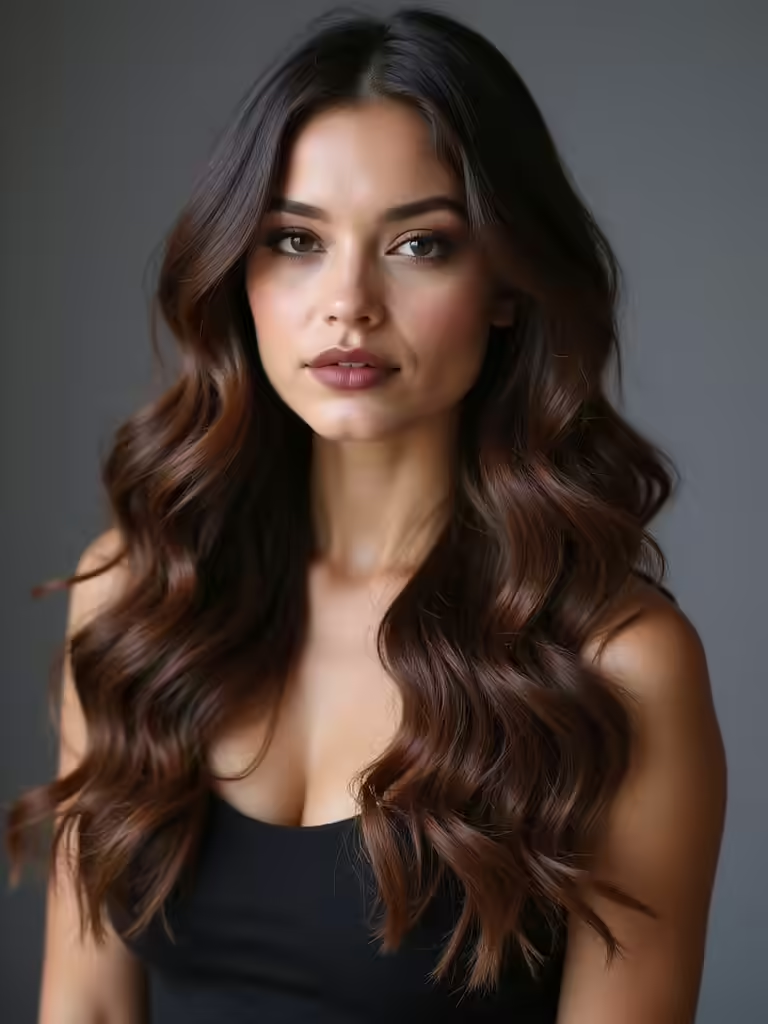
Moving to espresso from another color is usually straightforward, since going darker is the easiest color change there is. From most browns, blacks, or faded color, a single espresso application gets you there.
The exception is coming from blonde or heavily lightened hair, where porous, light strands can grab espresso unevenly or fade fast without a filler step first. A colorist will fill the hair to replace the missing warm pigment so the espresso takes evenly and lasts, which is why a blonde-to-espresso transition is best left to a professional.
Either way, going in with healthy hair and a colorist who can read your starting point is what makes the transition smooth and the espresso last.
Styling Espresso Hair
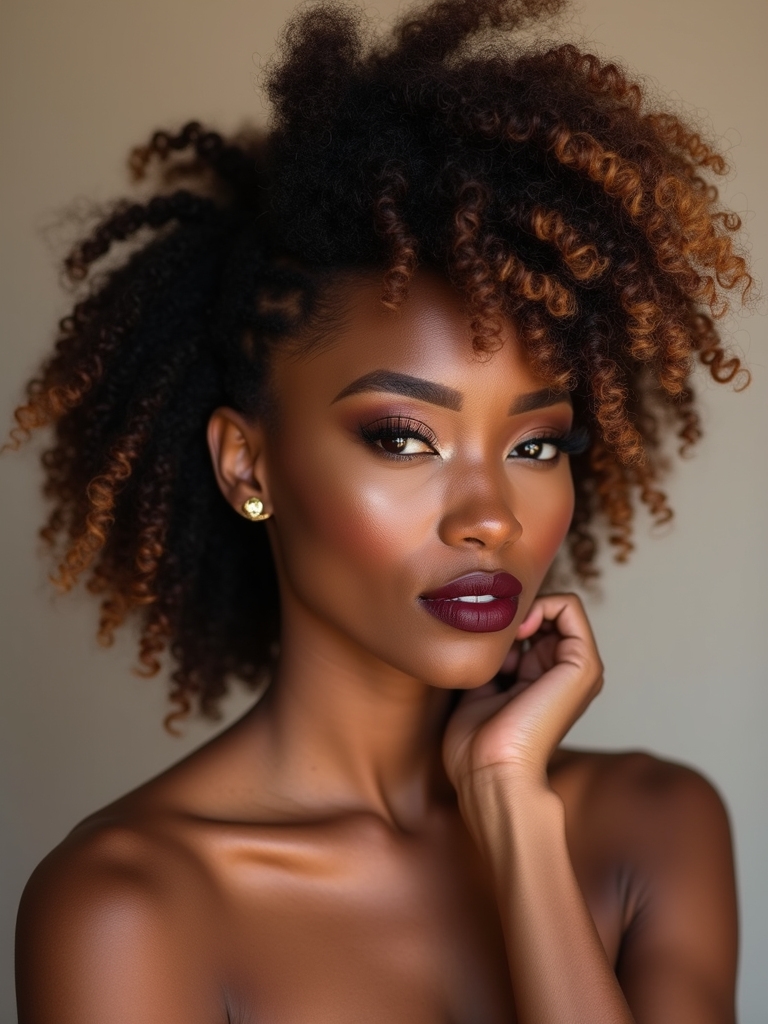
Espresso’s depth makes certain styling choices pop, and a few simple moves show the color off best. Glossy, smooth styles, a sleek blowout, polished waves, a high-shine straight finish, maximize the reflective richness that makes espresso look expensive.
Because dark color falls flat when hair looks dull, shine is everything: a drop of oil or a shine spray dramatically lifts espresso, while frizz and dryness dull it. Loose waves catch the light and reveal espresso’s dimension, which is why styled, healthy-looking hair is half of what makes the color look great.
Treat espresso like the glossy investment it is, and a few minutes of shine-focused styling will make the color look twice as expensive as the dye alone ever could.
Multidimensional Espresso
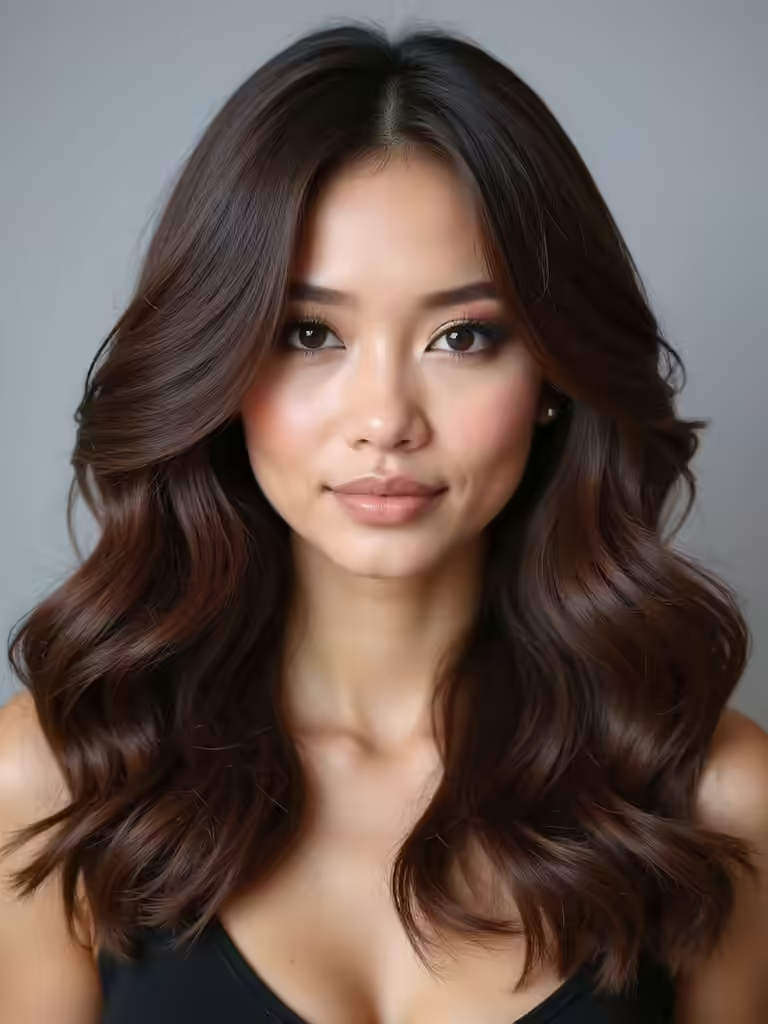
The single biggest upgrade you can make to espresso is dimension: layering subtle lowlights and highlights so the color reads as rich and complex rather than a flat block. Multidimensional espresso is what ‘expensive brunette’ really means.
By weaving in tones a few shades lighter and darker than the base, a colorist builds the depth and movement that catch the light and mimic naturally healthy hair. It’s the difference between hair that looks dyed and hair that looks naturally, enviably brunette, and it’s worth the extra salon step. My deep winter hair color guide explores more cool-toned depth.
Styling Tips
Once your espresso is in, a little styling know-how is what keeps it looking salon-fresh between appointments. Shine is the whole game with dark color, so make a glossy finish your default: a drop of lightweight hair oil or a quick shine spray on dry hair instantly lifts espresso from flat to luminous, while frizz and dryness are what make any deep brown look dull and cheap.
Smooth, healthy-looking styles, a sleek blowout, polished waves, a glassy straight finish, all show off espresso’s depth far better than undone, dry texture. Keep heat tools on a sensible temperature and always use a heat protectant, since fried ends read especially rough against rich dark color.
For longevity, treat the color like the investment it is. Wash less often and cooler, lean on color-safe and sulfate-free products, and book or do a gloss every few weeks to keep the tone and shine alive. Protect against the sun and hard water, both of which dull and shift espresso over time, and keep the ends trimmed and moisturized so the whole length looks glossy and intentional.
Do that, and espresso rewards you with one of the richest, most flattering, longest-wearing dark colors there is. For more on dark and cool-toned shades, my dark hair color ideas and deep winter hair color guides go further.
Espresso Brown Hair, Answered
?What is espresso brown hair color?
Espresso is a very deep, glossy brown, just above black, with multidimensional richness like a shot of dark coffee. Unlike a flat black-brown, true espresso has subtle warm or cool undertones and dimension that catch the light, which is what gives it that expensive, coffee-rich look.
?Does espresso brown hair fade fast?
Deep brown fades faster than many expect, often drifting brassy or dull within a few weeks, because the dark pigment sits largely on the strand’s surface. Washing less in cool water, using color-safe products, and getting a gloss every few weeks keeps espresso rich far longer.
?What skin tones does espresso brown suit?
All of them, once you match the undertone. Cool and neutral skin glows under a cool, ashy espresso, while warm and olive skin comes alive with a warmer, caramel-flecked version. A neutral classic espresso is the safest, most universally flattering choice when in doubt.
?Can I dye my hair espresso at home?
A simple all-over espresso near your natural depth is doable at home, since going darker is forgiving, and a gloss helps keep it rich. But dimension, balayage, gray blending, or a precise custom undertone are salon work, that’s exactly the part a box dye can’t deliver.
Coffee-Rich, Not Muddy Brown
Espresso brown earns its expensive reputation when it’s done right, deep and glossy with real dimension and an undertone chosen to flatter your skin, not flat, one-note dark dye. Across the whole spectrum, from cold roast to warm bitter-edge, the gap between rich and muddy comes down to gloss, dimension, and getting the undertone right for you.
So if espresso is calling you, go in with a photo, a clear sense of where on the warm-cool spectrum you want to land, and a plan to maintain the shine with regular glosses. Do that, and you’ll end up with the deep, multidimensional brown that makes people ask who does your color, which is exactly what espresso is supposed to be. Ready to make the switch?
Don’t Miss These