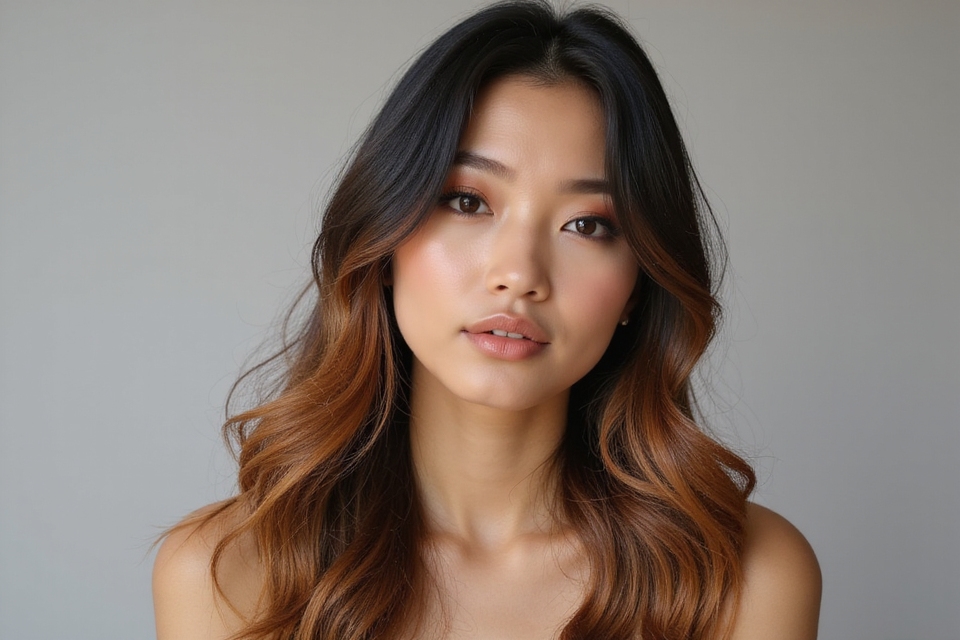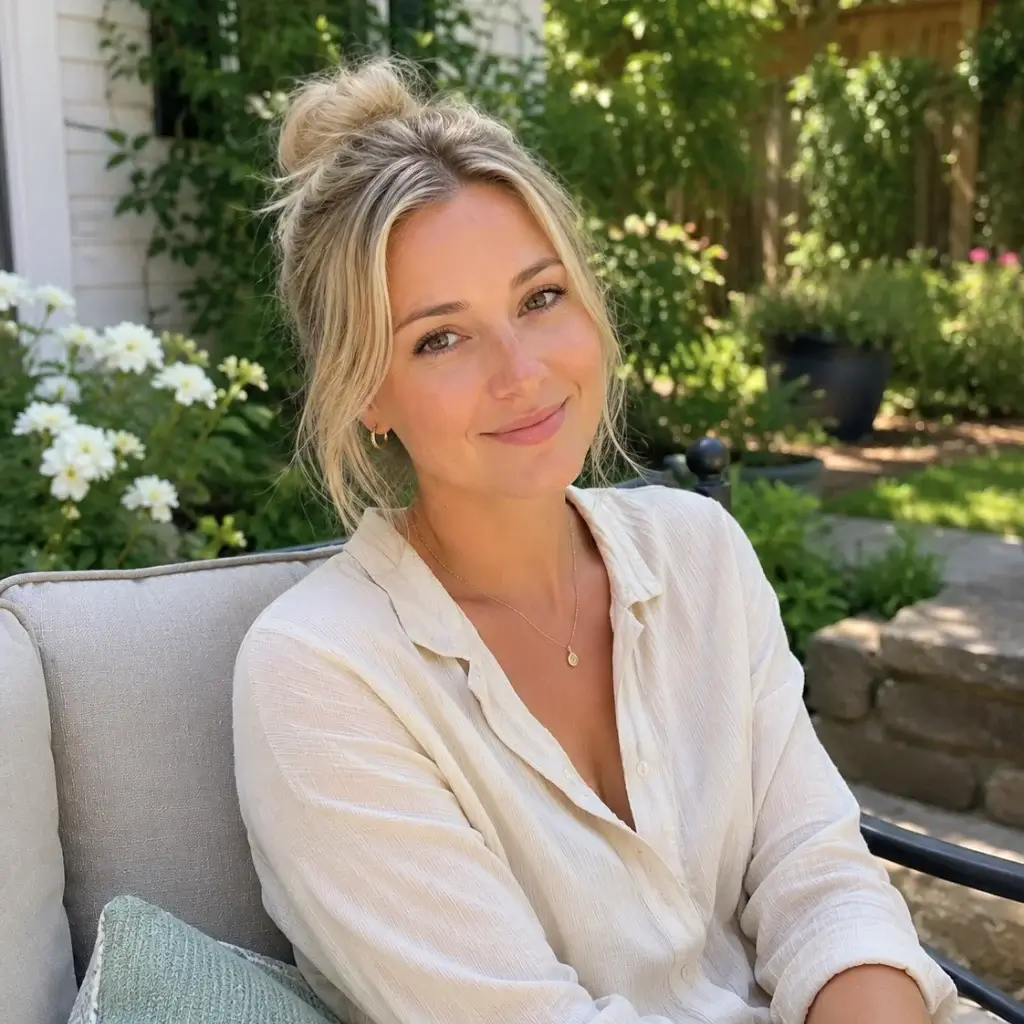

A blunt fringe and a wispy one share a name, yet they ask completely different things of you. One is a graphic statement that commits you for months; the other is a soft frame you can almost forget you have. Fringe bangs cover that whole range, which is exactly why so many people get them wrong on the first try.
This guide walks past the mood-board version of bangs and into the practical side: which fringe suits your face and hair type, how to style and grow one out, what the trims actually cost, and when to put down the scissors and call a stylist. I have cut, fixed, and grown out more fringes than I can count, and the honest version is more useful than the romantic one.
What to Know Before You Cut
Fringe bangs are a family, not one cut. Blunt reads bold and high-commitment, wispy stays soft and forgiving, and curtain bangs sit in between as the gentlest first step. The right pick depends more on your hair type and morning routine than on your face shape alone.
Whatever version you choose, plan for upkeep. Short bangs grow into your eyes within a couple of weeks, so budget a trim every two to four weeks (often free or under twenty dollars between cuts) and a few minutes of daily styling. Curly and textured hair should be cut dry to account for shrinkage.
The Versatile Charm of Fringe Bangs

Fringe bangs are simply the hair cut to fall across your forehead, and that one detail can reshape an entire face. What keeps the look in constant rotation is range. The same basic idea stretches from a dense, straight-across line to feathery pieces that barely register, so almost anyone can find a version that fits.
The real decision is matching the weight of the fringe to your hair type and your patience, not chasing a photo. Fine hair carries a soft, see-through cut beautifully, while thick, straight hair can hold a heavier line. Picture your actual mornings before you fall for the cut.
- Blunt fringe: a dense, straight line for maximum impact and the most upkeep.
- Wispy fringe: thinned, feathery pieces that melt into your length.
- Curtain fringe: longer, parted pieces that frame the cheekbones gently.
How Bangs Drive a Fashion Transformation
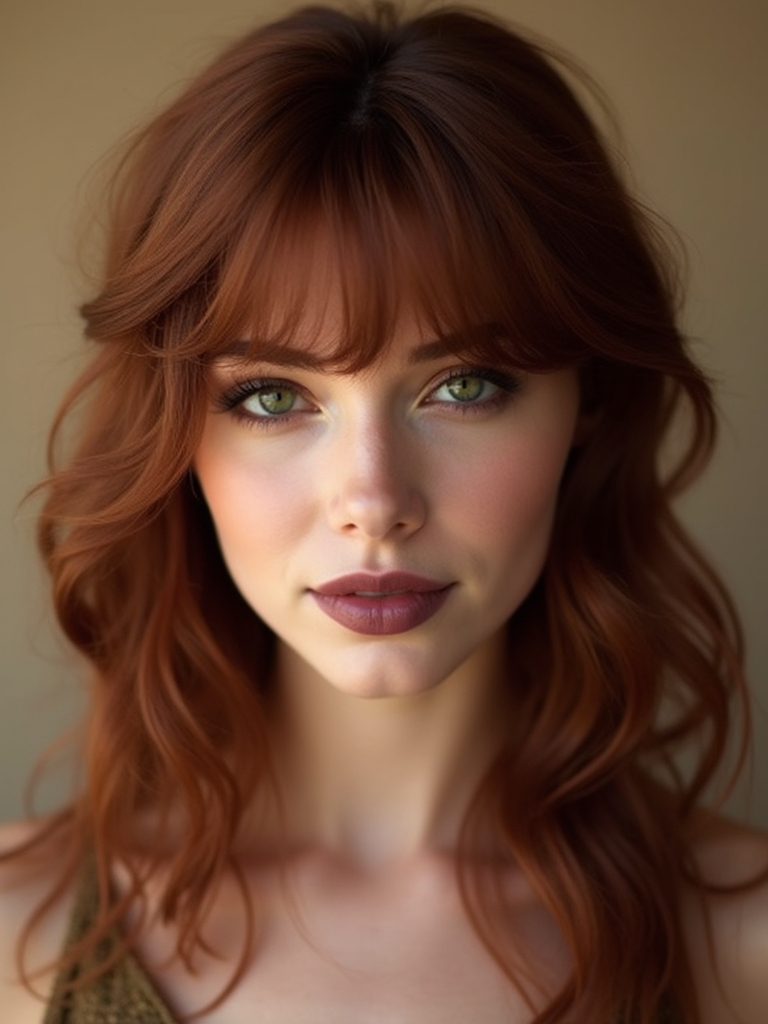
A fringe is the quickest face-framing change you can make without losing a single inch of length. Hair across the forehead shortens the visual face, pulls focus straight to the eyes, and softens a tall forehead or a heavy hairline. That is how trimming a few inches of hair can read as a full transformation in the mirror.
It quietly rewrites your makeup, too. Once bangs are framing your eyes, brows often need less and liner suddenly does more. I tell first-timers to expect their usual eye makeup to look heavier than they are used to for the first week.
- Centers attention on the eyes and the middle of the face.
- Shortens a long forehead or a long face shape.
- Changes your look without committing to cutting length.
Why Fringe Bangs Symbolize Rebellion and Nostalgia

A heavy, blunt fringe still reads as a small act of rebellion because it commits you in public. There is no tucking it behind your ears on an off day, and that lack of an escape hatch is exactly what makes it feel daring. The nostalgia comes from how tightly each version is tied to the decade it ruled.
Before you cut for the drama, get honest about the grow-out. A blunt fringe reaches your eyebrows in roughly three to four weeks and takes several months to blend back into your length. The bolder the cut, the longer the in-between phase you are signing up for.
- Blunt and heavy: the boldest statement and the highest commitment.
- Side-swept: the easiest to disguise and grow out.
- Curtain: the softest way to test the look before going further.
The Empowerment of Bold Bangs

There is a real lift that comes with a bold cut, and it is not all in your head. A fresh fringe changes the first thing people notice about you, and a change you chose on purpose tends to feel like quiet control over your own image.
Start Longer Than You Think
I have watched a tense consultation turn into a grin the second the fringe is dried and brushed into place. The hesitation almost always comes from fear of regret, so on a first fringe I cut conservatively and take more off only once you have lived with it for a minute.
Give any new fringe a solid two weeks before you judge it. The first few days feel strange to everyone, including the women who end up refusing to go back.
Bangs as a Self-Expression Tool

No two fringes have to look alike, because almost every detail is adjustable. Once you know the levers you can pull, you can describe exactly what you want instead of hoping a reference photo translates. These are the choices that turn a generic fringe into yours.
- Length: lash-grazing for drama, brow-length for the easiest wear.
- Density: full and opaque, or thinned out so your forehead shows through.
- Parting and texture: dead straight, slightly parted, or point-cut for softness.
How Fringe Bangs Express What You Feel

The version of a fringe you reach for often mirrors where your head is at. A crisp blunt line feels assertive and put-together, while a piecey, undone fringe feels relaxed and a little playful. None of this is rigid, but it is worth knowing that the same haircut can be styled to send very different signals depending on the day.
- Want sharp and confident? Style a blunt fringe smooth and flat.
- Want soft and easygoing? Let a wispy fringe separate and fall naturally.
- Want flirtatious? A lash-grazing length frames the eyes for a peek-a-boo effect.
Let Your Fringe Bangs Express Your Personality
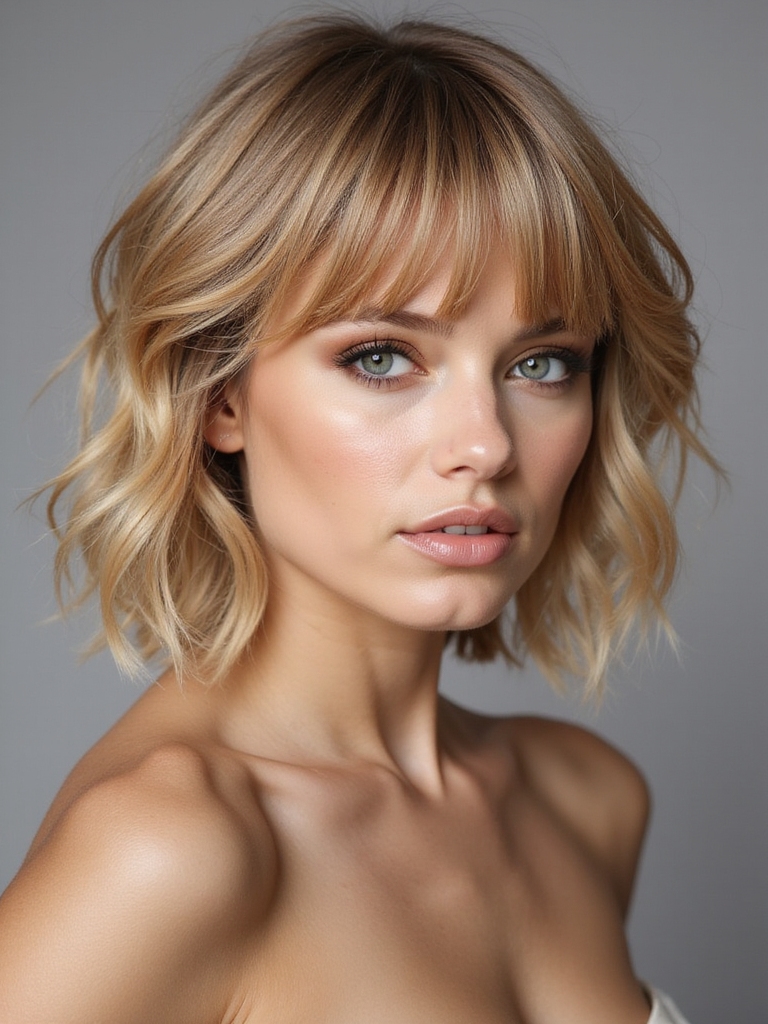
Beyond mood, the fringe you settle into long-term tends to track your actual personality and your tolerance for fuss. The woman who loves a sharp eyeliner and a planned outfit usually gravitates to a precise blunt fringe. The one who lives in a messy bun is happier with something soft she does not have to fight.
Match the Cut to Your Routine
This matters because the prettiest fringe in the world fails if it does not fit your real life. A high-maintenance cut on someone who hates styling becomes a daily resentment within a month.
So before you commit, picture the version of you that has to live with it on a rushed Tuesday, then decide.
Fringe Styles by Face Shape

There is no face shape that cannot wear a fringe, but the smart version is cut to flatter your proportions. The fix I make most often is lengthening or parting a fringe that was cut too short and too straight for a round face, which only made the face look rounder. Placement and density do most of the work here.
As a rough map: oval faces can wear nearly anything; round faces do best with a longer, slightly parted fringe that adds vertical length; square faces soften under wispy, feathered ends; and long faces balance out under a fuller, straighter line. If you are specifically working with a rounder shape, my bangs for a round face guide goes deeper on placement.
How Fringe Bangs Define Pop Culture

Some fringes are so tied to a character or an era that they practically named the cut. Pop culture is where most of us first decide we want bangs, usually after seeing them on someone whose whole vibe we quietly want to borrow. What matters is recognizing that the fringe worked partly because of that person’s hair type and partly because of how it was styled, not only the shape itself.
- The mod 1960s turned the blunt, eye-grazing fringe into a symbol of cool.
- Indie film and TV made the thick, straight-across fringe a quirky signature.
- Modern runways keep reviving the soft, parted curtain version season after season.
Fringe Bangs and the Pull of Nostalgia

Few haircuts trigger nostalgia like a fringe, because each style is stamped with the year it peaked. Flipping through old photos, you can practically date a picture by the bangs alone. That sentimental pull is part of why revival cuts feel so satisfying when they cycle back into fashion.
The catch is that a trend revival is still a trend. A very of-the-moment fringe can date your photos as fast as it dated someone else’s a decade ago, so it helps to separate the timeless core of a cut from its trend-driven extremes.
When a client asks for a throwback fringe, I steer toward the softer, adaptable version of it, since the toned-down cut survives the trend cycle far better than an exaggerated one.
👍Why a trendy revival fringe works
- +Feels current and instantly refreshes a familiar look
- +Lets you test a bold era-driven shape without changing length
- +Easy to soften into a more timeless version over time
👎Where it can backfire
- –A very of-the-moment cut can date quickly
- –The most exaggerated takes are the hardest to grow out
- –Trend-driven density may not suit your hair type
How Fringe Bangs Evoke Big Emotions

A fresh fringe can feel like an emotional reset button, which is why so many people cut bangs at turning points. There is a genuine jolt of newness in changing the face you see every morning. That feeling is real and worth enjoying, but it is also worth examining before the scissors come out.
The same impulse that makes a fringe thrilling after a breakup can make it a regret two weeks later. A good rule is to separate the urge for change from the specific choice of bangs, and to time the cut for when you can actually commit to its upkeep.
- Good time to cut: you have wanted bangs for a while and have time to style them.
- Risky time to cut: a sudden, high-emotion decision the night before a big event.
- Either way: book a stylist for the first cut, not your own bathroom mirror.
Hairstyles Reflecting Personal Memories

Hair carries memory in a way few accessories do, and milestone fringes are part of that. A graduation cut, a new-job trim, a post-breakup chop: each fringe gets tangled up with the moment you got it. That is part of why bangs feel meaningful to so many people.
Marking a Moment Without Regret
The one caution I always give is about cutting bangs in the middle of a hard moment. A fringe born from heartbreak can become a daily reminder of exactly what you hoped to move past.
If you are drawn to a milestone cut, a softer fringe or face-framing pieces give you the feeling of change with a gentler grow-out if your feelings shift.
A Contemporary Bang Style Exploration

If you have not looked at fringes in a few years, the menu has changed. The heavy, perfectly straight bang has given way to softer, more wearable shapes that suit day-to-day life. Here are the contemporary cuts I am asked for most this season.
- Curtain bangs: longer, center-parted pieces that sweep away from the face.
- Wispy or ‘birkin’ bangs: thin, gauzy, and barely there, popular on wispy bangs lovers.
- Choppy or micro bangs: short, blunt, and bold for anyone who wants a real statement.
Why Fringe Bangs Stay Timeless

Trends churn, but the fringe keeps coming back, because at its core it solves a real problem. It frames the eyes, balances the face, and freshens a look without a dramatic chop. Those are permanent wants, the kind that outlast any single season, so the cut keeps earning its place.
It is also remarkably adaptable. A fringe pairs with nearly every length and style, from a long romantic blowout to a sharp bob, which means you rarely have to choose between bangs and the rest of your hair.
That is reassuring if you are nervous about commitment. A soft, classic fringe looks ageless, so you are unlikely to look back at the photos and wince.
💡Stylist Tip
If you cannot decide whether bangs suit you, ask your stylist for long, face-framing pieces first. They give you most of the framing effect of a fringe with almost none of the grow-out commitment, and they make an easy stepping stone to real bangs later.
A Low-Maintenance Fringe Bangs Routine

Low-maintenance bangs are less about the cut and more about a fast, repeatable morning routine. Short hair at the front shows every cowlick and oil patch, so the goal is to set it quickly before it air-dries in the wrong direction. Five minutes is usually all it takes once you have the steps down.
- Start with the fringe, blow-drying it with a small round brush before you touch your lengths.
- Break a cowlick with heat by drying it in the opposite direction, then letting it fall.
- Refresh with dry shampoo, not more product, when midday oil flattens the front.
The Cultural Significance of Bangs
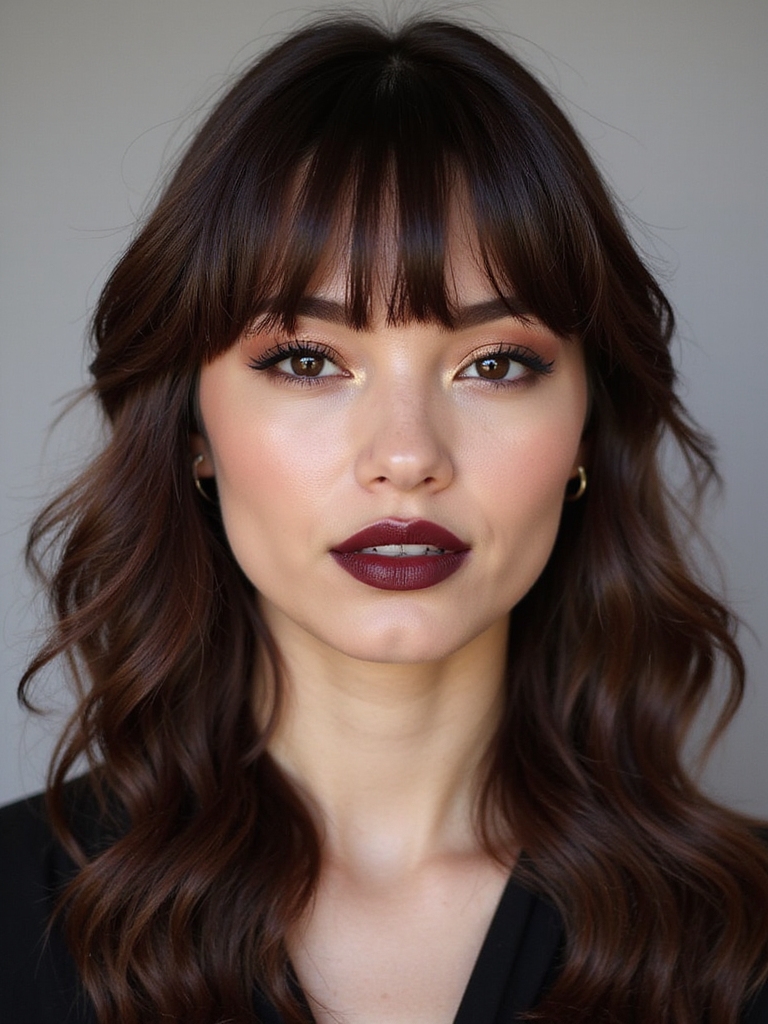
Bangs are not only a beauty choice; in many cultures they carry meaning, marking age, life stage, or belonging. A fringe can read as youthful in one context and traditional in another, which is part of what gives the cut such a deep, layered history. Worn thoughtfully, that heritage adds real richness to the look.
- Across East Asian beauty trends, soft fringes like Korean bangs read as fresh and youthful.
- In many historical portraits, a fringe signaled fashion, status, or a particular era.
- Today, the fringe is largely personal, a frame you choose rather than one assigned to you.
A few fringe terms worth knowing before your consultation:
📖Point-cutting
Cutting into the ends vertically rather than straight across, for soft, piecey ends instead of a hard line.
📖Curtain bangs
Longer bangs parted in the center that sweep away from the face like curtains, the easiest fringe to grow out.
📖Cowlick
A spot where hair grows in a swirl or against the grain, which can fight a fringe and needs heat to set.
How Celebrity Hairstyles Drive Fringe Trends
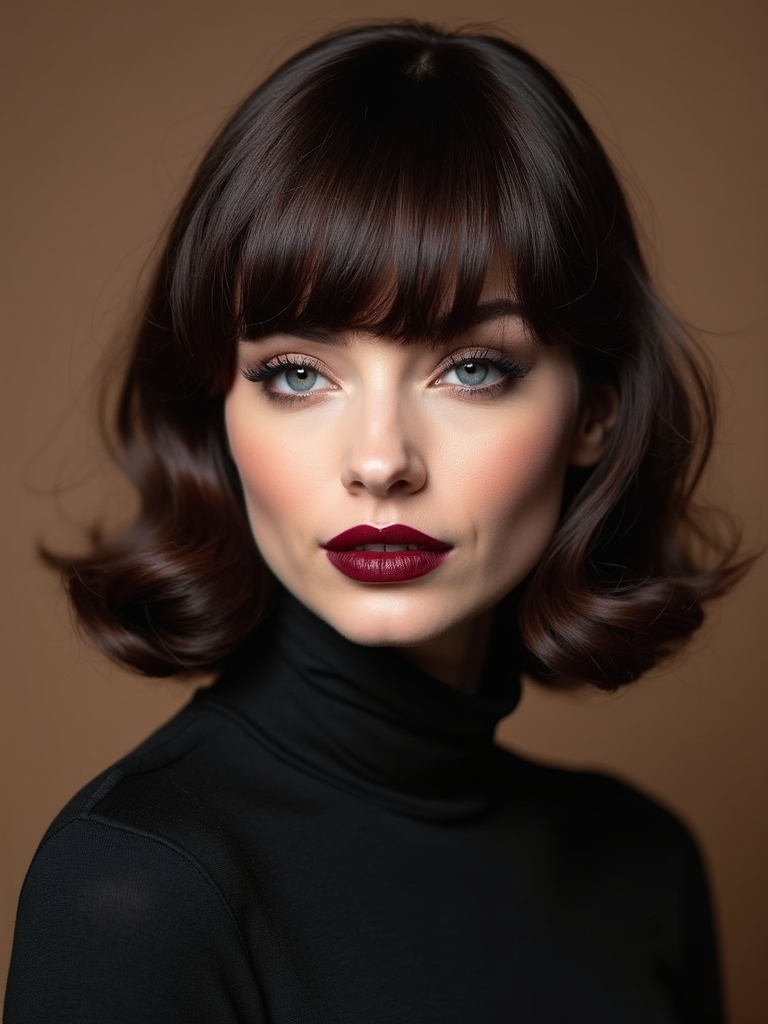
A handful of well-photographed fringes can flood salons with requests within a week. A single red-carpet moment or viral post sets the trend, and suddenly everyone wants that exact bang. The dynamic is powerful, and it is mostly harmless as long as you adapt the look to your own hair.
Borrow the Vibe, Not the Inch
The mistake is asking to copy one specific famous head of hair down to the inch. That fringe was cut for someone else’s texture, density, and face, and replicating it exactly rarely translates.
Bring photos of the feeling you want instead, soft, bold, piecey, full, and trust your stylist to shape a fringe that suits your hair. The vibe travels far better than the precise measurements do.
Fringe Bangs Through the Decades
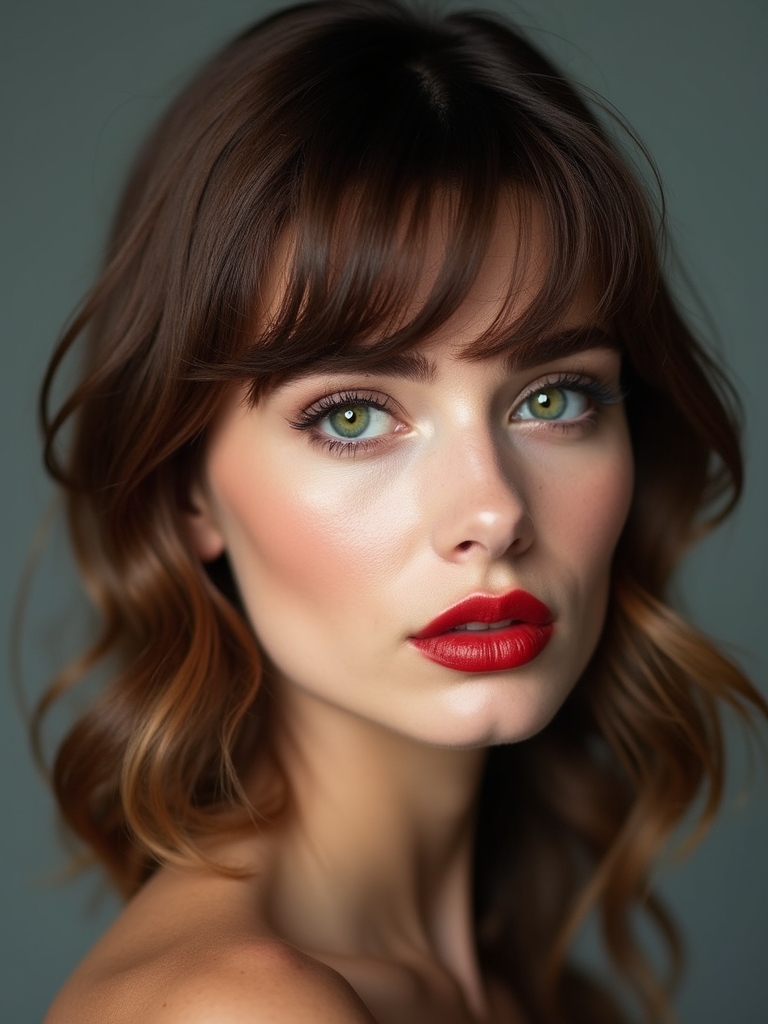
Looking at fringes by decade is the fastest way to understand the cut you actually want, because most modern bangs are revivals with a tweak. Each era pushed the fringe in a different direction, and naming the one you are drawn to helps your stylist hit the mark.
You do not have to recreate a decade wholesale. Pulling the soft part of a vintage fringe into a current, wearable cut is usually the most flattering route.
- 1960s: blunt, eye-grazing, and graphic.
- 1970s: longer, feathered, and parted away from the face.
- 1990s and 2000s: thick straight-across fringes and choppy, layered takes.
- Now: soft, piecey, and parted, built to look a little undone.
Fringe Bangs That Reflect Your Individuality

Two people can ask for the same fringe and walk out looking nothing alike, and that is the point. The small choices, density, asymmetry, how the ends are textured, are where a fringe stops being generic and starts being yours. This is the fun part of the consultation.
If you want something a little different, asymmetry is an easy lever. A fringe that is slightly longer on one side feels modern and intentional without being a wild departure.
Texture is the other one. Point-cutting the ends or adding a few shorter pieces gives a fringe movement and personality that a flat, blunt line cannot, especially as it grows.
The Instant Excitement of a Hair Transformation
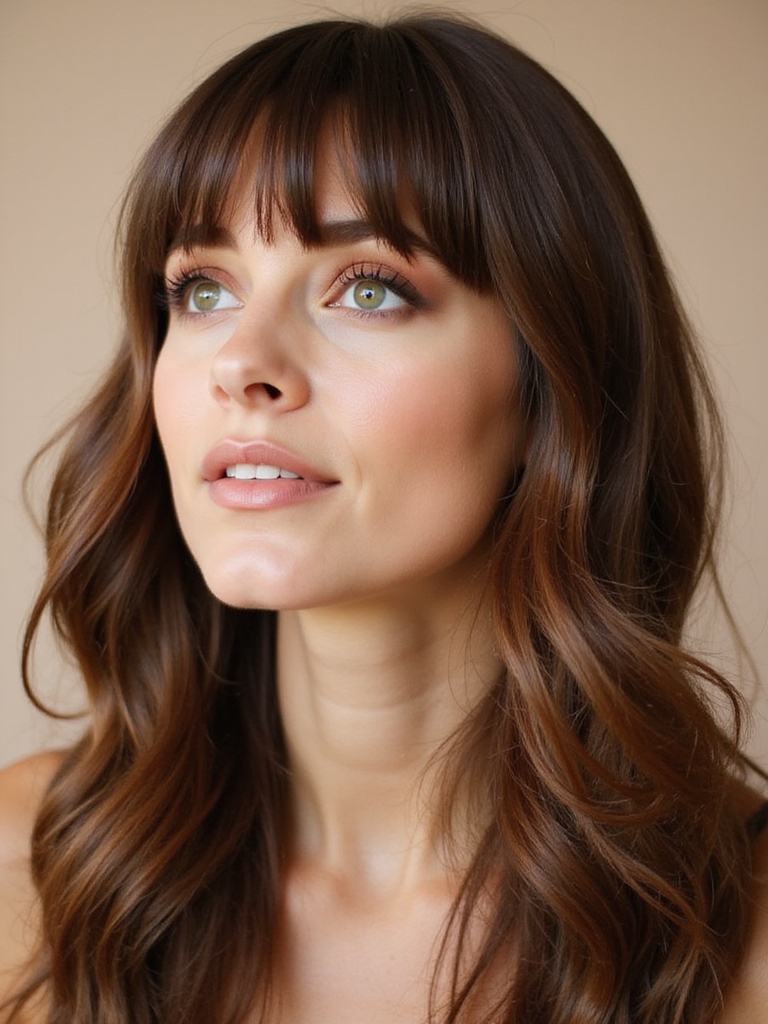
Few changes deliver an instant payoff like a fringe. Within twenty minutes you walk out looking and feeling different, which is a big part of the appeal. To keep that excitement from turning into next-day regret, run through a short checklist before you say cut.
- Look at recent inspiration photos of your own hair type, since a fringe falls differently on every texture.
- Talk through upkeep honestly so the trims and styling are no surprise.
- Start longer on the first cut, since you can always take more off next time.
🅰️Blunt Fringe
Bold and graphic, best on straight, thicker hair, and the highest commitment to style and trim.
🅱️Wispy Fringe
Soft and see-through, forgiving on most hair types, and far easier to grow out gracefully.
Trimming Fringe Bangs at Home (DIY)

After years of fixing home-trim disasters, I will still say plenty of people maintain a fringe at home successfully. The ones who do it well share a few habits: they cut dry, they use real shears, and they take almost comically small amounts at a time.
The Cut-Dry Rule
Always work on dry, styled hair, because wet hair shrinks up shorter as it dries and curly hair shrinks dramatically. Point the scissors upward into the fringe rather than cutting straight across, which keeps the ends soft and forgiving.
The single best rule is to cut less than you think you need. You can always trim again in five minutes, but you cannot add length back once it is on the floor.
How Fringe Bangs Transform Your Look Instantly

Beyond the general refresh, a fringe is a precision tool for steering attention to specific features. Where the bangs land and how they are shaped decides what the eye notices first, which is why the same person can look softer or sharper depending on the cut.
A lash-grazing fringe makes the eyes the headline and is the most flirtatious option. A longer, parted fringe instead highlights the cheekbones and elongates the face, which flatters rounder shapes.
Knowing this lets you cut with intent. Name the feature you most want to highlight, and the fringe becomes a deliberate, intentional frame.
Seasonal Fringe Bangs Styles

A fringe behaves differently as the weather turns, and adjusting your routine keeps it looking right year-round. Summer humidity and sweat are the toughest test, since both pull a crisp fringe into frizz and flatness by midday. Winter brings the opposite problem with static and dry air.
Humidity Versus Static
In warmer months, lean on a light anti-frizz cream and dry shampoo, and accept that a piecey, undone fringe survives humidity better than a sleek one. Carry a small comb for quick resets.
In colder months, a touch of oil on the ends fights static, and a fringe pairs beautifully with knits and layers. This is also the easiest season to start a new fringe, since there is less sweat to battle.
Fringe Styling Tips Year-Round

A few tools and habits keep a fringe looking salon-fresh between trims no matter the season. The core kit is small: a mini round brush, a blow-dryer, and dry shampoo handle the vast majority of fringe problems before they start.
Build a Five-Minute Kit
A small flat iron or curling tool helps tame stubborn cowlicks and add a soft bend when the round brush is not enough. A fine-tooth comb and a light texture spray cover quick midday refreshes.
The throughline is working with the way your hair naturally falls. Set the fringe early, keep the products light, and treat the bangs as their own tiny project each morning.
Maintenance & Care
Here is the honest maintenance picture, because it is the part that decides whether you love or resent your bangs. The first cut is often quick and inexpensive, frequently added to a regular haircut or offered as a standalone fringe trim in the range of a few dollars to around twenty. After that, plan to trim the fringe every two to four weeks as it grows into your eyes, and ask your salon about free bang trims between full cuts, since many offer them.
Daily care matters as much as the trims. Budget a few minutes each morning to dry and shape the fringe, keep dry shampoo close for the oil that collects from forehead contact, and go light on heavy products that drag short hair down.
On curly and textured hair, work with a stylist who cuts curls dry so the fringe accounts for shrinkage and is never cut too short. Go in clear-eyed about all of this, and a fringe will reward you with a fresh frame every single day.
Fringe Bangs, Answered
?How often do fringe bangs need trimming?
Plan on a trim every two to four weeks, since short bangs grow into your eyes fast. Many salons offer free or low-cost fringe trims between your regular haircuts, often in the range of a few dollars to around twenty, so ask when you book the first cut.
?Which fringe is easiest to grow out?
Curtain bangs and wispy, see-through fringes are the kindest to grow out because they blend into face-framing layers as they get longer. A heavy blunt fringe has the most awkward in-between stage, often lasting a few months.
?Do fringe bangs work on curly hair?
Yes, with the right approach. Work with a stylist who cuts curly hair dry so the fringe accounts for shrinkage, since coils spring up much shorter once they dry. Cut conservatively and lean into a soft, textured shape, avoiding a sharp straight line.
Find the Fringe That Fits Your Life
A fringe is one of the fastest, most satisfying changes you can make to your hair, as long as you choose the version that actually fits your daily life. Match the weight to your hair type, the upkeep to your routine, and the shape to the feature you want to frame, and the cut tends to deliver exactly what you hoped for.
If a fringe has been on your mind, find a stylist you trust, bring reference photos of the feeling you want, and start a little longer than you think you need. You can always go shorter at the next trim. Worn with a few minutes of care each morning, the right fringe is the kind of small change that makes the whole face feel new.
Don’t Miss These