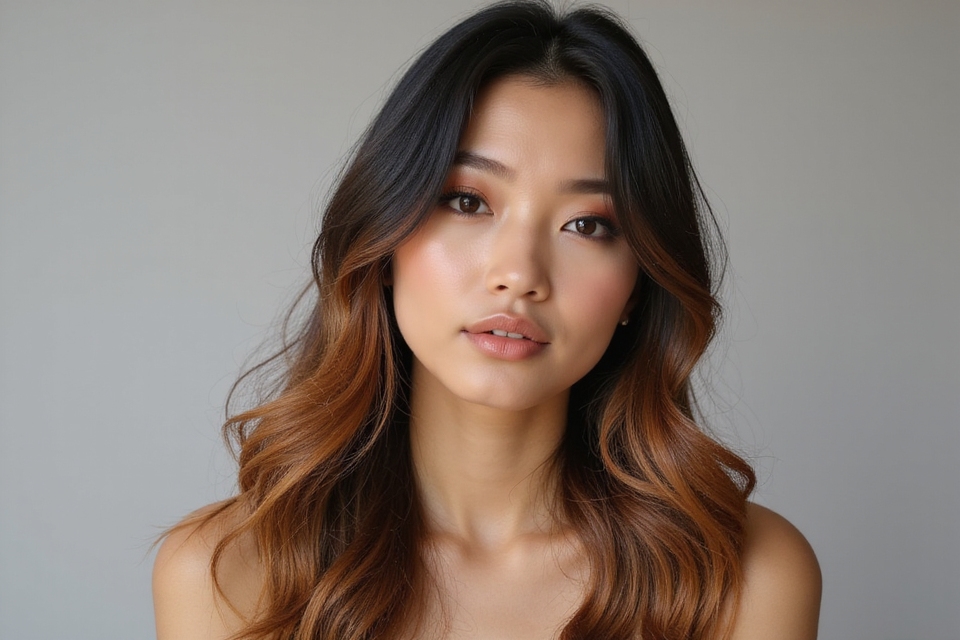

The biggest myth about ginger hair is that it is one color. In reality it is a whole warm family that runs from bright penny copper to soft, muted clay, and the shade that makes one person glow can wash another one out. Getting it right is less about picking the prettiest photo and more about matching the warmth to your skin.
Below, the ginger spectrum gets broken down shade by shade: who each one flatters, how to make the leap from brunette, and the honest truth about upkeep, since red pigment fades faster than any other color. Whether you are natural, faking it, or somewhere in between, there is a ginger here with your name on it.
Ginger Hair Color, the Short Version
- Ginger is a spectrum from bright copper to muted clay, not one shade, so match the warmth to your skin tone and undertone.
- Warm and golden undertones suit brighter coppers; cooler or muted skin often looks better in soft, clay-leaning gingers.
- Copper flatters far more skin tones than people expect, deep skin included, when the depth and saturation are chosen well.
- Red pigment fades fastest of any color, so plan for a gloss every 4 to 6 weeks and a cool, sulfate-free wash routine.
- Going ginger from dark brown usually needs lifting first and is often a job for a colorist, not a box.
The Endless Shades of Ginger

Ginger is a family, not a single color, and knowing the range is the first step to choosing well. At the bright end sits penny-copper, all shine and orange warmth. In the middle live true gingers and strawberry blondes. At the soft end you find clay and terracotta, muted and almost dusty.
Copper, True Ginger, and Clay
Where you land depends on how much brightness you want and how much your skin can carry. The brighter the copper, the more it demands warm skin to balance it, while muted clays are quieter and flatter a wider range.
Think of this whole guide as a map of that spectrum, so you can point to the exact spot that suits you rather than asking simply for red.
The Appeal of Copper Hair Shades

Copper is the show-off of the ginger family, a bright, luminous orange-red that catches every bit of light. It is the shade that comes to mind first when someone says they want to go ginger, and copper requests have surged in salons lately for good reason.
Who Copper Suits
It flatters warm and golden undertones best, glowing against them, and it looks rich on deep skin in its more saturated forms. Very cool, pink-toned skin can find pure copper a little strong, in which case a softer version works better.
The trade-off is upkeep. Bright copper is the fastest to fade, so it rewards people who enjoy a gloss top-up every few weeks. My red hair color notes go deeper on keeping it bright.
The Warmth of Clay Tones

If copper feels like a lot, clay is its grown-up cousin. This muted, earthy ginger has brown woven through the red, which tones down the brightness and gives it a soft, sophisticated quality. It is the ginger for people who want warmth without a neon moment.
Because it is dialed back, clay flatters a much wider range of skin tones, including cooler and more neutral complexions that brighter coppers can overwhelm. It reads expensive and natural rather than bold.
It is also kinder to maintain, since the brown base means fade is less dramatic and grow-out is gentler. For a first step into ginger, clay is the low-risk choice.
The ginger family, defined:
📖Copper
The brightest ginger, a luminous orange-red with maximum shine and the highest upkeep.
📖Clay
A muted, brown-kissed ginger that reads soft and earthy and fades more gently.
📖Auburn
A deep red-brown at the darker end of the family, flattering on medium to deep skin.
📖Strawberry blonde
The lightest ginger, blonde with a pink-red wash, best on fair, cool-to-neutral skin.
Enchanting Ginger Hair Variations

Beyond the copper-to-clay core, a few ginger variations are worth knowing, because a small shift in tone changes who a shade flatters. These are the ones I get asked about most, and each leans the base color a different direction.
- Strawberry blonde: the lightest ginger, blonde with a pink-red wash, best on fair, cool-to-neutral skin, and a natural neighbor to the shades in my blonde color ideas.
- Auburn: a deep red-brown that flatters medium to deep skin and grows out softly.
- Rose-gold ginger: copper with a pink tint, a modern, softer take that suits cooler undertones.
Choosing the Perfect Ginger Shade
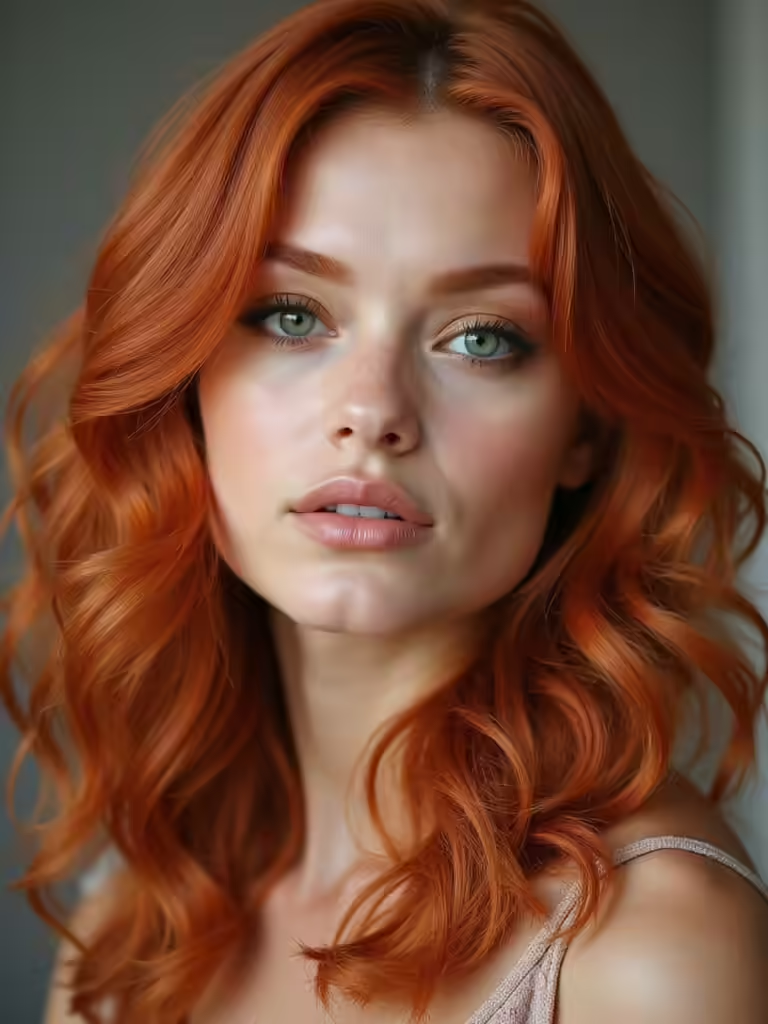
Picking the right ginger comes down to two questions: your undertone and how bold you want to be. Get the undertone right and almost any brightness level works; ignore it and even a beautiful shade falls flat. Here is the quick way to narrow it down before you commit.
- Check your undertone: warm and golden skin loves bright copper; cool and neutral skin suits clay and auburn.
- Consider your eyes: green, hazel, and warm brown eyes especially pop against ginger.
- Start softer: you can always go brighter next time, so ease in with a muted version first.
Bright, Bold Ginger Hair Colors

For anyone who wants ginger to make an entrance, the bright, saturated end of the spectrum is where the drama lives. Think glowing pumpkin, bright penny, and marmalade, the shades that look almost lit from within in sunlight. These are the gingers people stop you to ask about.
Bold copper suits warm and golden skin best, and in its richer, deeper versions it is knockout on deep skin. The one thing to be honest with yourself about is commitment, because the brighter the shade, the harder it works to stay that way.
When the look appeals more than the maintenance, a colorist can place brightness where it shows most and keep the roots easier to live with.
🅰️Bright Copper
High impact and glowing on warm skin, but the fastest to fade and the most upkeep.
🅱️Muted Clay
Soft, workplace-friendly, and flattering on more skin tones, with a gentler grow-out and easier maintenance.
Elegant, Earthy Ginger Shades

Not every ginger shouts, and the earthy end of the family proves it. These refined, brown-kissed shades, cinnamon, chestnut-copper, and warm terracotta, read polished and quietly expensive. They are the gingers that pass as almost natural while still adding real warmth.
Ginger for the Office
Because they hold plenty of depth, earthy gingers flatter a broad range of skin tones and are especially kind to people who want interest without maintenance drama. They photograph rich and hold their tone longer than bright copper.
This is the direction I steer clients toward when they love ginger but work somewhere buttoned-up, since it delivers the warmth in a workplace-safe package.
Seasonal Earthy Ginger Tones

Ginger is the ultimate autumn color, but it works all year if you let it shift with the seasons. In fall and winter, richer, deeper coppers and chestnut-gingers feel cozy and pair with the warm tones everyone reaches for. In spring and summer, lighter strawberry and bright copper catch the sun.
You do not need a full recolor to move with the calendar. A warm gloss can deepen your ginger for cooler months or brighten it for summer, which is an easy, low-commitment way to keep the shade feeling current and fresh.
How Lighting Transforms Ginger Hair

One thing no one warns you about ginger is how dramatically it changes with the light, more than almost any other color. The same shade can look bright orange in sunlight, deep auburn in a dim restaurant, and glowing red under warm bulbs. That shape-shifting is part of the magic.
It also means you should judge a swatch in a few different lights before you commit. A color that looks perfect under salon lighting can surprise you in daylight.
When you bring reference photos to a colorist, note what light they were taken in, because a sun-drenched copper and an indoor one can be the same dye reading two different ways.
How to Maintain Rich Ginger Hair

Here is the honest heart of the matter: red and copper pigment molecules are the largest and the fastest to wash out, so ginger fades quicker than any other color. Without a plan, a bright copper can look dull within a few weeks. The good news is that a simple routine slows it way down.
Shampoo less often, and when you do, keep the water cool; heat swells the cuticle and coaxes that warm pigment straight down the drain. A sulfate-free, color-safe shampoo is non-negotiable, and a copper-tinted conditioner re-deposits pigment between salon visits.
Book a gloss roughly every month to six weeks to top up the tone, and shield your color from sun and chlorine, both of which strip ginger fast.
Warm Tones That Enhance Ginger Hair

A single flat ginger is fine, but weaving in a few complementary warm tones is what makes the color look dimensional and expensive. A skilled colorist blends shades so your ginger has depth from root to tip instead of reading like a solid block. These are the tones that lift it.
- Golden highlights through a copper base catch the light and mimic natural sun-lightening.
- Deeper auburn lowlights add richness and stop bright ginger from looking one-note.
- A touch of rose or peach at the ends softens the whole thing and flatters the skin.
Ginger Hair and Outfit Pairings

Ginger is a statement, so the colors you wear near your face either play with it or fight it. The good news is that warm, earthy, and jewel tones love ginger, while a few shades are worth steering around. This is about which colors flatter the hair, not a specific wardrobe rule, so use it as a starting point.
- Lean into olive, forest green, mustard, rust, cream, and denim, which all warm up ginger.
- Jewel tones like emerald and teal make copper pop through contrast.
- Go carefully with bright orange or hot pink right at the neckline, which can clash with the warmth.
Brunette to Ginger Transformation Tips

Going ginger from brunette is the most common route, and it is also where people run into trouble, because dark hair has to be lightened before a true copper will show. Slapping ginger dye straight over dark brown usually reads muddy or barely-there. If you are weighing warmer options generally, my color ideas for brunettes guide is a useful companion, but understanding the process here saves a lot of disappointment.
How far you can go in one sitting depends on how dark you start, and deep brunettes often need more than one session to reach a bright copper safely. A muted auburn or clay is the easier, gentler leap if you would rather not lift much.
- Expect lifting first if you want anything brighter than a deep auburn.
- Go gradual for a big change, since one session of heavy lifting stresses the hair.
- Start with auburn or clay if you want a lower-commitment first step from brown.
Ginger Hair Highlights and Lowlights
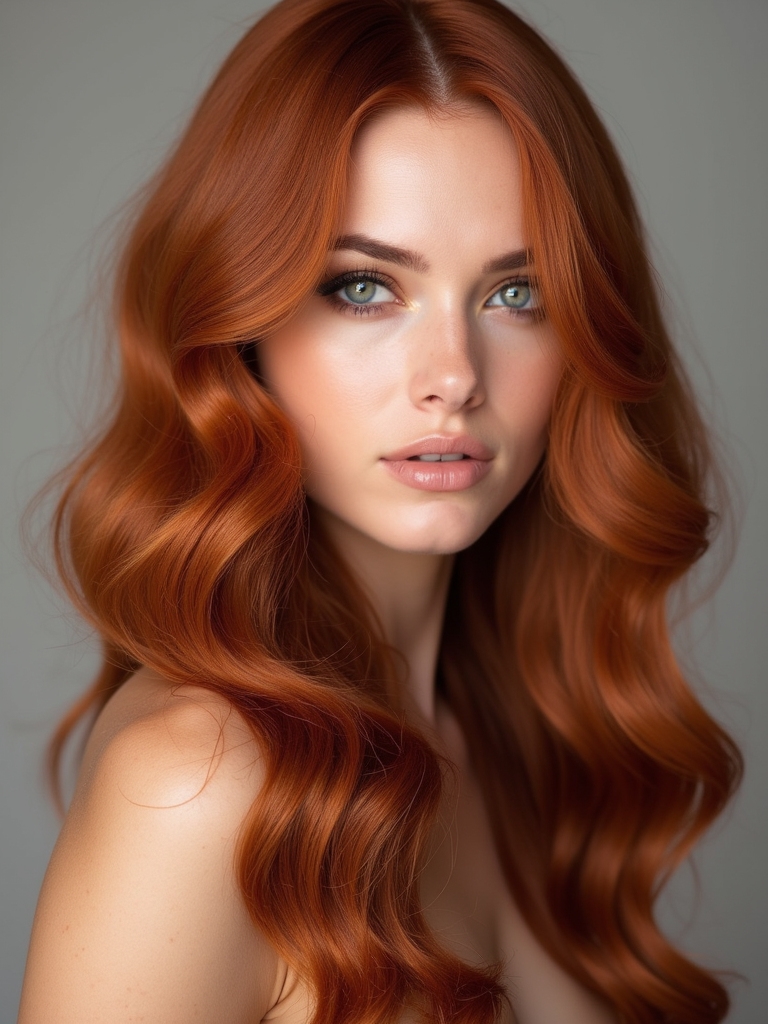
You do not have to go all-over ginger to enjoy it. Highlights and lowlights let you add copper dimension while keeping some of your natural color, which is easier to maintain and gentler on the hair. It is also the most natural-looking way to wear ginger.
A Low-Commitment Way In
Copper highlights through a brown base warm up the whole head and catch the light around the face, a little like a warm-toned peekaboo color but blended throughout. Auburn lowlights, on the other hand, add depth to a color that has gone flat or too uniform.
This half-measure is perfect for the ginger-curious, since it grows out softly and lets you test the warmth before committing to a full head of copper.
Finding Your Perfect Ginger
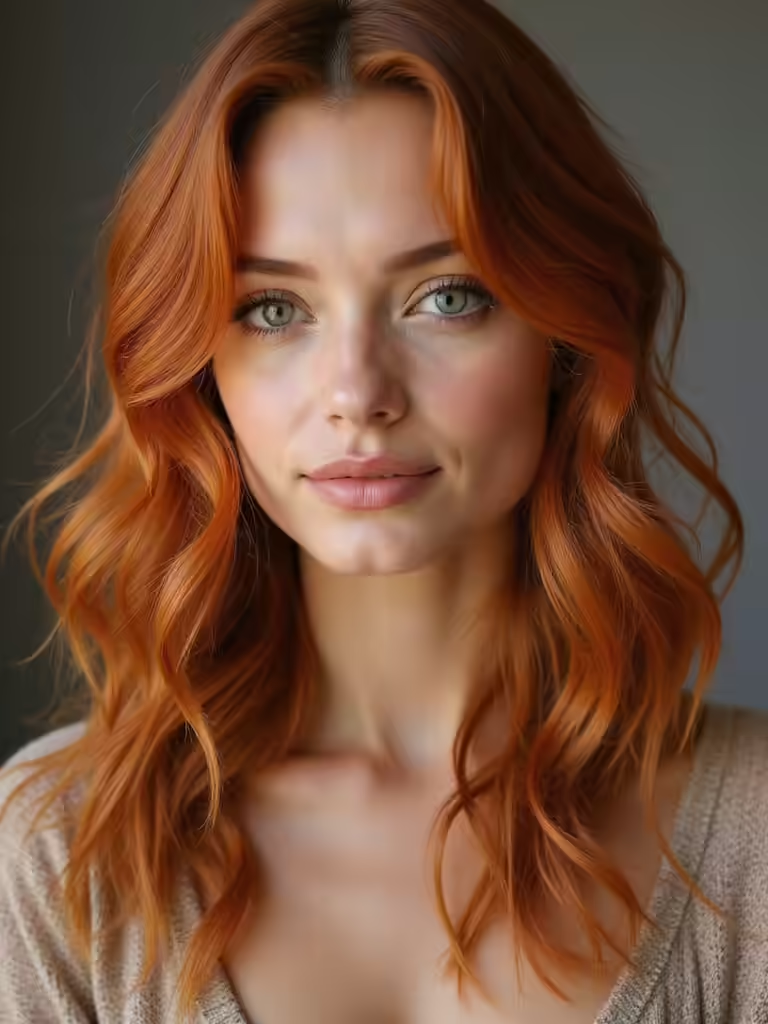
With so many gingers to choose from, the way to zero in on yours is to gather references and be specific about what you like in each. Save several photos, then notice the pattern: are you drawn to bright and coppery, soft and clay-like, or deep and auburn? That through-line is your shade.
Bring those photos to a colorist and talk honestly about your natural level, your skin, and how much upkeep you will realistically do. A good colorist reads all three and translates your inspiration into a ginger that actually suits you, instead of copying a photo that was someone else’s coloring entirely.
The mistake I see most is people picking a ginger from a photo without checking whose skin it was on. The same copper can glow on one person and turn another sallow. Match the undertone first, then the brightness.
Mixing Copper and Clay

Some of the prettiest gingers are not one shade at all but a blend of copper and clay, mixing bright and muted tones for a soft, dimensional finish. This is where a colorist really earns their fee, painting warmth where it flatters and depth where it grounds the look. The result reads far more natural than a single flat color.
- Copper up top, clay beneath gives brightness at the surface and softness underneath.
- Clay roots into copper ends mimics the way natural red lightens toward the tips.
- Face-framing copper with a muted base keeps upkeep low while brightening your face.
Celebrity Ginger Hair Inspiration

Ginger has had a serious celebrity moment, which is part of why salons are busier than ever with copper requests. From bright, bold coppers on the red carpet to soft strawberry blondes and deep auburns, famous redheads, natural and dyed, show just how wide the spectrum runs.
What is useful about celebrity references is seeing the same shade on different coloring. A copper that glows on one person looks completely different on another, which drives home how much your own skin shapes the result.
Rather than asking for a specific star’s exact color, notice which of them shares your undertone and starting level, and bring that photo as a realistic reference. If you are drawn to the bolder end, my exotic hair color guide covers pushing warmth further.
DIY vs Professional Hair Coloring

Box ginger dye is cheap and can work beautifully in the right situation, but it has real limits. It shines when you are going darker or richer, staying close to your natural level, or just refreshing an existing copper. On virgin light or already-red hair, a good box gloss can be very satisfying and costs under twenty dollars.
It struggles, though, exactly where ginger is trickiest: lifting dark brunette, correcting a fade gone brassy, or achieving a bright, dimensional copper. Those jobs need a colorist and often more than one session. When in doubt, a professional is cheaper than fixing a home color gone wrong.
Two ginger myths worth busting:
❌ Myth: Ginger only suits pale, freckled skin.
✅ Reality: Not true. Copper and auburn are beautiful on medium and deep skin when the depth and saturation are chosen for that tone. Ginger is about undertone, not how fair you are.
❌ Myth: You can go from dark brown to bright copper in one box.
✅ Reality: Almost never. Dark hair has to be lightened before true copper shows, so a single box over brunette reads muddy. Bright ginger from dark hair is a lifting job, usually for a colorist.
Ginger Hair Coloring Tips

Whether you box it or book it, a few habits give you a better ginger and a longer-lasting one. Most color regret comes from skipping these small steps, so they are worth building into the plan before any dye touches your hair.
- Do a strand test first, since ginger reacts differently on every base and can surprise you.
- Start conservative on brightness; you can always intensify at the next appointment.
- Prep the hair with a bond-building treatment if any lightening is involved, to protect the strands.
How to Preserve a Rich Ginger Hue

Preserving ginger is a long game, and the people whose color still looks fresh months in are the ones with a consistent routine. Beyond the cool rinses and stretched-out wash days, the single most useful tool is a color-depositing conditioner in a warm copper shade, used weekly to keep re-adding the pigment that daily life washes away.
Round it out by shielding your hair from the two big fade culprits, sun and chlorine, with a hat or a UV-protectant spray and a rinse before you swim. Keep the ends hydrated with a weekly mask, since dry, faded ends are where tired ginger shows first. Stay on top of these, and your copper holds its glow far longer between salon visits.
Ginger Hair Color, Answered
?Does ginger hair suit deep skin tones?
Yes. Rich copper and deep auburn are beautiful on deep skin when the shade is saturated and the depth is chosen for your tone. Ginger flatters far more skin tones than the pale-and-freckled stereotype suggests; the key is undertone, not fairness.
?Why does my ginger fade so fast?
Red and copper pigment molecules are the largest and wash out fastest of any color. Hot water, frequent washing, sulfates, sun, and chlorine all speed it up. Rinse cool, stretch out your wash days, reach for a color-safe, sulfate-free shampoo, and top up with a copper gloss or tinted conditioner.
?Can I go ginger from dark brown at home?
Usually not for a bright copper. Dark hair needs lifting first, and box dye over brunette tends to read muddy or barely show. A muted auburn or clay is a more realistic home result; bright copper from dark hair is best left to a colorist.
?How much does professional ginger color cost?
It varies widely by your starting color and your area. A gloss or single-process refresh might run under $100, while lifting dark hair to a bright, dimensional copper with highlights can land between $150 and $350 or more, sometimes across multiple sessions.
?How often do I need to maintain ginger hair?
Plan on a gloss every four to six weeks to keep the tone from fading dull, plus a color-depositing conditioner weekly at home. Root touch-ups depend on how far your ginger is from your natural color; a close match can stretch much longer than a dramatic one.
Your Ginger Is Out There
The one thing to take away is that ginger is not a single color you either can or cannot pull off; it is a wide, warm spectrum with a shade for almost everyone. The trick is matching the brightness and depth to your own undertone rather than to a photo of someone else entirely.
Find your spot on the copper-to-clay map, be honest about the upkeep, and lean on a colorist for the big lifts. Do that, and ginger rewards you with the kind of warm, light-catching color that makes people ask if you were born with it.
More Worth Saving