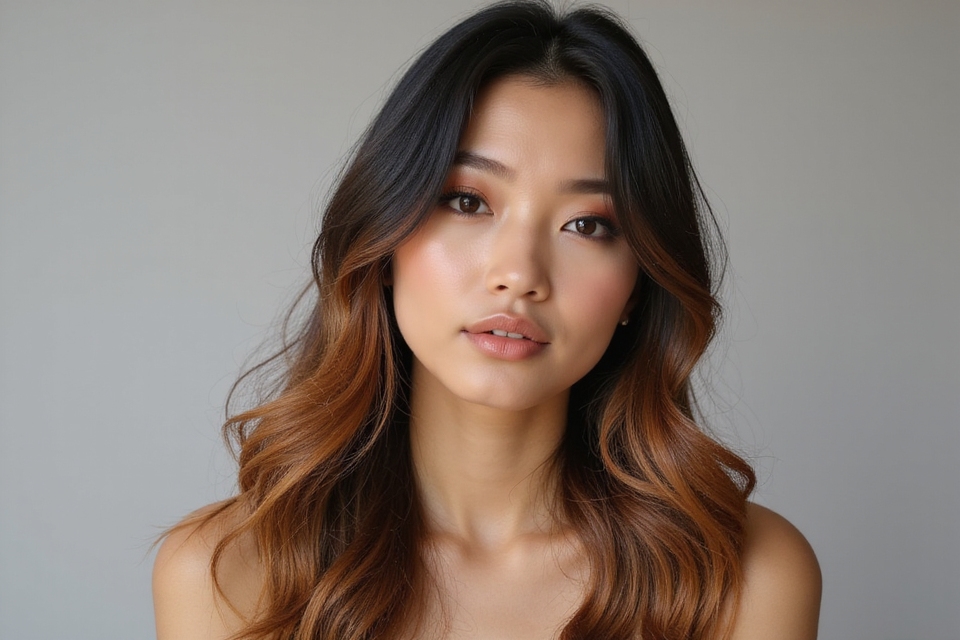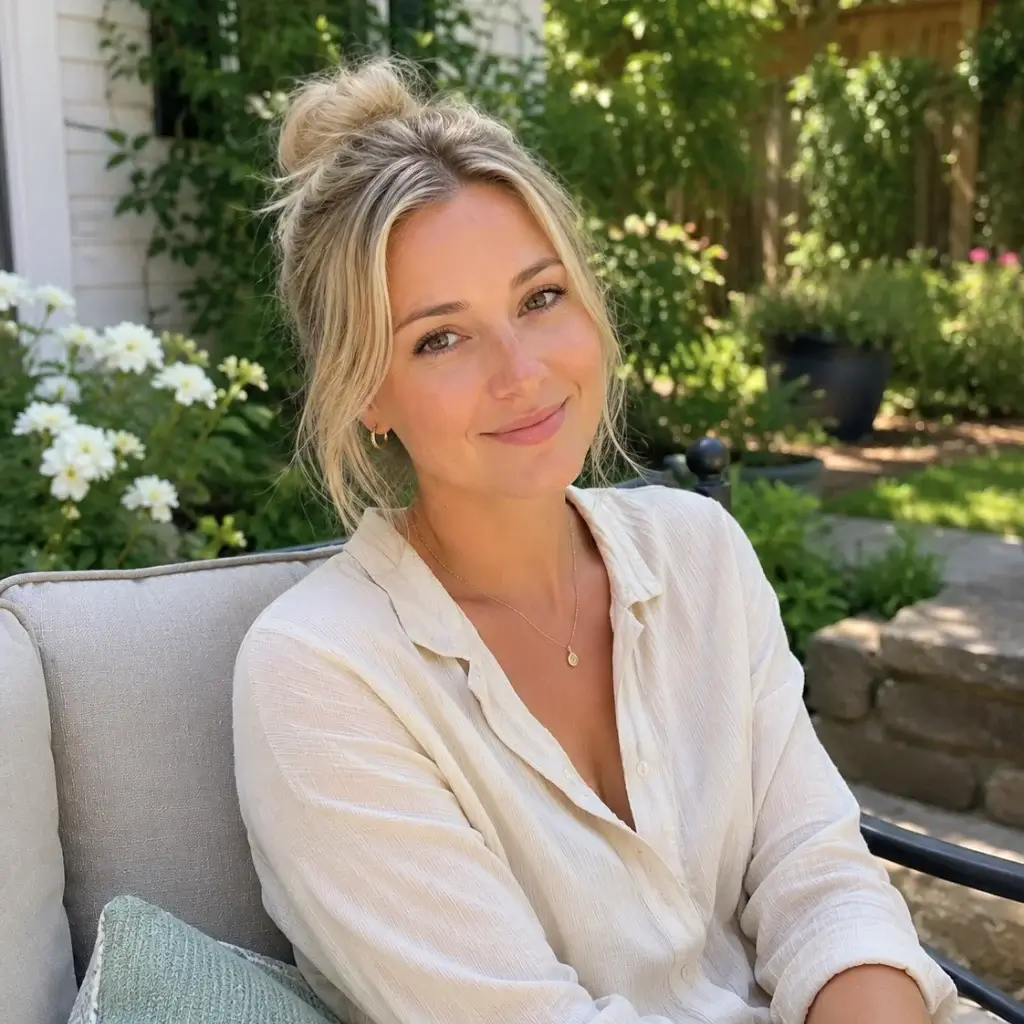

Ever spend twenty minutes styling thin hair only to watch it fall flat by lunchtime? You are not alone, and the fix is rarely more product. Making thin hair look full is a set of tricks, how you cut it, how you dry it, where you part it, even how you color it, and once you know them, less truly starts to look like more. The goal isn’t to fake a different head of hair; it’s to make the most of the hair you have.
So here are 20 hairstyles and styling techniques built to add the illusion of volume to thin hair, from a root-lifting blow-dry to a clever teasing method to color that fakes depth. Mix a few of these into your routine and thin hair looks fuller, healthier, and far easier to live with.
Quick Answers
What actually makes thin hair look fuller? Volume at the roots and the illusion of density: root-lifting when you dry, a blunt or layered cut that adds body, and dimensional color. Styling tricks do far more than any single product.
Should thin hair be long or short? Shorter to mid-lengths usually look fuller, since less weight lets the roots lift. A lob, bob, or pixie holds volume better than long hair, which can hang flat and stringy.
What’s the fastest volume trick? Blow-dry your roots with your head flipped over, or switch your part to the opposite side. Both take seconds and instantly lift the hair off your scalp.
Volumizing Layered Cuts

The single biggest volume trick is the cut itself, and the right layers transform thin hair before you touch a styling tool. A few soft, strategic layers add movement and lift, making hair look fuller, though the key word is ‘few’, because over-layering thins the ends out and undoes the effect.
Ask for gentle, long layers that build body without stripping density, and thin hair gains a shape it can’t grow on its own. See fine-hair cuts for the shapes that fake the most fullness.
- A few soft layers add movement and the look of fullness.
- Avoid heavy over-layering, which thins the ends.
- The cut does more for volume than any product.
Teasing for Volume

Teasing, gently backcombing the hair underneath, is the oldest volume trick in the book because it works, creating instant lift at the crown where thin hair falls flattest. The secret is a light hand: a few gentle strokes at the roots of the top layers, then smooth the surface over to hide the tease.
Done gently, it gives you real height that lasts all day. Done roughly, it tangles and stresses thin hair, so keep it soft and take it down carefully with a wide-tooth comb.
- Backcomb the under-layers gently at the crown.
- Smooth the top surface over to hide the tease.
- Take it down carefully with a wide-tooth comb.
The Side Part Trick

One of the fastest volume tricks costs nothing and takes two seconds: switch your part. A deep side part, especially against the direction your hair naturally falls, forces the roots up and away from your scalp, creating instant lift at the crown.
The trick works because your hair fights to fall back to its usual place, and that resistance is what holds the volume. Even switching from a center part to a side part makes thin hair look noticeably fuller with zero effort.
The Chic Top Knot

A top knot might seem counterintuitive for thin hair, but done right it’s a volume illusion in itself, since the loose, piled-up shape looks full even when the hair is fine. The trick is keeping it loose and slightly undone instead of scraped tight.
- Gather the hair high and loosely into a knot.
- Gently pull the knot wider to make it look fuller.
- Leave a few soft pieces out to frame the face.
- Tease lightly at the crown first for extra height.
Ponytail Volume Tricks

A ponytail is a thin-hair staple, and a couple of clever tricks make it look twice as thick. The classic is the double-ponytail hack: split the hair into a top and bottom section, tie them separately one above the other, and the top tail hides the tie and stacks over the bottom for the look of a much fuller pony. Tease the tail lightly and pull it wider, and even fine hair swings full.
- Stack two tied sections for a fuller-looking tail.
- Tease the tail gently and pull it wider.
- Coil a section over the elastic to conceal it and add polish.
How to build a full-looking top knot on thin hair.
1Tease the crown
Lightly backcomb the roots at the crown first, so the base has height before you gather.
2Gather loosely
Pull the hair up into a high, loose ponytail; don’t scrape it tight against the scalp.
3Wrap and widen
Twist into a knot, pin it, then gently tug the edges wider so it reads full and undone.
Braids That Look Thicker

Braids are a brilliant illusion for thin hair, because a technique called pancaking makes even a fine braid look full and substantial. You braid loosely, then gently tug the edges of each section outward to spread and widen the braid.
Pancaking, Explained
This flattens and broadens the plait, so a thin braid suddenly looks thick and lush. It works on a simple three-strand braid, a fishtail, or a crown braid equally well.
The looser you braid to start, the more room you have to pull it wider, so keep the tension gentle. It’s one of my favorite tricks for making thin hair look full in an updo.
The Volumizing Lob

The lob, that long bob grazing the collarbone, is the most flattering cut of all for thin hair, because it lands in the sweet zone with enough length to style yet little enough weight to keep the roots lifted. Cut blunt, its ends look dense and full.
Length Without the Flatness
It’s endlessly versatile too, worn straight and sleek, waved for texture, or tucked back, and every version looks fuller than long, flat hair. The blunt perimeter is the secret to that density.
It’s the cut I recommend most to thin-haired clients who want length without the flatness. See the lob for the full breakdown.
Beach Waves for Body

Waves are thin hair’s best friend, since any bend or texture instantly adds body that dead-straight fine hair lacks. Soft beach waves make thin hair look thicker by breaking up the flatness and creating the impression of more strands.
Use a wand or an overnight braid to build a loose, tousled wave, then finish with a texture spray to hold it and add grit. The rougher, more piecey texture passes for extra fullness on fine hair.
- Any wave or bend adds body straight hair lacks.
- A texture spray grips fine hair and holds the wave.
- Piecey, tousled texture reads as more fullness.
The Confident Pixie

Going short is one of the boldest and most effective answers to thin hair, because at pixie length there’s no weight at all dragging the roots down, so the hair stands up and looks its fullest. A textured pixie with a little length on top gives height and the impression of density.
It takes nerve, but the payoff is huge: a pixie makes fine hair look thick and healthy, puts the focus on your face, and takes seconds to style. See a soft pixie for a piecey version.
Everyday Volume Styling

Beyond the big techniques, a handful of small daily habits keep thin hair looking full without any extra time. Flipping your head upside down to dry, using a round brush to lift the roots, and finishing with a cool shot to set the volume all build body into your everyday routine. None of them adds more than a minute, and together they make a real difference to how full your hair looks by the time you walk out the door.
- Dry with your head flipped for instant root lift.
- Round-brush the roots up and away from the scalp.
- A cool shot at the end sets the volume in place.
The Voluminous Shag

A modern shag is a fantastic cut for thin hair when it’s done with restraint, since its soft, choppy layers and fringe create movement and lift that make fine hair look full and textured. The layered shape builds body into the cut itself.
Movement Without Thinning
The important caveat is keeping the layers soft and un-thinned, so you get movement while holding density. A shorter or mid-length shag holds volume far better than a long one.
It’s low-maintenance too, air-drying into a piecey, textured shape, which makes it a favorite for thin, straight-to-wavy hair. See layered cuts for how shag layering works.
Root-Lifting Blow-Dry
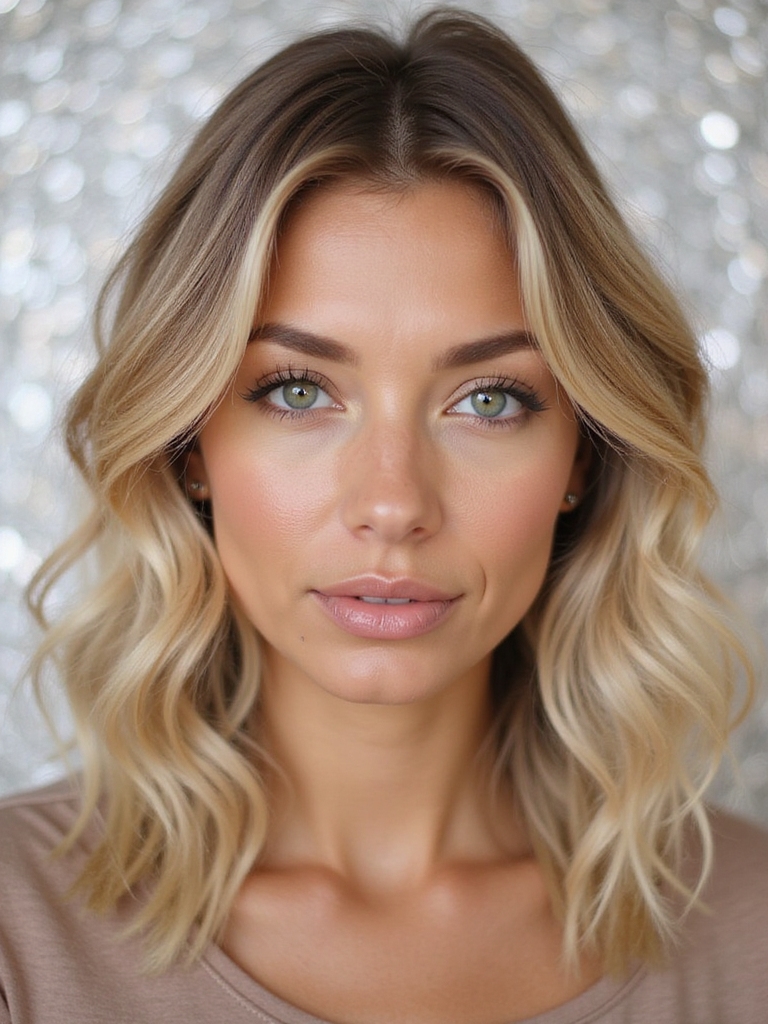
If you learn one styling skill for thin hair, make it the root-lifting blow-dry, because volume at the roots is what fools the eye into seeing thicker hair. The technique is simple: apply a root-lift spray to damp hair, then dry the roots by directing the airflow up and against the direction of growth.
Dry the Roots First
Lifting each section straight up with a round brush as you dry, or clipping the roots while they cool, locks the height in. The mnemonic is to dry the roots first, while your hair has the most moisture and holds a shape best.
It takes a few minutes of practice, but a good root-lifting blow-dry does more for thin hair than any product, and the lift lasts all day.
Go Gently
Thin hair is delicate, so the volume tricks that involve teasing, backcombing, and tight styles need a light hand. Over-teasing or scraping thin hair back tightly, day after day, can stress the strands and the hairline. Tease softly, take styles down carefully with a wide-tooth comb, and give your hair regular breaks in a loose style, so you build volume without causing breakage.
Twists and Knots

Small twists and knots pinned into a style are a clever way to add the look of fullness to thin hair, because a twist, gently loosened, spreads out and takes up more space than a smooth section. A couple of twists pinned back, or a half-up twisted style, looks intricate and full.
As with braids, the trick is to loosen and widen each twist after you pin it, so it looks lush, well beyond skinny. It’s a pretty, low-effort way to make thin hair look like there’s more of it in an everyday updo.
Accessories for Thin Hair

Accessories are a secret weapon for thin hair, and not just for decoration: the right clip or band physically adds height and hides thin spots. A padded headband lifts the hair at the crown, a claw clip piled loosely looks full, and a scarf tied around a bun adds bulk and interest.
Beyond the volume they create, accessories draw the eye to a pretty detail and away from fine hair. A basket of clips and bands is a cheap, easy way to make thin hair look styled and full in seconds.
- A padded headband lifts the hair at the crown.
- A loosely piled claw clip reads full and intentional.
- Accessories pull the eye toward a detail and off fine ends.
Instant Volume for Glamour

For a special occasion when you want maximum glamour, a few instant-volume tricks combine into a real transformation. Velcro rollers set at the crown while you finish getting ready, a good tease underneath, and a lightweight volumizing spray build serious height fast.
For the boldest boost, clip-in volumizing pieces or a hidden hairpiece add temporary thickness for one night, no commitment required. Layered with a root-lift and a wave, thin hair can look truly voluminous for an evening out.
- Velcro rollers at the crown build height while you get ready.
- Clip-in pieces add temporary thickness for one night.
- Layer several tricks for maximum occasion volume.
| Trick | Time | Best for |
|---|---|---|
| Switch your part | Seconds | An instant, no-effort lift any day |
| Root-lifting blow-dry | A few minutes | Real, all-day volume at the roots |
| Velcro rollers | Hands-off while you get ready | Soft crown height with no skill |
| Dimensional color | A salon visit | Faking density even on no-style days |
Regular Trims

Cutting hair off to make it look fuller sounds backwards, yet regular trims are essential for thin hair, since split, wispy ends make fine hair look even thinner and more see-through. Removing those tired ends keeps the hair looking dense and healthy right to the bottom.
For thin hair, a fresh trim on a six-to-eight-week rhythm keeps the ends blunt and full, and it stops the stringy look that undermines every volume trick. A blunt perimeter in particular makes the ends look thick.
I tell clients to think of it as protecting the illusion: no styling technique can fully hide damaged, thinning ends, so keeping them fresh is the foundation everything else builds on.
Boosting the Crown

The crown is where thin hair shows most and falls flattest, so targeting volume there specifically gives you the biggest visual payoff. A little teasing at the crown, root-lift spray in that spot, or a few Velcro rollers set just there lift the area that matters most.
Because the eye takes crown height for overall fullness, a small boost right at the top makes your whole head of hair look thicker. It’s the highest-impact place to focus your two minutes of styling.
A few volume terms worth knowing.
📖Pancaking
Gently tugging the edges of a braid or twist wider so a thin plait looks full and thick.
📖Root-lift
Building volume right at the scalp, by drying or spraying the roots up and away from the head.
📖Dimension
Multiple woven tones of color that create the illusion of depth, texture, and more strands.
Volumizing Product Essentials

The right products support every other trick here, and the golden rule for thin hair is lightweight and applied to the roots only. A volumizing mousse or root-lift spray on damp hair, and a dry texture spray on dry hair, add body without the weight that flattens fine strands.
What to avoid matters just as much: heavy oils, rich creams, and thick conditioners drag thin hair down, so keep them off the roots entirely and use them sparingly on the ends if at all.
A dry shampoo is the thin-haired person’s best friend between washes, soaking up oil and adding gritty texture that passes for extra volume. Less product, applied smartly, always beats more.
Rollers for Volume
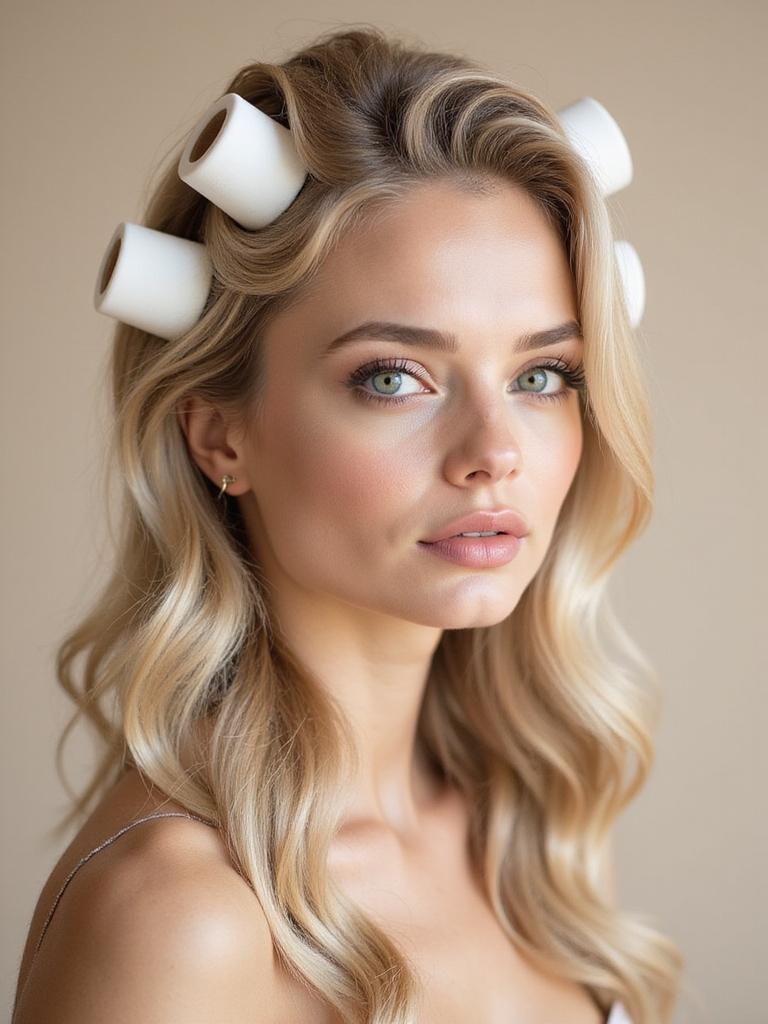
Velcro rollers are a low-effort, old-school trick that delivers salon-level volume with almost no skill required. You pop a few large rollers into nearly-dry hair up top, leave them in while you do your makeup, then take them out to reveal soft, lifted body. The heat of a blow-dryer over the set rollers makes the volume last even longer. It’s the easiest hands-off way to build real height into thin hair.
- Set large Velcro rollers at the crown on dry hair.
- Leave them in while you finish getting ready.
- A blast of the dryer over them makes the lift last.
Color for the Illusion of Depth

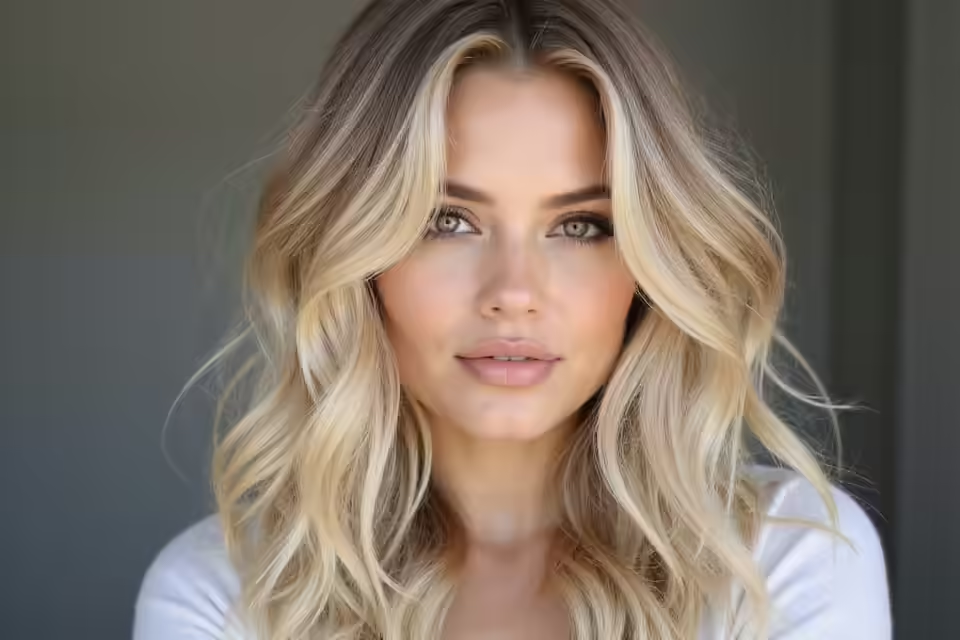
Color is the sneakiest volume trick of all, because dimensional, multi-tonal color tricks the eye into seeing depth and texture that fine hair doesn’t physically have. Soft highlights and lowlights woven through create shadows and light that suggest more strands and more body.
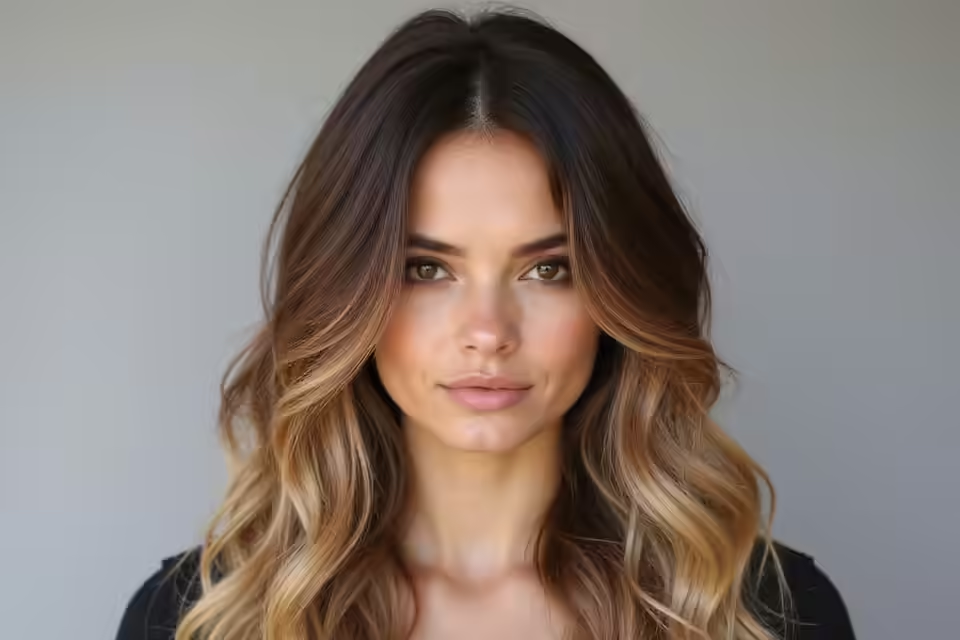
A slightly darker root with lighter mid-lengths adds shadow at the base that makes hair look thicker, and the play of tones disguises how fine the hair is. Ask your colorist specifically for dimension to fake density, and it’s a low-effort trick that works even on the days you don’t style.
- Dimensional color tricks the eye into seeing more body.
- A darker root adds shadow that suggests thickness.
- Highlights and lowlights fake the look of more strands.
Who It Suits Best
These tricks suit anyone whose hair falls flat or looks see-through, whether that’s naturally fine hair, hair thinning with age or hormones, or simply hair that won’t hold volume.
They work across textures too: fine straight hair loves root-lifting and blunt cuts, fine wavy hair thrives on beach waves and shags, and even fine curly and coily hair benefits from layered, pattern-specific cuts and dimensional color. Whatever your texture, the principles are the same, lift the roots, avoid weight, and fake density with cut and color.
On cost, a good volumizing cut runs roughly $45 to $90, and dimensional color to fake fullness sits around $100 to $250 depending on your salon, both worth it since they do the heavy lifting no product can.
Pick two or three of these tricks that fit your routine, keep your ends trimmed, and thin hair can look truly full every day, not just on the mornings you have an hour. The best approach makes the most of what you have rather than wishing for different hair.
Thin Hair Questions, Answered
?How do I make thin hair look thicker fast?
The two fastest tricks cost nothing: switch your part to a deep side part for instant lift, and blow-dry your roots with your head flipped over. Add a texture spray or dry shampoo for grit, and tease gently at the crown. Together these take a couple of minutes and make thin hair look noticeably fuller with no new products.
?What haircut is best for thin hair?
A blunt lob, bob, or textured pixie flatters thin hair most, because a blunt perimeter makes the ends look dense and shorter lengths keep the roots lifted. Soft, restrained layers can add body, but avoid heavy over-thinning. Whatever the length, the blunt line and a shape that keeps the roots light are what fake the most fullness.
?Do volumizing products really work on thin hair?
The right ones help, but only used correctly: lightweight mousses, root-lift sprays, and dry texture sprays applied to the roots only add body, while heavy oils and creams flatten fine hair. Product supports a good cut and a root-lifting blow-dry, and can never replace them. Less product, applied smartly at the roots, always beats piling more on.
?Can color make thin hair look fuller?
Yes, and it’s among the most effective tricks. Dimensional, multi-tonal color, soft highlights and lowlights with a slightly darker root, creates shadows and light that trick the eye into seeing more depth and more strands. It fakes density even on the days you don’t style, which makes it a truly low-effort way to make thin hair look thicker.
Less, Made to Look Like More
The real secret to thin hair is that fullness is mostly an illusion you can create, not a quantity of hair you have to be born with. A cut that keeps the roots light and the ends blunt, a root-lifting blow-dry, a clever tease or a pancaked braid, dimensional color, and lightweight products applied only at the roots will together make thin hair look dramatically fuller than it is.
None of it is complicated, and most of it takes seconds once it’s a habit. The trick is to stop fighting your hair and start working the angles that fool the eye.
So rather than chasing thickness you can’t grow, pick a couple of these tricks that fit your mornings, keep your ends fresh with regular trims, and let the illusion do the rest. Thin hair, styled smartly, can look every bit as full and healthy as you want it to. Which trick will you try tomorrow morning?
You Might Also Like