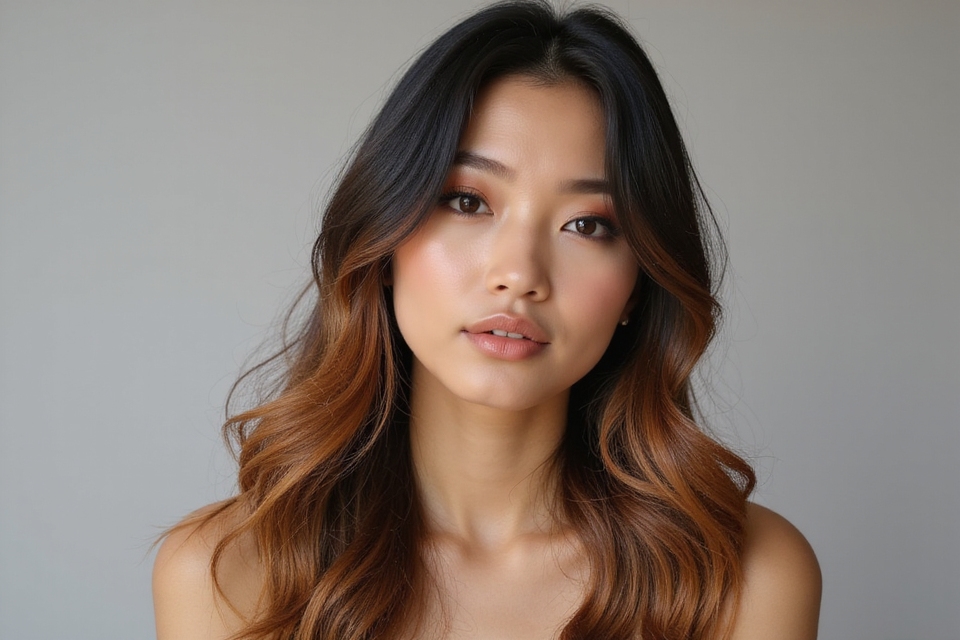
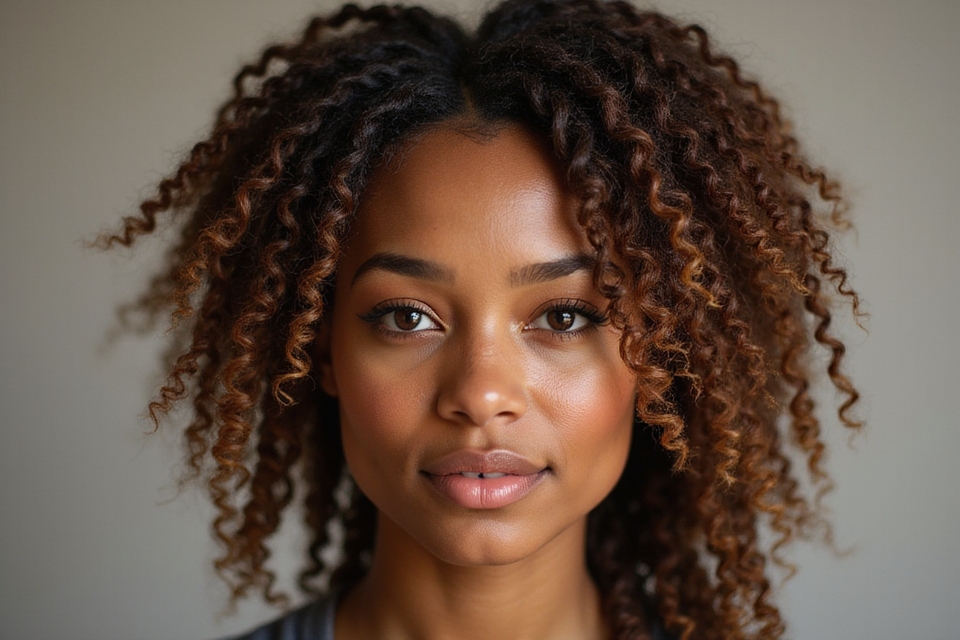
There is a particular magic in the moment a braid catches a head of loose curls and pulls them into a line. One second it is soft, springy chaos; the next, a neat plait runs through it like a seam of order, with curls still bursting around the edges. That tension between structure and wildness is the whole appeal of braiding curly hair.
This guide is hands-on. Instead of just a parade of looks, it covers the craft: the tools that make braiding curls easier, the core techniques worth learning, the care that keeps a braid healthy, and the deep heritage behind styles like cornrows. Whether you braid your own hair or sit in a chair to have it done, knowing the how and the why makes every result better.
What to Know First
- Braiding curls works best on hydrated, gently stretched hair; bone-dry coils tangle and snap as you plait.
- Tension is the line between a protective style and a damaging one. A braid should feel secure, never tight enough to sting at the roots.
- Many of these styles, cornrows especially, carry deep African heritage; learn the history and credit it as you wear them.
How Braids Enhance Natural Curls
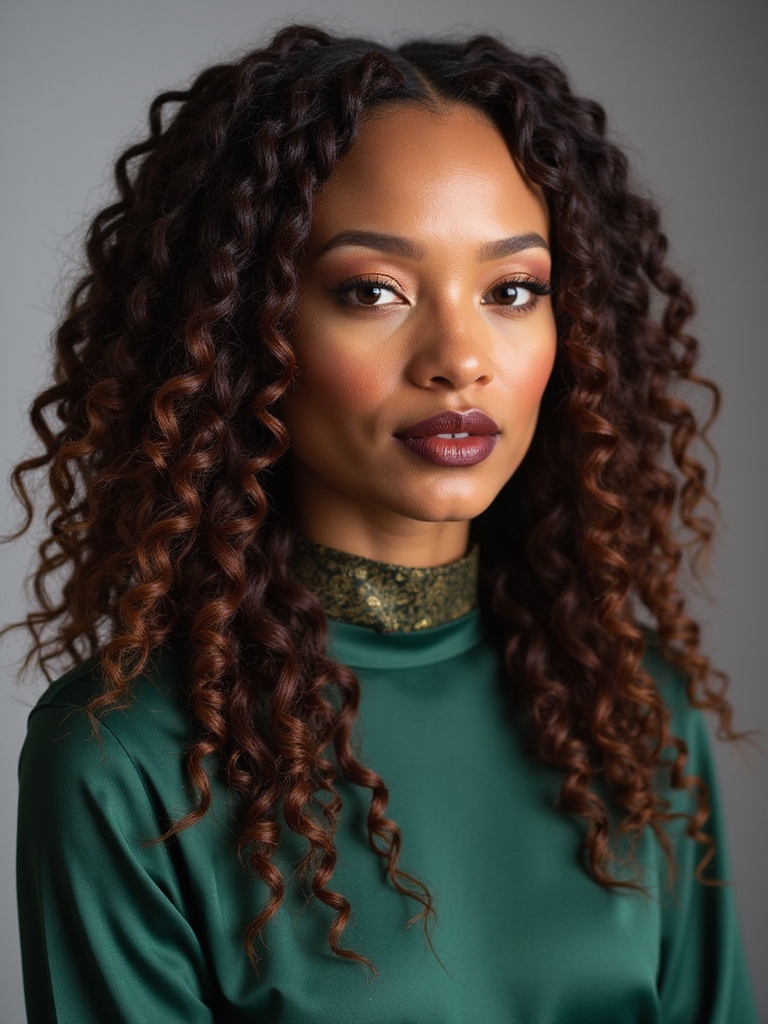
Braids and curls are natural partners because each makes the other look better. A braid borrows the curl’s texture to fill out its weave, so a plait on curly hair looks fuller and more dimensional than the same braid on slick, straight strands. The curl gives the braid body.
In return, the braid gives the curl shape and direction. Loose curls can read as undefined or shapeless on their own, but a braid running through them creates a clear line for the eye to follow, turning soft volume into something deliberate. The contrast is the point.
Where History Meets Fashion
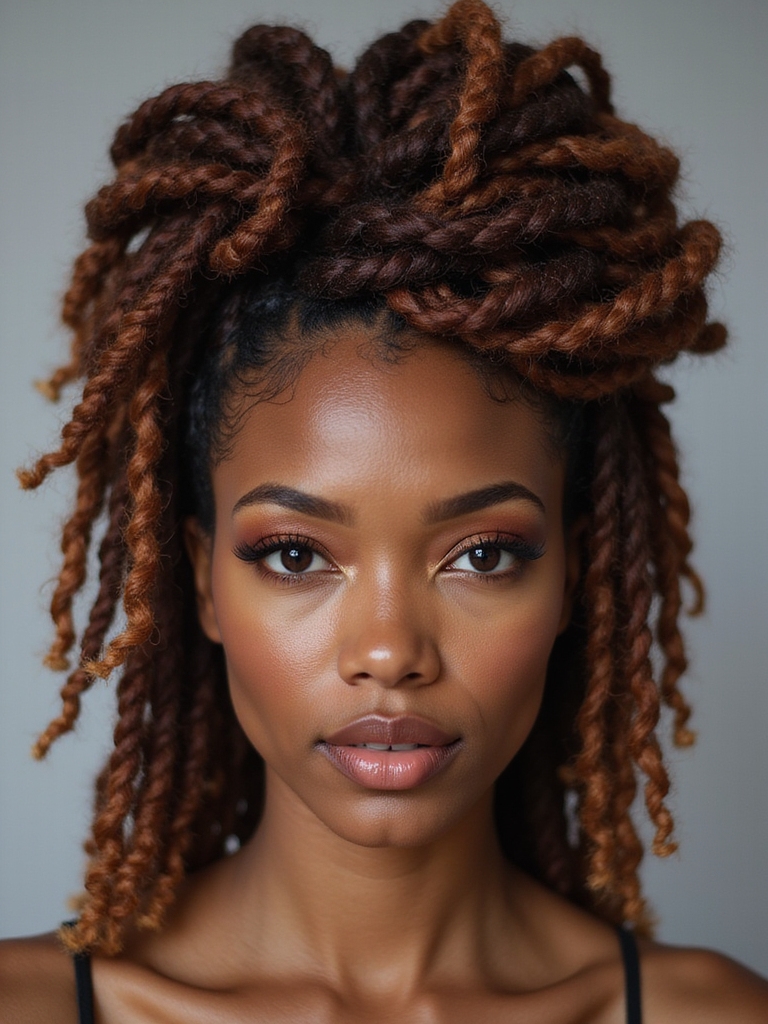
Braiding is one of the oldest grooming arts on earth, with evidence stretching back thousands of years across Africa, where intricate patterns signaled age, status, family, and community. What we wear today rests on that long, living tradition.
Fashion keeps rediscovering braids and calling them new, but the techniques have been refined over countless generations. The runway version is almost always a borrowing from a much older practice, which is worth remembering when a magazine declares a braid the trend of the season.
That history is exactly why braided curls never feel dated. A style with thousands of years behind it does not go out of fashion; it just gets reinterpreted, and curly hair gives that reinterpretation an unusually rich canvas to work on.
Two braiding myths worth untangling:
❌ Myth: Braids damage your hair
✅ Reality: Done gently, braids protect it; the damage comes only from tension that is too tight or braids left in far too long.
❌ Myth: Curly hair is too unruly to braid
✅ Reality: The opposite is true: the texture grips beautifully and fills out a braid, so curls are some of the best hair to plait.
Finding the Perfect Braid
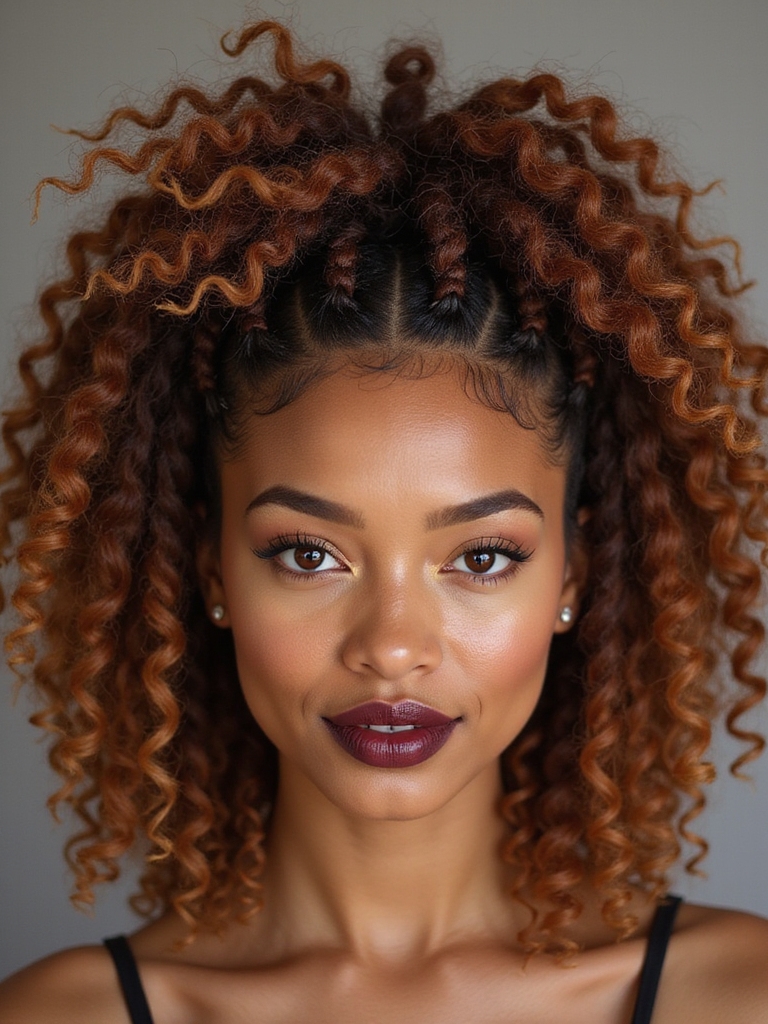
There is no single best braid for curls, only the right braid for your hair and your patience. Your curl pattern, density, and length all steer the choice, and so does how much time you want to spend. A loose three-strand is a five-minute affair; a head of cornrows is an investment.
Start With Your Texture
Looser curls and waves take softer, looser braids beautifully, where a little texture escaping the plait looks intentional. Tighter coils and kinky textures hold structured braids for days, which is why the most enduring protective styles were built on them.
When you are unsure, start simple and build up. Master a basic braid on your own texture before you attempt anything intricate, since the feel of your hair under your fingers teaches you more than any tutorial can.
The Benefits of Braiding
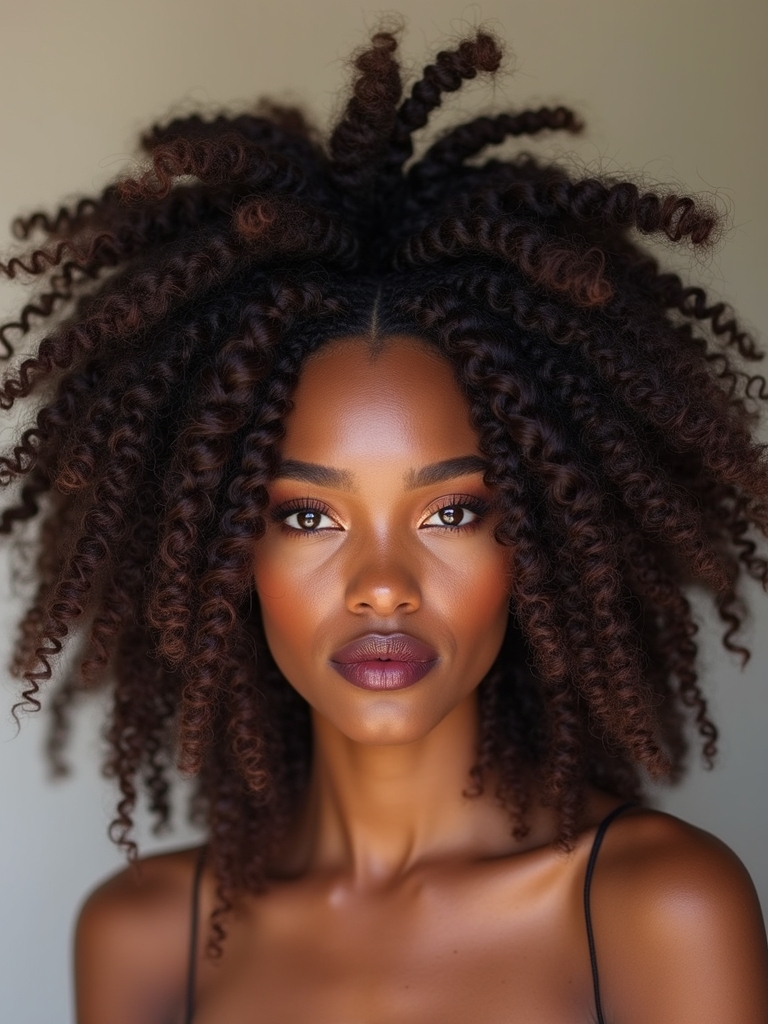
Braiding curly hair pays off in ways that go well beyond the finished style. It tucks fragile lengths away from daily friction, stretches the time between washes, and can even set a soft wave pattern when you take it down. For many people, a braid is as much a hair-health tool as a hairstyle, which is the quiet reason the look has endured.
- Shields curls from daily friction and breakage
- Stretches wash days and cuts styling time to nothing
- Leaves a soft, defined wave when unraveled
| Level | Try This | Time |
|---|---|---|
| Beginner | Single braid, headband braid, pigtails | 5 to 10 minutes |
| Intermediate | French, Dutch, or fishtail braid | 15 to 30 minutes |
| Specialist | Cornrows, box braids, intricate designs | Hours, best in a chair |
Essential Braiding Tools
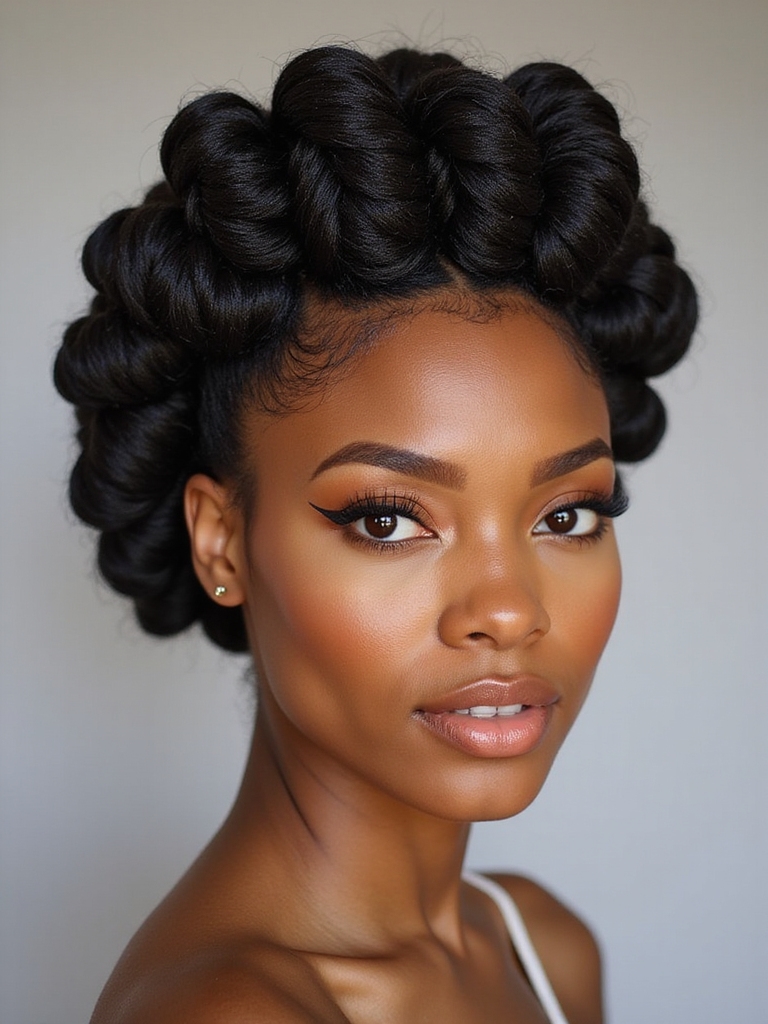
You can braid with nothing but clean hands, but a few tools make the job smoother and gentler on the curls. A wide-tooth comb for sectioning, a spray bottle of water and leave-in, and a stash of snag-free elastics cover almost everything.
Add a rat-tail comb for clean parts if you are doing cornrows, plus a little edge-control or styling gel for a polished finish. None of it is expensive; a solid starter kit runs under $25 and lasts for years.
- Wide-tooth comb and a rat-tail comb for clean parts
- A water-and-leave-in spray bottle to keep hair pliable
- Snag-free elastics, clips, and a little gel for edges
Your Style Options
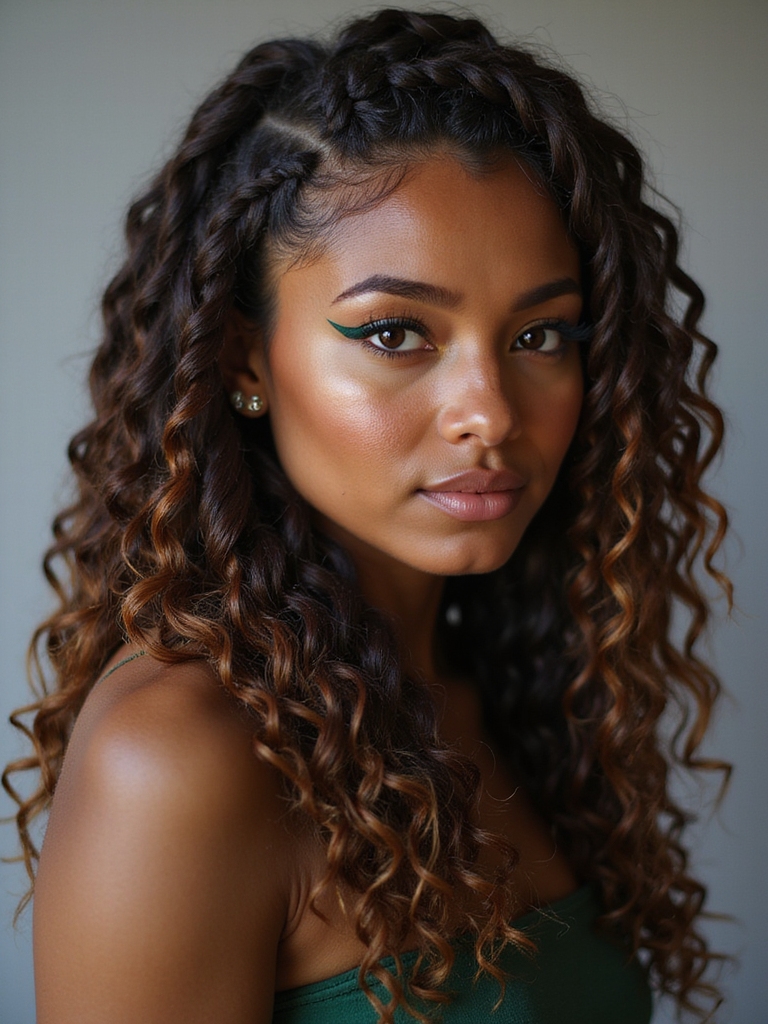
The menu of curly braided looks is wide, and it helps to think of it in tiers. At the simple end sit single braids, half-ups, and headband braids you can do in minutes. In the middle are French braids, Dutch braids, and fishtails that take a little practice.
At the committed end are cornrows, box braids, and intricate multi-braid designs, usually best left to a skilled braider. Knowing which tier a look belongs to saves you a lot of frustration in front of the mirror. For a fuller gallery of finished styles, our curly braided hairstyles guide lays them out.
👍Why Braid Your Curls
- +Protects fragile lengths and stretches wash days
- +Adapts from five-minute looks to intricate art
- +Leaves a soft wave pattern when taken down
👎Keep in Mind
- –Too-tight braiding stresses the hairline
- –Intricate styles need a specialist and real time
- –Hair still needs moisture and scalp care underneath
Core Braiding Techniques
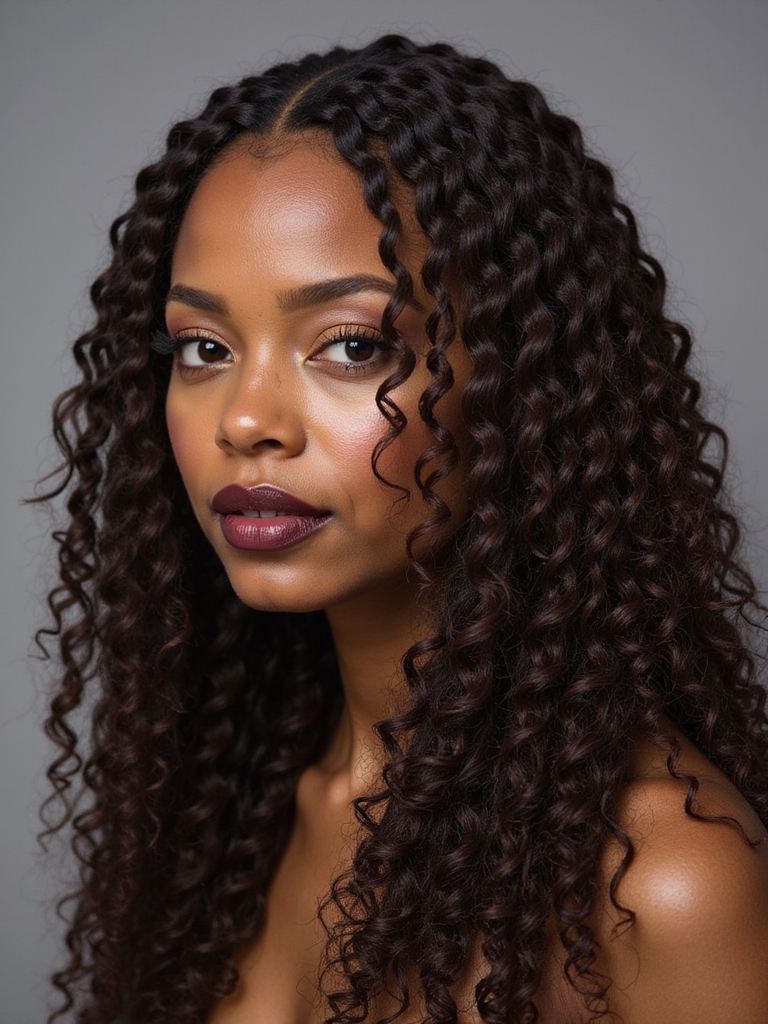
Almost every braid you admire is a variation on a few core techniques. The three-strand braid is the foundation; the French and Dutch braids add hair as you go, with the Dutch crossing under so it sits raised; and the fishtail uses just two sections for a finer, woven look.
Learn those four and you can build most of the styles in this guide. The differences come down to how you cross the strands and whether you feed in new hair, so a few hours of practice opens up a surprising amount of range.
Intricate Symmetrical Designs
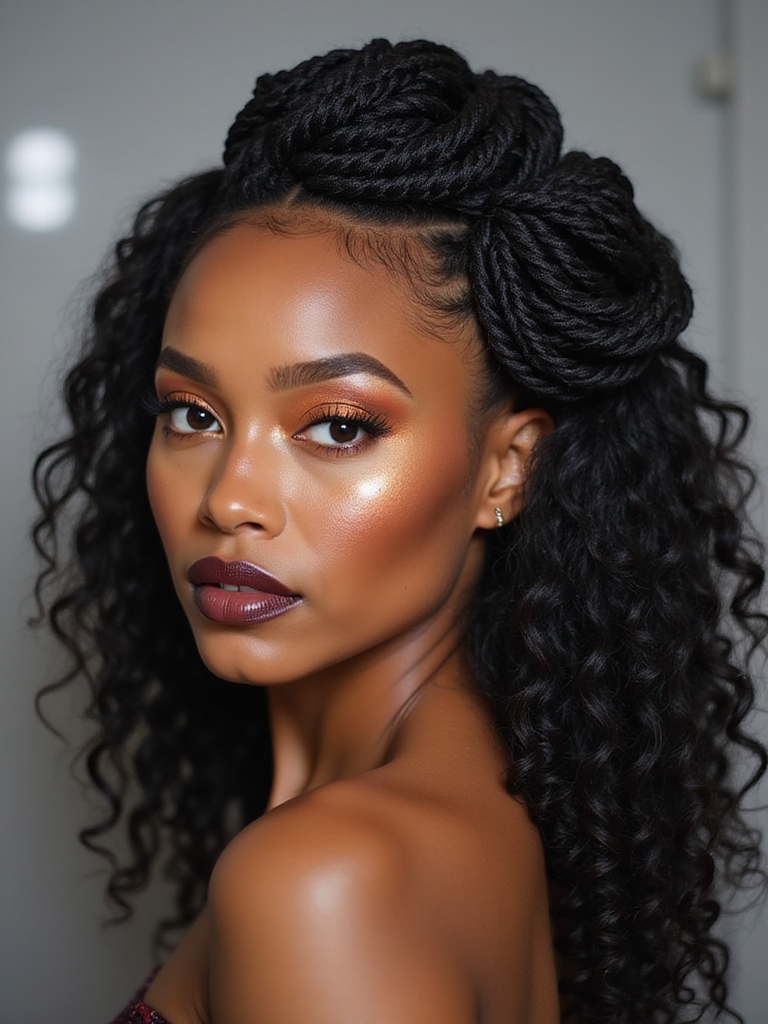
At the high end, braiding turns into genuine artistry, with symmetrical patterns mapped across the whole head. Geometric cornrow layouts, mirror-image plaits, and curved partings transform hair into something close to sculpture, and they photograph beautifully from every angle.
Worth Booking a Specialist
These designs take real skill and time, often hours in the chair, and they reward finding a braider who specializes in them. The precision of the parting is what separates a good intricate style from a great one.
If you love the look, save reference photos and book a consultation rather than walking in cold. A skilled braider will adapt a design to your head shape, density, and hairline so the finished pattern suits you specifically.
ℹ️Good to Know
Braiding traditions in Africa date back thousands of years, with patterns once used to signal age, status, kinship, and community. The styles trending today rest on that long, living history.
Accessorize the Look
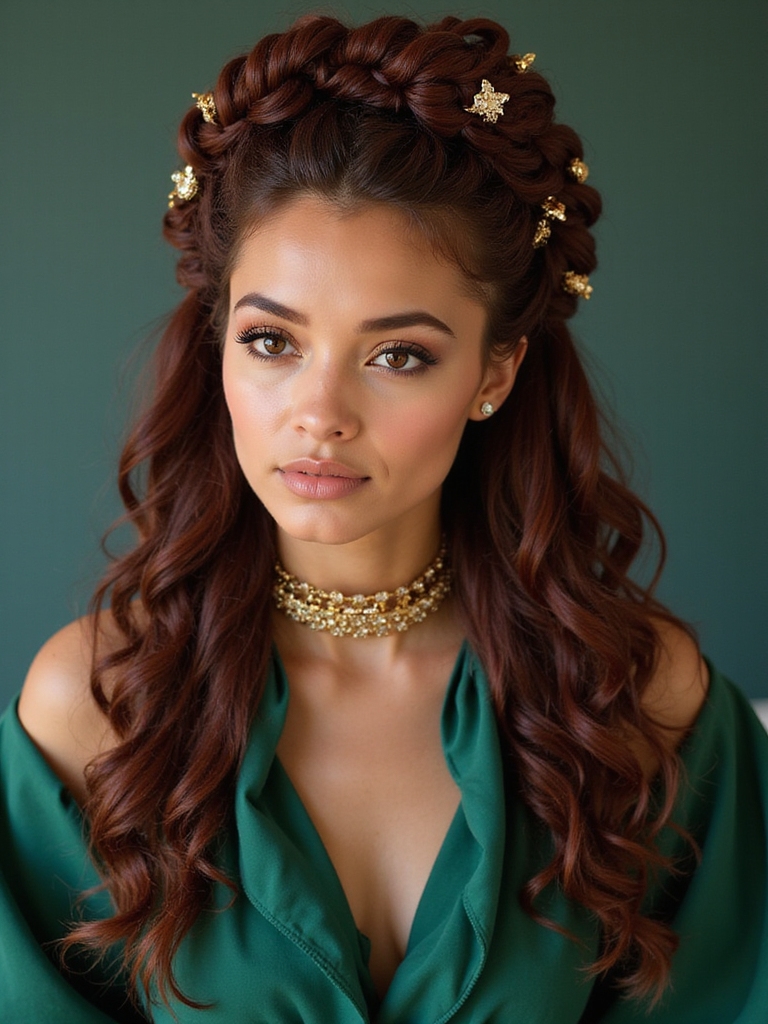
Accessories are where a braided style turns personal. Beads, gold cuffs, threads, and shells have adorned braids across cultures for centuries, and a few well-placed pieces still lift a simple plait into something memorable.
The trick is restraint and the right hardware. Choose smooth, snag-free cuffs and beads that slide on without catching the curls, and let a couple of statement pieces do the talking rather than crowding every braid.
Seasonal touches work too: a silk ribbon woven through for an event, a single gold cuff for everyday. The braid is the structure, and the accessory is the punctuation.
How Braids Protect Your Hair
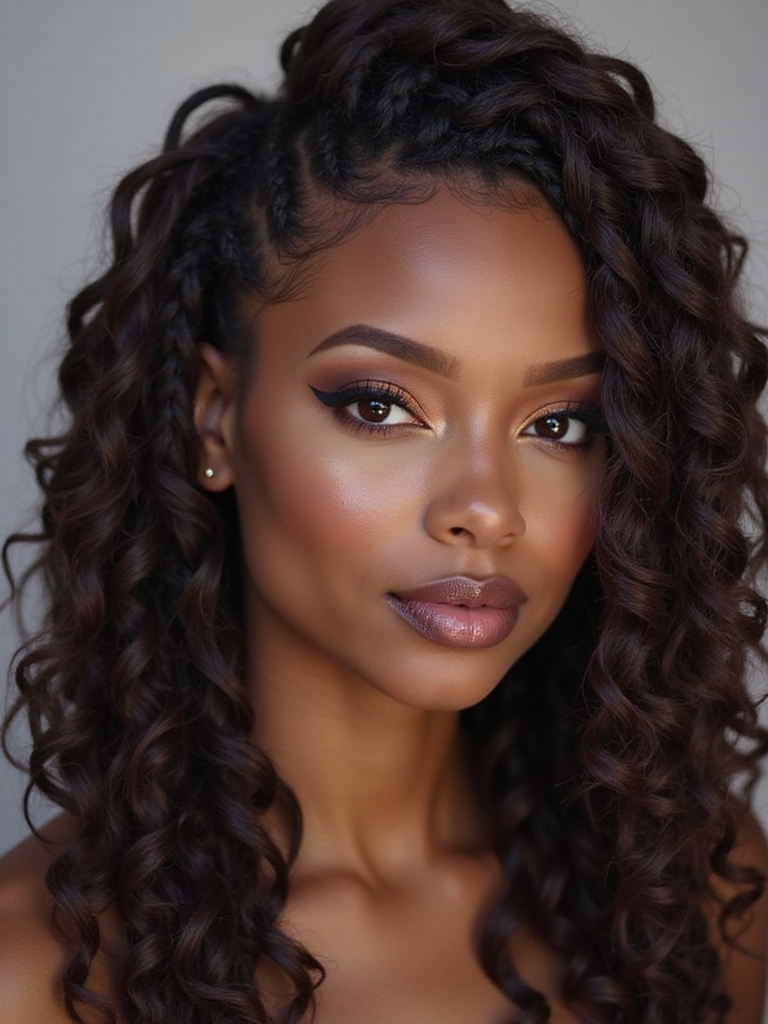
The phrase protective styling gets used loosely, but braids earn it when they are done with care. By tucking the ends away and keeping curls from tangling and rubbing, a braid truly shields the hair, which is a real break for fragile coily and kinky textures.
The catch is tension: a braid installed too tight pulls at the roots and can stress the hairline over time, so the protection only holds if the braiding stays gentle. Comfort is the test. If it hurts going in, it is too tight.
- Tucks ends away from daily friction and snagging
- Gives high-maintenance textures a real rest
- Only protects if the tension stays gentle and comfortable
The French Braid on Curls
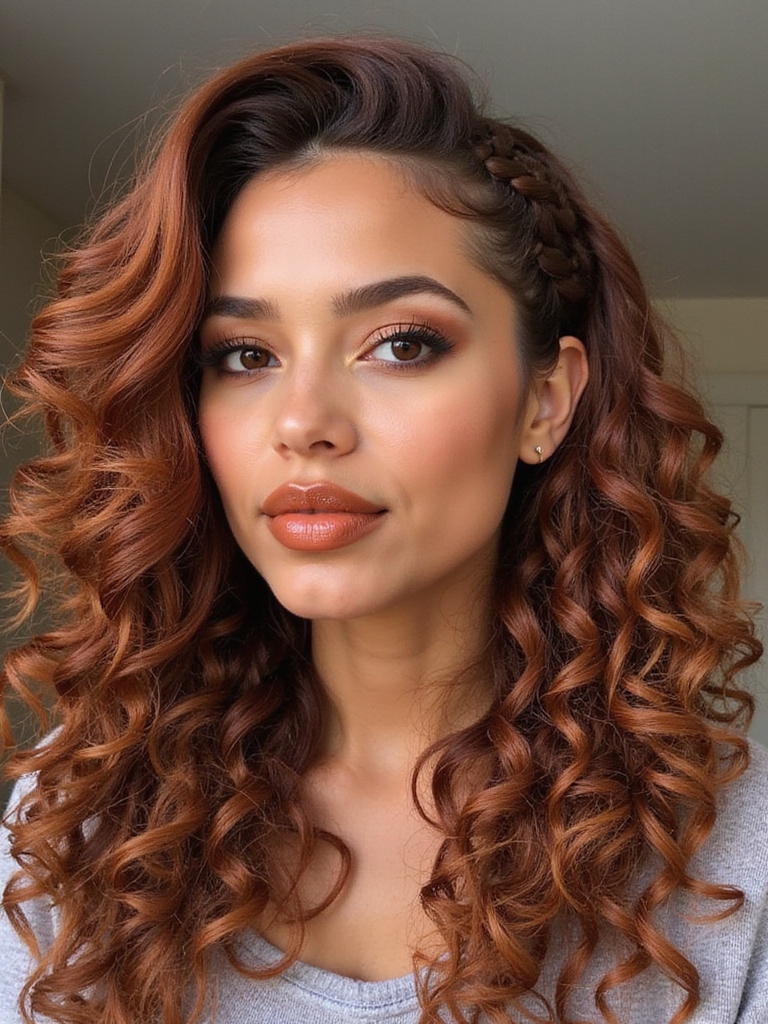
The French braid is the gateway technique for braiding curls, and it forgives a lot. Because you feed hair in as you go and the braid tucks under the surface, escaping curls just add to a soft, romantic effect rather than ruining the line. It is the braid I point beginners to first.
Work on damp, gently stretched hair for the cleanest result, and do not chase perfection. A French braid on curly hair is supposed to look a little undone, so a few loose pieces around the face are a feature, not a flaw.
Creating Cornrows
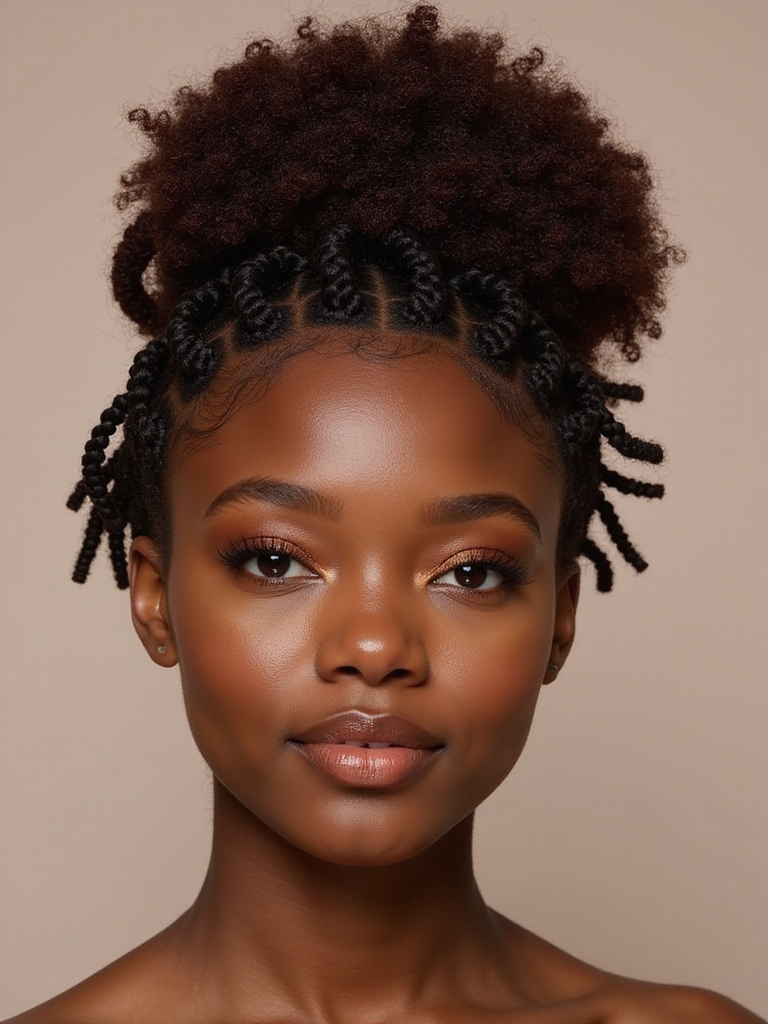
Cornrows braid the hair flat against the scalp in raised rows, and they are among the most storied styles in this guide, with documented African heritage going back millennia. They demand practice and a gentle hand, so honor both the technique and its roots, and lean on a specialist braider while you learn. For deeper patterns and care, our cornrow hairstyles guide goes further.
- Part clean, even rows with a rat-tail comb
- Braid underhand, feeding in hair to lie flat to the scalp
- Keep the tension light, especially at the delicate hairline
Mastering the Fishtail
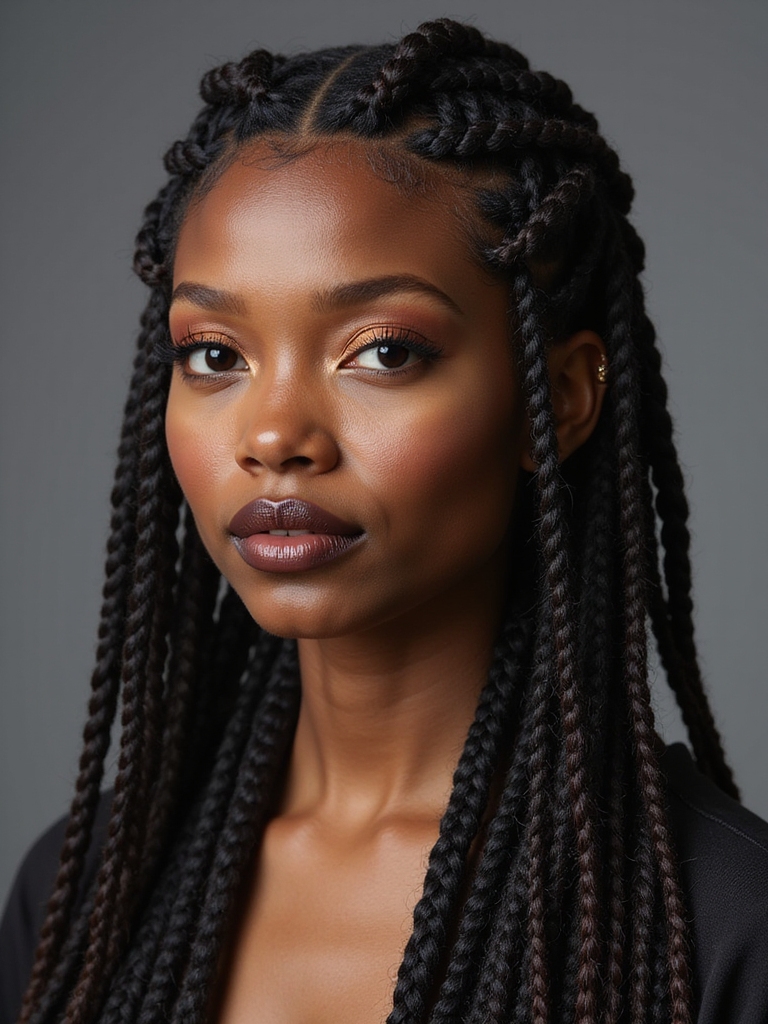
The fishtail looks much trickier than it actually is, which is why it makes such a satisfying party trick. It uses only two sections, with a thin piece crossed from one side to the other in turn, and on curly hair the texture fills out that woven herringbone pattern beautifully. Loosen it once finished so the weave reads full and soft.
- Split hair into just two sections to start
- Cross a thin strand from the outside of each into the other
- Gently stretch the finished braid wider for fullness
Moisturize and Protect
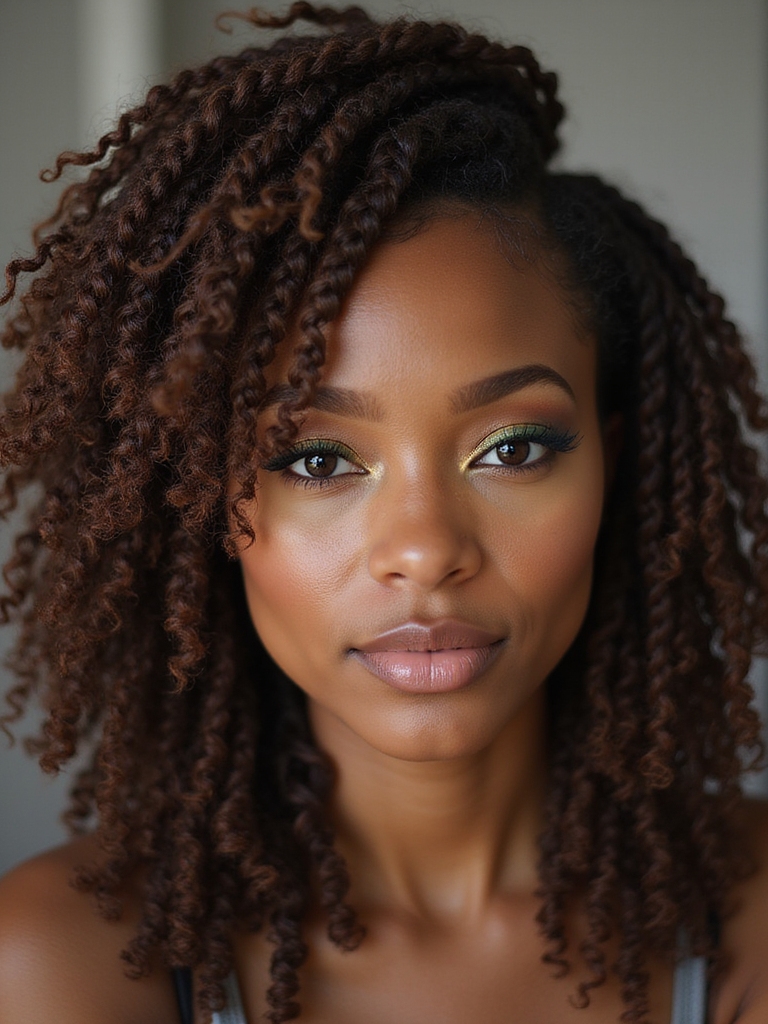
Braids are not a fit-and-forget style; the hair underneath still needs water and care. Mist your braids with a water-and-leave-in blend every couple of days to keep the curls hydrated, since dry hair under tension is hair that breaks.
Do Not Skip the Scalp
Pay attention to the scalp too. A lightweight oil massaged along the partings keeps the skin comfortable and flake-free, and it feels wonderful after a long install. Clients ask me how to keep braids from itching, and consistent scalp care is most of the answer.
At night, tie the braids up in a satin scarf, or switch your bedding to a satin pillowcase, so the hair stops snagging against cotton and frizzing. Five minutes of night care buys you days of fresh-looking braids.
Braiding Shorter Curls
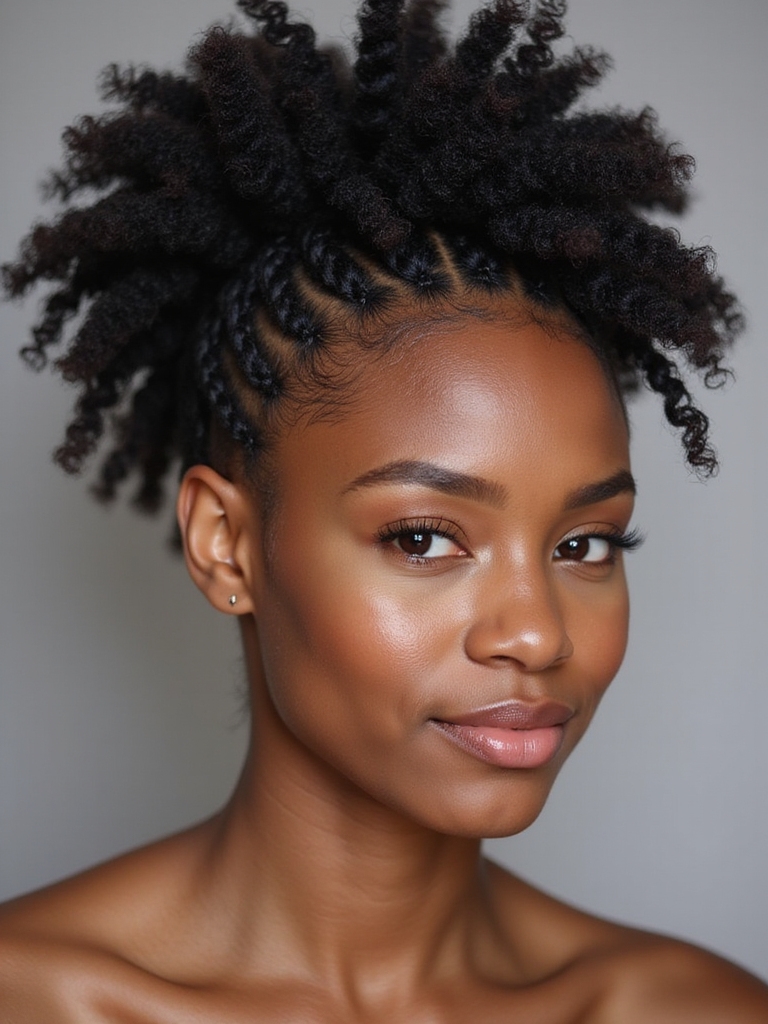
Short curly hair can absolutely be braided; it just calls for smaller sections and a bit more patience. Mini braids, a few cornrows along the front, or a halo of small plaits all work on a curly bob or crop, and they read as intentional and crafted.
The main challenge is the ends, which can slip free on shorter lengths. A dab of gel and a tiny snag-free elastic at each tip keeps them in place until you are ready to take them down.
Short braided sections also pair well with loose curls left out, so you can braid just the front or one side and let the rest of your crop do its thing. For shorter cuts in general, our curly bob guide has more ideas.
Celebrity-Inspired Looks
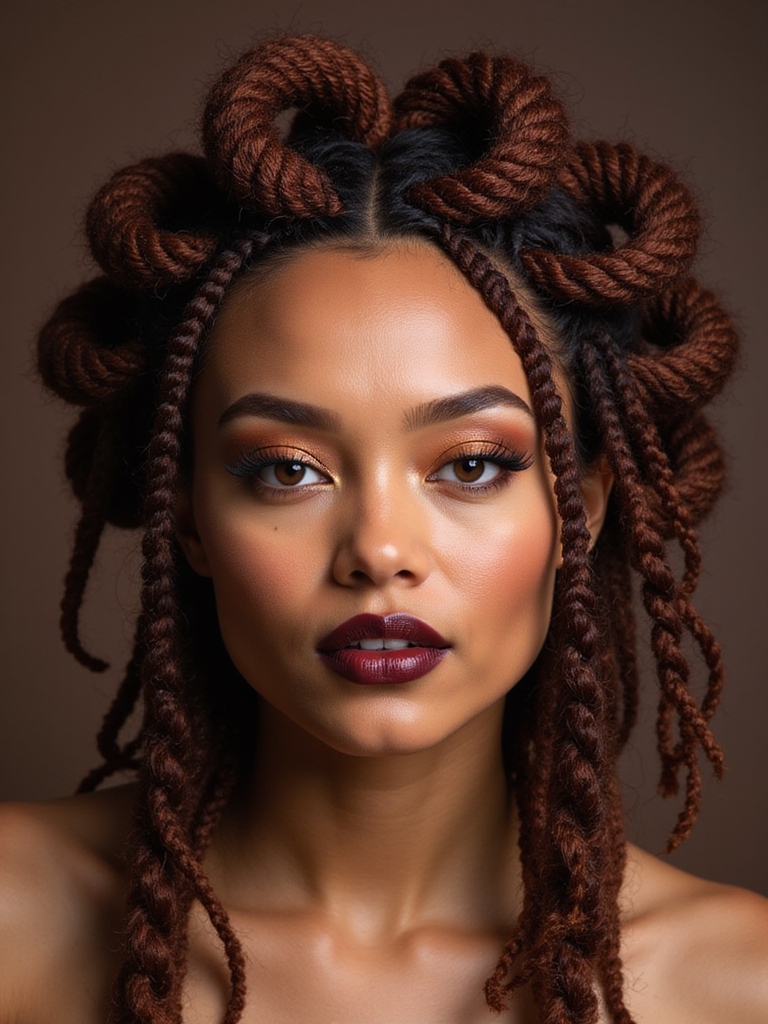
Red carpets and award stages have become showcases for braided curls, where artists turn crowns, goddess braids, and intricate updos into headline moments. The looks you see there are aspirational on purpose, built by teams of stylists with hours to spare.
Borrow the idea, not the exact execution. Study the shape and the placement of the braids, then bring a photo to a braider who can adapt it to your hair, your time, and your budget. The everyday version is almost always simpler, and that is fine.
- Study the shape and braid placement, not the styling-team polish
- Adapt a red-carpet idea to your real hair and schedule
- A pared-back version of a bold look still reads beautifully
Heritage and Empowerment
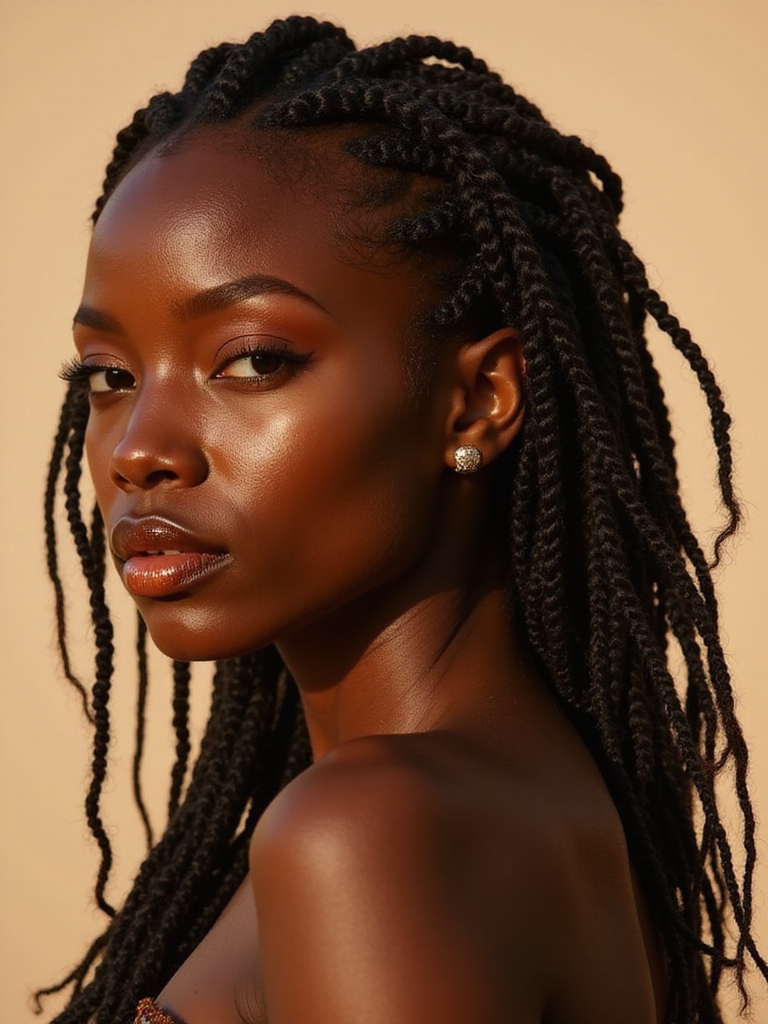
For many people, braids are far more than a hairstyle. Across the African diaspora especially, they carry identity, memory, and pride, passed from one generation to the next as both a skill and a form of self-expression. Wearing them can be a powerful connection to that heritage.
That meaning is why thoughtful credit matters. If these styles are not part of your own cultural background, wear them with respect and awareness of where they come from, support Black braiders and brands, and resist the urge to treat a deeply rooted tradition as a passing costume. Honoring the history is part of honoring the hair.
- Braids hold identity and heritage, not just visual appeal
- Credit and support the communities the styles come from
- Respect and awareness matter as much as technique
Quick Styles for Busy Days
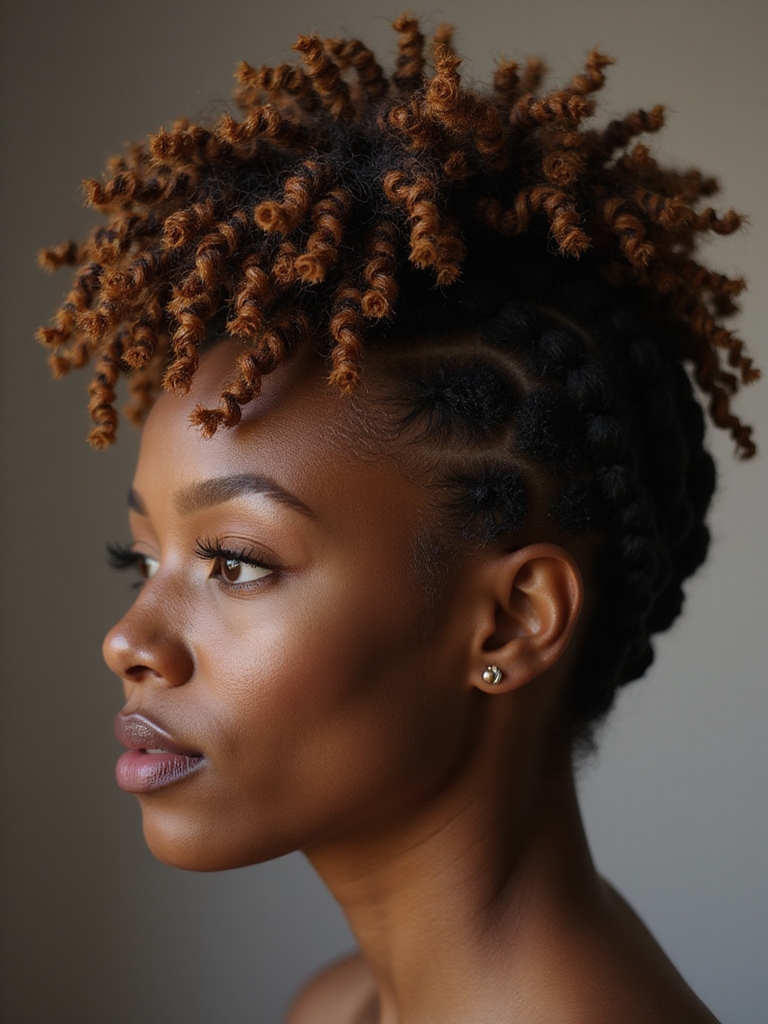
Not every braid is a project. On a rushed morning, a single loose braid down the back, two quick pigtails, or a braided headband across the crown wrangles the curls in minutes and looks deliberate doing it.
Second-day hair is actually ideal for these, since the curls have a little more grip and grit to hold a braid. A rushed wash-day fringe of frizz becomes a feature once you braid the front back.
Keep a few elastics and clips in your bag and you are never more than five minutes from a put-together look, even when the curls have other plans.
Maintaining the Freshness
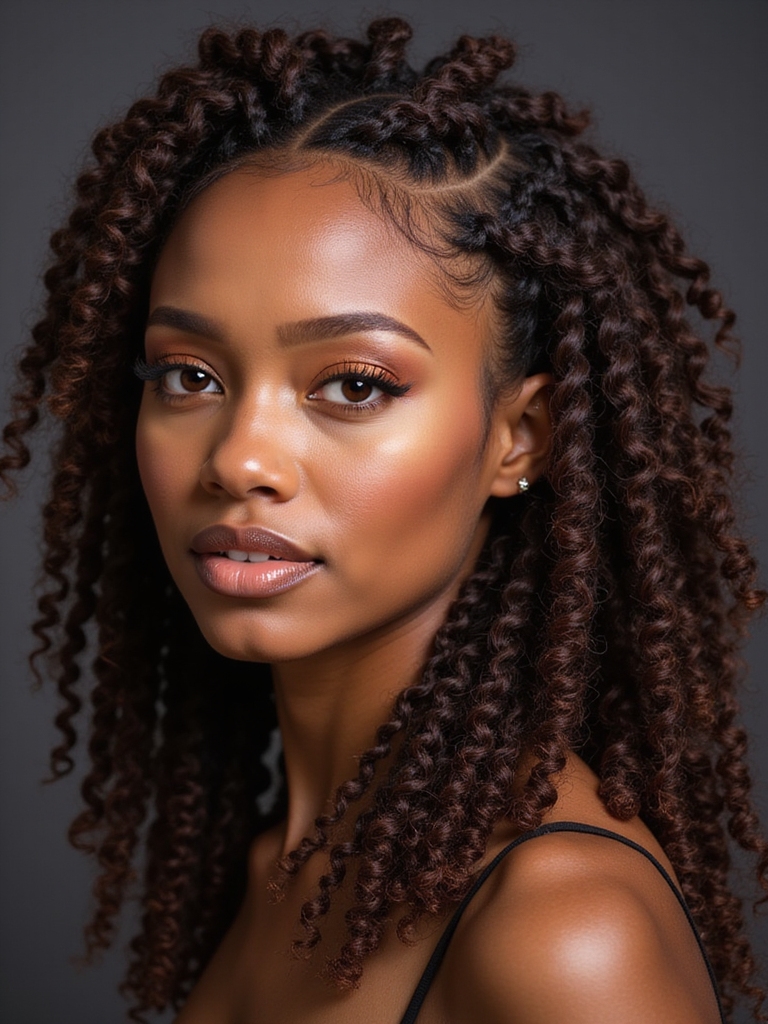
How long a braided style stays sharp comes down to the nightly routine and a few touch-ups. Wrapping at night, refreshing the edges with a little gel, and re-moisturizing every few days keeps a style looking fresh far longer than leaving it to fend for itself. Know your limit, too: even the best protective style should come down after a set stretch so the hair and scalp can breathe.
- Wrap in satin nightly to fight frizz and fraying
- Smooth edges with a little gel between wears
- Take braids down after a few weeks to let hair rest
Bold and Colorful Braids
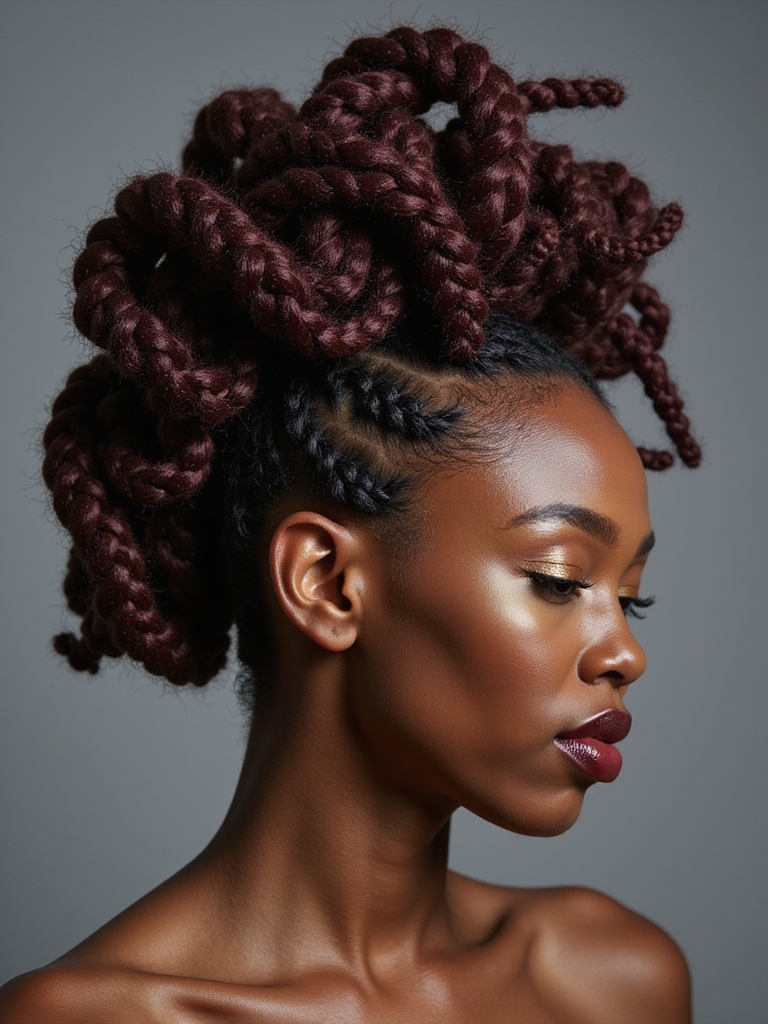
When you want braided curls to truly turn heads, color is the fastest route. Threading in colored braiding hair lets you add ribbons of copper, burgundy, or even pastel without committing your own strands to dye, and it washes out of the equation the moment you take the braids down.
Placement is everything with color. A few face-framing colored braids read as a deliberate accent, while alternating shades throughout make a bolder, festival-ready statement. You control exactly how loud it gets.
Because the color lives in the added hair, experimenting carries almost no risk. If a shade turns out to be wrong for you, it disappears the moment the braids come out, and your natural curls are untouched underneath.
Styling Tips
A few habits separate braided curls that look fresh for weeks from ones that fray by the weekend. Always braid on hydrated, gently stretched hair, since a well-moisturized curl plaits smoother and holds longer, and keep the tension gentle throughout, because comfort is the difference between a protective style and a damaging one.
I tell every client the same thing in my chair: speak up the instant a braid pulls, because no style is worth a stressed hairline. A professional set of cornrows or box braids runs roughly $80 to $200 depending on length and detail, while the styles you do at home cost nothing but a little time and practice.
Once the braids are in, the work shifts to upkeep. Mist with a water-and-leave-in blend, oil the scalp along the partings, wrap in satin at night, and take the style down gently after a few weeks so your curls get a rest. Do that, and braided curls give you the best of both worlds: the order of a braid and the life of your natural texture, twisted together into something all your own.
Curly Braiding Questions
?Is curly hair harder to braid than straight hair?
Not harder, just different. Curly hair grips and fills out a braid beautifully, which actually helps the weave look full, but it tangles if it is dry. Braiding on damp, gently stretched hair with a little leave-in makes the process smooth and keeps the curls from snapping.
?How do I keep braided curls from drying out?
Mist them with a water-and-leave-in blend every couple of days, oil the scalp along the partings, and wrap the braids in satin at night. Dry hair under the tension of a braid is what breaks, so steady moisture is the single most important habit while a style is in.
?How long can I leave braids in?
It depends on the style, but most braided looks are best taken down within a few weeks. Leaving them in too long lets tangling and buildup set in at the roots, and even a protective style needs to come out so the hair and scalp can rest, get cleansed, and rehydrate.
Order and Chaos, Twisted Together
The reason braided curls keep their grip on us is right there in the title: they twist coils into organized chaos, marrying the structure of a braid to the life of natural texture. From a five-minute single plait to an intricate cornrow design, the craft scales to whatever time and skill you bring, and the curl makes every version richer.
So start where you are. Learn a French braid on your own texture, keep the hair hydrated and the tension gentle, honor the heritage behind the styles that carry it, and build from there. The braid brings the order; your curls bring the beautiful chaos. Together they make something that has looked right for thousands of years and still does.