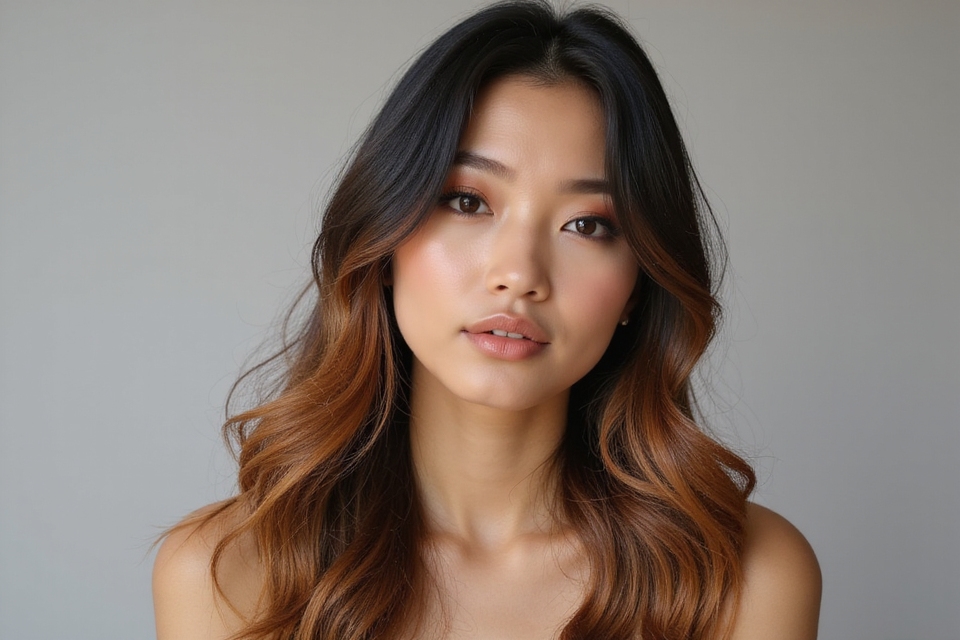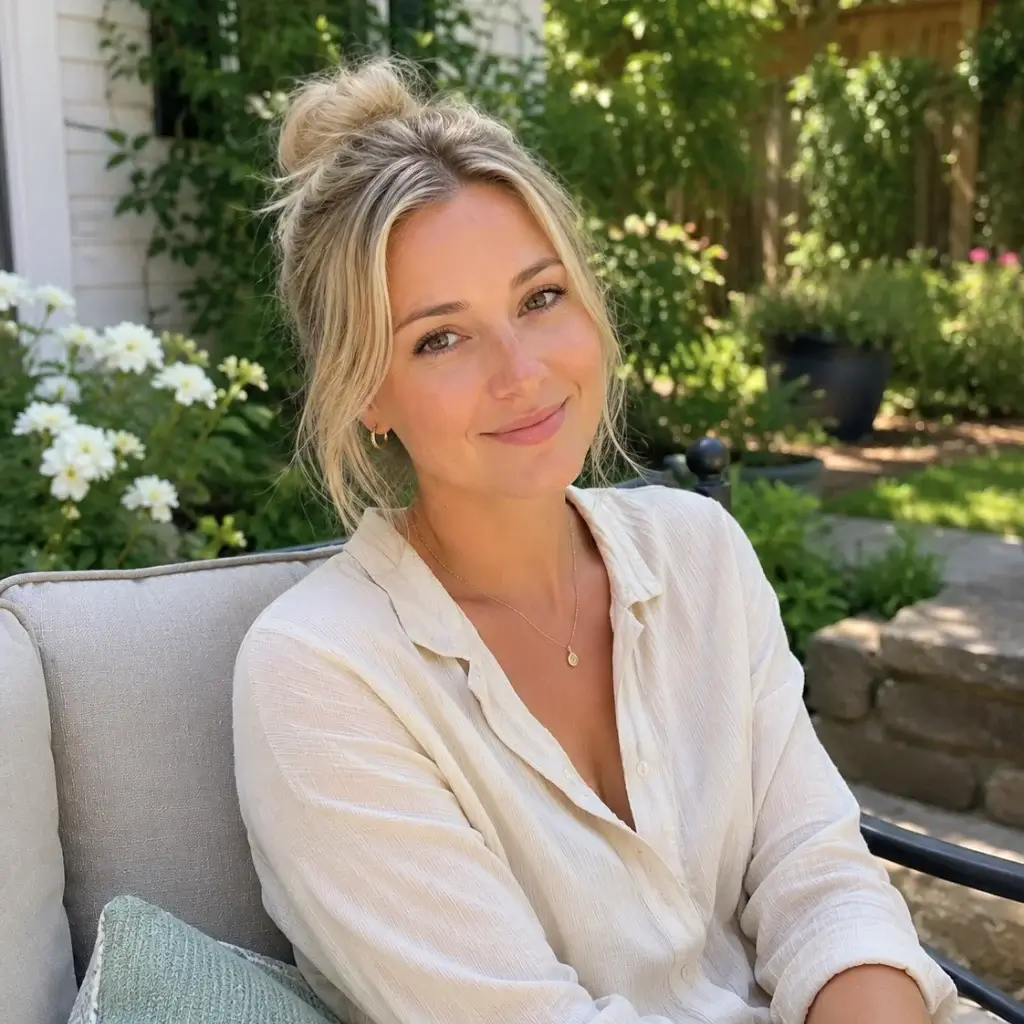

There’s a particular thrill to the first time you push a fresh fringe out of your eyes in the mirror. A fringe is the quickest, most affordable way to reset your whole look, no length lost, no color committed, just a new frame around your face.
The catch is that bangs are a category, not a single haircut. What follows is a tour through twenty-five fringe styles, from soft curtain pieces to blunt and micro cuts, with notes on hair type, face shape, glasses, and the day-to-day reality of living with a fringe.
Before You Cut a Fringe
The best fringe for you depends on three things: your face shape, your hair texture, and how much daily styling you’ll actually do. Curtain and side-swept bangs are the most forgiving across the board, while blunt and micro styles ask for more commitment and confidence.
Whatever you choose, plan for trims every few weeks and a couple of styling minutes each morning. A fringe is the highest-maintenance part of any cut, and knowing that going in is what separates the people who love their bangs from the ones who grow them out in frustration.
Flattering Versatile Curtain Bangs

If one fringe deserves its popularity, it’s the curtain bang. Parted down the middle and falling away on either side, it frames your face like two soft drapes and suits nearly any face shape and hair type, which is exactly why most people ask for it by name in my chair.
- Round-brush each panel outward, aiming it off to the sides for that soft bend.
- Have the shortest point cut around the cheekbone so it blends into layers.
- Lowest commitment of any real fringe, since it grows out into face-framing pieces.
Blunt Bangs That Transform Your Style

Blunt bangs make the boldest statement on this list. Cut in a straight, dense line across the forehead, they read confident and a little fashion-forward, drawing every bit of attention to your eyes. They suit thick, straight hair best, since the cut depends on that heavy, even weight to look right.
- Best on thick, straight hair that holds a sharp line.
- Wear them brow-grazing for the most striking effect.
- Plan on frequent trims; any unevenness shows immediately.
👍Why blunt bangs work
- +Bold, high-impact frame for the eyes.
- +Looks expensive on thick, straight hair.
- +Instantly modern and fashion-forward.
👎What to weigh
- –Needs frequent, precise trims to stay sharp.
- –Hard to wear on fine or very curly hair.
- –Can overwhelm small features if cut too heavy.
Versatile Styling With Bangs

One underrated truth about bangs is how many looks a single cut can give you. The same fringe can be worn down, pinned back, braided into the hairline, or split and tucked, so you’re never stuck with one face. A little practice opens up a whole rotation of looks.
- Pin the fringe back with two small clips for an instant grown-out look.
- Add a tiny twist at each side to keep pieces out of your eyes.
- Tuck longer bangs behind the ears on days you want your forehead clear.
Choppy Fringe for Excitement

Choppy bangs trade precision for personality. Heavily textured with uneven, notched ends, they bring a playful, undone energy that feels young and a little rebellious. Because the edge is broken up, they’re surprisingly forgiving and grow out without a stark line.
- Ask for deep point-cutting to build those varied, choppy lengths.
- Work a pea of texture paste through to separate the pieces.
- Pairs naturally with a shag or wolf cut for a cohesive feel.
How much choppy texture suits you? Match the intensity to your nerve and your hair.
🎯Lightly choppy
Subtle notching for soft movement; easy to wear and very forgiving.
🎯Heavily choppy
Dramatic, uneven pieces for an edgy, undone look; best with a textured cut.
Elegant Side-Swept Bangs

Side-swept bangs are the diplomat of the fringe world, flattering almost everyone with no drama. Swept from a deep part across the forehead, they soften the face while staying easy to wear and even easier to grow out.
They suit fine and thick hair alike, and they’re a gentle first fringe for anyone nervous about a bigger commitment. The softness reads polished without trying too hard.
Style them by drying across the forehead, guiding the longest pieces toward your opposite cheek so they sit and stay swept.
Micro Bangs for a Bold Change

Micro bangs perch well up on the forehead and are the most daring cut here, a true statement for the confident. Cropped short and often textured, they expose the brow and draw all the focus to your features. This is a fashion choice through and through, and that’s exactly the appeal.
- Best on those with strong features who want a head-turning look.
- Keep them piecey for a modern edge; a solid block reads severe.
- Be ready for frequent upkeep; the high length grows out fast.
Two things people get wrong about micro bangs.
❌ Myth: They only suit one face shape
✅ Reality: With the right texture and placement, micro bangs can work far more widely than the rumor suggests.
❌ Myth: They’re low effort because they’re short
✅ Reality: Short actually means more frequent trims and daily styling to keep the shape clean.
Layered Bangs Style Options

Layered bangs blend the fringe into the surrounding hair so it never reads as a separate block. The graduation gives movement and softness, and it connects the bang to your face-framing pieces for a look that flows together.
Short Layers Versus Long
This style is endlessly adaptable. Shorter layers in front add lift and energy, while longer ones keep things subtle and easy.
It grows out beautifully too, since there’s no single hard length to chase as the hair gets longer.
Styling Bangs by Hair Type

Your hair type changes everything about how a fringe behaves, so it pays to match the cut to your texture rather than to a photo. Fine hair takes a wispy or blunt fringe well but needs volume support; thick hair can carry heavier styles but may need thinning so the bangs don’t balloon.
Wavy and curly hair brings its own height and movement, which is a gift, but it requires a cut that accounts for spring and shrinkage. The wrong cut fights your texture every morning.
When a client sits in my chair set on a look that won’t suit her texture, I always talk through what it’ll take to maintain it before we pick up the scissors.
Which fringe fits your hair type?
1Fine or thin hair
Wispy or soft blunt bangs, with a little root volume to support them.
2Thick or curly hair
Curtain or textured bangs, cut to work with your density and spring.
Curly Bangs Styling Tips

Curly and coily fringe is having a real moment, and for good reason: the built-in volume and bounce are charming. The non-negotiable is the cut, since curly bangs must be shaped dry, curl by curl, to land at the right length once they spring up.
Refreshing Curly Bangs
Leave more length than feels natural, because curls draw up dramatically as they dry. Cutting them wet is the classic mistake that leaves them far too short.
For daily upkeep, dampen them, smooth in a little curl cream, then diffuse or air-dry. Resist brushing them out, which only breaks the curl pattern into frizz.
Bangs for Oval Faces

Oval faces are the lucky ones, balanced enough to carry almost any fringe. Blunt, curtain, micro, side-swept; they all tend to work, so what you pick depends on your texture and the vibe you want, with no corrective shaping needed.
If you have an oval face, treat it as permission to experiment. The only real guidance is to avoid hiding a naturally balanced shape under something too heavy, and to let your texture and lifestyle steer the decision.
Bangs for Round Faces

Round faces want a fringe that introduces angle and the illusion of height. Curtain, side-swept, and longer styles all earn their place, and there’s a whole separate guide on this site dedicated to the topic if you want the full breakdown.
The one rule to carry into the salon: skip the short, dense, straight-across fringe. On a round face that hard horizontal line widens what’s already soft, so steer toward anything diagonal, long, or broken up with texture.
- Reach for curtain, side-swept, or long wispy shapes first.
- Keep the fringe soft and broken up, with no solid wide band.
- Add a little height at the root to lengthen the face further.
Bangs for Square Faces

Square faces have a strong jaw and forehead, so the goal with a fringe is to soften those angles. Soft, wispy, and side-swept bangs round things out, while a hard blunt line tends to echo the squareness.
- Choose soft, textured fringe over sharp, straight-across cuts.
- Side-swept and curtain styles soften a strong jawline beautifully.
- Wispy ends near the temples help round the upper face.
Bangs for Heart-Shaped Faces

Heart-shaped faces are wider at the forehead and narrow toward the chin, so a fringe that adds a little width lower down brings balance. Wispy, side-swept, and curtain bangs that taper toward the cheeks are ideal, since they draw the eye downward and offset a broader forehead.
- Curtain bangs that lengthen toward the jaw balance a narrow chin.
- Keep the fringe soft so it doesn’t widen the forehead further.
- Avoid short, heavy bangs that emphasize the top of the face.
Long Bangs for Versatile Style

Long bangs that graze the cheekbones or lashes are the most wearable fringe of all. They give you the frame of a bang without the high-maintenance feel, and they tuck away the moment you want your forehead clear.
Wearing Long Bangs Two Ways
Because they sit between a true fringe and face-framing layers, they flatter most face shapes and grow out almost invisibly. There’s no awkward stage to suffer through.
Style them parted in the middle or sweep them to one side, depending on whether you want symmetry or a softer, asymmetric pull.
Bold Baby Bangs

Baby bangs are the avant-garde end of the fringe spectrum, cropped high on the forehead for a daring, editorial look. They’re not for the faint of heart, but on the right person they’re striking and unforgettable, a true conversation piece that frames the eyes dramatically.
- Best for the bold who want a genuine statement cut.
- Texture keeps them modern; a solid micro band reads severe.
- Commit to upkeep, since the short length needs frequent trims.
Face-Framing Bangs

Face-framing bangs blur the line between a fringe and long layers, with longer pieces that start at the cheekbone and cascade down to soften the sides of the face. They’re the gentlest possible introduction to bangs and require almost nothing day to day.
- Ask for pieces that start short at the front and lengthen into your layers.
- Part them center or side for completely different effects.
- Ideal for anyone who wants softness without a true forehead fringe.
Soft Bangs for a Feminine Touch

Soft, airy bangs bring a romantic quality that heavier cuts can’t. Lightly textured and feathered at the edges, they add a delicate frame around the eyes without the weight of a blunt line, giving the whole look a gentle, pretty feel.
- Keep them wispy and see-through for the softest result.
- A light mist of flexible spray holds the shape without stiffness.
- Flatters fine hair especially, since the airy cut suits less density.
Retro-Flair Bangs

Some fringes carry a wink of nostalgia, and leaning into that retro flair is half the fun. Think rounded, voluminous bangs with a slight flip, or a full, feathered fringe that nods to past decades while still feeling current.
The trick to keeping retro from looking like a costume is modern texture. Add a little softness and separation so the throwback shape looks intentional and fresh.
Bangs and Glasses in Harmony

Bangs and glasses can absolutely coexist; it just takes the right proportions. The key is making sure the fringe falls above or just brushes the top of your frames so it doesn’t tangle into them, leaving the two clear of each other.
Longer, side-swept, and curtain styles tend to play best with glasses, since they sweep around the frames and clear the lenses cleanly. Heavy blunt bangs can clash with bold frames.
If your fringe keeps catching on your glasses, ask your stylist to texturize the ends and adjust the length so it sits cleanly above the lenses.
Bangs for Short Haircuts

A fringe can completely change a short cut, adding shape and softness to a pixie, bob, or crop. On short hair, bangs become a defining feature, so the cut and the fringe need to be designed together from the start.
Textured, piecey bangs suit short cuts especially well, since they echo the movement of the layers and keep the whole look balanced and cohesive.
- Pair a pixie with a textured fringe for an edgy, modern feel.
- A bob loves a soft, blended bang that flows into the lengths.
- Keep proportions in mind so the fringe doesn’t overwhelm a short cut.
Bangs for Long Hairstyles

On long hair, a fringe adds a focal point that keeps lengthy lengths from looking flat or one-note. Curtain and face-framing bangs are the natural fit, blending into the long layers while drawing attention up to the eyes.
The bonus with long hair is flexibility. You can wear the fringe down for a full look or sweep it back into a ponytail or updo for an entirely different feel, all from the same cut.
Seasonal Textured Curtain Bangs

Textured curtain bangs are the kind of fringe that shifts easily with the seasons, which is part of why they stay in rotation. In warmer months you can wear them airier and more piecey; in cooler months a fuller, softer version frames the face against scarves and collars.
The texture is what keeps them feeling current and relaxed right now. A piecey, worn-in finish looks modern in any season.
Refresh the shape with a quick round-brush and a little texture spray, and they carry you from one season to the next without a recut.
Taming Bangs in Humidity

Humidity is a fringe’s worst enemy, turning a smooth bang into a frizzy or separated mess by midday. The fix starts in the shower with a smoothing, anti-humidity product, then a proper blow-dry to set the fringe in the shape you want.
A light anti-frizz cream or serum on the bangs seals the cuticle against moisture. Go easy, though; too much product weighs a fringe down and makes it stringy.
Keep a small comb and a touch of styling cream on hand for quick midday fixes, especially in summer when the air works against you all day.
Bangs Maintenance Tips and Tricks

A fringe creeps down into your eyeline while the rest of your hair barely seems to move, so upkeep is the price of admission. Budget a trim roughly monthly, often free or around $15 to $25 between full cuts, to keep the fringe sitting where it should.
Between washes, the enemy is oil at the roots, which makes a fringe stringy and flat. A quick spritz of dry shampoo and a fast round-brush revives it without a full wash.
If your fringe goes greasy fast, rinse just the bangs at the sink on in-between days and leave the rest of your hair alone.
Iconic Bangs Moments

Bangs have defined whole eras of style, and looking back at those moments is a fun way to find your own. From the blunt, heavy fringe of the sixties to the wispy, parted curtain bangs that keep cycling back, each decade reinterprets the fringe in its own way.
When you gather inspiration from famous looks, borrow the shape and the energy rather than copying any one person. Study the line of the fringe and how it frames the face, then adapt it to your texture and features.
The fringe that becomes your signature is usually a blend of a few references filtered through what actually suits you, so save several and let your stylist help you find the through-line.
What to Expect: Cost, Upkeep, and Commitment
Money-wise, a fringe is one of the cheapest changes you can make: around $20 to $50 added onto an existing cut, or built into a full haircut at $50 to $120. Where it actually costs you is the calendar. Bangs want a touch-up every few weeks and a quick blow-dry most days, and that ongoing rhythm matters more than the one-time price.
The single best way to find your fringe is to wear it before you cut it. Pin your hair forward into a faux fringe, or clip in a temporary one, and live in it through a few real mornings of work, weather, and zero patience. How you feel about it on the rushed days, not the styled ones, tells you whether a permanent fringe is yours.
The Fringe Worth Trying
For all the variety here, the throughline is simple: bangs are the lowest-stakes way to reinvent your look, since nothing is permanent and everything grows back. The right fringe is simply the one suited to your face, your texture, and the minutes you’ll really spend on it.
If you’ve been on the fence, start with a soft curtain or long face-framing fringe and see how it feels for a few weeks. The worst case is a quick trim, and the best case is a whole new favorite look.