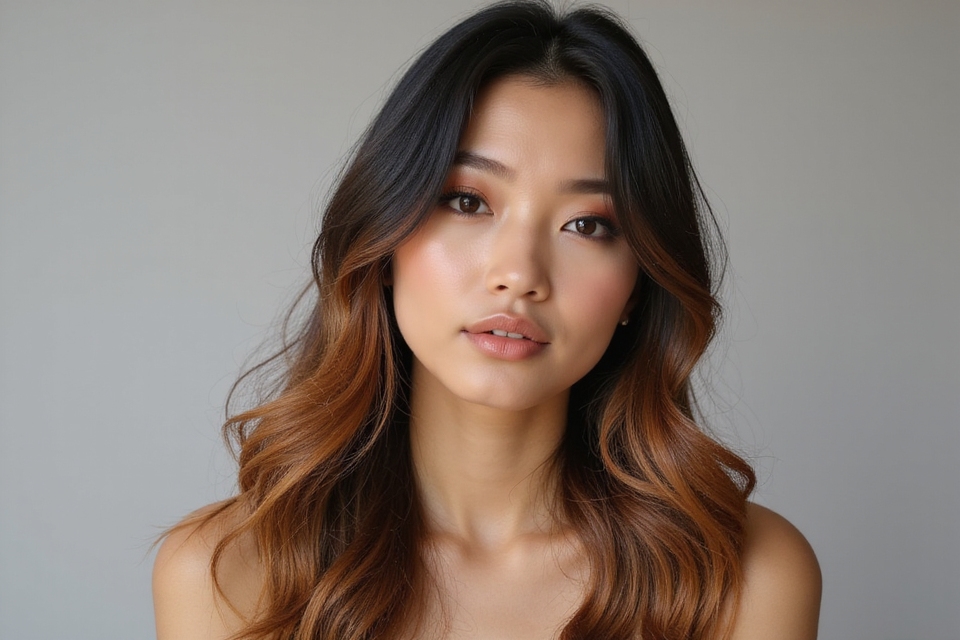

Stand in good light and you’ll see it: black hair is never just black. Tilt your head and the same strands flash blue, green, violet, or warm espresso, which is exactly why one of the oldest hair colors stays one of the most interesting.
From a true jet to a soft ebony to an inky blue-black, here are the black shades worth knowing, what each one does in the light, who it flatters, and the honest care it takes to keep that depth glossy rather than flat.
Black Hair at a Glance
- Black is a family: jet, ebony, blue-black, midnight, and tinted shades like emerald or cherry.
- It’s the most universally flattering depth, but undertone choice keeps it from looking flat or harsh.
- Shine is everything; black shows dullness, so gloss and care matter more than with any other color.
The Quiet Allure of Black

Black is the most striking hair color precisely because it does so much with so little. A deep, glossy black frames the face, makes the eyes pop, and reads expensive without a single highlight, which is why it never falls out of fashion.
Black Is Not One Color
But not all black is the same. The level can range from a soft, near-brown ebony to an inky blue-black, and the undertone, whether cool, warm, or tinted, changes the whole effect on your skin.
When a client sits in my chair asking for black, my first question in my chair is always which black, since the right one depends entirely on her skin and her eyes.
Sultry Ebony Variations

Ebony is the softest member of the black family, a deep near-black with a hint of brown that feels less severe than a true jet. It gives all the richness of black while staying gentle against the face, which makes it the most wearable black for most people.
- A touch warmer and softer than jet black.
- Flatters those who find true black too harsh.
- Looks especially natural on those with deep brown roots.
“If you take one thing from me, make it this: black is all about shine. A ten-minute gloss every few months does more for black hair than any cut or product, because depth without shine just reads flat and dull.”
Why Black Is So Versatile

Black’s reputation for being plain is exactly backward. It’s about as versatile as hair color gets, working for a corporate boardroom, a goth night out, and a red carpet, all depending on the cut and styling around it.
It’s also the most forgiving on upkeep of any color, since there’s no lightening or dye on the lengths and roots barely show. That low maintenance plus high impact is why black keeps its loyal following.
- Suits every setting from professional to edgy.
- Minimal root upkeep, since there’s no lightening.
- A blank canvas that lets your cut and features shine.
Enchanting Blue-Black

Blue-black is the showstopper of the family, a deep black with a cool blue tint that flashes sapphire in the light. It’s bold and a little dramatic, reading especially striking on cool skin tones and against bright eyes.
- A cool blue tint that catches light as blue-black sheen.
- Most flattering on cool and neutral undertones.
- Keep it glossy; the blue depends on shine to show.
The first question I ask anyone wanting black is ‘which black?’ Jet, ebony, blue-black, and espresso are completely different looks, and the right one depends on your skin and your eyes.
Timeless True Jet Black

True jet black is the deepest, most saturated shade there is, with no warmth or tint, just pure inky darkness. It’s the most dramatic and graphic of all the blacks, the one that makes a blunt bob or a sharp fringe look like art.
Who Jet Suits Best
It’s also the boldest against the skin, so it suits strong features and high-contrast coloring best. On very fair skin it can be stark, which some love and others soften with a slightly lifted ebony instead.
Jet is the most natural black for many people with deep, dark roots, and worn glossy it looks like polished onyx. The catch is that any dullness shows instantly, so shine is non-negotiable.
Soft Midnight Black
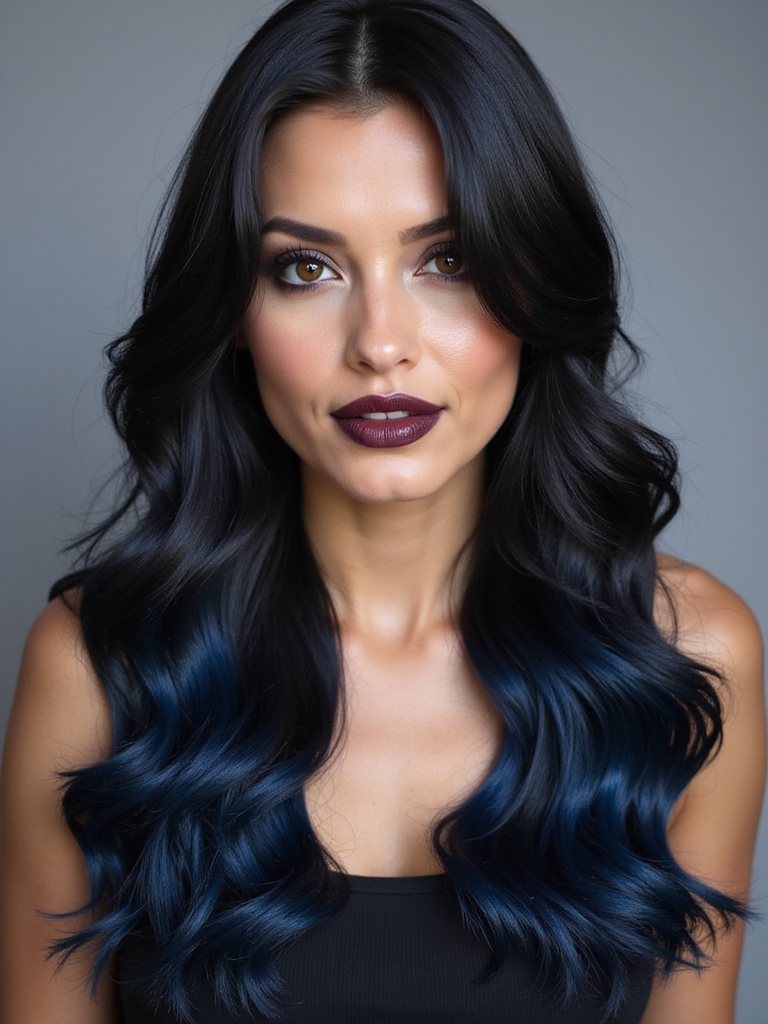
Midnight black is the dreamy, slightly desaturated cousin of blue-black, a deep black with the faintest cool haze in place of an obvious blue. It feels soft and atmospheric, like the night sky just after dark.
Midnight Versus Blue-Black
It’s a great middle ground for anyone who wants the depth of black with a touch of cool dimension but finds full blue-black too bold. The subtle tint adds interest without shouting.
Midnight flatters cool and neutral skin and looks beautiful with a glossy finish, where the faint blue catches the light. It’s one of the most wearable tinted blacks.
| Skin undertone | Best black | Skip |
|---|---|---|
| Cool / fair | Blue-black, midnight, soft ebony | Warm espresso |
| Warm / olive | Espresso, black cherry | Cool blue-black |
| Deep | Glossy jet, black cherry, emerald | Flat matte black |
Glossy Luminous Depth

The single thing that makes black look expensive is shine. A glossy, luminous black reflects light like glass and looks rich and healthy, while a flat, matte black falls dull and one-note no matter how good the cut.
That shine comes from a smooth cuticle and a gloss treatment, which is why a salon gloss over black is the best money you can spend. It refreshes the depth and adds the mirror finish black depends on. A salon gloss runs about $30 to $60 and is worth booking every couple of months.
- A gloss treatment is the secret to expensive-looking black.
- Cool water and a shine serum keep the cuticle smooth.
- Black shows dullness fastest, so shine upkeep matters most.
Black That Frames Your Features

Worn well, black is the ultimate frame for your face, drawing all the attention to your eyes, your bone structure, and your makeup. Against deep black, a bold lip or a bright eye pops twice as hard, which is why it’s a favorite for anyone who loves a strong beauty look.
- Black makes eye color and makeup stand out more.
- Pair it with a defined brow so the face stays balanced.
- A face-framing layer keeps a wall of black from overwhelming.
Two myths about black hair.
❌ Myth: Black hair is boring
✅ Reality: Tints like blue, violet, green, and red give black secret dimension and shift in the light.
❌ Myth: Black is zero maintenance
✅ Reality: Root upkeep is low, but shine and fade prevention take real, ongoing care.
Emerald-Black

Emerald-black hides a deep green tint inside the black that reveals itself in the light, jewel-rich and unexpected. It’s the choice for someone who wants a secret pop of color without leaving the safety of a dark base.
Where the Green Shows
The green flashes most in sunlight and under flash, so it photographs like a dark gem. Indoors it just reads as a rich, glossy black, which makes it surprisingly wearable for a fashion color.
It suits cool and neutral tones and needs a glossy finish to show the emerald. Like all tinted blacks, the color lives in the shine, so dullness hides it.
Deep, Saturated Pigment
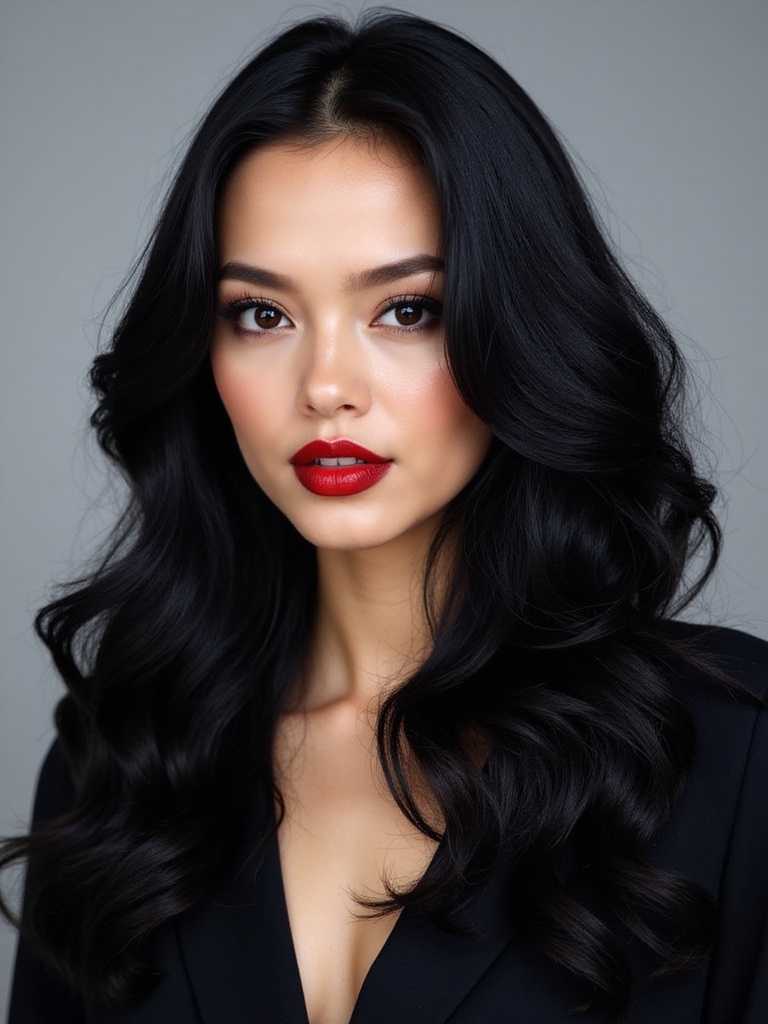
A truly saturated black, dense and even from root to tip, is what separates a salon black from a flat box-dye job. The richness of full, even pigment is what makes black look luxurious and rich.
- Even, dense pigment looks luxe; patchy black looks cheap.
- Box black is hard to lift later, so commit thoughtfully.
- A demi-permanent gloss black is gentler and easier to adjust.
Black Balayage Dimension

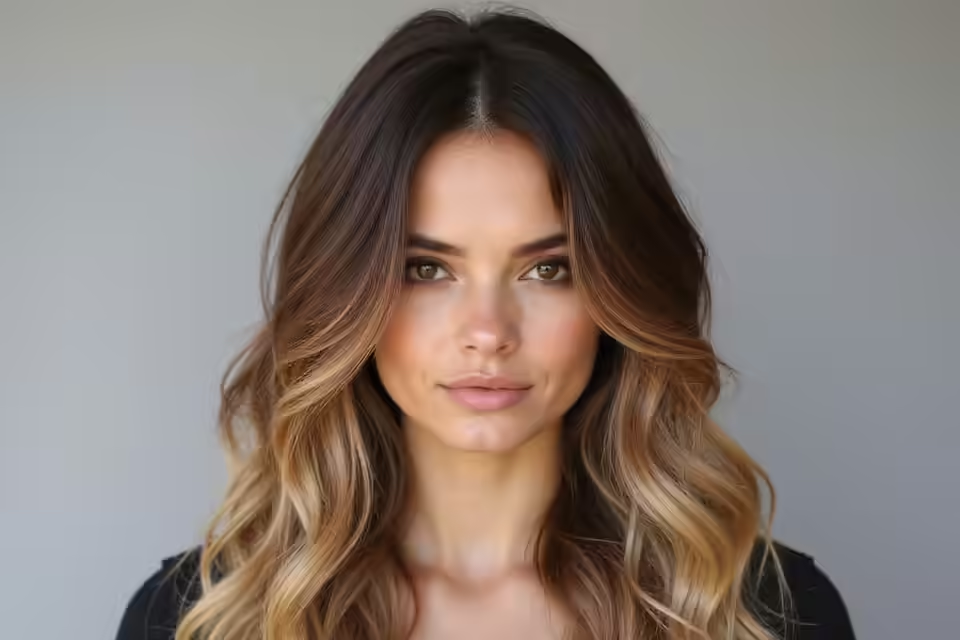
Black doesn’t have to be one solid wall. A subtle balayage, soft, barely-lighter pieces woven through, adds movement and dimension while keeping the overall look dark. It’s how you give black real depth.
Keeping Dimension Subtle
The lightened pieces are kept close to the base, a deep espresso or soft brown, kept softer than an obvious highlight, so the dimension is felt more than seen. It catches light as the hair moves.
This is a great option for anyone who loves black but worries it looks flat on them. The whisper of dimension keeps it rich and alive.
Black on Textured Curls
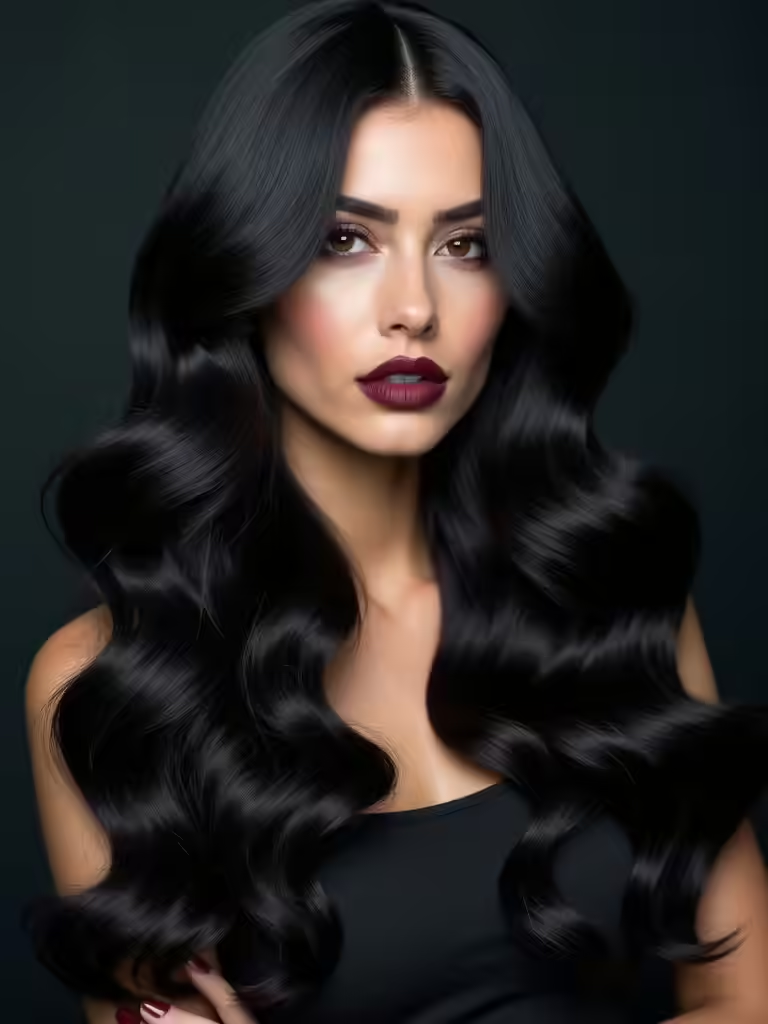
On curly and coily hair, a deep, glossy black is about the most striking look there is, since the rich color defines every curl and coil and makes the texture the star. For many with natural Black hair, jet is also simply their striking natural shade, worn at its glossiest.
The key is moisture, since textured hair is naturally drier and black shows dryness as dullness. A regular deep-conditioning routine and a little oil keep the curls defined and the black gleaming, not ashy.
Worn in a wash-and-go, twist-out, or defined coils, black gives texture incredible depth and dimension. It’s proof that the most beautiful black is often the one you were born with.
Luscious Black Cherry

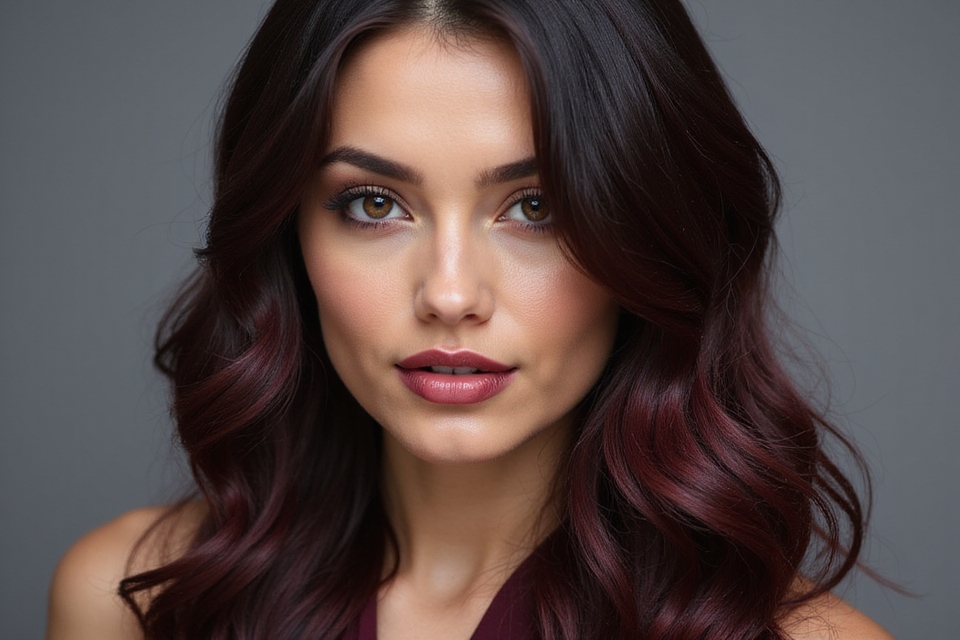
Black cherry tucks a deep red-wine tint inside the black, glowing burgundy in the light like dark fruit. It’s romantic and rich, the warmest and most flattering tinted black for warm and deep skin tones.
The red flashes in sunlight and softens the look against the face, so it’s a gentler bold choice than a stark jet. Think of it as the cozy, cherry-cola end of the black family.
- A deep red-wine tint that glows burgundy in the light.
- Flatters warm and deep skin beautifully.
- Softer against the face than a cool true black.
Deep Espresso Warmth

For warmth without leaving the dark side, a deep espresso is a black-brown that glows with warm coffee tones. It’s the softest, warmest way to wear near-black, flattering warm and olive skin where a cool jet might look harsh.
Espresso looks almost black indoors but warms to a rich brown in sunlight, so it gives the depth of black with a friendlier, sun-kissed warmth. It’s the most low-commitment way into dark hair.
- A warm black-brown that glows in the sun.
- Flatters warm and olive undertones.
- Reads near-black inside, rich brown outdoors.
Metallic High-Shine Black

Metallic black takes the shine all the way up, a glassy, almost liquid finish that looks like polished metal. Less a different color than a different finish, it’s about maximum gloss, the kind of mirror shine that turns heads in the light.
- A finish, not a shade: maximum glass-like gloss over black.
- Comes from a gloss treatment and a perfectly smooth cuticle.
- Best on straight or sleek styles where light reflects evenly.
Mystical Purple-Black

Purple-black hides a deep violet tint in the black, flashing amethyst in the light for a mysterious, jewel-toned effect. It’s a touch softer and more romantic than blue-black, with the same secret-color magic.
- A deep violet tint that catches light as amethyst.
- Flatters cool and neutral skin tones.
- Softer and more romantic than a blue-black tint.
Celestial Midnight Dimension
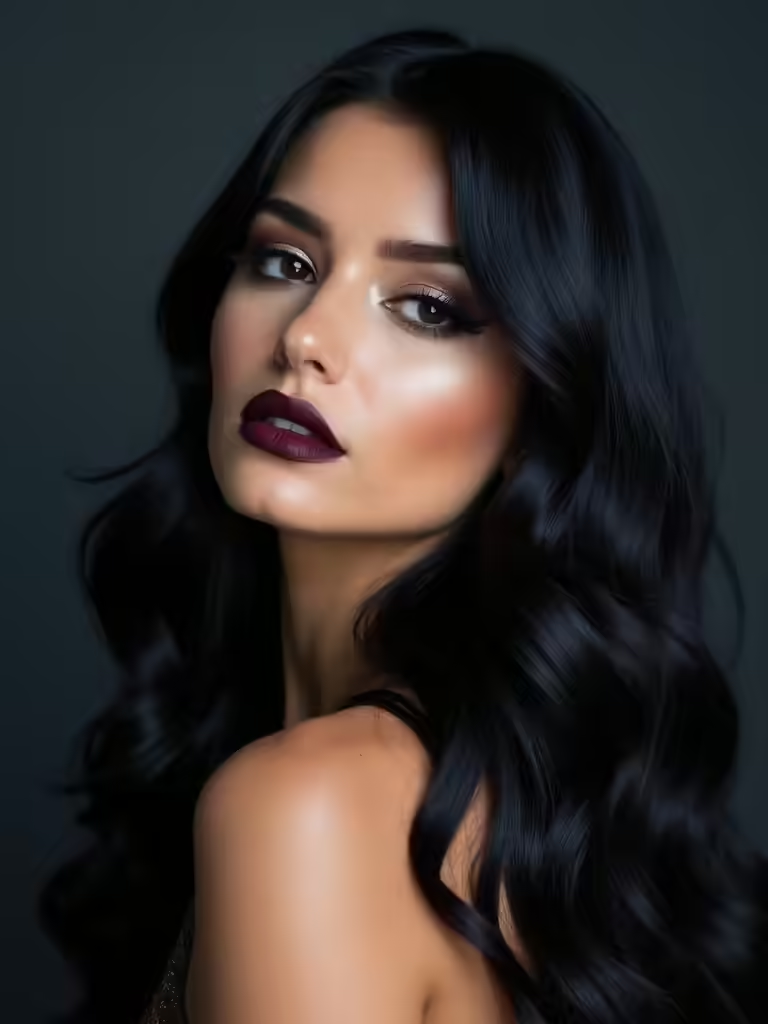
For the boldest take, a celestial black blends more than one tint, hints of blue and violet woven through the dark, so the hair shifts color like a night sky as you move. It’s the fashion-forward, multi-tonal end of black.
This is a salon-only effect, since it takes careful placement of cool tints so it looks intentional and clean. Worn glossy, it looks like galaxy hair kept tastefully dark, all depth and shifting light.
Nourish and Protect Black Strands

Black’s whole appeal is depth and shine, so the care is all about protecting both. The biggest enemy is fading and dullness, which is why color-safe, sulfate-free washing and cool-water rinses matter, especially for tinted and dyed blacks that can shift brassy over time.
Shine is the other half. A weekly mask and a little oil or serum keep the cuticle smooth so light reflects evenly, and a gloss at the salon every two to three months revives the depth. I tell every black-haired client that gloss, not dye, is what keeps the color expensive. Heat protection matters too, since damaged black looks dull fast.
- Wash with sulfate-free, color-safe products in cool water.
- Mask weekly and use a shine serum to keep the gloss.
- Book a gloss to refresh depth, especially on tinted blacks.
Caramel Highlights on Black

When you want to break up all that darkness, a few caramel highlights bring warmth and dimension without losing the black base. The warm contrast frames the face and adds a sun-touched glow, a popular way to soften black for warmer months.
- Keep highlights face-framing so they brighten the complexion.
- Caramel and toffee tones warm a cool black beautifully.
- Going lighter on black takes lifting, so see a colorist.
Black Suits Everyone

Black is one of the few colors that flatters across the entire spectrum, from the fairest to the deepest skin. The trick is choosing the right black: cool blacks like blue-black and midnight for cool skin, warm ones like espresso and black cherry for warm and deep skin.
On deep skin, a glossy jet or a warm black cherry looks rich and luminous; on fair skin, a softer ebony often suits the face better than a stark jet. Matching the undertone to your complexion is what makes black look intentional and luminous.
- Cool blacks (blue, midnight) suit cool undertones.
- Warm blacks (espresso, cherry) suit warm and deep skin.
- Soften a stark jet to ebony if it overwhelms fair skin.
Understanding the Shades of Black

It helps to think of black as a range of levels and tints, not one flat shade. The level is how dark it goes, from a soft ebony to the deepest jet, while the tint, blue, violet, green, red, or none, decides the character.
Knowing this vocabulary makes a salon visit far easier, since you can ask for, say, a glossy ebony with a cool tint in place of just saying black. The more precisely you describe it, the closer you get to the black you picture.
- Level = how dark: ebony (soft) to jet (deepest).
- Tint = the hidden color: blue, violet, green, red, or neutral.
- Naming both gets you the exact black you want.
Choosing Your Black Shade

Picking your black comes down to two questions: how dark you want to go and which way your skin leans. Cool, fair skin glows in blue-black and midnight; warm and deep skin in espresso and black cherry; and anyone nervous about harshness can start with a soft ebony before committing to jet.
- Decide your level first: soft ebony or deepest jet.
- Then match the tint to your undertone.
- Start softer if you’re new to dark hair; you can always deepen.
Your Journey to Authentic Black

For many people, black isn’t a dye choice at all but their natural color, and there’s a quiet power in embracing it at its glossy best rather than always chasing lighter. Worn with confidence and shine, natural black is as striking as any fashion shade.
- Natural black, kept glossy, rivals any colored look.
- A gloss treatment enhances your natural depth without dye.
- Confidence and shine are what make black look intentional.
Styling Black Hair for Radiant Shine

Since black lives or dies on shine, styling is about reflecting light. A smooth blowout, a flat-iron pass, or defined glossy curls all catch the light in a way that makes black look its richest, while frizz and dryness flatten it instantly.
Finish with a mist of shine spray or a touch of oil smoothed over the lengths, never the roots, so the hair gleams without looking greasy. A little goes a long way, and the payoff is that polished, expensive black shine.
Black Through the Seasons

Black flexes with the seasons more than people think. In winter it reads sleek and dramatic against pale skin and dark coats; in summer, a few caramel face-framing pieces or a warmer espresso tone keeps it from feeling heavy under the sun.
- Winter: lean into glossy jet for high drama.
- Summer: warm it with espresso or face-framing caramel.
- A gloss each season keeps the depth and shine fresh.
Black Hair Color Questions
?Does black hair suit every skin tone?
Yes, with the right black. Cool skin glows in blue-black and midnight, warm and deep skin in espresso and black cherry, and anyone can wear a soft ebony. Matching the undertone and keeping it glossy is what makes black flatter rather than overwhelm.
?Why does my black hair look flat or dull?
Black shows dullness more than any color, and it comes down to shine. A rough cuticle from heat or hard water stops light reflecting. A gloss treatment, sulfate-free washing, cool rinses, and a shine serum bring back that glassy, expensive depth.
?Is black hair hard to change later?
It can be. Permanent black, especially box dye, is dense and difficult to lift, so going lighter later often takes several careful salon sessions. If you might change your mind, ask for a demi-permanent or gloss black, which fades far more gently.
Find Your Shade of Black
Black hair is far from the plain choice it gets called. From a soft ebony to a sapphire-flashing blue-black to a burgundy-glowing black cherry, it’s a whole spectrum of depth, each shade catching the light in its own way. The secret across all of them is shine, which is what turns black from flat to luminous.
Think about how dark you want to go and which way your skin leans, then take that to a colorist who can fine-tune the tint. Worn glossy and chosen for your complexion, black is as rich and personal as any color out there.
More Looks We Love