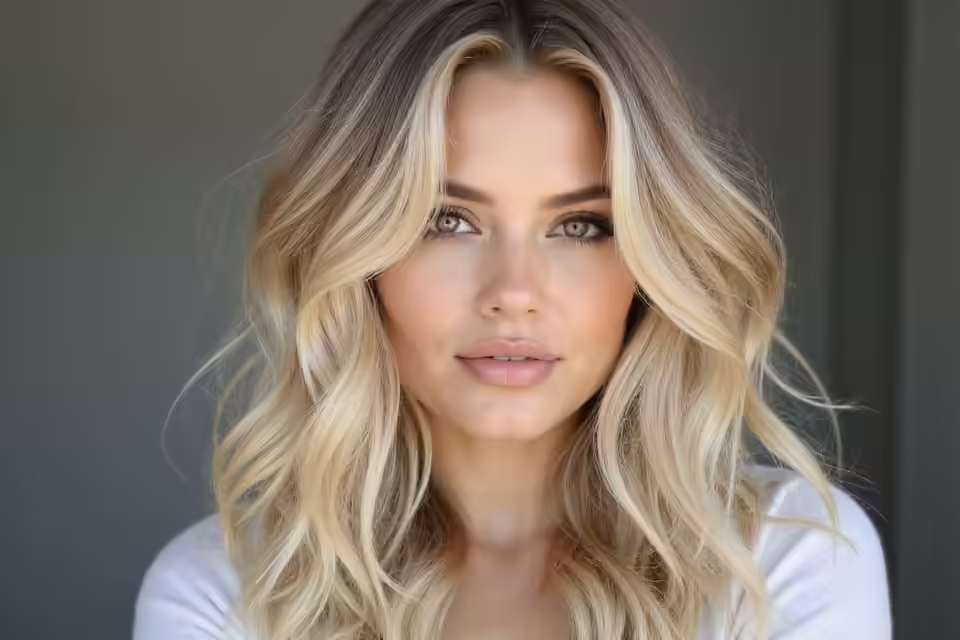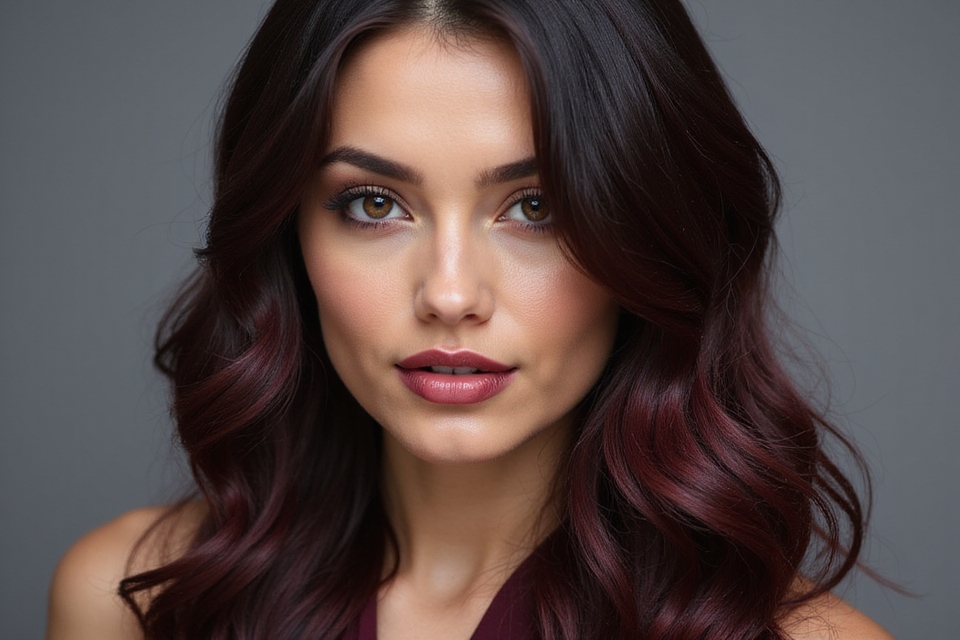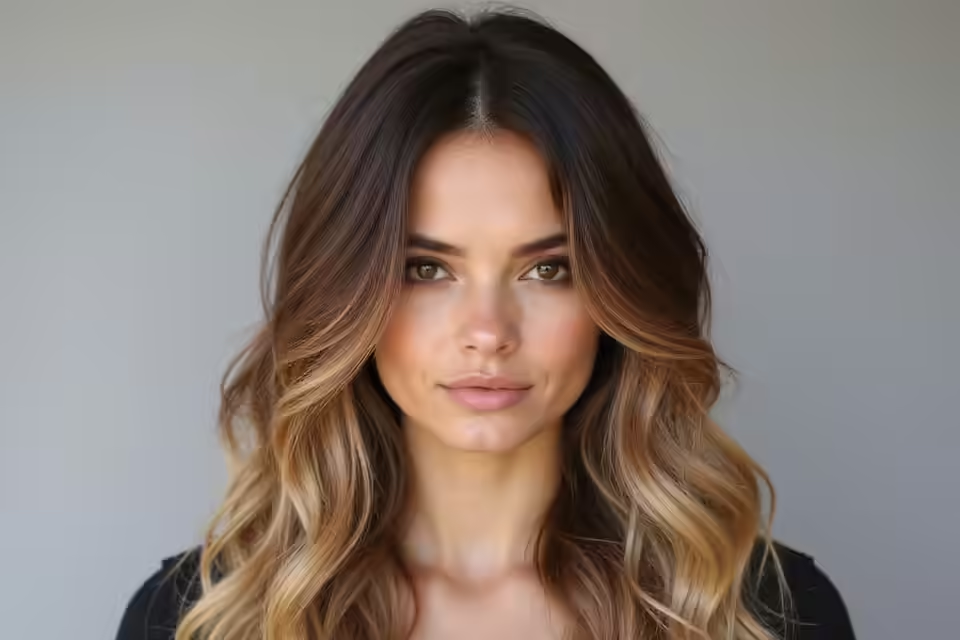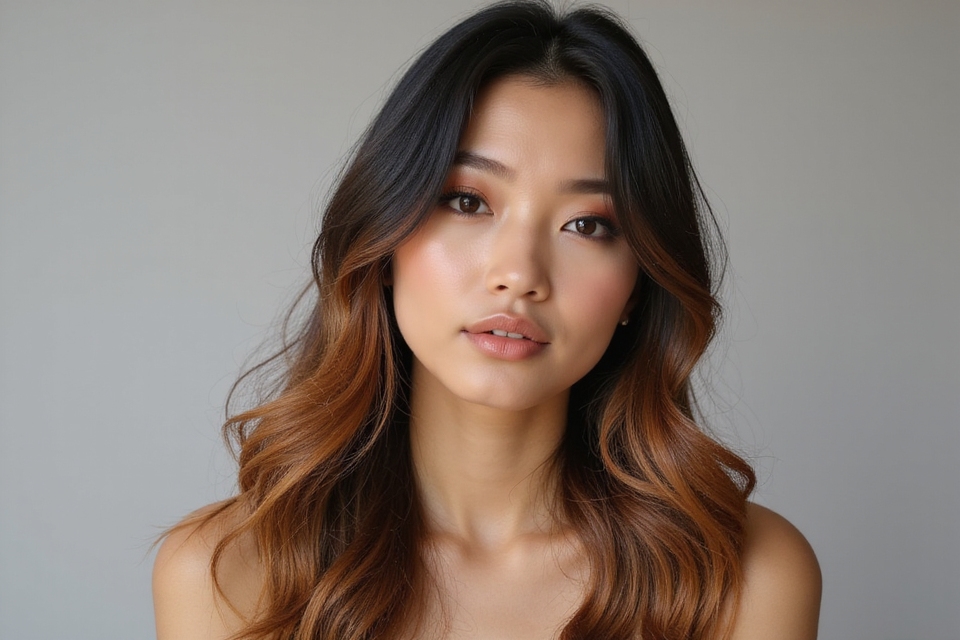
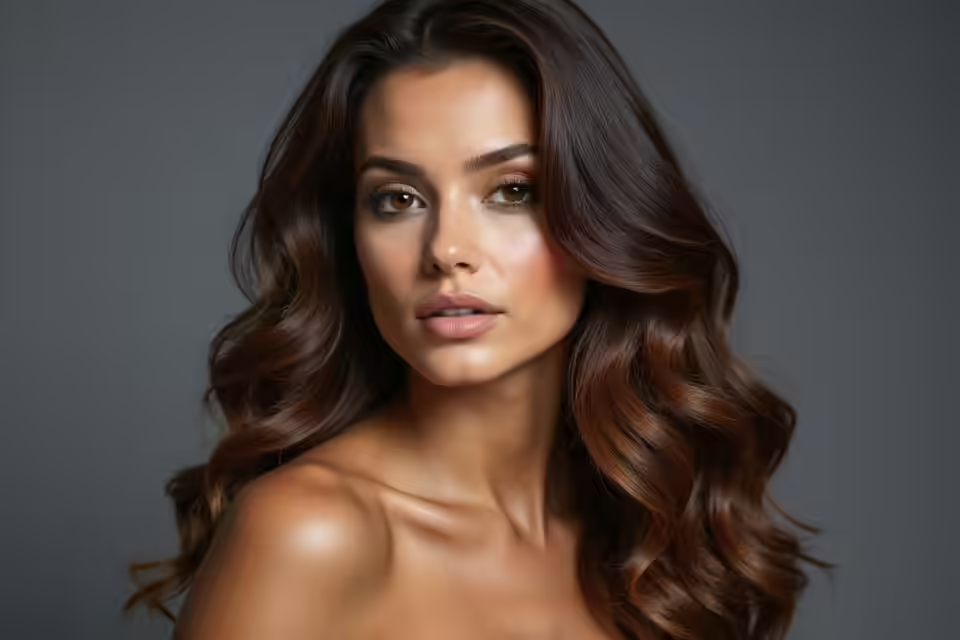
Which espresso are you actually after, the near-black deep roast, the warmer everyday brown, or the soft cream swirl with lighter pieces running through it? Most people picture one thing when they say espresso and walk out with another, because espresso hair color covers a whole range of depth and warmth, not a single tube of dye.
I get asked for espresso constantly once summer fades, and the first thing I do is figure out which end of the spectrum someone means. Here is the full range, tier by tier, plus how highlights, ombre, and balayage change the look, and what it takes to keep any of them rich at home.
The Espresso Range in Brief
- Espresso spans three rough tiers: deep roast (darkest), medium espresso (warm everyday brown), and cream swirl (espresso broken up with lighter pieces).
- Depth picks itself by upkeep: deeper espresso hides regrowth longest, while cream swirl and balayage need a gloss to stay clean but show the most movement.
- Salon single-process espresso runs about $80 to $150; dimensional versions land near $150 to $250, plus a gloss every 4 to 6 weeks.
The Dimensional Depth Behind Espresso Color
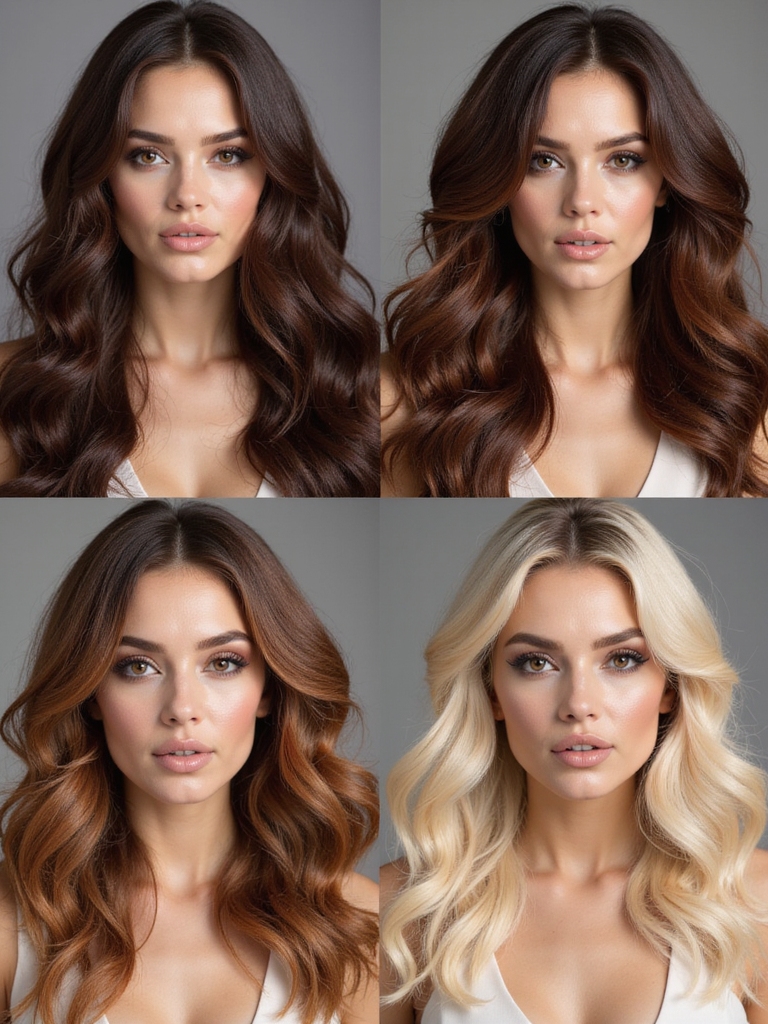
Espresso gets its name from the drink for a reason: like a good pull, it has layers. What makes it look dimensional is the warm brown light buried inside the dark base, and that warmth is what you are really choosing when you pick a tier.
- The base sits deep, usually a level 2 to 4, which is what gives espresso its richness.
- The undertone carries the warmth, anywhere from cool-coffee to a soft red-brown.
- The finish decides the shine, which is why a gloss matters as much as the color itself.
Why Espresso Tones Feel So Warm
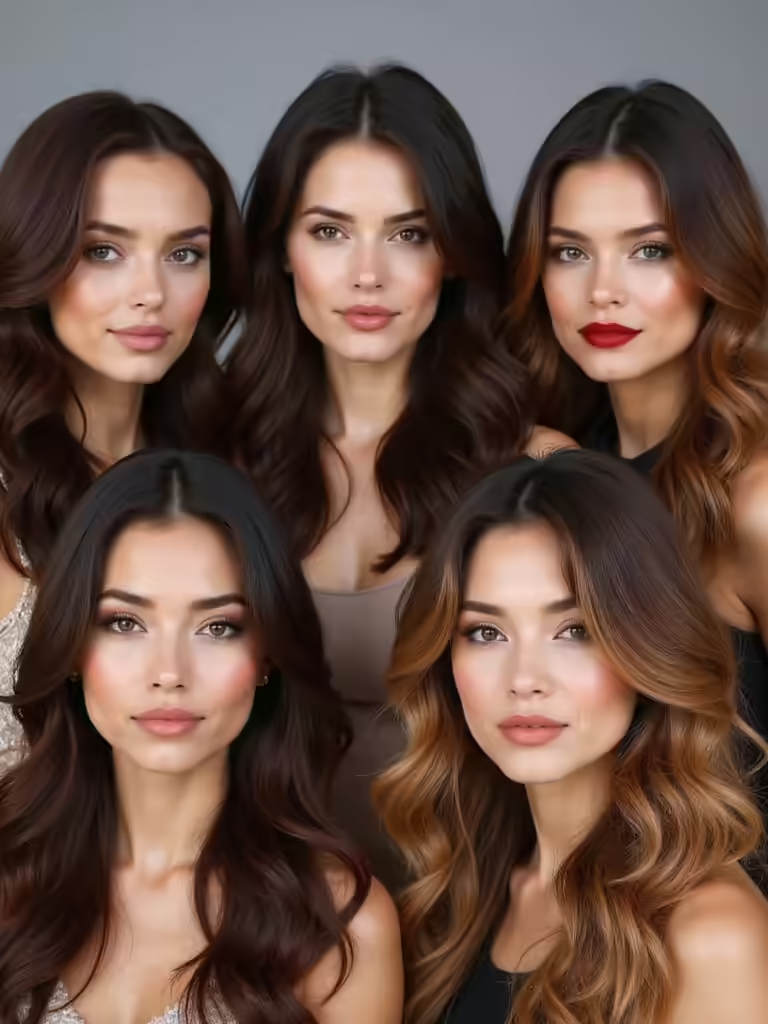
The pull toward espresso usually peaks in cooler months, and it is no accident. That coffee-toned warmth flatters the way skin looks under low winter light, and the depth photographs as polished even on a quick-styling morning.
It also suits almost any complexion because you can dial the warmth up or down. A softer, warmer espresso glows on golden and deep skin, while a more neutral version keeps cool and olive tones crisp. That adjustability is a big part of why the shade stays in steady rotation.
🅰️Warm Espresso
A soft red-brown or caramel-warmed depth that glows on golden and deep skin and looks cozy in winter light.
🅱️Cool Espresso
A more neutral, slightly ashy depth that keeps cool and olive skin crisp and stops the color pulling red.
How to Choose the Right Espresso for You
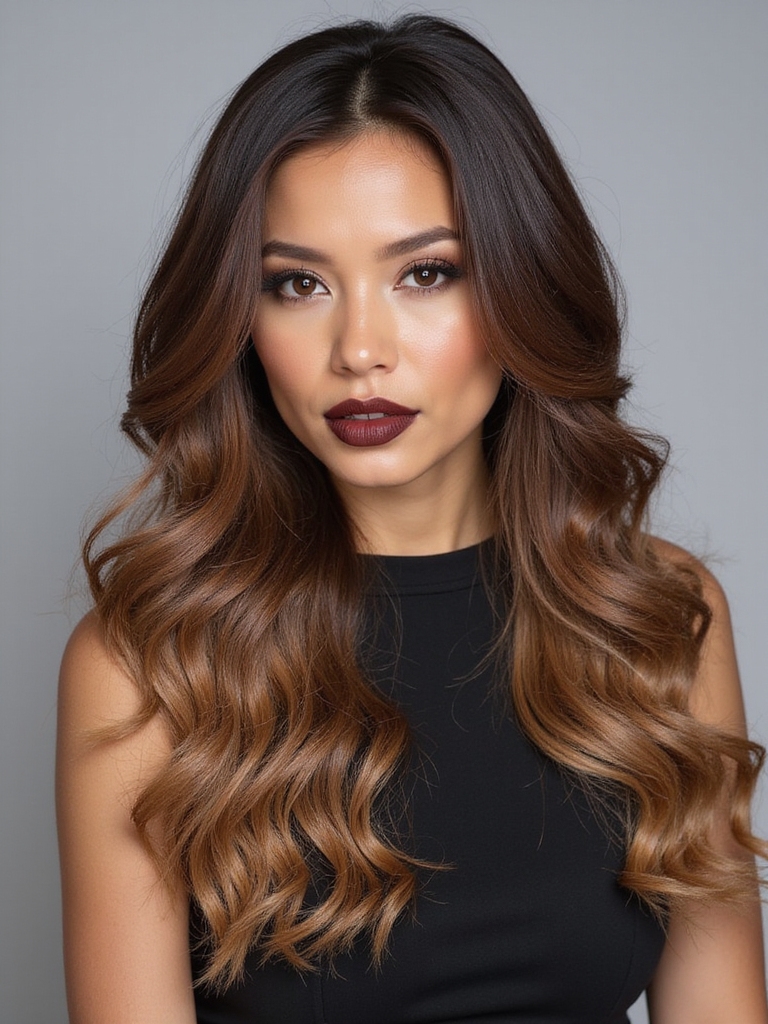
Choosing your espresso comes down to two questions answered in order: how dark, then how warm. Decide those for your own hair and lifestyle before you fall for a photo, because depth controls upkeep and warmth controls how it flatters you.
A quick way to land it:
- Low upkeep, dramatic: go deep roast, the regrowth hides longest.
- Balanced and easy: medium espresso suits most people and most jobs.
- Movement and brightness: add cream-swirl pieces or balayage for dimension.
Deep Roast, the Darkest Espresso
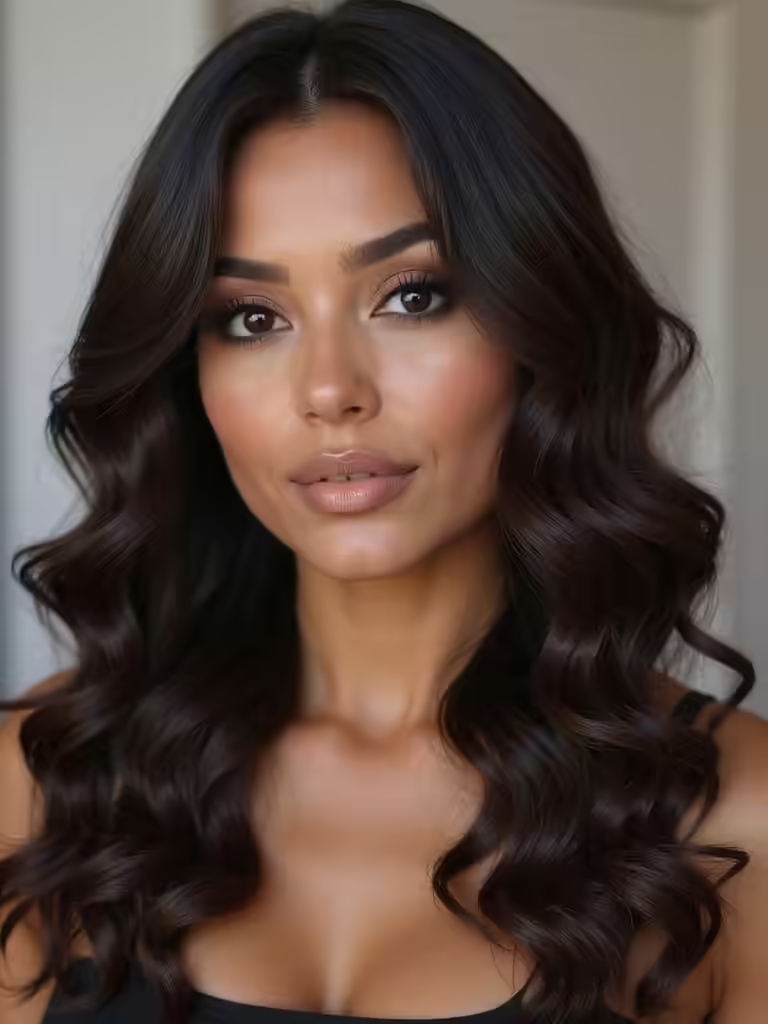
Deep roast is the darkest end, a near-black level 2 that still carries a warm brown glow when light hits it. It is the most dramatic espresso and the lowest-maintenance, since there is almost no visible regrowth line on naturally dark hair.
It is the tier I point people to when they want impact with little fuss. The one honest catch: very deep color can look heavy against a fair, cool complexion, so if that is you, ask for a touch of warmth in the formula or a few soft face-framing pieces to keep it from going severe. A black hair color is the next step down if you want even deeper.
Medium Espresso, the Everyday Blend
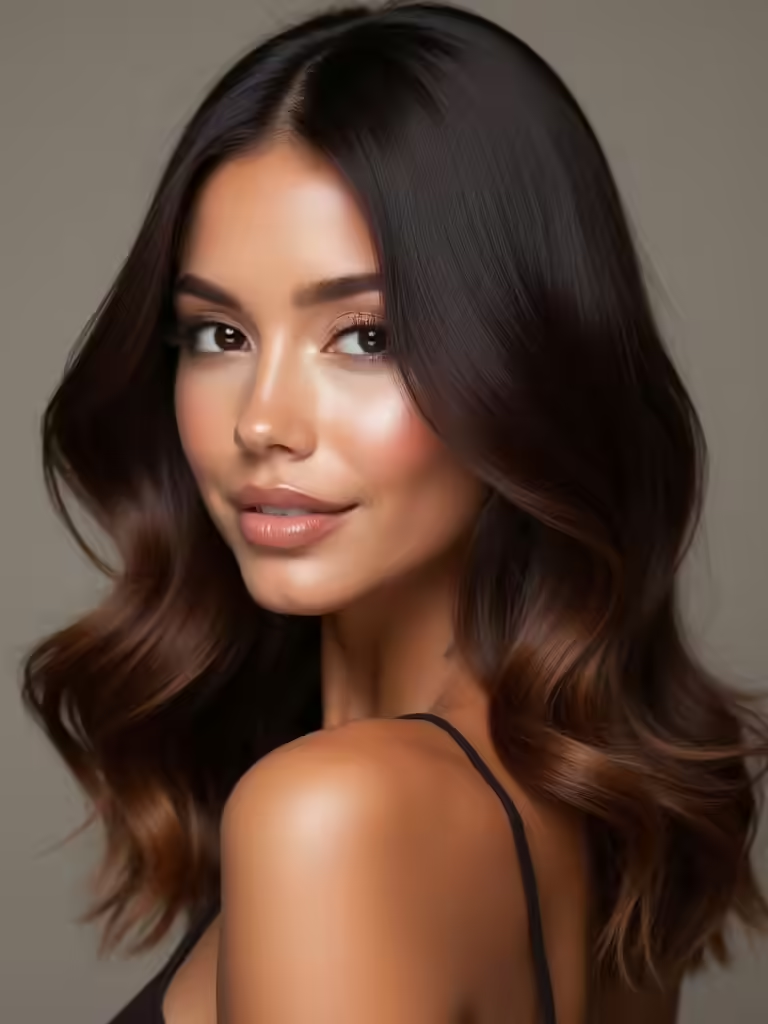
Medium espresso is the workhorse of the range, a true level 3 to 4 brown that shows clear warmth in daylight and still looks deep indoors. It is the most flattering tier for the widest set of people, which is why it is what most clients actually want when they ask for espresso.
- Why it works: enough depth to look rich, enough warmth to avoid looking flat.
- Who it fits: nearly every skin tone, with the warmth nudged to match.
- Upkeep: a gloss every 4 to 6 weeks keeps it from drifting dull, around $40 to $90.
The three espresso tiers, defined:
📖Deep Roast
The darkest espresso, a near-black level 2 with warm depth and almost no visible regrowth.
📖Medium Espresso
A true level 3 to 4 brown that shows clear warmth in daylight, the most wearable tier.
📖Cream Swirl
A deep base broken up with soft caramel and cream pieces for light and movement.
Cream Swirl, Light and Multi-Dimensional Espresso
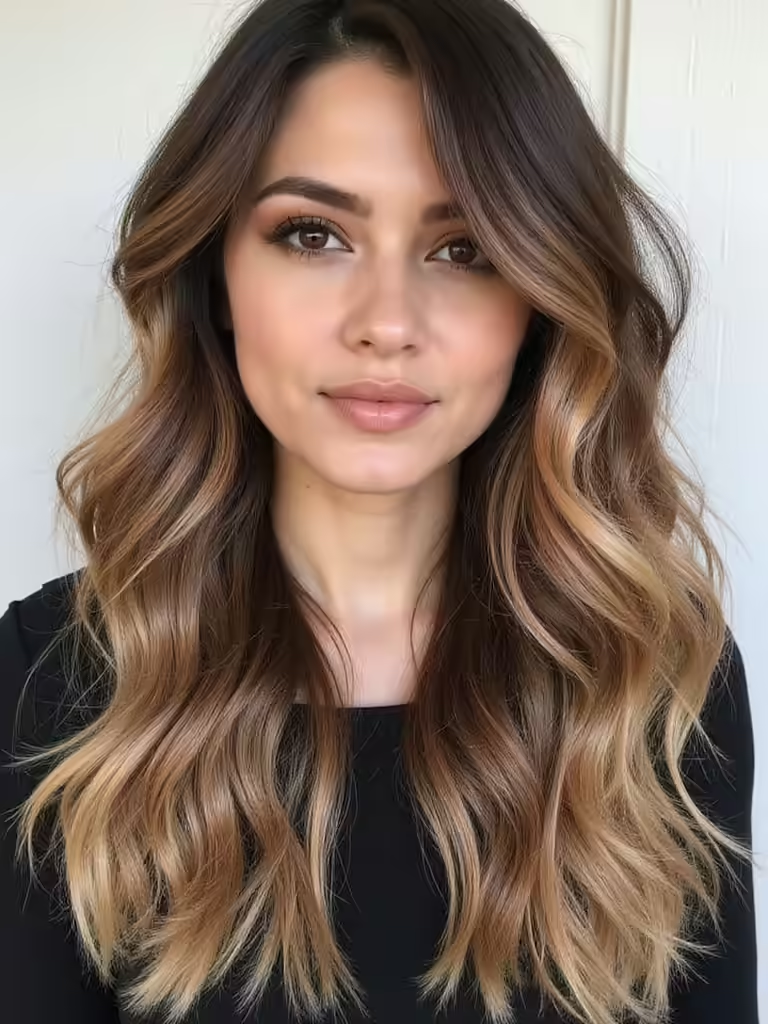
Cream swirl is espresso with the lights turned up: a deep base broken by soft caramel and cream ribbons that catch the light and add real movement. It is the most modern, dimensional take and the one that photographs with the most depth.
The trade-off is upkeep. Those lighter pieces are lifted, so they need a toning gloss to stay clean and a balayage touch-up every three to four months to keep the blend soft. Budget closer to $150 to $250 for the initial dimensional service.
If you love the contrast but want it gentler, ask for the cream pieces kept low and around the face only. That gives you the swirl effect with half the maintenance, and it grows out without a hard line.
Espresso Highlights for Subtle Depth
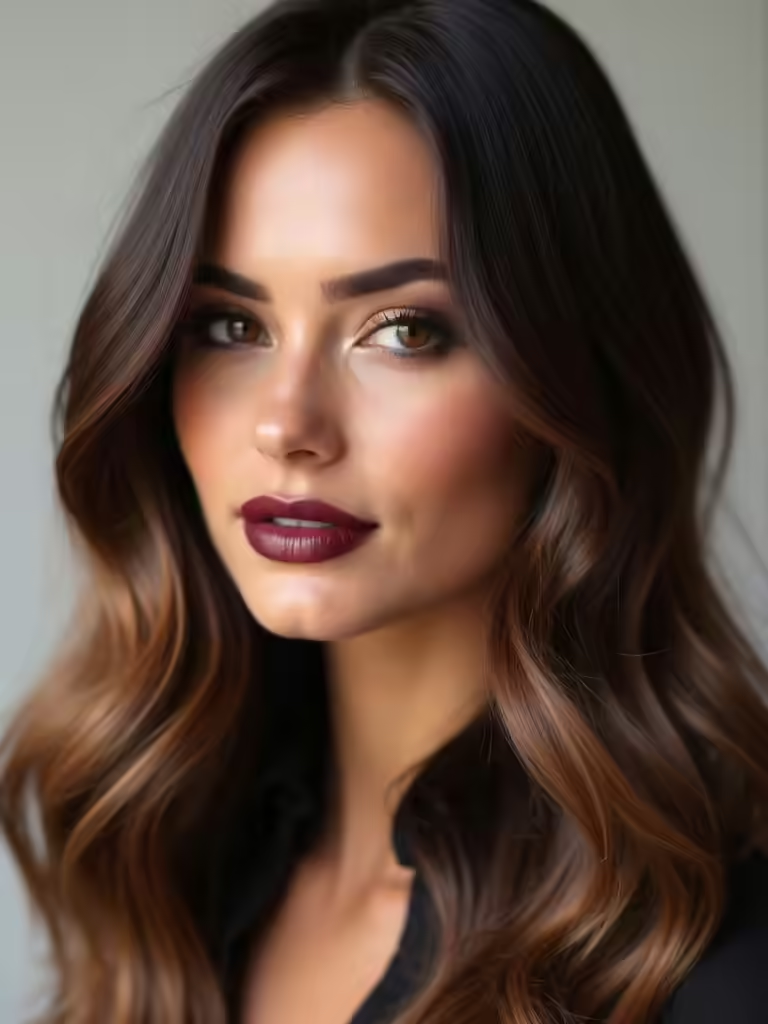
If you want dimension without a full dimensional service, a handful of fine highlights does the job. On an espresso base, the goal is depth you can sense more than see, two to three levels of lift at most, so the result stays believable.
Keep the Lift Within a Few Levels
I tried this on a client who swore she wanted to stay solid espresso, then asked for just a few face-framing pieces. Three thin caramel ribbons around the face brightened her whole complexion, and she was back to fully solid within two grow-outs because the upkeep felt invisible.
Keep the highlights soft and root-shadowed and they blend out gently, so you are not locked into frequent touch-ups.
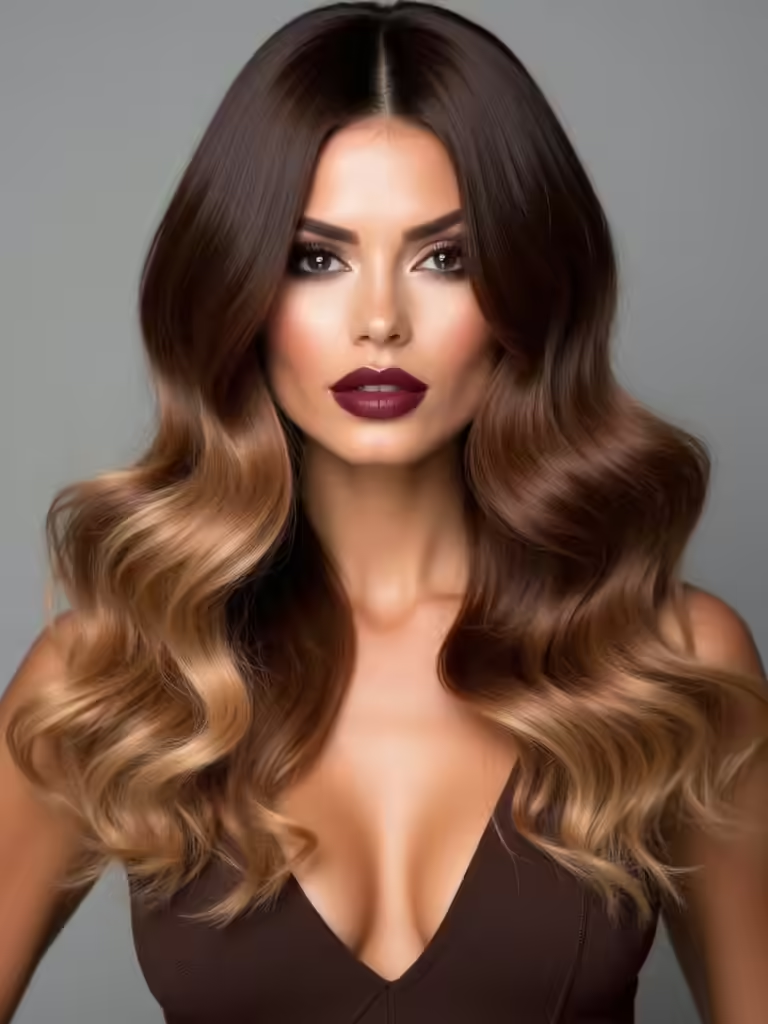
Ombre Espresso for a Gradual Fade
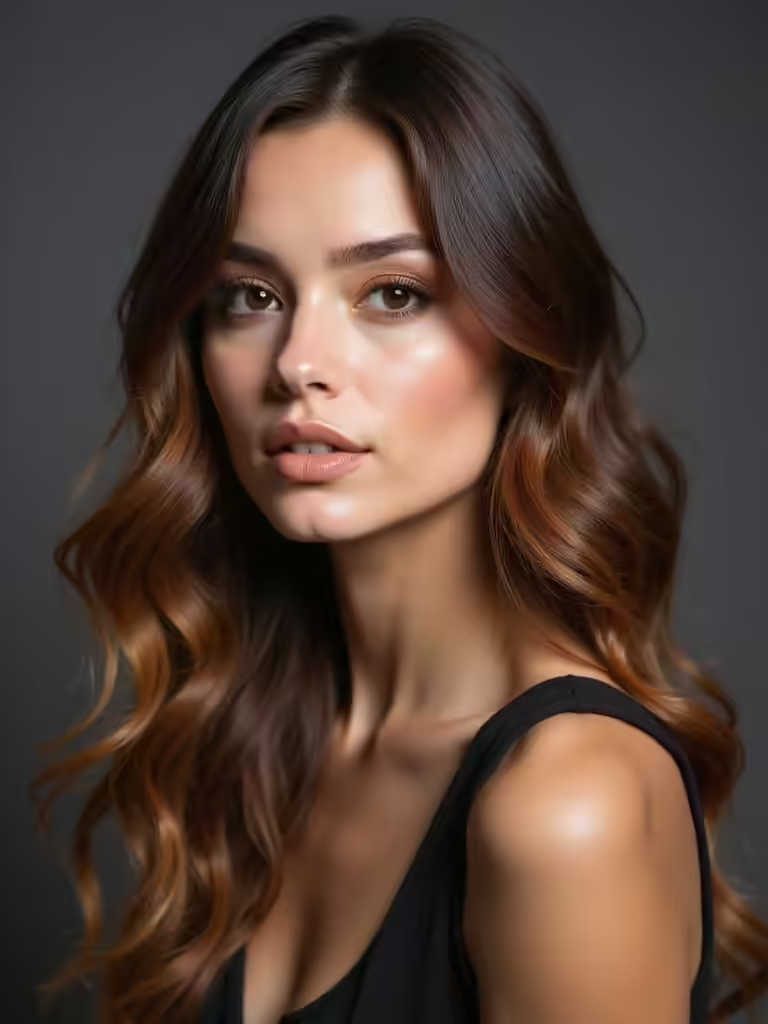
Ombre on espresso keeps the deepest color at the roots and melts it into lighter, warmer ends. Because the dark stays up top where your regrowth lives, it is among the easiest ways to wear lighter ends, with a soft, grown-in feel.
What makes an espresso ombre look good:
- A long, blended melt with no hard line where dark meets light.
- Warm caramel or mocha ends that stay in the brown family for a natural fade.
- Refresh the ends with a gloss every couple of months so the lighter tone stays clean.
Balayage on Espresso Hair
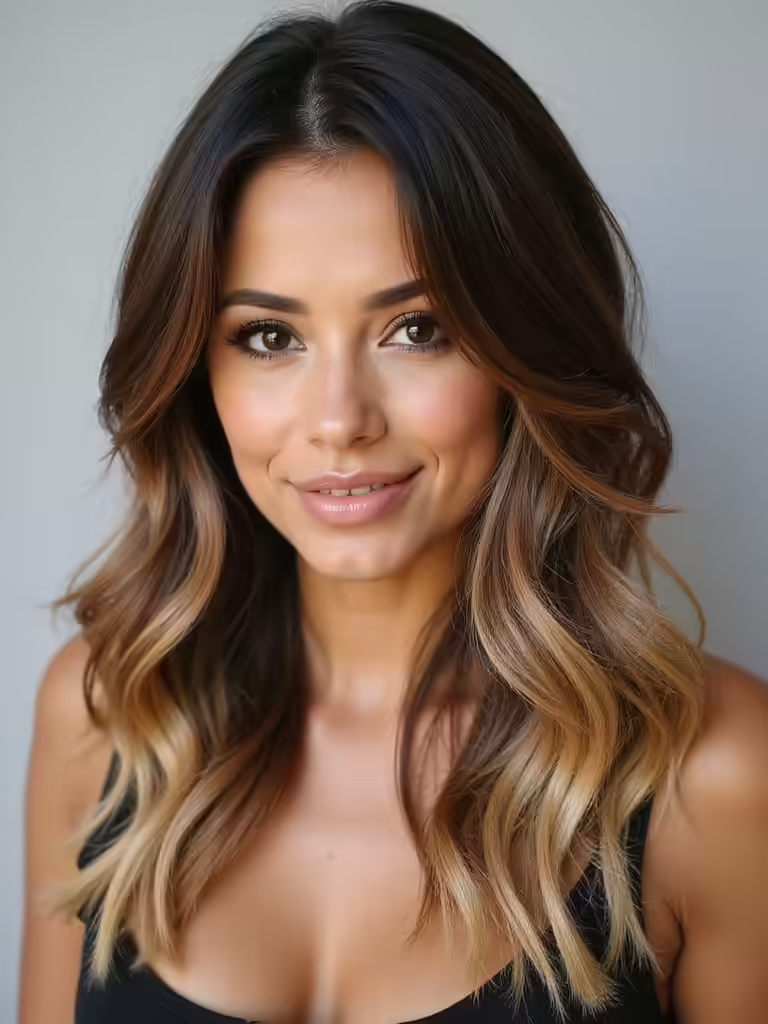
Balayage is hand-painted color, and on espresso it gives the softest, most natural dimension of any technique because the colorist controls exactly where the light lands. It is the method behind most of those rich, lit-from-within espresso looks you save.
- Placement: painted lower and softer than foils, so the deepest espresso frames the face.
- Grow-out: forgiving, with regrowth that blurs in softly as it grows.
- Upkeep: a touch-up only every three to four months, plus a refreshing gloss between.
Espresso Across Different Hair Lengths
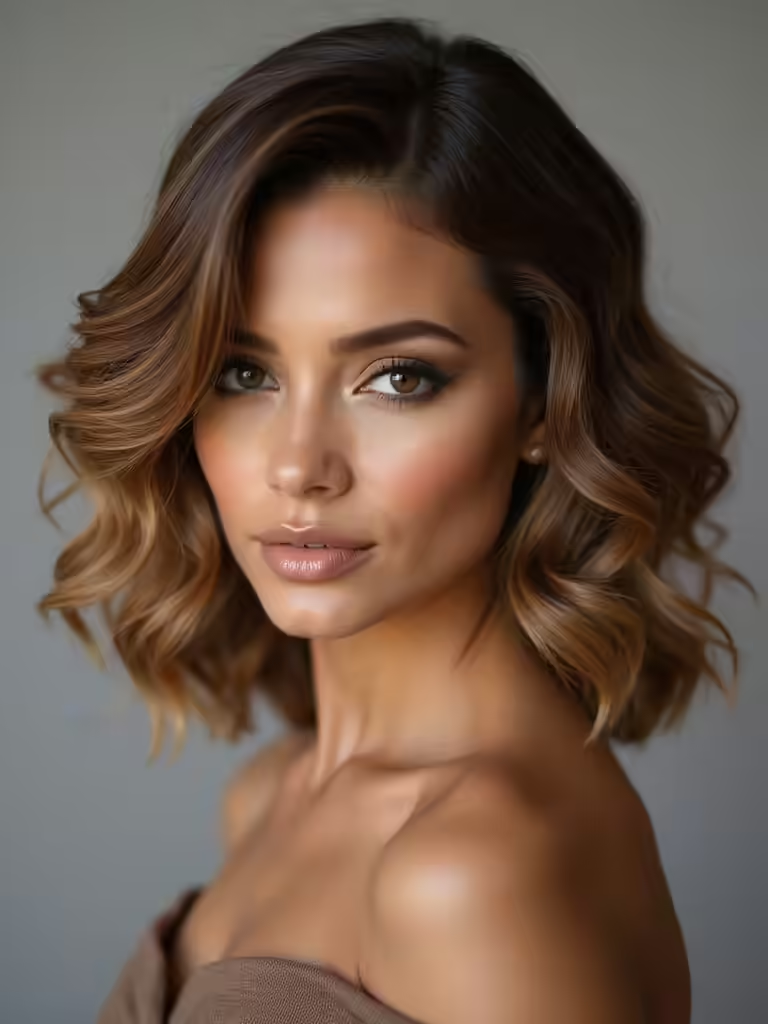
Espresso behaves a little differently depending on length, and matching the tier to your cut helps it look its best. The same deep roast that looks sleek on a bob can feel heavy on very long hair without a little dimension worked in.
A rough guide by length:
- Short cuts and bobs: solid deep roast or medium espresso looks crisp and glossy with almost no product.
- Mid-length: medium espresso with a few cream-swirl pieces keeps the shape from looking flat.
- Long hair: balayage or ombre stops the length from reading as one dark block.
Matching Espresso Shades to Your Skin Tone
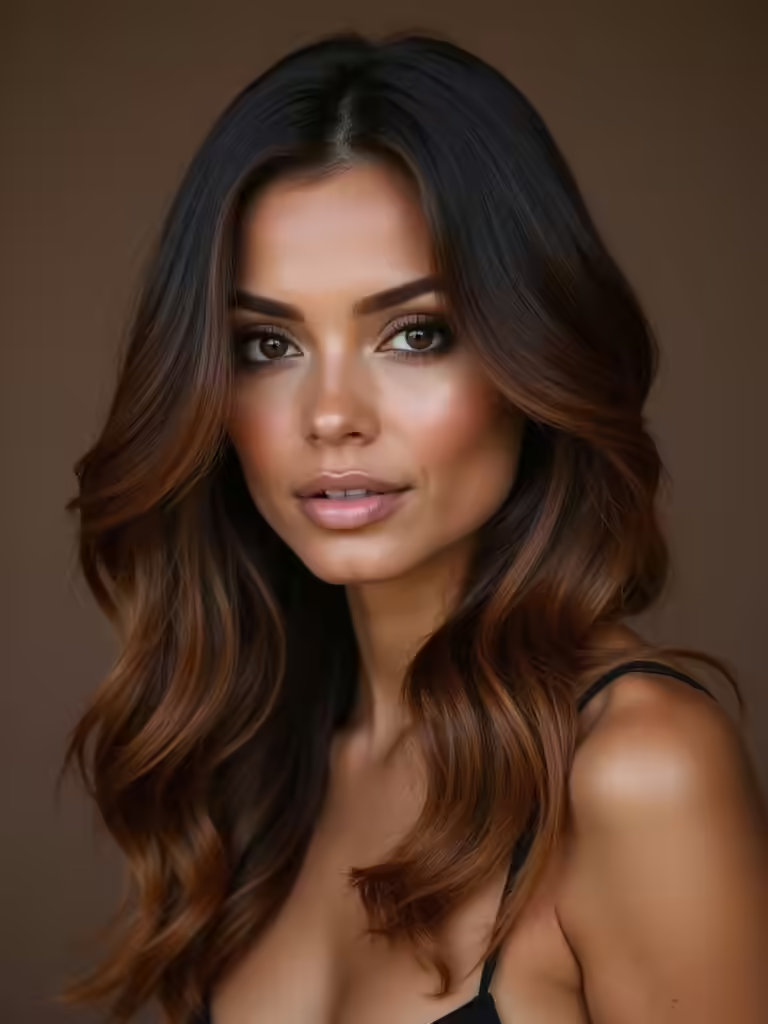
Your skin’s undertone should steer how warm your espresso goes. Warm, golden, and deep complexions glow with a softer red-brown or caramel-warmed espresso, which keeps the color from looking dull. The deep-skinned clients I work with almost always look richest when I keep a little warmth and add subtle dimension to stop it going flat.
Read Your Undertone First
Cool and olive skin usually wants a more neutral, ashier espresso so the hair does not pull muddy or overly red. If you cannot read your own undertone, a colorist can spot it in seconds at a consult, so it is not worth stressing over the guess.
When in doubt, medium espresso with neutral warmth is the safest bet across almost every complexion.
Seasonal Espresso Inspiration
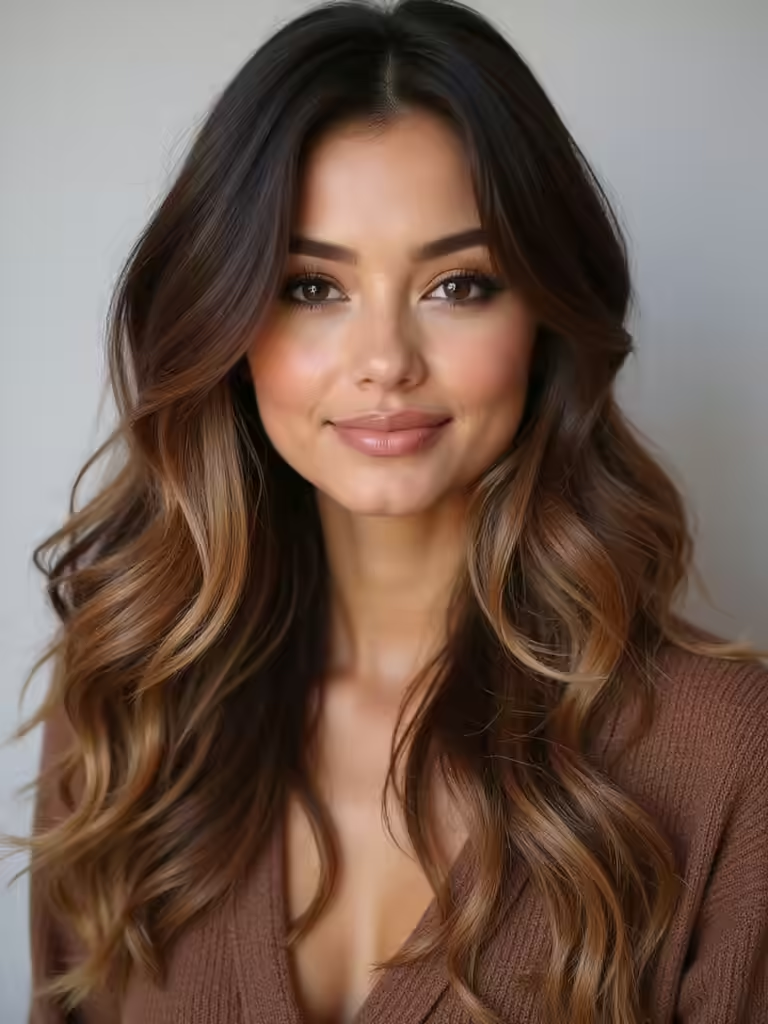
Espresso shifts beautifully with the calendar, and small tonal tweaks keep it feeling current without a full color change. You can ride the same base all year and just adjust the warmth and dimension season to season.
Easy seasonal moves:
- Fall: warm it toward a mahogany depth for cozy richness.
- Winter: keep it deep and add a few frosted face-framing pieces for contrast.
- Spring and summer: brighten with mocha ends or cream-swirl ribbons for light.
Maintenance That Keeps Espresso Rich
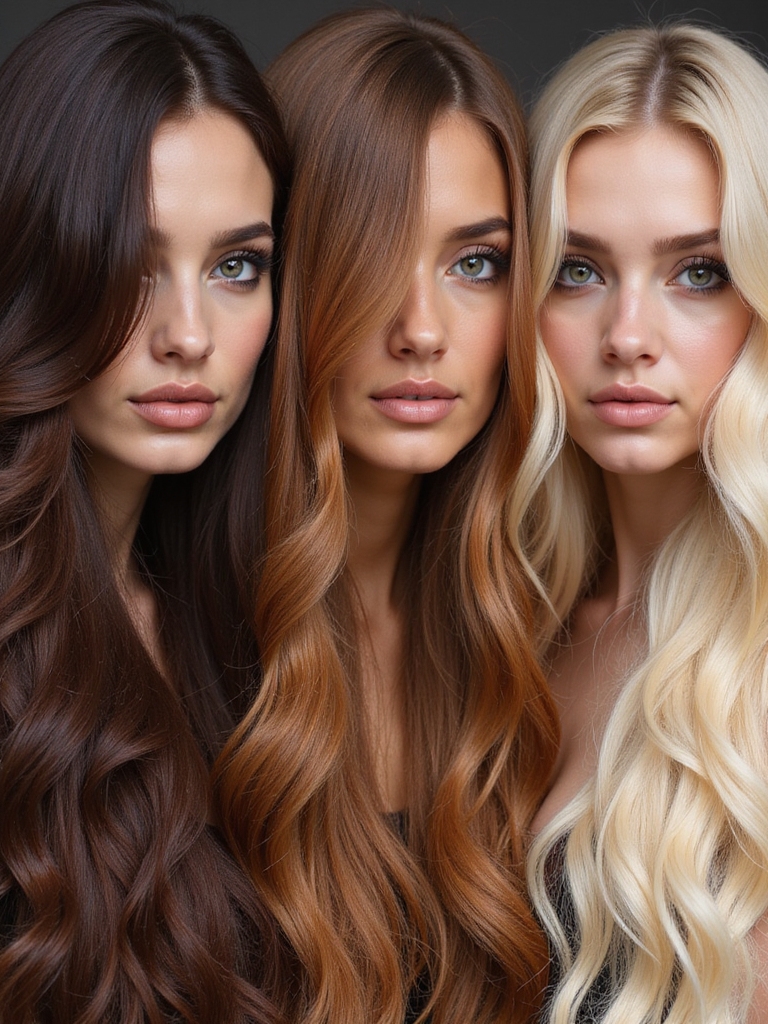
Espresso is stubborn color, so most maintenance is about protecting the warmth and shine, since regrowth barely shows. A few habits stretch a fresh result by weeks.
- Wash cooler and less often, two or three times a week, to keep tone from rinsing out.
- Book a gloss every 4 to 6 weeks to snap the warmth and shine back.
- Skip clarifying shampoos unless you have buildup; they strip color fast.
Care Essentials for Espresso Hair
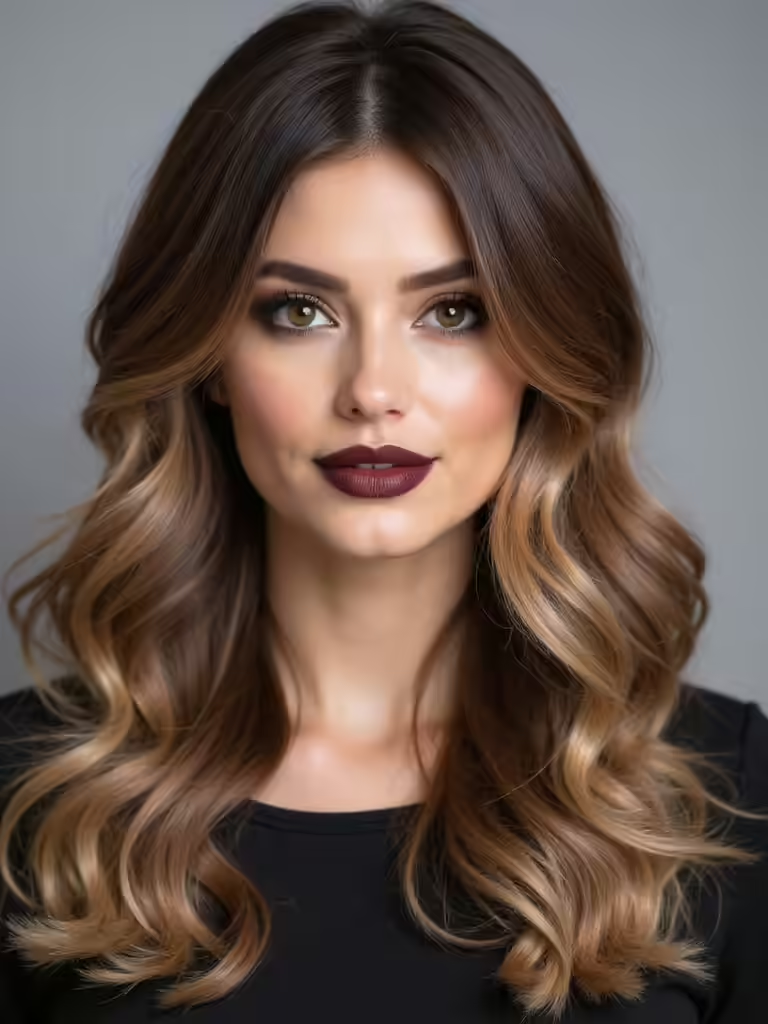
You do not need a crowded shelf for espresso, just a few products that pull their weight. A sulfate-free, color-safe shampoo is the non-negotiable, since it protects both tone and shine between glosses.
Add a weekly deep conditioner or a color-depositing brown mask to top up warmth, usually $15 to $30, and a lightweight shine serum for the mid-lengths and ends. That serum is what sells the glassy espresso finish in photos.
If you lightened any pieces for dimension, a bond-building treatment keeps those strands healthy so the whole color looks even.
| Product | What it does | How often |
|---|---|---|
| Color-safe shampoo | Slows fading, protects tone and shine | 2 to 3 times a week |
| Tinted gloss or brown mask | Tops up warmth and depth | Every 1 to 2 weeks |
| Heat protectant and shine oil | Guards shine, smooths the finish | Every heat style |
Dyeing Espresso at Home
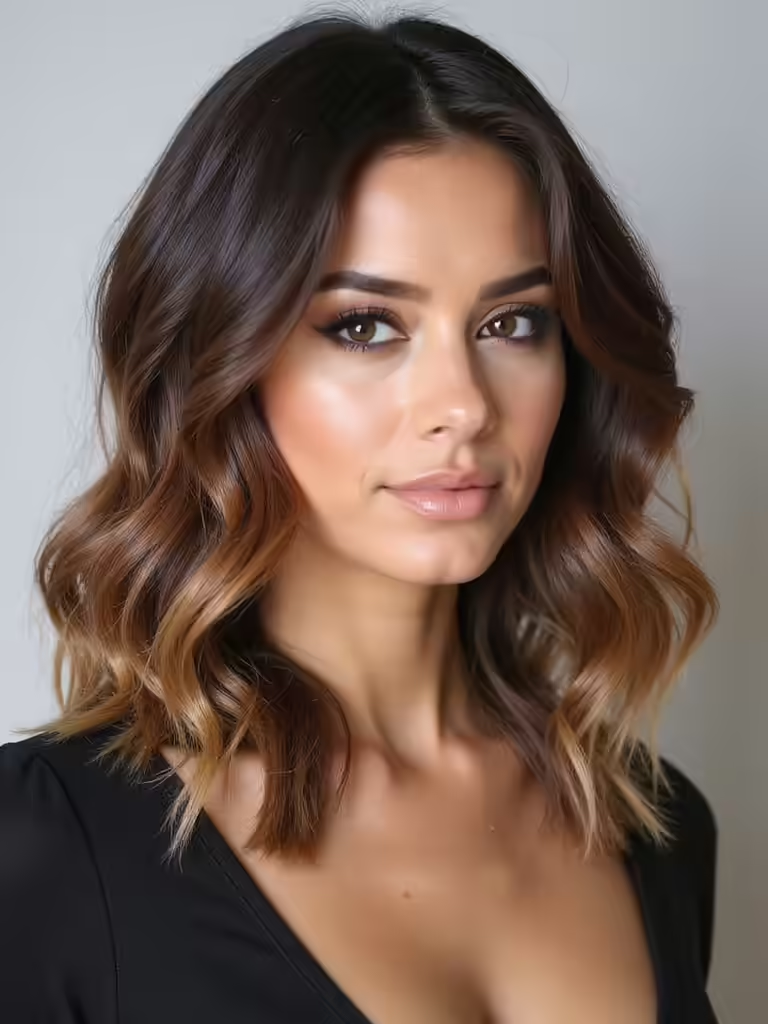
Going espresso at home is doable if you are staying close to your natural depth, within a level or so, with no old highlights to cover. A demi-permanent box runs about $15 to $25 and fades softer, which is more forgiving than a permanent if you get the tone slightly wrong.
The mistake I clean up most after a home dye is brassiness from a box that ran too warm, so choose a shade labeled neutral or cool if your hair grabs red easily. Always patch and strand test first.
Apply to dry hair, work roots last since they process fastest, and rinse with cool water. If you have previous color or want a big change, that is a salon job, not a box.
How to Borrow Espresso From the Spotlight
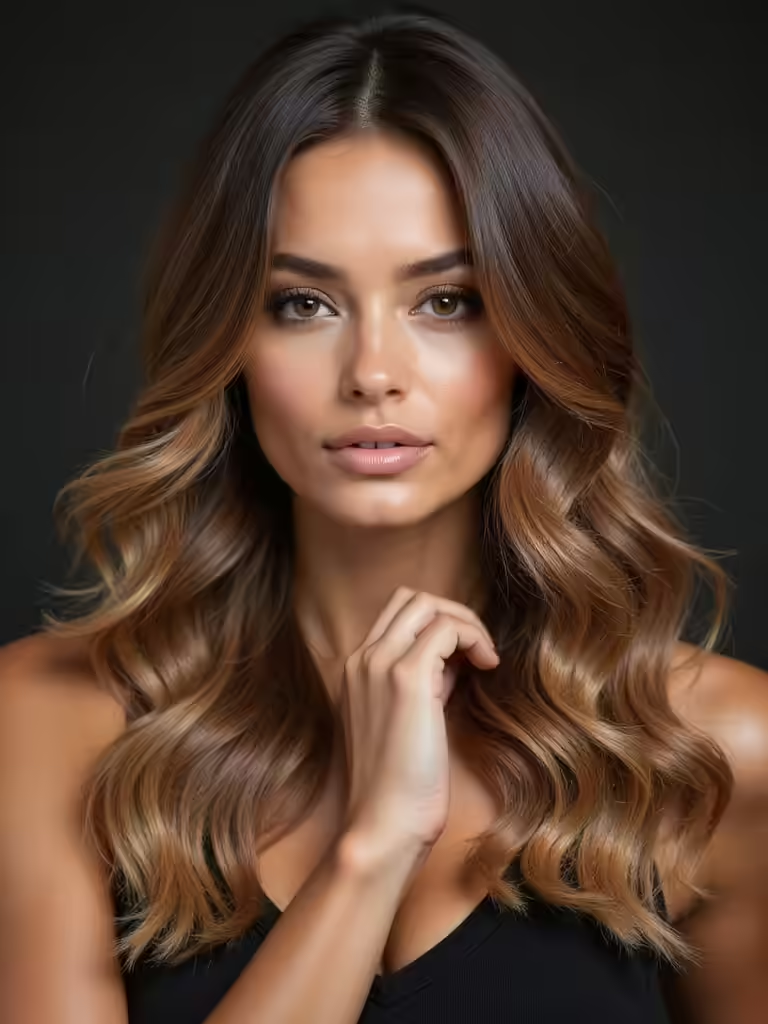
Espresso shows up constantly on red carpets because deep, glossy color photographs as expensive under any lighting. You can borrow the effect, just use those shots as reference the smart way and skip expecting a copy.
- Match the undertone, not the face: find a shot where the skin tone is close to yours.
- Look at the finish, since most of that red-carpet richness is a gloss and a smooth blowout.
- Bring two or three shots so your colorist can read what you actually like about each.
A quick gut-check on which espresso tier fits you:
1You want the lowest possible upkeep.
Go deep roast, it hides regrowth longest and needs only a gloss to refresh.
2You want visible movement and brightness.
Choose cream swirl or balayage, just plan for a touch-up every few months.
Hairstyles That Show Off Espresso
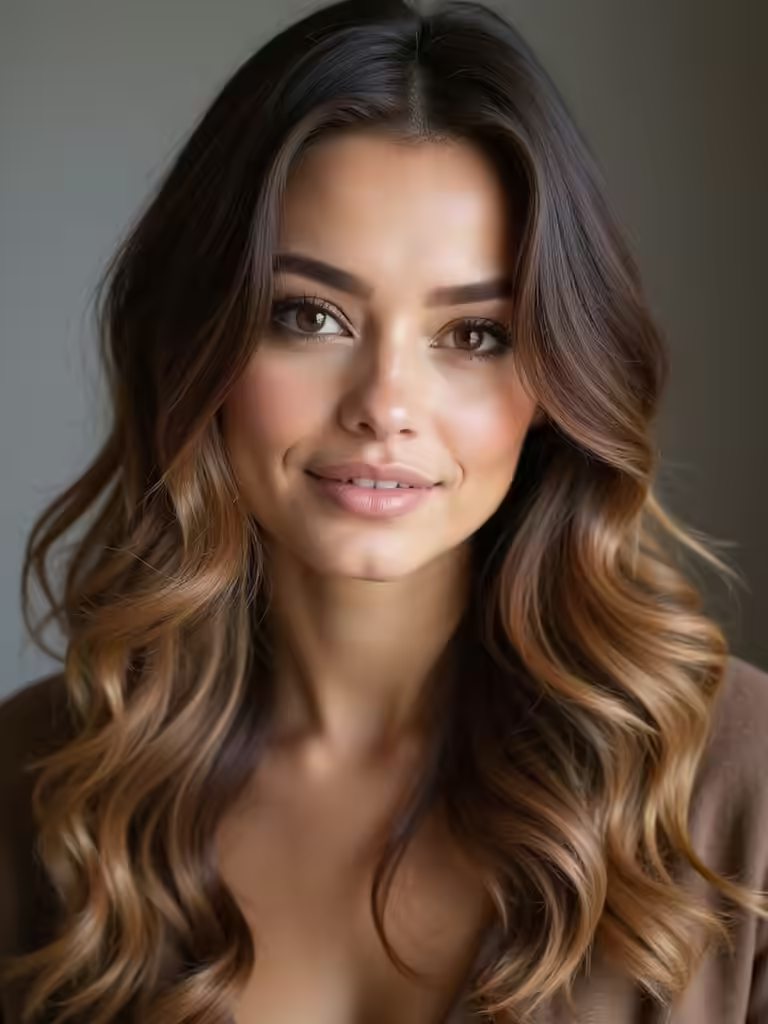
Color and cut work together, and espresso looks its richest on styles that let light travel down the strand. A blunt bob turns solid espresso into a wall of shine, while long layers give balayage and cream-swirl pieces room to move.
Finish Is What Sells the Shine
Texture loves espresso too. On curls and coils, the depth defines each curl and the shine follows the coil, so the hair looks denser and more separated with no extra product. A silk press makes that mirror finish even stronger, just keep heat protection non-negotiable.
Whatever the cut, a smooth final pass and a drop of shine oil are what make any espresso tier look finished. Pair it with a soft chocolate brown if you ever want to warm the whole thing a half-step.
Transforming Into Espresso, What to Expect
Before you commit, here is the honest picture of what going espresso involves so there are no surprises in the chair:
- From dark or natural hair: usually one easy appointment, no bleach, with a gloss to refine.
- From blonde or highlights: expect a filler step first so the color does not fade or pull green; this is a cool-toned dark blonde type of transition that needs a pro.
- Ongoing: plan a gloss every month or so and a color-safe routine to keep any tier looking rich.
Who It Suits Best
Espresso is about as universally flattering as color families get, because you can move along the range to fit almost anyone. If you want low upkeep and drama, deep roast suits you; if you want easy, wearable richness, medium espresso is your tier; and if you want movement and brightness, cream swirl or balayage is the way in.
The people who get the least out of espresso are those who want bright, high-lift color or who change shades constantly, since the depth is a commitment. For everyone else, especially anyone after rich, low-fuss color that looks polished through the cooler months, it is hard to beat. Browse a few dark hair color options if you are still weighing your depth.
Espresso Hair Color Questions, Answered
?What is the difference between the espresso tiers?
Deep roast is the darkest, a near-black with warm depth and the least upkeep. Medium espresso is a warmer everyday brown. Cream swirl keeps a deep base but adds lighter caramel and cream pieces for dimension, which needs the most maintenance.
?Do I need bleach for espresso hair color?
Not for solid espresso on natural or darker hair, which is a one-step application. Only the lighter pieces in cream swirl, ombre, or balayage need lifting, and going espresso over old blonde needs a filler step first to hold the color.
?How do I keep espresso from fading or going brassy?
Wash two to three times a week with a sulfate-free color-safe shampoo, rinse cool, and get a tinted gloss every 4 to 6 weeks. If your hair grabs red, a blue or neutral toning shampoo helps keep brassiness down.
?How much does espresso hair color cost?
A salon single-process espresso usually runs $80 to $150, while dimensional ombre or balayage versions land closer to $150 to $250. A demi box at home is about $15 to $25, plus a gloss every month or so to keep any version rich.
Pick Your Tier, Then Your Warmth
Espresso is not one color, it is a range, and the whole decision gets easier once you place yourself on it: deep roast for drama and low upkeep, medium espresso for everyday richness, cream swirl for movement and light. Settle your depth first, then nudge the warmth to flatter your skin.
If you are still deciding, start in the middle. Try medium espresso with a few soft face-framing pieces, live with it for a grow-out, and you will quickly learn whether you want to go deeper or brighter from there.
More Worth Saving