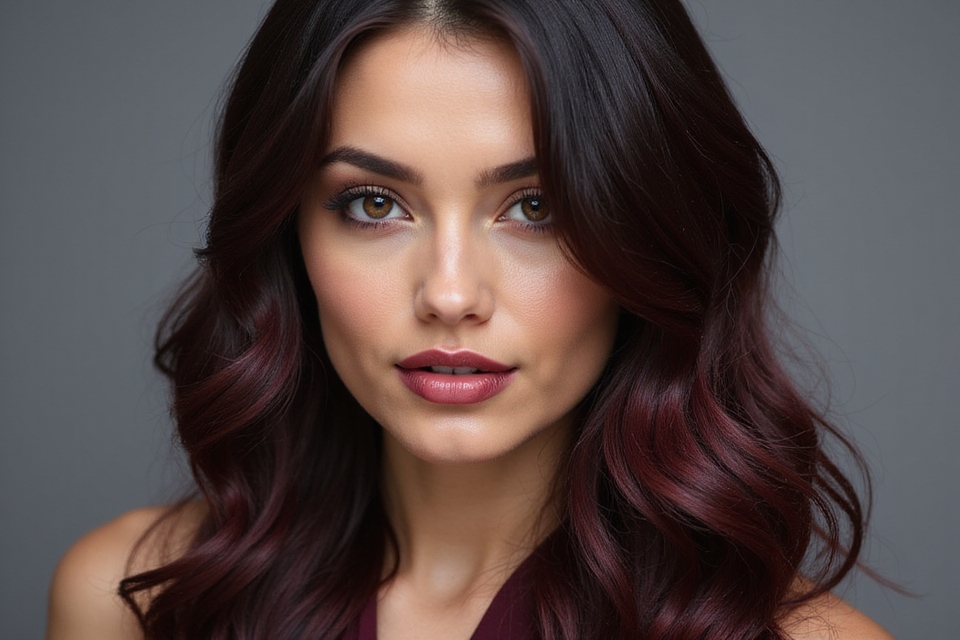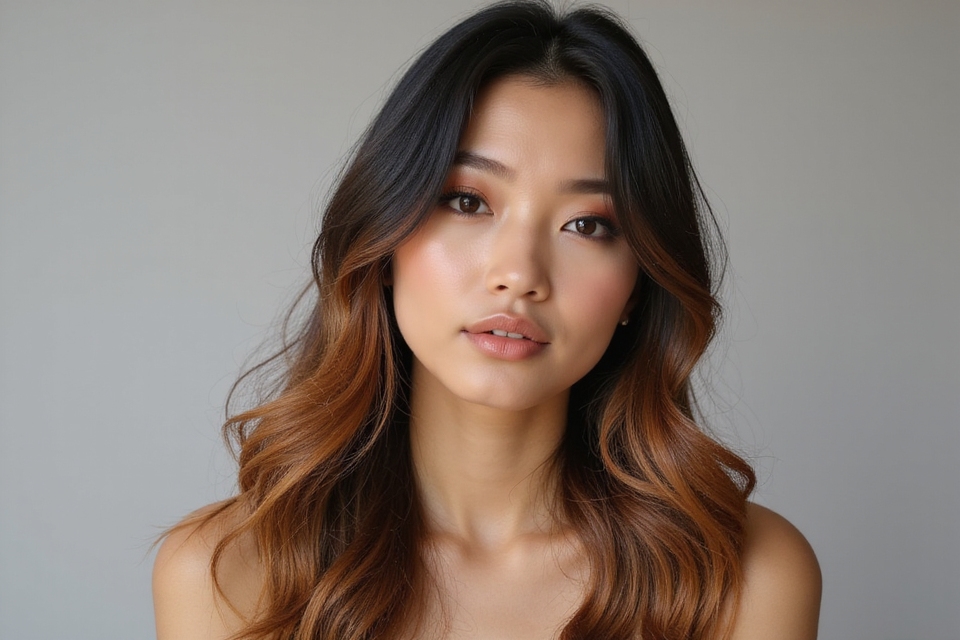
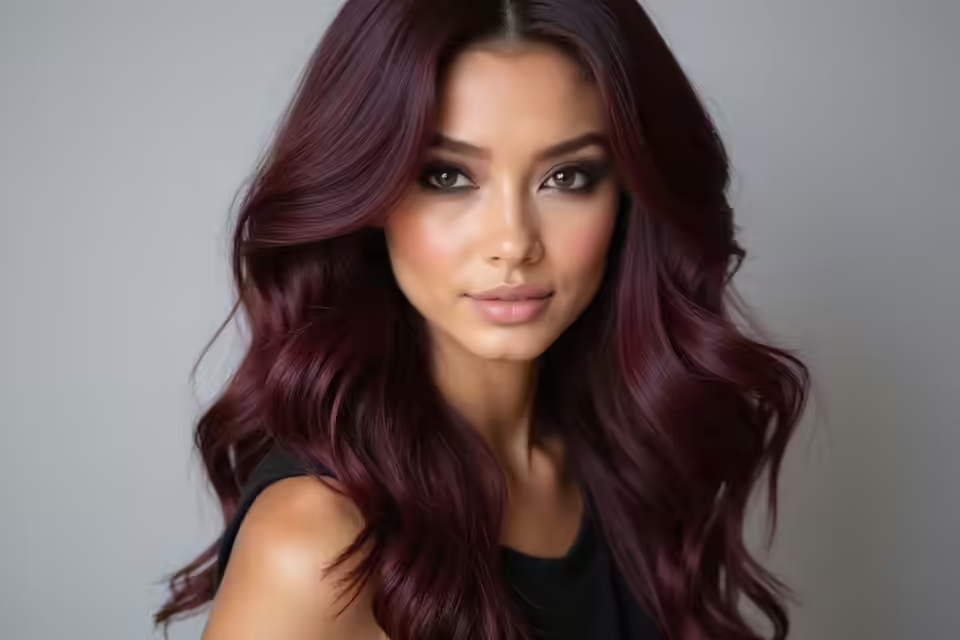
Burgundy gets called a bold color, and it is, but the part people miss is how many completely different looks live under that one word. A deep oxblood on near-black hair looks almost like a secret you only catch in sunlight, while a bright wine on lightened hair is a full statement you can see across a room.
That range is exactly why burgundy hair color suits so many more people than they expect. Ahead, I’ll walk through how to find the shade that flatters your skin, how it behaves on curly and short hair, the honest cost and upkeep, and the fading mistakes that quietly ruin a fresh wine color before its time.
Before You Go Burgundy
- Pick your undertone first: cool, plum-based burgundy flatters cooler and deeper skin, while warm, red-based wine glows on golden and olive tones.
- Budget for upkeep. Red pigments fade fastest of any color, so plan on a gloss every four to six weeks and a color-safe routine to hold the shade.
- How dark you start matters. Dark hair takes burgundy beautifully with little or no lift, while going bright wine on light hair needs more processing and care.
The Burgundy Spectrum

Burgundy isn’t a single shade but a whole family, and once you can name the tones you can walk into a salon and ask for the exact one. Here’s how the main wines differ.
- Oxblood: the deepest, near-black wine, dramatic and the most office-friendly.
- True burgundy: a balanced red-purple, the classic everyone pictures.
- Bright wine and merlot: lighter, redder, and the boldest of the family, best on lifted hair.
Choosing Burgundy by Skin Tone

The single biggest factor in whether burgundy flatters you is matching its undertone to yours. The color leans either cool and plummy or warm and red, so the whole job is choosing the temperature that complements your own skin.
The quick undertone test
Cool, blue-based burgundy and oxblood look striking on cool and neutral skin and on deeper complexions, giving a rich, almost jewel-like effect. Warm, red-leaning wine and maroon glow on golden, olive, and warm skin, echoing the warmth already in your complexion.
If you’re unsure, the jewelry test rarely fails me with clients: if silver flatters you most, lean cool and plum; if gold suits you better, lean warm and red. When someone brings me an inspiration photo, that one read tells me where to take the formula.
Burgundy isn’t one color you commit to. It’s a whole range, from a near-black you only catch in sunlight to a bright wine you can spot across a room.
A Near-Universal Color

Part of why burgundy stays so popular is that some version of it works on almost everyone, which you can’t say about many bold colors. Because the family spans cool to warm and deep to bright, there’s a wine tone to suit nearly every skin and eye color.
It also flatters in a sneaky way: the red and purple tones can bring warmth and life to the face, often making skin look brighter and more rested. That face-flattering quality is a big reason clients who swore they’d never do a ‘red’ end up loving burgundy. It is the most requested bold color I get asked about, and the one people are most surprised to suit.
Bold Color, Low Maintenance Options

Burgundy can be high-drama without being high-maintenance if you choose your placement smartly. A deep wine kept close to your natural depth grows out softly, with no harsh regrowth line to chase every few weeks.
The lower-upkeep versions skip all-over bleach, which is where most of the cost and damage come from anyway.
- Stay near your natural depth so roots blend as they grow.
- Choose a demi-permanent gloss that fades softly without a harsh line.
- Add burgundy through the mid-lengths and ends, leaving roots dark.
📋Your burgundy upkeep kit
- ✓A sulfate-free, color-safe shampoo
- ✓A color-depositing wine conditioner
- ✓A weekly moisture mask and a heat protectant
- ✓A standing gloss appointment every four to six weeks
Subtle Burgundy Highlights

If full burgundy feels like too much, woven highlights give you the color as a low-stakes accent. Fine wine highlights through a dark base catch the light and read as added dimension, a soft change anyone can ease into.
Best for cautious first-timers
This is the version I point cautious first-timers toward, along with anyone whose workplace is strict. You get the richness peeking through without ever facing an obvious root or a head-to-toe statement.
Placement matters here: highlights around the face brighten your complexion most, while pieces scattered through the back add depth that moves when your hair does. Ask for a few face-framing wine pieces if you want the most flattering payoff for the least upkeep.
Burgundy Ombre and Balayage

An ombre or balayage that melts from dark roots into burgundy ends is the most modern, lowest-maintenance way to wear the color boldly. The gradual fade means your regrowth stays invisible for months. People who dread frequent salon trips tend to love it for exactly that reason.
- Ombre gives a clear dark-to-wine gradient, bolder and more graphic.
- Balayage paints softer, hand-placed wine pieces for a lived, natural melt.
- Both keep roots low-upkeep, so you stretch salon visits to every few months. See more in our red hair color guide.
| Skin tone | Best burgundy | Why |
|---|---|---|
| Cool / deep | Plum, oxblood, blue-based wine | Jewel-rich contrast against cool undertones |
| Warm / olive | Maroon, warm red-wine | Echoes the gold already in the skin |
| Fair | Cherry, bright wine | Adds warmth without washing you out |
Burgundy on Curly Hair

Burgundy and curly, coily hair are a beautiful match, because the color catches differently across every bend and coil and gives natural texture incredible depth. The catch is that curly and coily hair tends to be drier and more porous, so it drinks up color fast and needs extra moisture to keep the wine from going brassy or dull.
- Deep-condition before and after coloring, since porous curls lose moisture and pigment quickly.
- Choose a demi or semi-permanent formula where possible to limit dryness on fragile coils.
- Top the tone up with a color-depositing conditioner between visits so it stays true on thirsty curls. For more, see hair color for brown skin.
Burgundy on Short Hair

On short hair, burgundy turns a simple cut into a real statement, because the color becomes the main event when there’s less hair to look at. A wine pixie or bob looks sharp, modern, and intentional.
- On a bob, an all-over deep burgundy looks glossy and expensive with barely any styling. It does the work for you.
- On a pixie, brighter wine plays up the edgy, sculptural shape.
- Keep the ends fresh, since short cuts show faded, dry ends faster than long hair does.
How a salon burgundy appointment usually goes:
1Consult and formulate
Your colorist reads your skin tone and base, then mixes a cool or warm wine.
2Lift if needed
Dark hair may take color directly; bright wine on light hair needs careful lifting first.
3Tone and gloss
The wine is applied and finished with a gloss for shine and even tone.
Maintaining Your Burgundy Color

Here’s the honest truth nobody mentions before you color: red and burgundy pigments are the largest dye molecules and the first to wash out, so burgundy fades faster than almost any other shade. Maintenance isn’t optional with this color, it’s the whole game.
Why burgundy fades fast
The good news is that the routine is simple and cheap. Keep washes infrequent and the water cool, reach for a sulfate-free shampoo made for colored hair, and top up the tone with a color-depositing wine conditioner once a week.
Plan on a salon gloss roughly every four to six weeks to refresh the tone, which runs maybe $40 to $70 against the $120 to $200 of a full color. I tell every client the same thing: the people whose burgundy still looks rich at week six are the ones who treated the upkeep as part of the look from day one.
Burgundy Hair Care Tips

Beyond the wash routine, a few daily habits protect both the color and the condition of color-treated hair. Burgundy on processed hair especially needs the moisture and heat protection to stay glossy and healthy.
- Always use a heat protectant before hot tools, since faded color and heat damage look similar.
- Rinse with cool water to seal the cuticle and slow fading.
- Add a weekly mask to replace the moisture that coloring and washing strip away.
How Burgundy Shifts in Different Light

Burgundy is a bit of a chameleon, looking like a different color depending on the light you stand in. That shifting quality is what makes it feel so rich and alive. Depth is the whole charm.
In low indoor light or shade, deep burgundy can read almost brown or black, keeping things subtle and work-appropriate. Step into sunlight and the same hair flashes red and wine, revealing the color hiding underneath.
Knowing this helps you set expectations and choose your shade. If you want everyday subtlety with sunlit surprise, go deeper; if you want the wine obvious all the time, go a touch brighter, since it will read more muted indoors than you’d guess.
Burgundy Loved by Celebrities

Burgundy turns up on red carpets and runways season after season, which is part of why it always feels current. The high-shine, deep-wine looks you see in those photos are achievable at home, since the polish comes mostly from a fresh gloss and good condition, not unreachable salon magic.
What the polished versions have in common is worth copying at home.
- A glossy, reflective finish, which comes from a fresh gloss and a shine product.
- Healthy, moisturized ends, since dry hair makes any color look cheap.
- A shade chosen to flatter the wearer’s specific skin tone, tailored every time.
DIY Burgundy at Home

You can absolutely do burgundy at home, especially the lower-commitment versions, provided your expectations are realistic going in. Semi and demi-permanent wine colors are the safest place to start since they fade out gracefully if you dislike the result.
- On dark hair, a semi-permanent wine adds tone and shine with no bleach and little risk.
- Do a strand test first, because burgundy reacts differently over different starting colors.
- Skip home bleaching for bright wine; that’s the step worth paying a colorist for.
Pairing Makeup With Burgundy

Burgundy hair changes which makeup looks best on you, and leaning into that makes the whole look feel intentional. The wine tones in your hair pull beautifully with berry and plum lips, soft bronze or rosy cheeks, and a clean, glowy base.
For eyes, warm neutrals, soft golds, and deep berry shadows all complement burgundy without competing with it. I’d skip cool, icy blues, which can fight the warmth in the hair. The general rule I give clients is simple: keep your makeup in the same warm-to-berry family as your wine, and the whole face reads pulled together. Two separate color stories never quite work.
Styling Your Burgundy Hair

How you style burgundy can make the color look twice as rich, and it mostly comes down to shine and movement. Smooth, glossy styles reflect the most light and show off the depth, which is why a sleek, glossy blowout makes wine hair look so expensive.
Shine shows the color best
Loose waves and curls are the other winner, since the bends create light and shadow that show every tone in the color at once. This is where burgundy really earns its keep, flashing different shades as your hair moves.
Whatever you do, finish with a quick mist of shine spray or a single drop of oil worked through the ends. That glossy top note is what separates burgundy that looks freshly done from burgundy that looks like it’s growing out, even on the same day. Shine sells the color.
Transitioning Back to Natural

Leaving burgundy behind takes some patience, because red pigment is stubborn and clings to the hair longer than you’d like. The good news is that there are gentle ways to fade it out without frying your hair in the process.
- Let it fade naturally with frequent washes and clarifying shampoo, the gentlest route.
- Ask a colorist about a color-correcting gloss to neutralize lingering red tones.
- Grow it out with a soft balayage blend so there’s no harsh line while you wait.
Burgundy Through the Seasons

Burgundy is often pegged as a fall color, and it does feel made for autumn, but the right shade carries it through the whole year. The deep, spicy wines are pure October, pairing with sweaters and changing leaves.
Adjusting the shade by season
For spring and summer, lean toward the brighter, redder end of the family, which feels fresher in strong sunlight and against lighter clothing. A merlot or bright wine feels playful in summer where a deep oxblood might feel heavy.
Right now, glossy deep-wine tones are having a real moment, so it’s an easy season to try the color and feel current. Shift the brightness with the seasons and burgundy stays in step all year.
Burgundy for Every Skin Tone

To make the undertone theory concrete, here are the wine shades I reach for most by complexion. Think of these as starting points to bring to your colorist. Your stylist can fine-tune from there.
The aim is always a burgundy that makes your skin look brighter and more alive, which is exactly what the right temperature does.
- Fair skin: soft cherry and bright wine, which add warmth without overwhelming.
- Medium and olive skin: rich maroon and warm burgundy that echo golden undertones.
- Deep skin: bold plum, oxblood, and blue-based wine, which look jewel-rich and striking. More in mahogany hair color and cherry cola hair color.
Common Mistakes to Avoid
The most common burgundy regret I see comes from skipping the upkeep plan. People fall for a fresh wine color, then wash it daily with a regular sulfate shampoo in hot water, and act surprised when it turns brassy and dull within two weeks. Burgundy needs cool water, a color-safe routine, and a gloss every month or so, and going in without committing to that is the fastest way to hate your color.
The other big mistake is the wrong undertone or over-bleaching at home. A warm wine on cool skin, or the other way around, can look off even when it’s applied perfectly, and home-bleaching dark hair to reach bright wine is where the worst damage happens. Match the temperature to your skin, leave heavy lifting to a colorist, and start with a semi-permanent if you’re testing the waters.
Burgundy Hair Color Questions
?Does burgundy hair fade quickly?
Yes, faster than most shades. Cool-water washes, a sulfate-free color-safe shampoo, and a color-depositing conditioner slow it dramatically, and a gloss every four to six weeks keeps the tone true between full colors.
?Do I need to bleach my hair for burgundy?
Not usually. Dark hair takes deep burgundy beautifully with little or no lift. You only need bleaching to reach a bright, light wine on dark hair, and that step is worth leaving to a colorist to protect your hair’s condition.
?Will burgundy suit my skin tone?
Almost certainly, since the family runs cool to warm. Cool, plum-based burgundy flatters cooler and deeper skin; warm, red-based wine suits golden and olive tones. Use the silver-versus-gold jewelry test to find your direction.
?Can I do burgundy at home?
The low-commitment versions, yes. A semi or demi-permanent wine over dark hair adds tone and shine with no bleach and fades out gracefully. Do a strand test first, and skip home-bleaching for bright wine, which is where home color goes wrong.
Finding Your Wine
Burgundy earns its bold reputation, but the real takeaway is how flexible it is: somewhere between deep oxblood and bright merlot there’s a wine that flatters your skin, fits your upkeep tolerance, and suits your hair’s length and texture. Choosing the right temperature for your undertone does most of the work.
Go in knowing that red fades fastest and committing to the cool-water, color-safe routine, and your burgundy will stay rich far longer than most people’s. Whether you test it with a few face-framing highlights or go all in on all-over wine, it’s a color that rewards a little planning with a lot of payoff.
You Might Also Like