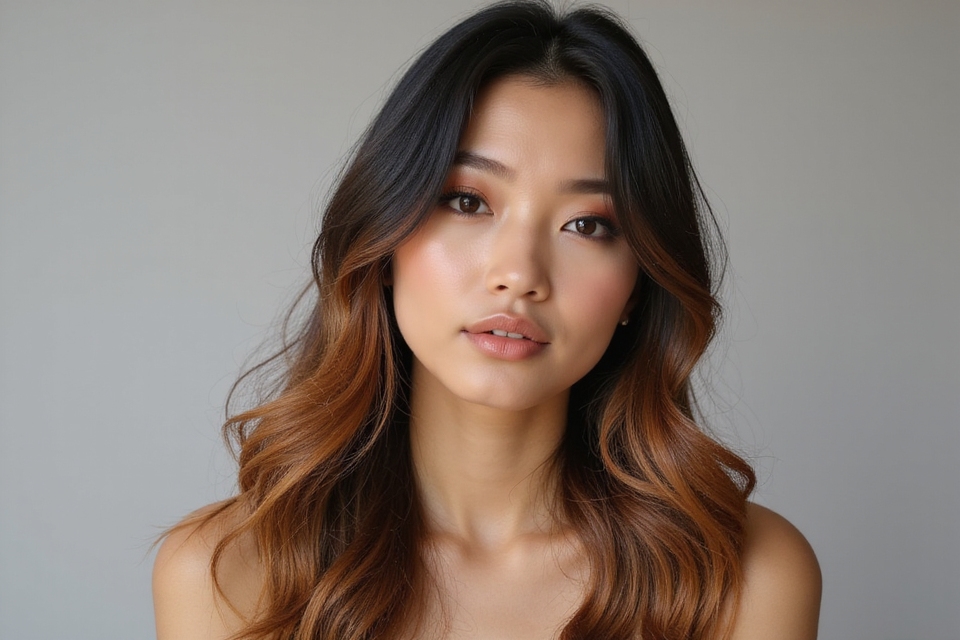
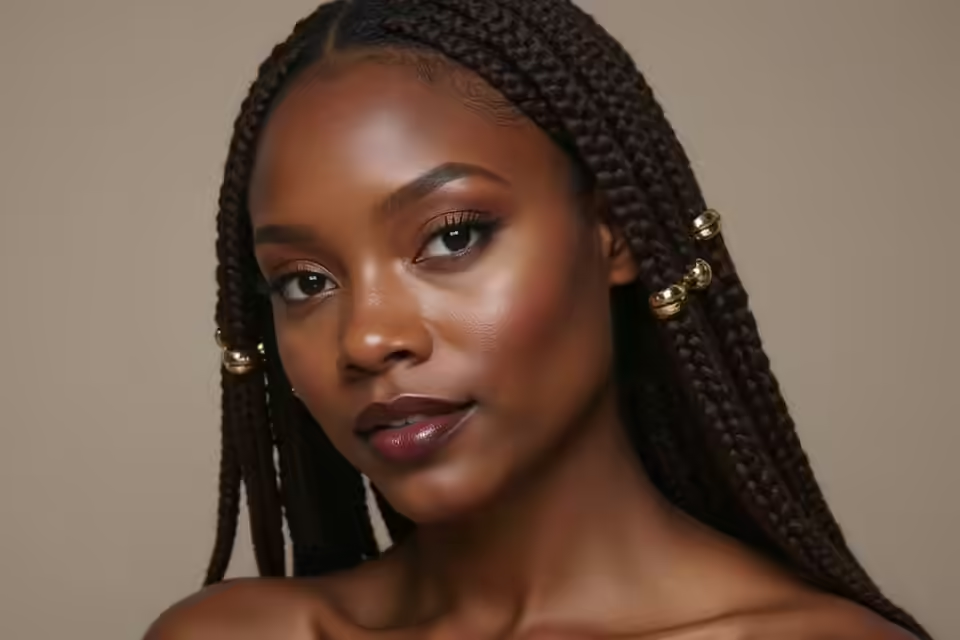
Here is the myth worth busting first: a good set of cornrows does not have to hurt. Plenty of people believe tighter is better, that the pulling and the tender scalp are just the price of braids that last. They are not. The best cornrows balance staying power with a scalp that feels fine the next morning.
Cornrows are among the oldest and most meaningful styles in the world, rooted in African heritage and carried with pride for generations. They are also endlessly versatile, working as a protective style, a sleek everyday look, or intricate art. This guide runs the full spectrum, from tight and long-lasting to looser and left to breathe, with honest notes on technique, comfort, care, and the culture behind them.
Cornrows, Quickly
Do cornrows have to be tight to last? No. Tighter braids last a little longer, but a skilled braider can make medium-tension cornrows that hold for weeks without pulling your edges or hurting your scalp.
Are cornrows a protective style? Yes, when done with care. Tucking the hair away shields it from daily manipulation and weather, but only if the tension is gentle and you keep the scalp and braids moisturized.
How long do cornrows last? Usually two to six weeks depending on size and care. Taking them down on time matters, since leaving them too long invites buildup and stress on the hairline.
The Cultural Roots of Cornrows
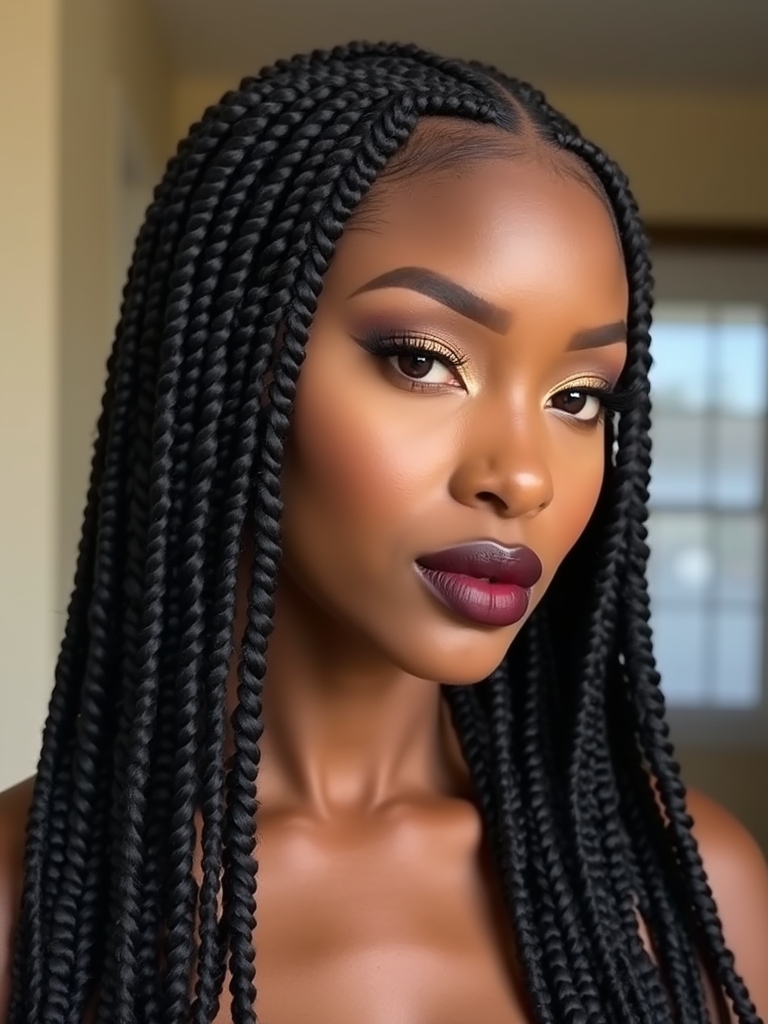
Cornrows are far more than a trend, and it matters to say so. They trace back thousands of years across the African continent, where the patterns could signal a person’s community, age, or status, and where braiding has always been a craft passed between generations. Wearing them with that history in mind is part of wearing them well.
- Ancient African origins, with patterns rich in meaning
- A craft and a connection passed down through families
- A style carried with pride and deserving of respect
Mastering the Cornrow Technique
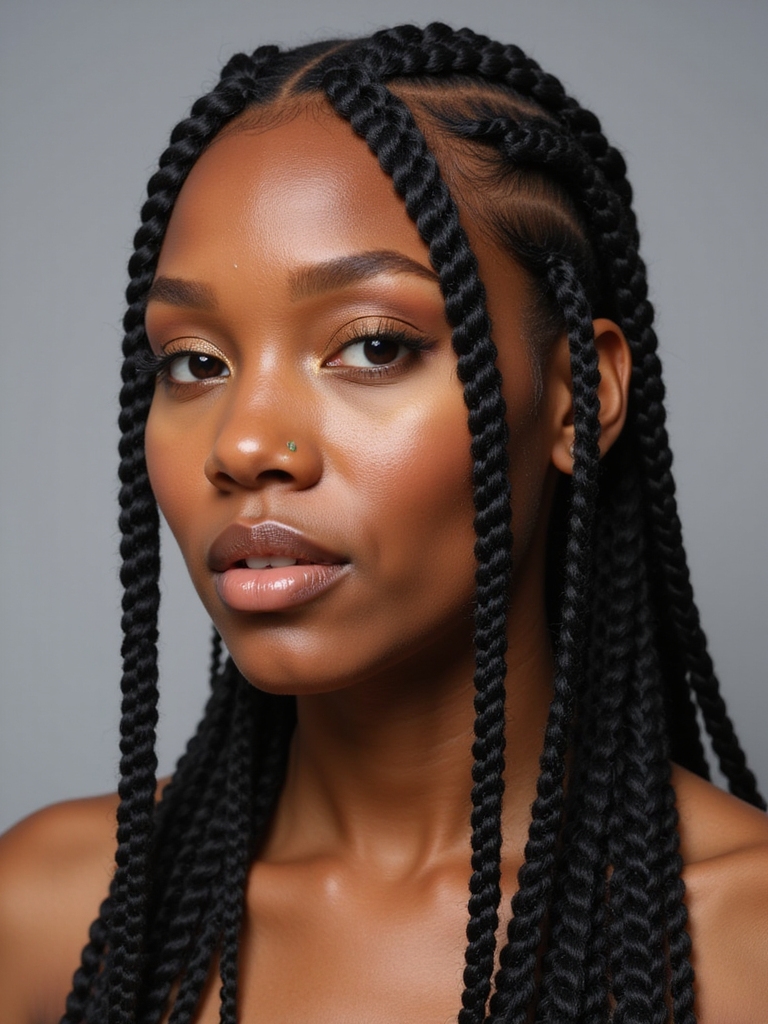
A cornrow is a flat, three-strand braid laid close to the scalp, worked underhand so each pass picks up a little more hair as the braid travels. That motion is what makes it hug the head rather than lift away like a regular plait. It takes real practice to keep the tension and the parting even.
The neatness comes from the parts. From watching the braiders I work with, clean straight sections and consistent feed-in braids are what separate a polished set from a bumpy one, which is exactly why a skilled braider is worth every cent.
- Braid underhand, feeding hair in with each pass
- Keep parts clean and sections even for a sleek finish
- Consistent, gentle tension matters more than speed
Not sure which cornrow tension fits you? Match it to your life:
1Tender-headed or growing out edges
Looser, medium braids for comfort and scalp relief
2Want sleek braids that last for weeks
Snug, smaller cornrows in a clean straight-back
3A special event or photo
An intricate, custom pattern from a specialist braider
Identity Woven In
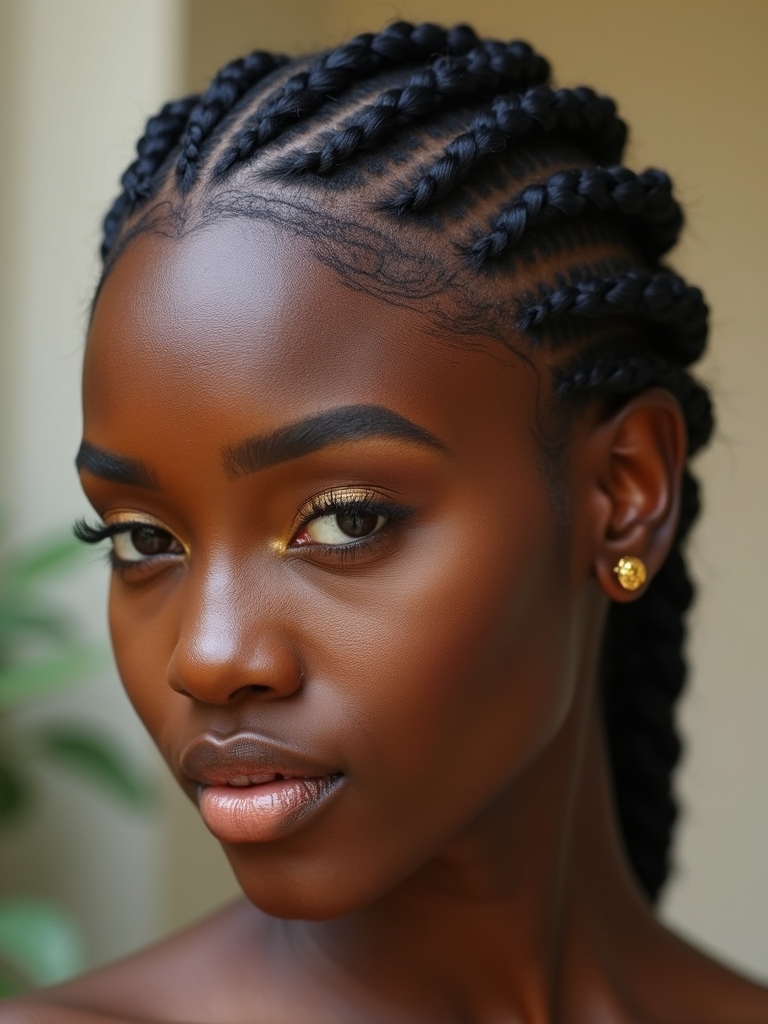
Beyond their history, cornrows are a living form of self-expression today. The pattern someone chooses, swirling, geometric, or straight back, says something about their taste and mood, the way a great haircut does for anyone. For many Black women, wearing cornrows is also a celebration of natural texture and heritage.
- The braid pattern is a personal style signature
- A celebration of natural, Afro-textured hair
- Equal parts art, function, and identity
Artistic Precision in Braiding
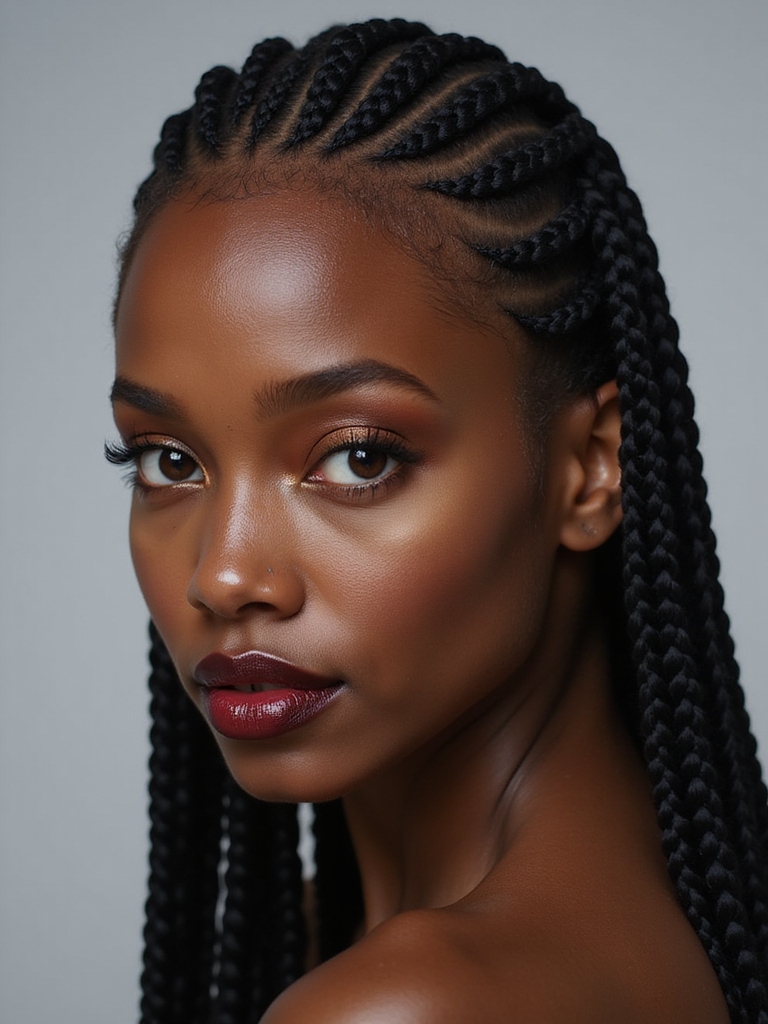
At its most intricate, cornrowing is genuine artistry. Skilled braiders create curves, swirls, zigzags, and geometric maps across the scalp, designs that can take hours and look like sculpture. This is where cornrows move from simple style into wearable art, and where the right braider becomes an artist you book in advance.
- Curved and geometric parts turn braids into design
- Intricate sets can take several hours to complete
- Book a specialist braider early for detailed work
🅰️Tight cornrows
Crisp, sleek, and longer-lasting, but they can feel sore at first and stress the hairline if overdone.
🅱️Looser cornrows
Comfortable from the first minute and kinder to your edges, though they fuzz and loosen a little sooner.
Tight Cornrows That Last
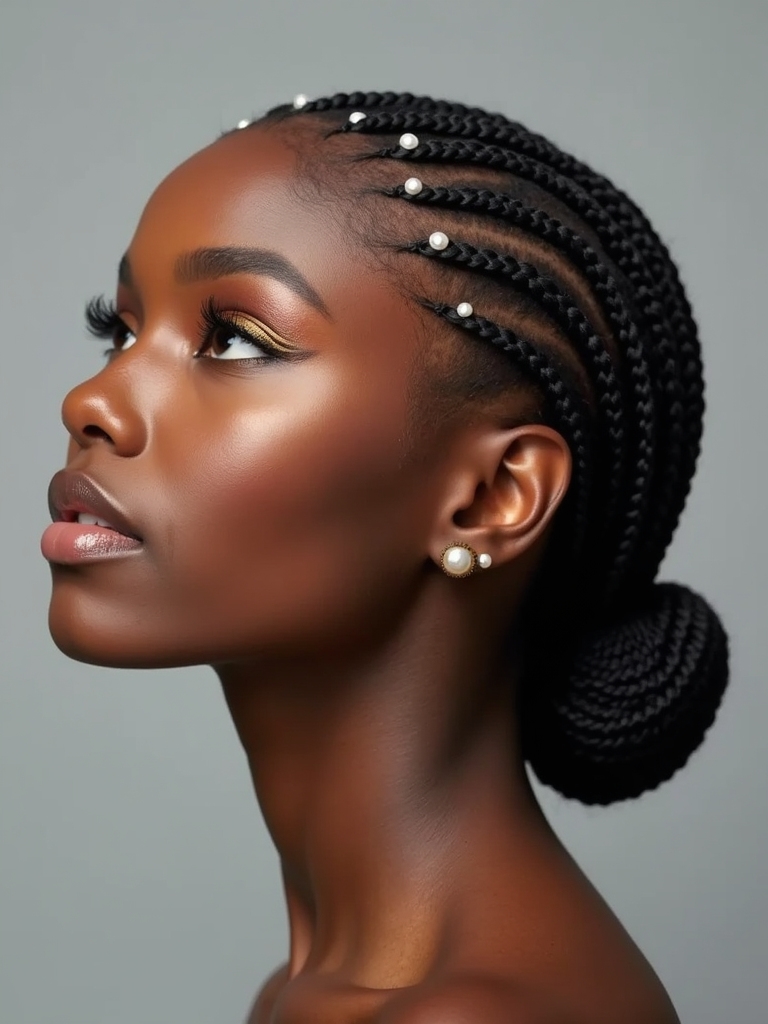
Tighter, sleeker cornrows are the long-haul option, holding their crisp lines for weeks and looking neat the whole time. They are popular for a reason: minimal daily fuss, a polished finish, and great staying power under wigs or for athletes. The trade-off is comfort, especially in the first day or two.
- Crisp lines that stay neat for weeks
- Low daily effort once they are in
- Expect some initial tightness that should ease within a day
Comfort Versus Style
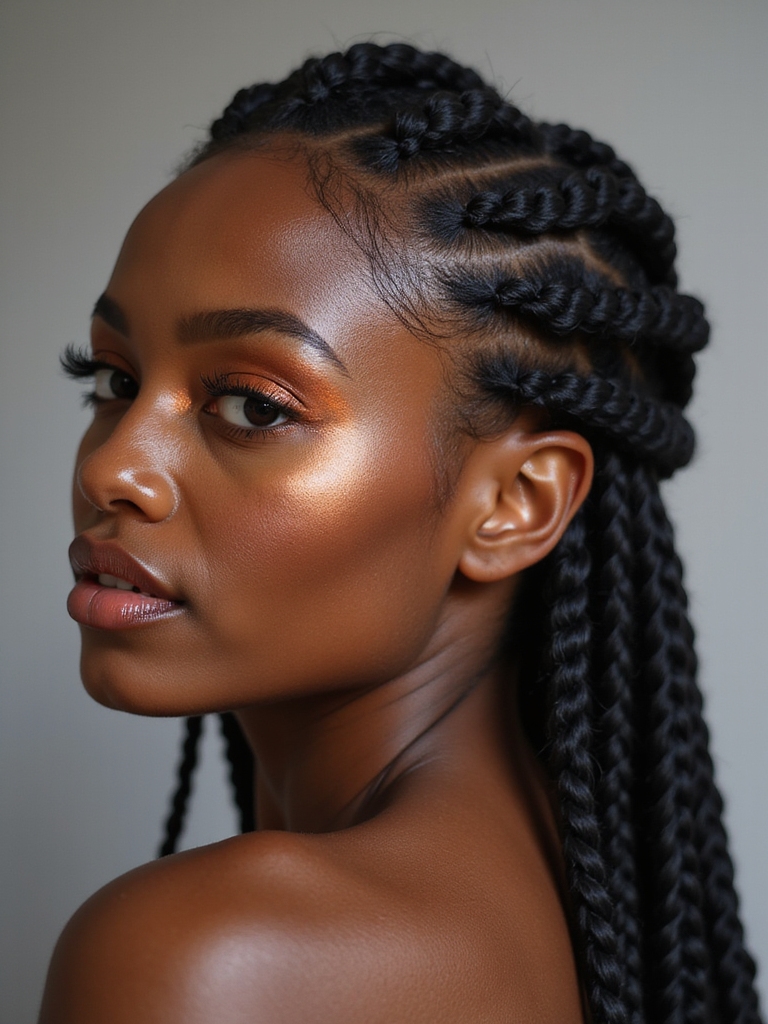
Here is the real conversation behind this whole article. Tighter braids look sleeker and last longer, while looser braids feel better and are kinder to your hairline, so most people are choosing somewhere on that spectrum every time they sit down. There is no single right answer, only the right one for you.
My honest advice is to lean toward comfort more than you think you should. A set that looks flawless-free but gives you a headache and stresses your edges is not worth it, and a great braider can make medium tension look just as polished.
A few terms that come up at the braiding chair:
📖Feed-in
Adding hair gradually into the braid for a flat, natural-looking start without bulk at the root.
📖Traction tension
Stress on the follicles from braids pulled too tight, which can affect the hairline over time.
📖Take-down
Carefully unbraiding the cornrows, ideally within the recommended window to protect the hair.
Comfortable, Wearable Braids
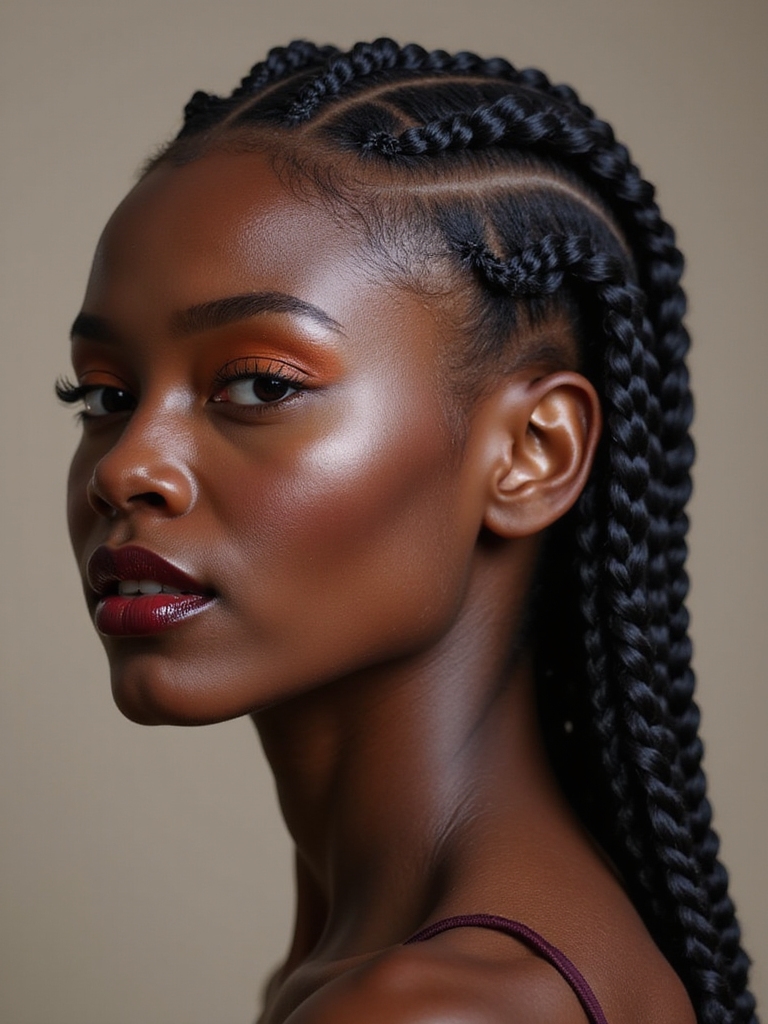
The everyday cornrow lives in the comfortable middle: neat enough to look polished, gentle enough to wear for weeks without strain. This is the version most people actually want, since it handles a workout, a workday, and dinner out without complaint.
Medium-sized braids in a simple straight-back or side pattern are the workhorse here. They are quick to install, easy to maintain, and flattering on nearly everyone.
This balance is also the most protective, since gentle tension shields your hair without putting the hairline under stress. For more everyday ideas, see our pretty braided hairstyles.
A Comfortable Scalp, Healthy Hair
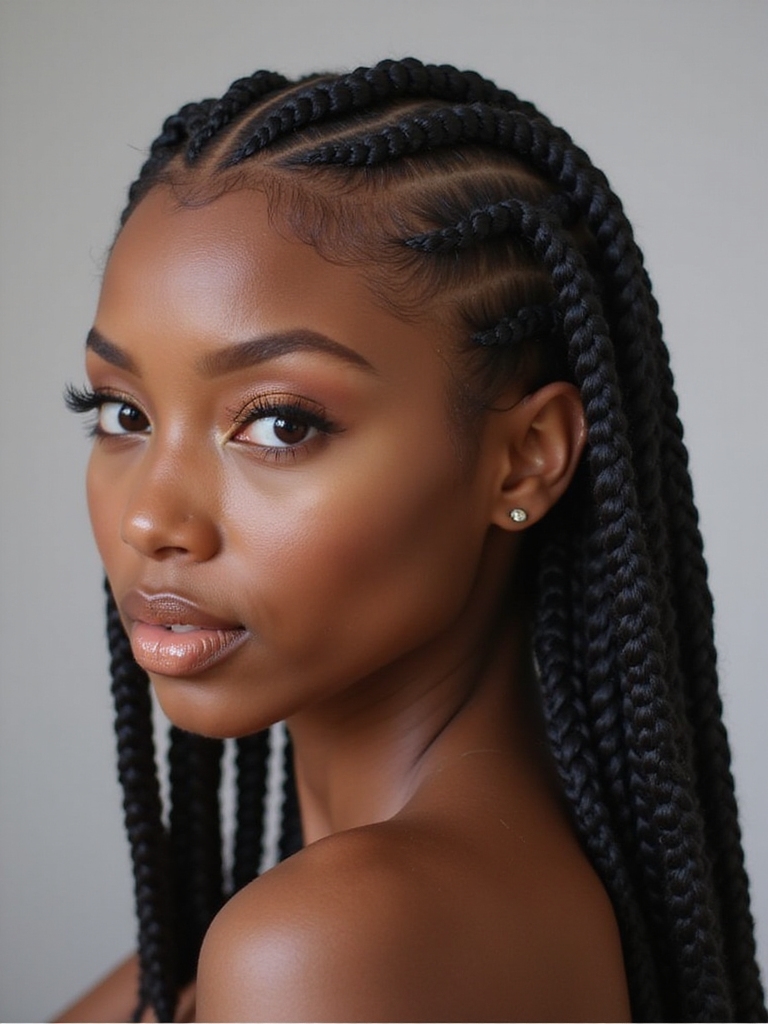
Healthy braids start at the scalp, and this is the one safety point worth taking seriously. Cornrows braided too tightly, again and again, can stress the follicles along your hairline and lead to traction tension over time, which is why comfort is not just about feeling good, it is about protecting your hair. A braid should never feel like it is lifting your skin.
- If it stings or pulls at the roots, ask for it looser
- Tiny bumps or tenderness mean the tension is too high
- Healthy edges are always worth more than extra hold
📋Cornrow care checklist
- ✓Moisturize the scalp with a light oil every few days
- ✓Cleanse gently along the parts to prevent buildup
- ✓Wrap in satin or silk at night to cut frizz
- ✓Take them down within two to six weeks
Looser Cornrows for Scalp Relief
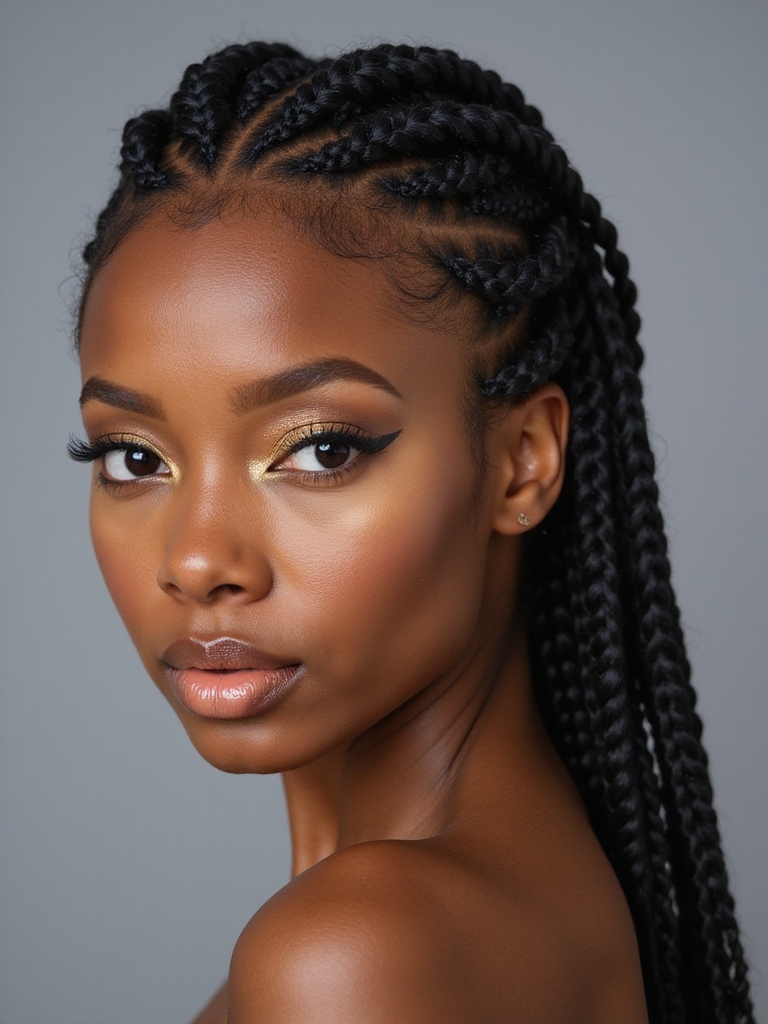
Looser cornrows are the gentlest end of the spectrum, braided with relaxed tension so the scalp can breathe. They feel soft from the moment you stand up, with none of the first-night soreness. The tender-headed clients I talk to are always relieved when I point them this way, and it suits children beautifully too.
When to Choose Loose
The trade-off is longevity: looser braids tend to fuzz and loosen sooner, so they may last a couple of weeks rather than a month. Many people happily accept that for the comfort.
They are also a smart choice if you wear braids back to back, since giving your edges a low-tension stretch protects them for the long run.
Timeless With Modern Flair
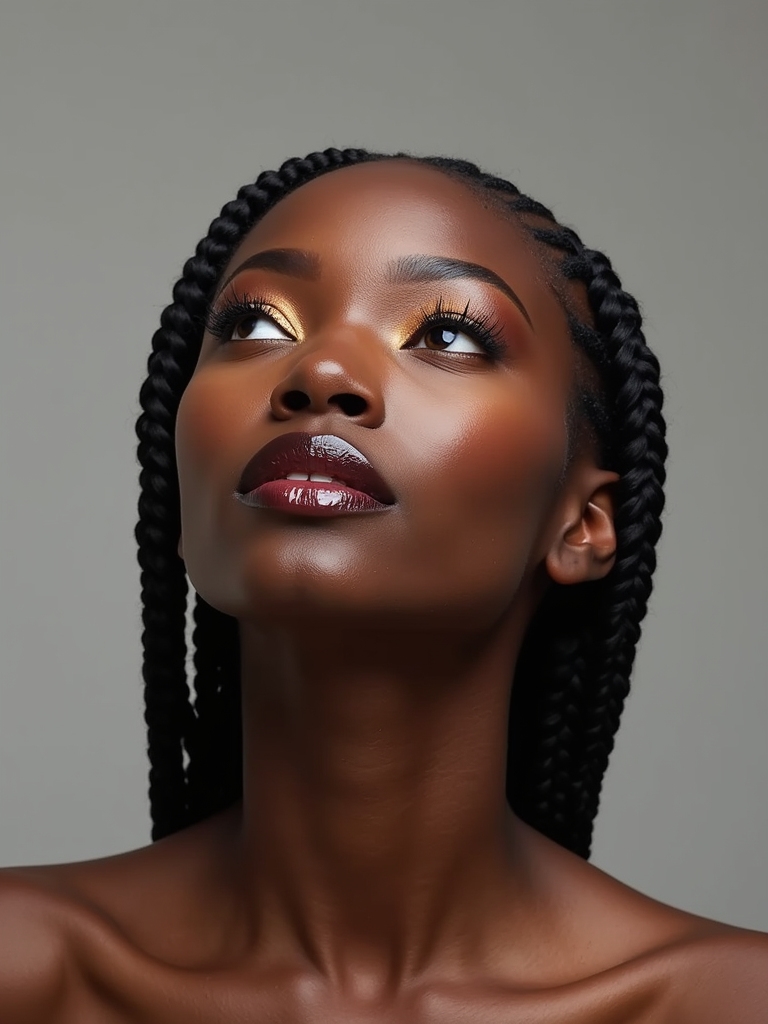
Cornrows are ancient, but they keep reinventing themselves. The classic straight-back set gets refreshed with curved parts, mixed braid sizes, or a few left loose at the ends, so the style feels current without losing its roots. That blend of timeless and modern is a big part of the appeal.
Mixing thick and thin braids in one pattern is a popular modern twist, adding texture and visual interest. It is a small change that makes a simple set look designed.
Cornrows as Protection
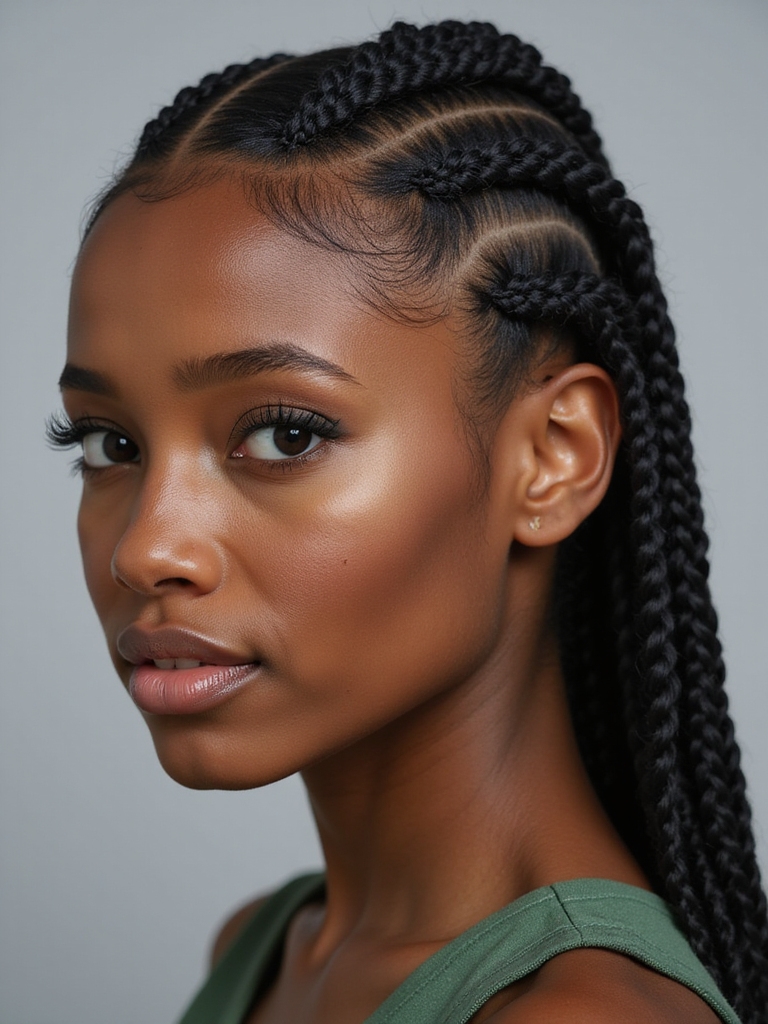
One of the biggest reasons people reach for cornrows is protection. By tucking the lengths away and reducing daily combing and heat, cornrows give natural hair a real rest, which can help it retain length and stay healthy. They are a cornerstone of many natural-hair routines for exactly that reason.
The protection only works with care, though. Moisturized hair and scalp, gentle tension, and timely take-down are what turn cornrows from a cute style into a truly healthy one.
- Shields hair from daily manipulation and weather
- Can help natural hair retain length over time
- Only protective when moisturized and gently braided
The Right Braid Tightness
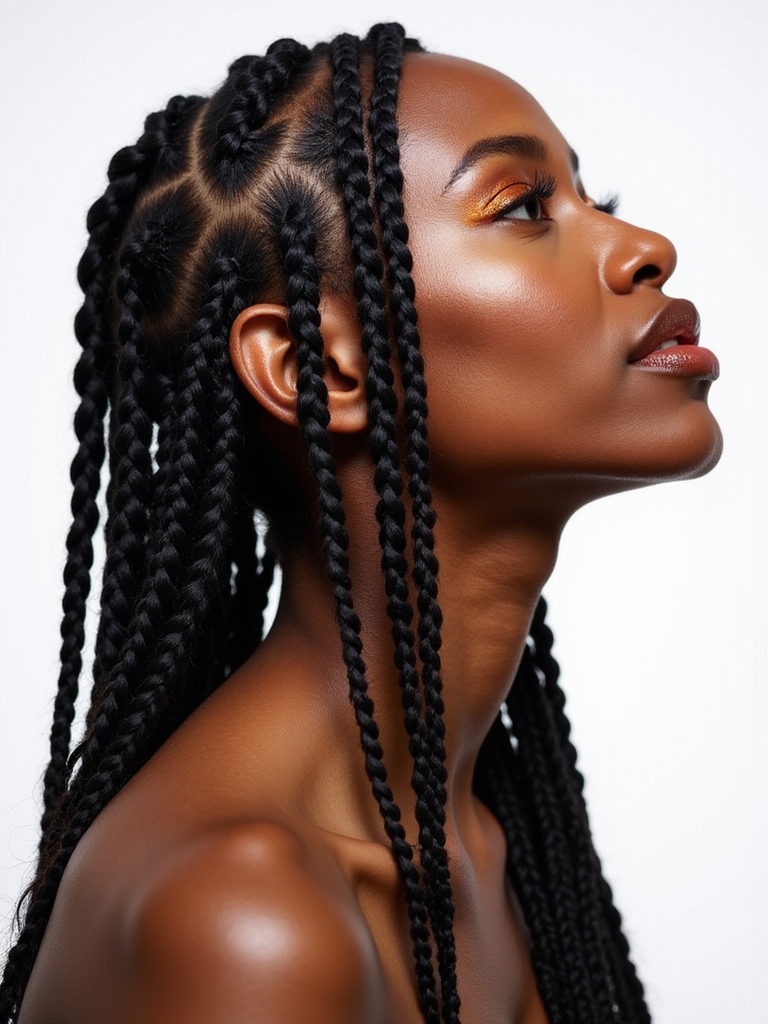
Finding your tension sweet spot is the whole game, and you have more say in it than you might think. A good braider will check in, and you should speak up the moment something feels too tight, since the braids are easier to adjust during the install than after. The goal is snug and secure, never painful.
- Snug and secure is the target, not tight and painful
- Speak up early; tension is easy to adjust as they braid
- A warm compress can ease mild tightness on the first night
Custom Cornrow Styles
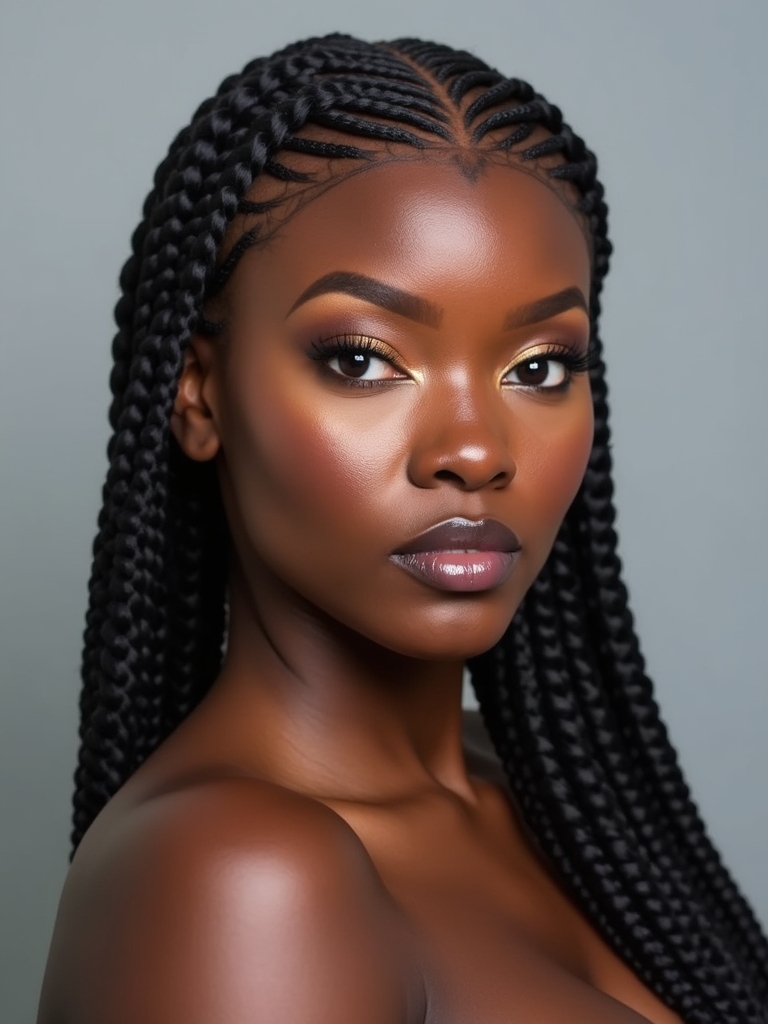
Half the joy of cornrows is how customizable they are. Straight-back, side-swept, curved, into a bun or ponytail, or fed into longer braids for length, the same technique builds dozens of looks. The pattern can flatter your face shape and suit your lifestyle at the same time.
Bring a reference photo and talk through your routine with your braider. A pattern that funnels into a ponytail suits an active life, while an intricate swirl makes a statement for an event.
Creative Cornrow Designs
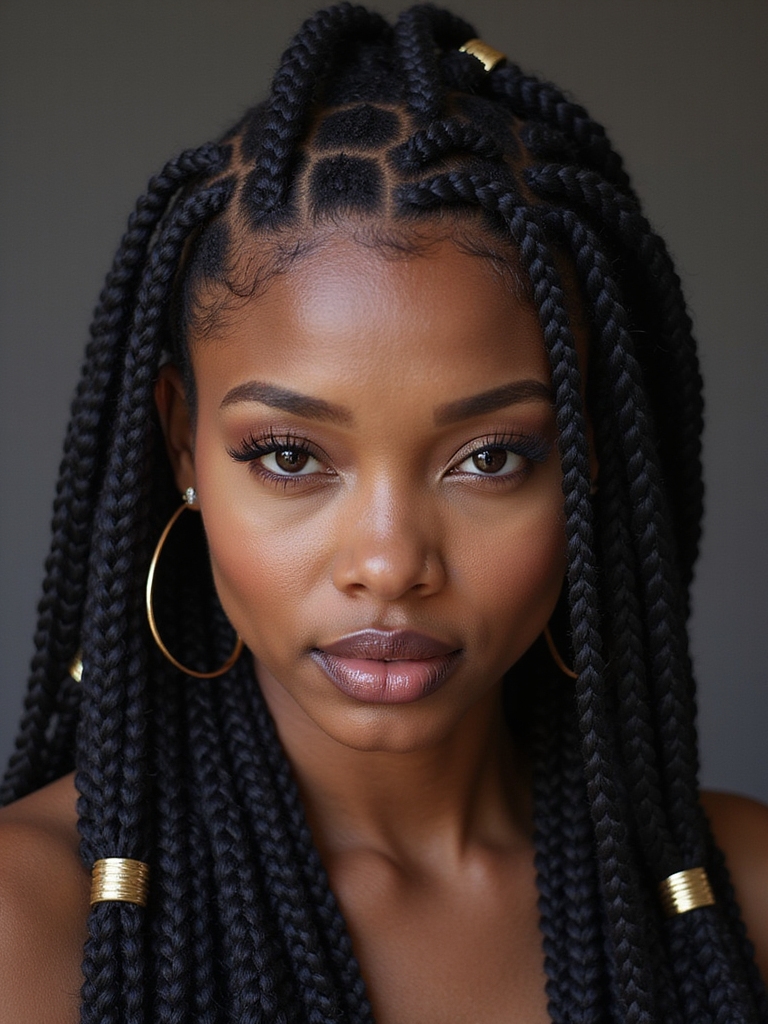
For those who treat hair as a canvas, creative cornrow designs are where it gets exciting. Heart-shaped parts, asymmetric maps, braids that spiral into a crown, or two-tone patterns with added color all push the style into showpiece territory. These are the sets that turn heads and rack up saves online.
Detailed designs take time and a true specialist, so plan ahead and budget accordingly. The payoff is a truly one-of-a-kind look that no haircut can match.
- Geometric, heart, and spiral parts read as wearable art
- Added braiding hair allows color and length play
- Book a specialist and allow several hours for detail
Cornrow Trends on Screen
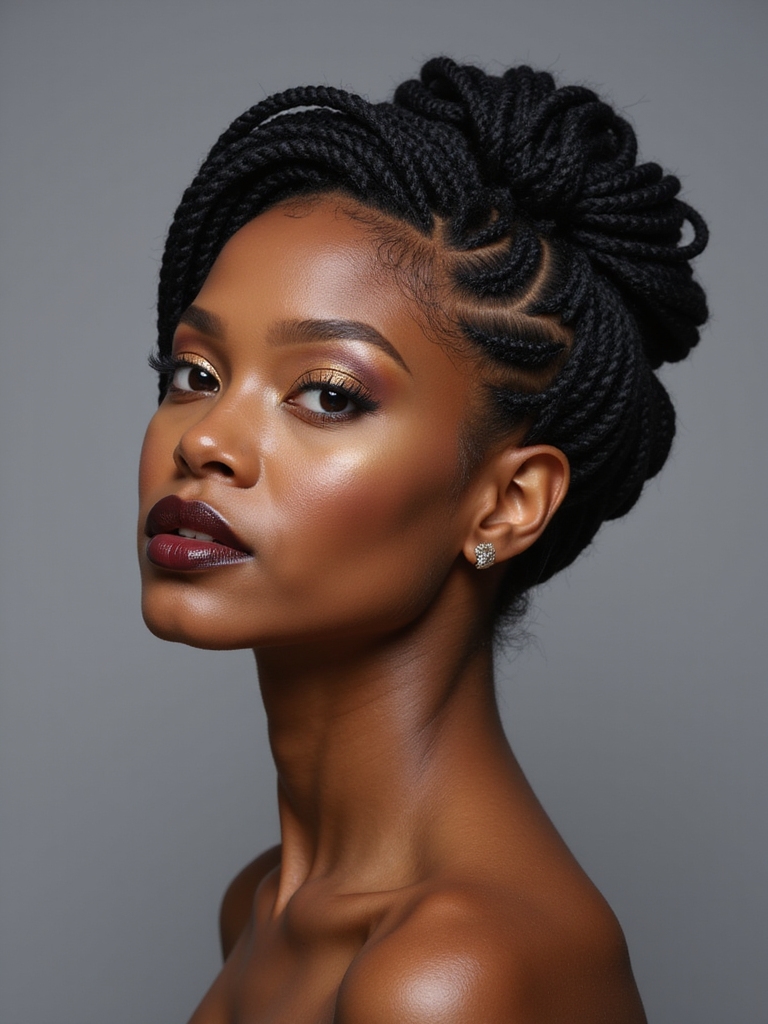
Cornrows show up constantly on stage, screen, and the runway, which keeps fresh patterns circulating. From sleek straight-backs to elaborate sculptural designs, the range you see proves how adaptable the style is across red carpets and music videos alike. It is a reminder that cornrows are both heritage and high fashion.
When a screen look inspires you, study the pattern and the size rather than copying exactly. Stage lighting and professional styling can make braids look different from how they will wear day to day.
Bring the photo to your braider as a starting point and let them adapt it to your hair length, density, and the time you have.
Accessorizing Cornrows
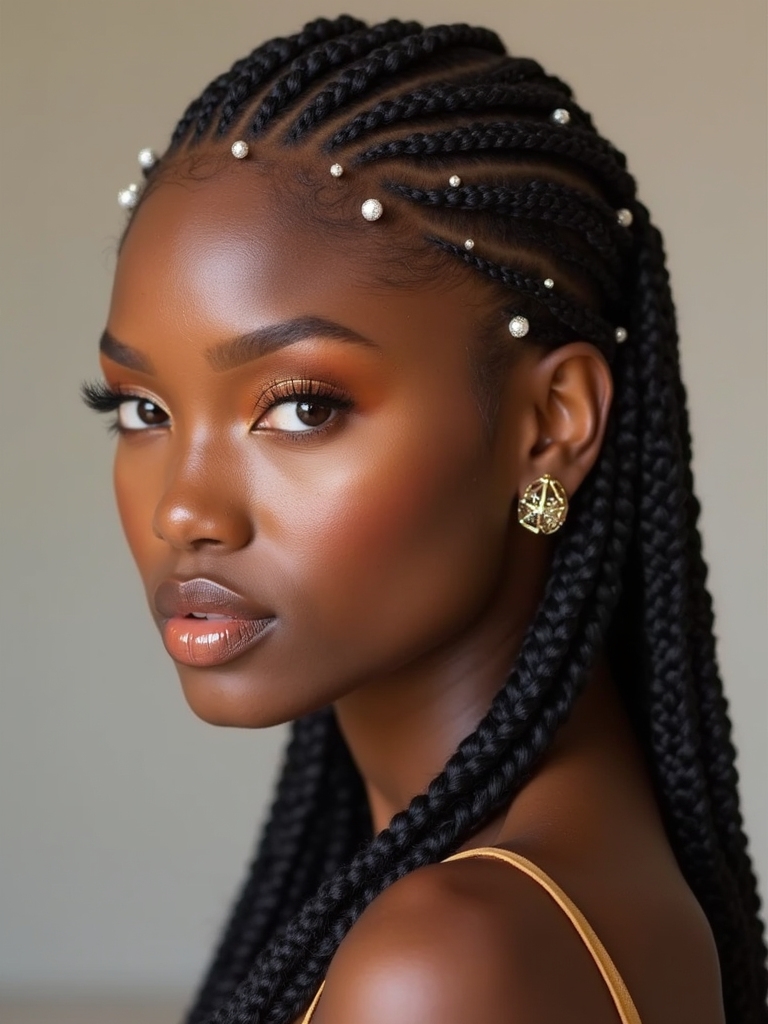
Accessories take cornrows from beautiful to personal. Beads, metal cuffs, wrapped thread, and rings let you add color, sparkle, and a nod to tradition, since adornment has always been part of African braiding culture. A few well-placed cuffs can completely change the mood of a simple set.
- Beads and cuffs add color and a cultural nod
- Keep heavy accessories light at the roots to avoid extra pull
- Wrapped thread is a soft, weightless way to add detail
Beginner Tips for Cornrows
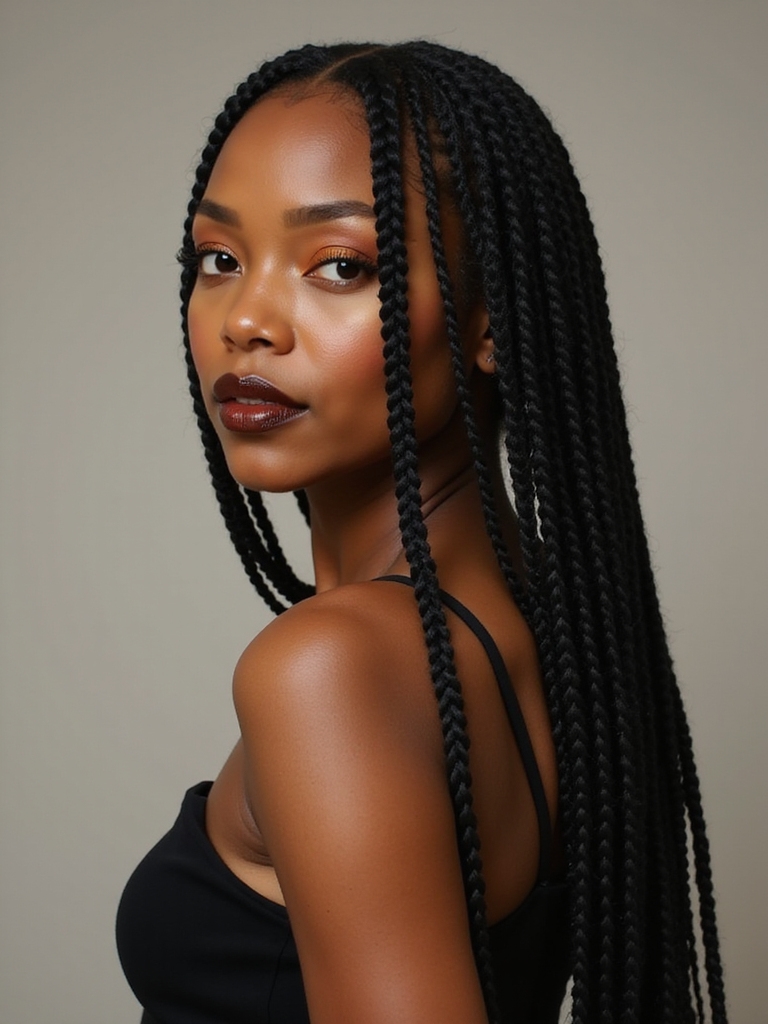
If you are learning to braid your own cornrows, patience is everything. Start with a simple straight-back pattern on slightly damp, well-moisturized hair, and practice the underhand motion on larger sections before attempting anything intricate. Your first few will be bumpy, and that is completely normal.
Grip and control come with repetition, so do not judge your early attempts. Clients ask me how long it took to look neat, and the honest answer is plenty of practice. A little leave-in conditioner or braiding gel helps you keep the sections smooth and easy to control.
Most importantly, keep your own tension gentle while you learn. It is tempting to braid tight for neatness, but comfort and healthy edges matter more than a perfect first try.
The Salon Cornrow Experience
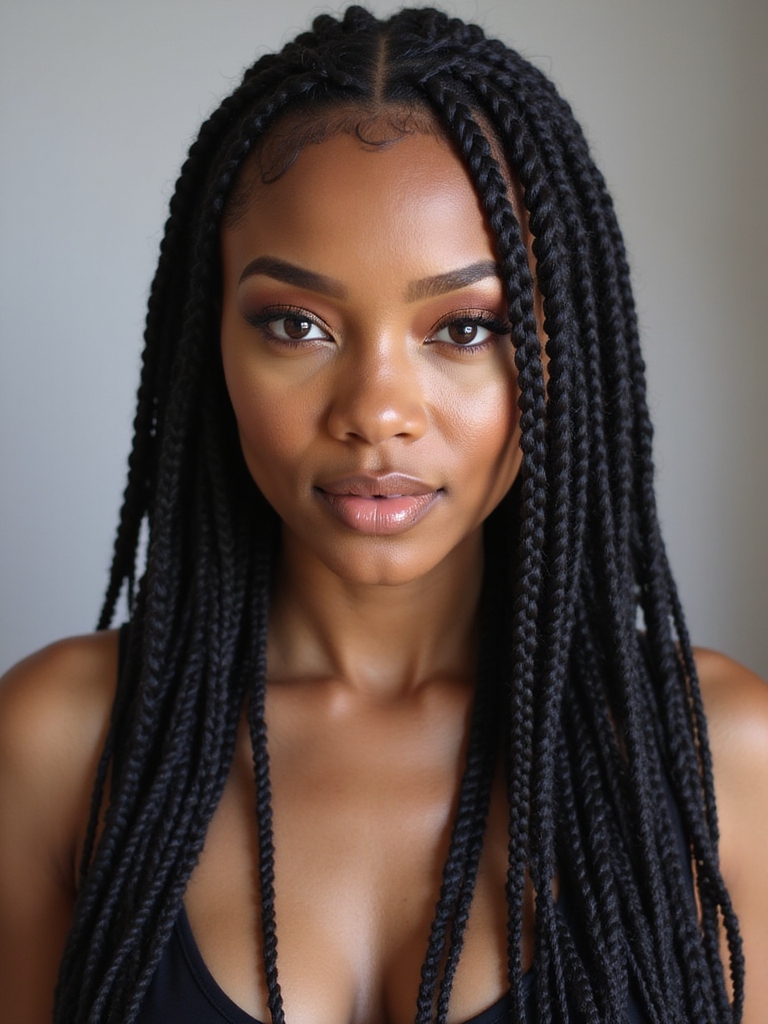
Booking a professional braider is worth it for anything beyond the basics, and knowing what to expect helps. A detailed set can take anywhere from one to several hours, so come with clean, detangled hair, a clear reference, and a little patience. Many braiders appreciate it if you eat beforehand for a long session.
Cost varies widely by region and complexity, often ranging from around fifty dollars for a simple set to well over a hundred for intricate designs. Speak up about tension during the appointment, since a good braider would always rather adjust than leave you sore.
Caring for Cornrows
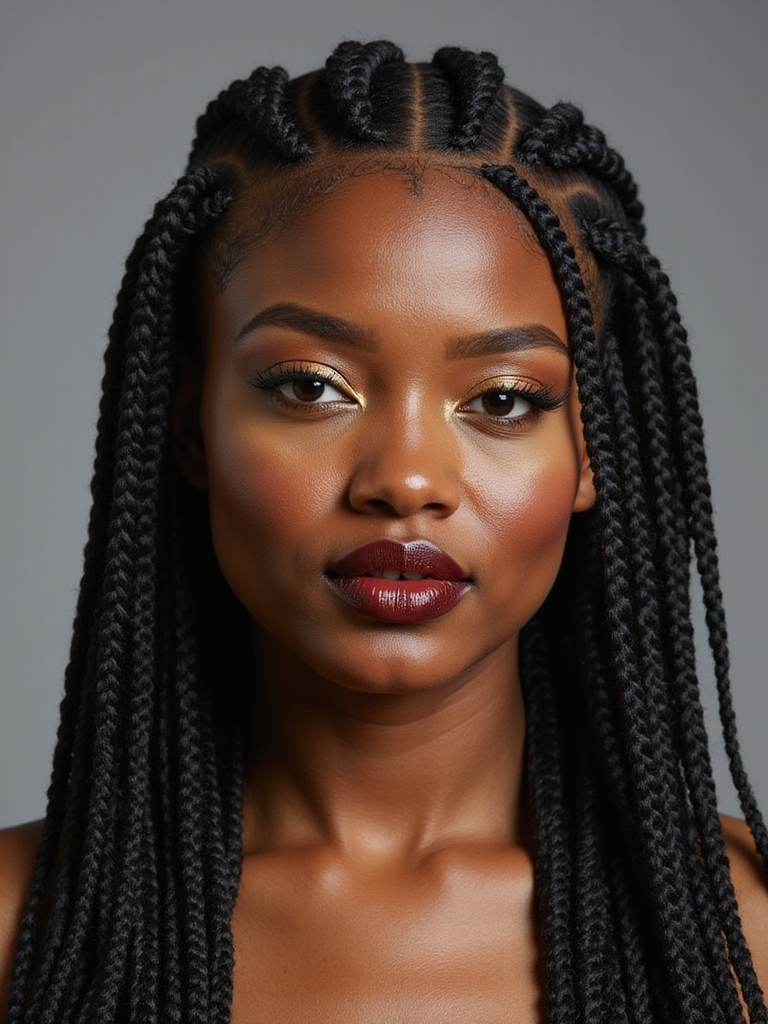
Good care is what keeps cornrows looking fresh and your hair healthy underneath. Moisturize the scalp with a light oil every few days, and cleanse gently with a diluted shampoo or a cleansing spray so buildup does not collect along the parts. Dry hair is brittle hair, so hydration is non-negotiable.
The Nightly Routine
At night, tie your braids up in a silk or satin scarf, or rest them on a satin pillowcase. This simple step cuts frizz dramatically and adds days to how long the set looks neat.
Know when to take them down, too. Two to six weeks is the usual window, and leaving cornrows in too long lets the new growth tangle and stresses the roots.
Cornrows and Personal Style
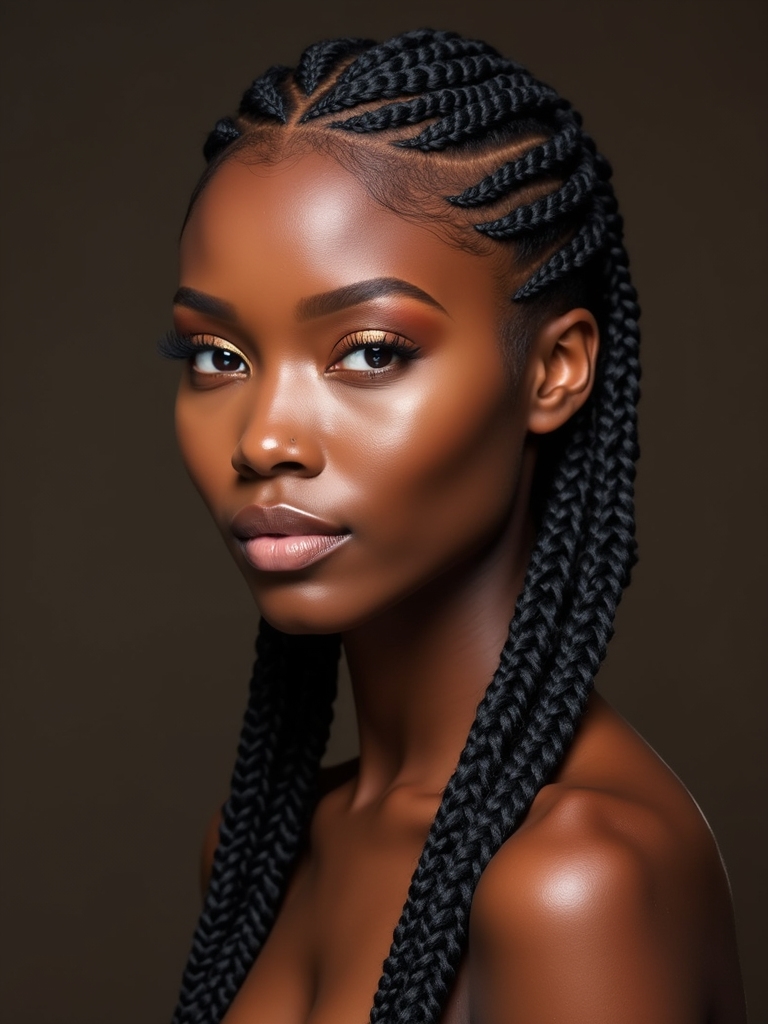
What I love about cornrows is how completely they bend to the person wearing them. The same technique can read sporty, elegant, edgy, or romantic depending on the pattern, the size, and how you finish the ends. Few styles offer this much range from one set of skills, which is why people return to them their whole lives.
- Straight-back for sporty and sleek
- Curved parts into an updo for elegant occasions
- Loose, beaded ends for a soft, romantic finish
Cornrows and Cultural Identity
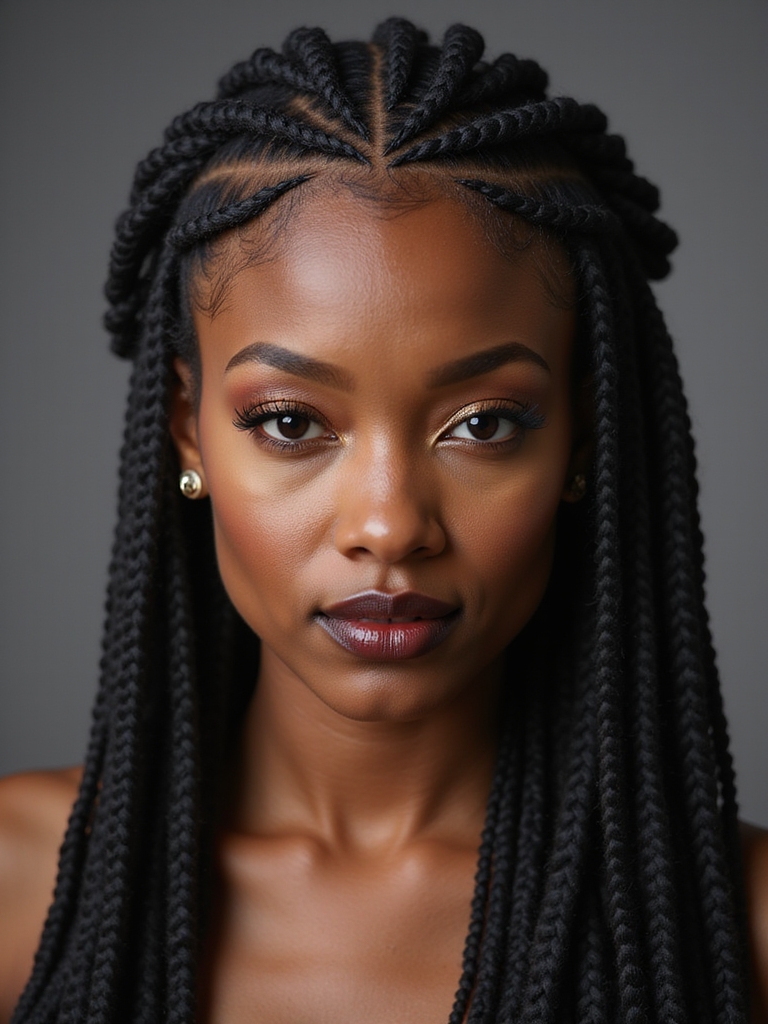
It would be wrong to talk about cornrows without returning to their meaning. For Black communities, cornrows are not just a style but a deep cultural inheritance, tied to history, identity, and resilience, and that significance deserves acknowledgment rather than erasure. The style carries a story.
If cornrows are part of your heritage, wear them with the pride they have always carried. If they are not, you can still appreciate the artistry, while crediting the culture, supporting Black braiders, and never treating the style as a costume.
Worn thoughtfully, cornrows are a beautiful meeting of art, function, and history. For more rooted in natural texture, our natural cornrow hairstyles guide goes further.
Who It Suits Best
Cornrows suit a huge range of people and lifestyles, and which version is right comes down to your hair and your routine. They work beautifully on Afro-textured and coily hair, which holds the braid securely, and they can be adapted for other textures with the right preparation.
Active people love how they stay put through workouts, busy parents love the low daily effort, and anyone protecting natural hair loves the rest they give. The key is matching the tension and size to your scalp’s comfort, not just the look you want.
Choose looser, medium braids if you are tender-headed, growing out your edges, or wearing braids back to back, and reserve tighter, intricate sets for special occasions when you do not mind a snugger fit for a day. Above all, find a skilled braider who listens, keep the scalp and hair moisturized, and unbraid them within the recommended window.
Do that, and cornrows reward you with a style that is protective, expressive, and rooted in something far bigger than a trend. Explore more options in our curly braided hairstyles collection.
Cornrow Questions, Answered
?Do cornrows have to be painful to last?
No. Some initial snugness is normal, but real pain means the tension is too high. A skilled braider can make medium-tension cornrows that hold for weeks without hurting your scalp or stressing your edges, so always speak up if it pulls.
?How long do cornrows last?
Typically two to six weeks, depending on size, pattern, and care. Smaller, snugger braids last longer; looser ones fuzz sooner. Wrapping them at night and taking them down within the window keeps both the style and your hair healthy.
?Are cornrows good for hair growth?
They can help, as a protective style. Tucking the hair away reduces daily manipulation and heat, which supports length retention, but only with gentle tension, a moisturized scalp, and timely take-down. Braids that are too tight do the opposite.
?Can anyone wear cornrows?
Cornrows suit many hair types and people. They hold best on Afro-textured and coily hair and carry deep cultural meaning for Black communities, so if the style is not part of your heritage, wear it with respect: credit the culture, support Black braiders, and never treat it as a costume.
Braided Your Way
Cornrows are a rare thing: a style that is at once ancient and endlessly modern, protective and expressive, simple and intricate. The whole question of laid tight or left to breathe is really about you, your scalp, your routine, and how long you want the set to last, and there is a beautiful version at every point on that spectrum.
If you have been thinking about cornrows, find a braider you trust, be honest about your comfort, and lean a little gentler than you think you need to. Worn with care and respect, they are one of the most rewarding, meaningful styles you can choose.
Hand-Picked for You