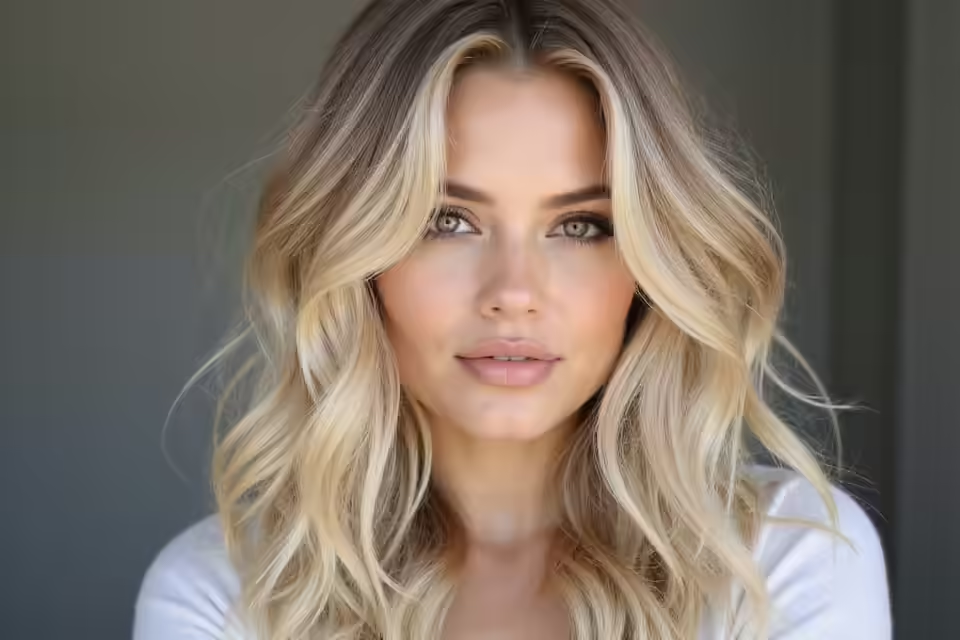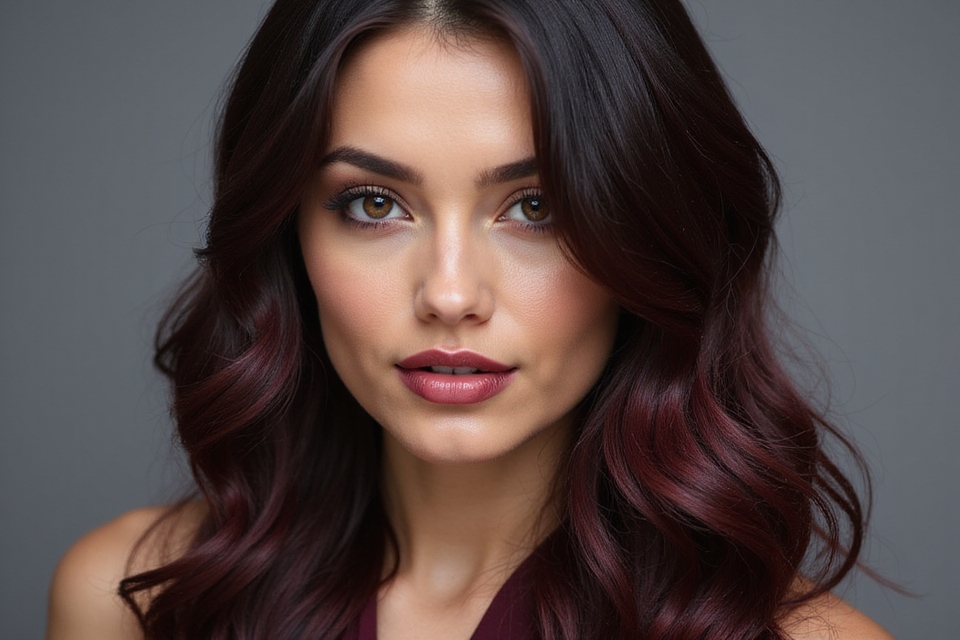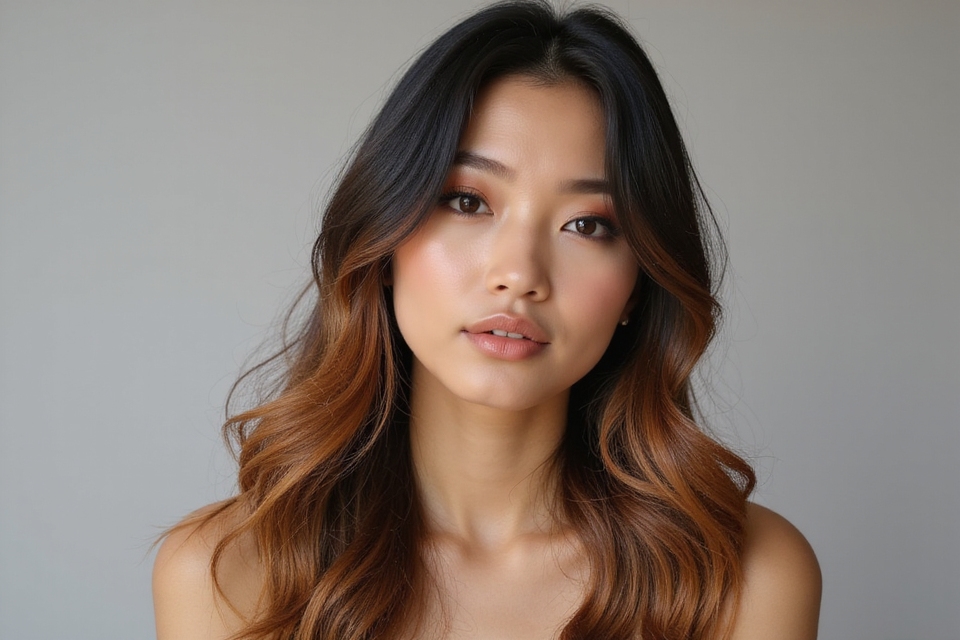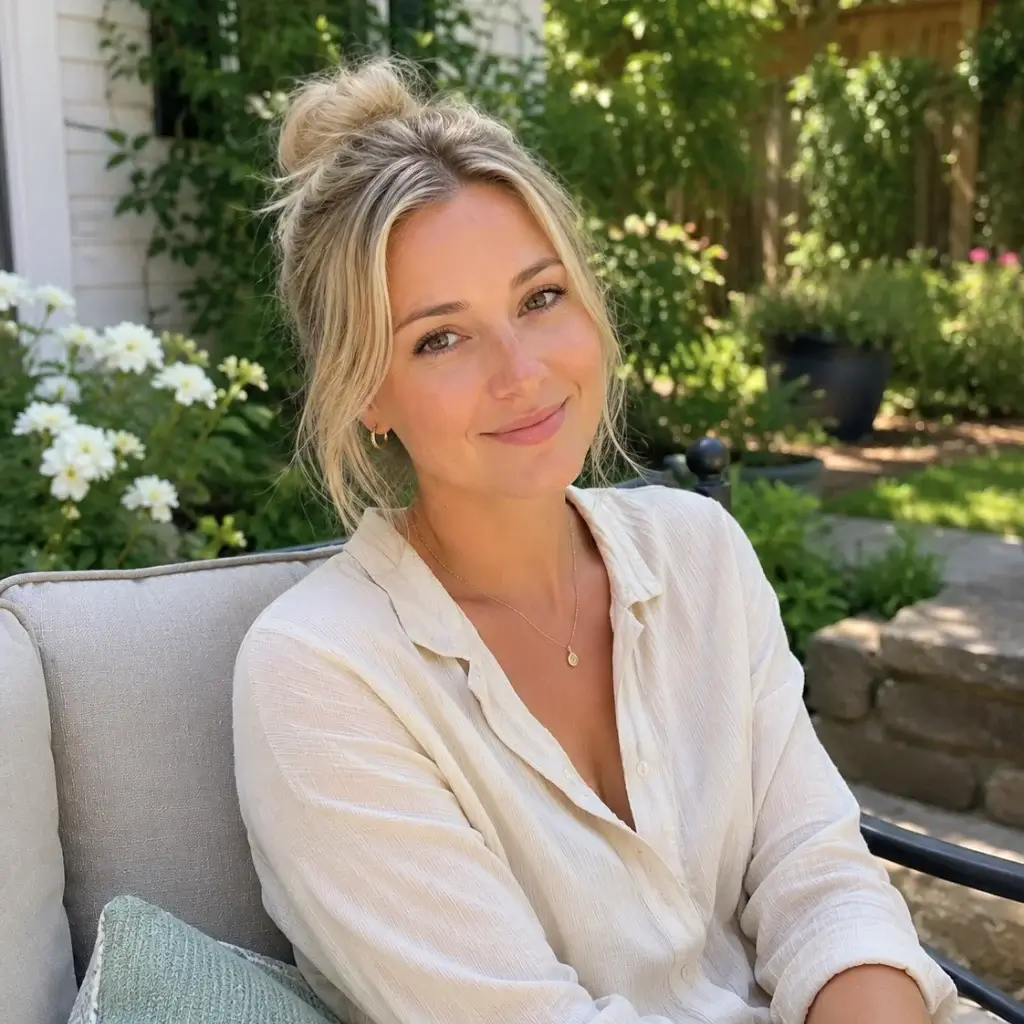

Medium hair has a habit of going quiet. It grows past the shoulders, loses its shape, and just hangs there with no real movement. Choppy layered haircuts for medium hair fix exactly that problem, and they protect the length you worked months to grow.
Below are the looks I keep coming back to with clients, from a soft crown flick to a deliberate bend at the very ends. For each one you get the real story: who it flatters, how to style it, what it costs, and how often a trim keeps the shape from going soft again.
Choppy Layers at a Glance
| Look | Best For | Upkeep |
|---|---|---|
| Texturized lob | Fine to medium density that falls flat | Trim every 8 to 10 weeks |
| Edgy shag | Thick or wavy hair that needs weight off | Dry-cut refresh every 10 weeks |
| Feathered layers | Soft, grown-out movement around the face | Light dusting every 12 weeks |
Choppy Layers That Add Bounce

Choppy layers work because they break up that heavy, one-length wall medium hair tends to become. Your stylist slices into the ends at an angle so each piece falls a little differently. The result moves when you do.
The magic is in the technique called point-cutting, where scissors slide into the hair vertically along each section. It thins the weight while holding your length, so the hair stays long but loses the flatness. Most clients leave with a shape they finally recognize.
- Keeps your length while adding visible movement
- Hides thinness because the broken ends look fuller
- Air-dries with a tousle instead of a frizzy halo
The Timeless Medium Chop

After years of cutting medium hair, this is the shape I suggest first when someone wants change without the big chop. The medium chop sits between a lob and true long layers, usually grazing the collarbone, with soft layering through the body.
It flatters almost everyone because the length is forgiving. Round faces get a little lengthening, long faces get width through the jaw, and nobody is stuck with a cut that only works blown out.
Plan on $60 to $110 depending on your salon and city, and book a trim every couple of months. Skip that and the layers grow into a shapeless triangle faster than you would think.
ℹ️Good to Know
Choppy layers are cut by slicing into the hair vertically instead of straight across. That single difference is why they remove weight and add movement without shortening your overall length.
A Texturized Lob With Movement

The layered lob is the choppy cut for people who want short with an escape hatch. It lands around the shoulders, and the texturizing through the ends keeps it from looking like a stiff bob. Think of it as a bob that learned to relax.
It is my go-to for fine hair that falls flat by lunchtime. The choppy ends create the illusion of density, and a little texturizing spray at the roots gives you grip that lasts the whole day. Style it with a bend or leave it straight; either way it holds a shape.
Wavy Layers for Volume

If you already have a natural wave, choppy layers are a gift. They give your bend somewhere to go, so instead of one uniform S-shape from root to tip, you get layered waves that stack and separate. The volume looks built-in, not blow-dried.
The trick most people miss is asking for layers that follow the wave pattern, not fight it. A good stylist will cut your hair dry so they can see where each wave lands. It costs a touch more, but a dry-cut on wavy hair is worth every dollar because nothing shrinks up wrong later.
| Cut | Best styling tool | Time |
|---|---|---|
| Texturized lob | Flat iron for a soft bend | 5 minutes |
| Edgy shag | Sea-salt spray, air-dry | 2 minutes |
| Wavy layers | Diffuser on low heat | 8 minutes |
Boho Layered Curtains

Curtain layers split at the center and sweep back along your cheekbones, and when you pair them with choppy length underneath, you get that easy, slightly undone look people chase all year. It is romantic without being fussy.
- Part it down the middle and let the front pieces frame your face
- Twist the front sections back and pin loosely for a half-up version
- Refresh the bend with a flat iron, curling away from your face
Volume With Soft Layers

Flat hair almost always comes down to weight sitting in the wrong place. Choppy layering pulls that weight up and out, so the hair lifts at the crown and stops dragging at the ends. The cut does the work, and you barely need product to keep it going.
Where to Place the Layers
On damp hair I use root-lift mousse, then rough-dry it upside down. That mix of a smart cut plus a little lift at the base is what gives medium hair the look of twice the body.
For very fine textures, ask your stylist to keep the layers internal, tucked under the surface. Surface layers can look stringy on thin hair, while hidden ones add a fullness you feel more than see.
A few terms worth knowing before you book, so you and your stylist mean the same thing:
📖Point-cutting
Cutting into the ends at an angle to remove weight and create soft, broken texture.
📖Dry-cutting
Cutting hair while dry to see exactly how waves and curls fall before any length is removed.
📖Internal layering
Layers hidden under the surface that add volume while the top stays smooth and piece-free.
The Playful Crown Flick

The crown flick is the small detail that makes a medium cut look intentional. A few shorter pieces are cut at the top so they kick up and away, giving height right where most hair goes flat. It is a tiny change with an outsized payoff.
Keeping the Flick Soft
What I tell every first-timer is to ask for the flick to be subtle. Cut too short and you get a tuft that will not lie down on humid days. Done right, it adds maybe an inch of visual height and reads as natural lift.
Style it with a round brush, rolling the crown sections up and back for two seconds with the dryer. That sets the flick without making it stiff.
Bottom Bend at the Ends

Where the crown flick lifts the top, the bottom bend finishes the whole cut. You curve the ends slightly, either tucked under or kicked out, and suddenly the choppy layers look styled instead of grown out.
This is the single fastest way to make medium hair look done. Even on a no-effort morning, a quick bend at the ends signals that you meant for it to look this way. A layered bob uses the same trick to stay polished.
- Tuck under for a soft, classic finish
- Flick out for a more playful, retro feel
- Alternate the direction piece by piece for a tousled effect
“If your crown goes flat by noon, ask for a few shorter pieces cut at the top to create a soft flick. It buys you about an inch of visual height and keeps the choppy shape from collapsing.”
Choppy Bobs, Modernized

A choppy bob takes the classic blunt bob and roughs up the perimeter, so it feels current and softer than the severe versions. It is shorter than a lob, usually hitting the chin or jaw, and the broken ends keep it from looking like a helmet.
- Ask for a soft, disconnected outline rather than one hard line
- Add a center or deep side part to shift the whole mood
- Use a wave spray scrunched into damp hair for instant texture
Feathered Layers for Softness

I have watched fine hair go from flat to full the moment feathered layers come in. Feathering is the gentlest form of choppy layering: the ends are tapered so finely that they almost dissolve, leaving a soft, wispy edge around the face and through the lengths.
It suits softer features and anyone nervous about a dramatic cut. Because the layers are so light, the grow-out is graceful too, so you can stretch to a light dusting every twelve weeks instead of frequent salon visits. That makes it one of the lower-maintenance options here.
The Edgy Shag

The shag is choppy layering turned all the way up. Heavy layering through the crown, shorter pieces up top, longer pieces at the bottom, and a fringe if you want one. On medium hair it lands cool and a little rock-and-roll.
It loves thick and wavy hair because all that layering takes out bulk and gives the weight somewhere to go. If your hair is poker-straight and fine, ask for a softer version so it does not look sparse. A full medium shag guide goes deeper on the shape.
Lately the shag has gone softer and more grown-out than the spiky versions of years past, which makes it easier to wear to an office and a concert alike.
Tousled Layered Waves

Tousled waves are where choppy layers really earn their keep. The uneven lengths catch the bend at different points, so the wave never looks too perfect or too set. This is the lazy-Sunday look that still photographs well.
- Mist damp hair with a sea-salt spray and scrunch upward
- Twist two-inch sections away from your face before air-drying
- Once dry, separate the waves with your fingertips and leave the brush in the drawer
Subtle Layers for Movement

Not everyone wants visible choppiness, and that is completely fine. Subtle internal layering gives you flow with a quiet, classic surface: the hair still moves and bends, yet from the outside it looks like one healthy, swingy length. This is the version I cut for clients in conservative workplaces.
- Keep the shortest layer at or below the cheekbone
- Ask for internal layering only, with a blunt perimeter
- Use a flat paddle brush while drying to keep the finish sleek
Choppy Layers on Curls

Curly and coily medium hair takes beautifully to choppy layers, but the rules change. Curls need layers cut to their own pattern, ideally while dry, so each curl springs up with room to breathe. Cutting curls wet is how you end up with unexpected width.
For coily and textured hair especially, a stylist who specializes in curls is worth the search. They will cut curl by curl, shaping volume where you want it and lifting bulk where you do not, all while protecting your density.
Once cut, treat the layers gently: work a curl cream through dripping-wet hair, cup and scrunch upward, then let it dry naturally or diffuse on a low setting. Less handling means more definition.
Face-Framing Bangs for Dimension

Choppy, face-framing pieces are the quickest way to add dimension to layered medium hair. They draw attention to your eyes and cheekbones and make the whole cut feel custom. Nervous about a full fringe? These framing pieces are the safest place to start, since they stay long enough to pin back on the days you want them gone.
- Start the shortest framing piece at the cheekbone, not the brow
- Have them point-cut so they blend instead of looking blunt
- Pair them with longer face-framing bangs for balance
Side-Swept Layers

Sweeping your layers to one side adds instant movement and a little drama. A deep side part shifts volume to one side and lets the front layers cascade across your forehead, which is flattering on round and square faces alike.
It takes almost no effort to style. Part deep, blow the front sections across with a round brush, and let the choppy layers do the rest. The asymmetry looks polished even when you spent two minutes on it.
A Textured Medium Style

Some people want texture everywhere, top to bottom. An all-over textured cut layers through the entire head, so the hair looks piecey and full from root to tip. It is the choppiest of the bunch and the most forgiving on second-day hair.
This style rewards a little product and very little heat. A flexible-hold paste worked through dry hair separates the pieces and keeps the texture going for days. If you hate styling, this is the cut that looks better the longer you leave it alone.
Colorful Layers and Highlights

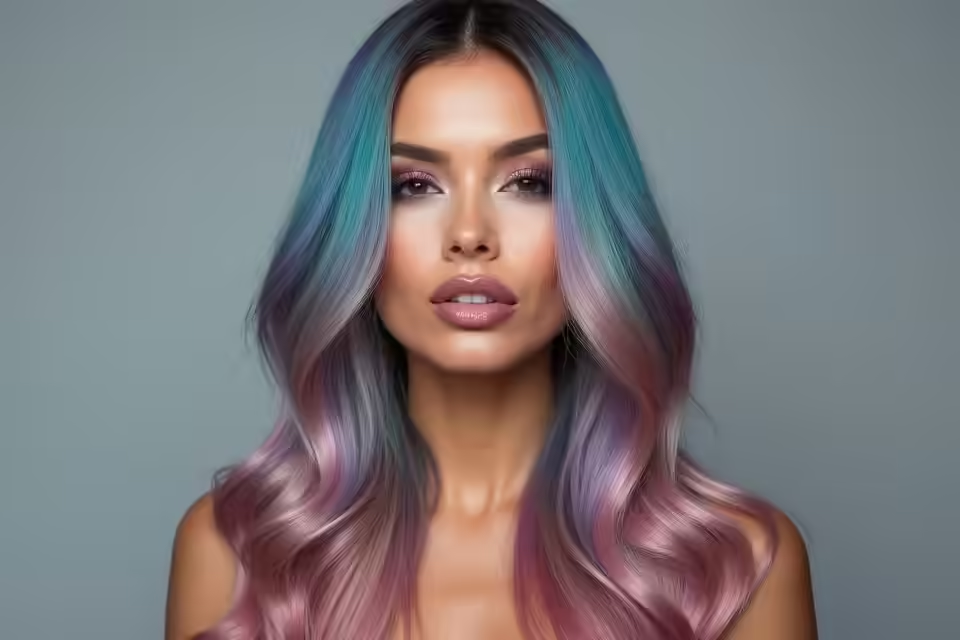
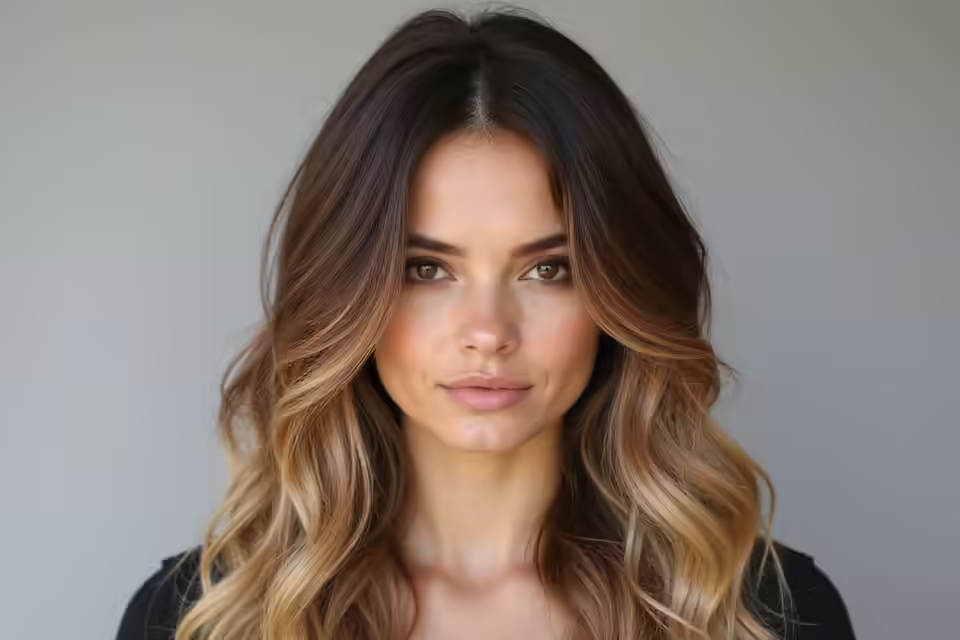
Color and choppy layers are a natural pair because dimension plays off dimension. Fine highlights painted along the layers catch the light as the hair moves, making the cut look deeper and more expensive than a flat, single shade ever could.
Balayage is the softest option, painting brightness only where the sun would naturally hit. There is no harsh regrowth line to chase, so appointments can stretch to once a season and skip the root panic.
If you want something bolder, a money-piece around the face frames everything and pulls the eye up. Just know that lightening adds upkeep, so budget for a gloss treatment roughly every other month if you want to hold the tone and fight brassiness.
The Bold Layered Pixie

If you are tempted to go shorter, a layered pixie is choppy texture in its most fearless form. It runs shorter than medium, yet plenty of clients graduate to it after living in choppy layers and craving less upkeep. The layering keeps it soft instead of severe, and a textured pixie grows out into a shag if you change your mind.
- Ask for length left on top so you can style it different ways
- Use a matte paste to define the pieces without grease
- Plan a quick shape-up around the six-week mark so it stays sharp
Layering Techniques by Hair Type
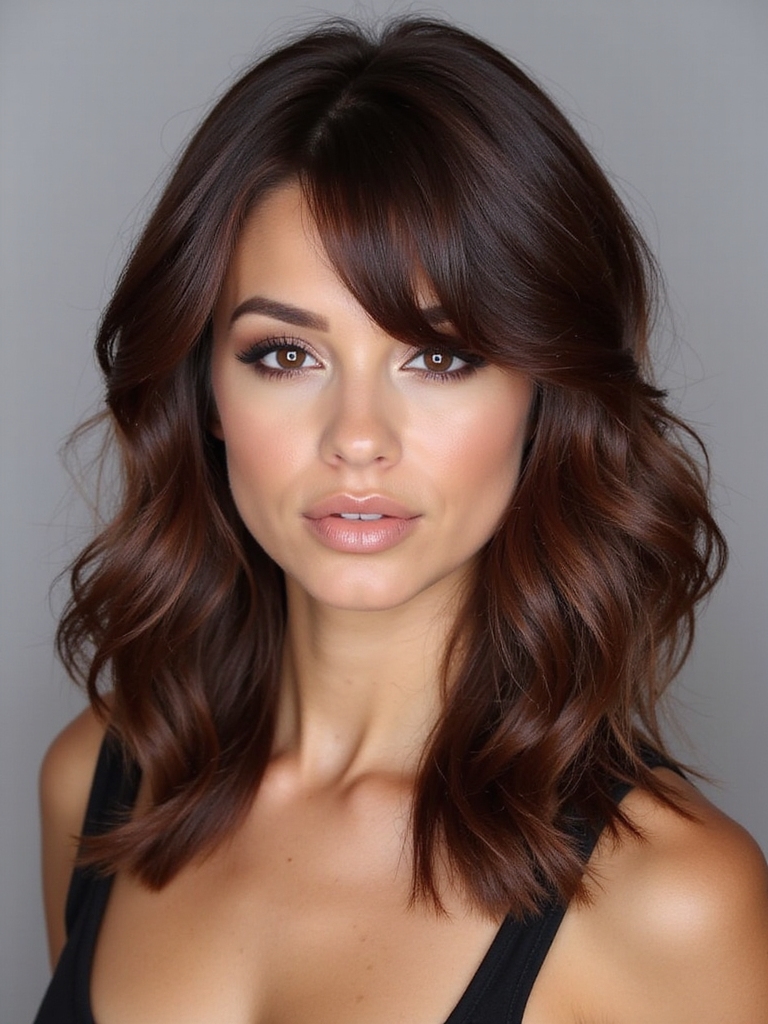
The same choppy cut behaves differently depending on your texture, so the technique has to match. When you know your hair type before the appointment, the conversation gets easier and you walk out with layers that actually work for you.
- Fine hair: gentle internal layers that add volume while protecting the length
- Thick hair: deeper choppy layers to remove bulk and stop the pyramid shape
- Curly hair: dry-cut layers shaped to each curl so the pattern stays intact
Trimming and the Right Products

The mistake I see most is people stretching trims to four months, then wondering why the shape disappeared. Choppy layers live and die by the trim. A quick dusting every eight to ten weeks keeps the ends crisp and the movement intact while barely touching your length.
Products matter almost as much as the cut. A lightweight texturizing spray or a flexible paste keeps the pieces separated, while heavy creams and oils weigh the layers down and erase the choppiness you paid for.
Heat protectant first, always, then style with the lowest heat that does the job. The healthier your ends stay, the longer your layers look intentional between cuts.
Styling Layered Hair at Home

You do not need a chair full of tools to make choppy layers look good at home. Most of the looks here come down to a hair dryer, one brush, and a little texturizing product. Once you learn how your specific cut falls, styling drops to a few minutes.
Browse more options in our layered hair collection if you want to see how the same techniques play out on different lengths, from a crisp lob to long, sweeping layers.
- Rough-dry upside down for body, then refine the front with a brush
- Add bend or wave only in the spots you want movement, and leave the rest
- Finish with a pea-sized bit of paste raked through the ends
How to Ask Your Stylist
The fastest way to a cut you love is clear language at the consultation. Bring two or three photos, and be straight about the minutes you really give your hair each morning. If you want wash-and-go, say so; if you live with a round brush, tell them that.
Use the real words: choppy layers, point-cutting, internal versus surface layering, and where you want the shortest piece to fall. Request a dry cut when you have wave or curl. Then talk upkeep out loud so the trim schedule fits your life, not just the photo on your phone.
Choppy Layer Questions, Answered
?Will choppy layers make my fine hair look thinner?
No, when they are cut right they do the opposite. The trick is internal layering and gentle point-cutting, which makes the ends look fuller. Heavy surface layers are the ones to skip, since they can turn stringy on fine hair.
?How much length do I lose with choppy layers?
Very little if you ask for layers, not a length change. A good stylist removes weight from inside and at the ends while keeping your overall length the same, so you keep medium hair and just gain movement.
?Can I get choppy layers on curly hair?
Yes, but ask for a dry-cut from someone who specializes in curls. Cutting curls dry lets your stylist shape each one, so you get definition and volume instead of an accidental triangle.
?How often do choppy layers need a trim?
Most people do well with a dusting every eight to ten weeks. Softer feathered versions can stretch to twelve, while a sharper choppy bob or pixie wants a touch-up closer to every six.
Finding Your Version of Choppy
Choppy layered haircuts for medium hair are really one idea worn a dozen ways: take out the weight, keep the length, and let the hair move. Whether you lean toward a soft feathered edge, a full shag, or just a quiet bend at the ends, the cut works as hard as you want it to.
Match the look to your texture and your real styling habits, keep up with trims, and use a light hand with product. Do that, and your medium hair stops hanging flat and starts looking like you planned it that way.
More Styles to Try