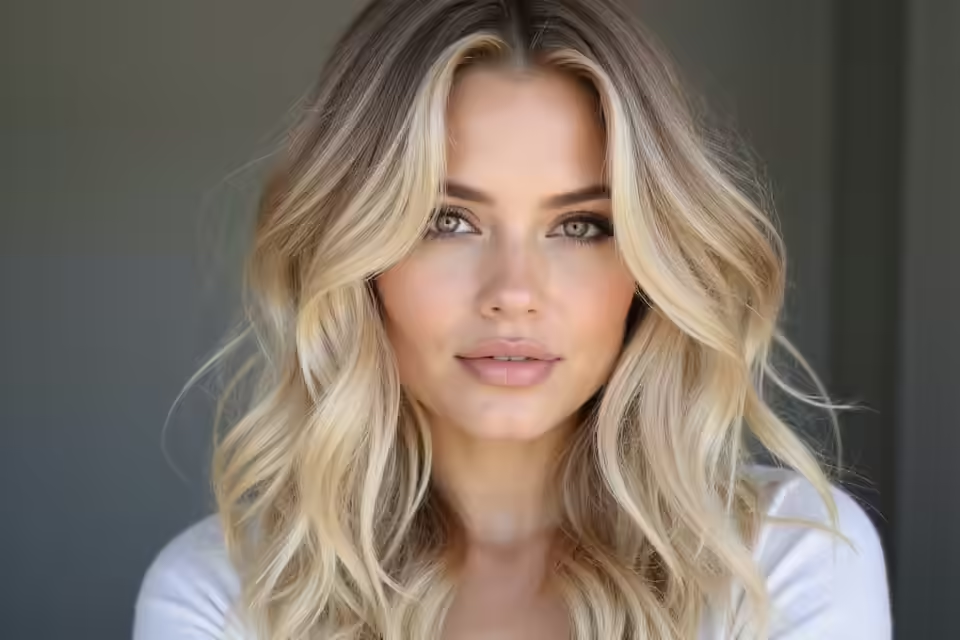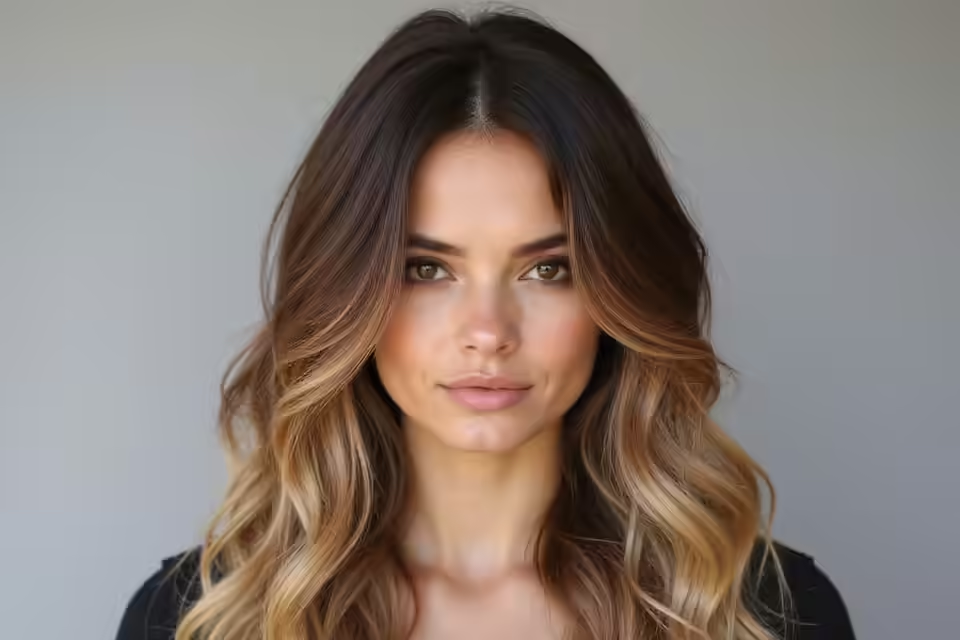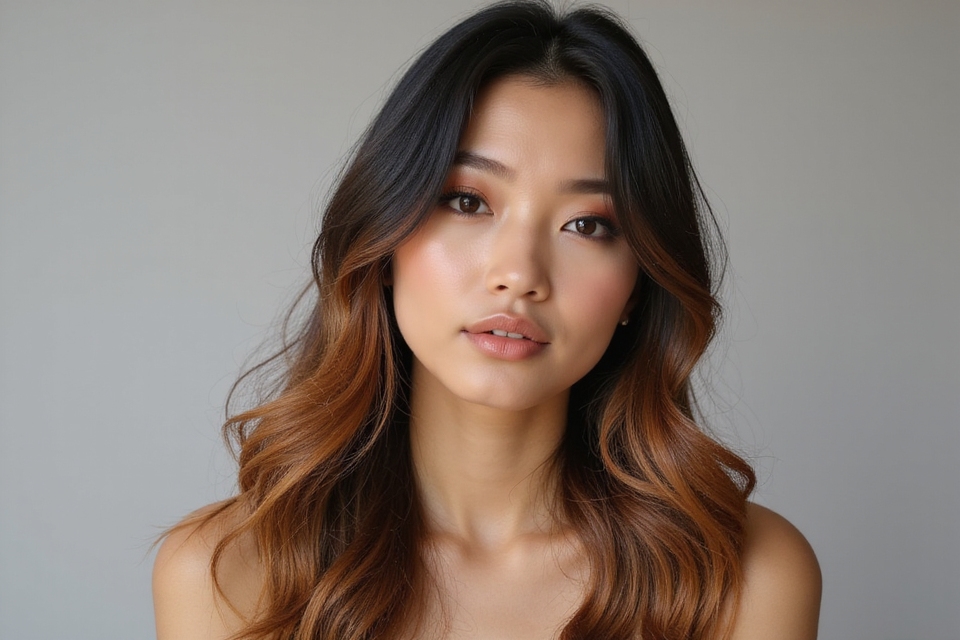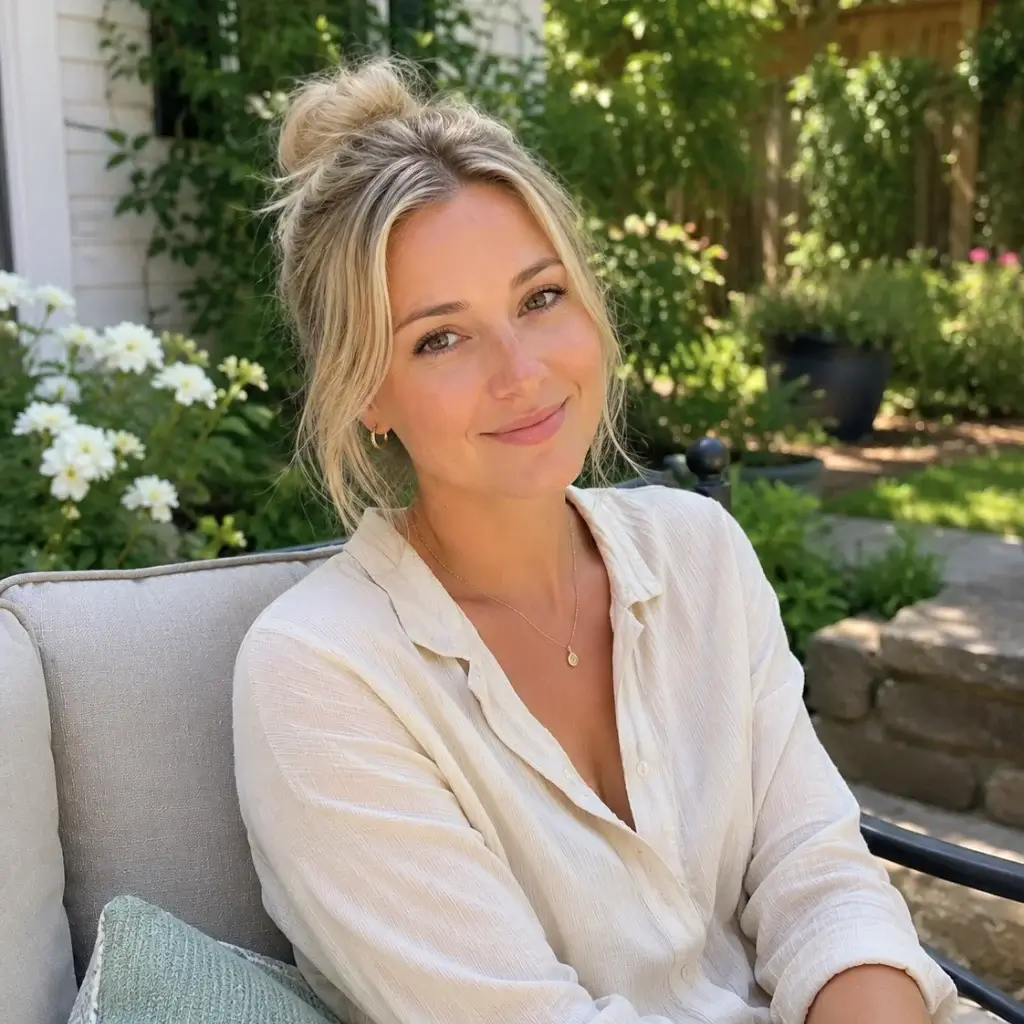

What is it about a short, slightly messy fringe that makes a whole look feel Parisian? French bangs are the answer, and they are having a real moment. Soft, a little undone, and grazing the brows or just above, they frame the eyes and add instant romance without the commitment of a full blunt fringe.
They are not the same as curtain bangs, which are longer and parted to sweep away from the face. French bangs sit shorter and closer, piecey and a little undone rather than sleek. Below is everything I tell clients before they take the plunge: who they suit, how to style and grow them, and the honest maintenance no one mentions until it is too late.
Key Takeaways
- French bangs are short, soft, and piecey, grazing the brows for a romantic, undone Parisian look.
- They differ from curtain bangs, which are longer and swept away from the face; French bangs sit shorter and closer.
- They suit most face shapes when the density and length are tailored to you, and they especially flatter the eyes.
- Expect real upkeep: trims every two to four weeks and daily styling, since short bangs show growth fast.
- On curly and textured hair, account for shrinkage and cut conservatively, since coils spring up much shorter when dry.
The Chic Fringe Worth a Little Risk
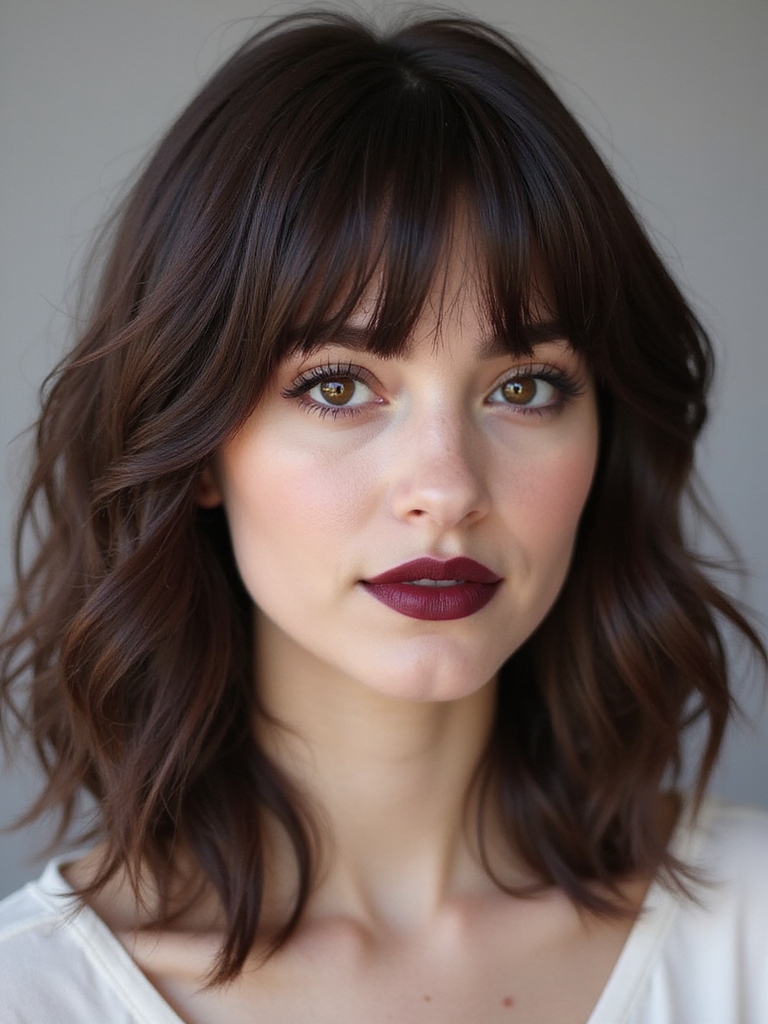
Every stylist has heard it: the client who swore off bangs after one bad experience, now staring longingly at a French fringe again. The truth is that the regret usually comes from the wrong cut for the hair, not from bangs themselves. Done right, this is a chic, romantic frame that people rarely regret.
- The risk is real but manageable, since bangs always grow back.
- Most regret traces to a mismatch, the wrong density, length, or shape for your hair.
- A skilled stylist consultation is the single best way to avoid the cautionary-tale version.
A Bold Trend of Self-Expression
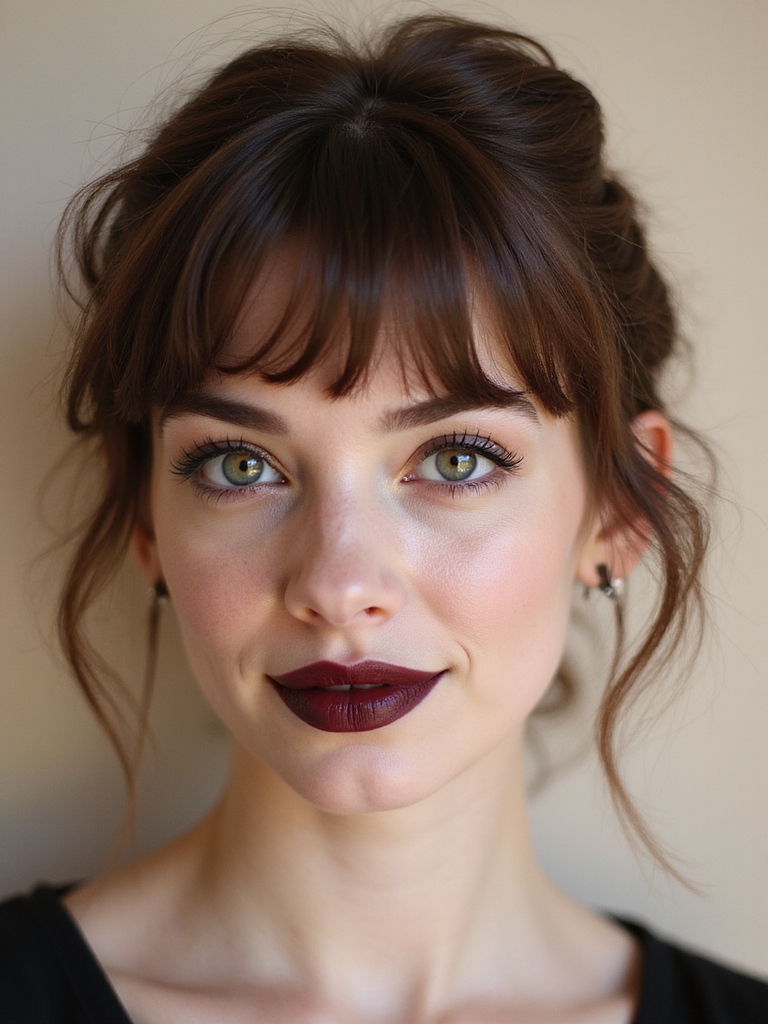
Cutting bangs has always been a small act of reinvention. It is the haircut people reach for at a turning point, a new job, a fresh start, a need to feel like someone slightly new. French bangs let you make that bold statement without changing your length at all.
- A low-stakes transformation, since you change the front, not the whole head.
- A statement of personal style, instantly recognizable and a little daring.
- A way to test boldness, before committing to anything more drastic.
📋Is a French Bang Right for You?
- ✓You are happy to spend a few minutes styling the front of your hair every morning
- ✓You can get to a trim every two to four weeks, or are comfortable maintaining them at home
- ✓You want a romantic, face-framing change without altering your length
- ✓You understand cowlicks, curl shrinkage, and oiliness will shape the version that suits you
Versatile French Bangs Styles
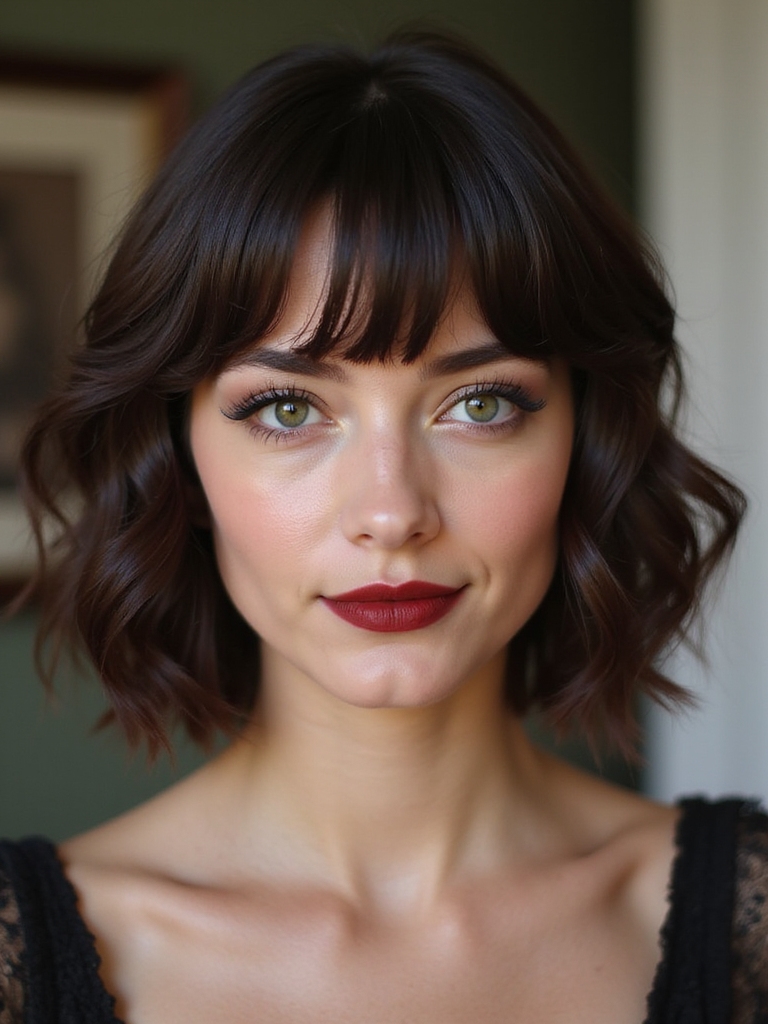
There is no single French bang, which is part of the appeal. The family ranges from a barely-there wispy fringe to a fuller, piecey curtain of hair just brushing the lashes. The common thread is softness, with no hard blunt line and a deliberately undone quality.
One Name, Many Looks
You can wear them piecey and separated for a cool-girl edge, or softer and blended for romance. They can sit dead straight across or with a slight part that opens toward the temples, depending on how much of your forehead you want to show.
That range is exactly why the style suits so many people. The cut is adapted to your hair and your face rather than forced into one shape, so two people can wear French bangs and look nothing alike.
Easy, Chic Styling Tips
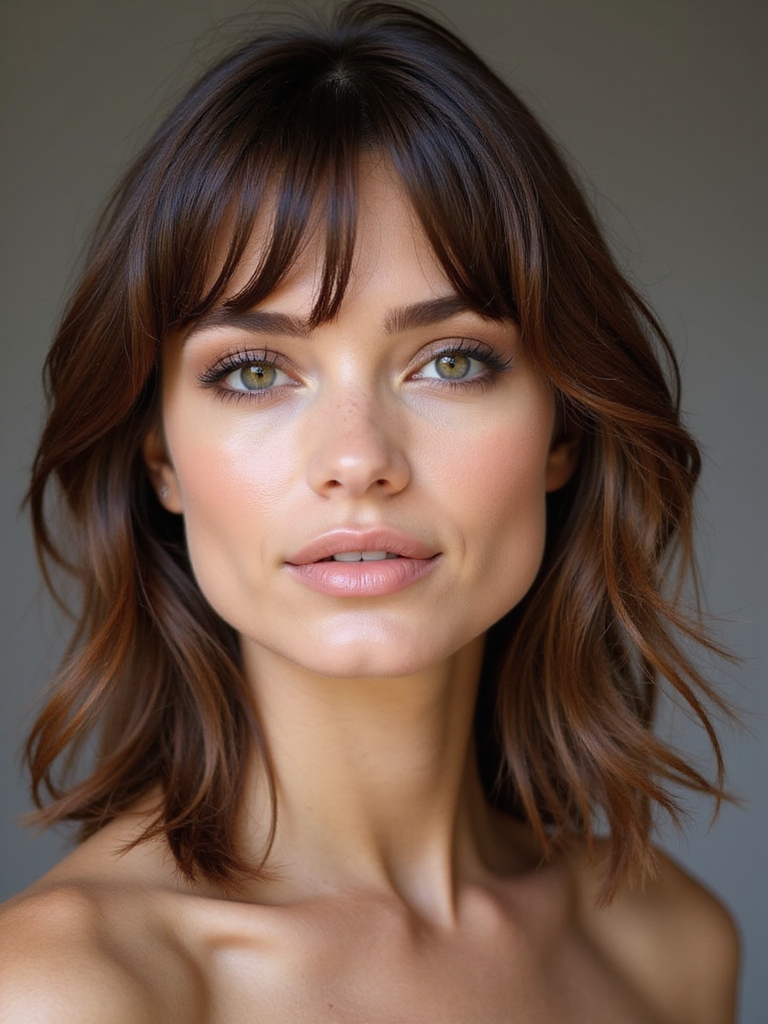
The good news is that French bangs are meant to look a little undone, so you do not need salon-level skill to style them. The bad news is that they still need daily attention, since short hair at the front shows every kink and cowlick. A few minutes with a round brush or a flat iron is usually all it takes.
The biggest mistake is overworking them. You want movement and separation, not a stiff, helmet-like fringe, so go light on product and let them fall naturally.
- Blow-dry while damp with a round brush, directing the hair side to side to break any cowlick.
- Use a tiny amount of light product, a texture spray or a touch of cream, never heavy gel.
- Refresh with water, not more product, on day-two bangs that have gone flat.
Blunt Versus Wispy Bangs
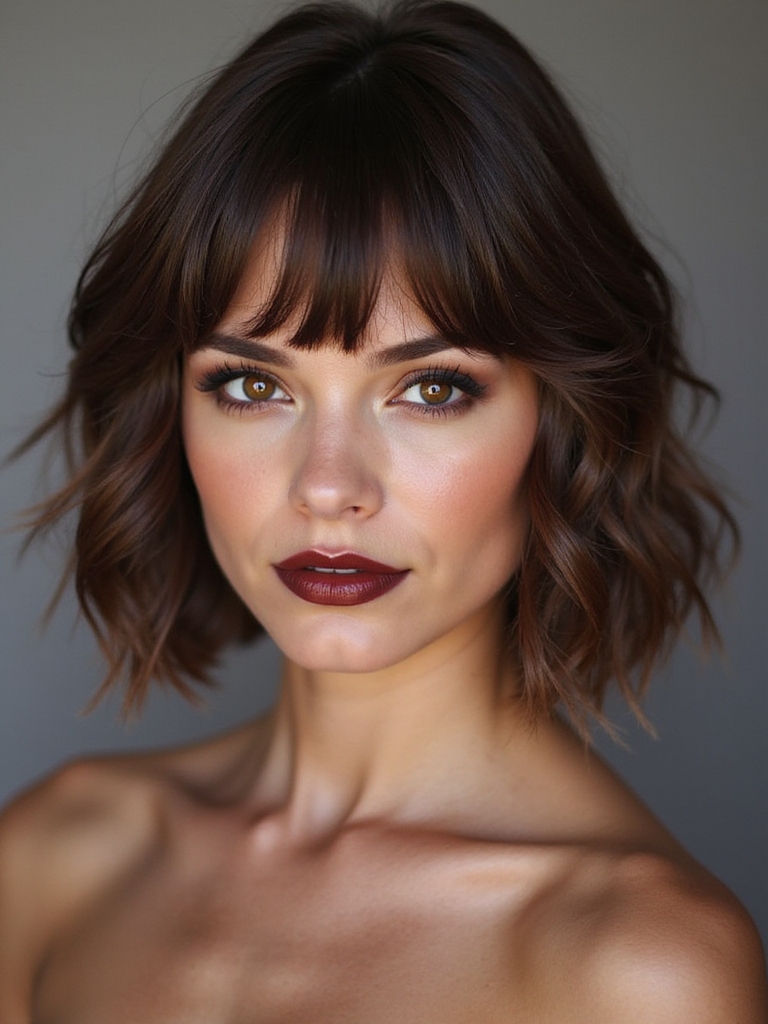
Within the French bang world, the biggest choice is how soft to go. A more blunt version reads bold and graphic, while a wispy, feathered cut is softer and more forgiving. French bangs lean wispy by nature, but you can dial the density up or down to suit your face and your nerve.
- Blunt: fuller and more dramatic, best on straight, thicker hair.
- Wispy: feathered and see-through, softer and easier to grow out.
- In between: piecey with soft ends, the classic French middle ground.
Choosing the Perfect Bang Length
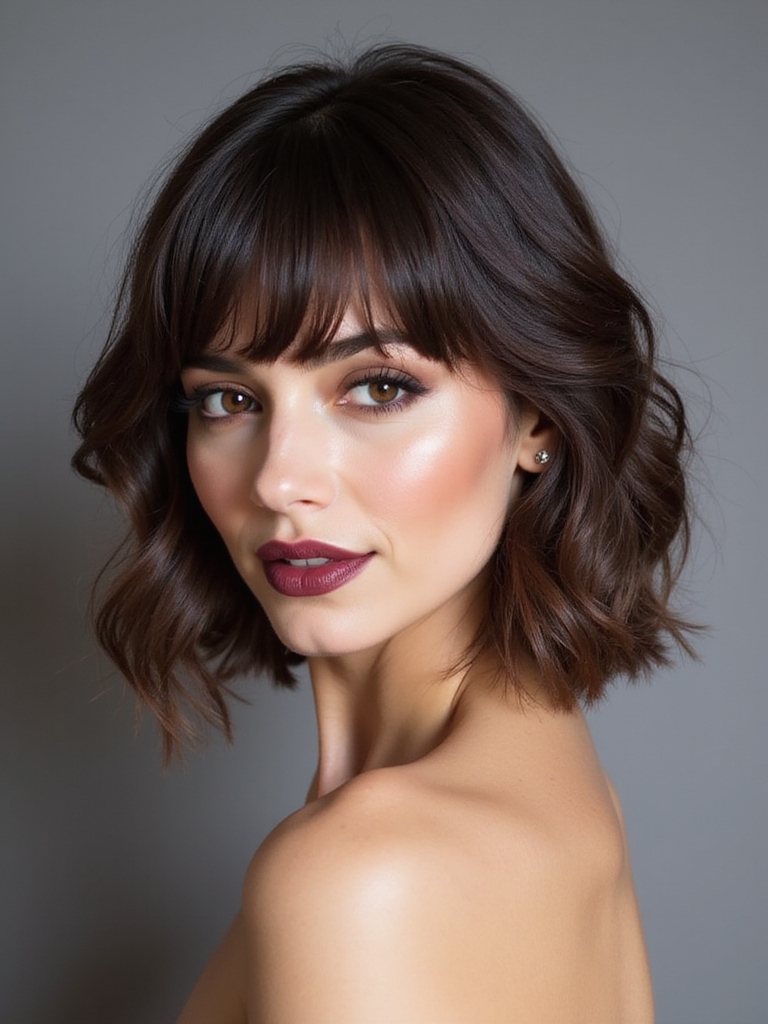
Length changes everything. Bangs cut to graze the lashes feel sultry and frame the eyes, while a slightly longer version that hits the brows or just below is easier to wear and to grow out. I always cut conservatively first, since you can take more off but cannot put it back, and the difference of half an inch is huge on a short fringe.
- Lash-grazing: romantic and eye-framing, but high upkeep.
- Brow-length: the most wearable, classic French sweet spot.
- On curls, cut shorter than you think it looks wet, since coils spring up dramatically when dry.
How Face Shapes Influence Bangs
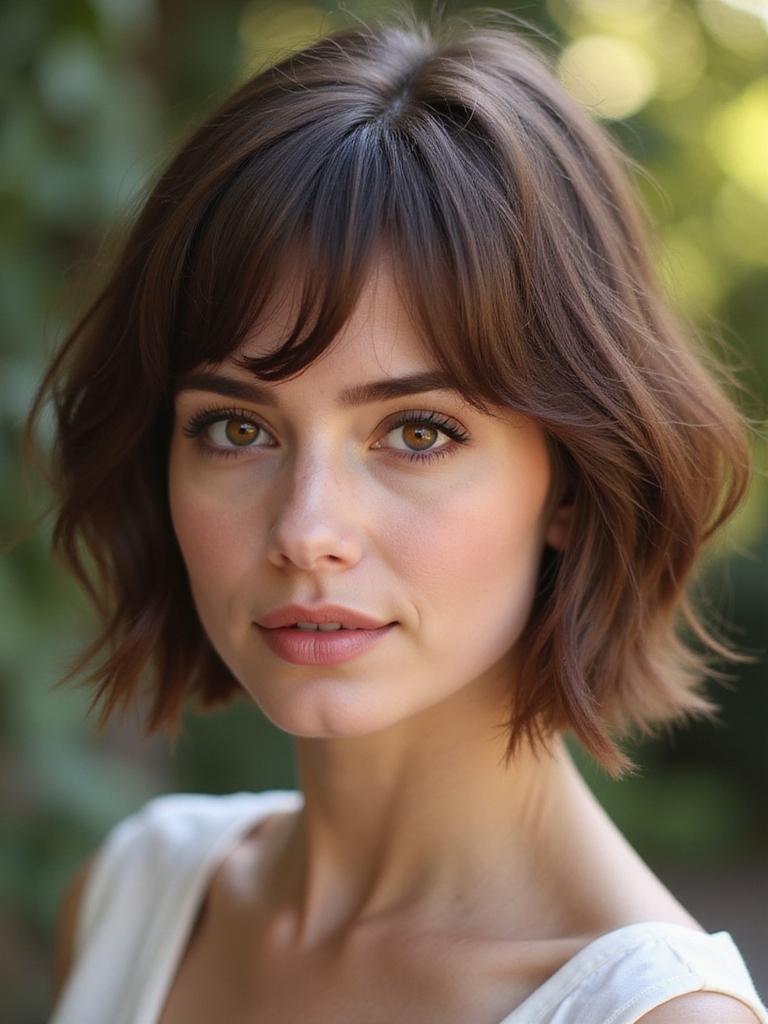
There is no face shape that cannot wear French bangs, but the cut should flatter your proportions. The placement, density, and where the bangs part can balance a longer face, soften a square jaw, or open up a round one. This is where a good stylist earns their fee.
The trick is using the bangs to draw the eye where you want it and to balance the rest of the face, rather than following a rigid rule about what your shape can and cannot do.
- Long or oval faces: a fuller, straighter fringe shortens and balances.
- Round faces: a slightly longer, parted French bang adds length.
- Square faces: soft, wispy ends soften a strong jawline.
How Bangs Enhance the Eyes
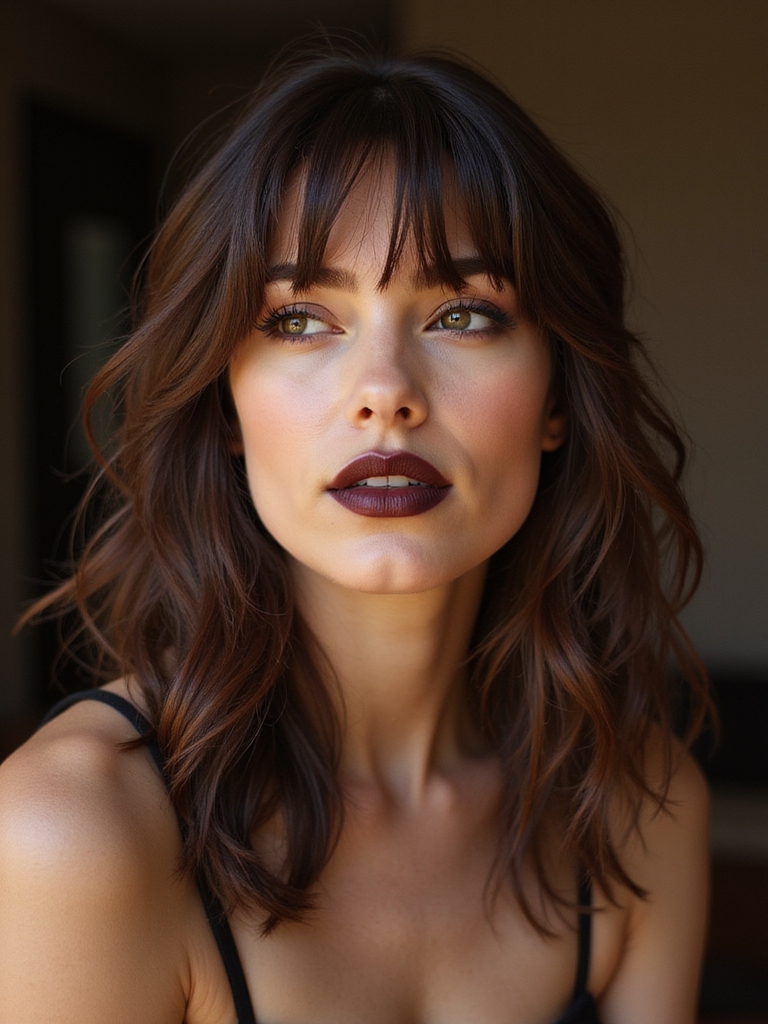
The real magic of French bangs is what they do for the eyes. A soft fringe falling just above or into the lash line frames the eyes like a curtain frames a window, drawing every glance straight to them. It is the most flirtatious thing a haircut can do.
This is why the lash-grazing length is so beloved despite the upkeep. The hair brushing the tops of the lashes creates a peek-a-boo effect that makes the eyes look bigger and more expressive.
If you love a defined eye, French bangs are a natural partner. They make even minimal makeup look intentional, since the fringe is already doing half the framing for you.
Subtle Bangs That Enhance Your Features
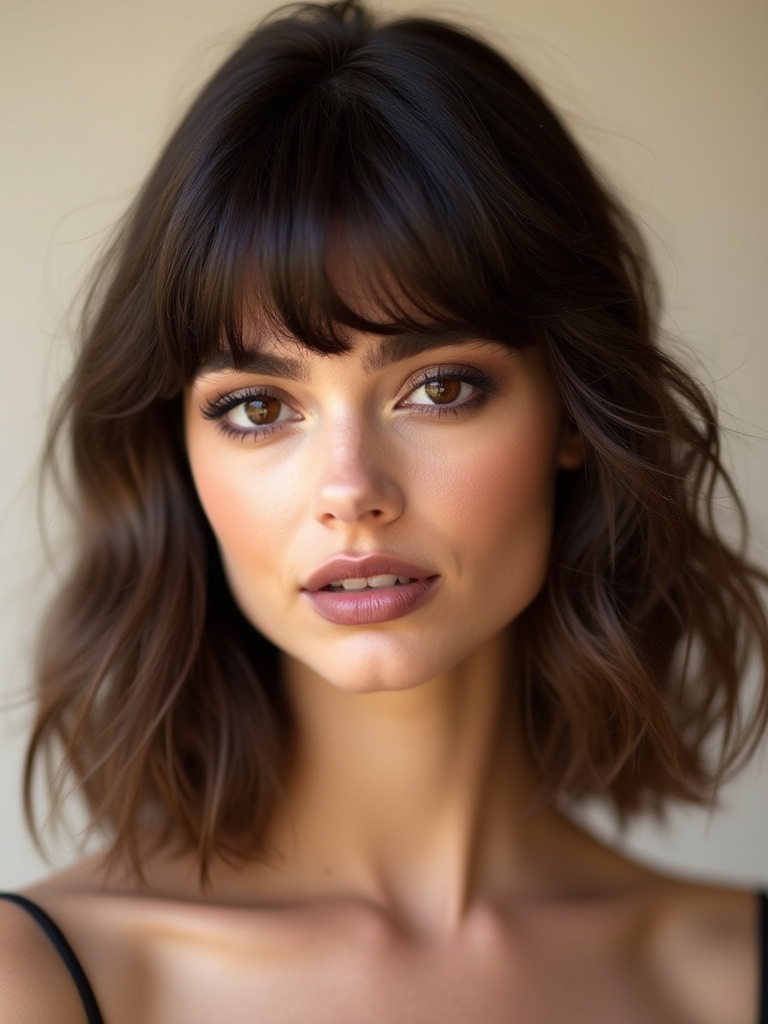
Not everyone wants a statement fringe, and the subtle French bang is for them. A light, see-through version barely registers as bangs but softens the hairline and adds a youthful frame to the face. It is the gateway fringe for the bang-curious.
Because it is so wispy, it grows out gracefully and blends back into the length without an awkward stage, which makes it the lowest-risk way to try the look.
- Keep it see-through, so it softens rather than covers the forehead.
- Blend it into face-framing pieces for a smooth transition to your length.
- It suits fine hair beautifully, adding a frame without weight.
| Face Shape | Flattering Approach | Why |
|---|---|---|
| Long or oval | Fuller, straighter fringe | Shortens and balances the face |
| Round | Longer, slightly parted bangs | Adds length and structure |
| Square | Soft, wispy, feathered ends | Softens a strong jawline |
The Naturally Chic French Bang
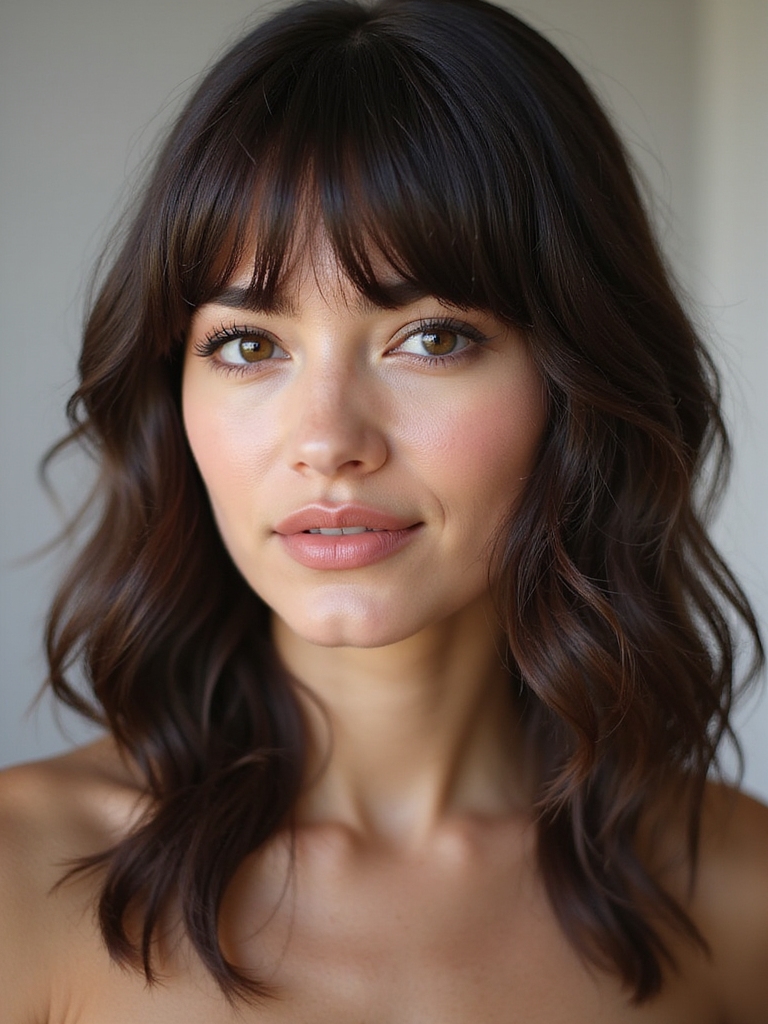
If there is a single image the words French bangs conjure, it is this: a slightly tousled, piecey fringe that looks like it was cut on a whim and styled with fingers. That undone, naturally chic quality is the whole point, and it is what separates a French bang from a precise, structured fringe.
Why Undone Takes Skill
Achieving undone is more deliberate than it looks. The cut is point-cut and textured so the ends are soft and separated, never blunt, and the styling is loose rather than smooth.
The beauty is that it is forgiving on a daily basis. A French bang that looks a little undone is doing exactly what it should, which takes the pressure off perfect styling every morning.
Tools for Maintaining Your Bangs
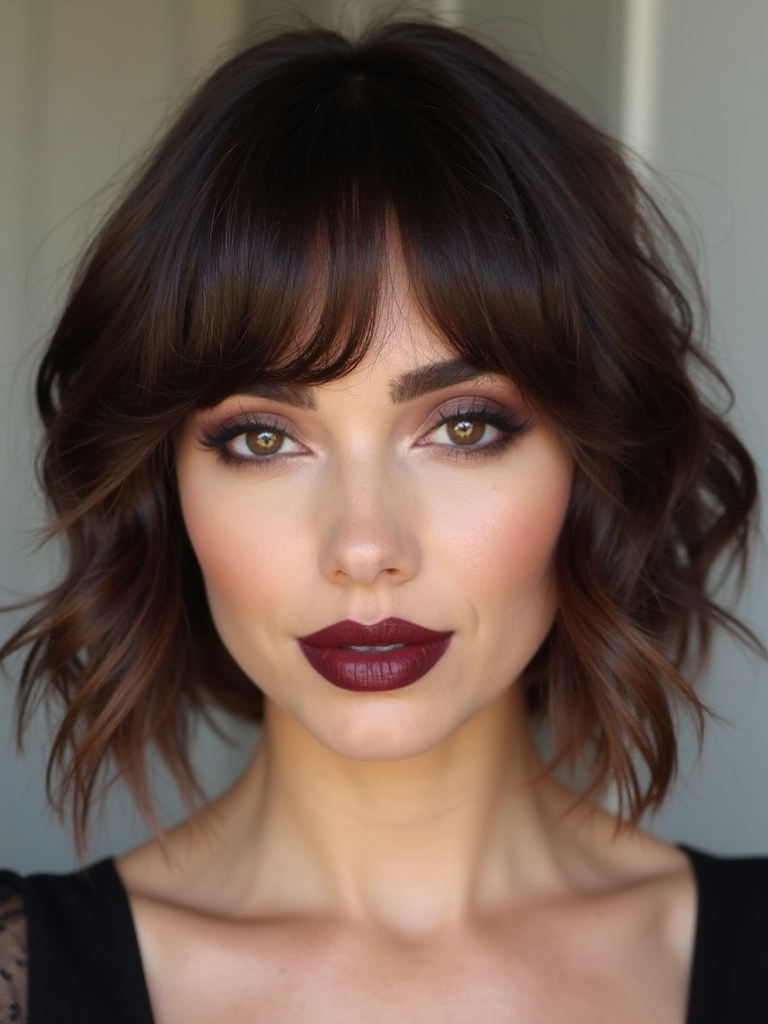
You do not need much to keep French bangs looking right, but the few tools you do need make all the difference. A small round brush and a blow-dryer are the core, since most bang issues are solved at the drying stage rather than later.
The Cowlick Problem
A mini flat iron or a small curling tool helps tame stubborn cowlicks and add bend. Dry shampoo is essential too, because bangs get oily faster than the rest of your hair from forehead contact.
Keep a fine-tooth comb and a light texture spray within reach for quick refreshes. With this small kit, you can fix most fringe emergencies in under five minutes.
French Bangs Styling Tips
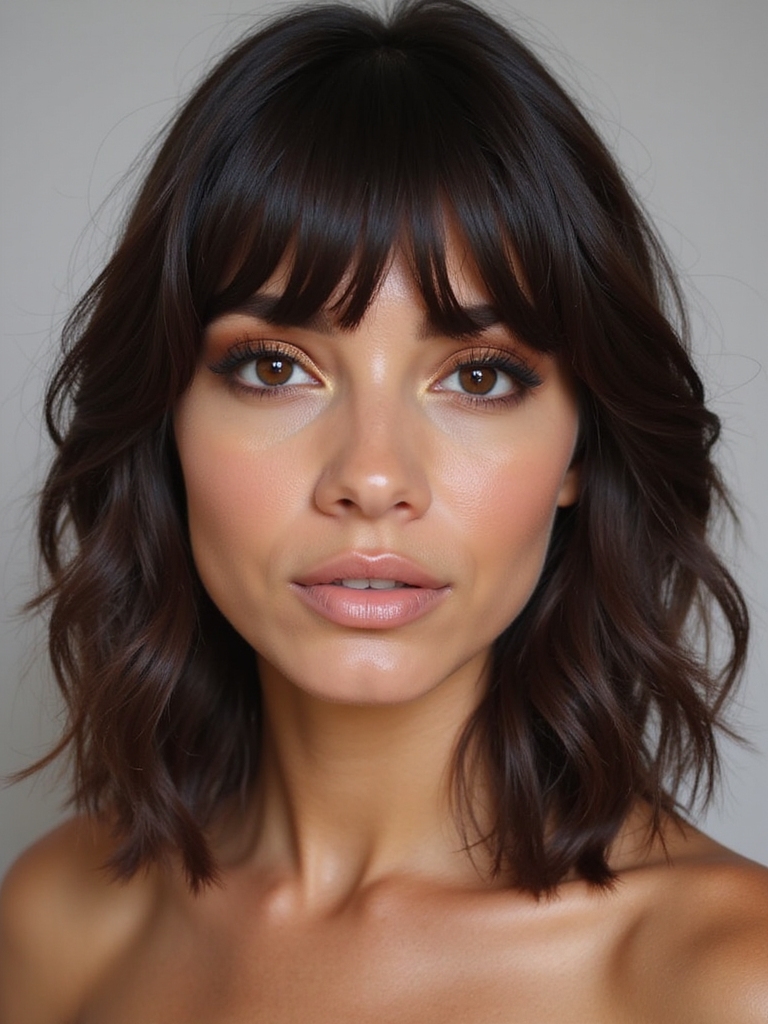
Beyond the basics, a few pro habits keep French bangs looking salon-fresh between trims. The throughline is working with the hair’s natural fall rather than fighting it, and treating the bangs as their own small project each morning.
- Dry the bangs first, while the rest of your hair is still damp, so they set before they air-dry wonky.
- Break a cowlick with heat, drying the hair in the opposite direction before letting it fall.
- Carry blotting papers or dry shampoo for the midday oil that short bangs always collect.
The Seasonal Charm of Bangs
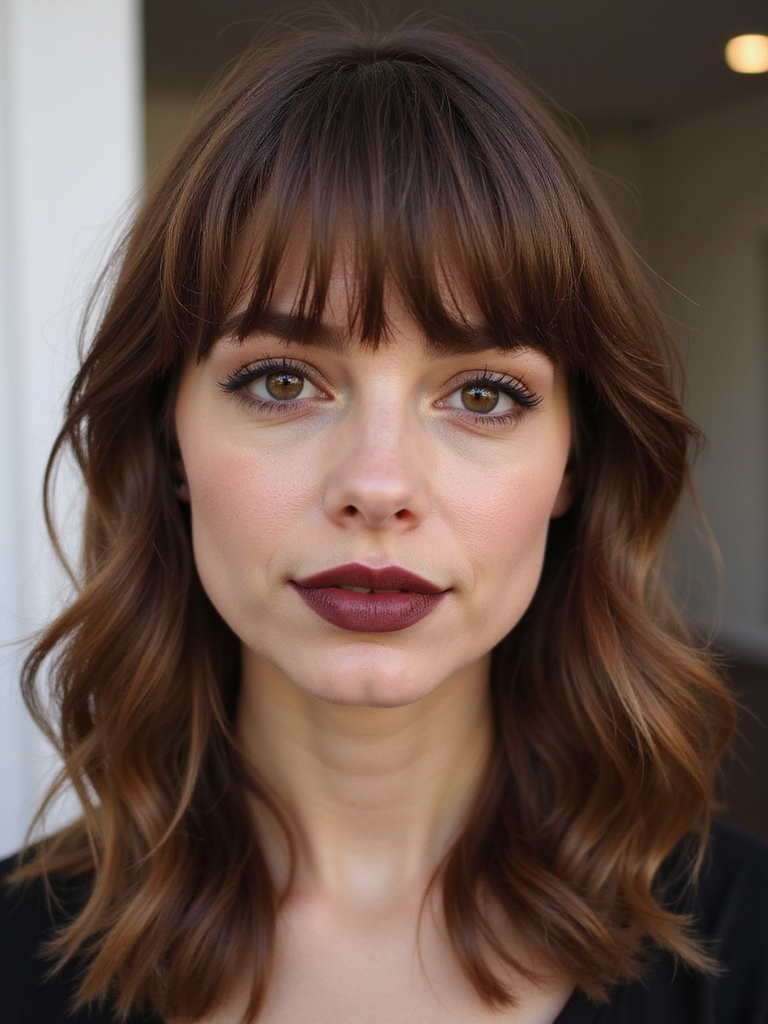
French bangs change personality with the seasons, which is part of why people love them year-round. In cooler months they pair beautifully with knitwear and a tousled, cozy texture, while in summer they can be a challenge to keep crisp in humidity and sweat.
Knowing the seasonal quirks helps you decide when to commit and how to adjust your routine as the weather turns.
- Fall and winter: cozy texture, easy to keep, pairs with layers.
- Spring: fresh and light, the classic time for a fringe refresh.
- Summer: humidity and sweat are the enemy, so lean on dry shampoo and anti-frizz.
Bangs Inspiration From the Spotlight
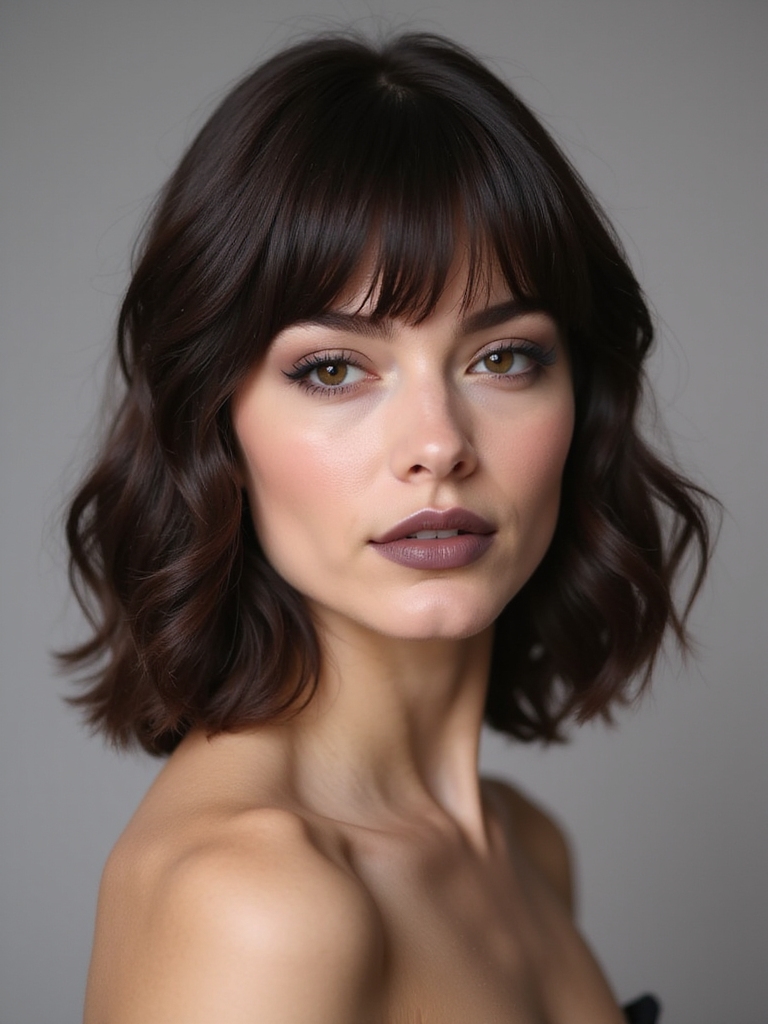
The French bang has been a red-carpet and runway favorite for decades, worn by actresses, models, and the kind of naturally stylish women the look is named for. The French It-girl archetype, all tousled fringe and undone elegance, is the reference everyone reaches for.
What is striking is how differently the look reads on different people. On one it is sultry and bold, on another sweet and gamine, which proves how adaptable the cut really is.
Rather than copying one famous face, bring reference photos of the feeling you want, sultry, soft, piecey, full, to your stylist. The vibe translates better than trying to recreate one specific head of hair.
A Timeless French Bangs Style
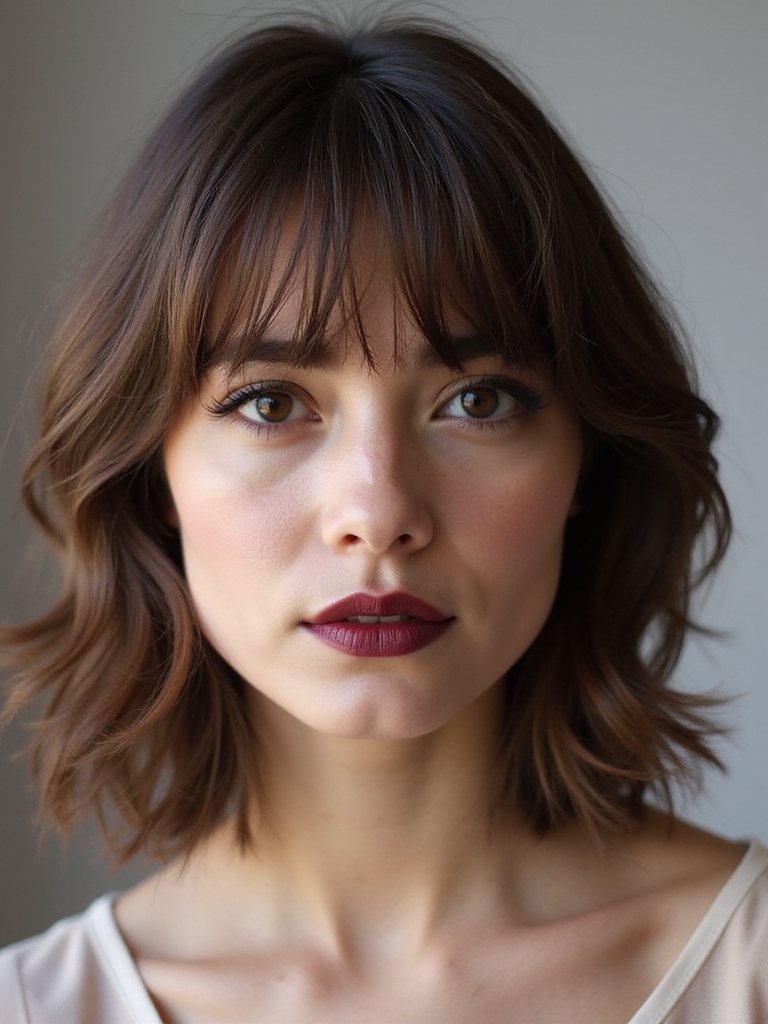
Trends come and go, but the soft French fringe keeps returning because it is fundamentally timeless. It has been chic for generations, shifting slightly in length and density with the decades but never truly going out of style.
Why It Keeps Coming Back
That longevity is reassuring when you are nervous about commitment. Unlike a trend that will date your photos, a French bang reads as classic, so you are unlikely to look back and cringe.
It also pairs with nearly every hair length and style, from a long romantic blowout to a sharp bob, which is another reason it has endured. It is less a trend than a permanent option in the style vocabulary.
French Bangs and Outfit Ideas
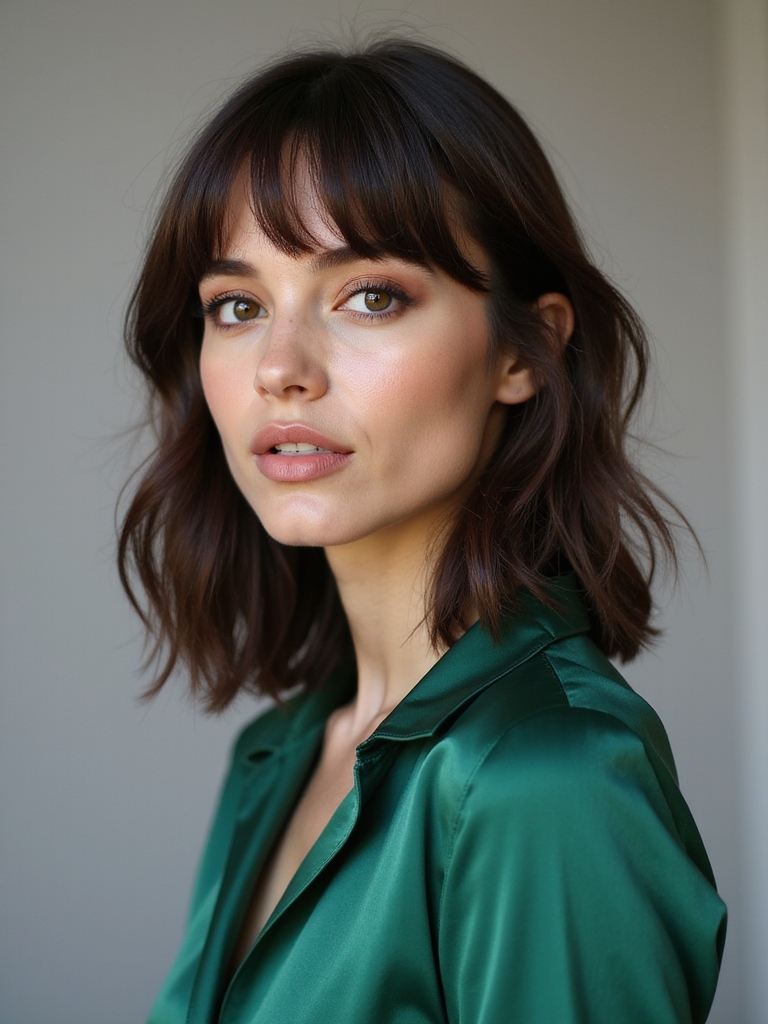
A fringe is part of your whole look, not just your hair, and French bangs have a definite wardrobe personality. They lean naturally into that Parisian-girl aesthetic of a striped top, a trench, red lipstick, and a little mystery. They make a simple outfit look considered.
They are versatile enough to dress up or down, working with a slip dress for evening or a sweater and jeans for the weekend. The fringe adds a finished, intentional touch to whatever you are wearing, which is why so many people find their style feels more pulled-together once they have one.
Color Trends for Bangs
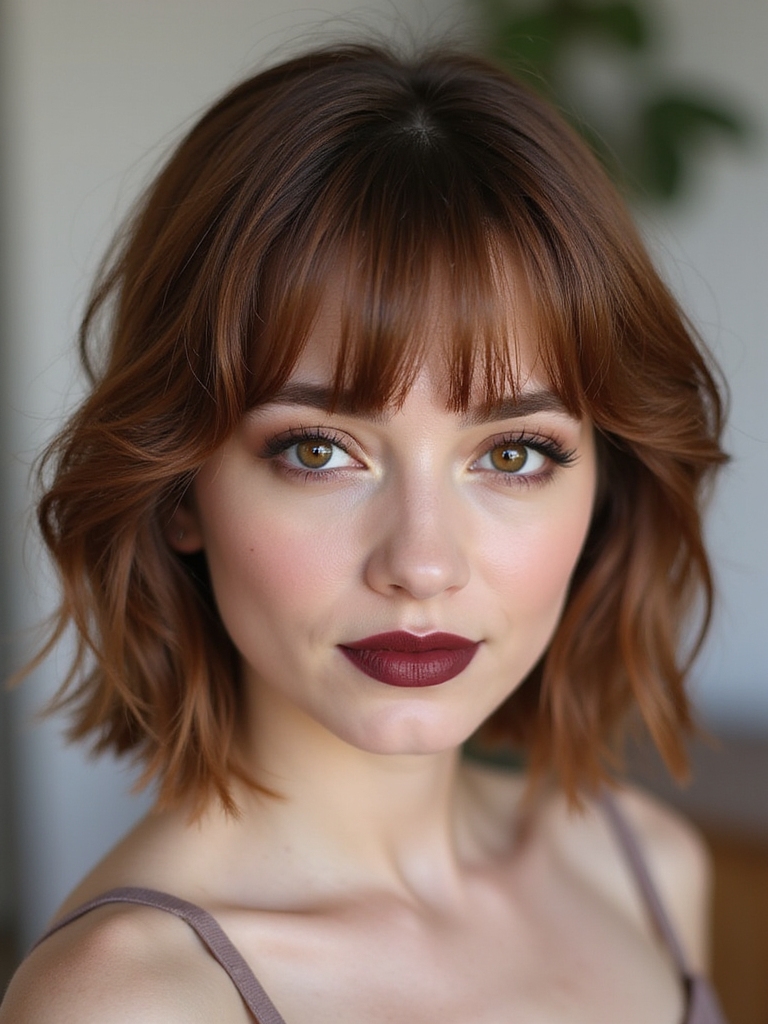
Color and a fringe make a powerful pair, since the bangs sit right at eye level where any color shows most. A money piece, a face-framing highlight, or a bold tonal contrast in the fringe draws the eye and adds dimension to the cut.
You can keep it natural and glossy or use the fringe as a canvas for something bolder. Either way, the color reads strongest here, so a little goes a long way.
- Money piece: lightened pieces framing the fringe brighten the whole face.
- Glossy natural tones: a rich, shiny single shade keeps the focus on the cut.
- Bold accents: a peekaboo color in the bangs is a low-commitment way to experiment, and pairs with the shades in my exotic hair color guide.
Romantic Hairstyles With Bangs
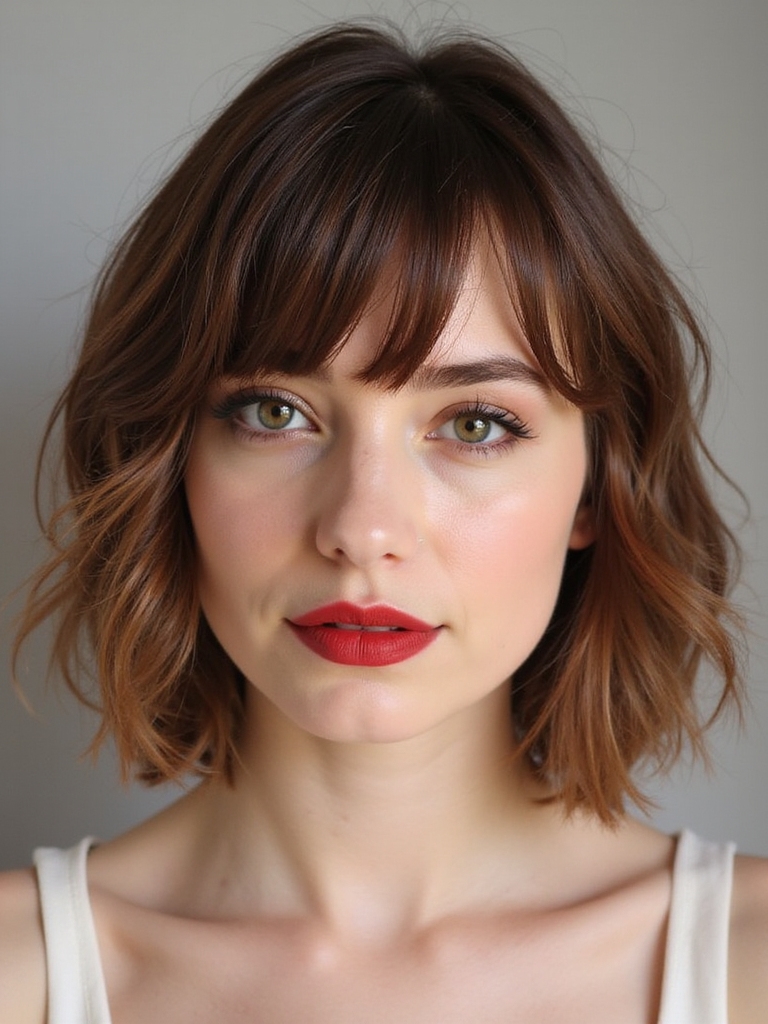
French bangs were made for romantic styling. Paired with soft waves, a loose updo, or a half-up with face-framing pieces, the fringe softens the whole look and adds that dreamy, undone quality. They keep even a formal style from looking too severe, which is why they are a favorite for weddings and dates.
- With soft waves: the fringe and the waves echo each other for full romance.
- With an updo: bangs keep a sleek updo from feeling too done.
- With a half-up: the bangs frame the face while the crown adds lift, much like my face framing curtain bangs approach but shorter.
Embracing the Growing-Out Phase
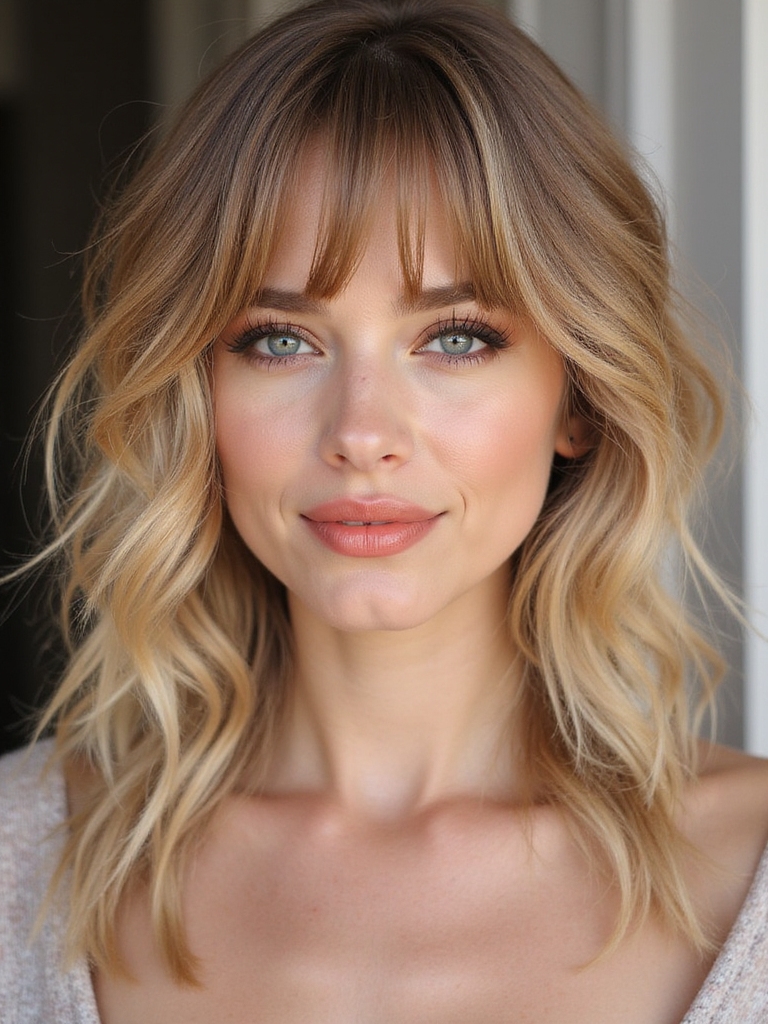
Every fringe wearer eventually faces the grow-out, and French bangs are kinder than most. Because they are wispy and soft rather than blunt, they blend into face-framing layers as they grow, so the awkward stage is shorter and easier than with a heavy fringe. A little patience and a few tricks carry you through.
- Part them in the middle once they are long enough to sweep aside.
- Pin or clip them back with the pretty accessories that are everywhere right now.
- Ask for a blending trim, where a stylist softens the bangs into your layers.
Bangs Require Careful Consideration
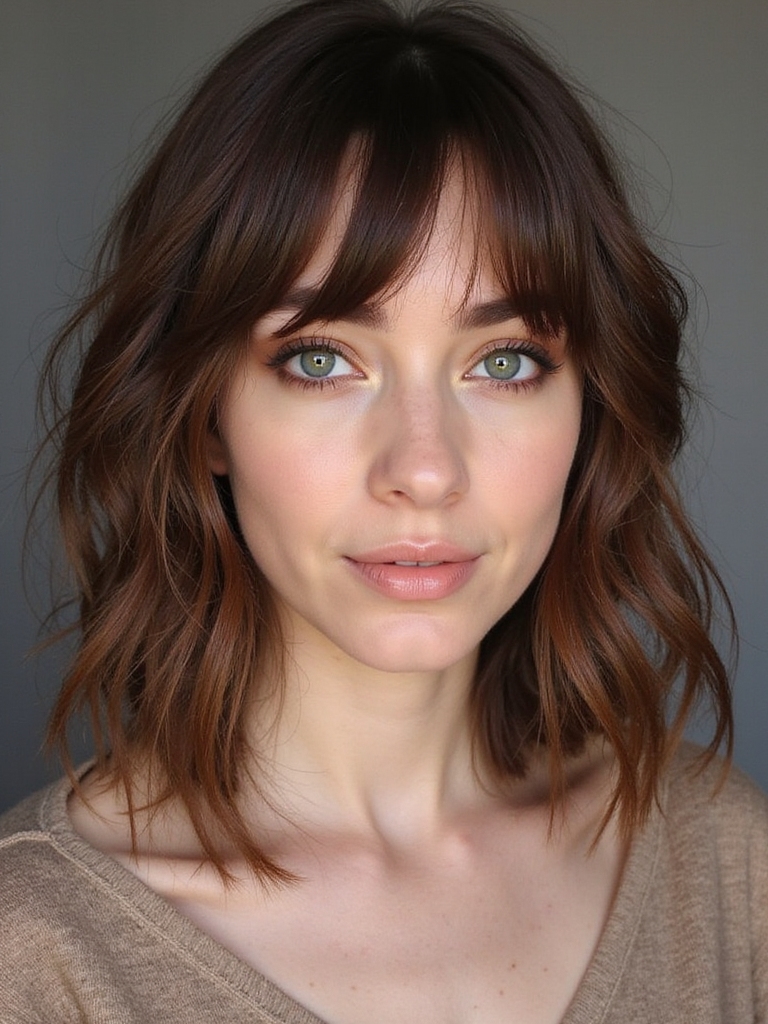
Before you book the cut, it is worth being honest with yourself about a few things. Bangs are a real lifestyle commitment, and the people happiest with them are the ones who went in with clear eyes about the upkeep and the daily styling. A little forethought prevents most regret.
Think about your hair type, your morning routine, and your tolerance for trims. None of these should necessarily stop you, but they should shape the version you choose.
- Your hair type matters: cowlicks, curl pattern, and oiliness all affect daily styling.
- Your routine matters: bangs need a few minutes every morning, no exceptions.
- Your patience matters: trims every few weeks and a grow-out phase come with the territory.
Two persistent myths about bangs:
❌ Myth: Bangs do not work on curly or textured hair.
✅ Reality: They absolutely do, with the right cut. A stylist who cuts curls dry can shape a beautiful curly fringe; the key is accounting for shrinkage so it is not cut too short.
❌ Myth: Bangs only suit certain face shapes.
✅ Reality: Every face shape can wear French bangs when the length, density, and part are tailored to balance your proportions. There is no shape that is off-limits.
A DIY French Bangs Guide
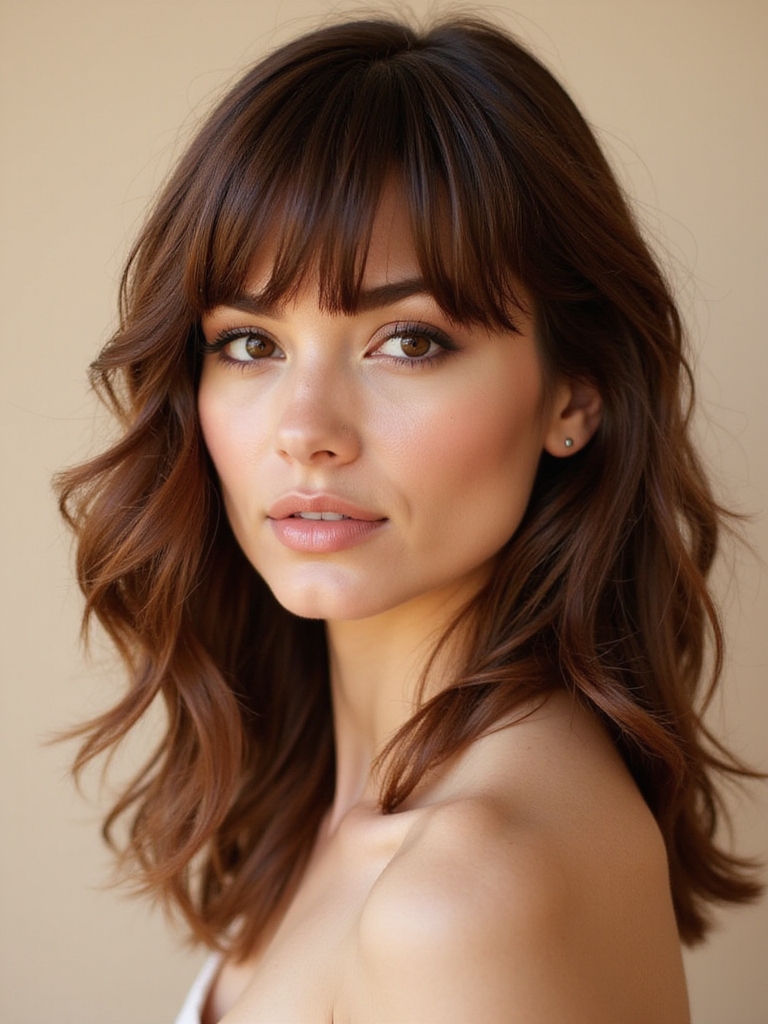
I will always recommend a stylist for the first cut, but plenty of people maintain or even cut French bangs at home. If you are going to try, do it slowly, on dry hair, with the right scissors, and with a healthy fear of cutting too much.
- Use proper hair shears, never kitchen or craft scissors, which cause split, frayed ends.
- Cut on dry hair, point-cutting upward into the fringe for soft, piecey ends.
- Take tiny amounts at a time, since you can always trim more but cannot undo a cut.
When DIY Haircuts Go Wrong
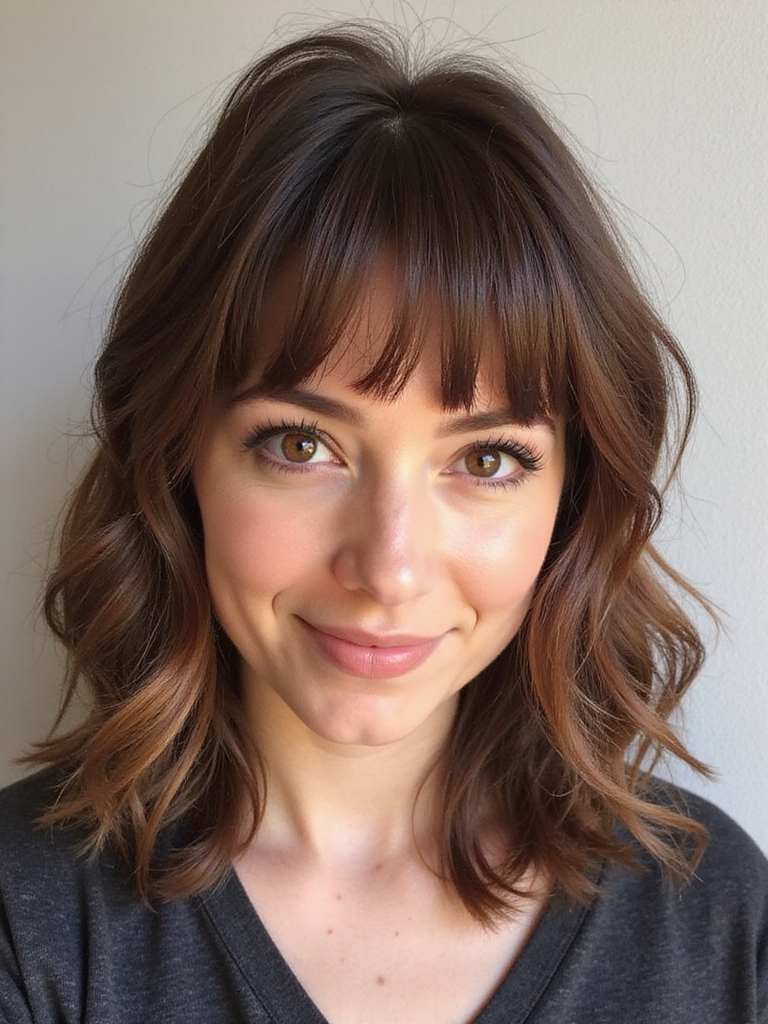
We have all seen the videos, and many of us have lived the story: the DIY fringe that started as a fun idea and ended in a too-short, crooked cautionary tale. It is funny in hindsight, less so the morning of an event. A few hard-won lessons save a lot of grief.
- Never cut bangs wet, since they shrink up far shorter once dry.
- Never cut straight across in one go, which guarantees a blunt, too-short line.
- When in doubt, stop and call a stylist, who can fix far more than you fear.
Heads-Up
If you cut bangs at home, never trim them wet. Hair shrinks as it dries, especially curly and textured hair, so wet-cut bangs end up far shorter than you intended. Always cut dry, point the scissors upward into the fringe, and take less than you think you need.
Bangs Require Regular Maintenance
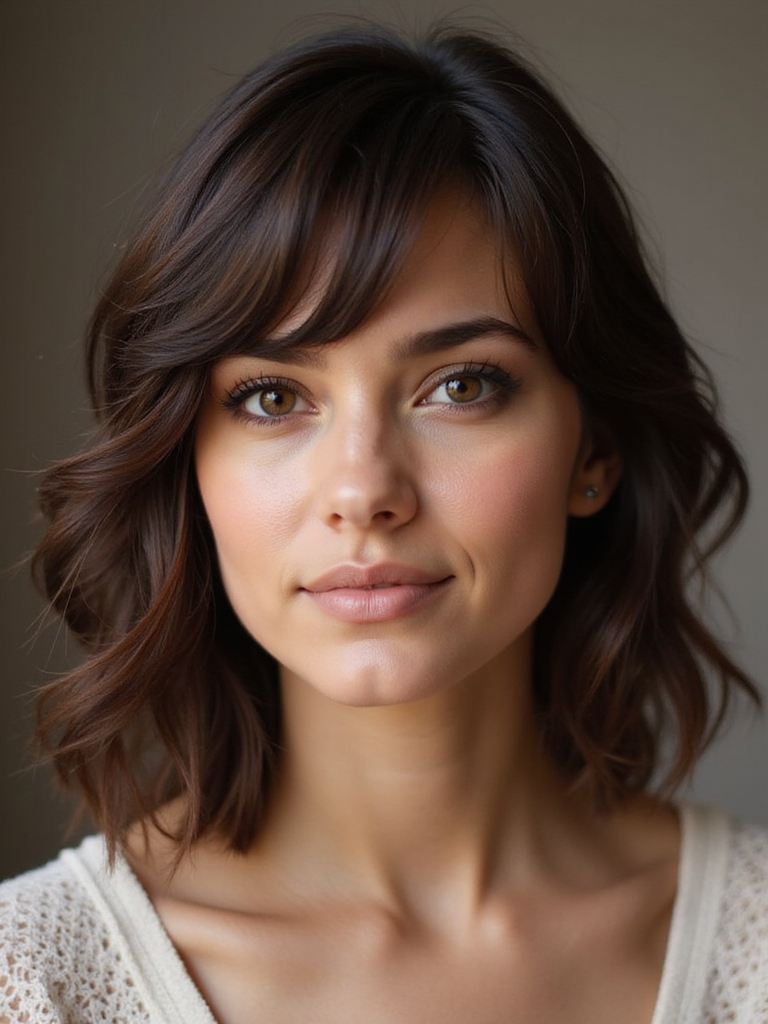
Here is the honest part most fringe content skips: French bangs are high-maintenance. They grow into your eyes within a couple of weeks, so you will be booking trims far more often than for the rest of your hair. Many salons offer free or low-cost bang trims between cuts, so ask.
Daily styling is non-negotiable too, since short front hair cannot just air-dry and look right the way your lengths can. Build in a few minutes every morning, and keep dry shampoo handy for the oil that collects from forehead contact.
None of this is meant to scare you off, only to set expectations. People who know what they are signing up for love their bangs. People who expected wash-and-go are the ones who end up regretting them.
A Celebrity-Favorite Trend
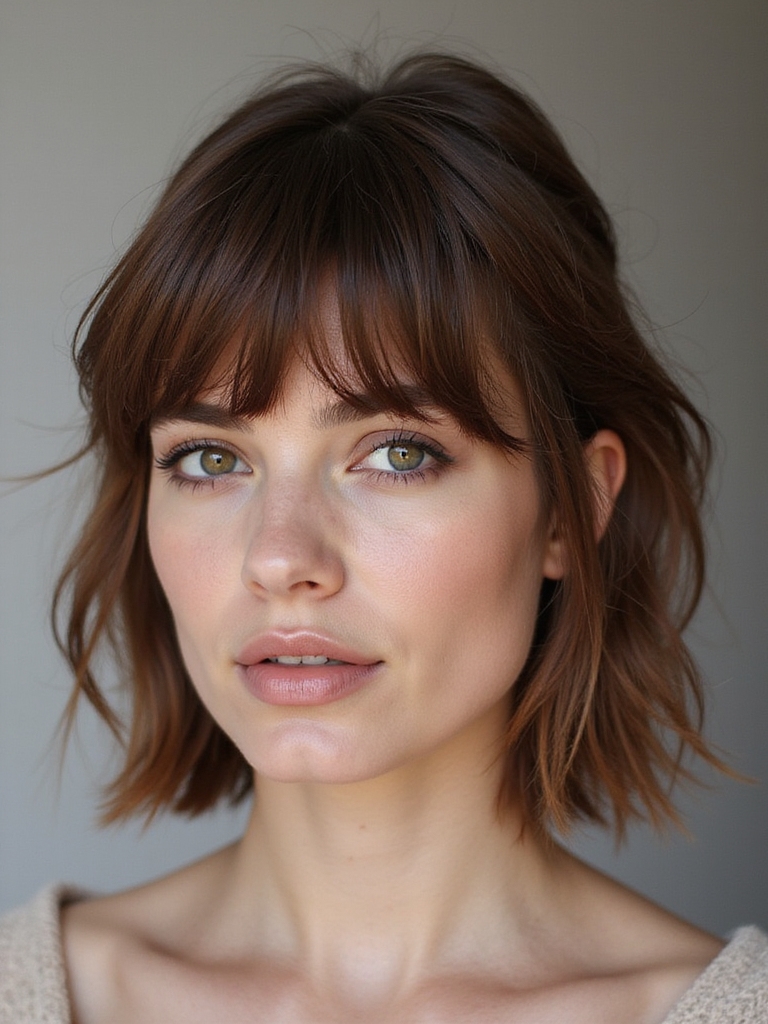
French bangs stay in constant rotation among the most stylish, from runway models to the front row to the kind of naturally chic women who seem to have been born with the perfect fringe. That steady presence keeps the look feeling current decade after decade.
The lesson to take from it is not to copy a specific famous person, but to notice how the look is always styled a little undone and a little personal. That spirit, more than any exact length, is what makes the French bang read as expensive and timeless.
Style Bangs With Accessories
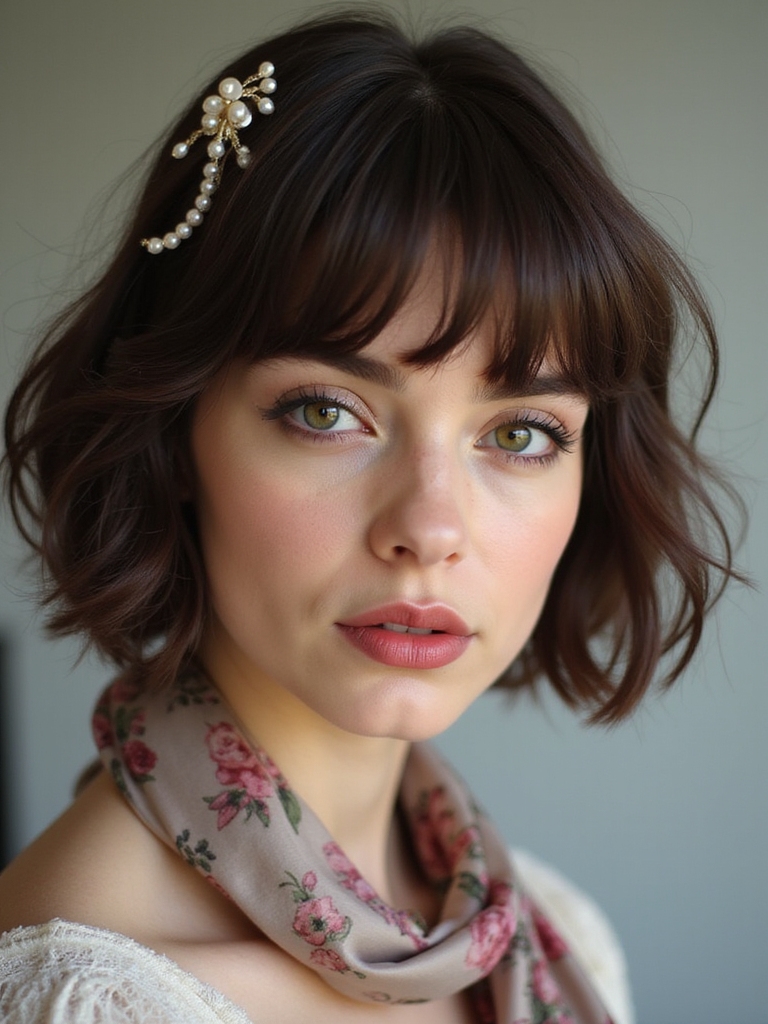
Accessories and a fringe are a perfect match, especially during the grow-out. A pretty clip, a row of pins, a slim headband, or a silk scarf can pull the bangs back when you want a change or hold them out of your eyes on a busy day. They turn a styling problem into a style opportunity.
Accessories for the Grow-Out
The trend for hair accessories has exploded, so there has never been more to play with. A jeweled clip dresses bangs up for evening, while a simple claw or a few bobby pins keep them practical for daytime.
Keep a small stash within reach for the days your fringe will not cooperate. A well-placed clip is often the difference between fighting your bangs and feeling polished.
What to Expect
If you are ready to commit, here is the realistic picture. The cut itself is usually quick and affordable, often added to a regular haircut or offered as a low-cost standalone fringe trim, frequently in the range of a few dollars to twenty or so for a trim alone.
Bring reference photos that capture the feeling you want, and have a real conversation with your stylist about your hair type, cowlicks, and lifestyle before any scissors come out. The first cut is where getting it right matters most.
After that, plan for upkeep. Expect to style the bangs for a few minutes daily and to trim them every two to four weeks as they grow into your eyes, with many salons offering those trims free between full cuts. On curly and textured hair, work with a stylist who cuts curls dry so they account for shrinkage. Go in clear-eyed about the maintenance, and a French fringe will reward you with that romantic, undone frame every single day.
Frequently Asked Questions
?What is the difference between French bangs and curtain bangs?
French bangs are shorter and sit closer to the face, piecey and soft, often grazing the brows or lashes. Curtain bangs are longer and parted in the center to sweep away from the face. French bangs read more undone and romantic; curtain bangs are softer and easier to blend into long layers.
?Do French bangs work on curly hair?
Yes, with the right cut. A stylist who cuts curly hair dry can shape a soft curly fringe that accounts for shrinkage, since coils spring up much shorter when dry. Cut conservatively and embrace the natural texture rather than fighting it.
?How often do French bangs need trimming?
Expect a trim every two to four weeks, since short bangs grow into your eyes quickly. Many salons offer free or low-cost bang trims between your regular haircuts, so it is worth asking when you book the initial cut.
?Can I cut French bangs myself at home?
You can maintain them at home with care, but I recommend a stylist for the first cut. If you trim them yourself, always work on dry hair with proper hair shears, point-cut upward for soft ends, and take tiny amounts at a time, since you cannot undo a cut that is too short.
Ready to Take the Leap?
French bangs earn their romantic reputation honestly. They frame the eyes, soften the face, and lend that undone, Parisian quality to almost any look, all without touching your length. The catch is the upkeep, and the people who love them most are the ones who went in knowing exactly what they signed up for.
If the soft fringe has been calling to you, find a stylist you trust, bring your reference photos, and start a touch longer than you think. You can always go shorter at the next trim. Worn with a little confidence and a few minutes each morning, a French bang is the kind of change that makes you feel like a slightly more romantic version of yourself.
Keep Reading