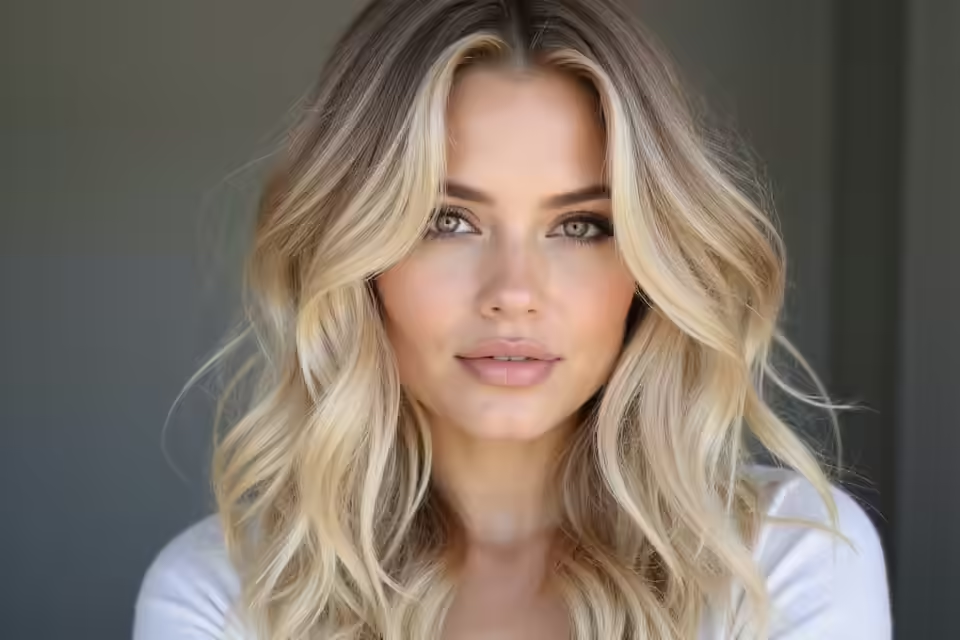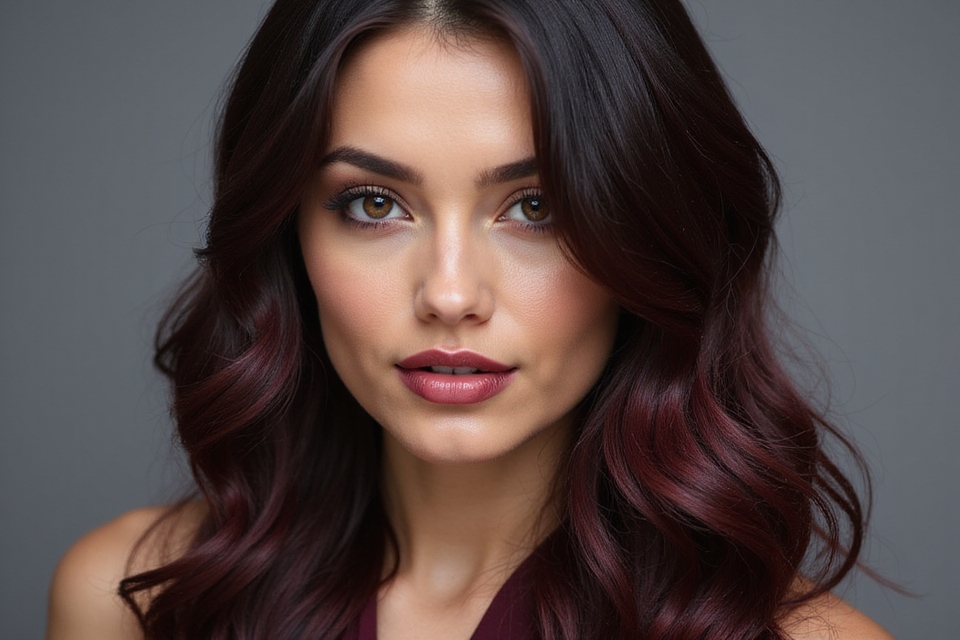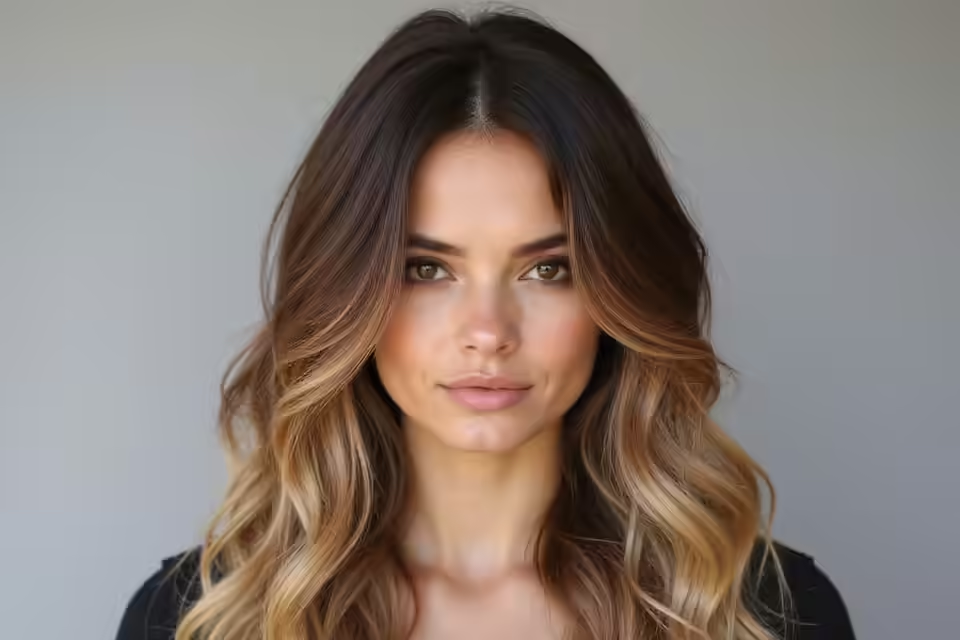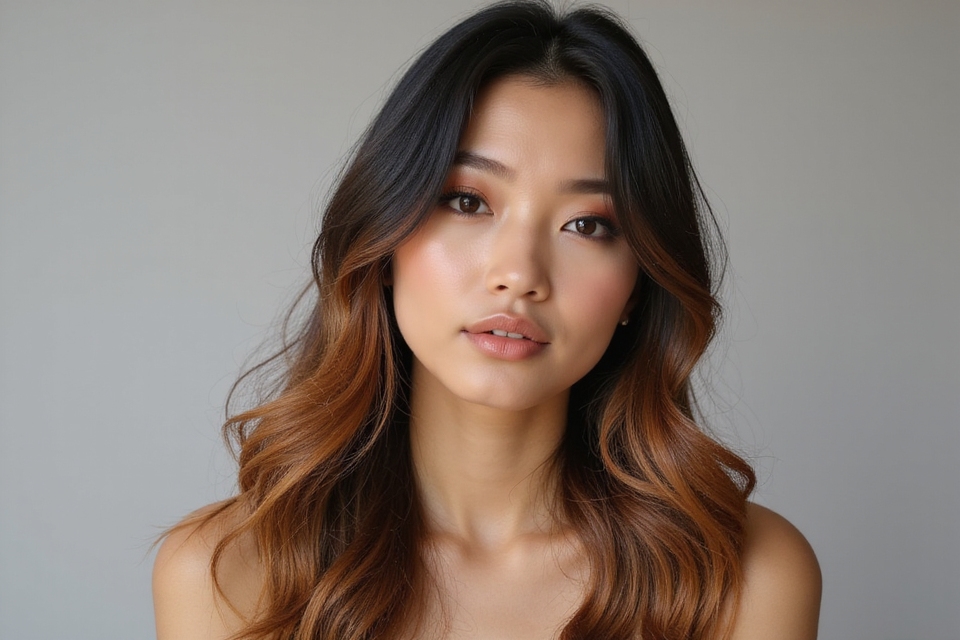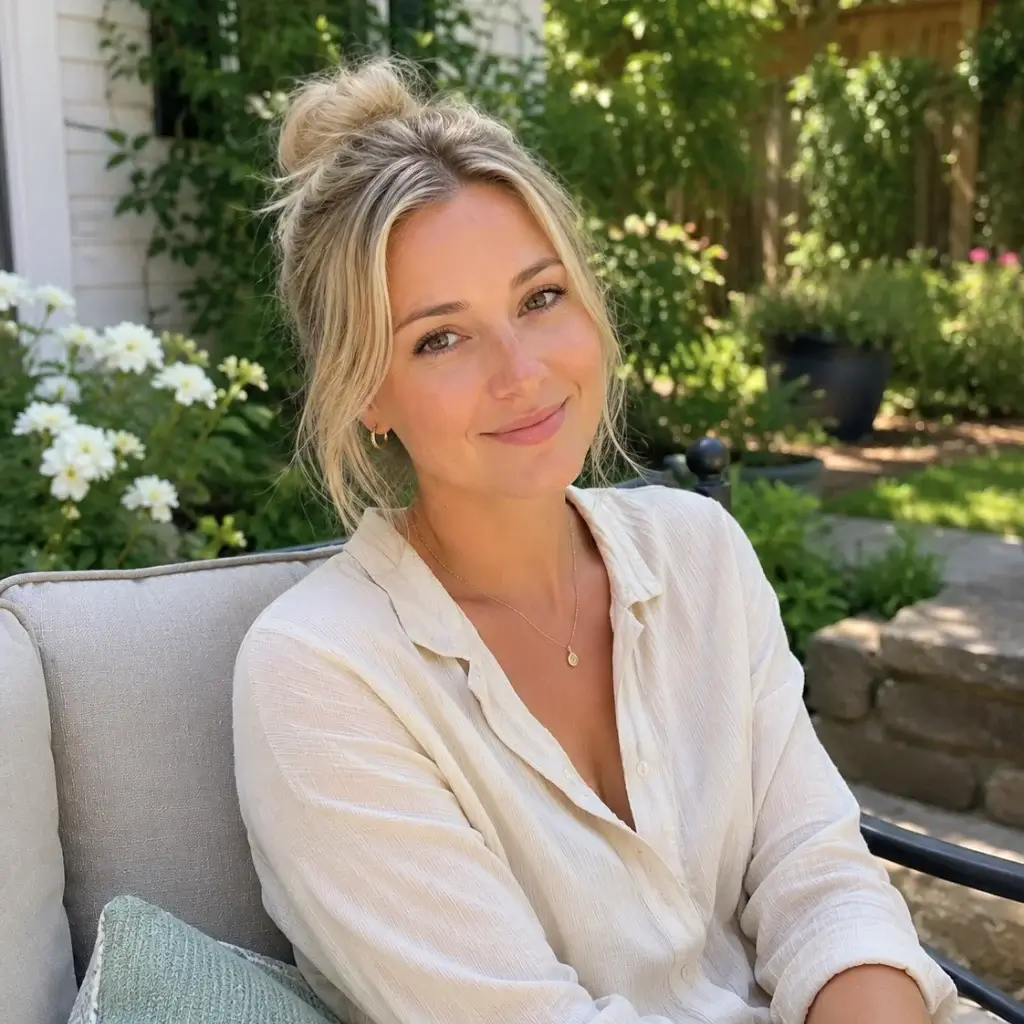

More clients bring me a screenshot of curtain bangs than any other single request, usually a photo they saved months ago and finally worked up the nerve to try. And almost every one of them leaves the chair wondering why they waited so long.
That is the quiet magic of face framing curtain bangs: they soften your features, they suit nearly every face, and they grow out without the awkward stage that scares people off fringe. This guide covers whether they will suit you, how to pick the length, styling them in minutes, wearing them on any texture, and the few mistakes worth dodging.
Curtain Bangs at a Glance
- Curtain bangs are center-parted, face-framing pieces that sweep away from the face, so they flatter almost any face shape and blend in as they grow.
- They are low-commitment: a trim every 3 to 4 weeks keeps the shape, and most salons do a fringe trim free between cuts.
- Texture changes the cut, curly and coily hair should be cut dry and shaped to the curl rather than blunt across.
The Retro Revival of Curtain Bangs

Curtain bangs are a revival, not a new invention, and knowing where they come from helps you ask for the right version. The look first took off in the 1970s as a long, center-parted fringe, and the modern take is softer and more wearable:
- Longer than a blunt fringe, so the shortest pieces sit around the cheekbone.
- Parted in the middle and swept outward to frame both sides of the face.
- Blended into your length, which is what keeps the grow-out painless.
Why Curtain Bangs Keep Coming Back

Some trends spike and vanish, but curtain bangs have stuck around for decades, and there are good reasons they keep returning to the top of the request list.
- They flatter widely, softening strong features without committing to a heavy fringe.
- They are forgiving to grow out, unlike a blunt baby fringe that fights you for months.
- They photograph beautifully, which keeps them circulating online and on screen.
ℹ️Good to Know
Curtain bangs trace back to the 1970s, when the long, center-parted fringe framed the face on screen and in magazines. The modern version is softer and longer, designed to blend into your lengths as it grows rather than sitting as a separate fringe.
What Makes Curtain Bangs So Easy to Wear

The reason curtain bangs feel so low-stress comes down to their shape, which works with your hair and asks little of you. A few things make them truly easy to live with:
- They tuck away, pinning back or twisting into the length when you want them gone.
- They forgive a lazy day, since a little texture or a slight wave looks intentional.
- They need only a quick style, usually a minute with a round brush or a flat iron.
How Curtain Bangs Flatter Your Face

Curtain bangs flatter by drawing a soft frame around the eyes and cheekbones, which highlights your features and gently balances your proportions. The center part and outward sweep create a subtle V that slims a rounder face and softens a longer one.
Because the pieces graduate from short to long, they suit far more faces than a blunt fringe does. The shortest piece can sit anywhere from the brow to the cheekbone, and that flexibility is what lets a stylist tailor them to your exact face shape.
Which curtain bang length suits your face?
🎯Round or fuller face
Go longer, with the shortest pieces below the cheekbone, to add length and a slimming frame.
🎯Long or narrow face
Go a touch shorter and fuller so the curtain adds width across the cheeks and balances the length.
Choosing the Right Curtain Bang Length

The single biggest decision is where the shortest pieces land, and that choice should track with your face shape and the upkeep you are willing to do. Shorter, cheekbone-grazing bangs make more of a statement; longer, jaw-skimming pieces are subtler and grow out faster.
A quick guide to length by face shape:
- Round face: longer pieces that fall below the cheekbone to add length.
- Long or oval face: a fuller, slightly shorter curtain that adds width across the face.
- Heart or square face: soft, cheekbone-length pieces that round off a strong jaw or forehead.
Essential Products for Curtain Bangs

You do not need much to keep curtain bangs looking good, but a few products earn their place. The most important is something to manage oil, since bangs sit against your forehead and get greasy faster than the rest of your hair.
Dry Shampoo Is Your Best Friend
A dry shampoo for the roots of the fringe extends a style by a day or two between washes. A lightweight smoothing cream or a few drops of oil tame flyaways without weighing the pieces down.
Skip anything heavy or sticky on the fringe, since it drags the bangs flat and oily. Light is the rule here, always.
At-Home Blowout Techniques for Bangs

The trick most people miss is that curtain bangs are styled first, while they are still damp, before the rest of your hair dries and sets in place. Take a round brush, and with the dryer on a medium heat, roll the bangs away from your face, following the curve you want.
A quick back-and-forth motion as you dry keeps them from drying flat or sticking to your forehead. If you want extra bend, wrap each side around the brush for a second at the end. The whole thing takes about a minute once you have the motion down.
How Curtain Bangs Transform a Style

Adding curtain bangs is one of the lowest-risk ways to reinvent your look while keeping every inch of your length. They change the frame around your face, which looks like a bigger transformation than the small amount of hair actually cut would suggest.
That is why I often suggest them to clients who feel bored but want to keep their length. A set of curtain bangs gives you a noticeable change, costs little, and grows back into your existing style if you decide it is not for you.
Pairing Curtain Bangs With a Bob

Curtain bangs and a bob are a natural pair, because the fringe adds movement and softness to a cut that can otherwise look severe. On a blunt bob, the swept pieces break up the strong line and bring the focus up to your eyes.
Blend the Bangs Into the Front Layers
They work just as well on a longer long bob, where the bangs echo the soft, grown-in feel of the cut. What matters is asking your stylist to connect the bangs smoothly to the front layers, leaving no hard line where they meet.
If your bob is very short, ask for the bangs on the longer side so they still tuck and sweep nicely.
Curtain Bangs on Curly and Coily Hair

Curtain bangs absolutely work on curly and coily hair, but they have to be cut differently, and that difference is everything. They should be cut while dry, working through the curls individually, so your stylist reads how each piece springs up; cutting wet ignores shrinkage and leaves you with bangs that turn out far shorter than planned.
On curlier and coily textures, soft, longer face-framing pieces flatter more than a defined fringe, and they should be shaped to follow your curl pattern. Lean on a curl cream and let them air-dry or diffuse so they coil naturally, and skip heavy daily heat that loosens the pattern. A curly shag is a great cut to build these face-framing pieces into.
Using Curtain Bangs to Add Volume

Curtain bangs can make fine or flat hair look fuller, because the layered pieces at the front create the illusion of body where you see it most. The graduated lengths add movement that a one-length cut around the face just cannot.
To play that up, lift the roots of the bangs as you dry them, directing the air up and back from the scalp. A touch of volumizing mousse at the roots before you style helps the lift hold through the day.
Round-brushing the pieces away from your face is the finishing move, since the slight curve under each side looks like fullness and frames the eyes at the same time.
Easy Maintenance for Curtain Bangs

The one real demand of any fringe is upkeep, and curtain bangs are gentler than most but still need attention. Over a few weeks, the shortest pieces grow past your cheekbone and lose their tidy shape, usually around the three-to-four-week mark.
Book a Free Fringe Trim Every Few Weeks
Most salons will do a complimentary fringe trim between your regular cuts, so take them up on it and resist the urge to do it yourself. A quick trim keeps the graduation crisp and costs you nothing but the trip.
Day to day, the main job is managing oil and flyaways with dry shampoo and a light smoothing product, plus that one-minute restyle in the morning.
Everyday Styling Tips for Curtain Bangs

Once they are cut, keeping curtain bangs looking good day to day comes down to a handful of small habits. None of them take more than a minute.
What works in real life:
- Restyle while damp, since reshaping bangs that already set rarely holds.
- Hit the roots with dry shampoo the second they look flat or oily.
- Keep a small flat iron handy to bend a stubborn piece back into the sweep.
Why Curtain Bangs Draw the Eye

Part of why curtain bangs photograph so well is that they direct attention exactly where you want it, to your eyes and cheekbones. The soft frame acts like a spotlight on the center of your face.
A few reasons they pull focus so effectively:
- They frame the eyes, which is the first thing people look at.
- They add movement that catches the light as you turn your head.
- They balance the face, so your features look more even and lifted.
The Curtain Bang Trend, Off the Red Carpet

Curtain bangs show up constantly on red carpets and magazine covers, which is part of why they stay in demand, but the polished versions you see there are usually freshly styled by a pro. The real-life version is softer and more forgiving, which is good news.
When you borrow the look, bring a couple of reference photos to your stylist and be honest about how much styling time you actually have. A curtain bang cut for a five-minute morning routine will serve you far better than one that needs a full blowout to behave.
Accessories That Suit Curtain Bangs

Accessories and curtain bangs get along beautifully, especially on days you want the fringe out of your face without fully pinning it down. A thin headband sits behind the bangs and lets them frame your face while holding the rest back.
Small claw clips and bobby pins are useful for twisting the pieces away when you are cooking or working out, and a silk scarf tied back keeps grown-out bangs tidy. The trick is choosing accessories that sit behind the fringe so the curtain shape still shows.
The best curtain bangs look like you woke up with good hair, not like you spent an hour on them.
Curtain Bang Mistakes to Avoid

Most curtain bang regret traces back to a few avoidable mistakes, and the regret I see most often is going too short on the first cut. Bangs always look shorter once they dry and bounce up, so it pays to start cautious.
The pitfalls to sidestep:
- Cutting too short too soon, since you can always trim more but cannot add length back.
- Using heavy product that drags the fringe flat and greasy.
- Skipping the damp restyle, then fighting bangs that dried in the wrong direction.
Growing Out Curtain Bangs Gracefully

The best thing about curtain bangs is that growing them out is almost painless compared with a blunt fringe. Because they are already long and blended, they simply melt into your face-framing layers as they grow.
To make the transition even smoother:
- Ask for a few connecting layers so the bangs blend into the length as they grow.
- Deep side-part them once they pass your cheekbone to tuck them away.
- Use clips and headbands through the in-between weeks when they are not quite either length.
A Careful At-Home Curtain Bang Trim

If you cannot get to a salon, a careful at-home trim can buy you time, as long as you go slowly and only trim, leaving fresh bangs to a pro. Always work on hair that is dry and already styled so the real length shows, and use proper hair shears, never kitchen scissors.
Pull the bang section forward and twist it loosely, then point the shears upward into the ends and take tiny snips, taking off much less than feels necessary. Cutting upward into the ends keeps that soft, graduated edge.
Step back and check often, and stop while the bangs still feel a touch long. When in doubt, leave it for your stylist; a free fringe trim is rarely more than a few weeks away.
If you trim between salon visits, go slow:
1Section
On dry, styled hair, pull just the bang section forward and clip the rest back.
2Point-cut
Twist the section loosely and snip upward into the ends in tiny cuts, leaving them longer than you think.
Refreshing Curtain Bangs by Season

Curtain bangs can shift with the seasons without a whole new cut, which keeps them feeling current. In summer, longer, looser pieces handle humidity better and pin back easily when it is hot.
As the weather cools, a slightly fuller, more defined curtain frames cozy knits and layers nicely, and it pairs well with the richer hair colors that come out in fall. A small tweak at your regular trim is all it takes.
Humidity is the main seasonal challenge, so lean on a smoothing cream and a touch of hairspray on damp days to keep the pieces from frizzing out of shape.
How Curtain Bangs Show Off Color

Curtain bangs and dimensional color are a brilliant match, because the layered, swept pieces catch the light and show off every tone in your hair.
- Face-framing highlights placed in the bangs brighten your complexion instantly.
- Money pieces, lighter sections at the front, look boldest on curtain bangs.
- Balayage and soft melts look richer when the swept fringe lets the light travel through them.
Why Curtain Bangs Suit Almost Everyone

Few cuts are as widely flattering as curtain bangs, and that comes down to how adjustable they are. The same basic shape gets tailored to suit nearly any face, texture, or lifestyle:
- Any face shape, by adjusting where the shortest pieces land.
- Any texture, as long as the cut method matches straight, wavy, curly, or coily hair.
- Any commitment level, from a statement fringe to a barely-there face frame.
Techniques for a Polished Curtain Bang

A great curtain bang comes from technique more than luck, and knowing what a stylist actually does helps you ask for the right thing. The pieces are usually cut with a point-cutting or slide-cutting method that leaves a soft, feathered edge.
Point-Cutting Keeps the Edge Soft
The fringe is then connected into the front layers so it flows into the rest of the cut, which is what stops it from looking like a separate fringe stuck onto your length. That blend is what separates bangs that look intentional from ones that look bolted on.
For straight hair, a little internal texturizing keeps the pieces from sitting heavy; for waves and curls, the shaping follows the hair’s natural movement.
Curtain Bangs as the Focal Point

Sometimes you want the bangs to be the whole statement, and they are more than capable of carrying a look on their own. A clean, swept curtain fringe with simple, pulled-back length lets the face frame take center stage.
On those days, keep your styling and makeup soft so nothing competes. A sleek low ponytail or a loose bun behind freshly styled curtain bangs is the kind of simple-but-polished look that feels finished with very little effort, and it pairs with a soft long layered haircut beautifully.
Where Curtain Bangs Go Next

Curtain bangs have outlasted trend after trend, and there is little sign of that changing, because they answer a genuine need: a fringe you can wear without the commitment or the awkward grow-out. That practicality is what keeps them relevant.
Built to Last Past the Trend Cycle
Lately they keep evolving in small ways, longer and softer one season, fuller and more defined the next, which means there is always a fresh way to wear them. A wispier, wispy bangs take is one of the directions trending right now.
Whatever the micro-trends do, the core idea stays the same, and that is exactly why curtain bangs remain the safest, most flattering fringe to try. A longer curtain bangs for long hair version is an easy next step if you want to keep your length.
Curtain Bang Questions, Answered
?Do curtain bangs suit every face shape?
Close to it, because the length is adjustable. Round faces suit longer pieces below the cheekbone, long faces suit a fuller, slightly shorter curtain, and heart or square faces suit soft cheekbone-length pieces. A good stylist tailors the length to balance your proportions.
?How often do curtain bangs need trimming?
Every 3 to 4 weeks to keep the shape, though they are forgiving if you stretch it. Most salons offer a free fringe trim between your regular cuts, so it usually costs nothing but the trip.
?Can I get curtain bangs with curly hair?
Yes, but they must be cut dry and shaped to your curl pattern so shrinkage is accounted for. On curly and coily hair, soft, longer face-framing pieces flatter more than a defined fringe, and a curl cream with air-drying keeps them coiling naturally.
Save This and Take It to Your Stylist
Curtain bangs earn their constant popularity honestly: they flatter almost every face, they suit any texture when cut the right way, and they grow out far more gently than a blunt fringe ever does. The two decisions that matter most are the length of the shortest pieces and a cut method that matches your hair type.
If you have been saving a photo of curtain bangs for months, take this as your sign. Bookmark this guide, bring your reference pictures to your stylist, and tell them how much time you really spend on your hair, and you will walk out with a fringe that suits you like it was always part of the plan.
Worth a Look