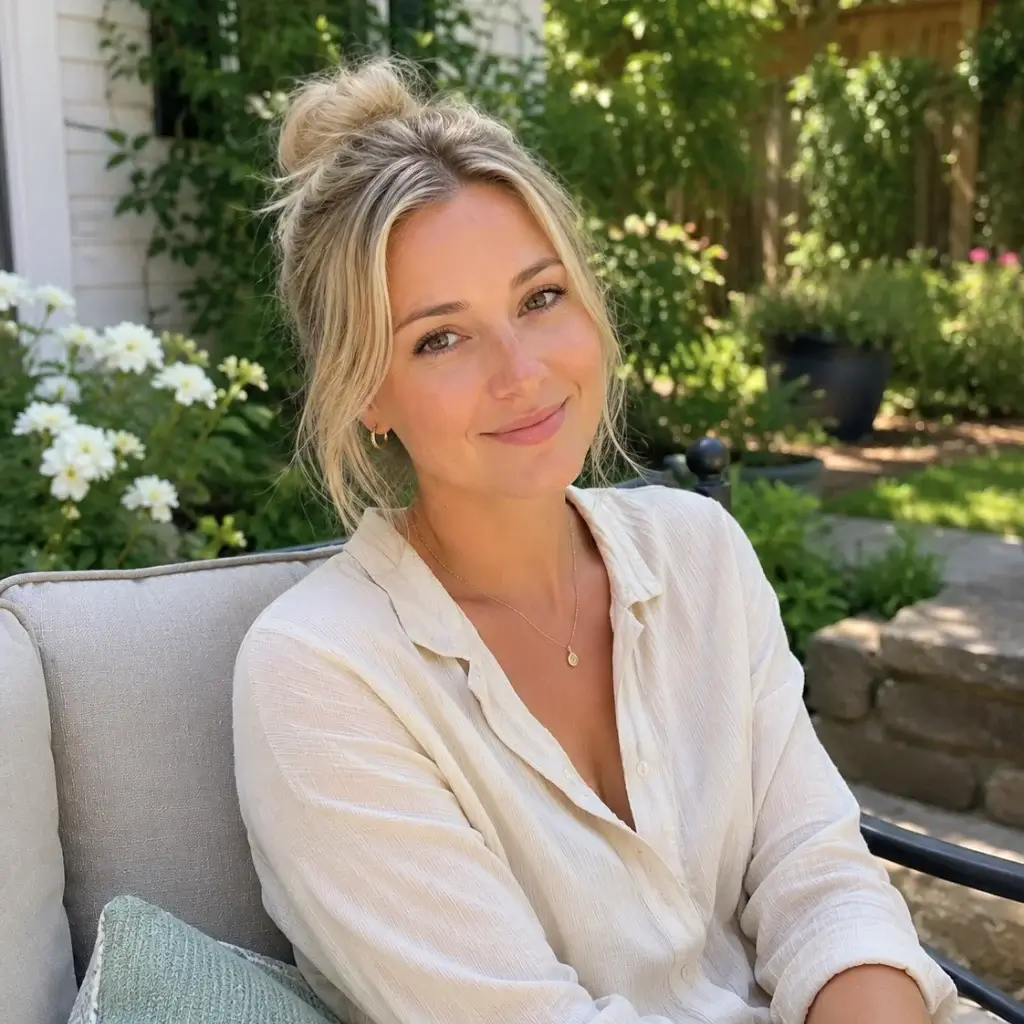

Fulani braids carry a name and a history long before they became a Pinterest favorite. They belong to the Fulani (or Fulɓe), a people spread from Senegal to northern Nigeria across Africa’s Sahel belt and among the continent’s largest communities, and the signature look (cornrows swept back with a braid or two framing the face, finished with cowrie shells and beads) has marked identity for generations.
I am a beauty editor, not a Fulani braider, so the most useful thing I can do is point you to what the specialist stylists I work with actually teach: which looks are traditional, how long the style lasts, what it really costs, and how to wear it with respect. Here is the honest, practical version, decoration and heritage included.
Key Takeaways
- Fulani braids originate with the Fulani people of West Africa and the Sahel; the classic look is back-swept cornrows with face-framing braids and cowrie or bead accents.
- They are a protective style, tucking your ends away and cutting daily manipulation, and typically last four to six weeks with good care.
- Plan for a real appointment: most full sets run roughly $150 to $300 and take three to six hours, depending on length and detail.
- Keep them comfortable, never painfully tight, since too much tension at the hairline can lead to traction damage over time.
- If the style is outside your own heritage, wear it knowingly: learn the history, credit it, and support Black and Fulani braiders.
Cultural Identity Woven Into Braids

Before they were a trend, Fulani braids were a language. Among the Fulani people, the pattern of the cornrows, the beads chosen, and the cowrie shells added could signal age, family, marital status, or wealth. That depth is part of what makes the style so striking, and it is worth knowing before you sit in the chair.
- A signature center braid or two often runs front to back, framing the face.
- Cowrie shells and beads are traditional accents, not just decoration.
- The cornrow patterns were historically a form of identity and storytelling.
The Cultural Heritage Behind These Braids

The Fulani, sometimes called Fula or Fulɓe, number in the tens of millions and live across a wide band of the continent, reaching from Senegal and Guinea through Mali and into northern Nigeria. Historically pastoralist and often nomadic, they carried a braiding tradition with them on the move, and over time it became a recognizable cultural signature.
What we now call Fulani braids draws directly from that tradition: the back-swept cornrows, the long braids at the temples, the silver coins and amber beads once woven in to show heritage and status. Understanding that the look is a real cultural inheritance, and not a recent invention, changes how you wear and talk about it.
The Cultural Charm and Creativity of Fulani Braids

Plenty of braided styles exist, so what makes a set unmistakably Fulani? It comes down to a few signature elements working together. The combination of directional cornrows, those face-framing braids, and meaningful accents is the recipe that reads as Fulani rather than generic box braids or simple cornrows.
The creativity lives in how those elements get arranged. Two people can ask for Fulani braids and walk out looking distinct, because the partings, bead placement, and braid sizes are endlessly adjustable while still honoring the core look.
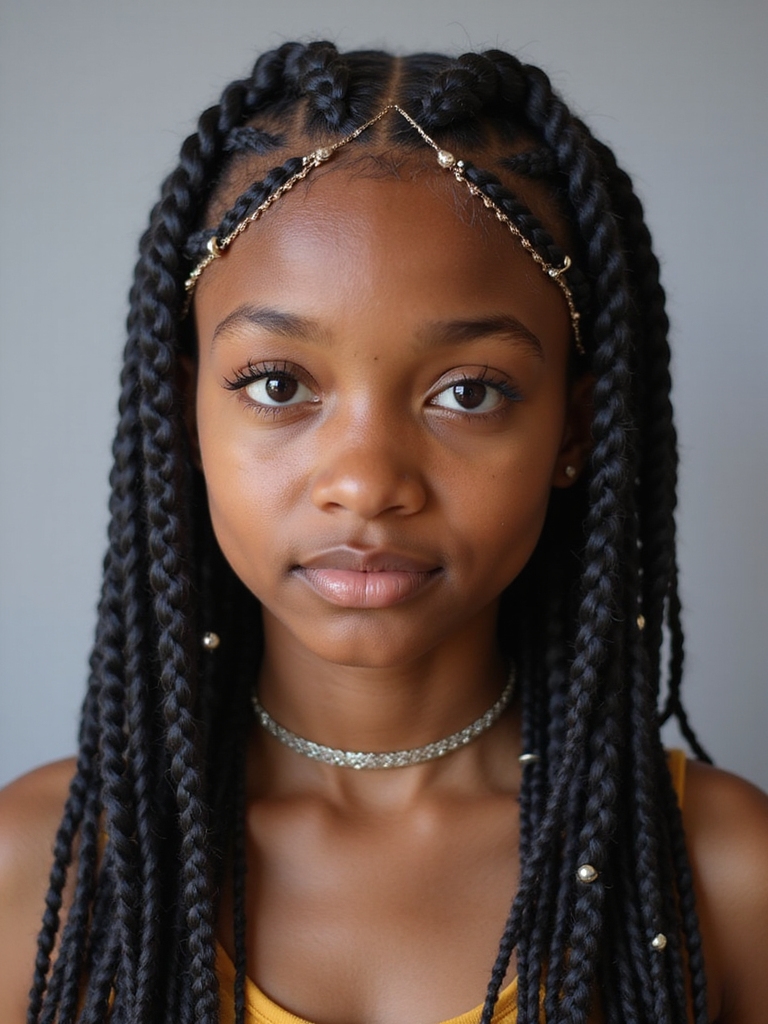
- Directional cornrows braided back, sometimes meeting in a central pattern.
- One or two braids left loose at the front to frame the face.
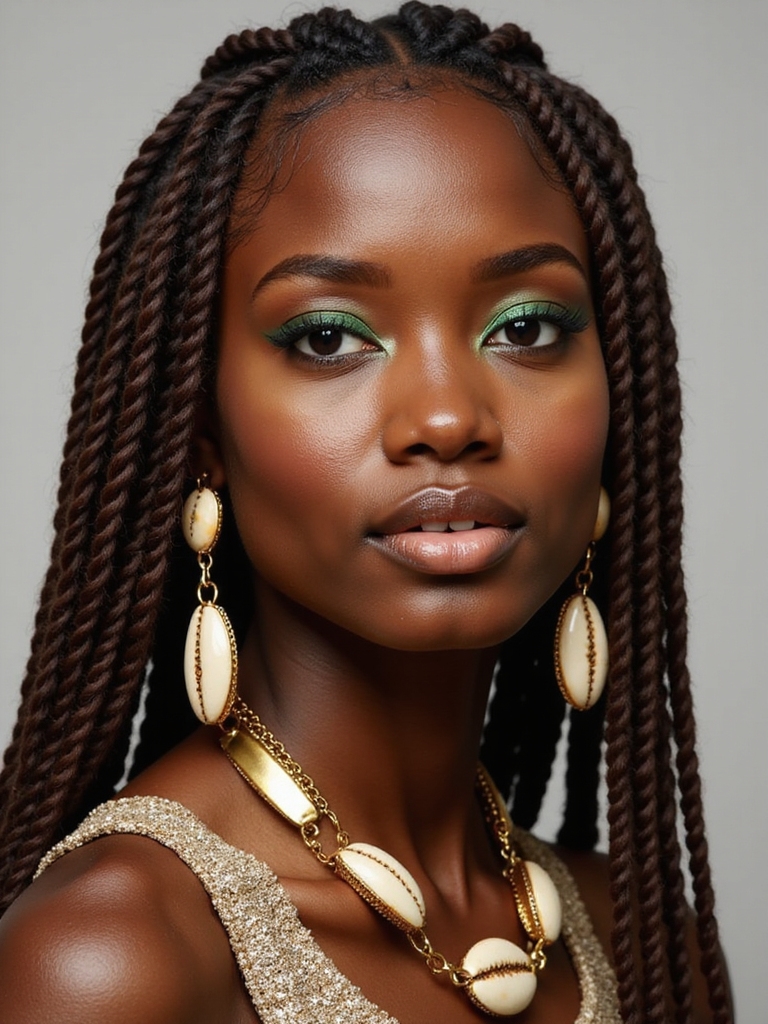
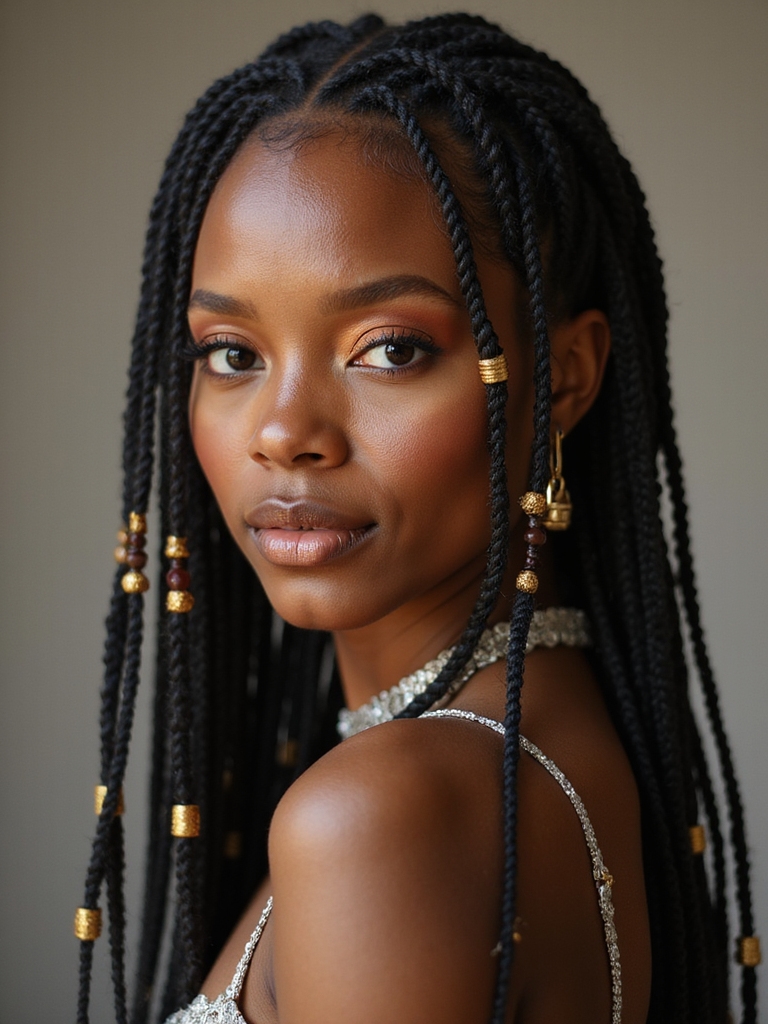
- Cowrie shells, gold cuffs, or beads placed along the lengths.
Intricate Cultural Braid Designs

The parting work is where a skilled braider earns their reputation. Fulani designs often use clean, geometric partings that curve and angle across the scalp, sometimes with a zigzag center or diagonal sweeps that catch the light. The precision of those lines is half the beauty of the finished style.
Modern braiders play with that geometry, mixing thick and thin braids, adding curved sections, or blending in box braids toward the back for volume. If you have a specific pattern in mind, bring photos, since the partings are planned before a single braid is started and are hard to change midway. For more on the underlying technique, my cornrow braided hairstyles guide breaks down the basics.
Celebrities Who Celebrate Fulani Braids

Part of why Fulani braids feel so visible now is that they have shown up on some of the most photographed women in the world, often worn by Black artists honoring their own heritage. Seeing the style on a red carpet or magazine cover helped move it into the mainstream beauty conversation.
What is worth noticing is how each wearer makes the look her own, adjusting length, color, and accents while keeping the recognizable Fulani structure intact.
- Beyoncé brought wide attention to bead-heavy braided looks rooted in the tradition.
- Alicia Keys has long worn cornrowed, beaded styles in this family.
- Zendaya and Janelle Monáe have each worn polished, modern takes on the look.
🅰️Smaller Braids
Take longer to install and feel a touch heavier, but last longer and read more intricate.
🅱️Larger Braids
Quicker to install and lighter on the scalp, with a cleaner, bolder finish that needs redoing sooner.
How Influencers Drive Fulani Braid Popularity

Beyond celebrities, everyday creators and braiders have done the real work of keeping Fulani braids visible. A braider posting a time-lapse of a fresh set, or a wearer showing how it holds up after three weeks, teaches far more than any glossy photo can.
Why Creator Content Builds Trust
That practical content matters because it sets honest expectations. You see the hours in the chair, the bead detail up close, and the grow-out at week five, all before you book.
It has also become the main way people find a good braider, since a strong portfolio on social media now functions as a stylist’s resume.
Modern Fulani Braid Trends

The version trending right now leans softer and more wearable than the heavily ornamented sets of a few years ago. Knotless roots are popular because they sit flatter and feel gentler at the scalp, and many people are choosing fewer, larger braids for a cleaner finish.
What Is New This Season
Color is having a moment too, with honey, copper, and burgundy extensions woven in for dimension. Curly ends left loose at the bottom soften the whole look.
Even with these updates, the Fulani signature stays put: the back-sweep, the face-framing braids, and at least a few meaningful beads or cowries.
Where Heritage Meets Modern Style

One reason the style endures is how easily it blends with other braiding techniques. Braiders routinely combine Fulani elements with knotless or box braids to get the look a client wants while keeping the daily wear comfortable. The heritage stays recognizable even as the construction modernizes.
- Fulani plus knotless keeps the signature front while easing scalp tension.
- Fulani plus box braids at the back adds fullness and length options.
- Curly or wavy ends give a softer finish, similar to boho-leaning braided looks.
How Celebrities Embrace Fulani Braids

A handful of standout public moments did a lot to push Fulani braids forward, each one styled a little differently and each one widely shared. What these moments have in common is that the wearer treated the braids as a statement of pride, which set the tone for how the style is understood today.
- Festival and tour looks that paired long beaded braids with bold makeup.
- Awards-show styling that kept the braids sleek and the beads minimal for elegance.
- Editorial covers that placed the cowrie-shell detail front and center.
A Stylish, Low-Maintenance Protective Hairstyle

Fulani braids are first a protective style, which is a big part of their appeal. By tucking your ends away and keeping you from manipulating your hair every day, they give your strands a real break, which can help length retention. For many wearers, that protection matters as much as the look.
Low-maintenance does not mean no-maintenance, though. The braids should always feel comfortable, never tight enough to sting, because too much tension at the edges can lead to traction problems over weeks. A good braider checks in on this as they go.
- Less daily handling means less breakage for the hair underneath.
- Mornings get faster, often just a quick refresh and you are out the door.
- Comfort is the safety check, so speak up immediately if any section pulls.
Choose Your Perfect Style

There is no single right version, so the goal is matching the braids to your features, your routine, and how long you want to keep them in. Thinking through these factors before your appointment makes the consultation far smoother and the result far closer to what you pictured.
- Length: longer braids read dramatic but weigh more and take longer to install.
- Size: smaller braids last longer; larger braids are quicker and lighter.
- Upkeep: be honest about how much nightly and weekly care you will actually do.
The braids should always feel comfortable. If a section stings or pulls while it is being installed, say so right away, because comfortable tension is what keeps your edges healthy.
Ways to Adorn Fulani Braids Creatively

The accents are where Fulani braids become personal, and they carry meaning as well as beauty. Cowrie shells, in particular, have a long history across Africa as symbols of prosperity and were once used as currency, so adding them is a nod to that heritage rather than a random embellishment.
Beyond cowries, you can use gold or silver cuffs, glass beads, or wrapped thread to add color and shine. A little restraint usually looks most polished: cluster accents on a few key braids instead of every single one, and choose metals that flatter your skin. Heavier beads add weight, so go lighter near the hairline to keep tension down.
Braids Maintenance and Care
Caring for the style is really about caring for the scalp and the hair underneath. Keep your scalp clean with a diluted shampoo or a cleansing applicator bottle every week or two, and follow with a lightweight oil to fight dryness. A leave-in or braid spray keeps the lengths from looking dull.
At night, tie the braids down with a satin or silk bonnet, or switch to a satin pillowcase, so friction does not rough them up while you sleep. Most importantly, listen to your scalp: ongoing tenderness, little bumps, or pulling at the edges are signs to loosen up or take the style down. Plan to wear a set for roughly a month to six weeks, then let your hair recover before booking the next one.
A Step-by-Step Guide to Fulani Braids

I will be straight with you: a full Fulani set is truly hard to do well on yourself, and most people are happiest in the hands of an experienced braider. Still, it helps to understand the process so you know what you are paying three to six hours for, and so you can maintain or refresh the front yourself.
On natural hair the work starts with clean, stretched, moisturized hair, then careful parting before any braiding begins. Extensions are added for length and to protect your own ends. If you do try a simple version at home, keep the tension gentle and your sections even.
- Prep: wash, condition, stretch, and moisturize so the hair is smooth to part.
- Part and plan: map the cornrow pattern before braiding, since it cannot shift later.
- Braid and finish: feed in extensions, then add beads and seal the ends.
What a typical Fulani braid appointment looks like:
1Consultation and prep
You agree on the pattern, length, and accents, then your hair is washed, stretched, and moisturized.
2Parting and braiding
The braider maps the cornrow design, feeds in extensions for length, and braids section by section.
3Accents and finish
Beads, cuffs, or cowrie shells are added, ends are sealed, and the scalp is checked for comfort.
Elegant Fulani Braid Styling

Once your braids are in, they are wonderfully versatile, which is part of the long-term payoff. The same set can look casual one day and polished the next with almost no effort, so you get weeks of different looks out of a single appointment.
- Half-up: gather the top braids into a bun or puff to show the face-framing pieces.
- High ponytail: sweep everything up for a sleek, dramatic silhouette.
- Down with accents: leave them loose and let the beads and cowries do the talking.
Fulani Braids in Fashion

Fulani braids have earned a real place in fashion, appearing on runways, in campaigns, and across editorial shoots. When they are styled by braiders who know the tradition and credited properly, that visibility celebrates the culture and gives talented Black stylists a bigger stage.
The flip side is that fashion has a history of borrowing the look without crediting its origins. The styling that ages well, and reads as respectful, is the kind that names the heritage and hires the right artists to create it.
- On the runway, the precise partings and beadwork translate strikingly on camera.
- In editorials, cowrie detailing often becomes the focal styling element.
- Done right, fashion moments credit Fulani heritage and Black braiders by name.
Cultural Respect and Understanding
This is the part worth slowing down for. Fulani braids sit at the heart of Black hair tradition, and Fulani culture specifically, as a protective style that carries real history, and for many Black women they are also bound up with a long fight over having their natural hair policed. If the style sits outside your own heritage, you can absolutely admire and even wear it, but how you do that matters.
- Learn the history so you can speak about the style accurately.
- Credit the origin instead of calling it boxer braids or a generic trend.
- Support Black and Fulani braiders by booking and paying them for the work.
Honoring Fulani Braids Heritage and Style

Honoring the heritage and enjoying the style are not at odds; in fact, the people who know the most about where the braids come from tend to wear them best. Knowledge shapes the small choices, from how you talk about your hair to which braider you trust with it.
Knowledge Makes the Look Better
It also shows up in the details. Choosing real cowrie shells, understanding why the center braid sits where it does, and respecting that this is a centuries-old tradition all add meaning to the finished look.
Treat the style as the cultural inheritance it is, and it becomes more than pretty hair. It becomes a look you can wear with real confidence because you understand it.
Keeping Stylish Braids Low-Maintenance
The reason so many busy people love this style is the easy daily rhythm once it is installed. A short, repeatable routine keeps the braids looking fresh for weeks without eating up your mornings, which is the whole promise of a protective style.
- Each night: wrap the braids in a satin scarf to keep them smooth.
- A few times a week: mist a light braid spray and oil the scalp where it feels dry.
- Every week or two: cleanse the scalp gently so buildup never gets a head start.
Seasonal Braiding Style Evolution
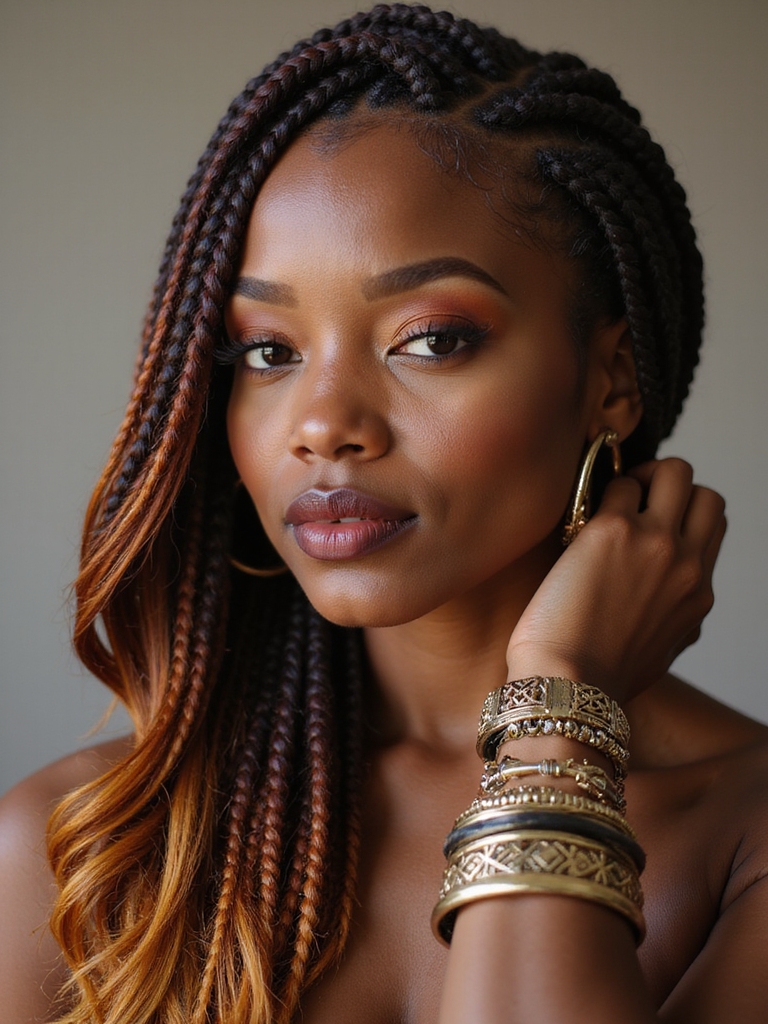
Braids shift with the seasons as easily as the rest of your wardrobe, which keeps the style feeling current all year. The structure stays the same while the colors, lengths, and accents change to match the weather and your mood, so you can refresh the vibe at each new appointment.
- Warm months: lighter, shorter sets and brighter beads feel cooler and easier.
- Cooler months: richer extension colors like copper and burgundy suit the season.
- Festive stretches: metallic cuffs and gold thread add a little shine for events.
Breaking Stereotypes Through Braids
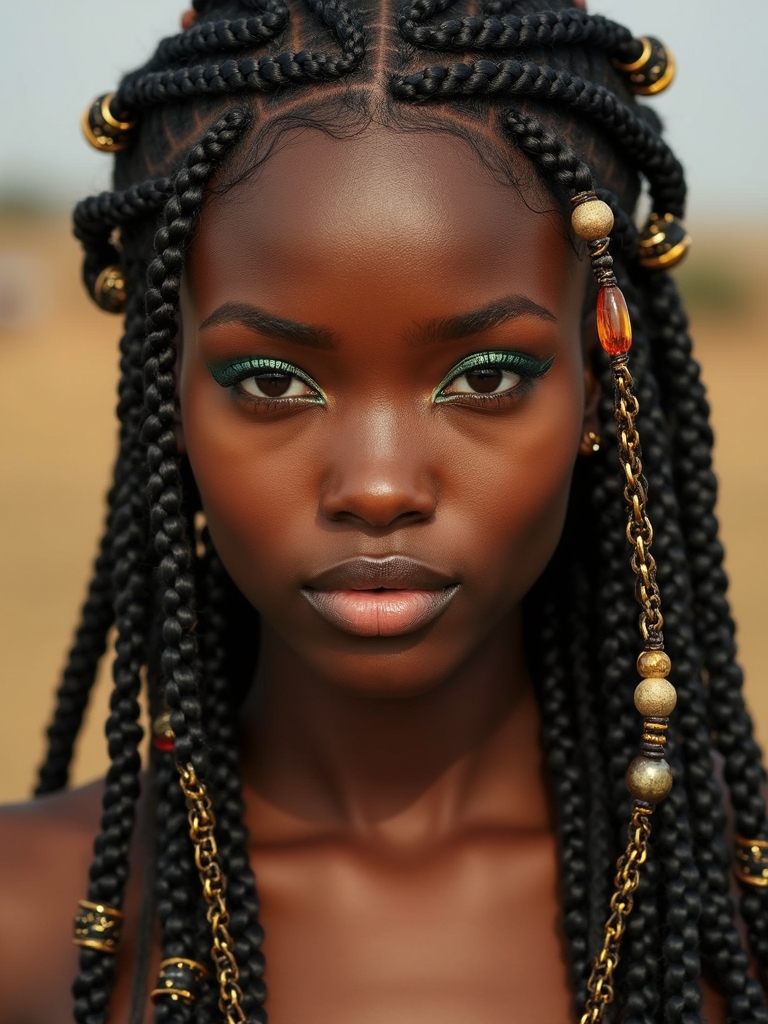
It is impossible to talk about braids honestly without acknowledging that Black women have long faced bias for wearing their natural hair and protective styles, including at work and school. Wearing Fulani braids proudly pushes back on that, and laws like the CROWN Act in many US states now make hair-based discrimination illegal. The style is both beautiful and quietly powerful.
- At work: protective styles are professional, full stop, and increasingly protected by law.
- For confidence: wearing your heritage openly is its own kind of statement.
- For the culture: every proud set chips away at an outdated, unfair standard.
Personalize Your Braids Style

Within the Fulani framework, there is huge room to make the look your own, and that is the fun of the consultation. Small choices about size, color, and accents add up to a set that fits your personality while keeping the heritage intact.
- Pick your accents: all cowries, all gold cuffs, or a mix that suits your style.
- Choose a color story: natural black, a warm highlight, or a bold contrast.
- Set the proportions: how many face-framing braids and how thick they sit.
Quick way to land on your version:
🎯Want low fuss?
Go for fewer, larger braids in your natural color with minimal beads.
🎯Want a statement?
Choose smaller braids, a warm highlight, and a generous scatter of cowries and cuffs.
How Social Media Influences Hairstyle Trends

Social media has reshaped how braided styles spread, and mostly for the better. Tutorials, time-lapses, and real-wear updates make it easy to learn what a style involves, and a braider’s feed has become the best way to vet their work before you book. Used well, it turns guesswork into an informed choice.
- Save real-wear posts, not just fresh installs, to see how a set ages.
- Check a braider’s portfolio for clean partings and consistent tension.
- Read the captions for honest notes on time, price, and aftercare.
Sustainable and Ethical Beauty

If you want your braids to sit a little easier on the planet and the community, a few choices help. Some brands now make plant-based or recyclable braiding hair, which is gentler on sensitive scalps and on landfills than standard synthetic options. It is a small swap with a real upside.
The most meaningful ethical choice, though, is where your money goes. Booking skilled Black and Fulani braiders, paying their rates without haggling, and crediting the culture keeps the tradition thriving with the people it belongs to.
- Try plant-based braiding hair if your scalp reacts to standard synthetic.
- Reuse beads and cuffs from set to set instead of buying new each time.
- Pay braiders fairly and tip well for hours of skilled handwork.
A Timeless Cultural Fashion Evolution

Fulani braids have survived every trend cycle because they were never really a trend. They are a living tradition that keeps adapting, picking up new colors and techniques while holding onto a look that has meant something for generations. That combination of heritage and flexibility is exactly why the style is not going anywhere.
- Rooted: the core look traces back generations among the Fulani people.
- Adaptable: new colors, sizes, and finishes keep it feeling current.
- Enduring: as both protective style and cultural statement, it stays relevant.
Styling Tips
A few practical habits make the difference between braids that look fresh for six weeks and braids that look tired by week three. Refresh your edges with a small amount of gel and a soft brush only when needed, and resist over-styling the baby hairs, since constant slicking adds tension right where your hairline is most fragile.
Keep a satin scarf by your bed and use it every night without fail, because friction while you sleep is the quiet culprit behind most frizz.
Mid-cycle, a light braid spray revives dull lengths, and a quick scalp oil keeps itching at bay. When you are ready to take the braids down, do it patiently and gently, unraveling rather than pulling, then deep-condition and let your hair rest before the next install. Treat both the style and the hair beneath it with care, and Fulani braids reward you with weeks of low-effort, head-turning wear.
Fulani Braids, Answered
?How long do Fulani braids last?
With good care, most sets last four to six weeks. Keeping your scalp clean, moisturizing the lengths, and wrapping the braids at night helps them hold up. Take them down once you notice significant grow-out or any lasting scalp tenderness, and rest your hair before the next install.
?How much do Fulani braids cost and how long does the appointment take?
A full set typically runs around $150 to $300, with longer or more detailed styles costing more. Plan for roughly three to six hours in the chair, depending on the braid size, length, and amount of beadwork involved.
?Can anyone wear Fulani braids?
Anyone can admire and wear the style, but it comes from Black and specifically Fulani culture, so it carries real history. If the heritage is not your own, wear it knowingly: learn where it comes from, credit it accurately, and book skilled Black and Fulani braiders rather than treating it as a generic trend.
Wear Them With Pride and Knowledge
Fulani braids are one of those rare styles that are as meaningful as they are beautiful. They protect your hair, free up your mornings, and carry a heritage that stretches back generations across West Africa. The more you understand that story, the more the look gives back.
If you are ready to try them, find a braider whose portfolio you trust, talk through length, size, and comfort, and never settle for braids that hurt. Learn the history, credit it, and support the artists who keep the tradition alive. Worn with care and knowledge, Fulani braids are a look you can feel proud of every single day.
Related Reads