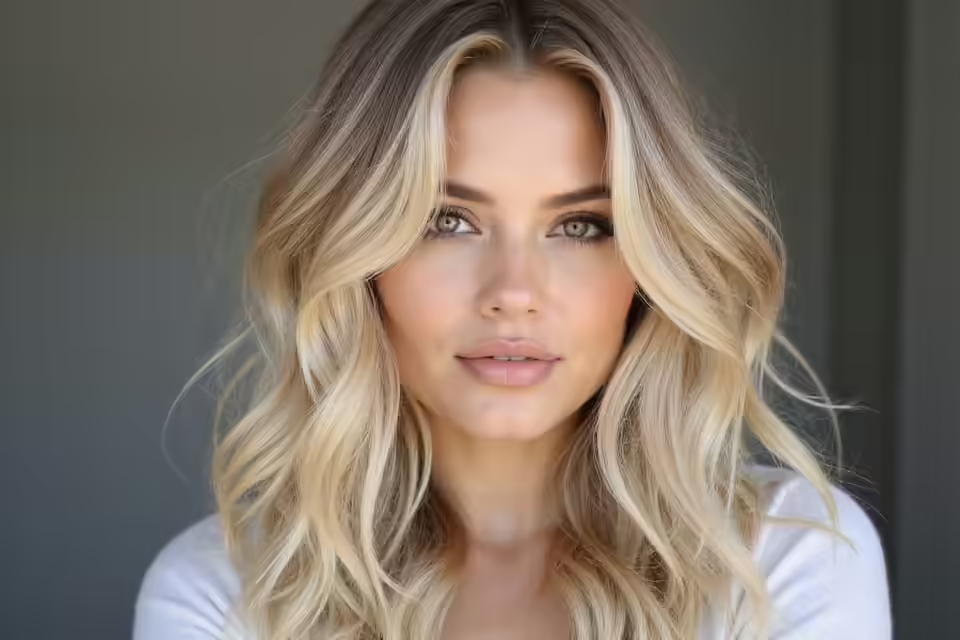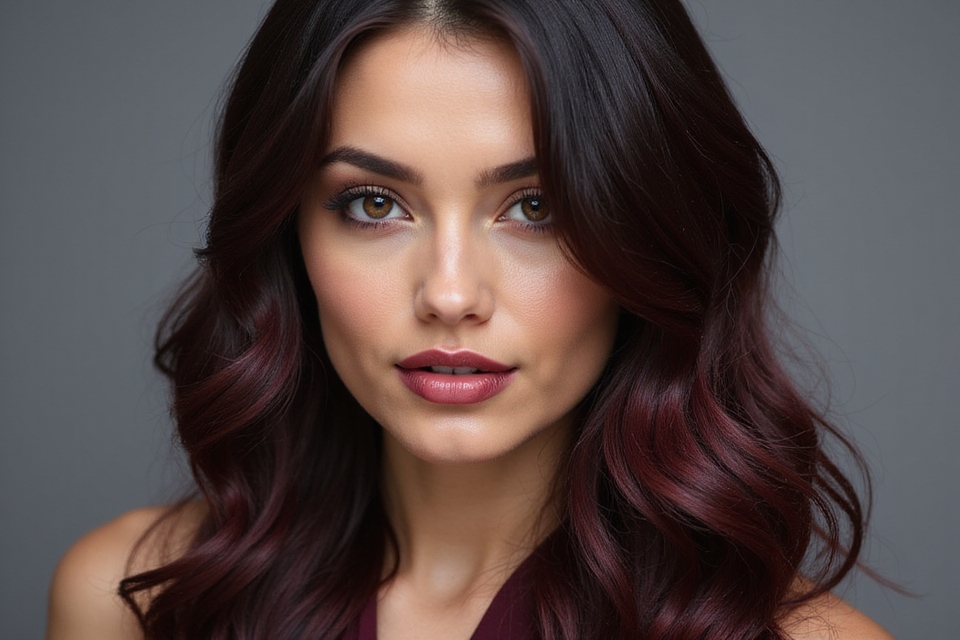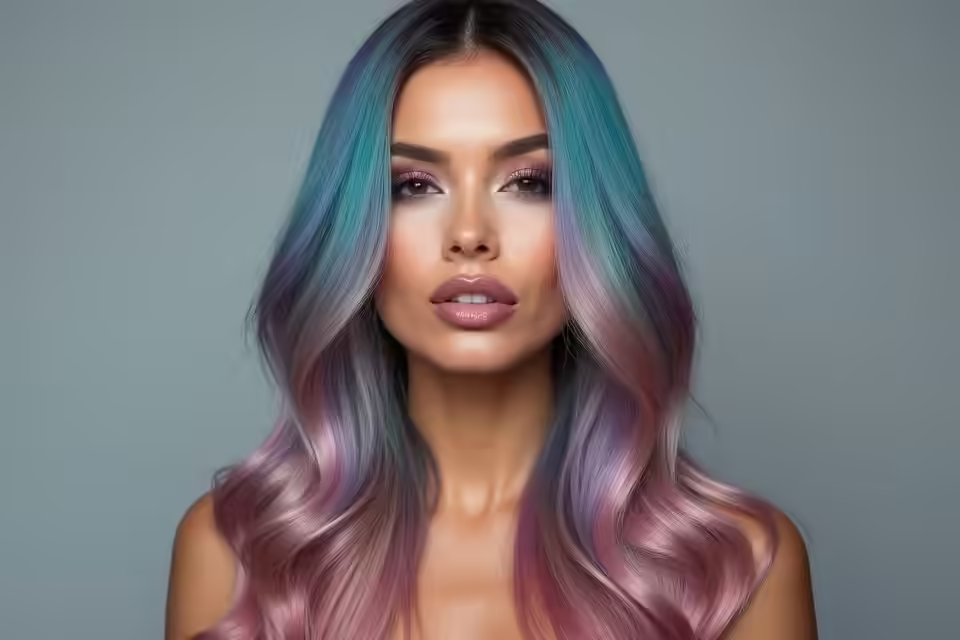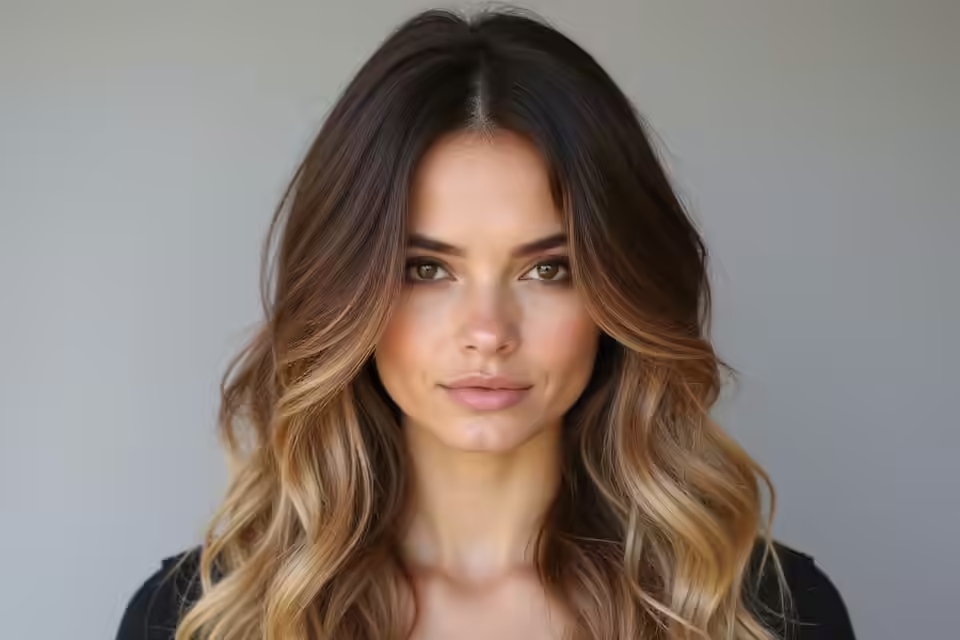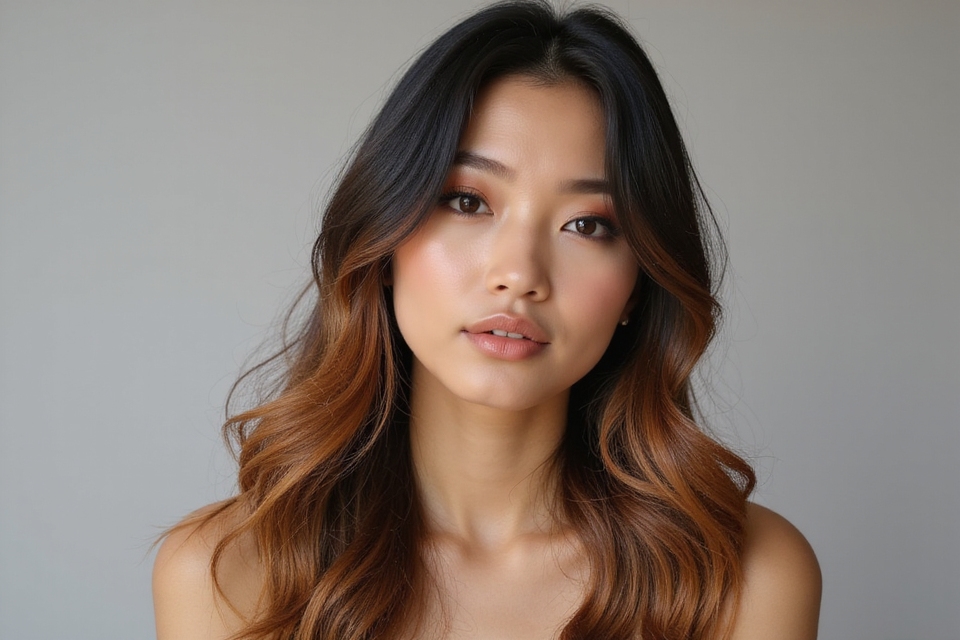

A choppy bob lives or dies on one thing: whether the ends float or flop. Get the texture right and the hair moves with you, light and full of swing. Get it wrong and the same length just hangs there, flat and lifeless. The difference is not the length at all. It is the cut.
That is why a good choppy bob takes more than a quick snip across the bottom. The magic is in the layering, the point-cutting, and the handful of styling habits that keep the ends lifted. Done well, choppy bob hairstyles give you the rare combination of movement, volume, and truly low upkeep, which is exactly why everyone from the fashion crowd to the wash-and-go set keeps asking for them.
The Choppy Bob, in Short
A choppy bob is a chin-to-shoulder cut built on uneven, textured layers, where a classic bob has one heavy blunt line. Those layers are what create the floating, swingy movement the style is known for, and they make fine hair look fuller and thick hair feel lighter. The cut suits almost every face shape with small tweaks, and it flatters straight, wavy, and curly textures alike.
The trade-off is that texture needs upkeep. Choppy ends soften as they grow, so a trim every five to six weeks keeps the float alive, and a light styling hand keeps the layers from going flat. Skip both and the bob slowly loses the very movement you cut it for.
A Bold, Playful Cut

The choppy bob is daring and playful at once. Clients ask me for it more than almost any other short cut, and I understand why. It says you have style without taking yourself too seriously, and those uneven lengths break the rules a blunt bob plays by. It is a cut for anyone ready to trade neat for fun.
Best of all, it bends to your personality. Soft and tousled, sharp and edgy, with bangs or without, the same basic shape reads a dozen different ways. What stays constant:
- Uneven, textured lengths in place of one heavy, blunt line.
- Built-in movement that flatters nearly every face and texture.
- A look that feels modern, relaxed, and easy to wear.
The Appeal of Floating Ends

Floating ends are the whole point. When the tips are cut to lift and separate, the bob catches the air and moves as you do, which is what gives the style its light, alive quality. Flat, heavy ends do the opposite, sitting still and dragging the shape down.
The float comes from texture, not length. Point-cut, layered ends weigh less and spring up, so even fine hair gets that buoyant swing. It is the line between a bob that just hangs and one that dances.
There is a practical bonus, too. Lighter ends mean less styling, since the cut does the work a flat-iron would otherwise have to fake every morning.
The length is never the secret to a choppy bob. The texture is. Float comes from the cut, not the inches.
Balancing Style and Practicality

Choosing your version is a balance of style and practicality, and the smartest first move is to be honest about both your face and your mornings. A cut that photographs beautifully is no good if you cannot recreate it before your coffee goes cold. Weigh it like this:
- Start with your face shape, which sets the most flattering length and angle.
- Match the upkeep to your routine, since a wash-and-go life wants a wash-and-go cut.
- Factor in your texture, because waves and curls change how short you can go.
Texture, the Secret to Floating Ends

The real secret behind floating ends is texture, built through layering and a little product. A skilled stylist removes weight with point-cutting and soft internal layers, so the ends are light enough to lift on their own. That is the foundation, and no styling can fake it if the cut is wrong.
From there, a mist of texturizing spray or a scrunch of sea-salt spray brings the movement to life. If your hair is naturally wavy, lean into that bend, since the cut and the wave together do most of the work for you.
“Bring a photo, but talk about your mornings more. The single biggest reason a choppy bob falls flat at home is a cut that needs more daily styling than the client actually wants to do. Be honest about your routine and the float lasts.”
So Much Variety in One Cut

The variety packed into one cut is part of why the choppy bob endures. The same textured foundation reads completely different depending on the finish and the details you add to it. A few directions to try:
- Textured and tousled for an undone, beachy everyday look.
- Sleek and sharp for an edgy, polished finish.
- With bold bangs or an asymmetrical angle for extra attitude.
Best Face Shapes for the Cut

A choppy bob flatters nearly every face shape, as long as the length and the angles are carefully tuned to yours, and small, considered adjustments are usually all it takes to turn a perfectly good cut into one that truly suits the person wearing it. Here is the quick map:
- Oval: a versatile canvas that suits almost any choppy length.
- Round: angled, chin-grazing layers that add edge and the look of length.
- Square: softer, wispier ends to ease a strong jaw; heart: length that balances the chin.
The two-minute morning routine that keeps the ends floating:
1Lift the roots
Rough-dry or flip your head to build volume where flatness starts.
2Build the texture
Scrunch a little texturizing spray through the mid-lengths and ends.
Playful Color and Highlights

Color is a fast way to make a choppy bob pop, since strategic highlights catch on the layers and add another dimension of movement. A few brighter pieces around the face draw the eye to the texture and make the whole cut look more alive.
Light Up the Layers
You can go subtle or bold here. Soft caramel or honey adds warmth and depth, while a swipe of copper or even pastel turns the cut into a statement. If you want a full color change, my notes on a rich chocolate brown show how depth reads on a bob.
Wherever you land, I tell clients placement matters more than drama. Highlights woven through the mid-lengths and ends light up the layers far better than a solid block of color ever could.
The Essential Tools You Need

A choppy bob stays sharp with just a few good tools, and a few quality ones earn their place. The right little kit is what lets you keep the ends floating between cuts.
Spend on the pieces that touch your hair most, and keep the rest simple. The short list:
- A texturizing or sea-salt spray for piece-y, lived-with movement.
- A flat iron for smoothing or flicking the ends when you want polish.
- A rattail comb for clean sections and a round brush for lift at the roots.
ℹ️Good to Know
A choppy bob actually holds an updo better than a blunt one. The textured layers give bobby pins something to grip, so short twists and knots stay put far longer than they would on smooth, one-length hair.
A Bounce-Boosting Care Routine

Keeping a choppy bob bouncy is mostly about not weighing it down. The layers want lightness, so a care routine built around volume and minimal heavy product keeps the swing alive day to day. The essentials:
- Use lightweight, volumizing shampoo and conditioner, kept off the roots.
- Choose light styling products, since heavy creams flatten textured ends fast.
- Refresh day-two hair with dry shampoo at the roots to skip a full rewash.
Products for the Perfect Float

Getting the perfect floating finish comes down to a small, light-handed product lineup. The rule is simple: build texture, not weight. Reach for these, in roughly this order:
- Texturizing spray at the roots and mid-lengths for grip and volume.
- A pea of styling mousse for soft, lasting structure on damp hair.
- A whisper of finishing cream on the ends only, to tame frizz without flattening.
A Guide to Cutting It

While I would never tell you to cut your own choppy bob, knowing what good cutting looks like helps you ask for the right thing. The technique is all about removing weight while keeping the shape, which takes a steady, experienced hand.
Weight Out, Shape In
The foundation is sharp shears and clean sections, worked with a rattail comb. From there, the stylist point-cuts into the ends and adds soft internal layers, checking the balance as they go.
Thinning shears come in only where the hair is truly too bulky, used sparingly. Overdo them and you get wispy, see-through ends, which is the opposite of healthy float.
Blow-Drying for Lift

How you blow-dry a choppy bob makes or breaks the volume, and the order matters more than the effort. The goal is lift at the roots and movement through the ends, both of which come from technique more than time. Work in this sequence:
- Rough-dry the roots upside down first, for instant lift at the crown.
- Use the nozzle and a round brush to shape the ends without flattening them.
- End with a blast of cool air to lock the shape and the movement in place.
Protecting It From Heat

Textured ends show damage fast, so heat protection is not optional with a choppy bob. A heat protectant before any hot tool is the single habit that keeps the ends from going dry, frizzy, and dull, which is exactly what kills the float.
Beyond that, keep your tools on a moderate setting and give your hair regular days off from heat altogether, which is easy with this cut, because a choppy bob air-dries beautifully with nothing more than a little texture spray and a quick scrunch, so you have every excuse to let it rest and stay healthy between styling days.
How to Add Volume

If your bob falls flat, a few quick tricks bring the volume back without a salon trip. Most of it happens at the roots, where lift makes the biggest visual difference to a short cut.
None of these take more than a minute, and they stack well together on a flat-hair morning. My go-to moves:
- Flip your head and blow-dry the roots upside down to use gravity for lift.
- Dust volumizing powder at the roots for instant grip and height.
- Finish with a light texturizing spray through the mid-lengths and ends.
Celebrity-Style Inspiration
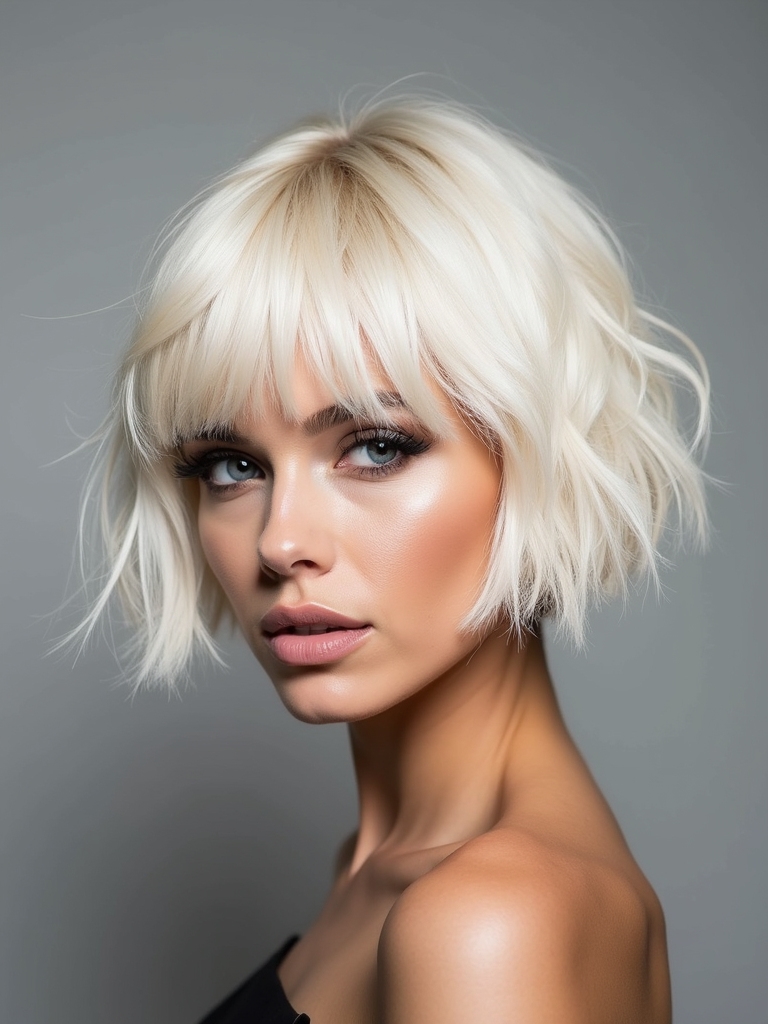
Red carpets are a goldmine for choppy bob ideas, since the cut has been a quiet favorite of stylists dressing actors and musicians for years. You will spot every version there, from the sleek and polished to the deliberately tousled and undone.
The trick is to borrow the elements and make them your own. Notice the length, the angle, the amount of texture, then bring those details to your own stylist and adapt them to your face and hair.
A screenshot is worth a thousand words in the consultation chair. Even a look you cannot wear exactly will tell your stylist the vibe you are after, which gets you far closer to a cut you love.
The Choppy Bob on Curly Hair
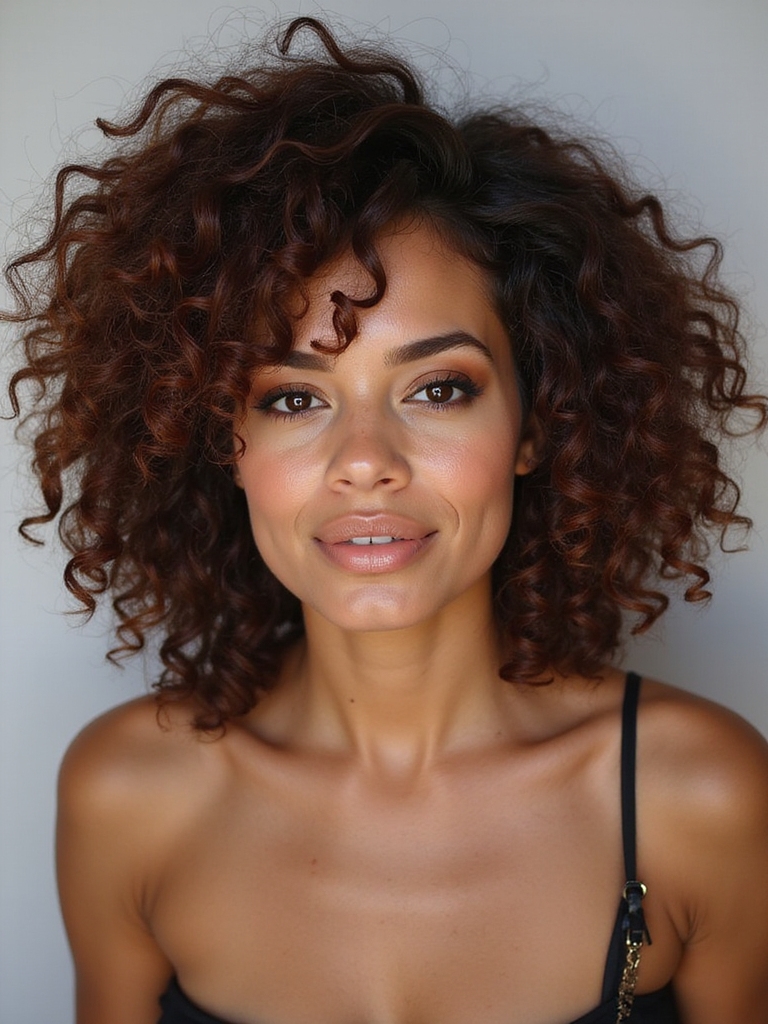
The choppy bob is not just for straight strands; done right, it loves curls. The key is cutting to work with your spirals so the layers fall into a rounded shape, which keeps the dreaded triangle at bay.
Work With the Curl
A curl-savvy stylist either cuts the hair dry or accounts for shrinkage, since curls spring up far shorter than they look when wet. Strategic, well-placed layers let the curls bounce and spring up cleanly.
A light razor or point-cut finish adds fun, separated texture to the ends. For more on curly cuts at this length, my guide to curly chin-length cuts goes deeper.
Seasonal Styling Tips

A choppy bob carries through every season, but the styling shifts a little as the weather changes. A small tweak keeps it fresh and floating no matter what the air is doing. A quick seasonal guide:
- Winter: a touch of smoothing serum to fight static and dry-air frizz.
- Spring and summer: a sea-salt or wave spray to lean into humidity and movement.
- Autumn: a light hair oil on the ends for shine as the air turns cool.
The Role of Layers

Layers are the engine of a choppy bob, the single element that turns a flat bob into a moving one. They remove the weight that drags hair down and build in the lift and separation that make the ends float. Without them, the same length simply hangs.
The skill is all in the placement. Too few layers and the bob stays heavy, while too many leave the ends stringy and thin, so a good stylist reads your texture and density first and then removes just enough weight to build real movement without ever sacrificing the fullness you want to keep.
Maintaining Freshness Between Cuts

Even a great choppy bob loses a little life between salon visits, but a few habits keep it looking sharp. The goal is to fake the just-cut bounce until your next appointment rolls around. What works:
- Reach for dry shampoo to revive volume and lift flat roots on day two or three.
- Add a quick tousle with texture spray to bring back the undone movement.
- Book a trim every five to six weeks, since choppy ends soften as they grow.
Accessorize the Choppy Bob

Accessories are an easy way to give a choppy bob extra personality, and the short length shows them off beautifully. A sleek hairpin or a clean headband instantly dresses the cut up, while a few clips can pin back the front for a different look entirely.
For a bolder mood, a scarf knotted at the neck or a couple of playful clips add color and whimsy. Because the cut is already full of texture, even a small accessory reads as intentional and styled.
Updo Ideas for Short Lengths

A choppy bob is short, but it is not stuck down; there are plenty of ways to put it up. The texture that gives the cut its float also gives it grip, which makes short updos hold better than you would expect. A few to try:
- A messy low bun with a few pieces left loose around the face.
- A half-up top knot for instant lift and a cool, casual edge.
- Pinned-back waves to keep the front off your face with a retro feel.
The Transformation, Step by Step

Going from a long bob to a choppy one is an exciting change, and it is less drastic than it feels. You are keeping most of your length and simply adding the texture and layers that bring it to life. The cut does the rest.
Start by bringing your stylist clear photos and an honest description of your routine, so the result fits the mornings you actually have. From there, you can decide how far to push it with bangs or a touch of asymmetry.
The reward is hair that feels noticeably lighter and moves far more, usually with less daily effort than the heavier bob you started out with, since the texture does the styling work the old weight used to fight against. Most clients tell me they wish they had done it sooner.
Common Mistakes to Avoid

Most choppy bob regrets trace back to the same handful of avoidable errors. I see them again and again, and almost all of them are easy to sidestep once you know to watch for them.
Over-layering tops the list, leaving the ends thin and wispy when they should be full and floating. The rest of the list:
- Using heavy, greasy products that weigh the texture down.
- Ignoring your face shape when choosing the length and angle.
- Skipping trims, which lets the ends soften, blur, and lose their float.
A Note on Men’s Choppy Bobs

The textured, grown-out bob is not only for women; it has a long history on men, too. Think of the shaggy, layered lengths that defined seventies rock and have come roaring back as a modern textured crop. The principle is the same: layers and point-cut ends that move.
For anyone growing one out, the rules carry straight over. A few pointers:
- Embrace natural wave and let the texture lead the shape.
- Ask for layered, point-cut ends to keep the length from looking heavy.
- Keep it healthy with light product and regular shaping trims.
Personalizing Your Choppy Bob

The generic choppy bob becomes yours in the details, and that is where the fun lives. A pop of unexpected color, a particular kind of texture, or a specific bang shape turns a standard cut into something only you wear.
Play with the elements one at a time. Side-swept or blunt bangs change the whole mood, a wave or curl finish shifts the energy, and a single bright accessory can become a signature.
The point is that no two choppy bobs have to look alike. Start from the textured foundation, then layer on the choices that match your style, and you end up with floating ends that feel entirely your own.
How to Ask Your Stylist
The fastest route to a choppy bob you love is walking in able to describe it. Use the words that matter: a chin-to-shoulder length, point-cut ends for movement, and soft internal layers to remove weight without thinning the hair out. Mention that you want the ends to float, not flop, and ask for face-framing pieces tailored to your shape.
Bring a photo for the overall vibe, but talk through your routine just as much. If you will not blow-dry daily, say so, and your stylist can cut a shape that air-dries with texture. A cut you can actually maintain beats a salon-perfect one you cannot recreate by Tuesday.
Choppy Bob Questions
?Does a choppy bob work on fine hair?
Yes, and it is one of the best cuts for it. The layers and point-cut ends remove weight and add the look of fullness, so fine hair gains volume and movement it does not have at one blunt length. Keep the products light so the texture stays lifted.
?How often does a choppy bob need trimming?
Every five to six weeks for most people. Choppy ends soften and blur as they grow, which slowly kills the float, so regular trims keep the texture sharp. A quick bob trim usually runs **$25 to $45**, and if you wear bangs, a fringe trim in between helps too.
?Can I get a choppy bob with curly hair?
Absolutely. The cut works beautifully on curls when a stylist accounts for shrinkage and places the layers to keep a rounded shape. Curls add their own built-in texture, so the choppy ends and the spirals work together.
?Will a choppy bob make my hair look thinner?
Not if it is cut well. The risk only comes from over-layering, which can leave the ends wispy. A skilled stylist removes just enough weight to create movement while keeping the perimeter full, so the bob looks lush and dense.
Float, Not Flop
A choppy bob is proof that movement beats length every time. The texture is what makes it sing, turning a simple chin-length cut into hair that swings, lifts, and feels alive, all with surprisingly little daily effort. Get the layering right and keep a light hand with product, and the ends float instead of flopping.
If you have been eyeing the chop, take it as your nudge to book the consultation. Bring a photo, be upfront about your real routine, and ask for the texture that gives the cut its life. For more ways to wear a short shape, my guide to chin-length hairstyles is a natural next read.
More Hair Inspiration