
What turns a row of braids into a piece of art? With cornrows, the answer is the parting. The same flat, scalp-hugging braid becomes a straight-back classic, a swirling freehand design, or a sharp geometric grid depending entirely on how the lines are mapped across the head.
The styles below run from the simplest straight-back to the most intricate freehand work. Because cornrows carry deep cultural history and real craft, you will also find their roots, the care that keeps your hair healthy, and honest help choosing a design that suits you.
Cornrows at a Glance
| Style | Best for | Typical wear |
|---|---|---|
| Straight-back | Everyday, beginners, a clean base | 1 to 2 weeks loose, longer fed-in |
| Geometric / freehand | Statement looks, special events | 2 to 6 weeks with care |
| Fed-in / lemonade | Length, side-swept drama | 2 to 6 weeks |
Cultural Artistry in Every Cornrow

At its heart, a cornrow is a braid worked flat against the scalp, picking up hair as it goes so the plait lies in a continuous line. What makes it art is the mapping: a skilled braider plans the parts before a single strand is crossed, treating the head like a canvas.
That planning is why cornrows reward a steady, experienced hand. The difference between a rushed set and a designed one shows in the parts:
- Clean, even lines that keep their shape as the braids settle
- Intentional spacing so the pattern reads clearly, not crowded
- A design that suits your head shape, mapped before braiding begins
Braiding as Cultural Expression

The straight-back cornrow, rows running cleanly from the hairline to the nape, is the foundation everything else builds on. It is the first pattern most braiders learn and the most versatile to wear, sleek enough for work and sturdy enough for the gym.
Why the straight-back comes first
For all its simplicity, the straight-back carries the same heritage as the most elaborate design. Cornrowing is an old and living craft, and even a plain set is part of a long tradition of styling hair with intention and skill.
Worn on their own or as a base for a ponytail or bun, straight-backs are where I tell anyone new to cornrows to begin. Master the clean line first, then the creative patterns open up.
People think the magic of cornrows is in the braiding, but it is really in the parting. Map the lines well and even a simple set looks designed; rush the parts and the most intricate pattern falls apart.
Celebrity-Worn Cornrow Looks

Cornrows turn up on red carpets and stages constantly, styled sleek and sculptural for a polished, high-fashion finish. You can borrow the energy of those looks without a glam team behind you. A few that translate well to real life:
- Sleek straight-backs into a long braid for a clean, dramatic statement
- Cornrows gathered into a high ponytail that looks modern and lifted
- A few feed-in rows blended with loose hair for an undone, editorial feel
Crafting Intricate Cornrows
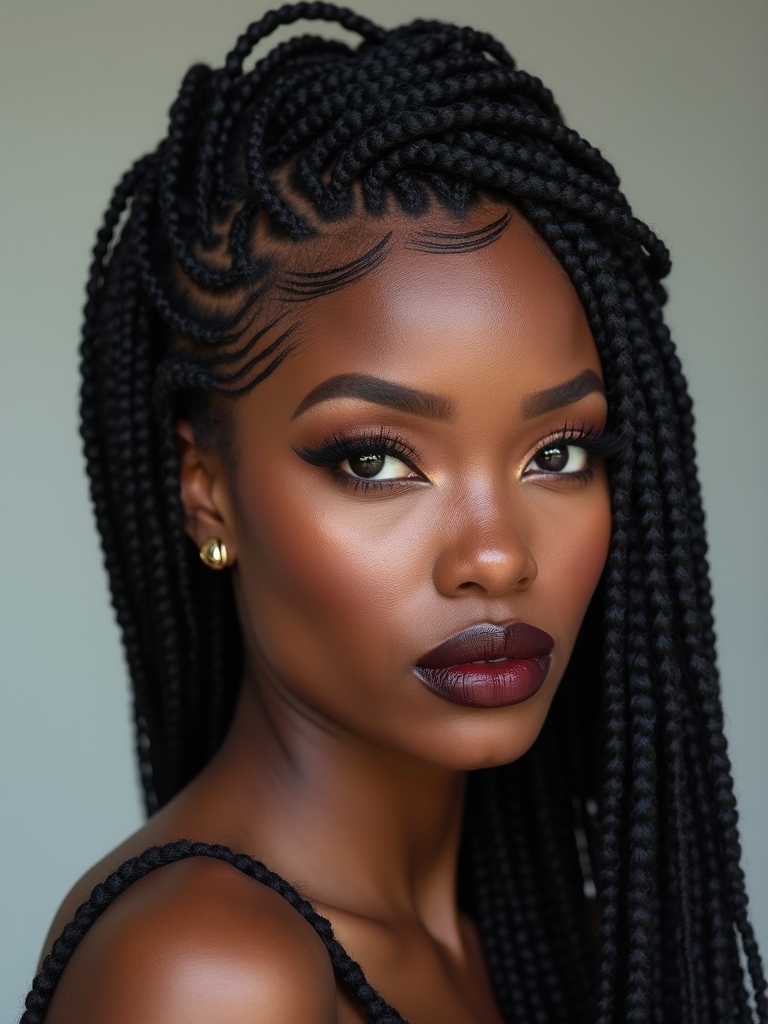
Smaller, more numerous cornrows let a braider build truly intricate designs, since fine rows can curve and cross in ways thick ones cannot. The detail is beautiful, but it asks more of everyone involved.
Going small is a real commitment, so know what you are signing up for:
- Expect a long appointment, often several hours for a detailed small-cornrow set
- Plan for a higher cost, since the labor is where the price lives
- Enjoy longer wear, as fine fed-in cornrows can last several weeks with care
A few cornrow terms worth knowing before you book:
📖Feed-in
Gradually adding extension hair as the row is braided, for length and thickness with a gentle, knot-free start.
📖Freehand
Braiding a design in the moment without a fixed grid, so the pattern is improvised and one of a kind.
📖Lemonade braids
Feed-in cornrows swept all to one side for a long, dramatic, side-flowing look.
Versatile Everyday Cornrows
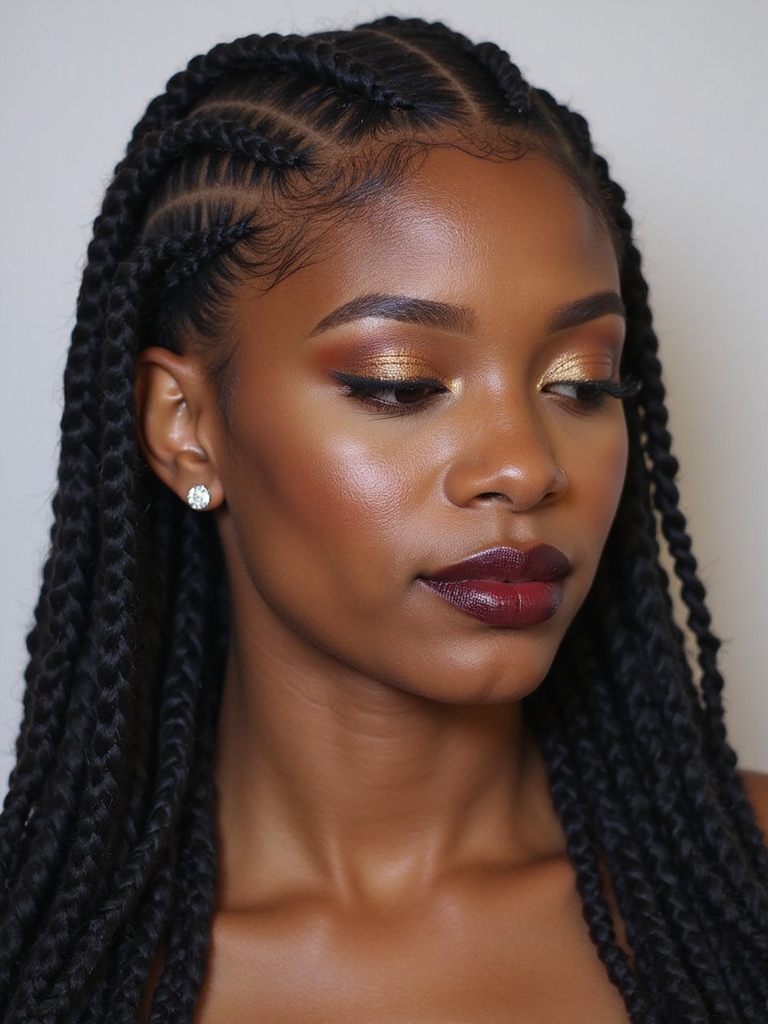
One of the quiet joys of cornrows is how much they do once they are in. A simple set becomes a different look depending on how you finish it, which makes them one of the smartest practical protective styles around.
Restyle without redoing
Gather them into a ponytail for the office, pin them into a bun for an event, or leave them down with a few accessories for everyday. The braids stay put while the styling changes around them.
That versatility is why cornrows suit a busy life so well. You invest the time once, then restyle for free for as long as the set holds. See cornrow hairstyles for more ways to wear them.
Geometric and Artful Designs

Geometric cornrows trade flowing lines for crisp angles, diamonds, triangles, and grids mapped across the scalp. The precision is the appeal, and a well-cut geometric design looks like architecture for the head.
These take real planning, since every part has to line up for the shapes to read clearly. This is not a style to rush or attempt at home unless you are confident, because a slightly off angle throws the whole pattern.
Bring a clear reference photo and trust your braider’s read on what suits your head shape. The payoff is a bold, graphic look that turns a simple braid into a genuine statement.
💡Stylist Tip
Book a consultation or send a reference photo before a detailed cornrow appointment. Mapping a design that suits your head shape and density takes planning, and the best braiders price and time the work based on the pattern, not just the hours.
Cornrow Artistry and Self-Expression
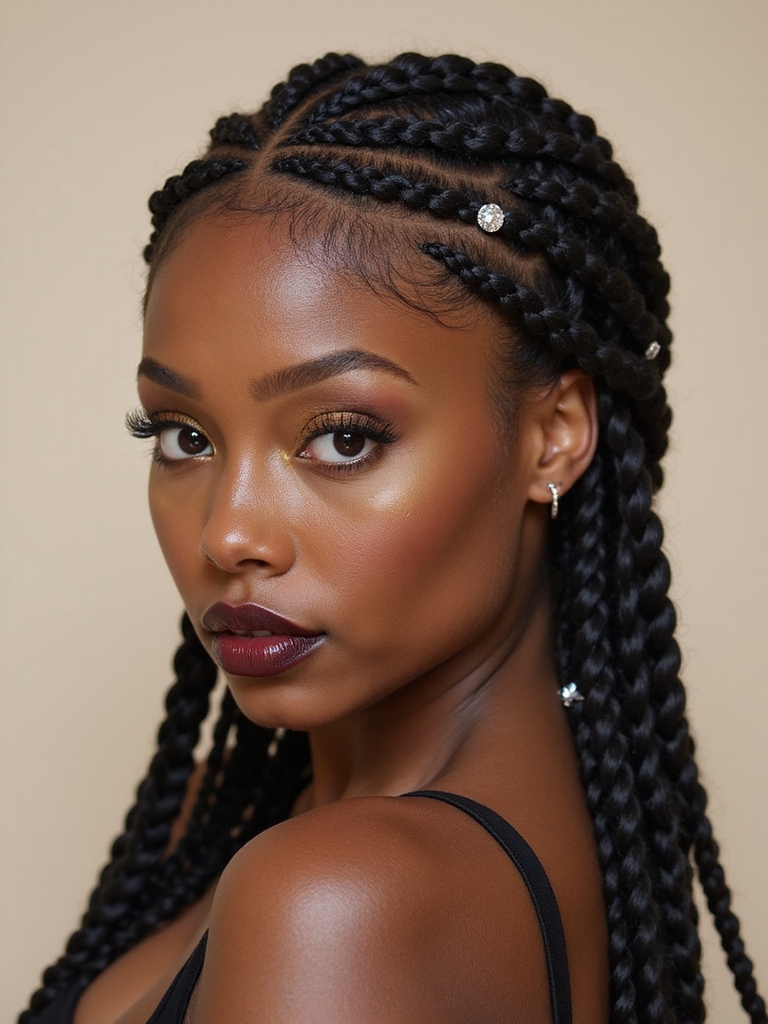
Freehand cornrows skip the ruler-straight grid for curves, swirls, and flowing lines drawn by the braider in the moment. No two freehand sets are exactly alike, which is what makes them feel so personal.
This is where cornrowing crosses fully into art. A freehand braider studies your head and improvises a design, the way a tattoo artist works along the body rather than against it. The result is one of a kind.
If you love the idea of wearing something no one else has, freehand is the way. Find a braider whose freehand work you admire, then give them room to create rather than copying a photo line for line.
Wearing Cultural Pride

For many people, wearing cornrows is an act of pride, a way of carrying heritage visibly and beautifully. Bold, substantial rows make that statement loudest, sitting proud of the scalp and reading confident from across a room.
There is real history behind that confidence. Cornrows have at times been policed and discriminated against in schools and workplaces, which is exactly why wearing them openly carries meaning. A few ways the bold versions shine:
- Thick, raised rows that make a strong, graphic statement
- A high cornrowed updo that puts the design front and center
- Beads or cuffs added to honor traditional adornment
How a basic cornrow is built, in brief:
1Part a clean row
Section off a straight, even row of hair where you want the braid to travel.
2Braid underhand, feeding in hair
Cross the strands under rather than over, picking up a little new hair with each cross so the braid lies flat against the scalp.
3Carry it to the end
Keep feeding and crossing to the nape, then braid the loose ends and secure.
Bold Geometric Cornrow Designs
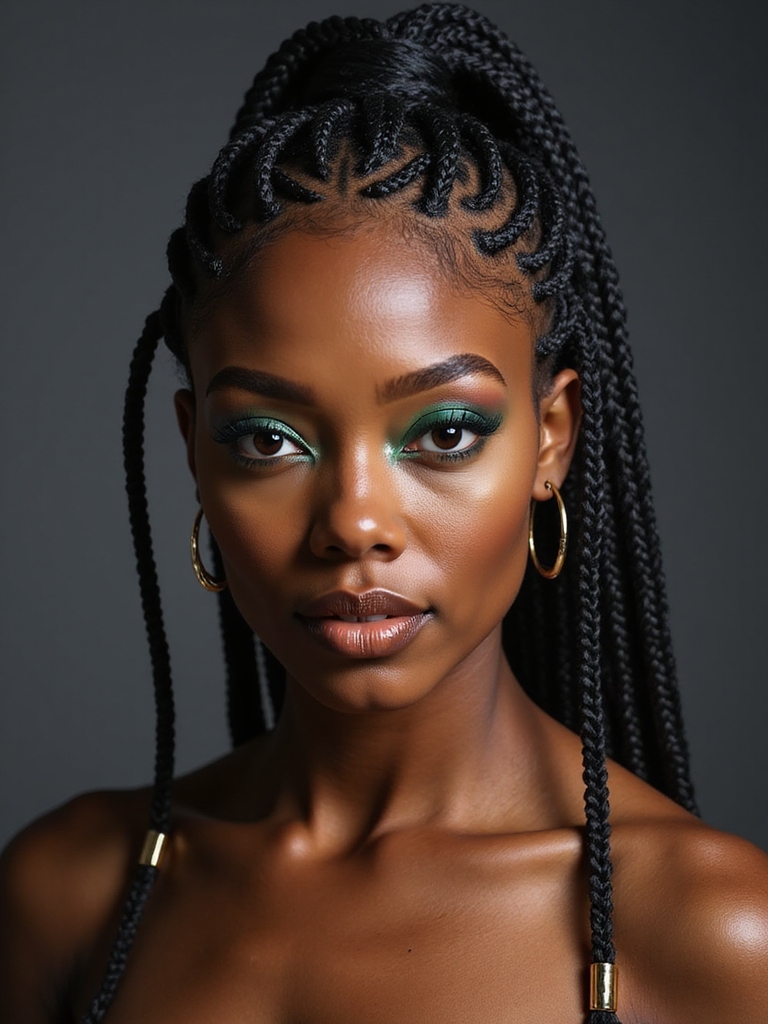
Taking geometry further, angular cornrows built on zigzags and sharp directional changes create movement and energy across the head. Where a straight grid feels calm, these patterns feel dynamic.
Zigzag parts also have a practical perk: the broken lines disguise new growth as it comes in, so the design looks intentional for longer than a straight part would. The eye follows the angles instead of the roots.
These bold designs suit anyone who wants their hair to be the statement. Pair them with a sleek finish and a couple of accessories, and the effect is striking without trying too hard.
Subtle, Refined Cornrow Artistry
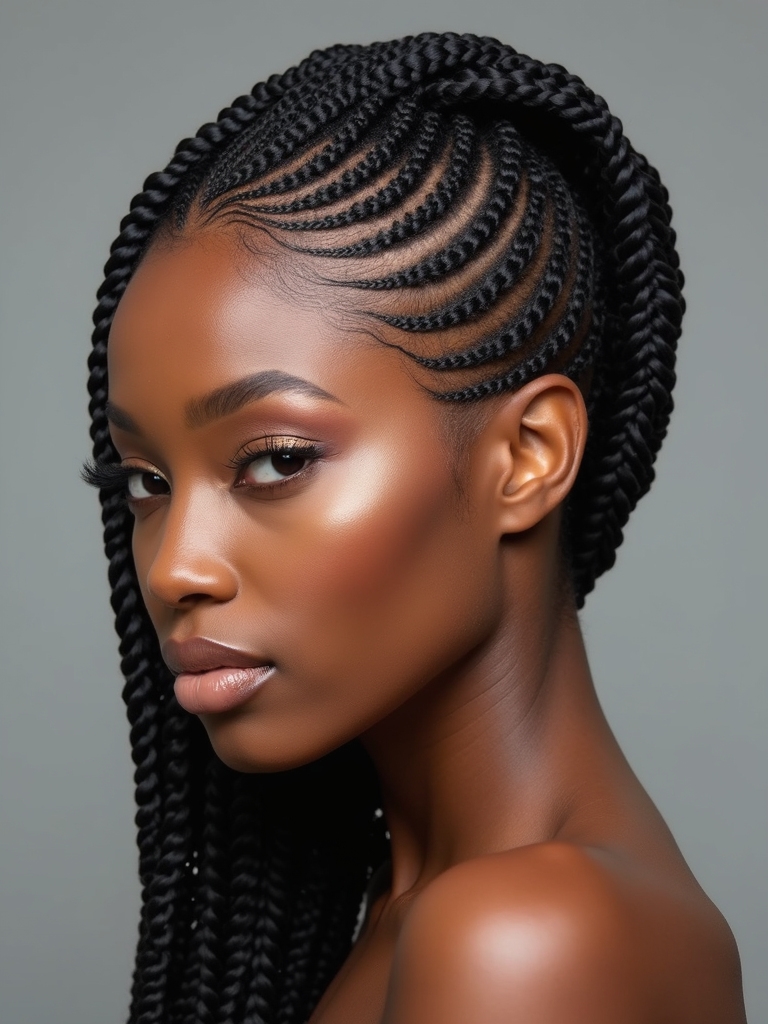
Not every cornrow look has to shout. A few fine rows along one side, or a couple braided back from the hairline into loose hair, add a refined, understated detail that works anywhere. It is cornrowing at its most wearable. A few subtle ideas:
- Two or three rows swept back from a side part for soft detail
- A small braided section above the ear, left to blend into loose hair
- Fine rows along the hairline as a polished alternative to a plain part
Cornrow Care and Maintenance
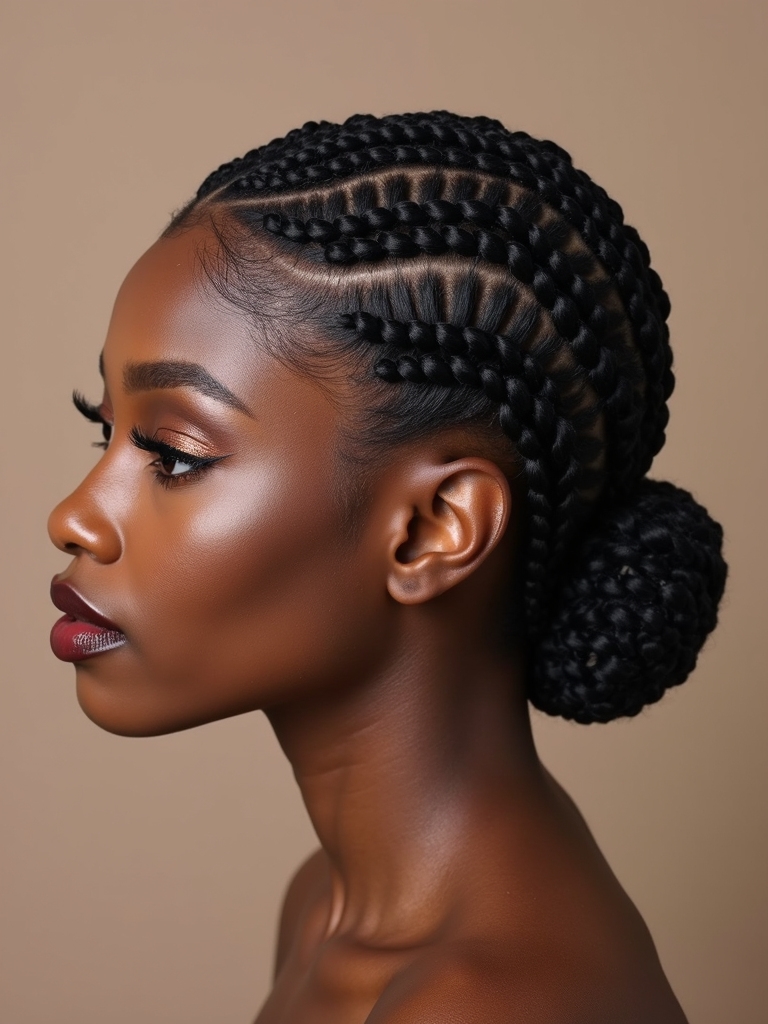
Cornrows protect your hair only when you care for what is underneath, and a simple routine goes a long way. Moisturize your scalp every few days with a light oil or spray, focusing along the parts where the skin is exposed.
A simple weekly routine
Wrap your head in a satin or silk scarf at night to cut frizz and keep the rows smooth, and wash about every week or two with a diluted, sulfate-free cleanser and dry the rows fully so nothing sours. These small habits keep the set looking fresh.
Just as important is timing the takedown. Most cornrows are best worn one to six weeks depending on size and technique, and leaving them in too long lets new growth mat and pull at the roots.
Cornrows as Cultural Identity in Fashion

Cornrows have long moved between everyday wear and high fashion, appearing on runways and in campaigns as designers borrow their graphic power. That visibility is double-edged and worth understanding:
- They are a genuine art form with deep roots, no runway invention
- Credit matters, since the style has often been celebrated on some and criticized on others who originated it
- Wearing them thoughtfully means knowing and respecting where they come from
Intricate Statement Cornrow Designs

For weddings, milestones, and photo-worthy moments, an elaborate cornrow design turns your hair into the accessory. These combine multiple techniques, fine rows, curves, raised sections, into a single intricate work that takes hours to build. What sets them apart:
- Layered techniques combined into one cohesive design
- Hours in the chair, so book well ahead of your event
- A skilled specialist, since this level of detail is its own craft
Colorful Braided Artistry

Adding color to cornrows, through pre-colored feed-in hair or wrapped thread, makes the pattern pop even more. Because the color lives in the extension or thread, your natural hair stays untouched while the design gains a whole new dimension.
Color also highlights the linework, drawing the eye along each row. A few ways to bring it in:
- Feed-in colored hair for a bold, all-over shade
- Wrapped thread in one or two accent rows for a traditional, handmade touch
- A peekaboo color underneath that flashes when you move
Braiding That Connects Community

Some of the most meaningful parts of cornrowing happen in the chair itself. Braiding has long been a shared, social act, hours spent between braider and client, knowledge passed from mother to daughter, stories swapped over the slow rhythm of parting and plaiting.
That communal thread is part of why the style endures. A cornrow set is not just a look but often a relationship:
- A skill handed down through families and generations
- Time that builds trust between a regular braider and client
- A tradition of care, with someone literally tending your hair by hand
Where Cornrows Meet Street Style
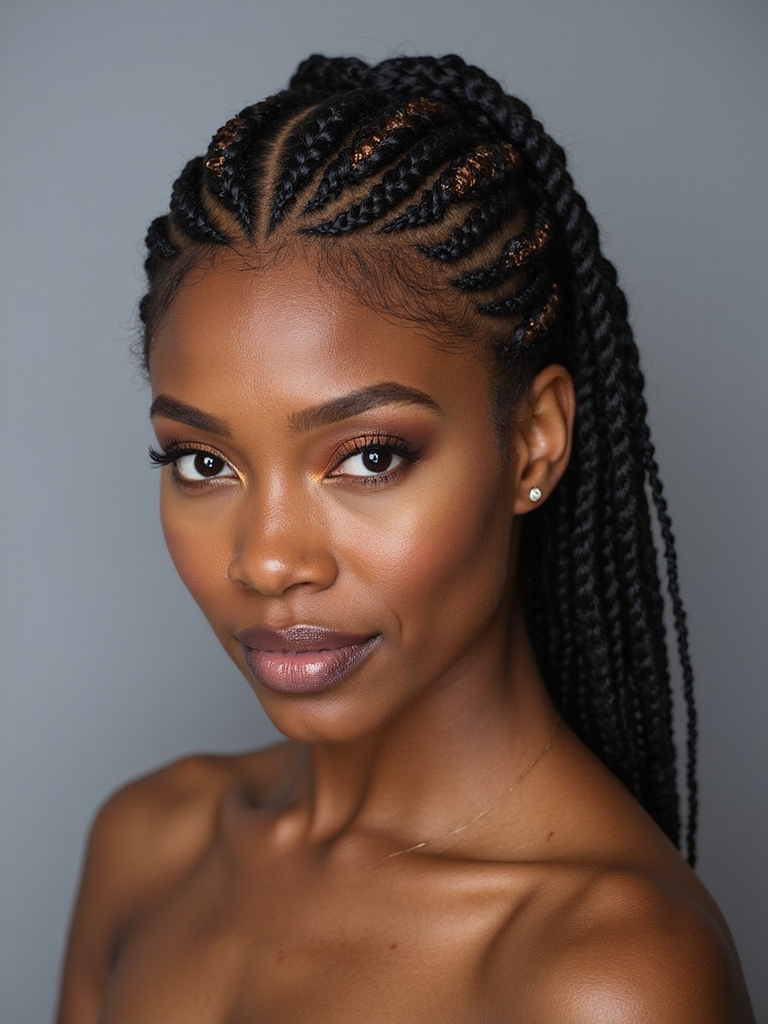
Cornrows sit right at the center of modern street style, pairing as easily with sneakers and gold hoops as with a tailored look. Their graphic lines give an outfit instant edge. A few ways they look easily current:
- Sleek rows into a low braid with chunky jewelry for a clean, cool finish
- Cornrows plus an undercut or shaved detail for a sharper, edgier look
- A high cornrowed pony that works for the gym and the street alike
Healthy Braids and Loving Care

The most important rule with cornrows has nothing to do with the design and everything to do with comfort. A set should never hurt, because tension at the hairline is the leading cause of cornrow-related thinning over time. If your scalp feels tight, tender, or develops small bumps along the edges, the braids are too tight, and a good braider will loosen them for you.
Beyond tension, gentle handling keeps your hair thriving under the style. Moisturize regularly, sleep on satin, and give your hair a rest between sets rather than going straight from one install to the next. Treated kindly, cornrows truly protect your length, which is, after all, what a protective style is for.
Empowerment Through Cultural Expression
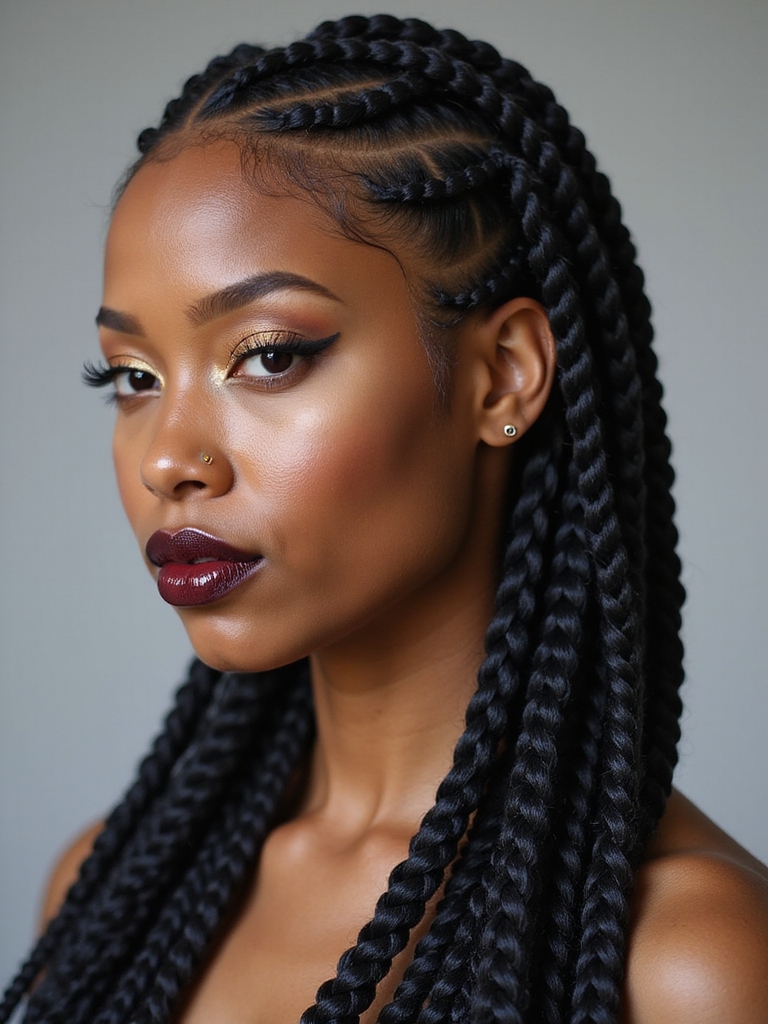
There is a particular confidence that comes from wearing a hairstyle that is wholly yours, rooted in heritage and shaped by your own taste. For many, cornrows carry exactly that feeling, a quiet, daily act of self-expression and self-respect. What makes them feel empowering:
- A look that is personal, designed around you rather than off a shelf
- A connection to heritage worn openly and proudly
- Low-fuss freedom, with weeks of done hair and one less daily decision
Environmental Notes on Braiding Extensions
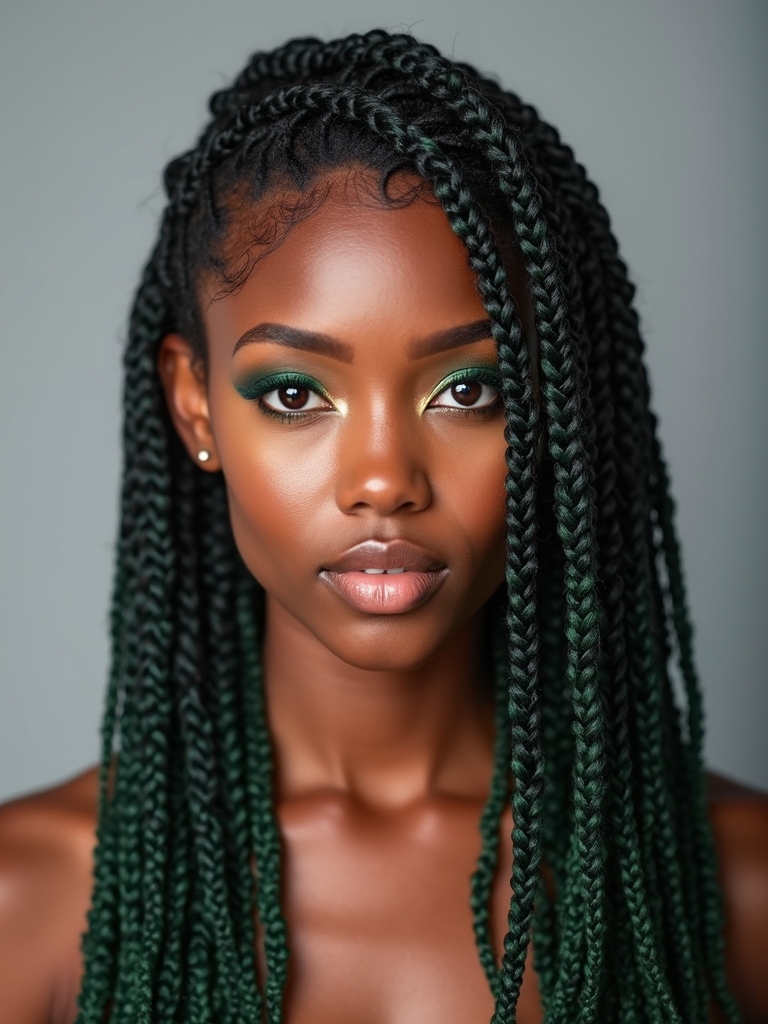
Most feed-in cornrows use synthetic braiding hair, and it is worth knowing that conventional synthetic hair is a plastic product that does not break down. A heavy braid habit adds up over a year, which more people are starting to think about.
Greener braiding hair options
The good news is that gentler options exist and are growing. Plant-based and biodegradable braiding hair has come onto the market, and some brands now offer pre-stretched, lower-irritation versions that are kinder to sensitive scalps too.
None of this means giving up the style you love. It just means you can ask your braider about their hair brands and choose a more sustainable option when one is available.
Intricate Cornrow Artistry in Lemonade Braids
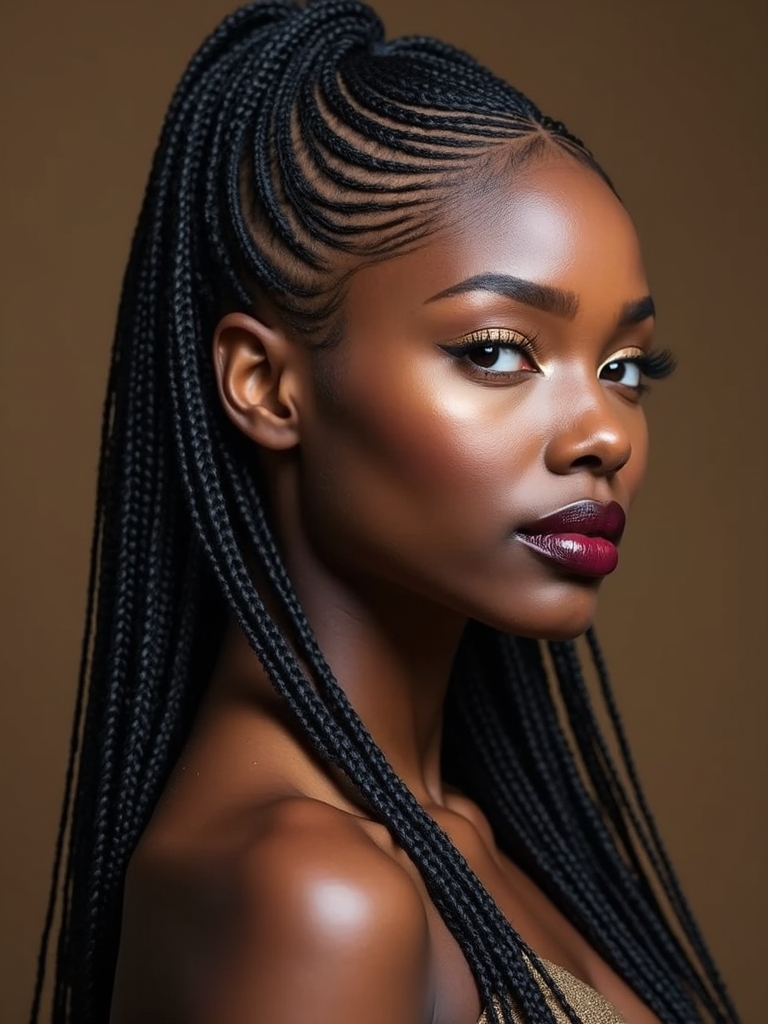
Lemonade braids, cornrows fed with extension hair and swept dramatically to one side, are among the most popular cornrow looks of the past several years. The side-swept direction is flattering and undeniably striking.
How feed-in builds the length
The feed-in technique is what makes them work, gradually adding hair so the rows gain length and thickness without a heavy knot at the root. Done well, they lie smooth and last for weeks.
Because all the braids pull to one side, balance matters, so a skilled braider keeps the tension even to protect the hairline. For more side-swept and feed-in ideas, see fulani braids.
The Cultural Significance of Cornrows

Cornrows are among the oldest documented hairstyles in the world, with depictions in African art dating back thousands of years. Across many African cultures, braided patterns have carried meaning, signaling things like age, community, or status, and that significance is part of what you wear today.
Understanding that history adds depth to the style rather than weighing it down. A few things worth knowing:
- They are ancient, far older than any modern trend that borrows them
- Patterns held meaning in many traditional African communities
- They remain culturally significant, which is why respect and credit matter
What Cornrows Symbolize
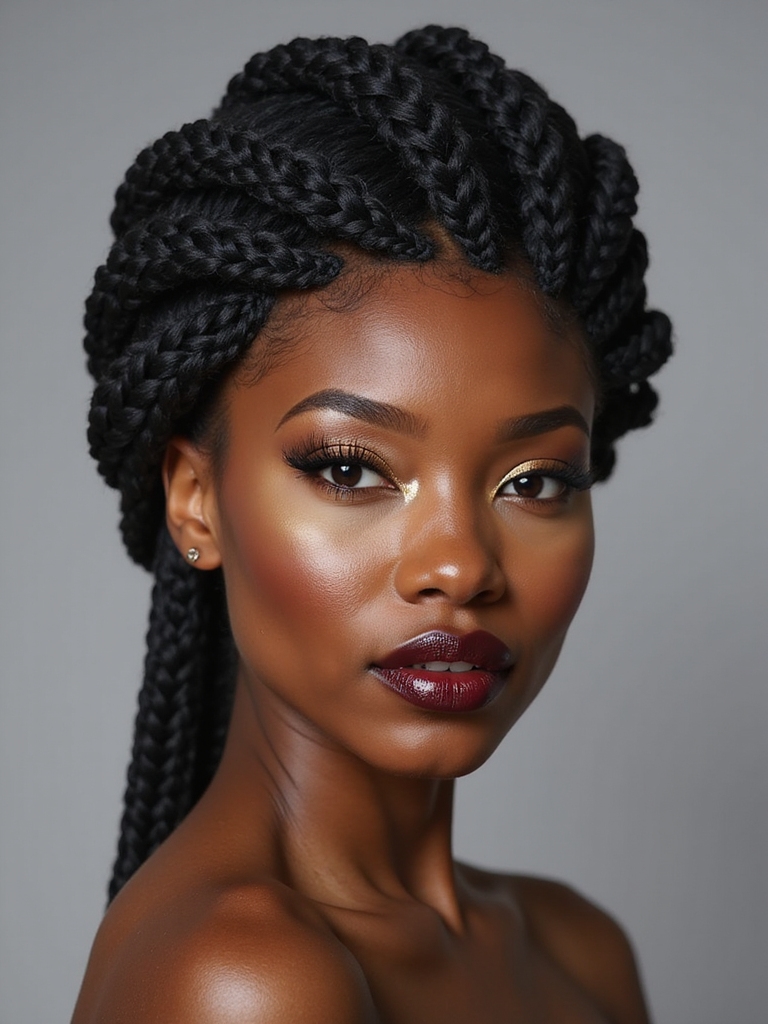
Beyond their beauty, cornrow patterns have historically carried symbolic weight, with specific designs associated with particular communities, occasions, or stages of life in various African cultures. The braid was a language as much as a style.
Much of that specific meaning varies by region and tradition, so it is wiser to appreciate the symbolism broadly than to assign a single fixed meaning to a pattern. What stays true everywhere is that cornrows have always been more than decoration, a thoughtful, intentional way of shaping hair that speaks to who is wearing it.
Bold, Gender-Free Cornrow Styles

Cornrows have never belonged to one gender. They are worn beautifully by men, women, and nonbinary folks alike, and some of the boldest, most artistic designs sit equally at home on any head. The style is about the craft and the wearer, not a category.
For shorter hair especially, cornrows are a sharp, practical choice, keeping things neat while still allowing for real design through the parts. A clean set of rows looks confident and modern on anyone, which is part of why the style keeps spreading across every kind of wearer.
A Fusion of Cornrow Styles
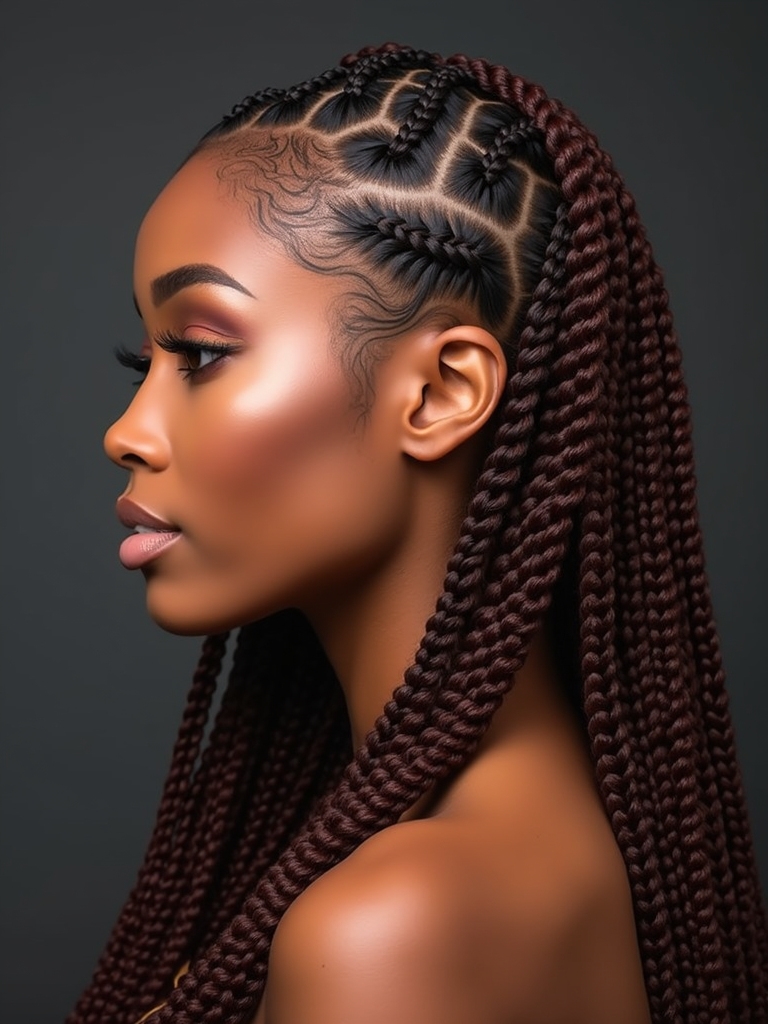
Some of the most interesting cornrow looks mix techniques, blending flat rows with box braids, twists, or loose curls for a style that shows real range. The cornrowed sections give structure while the looser elements add softness or length.
A classic example is cornrows feeding into individual braids or a curly ponytail, which keeps the front sleek and the back full. If you like the idea of combining textures, look at knotless braids for pairings, and bring a photo so your braider can map where the cornrows end and the rest begins.
Creative Cornrow Design Choices
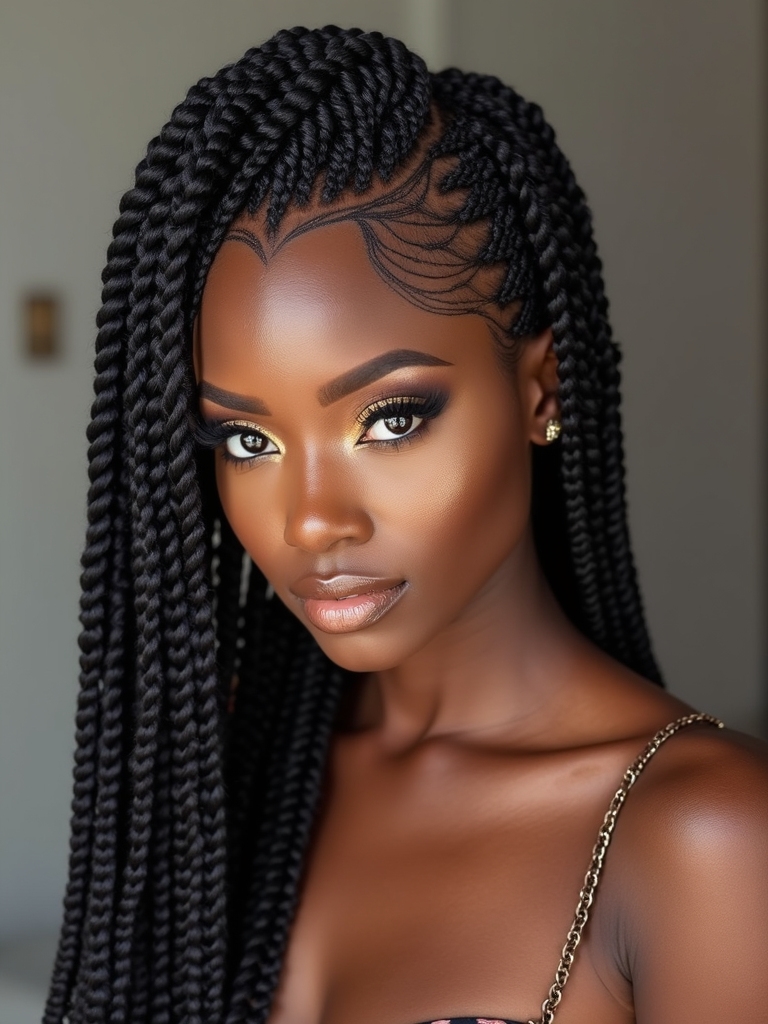
With so many patterns possible, choosing your cornrow design comes down to a few honest questions about your life and your hair. The right answer is the one you will actually enjoy wearing for the next few weeks. Think through:
- How much upkeep you want, since intricate designs ask for more careful handling
- Your event or everyday need, matching a bold design or a simple set to the occasion
- Your hairline’s health, choosing a gentler, looser pattern if your edges are fragile
Styling Tips to Get the Most From Your Cornrows
Once your cornrows are in, a few habits keep them looking sharp and stretch their life. Tie your hair down in silk or satin before bed every single night, because that one habit heads off most frizz and guards both the rows and your edges. Smooth any flyaways with a light edge product rather than re-wetting the whole set, which can loosen the braids.
When the front starts to look fuzzy after a couple of weeks, refresh it instead of redoing everything, a touch of product, a few accessories, or a switch to a ponytail buys you more time. And listen to your hair: if a set ever feels tight or your scalp is sore, that is your cue to take it down early. A pattern is never worth your hairline, and the best cornrow is always one you can wear in comfort.
Patterns Worth Wearing With Pride
From a clean straight-back to an intricate freehand design, cornrows pack centuries of craft and culture into a style that still feels fresh and modern. The pattern you choose can be as simple or as artistic as you like, but the care underneath, gentle tension, a moisturized scalp, a satin scarf, stays the same.
So which design has caught your eye, the sleek and simple or the bold and intricate? Whatever you choose, wear it with knowledge and pride, find a braider whose work you trust, and let those patterns make their waves.