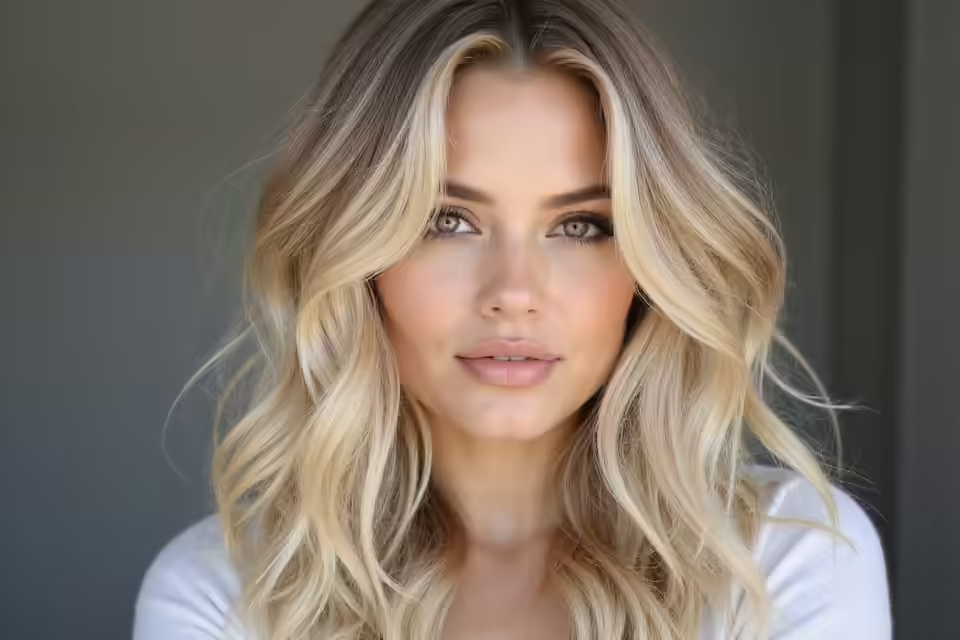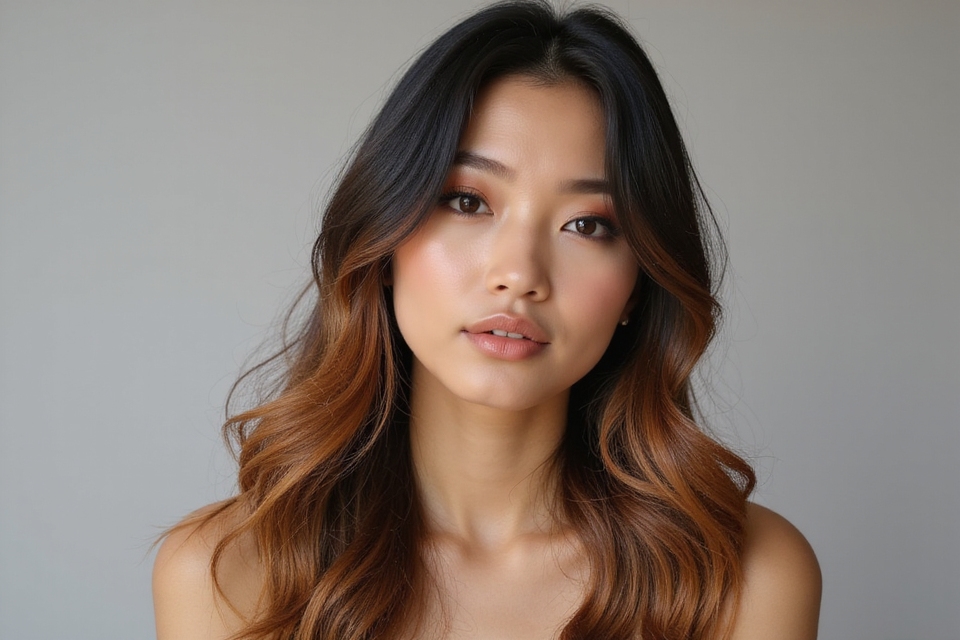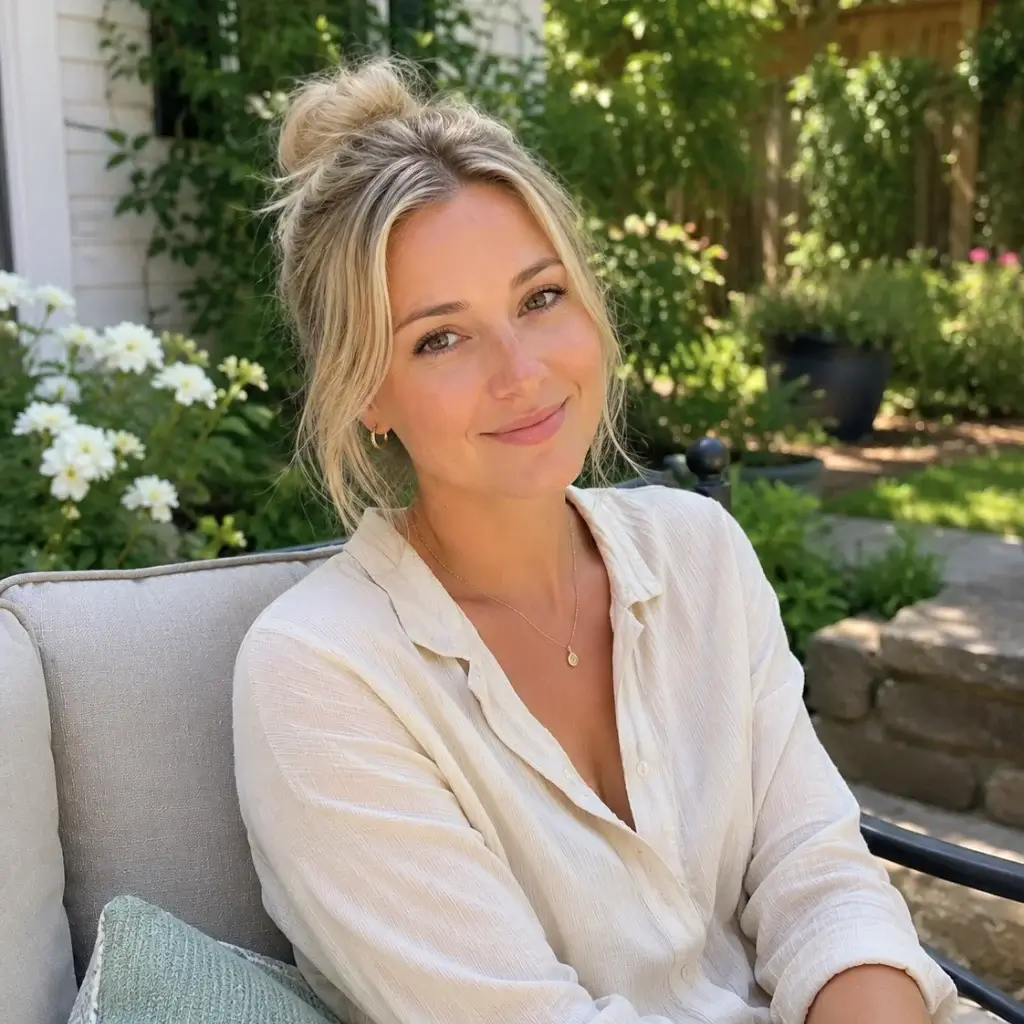
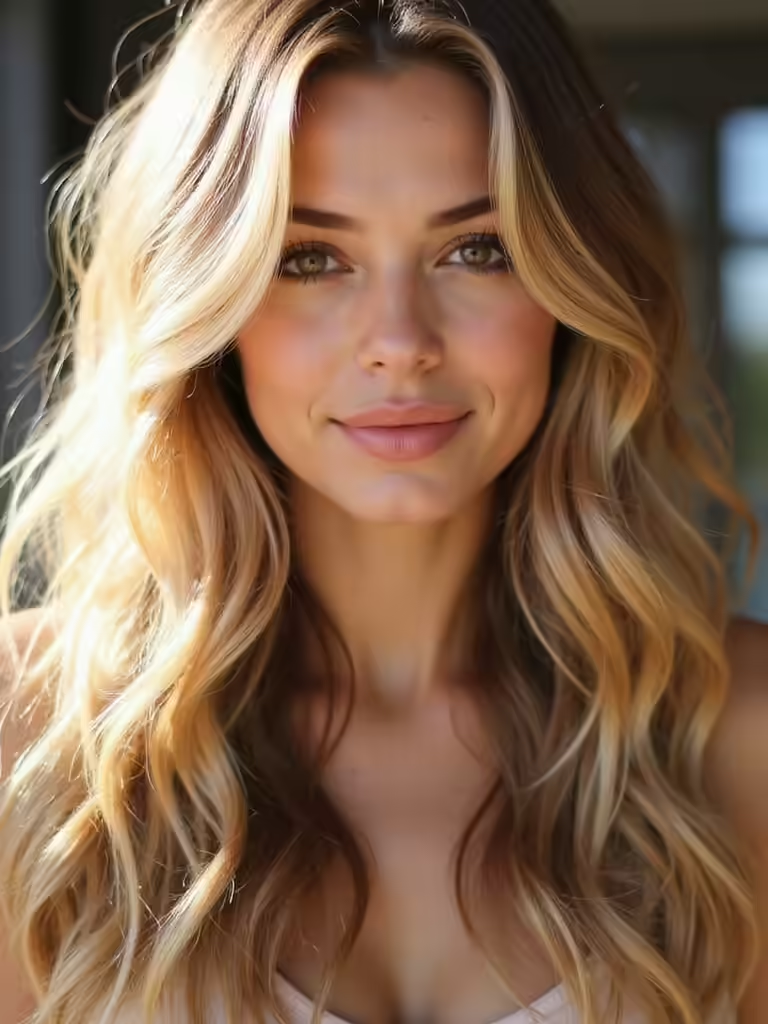
Of every light shade I get asked about, honey blonde is the one I talk people into most often, and for good reason. It is the rare blonde that flatters far more than it fights. That golden, amber-warmed tone lights up warm and neutral skin, grows out softly so there is no harsh line, and skips the constant platinum upkeep.
This guide covers all of it, how to pick your exact shade, who it suits, the honest cost and maintenance, and how to keep honey blonde hair from turning brassy, so you can decide whether it is right for you before you ever book the chair.
The Short Version
- Honey blonde is a warm, golden blonde with amber and caramel depth that flatters warm and neutral skin especially well.
- It is lower-maintenance than platinum because the warmth grows out softly, but it still needs toning glosses and regular conditioning.
- Balayage gives the most natural, grow-out-friendly version; a salon session runs about $150 to $300 with a refresh every eight to twelve weeks.
Understanding Honey Blonde Hair
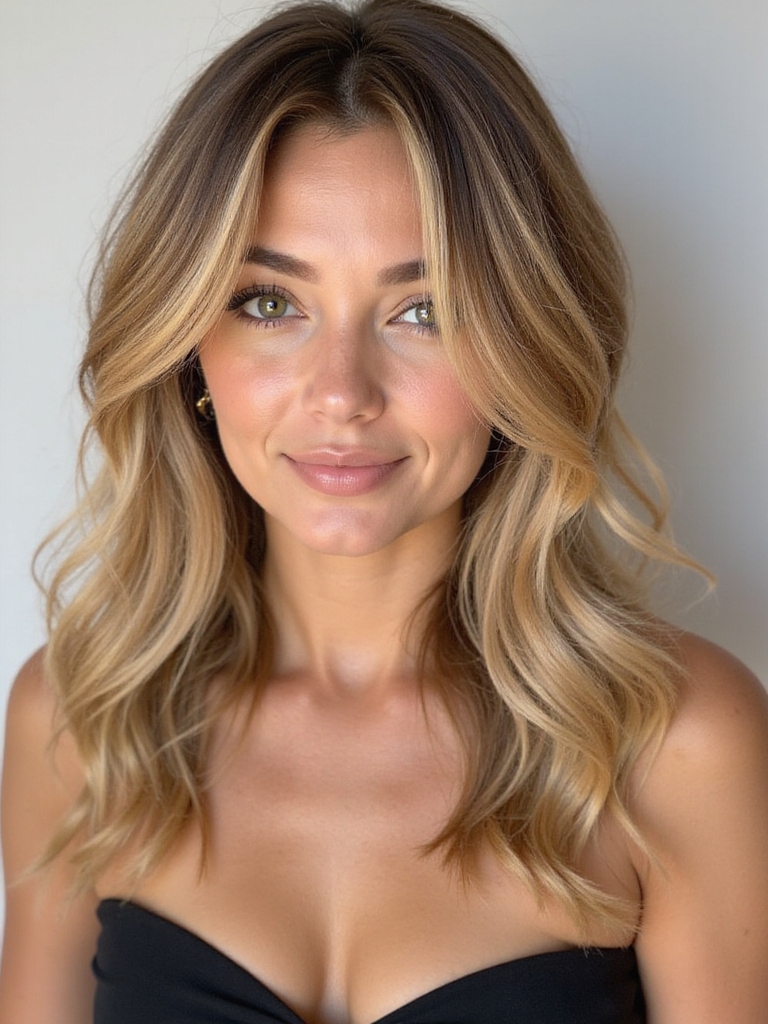
Honey blonde sits in the warm, golden family of blondes, a notch deeper than baby blonde and warmed with amber and caramel. The name is literal: it looks like honey in the light, warm and glowing. What makes it so wearable is that warmth, which reads soft and expensive on most people. It flatters where an icy platinum can wash you out.
- A warm, golden blonde with caramel and amber depth
- Deeper and softer than platinum or baby blonde
- Looks glowy and natural rather than stark
Choosing the Right Honey Blonde Shade
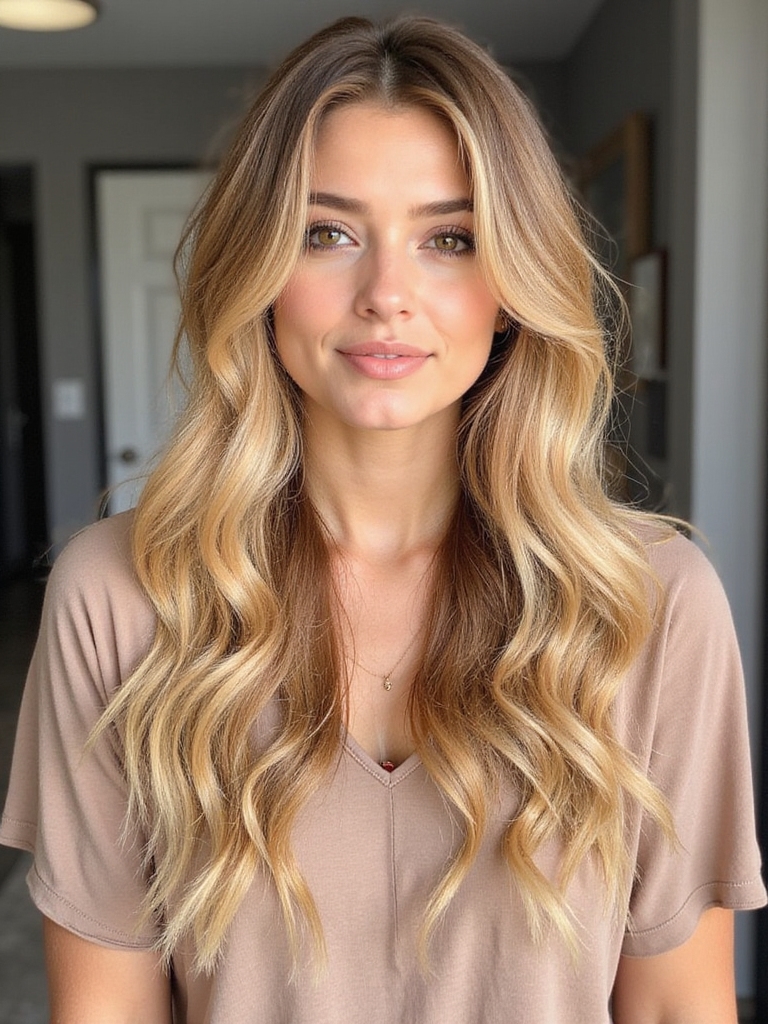
The right honey blonde depends on two things: your natural level and your skin’s undertone. If your natural color is medium brown or darker, you will land in a deeper caramel-honey, while lighter naturals can carry a brighter, golden honey.
Match It to Your Undertone First
I always match the shade to undertone first. Warm, golden skin can go rich and buttery, while cooler or olive skin looks best in a slightly muted, sandy honey that sits calmly against it.
Take a clear photo of the tone you are after to your colorist, and be realistic about the upkeep you will actually keep up with. That one conversation prevents most disappointment, and browsing blonde color ideas first helps you point to what you mean.
🅰️Golden Honey
Warmer and more caramel; best on warm, olive, or deep skin tones.
🅱️Cool Honey
A touch sandier and softer; better if your skin leans cool or pink.
Benefits of Honey Blonde Hair
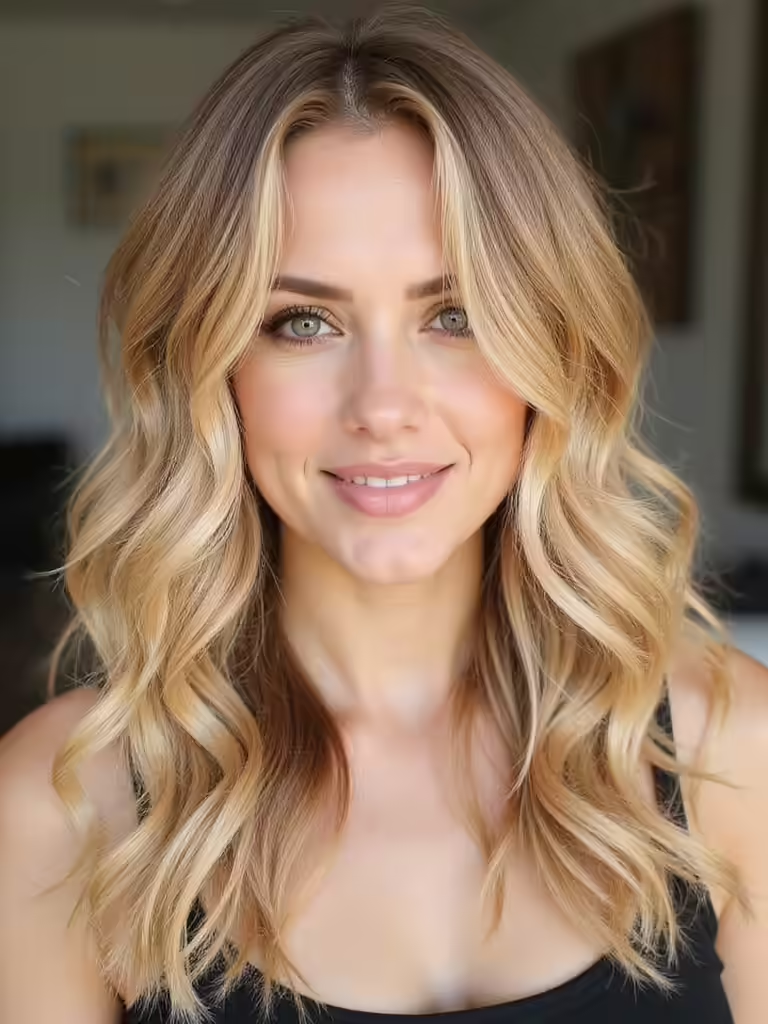
The biggest selling point of honey blonde is how forgiving it is. Because it is warm and close to many natural colors, the regrowth blends softly with no sharp line, which means fewer touch-ups than platinum.
It also adds the look of warmth and dimension to the face, and it flatters a wide range of skin tones once the undertone is matched.
- Grows out softly, so you can stretch time between salon visits
- Adds warmth and dimension that brightens the face
- Works across many skin tones with the right undertone match
Best Skin Tones for Honey Blonde
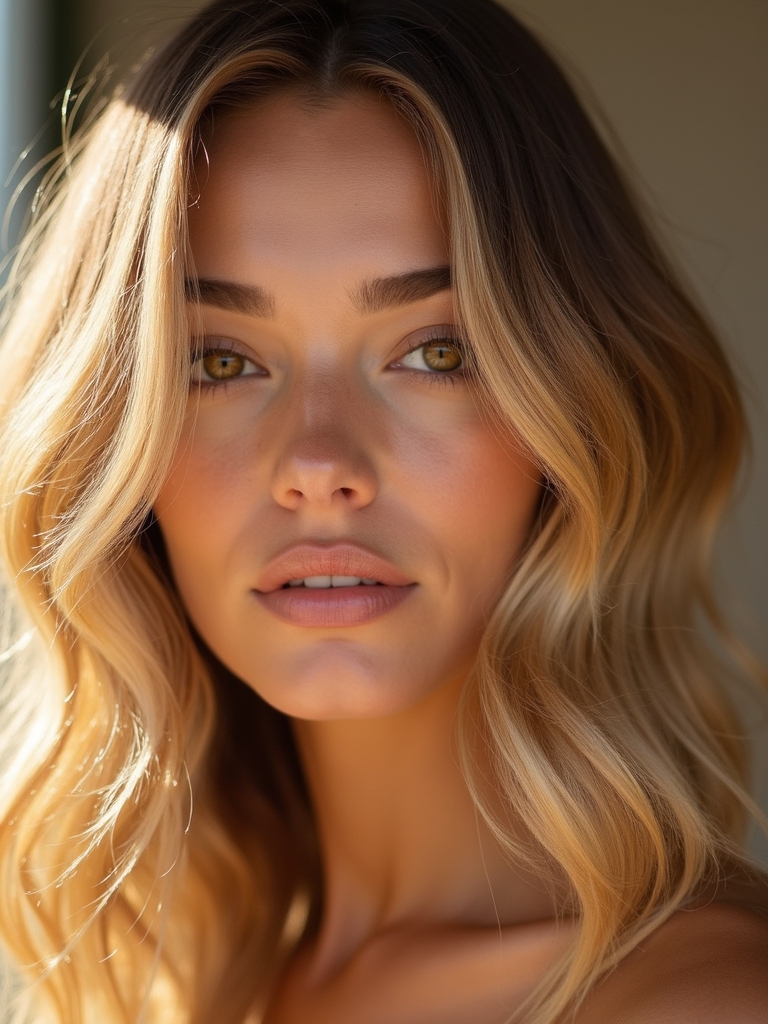
Honey blonde is happiest on warm and neutral skin, where its golden tone echoes the warmth in the complexion. If you have olive, tan, or deep warm skin, a rich caramel-honey looks striking and natural against it.
Cooler or very fair skin can absolutely wear it too, just in a softer, sandier version so the gold stays balanced. The trick is dialing the warmth level to your skin, and the color is yours.
Warmth: Honey Blonde Versus Other Blondes
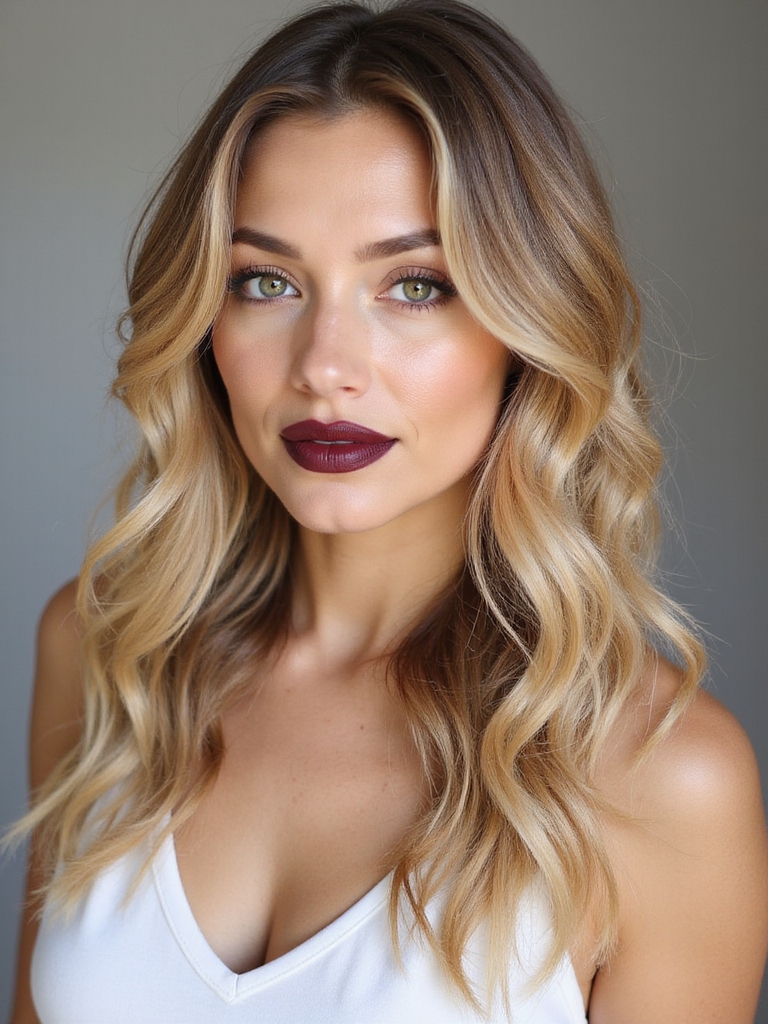
Honey blonde is warmer than ashy or platinum blondes and softer than a brassy golden blonde. Where platinum is cool and demands constant toning, honey keeps a golden, sun-warmed glow that hides regrowth better.
Compared with caramel or bronde, honey is a shade lighter and more golden. Compared with strawberry blonde, it carries no pink. It sits right in the middle of the warm-blonde spectrum, which explains why it works on so many people, and if a cooler take fits your skin, something like ash blonde on tan skin shows the other end.
If platinum ever felt too harsh on you, honey is often the fix. It is the gentle middle ground.
Celebrities Rocking Honey Blonde Hair
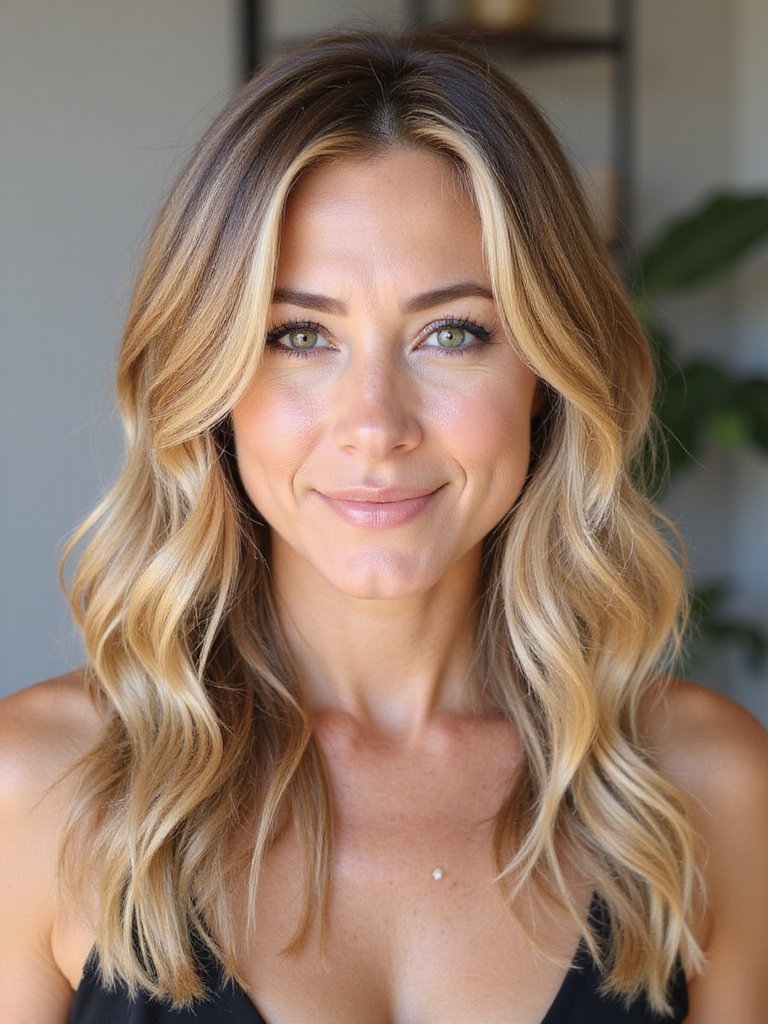
You have seen honey blonde all over red carpets and magazine covers, even without a name for it. It is a favorite for camera work because the warm tone photographs rich and dimensional under lights, where flat platinum can look washed out.
Steal the Technique, Not the Name
What those polished versions share is dimension: a blend of deeper roots and brighter mid-lengths that catches the light. That is the effect worth asking your colorist for.
So do not copy one specific look. Steal the principle instead: warmth plus dimension reads expensive.
A few blonde terms worth knowing before you sit down:
📖Toner
A gloss that neutralizes unwanted brassiness or adjusts warmth between full colors.
📖Level
How light or dark hair is on a 1-to-10 scale; honey blonde usually lands around a 7 or 8.
📖Balayage
A freehand painting technique that creates soft, grow-out-friendly lightness.
DIY Honey Blonde Hair Dye Tips
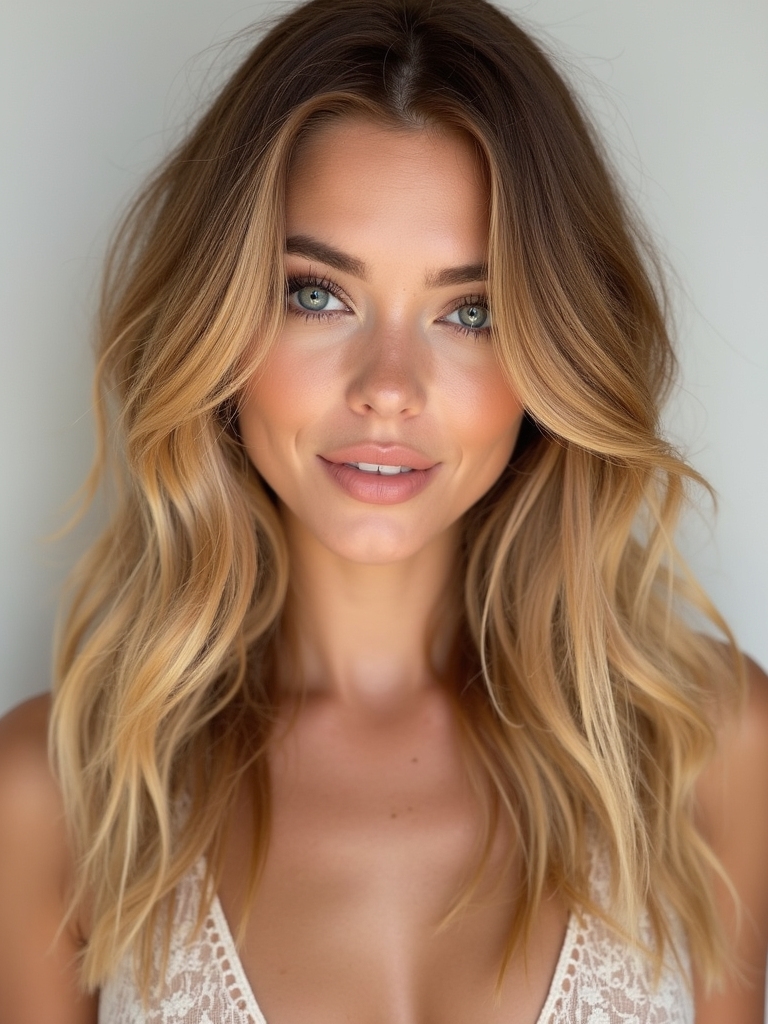
If you are coloring at home, honey blonde is more forgiving than platinum, but it still has rules. Start close to your natural level, since box dye cannot lift dark hair to blonde in one step without real damage, and warm honey shades are meant to layer over an already-light base. Always strand test first.
- Only go a couple of levels lighter than your natural color at home
- Strand test to check the final tone before you commit
- Choose a warm-toned honey dye for a true, golden result
Professional Salon Versus At-Home Coloring
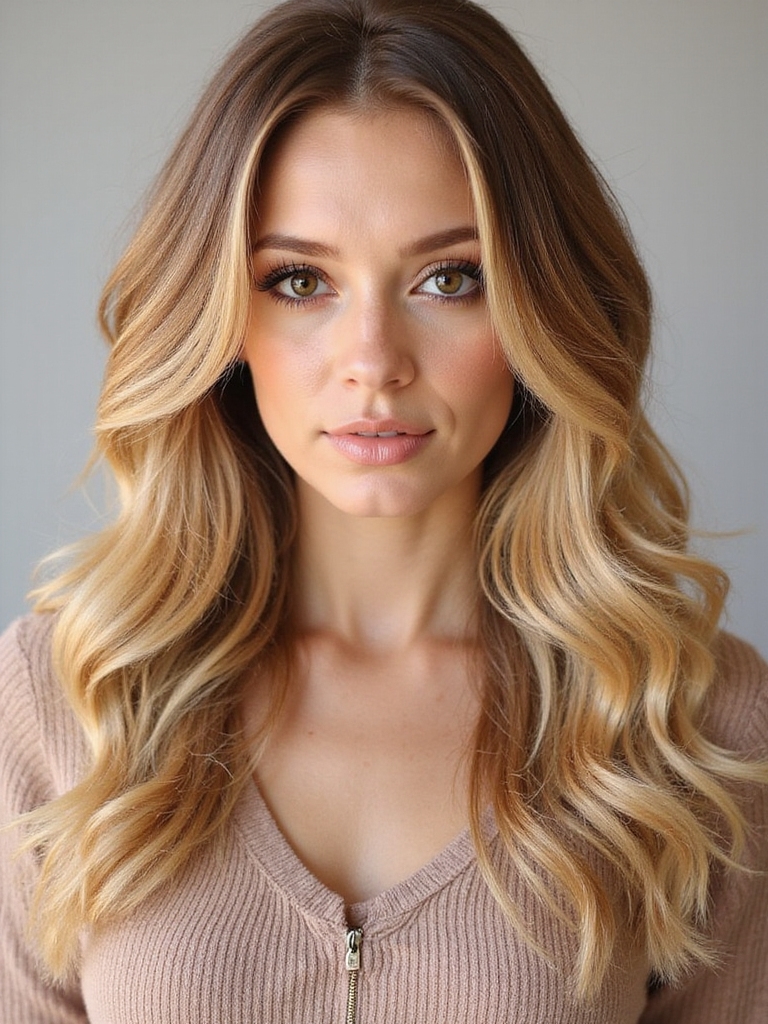
The honest answer is that big changes belong in a salon. Going from dark brown to honey blonde, adding balayage, or fixing a color gone brassy all need a professional’s control over lightener and toner. At-home color is best for maintaining or gently warming a shade you already have.
- See a pro for major lightening, balayage, or color correction
- Keep DIY to gloss refreshes and small tonal tweaks
- A full salon honey blonde runs roughly $150 to $300
Maintaining Your Honey Blonde Glow
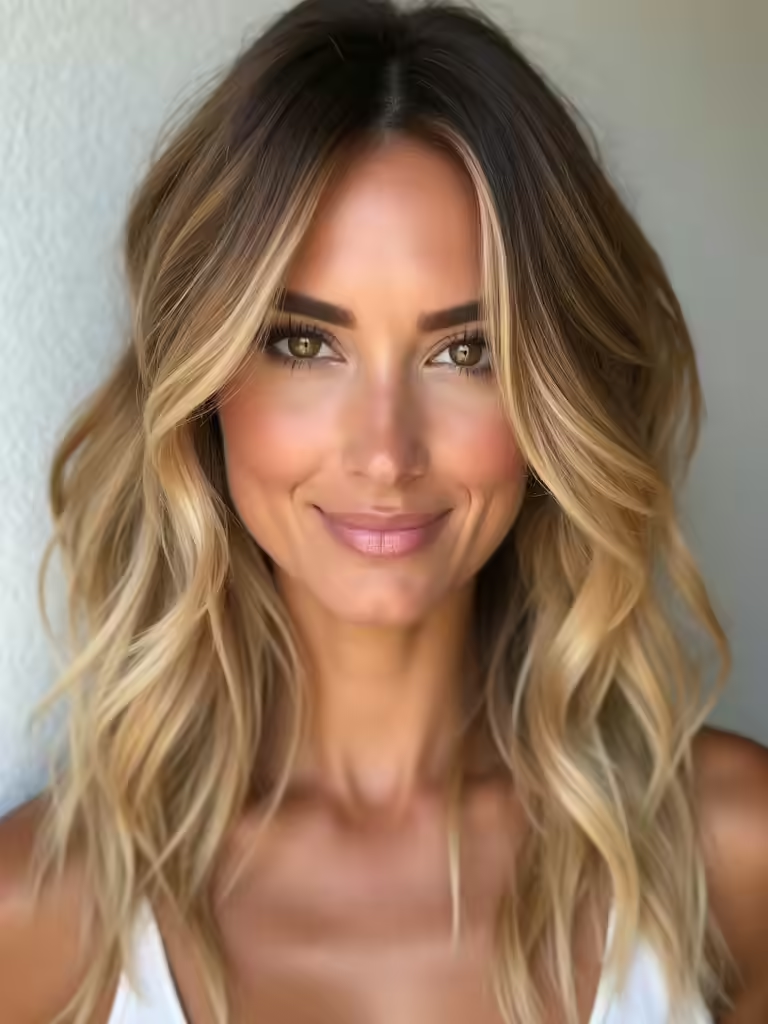
Honey blonde stays beautiful with less fuss than platinum, but it has one enemy: brassiness. Over time, minerals and sun can push it orange, so a periodic toning gloss keeps it true.
Skip the harsh purple shampoos meant for cool blondes, which can dull honey’s warmth or leave it flat. A gold-toned gloss every few weeks plus a color-safe routine is usually all it needs. That is the whole secret.
Recommended Products for Honey Blonde Hair
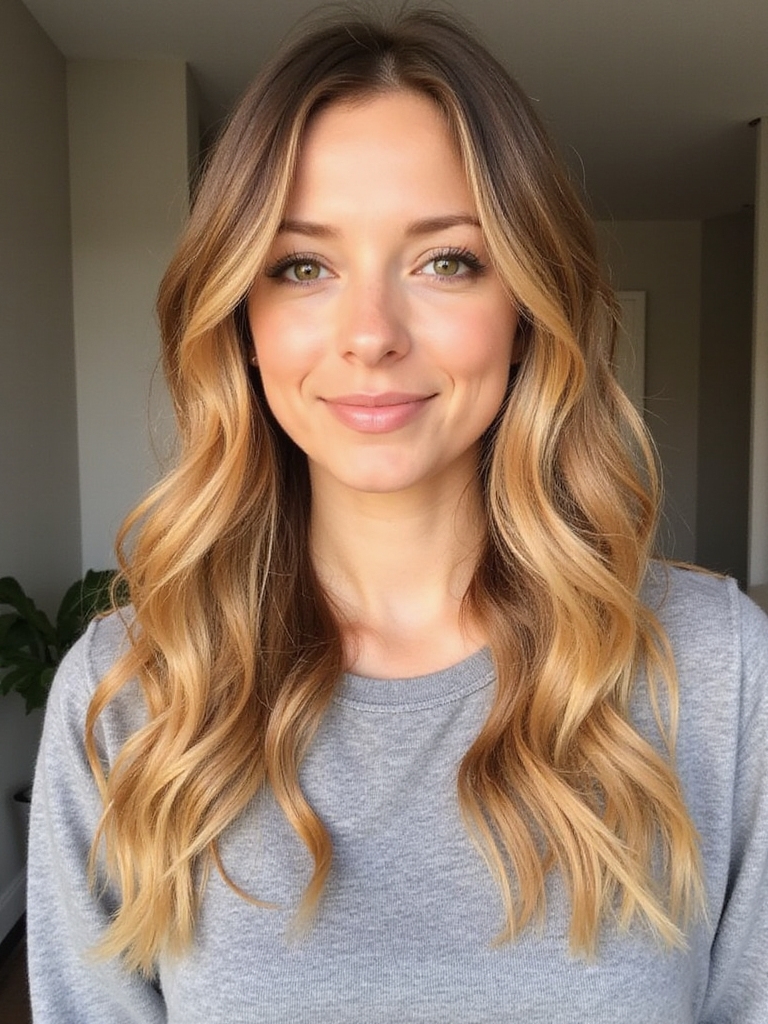
A short, targeted lineup beats a crowded shelf here. Color-safe basics do most of the work: a gentle wash and a rich conditioner guard the tone, a weekly bond-building mask keeps lightened hair strong, and a heat protectant is essential before any hot tool.
- A gentle, sulfate-free shampoo and a matching conditioner
- A weekly repairing or bond-building mask for lightened hair
- A heat protectant for every blow-dry or iron session
“Purple shampoo is for platinum, not honey. On a warm blonde it can flatten the gold you paid for. Reach for a gold-toning gloss instead, and only when you actually see brass creeping in.”
Honey Blonde Hair Care Routine
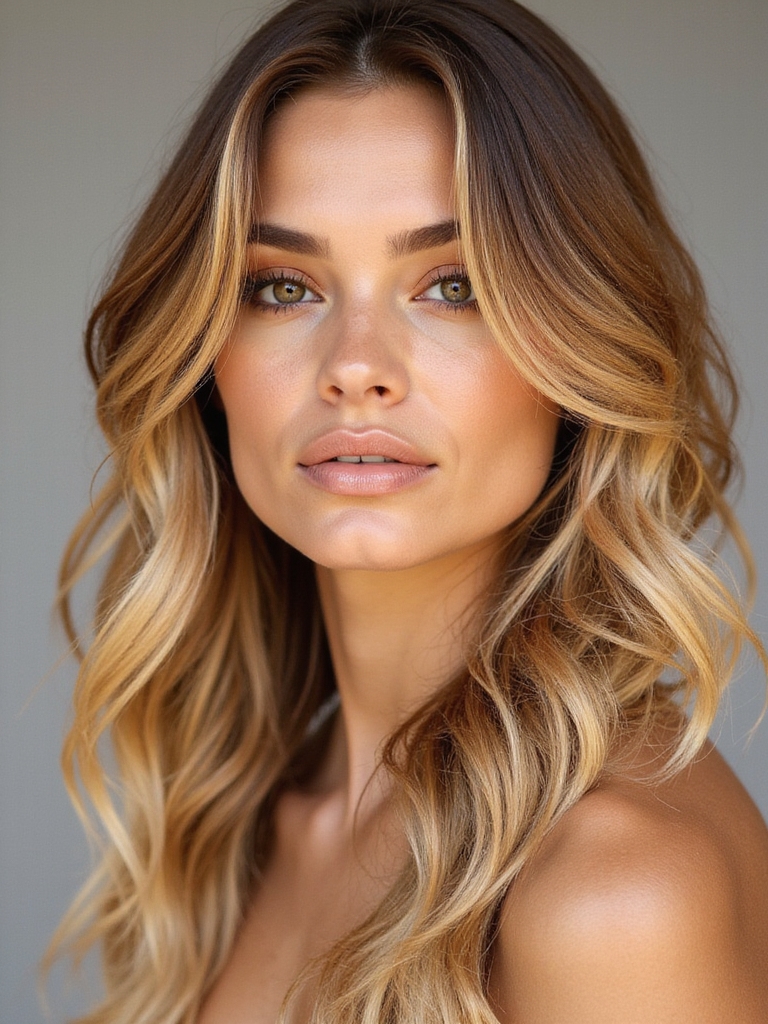
A simple weekly rhythm keeps honey blonde healthy and bright without much effort.
- Wash less often, two or three times a week, to protect the tone
- Deep condition or mask once a week to counter lightening dryness
- Use a toning gloss every three to four weeks as brass appears
- Always apply heat protectant before styling
Styling Tips for Honey Blonde Locks
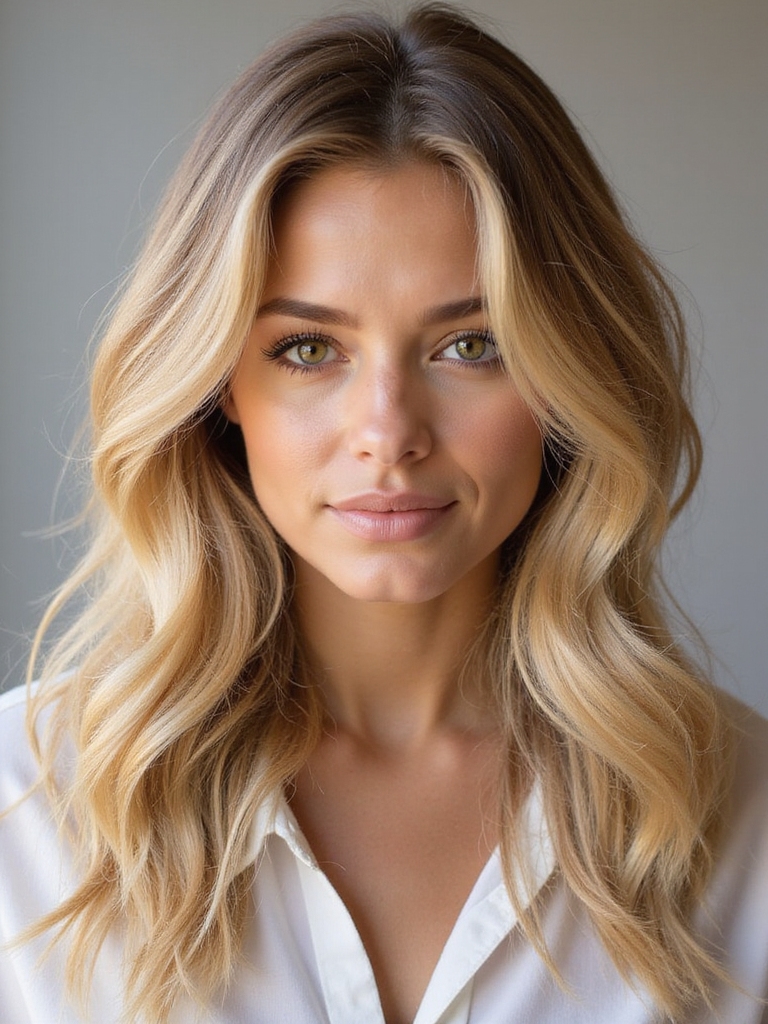
Honey blonde’s dimension shows off beautifully with a little movement. Loose waves and soft bends catch the light and reveal the deeper and brighter tones woven through, which is why I usually send color clients home with soft waves. Movement sells the color.
Let Waves Show the Dimension
A shine spray or a lightweight gloss serum makes the color look glassy and expensive. Keep the heat moderate, since lightened hair scorches faster than virgin hair.
On textured and curly hair, honey balayage looks incredible because the painted pieces follow the curl pattern, so ask for the lightness placed where your curls naturally catch the light.
Seasonal Variations in Honey Blonde
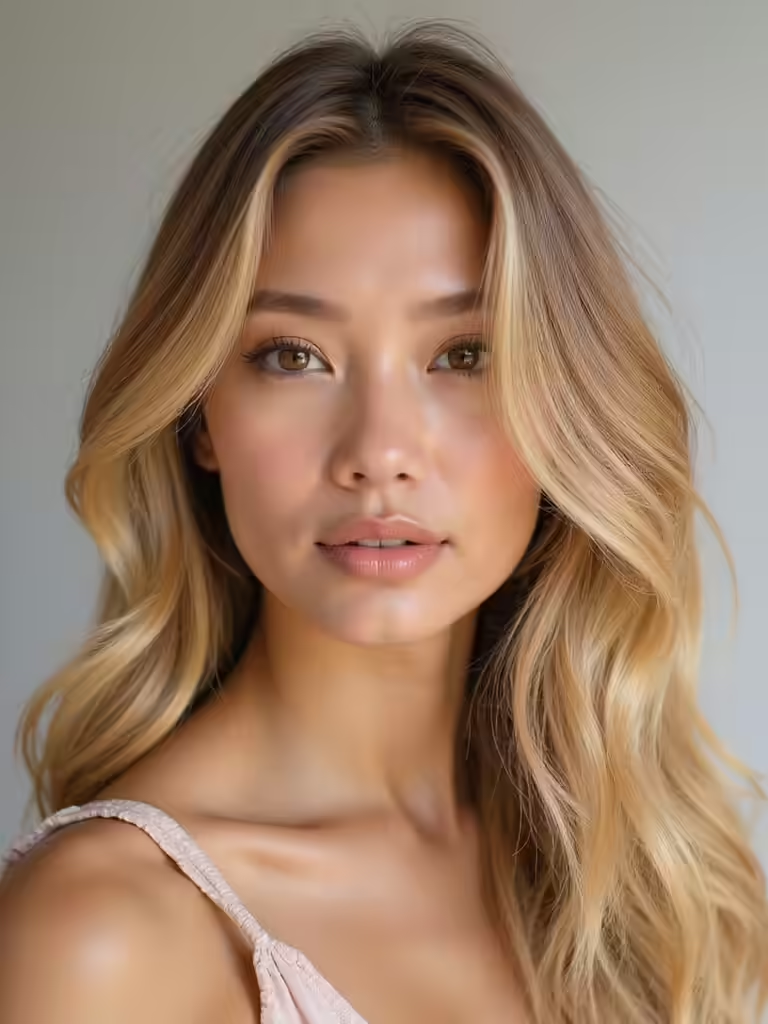
Honey blonde shifts nicely with the seasons without a full recolor each time.
- Summer: brighten with a few lighter, sun-kissed face-framing pieces
- Fall and winter: deepen the roots for a richer, warmer caramel-honey
- Spring: a fresh gloss revives the tone after winter dullness
Protect the Color
Lightened honey hair is more fragile and fades faster under heat and sun. Always use a heat protectant, keep your iron under 350 degrees, and reach for a hat or a UV spray on long, bright days.
Transitioning to Honey Blonde From Darker Shades
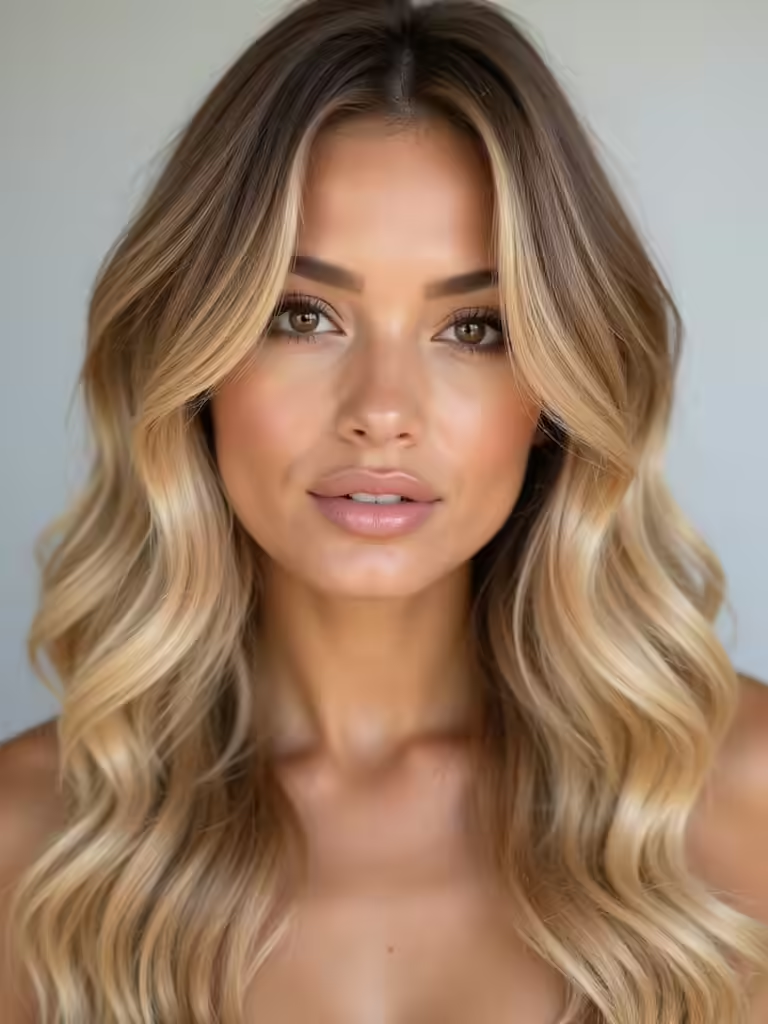
Going honey blonde from dark brown or black is a gradual process. Lightening dark hair safely usually takes two or more sessions spaced weeks apart, so the hair can recover between rounds. A softer in-between like light chocolate blonde is a smart first step.
Trust a colorist to manage this. Rushing dark-to-blonde in one day is the fastest route to breakage and an uneven, brassy result. Patience protects your hair and the color. Slow wins here.
Adding Highlights to Honey Blonde Hair
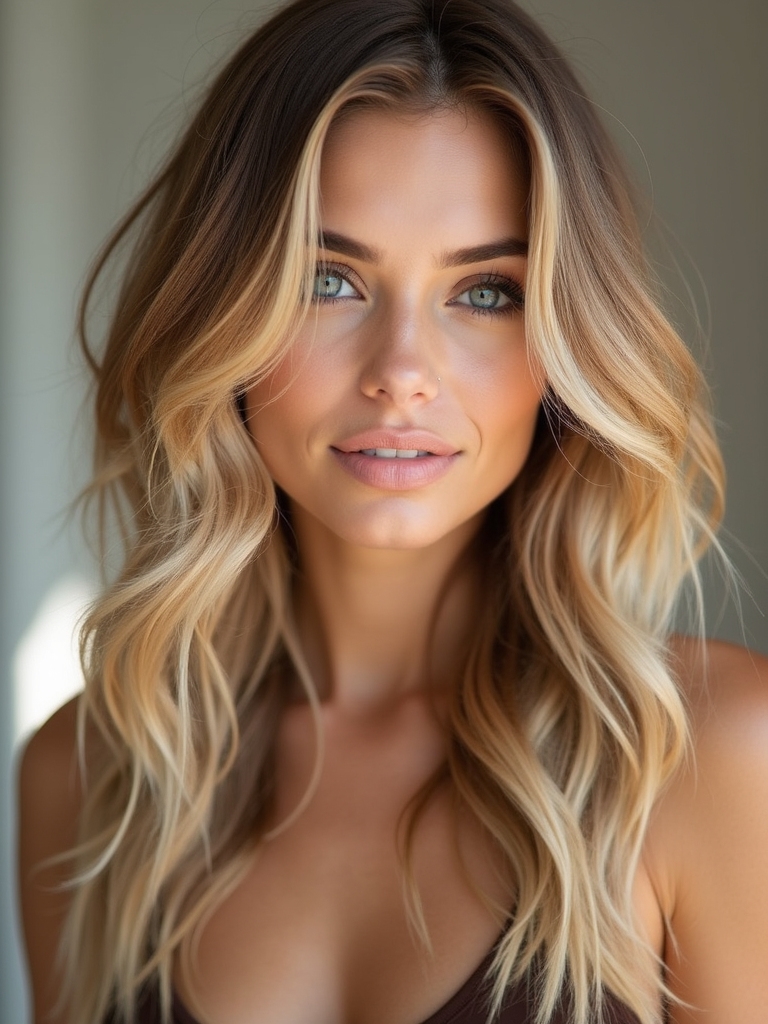
Highlights and lowlights are what give honey blonde its expensive, dimensional look, much like these caramel highlights on brown hair.
- Add brighter babylights around the face to lift and frame it
- Weave in a few caramel lowlights for depth and richness
- Keep the contrast soft so it grows out without a harsh line
Common Mistakes With Honey Blonde Hair Dye
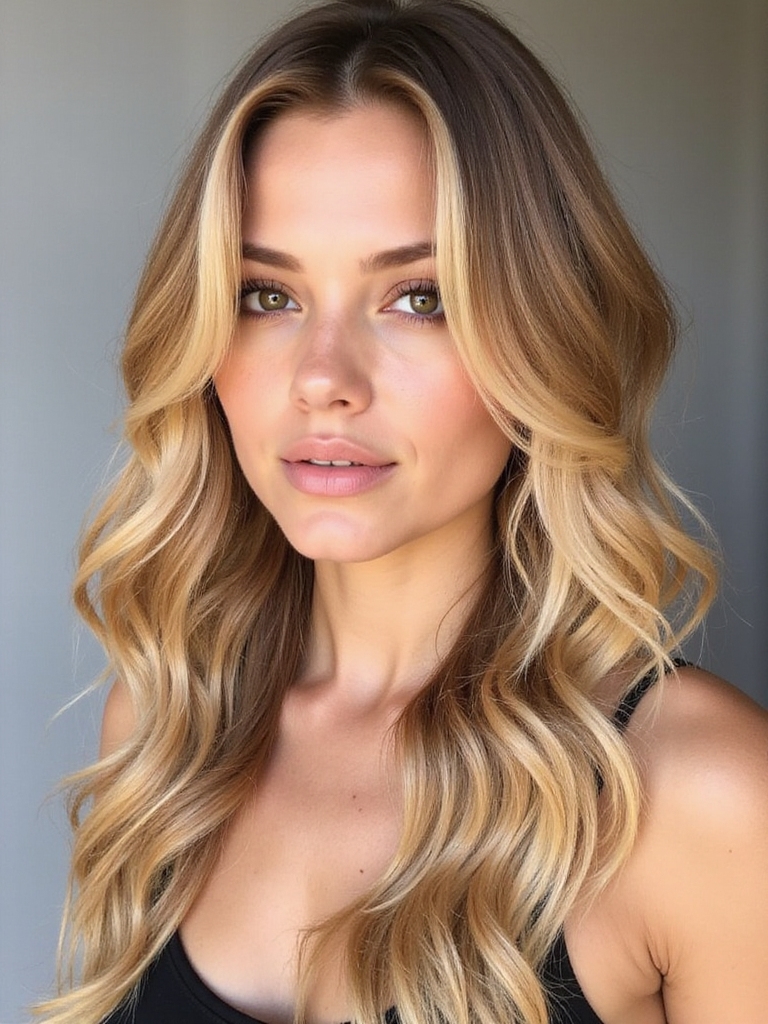
Most honey blonde regrets trace back to a few common missteps. The most damaging is going too light too fast at home, which fries the hair and turns it brassy.
Using cool, ashy products on a warm shade is another, since it fights the very tone you wanted.
- Trying to lighten dark hair to blonde in one box-dye session
- Using purple shampoo meant for cool blondes on warm honey
- Skipping toner, then wondering why the color turned orange
- Neglecting deep conditioning on newly lightened hair
Repairing Damage in Color-Treated Hair
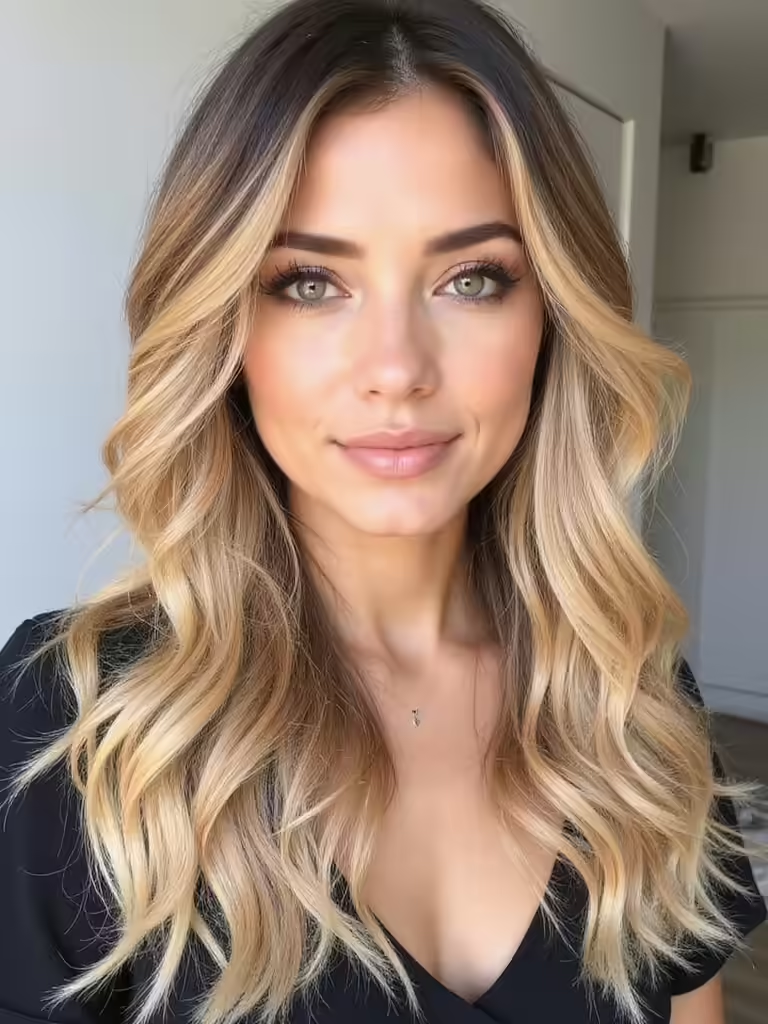
Any lightening stresses the hair, so color-treated honey blonde needs a little repair built into the routine. Bond-building treatments help restructure hair weakened by lightener, and a weekly protein-and-moisture mask keeps it from getting brittle.
When to Pause the Color
Trim regularly to stop ends from splitting further up the strand, and ease off the heat while hair recovers.
If hair feels gummy or breaks easily, pause any further lightening and focus on repair before more color.
Understanding Undertones for Honey Blonde
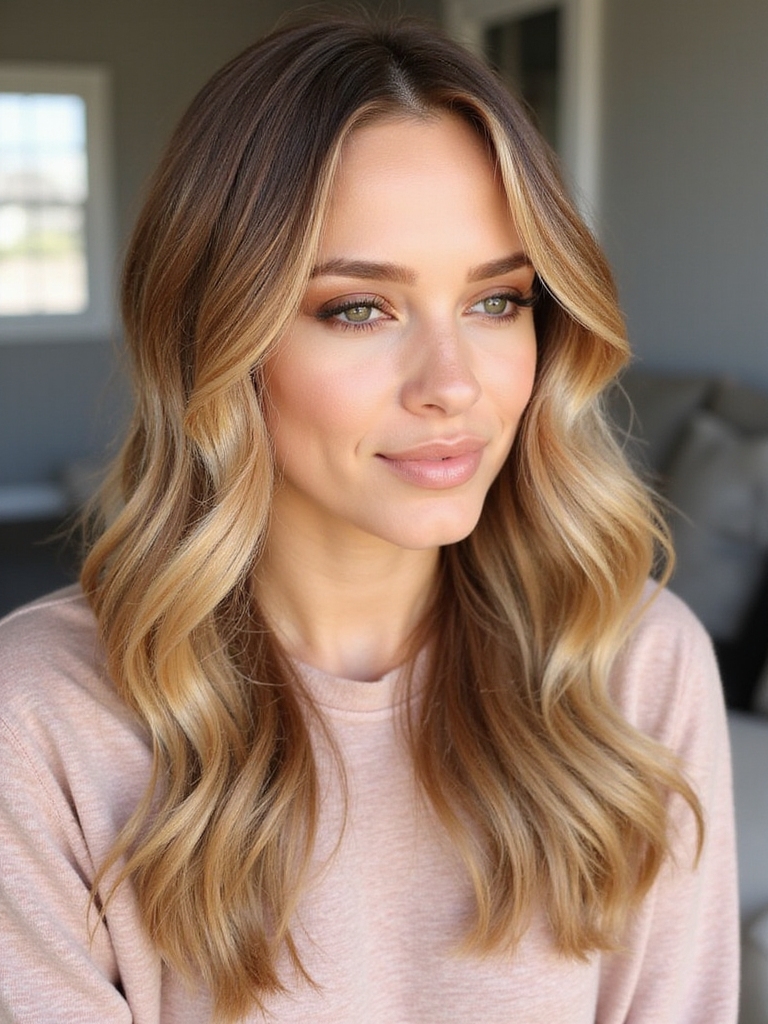
Undertone is the make-or-break detail with any blonde. Warm undertones in your skin, golden or peachy, pair naturally with honey’s gold, while cool undertones, pink or blue-based, need a softer, sandier honey so the warmth does not clash.
A Quick Undertone Check
A quick check: look at the veins on your wrist. Greenish veins usually mean warm undertones that can go rich honey, and bluish veins lean cool and suit a muted version.
Your colorist can fine-tune the exact warmth once they see your skin in natural light.
Honey Blonde Balayage as a Trendy Option
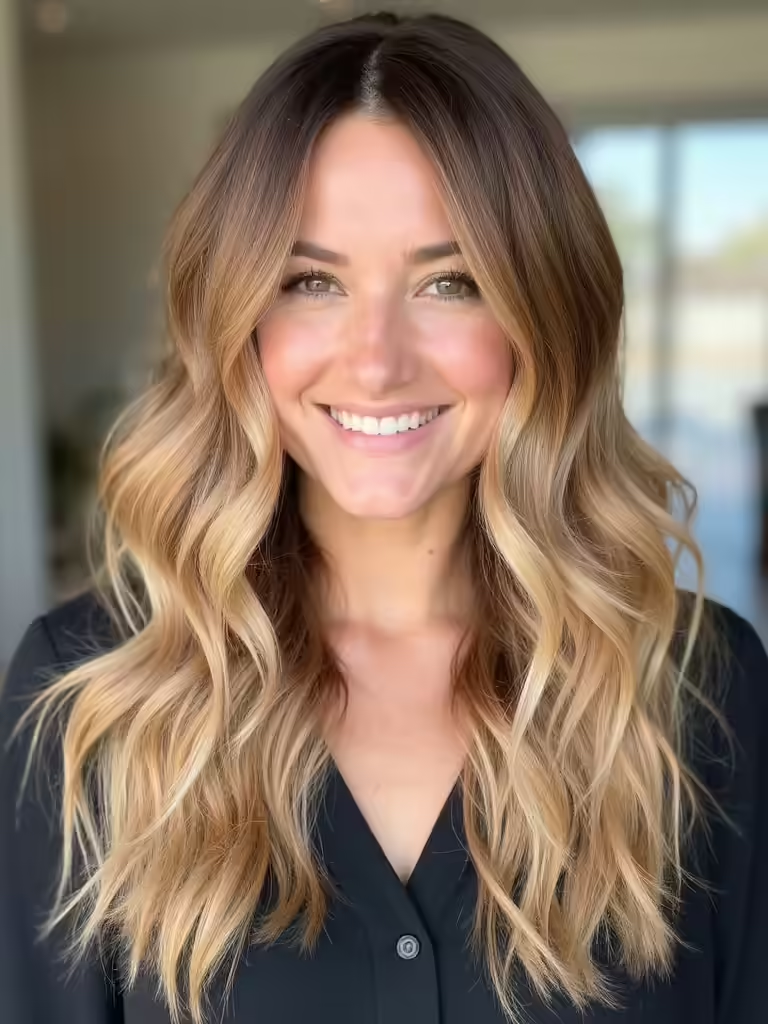
Balayage is my most-requested way to wear honey blonde, and for good reason. The freehand painting places lightness where the sun would naturally hit, so it grows out softly with no obvious regrowth line, and these balayage looks show the range.
Why It Grows Out So Well
It is lower maintenance than foils, needing a refresh only every three to four months, which makes it the budget-friendly choice over time.
It also suits every texture: on curly and coily hair, the painted pieces follow the curl so the dimension looks organic.
Honey Blonde Ombre as a Stylish Choice
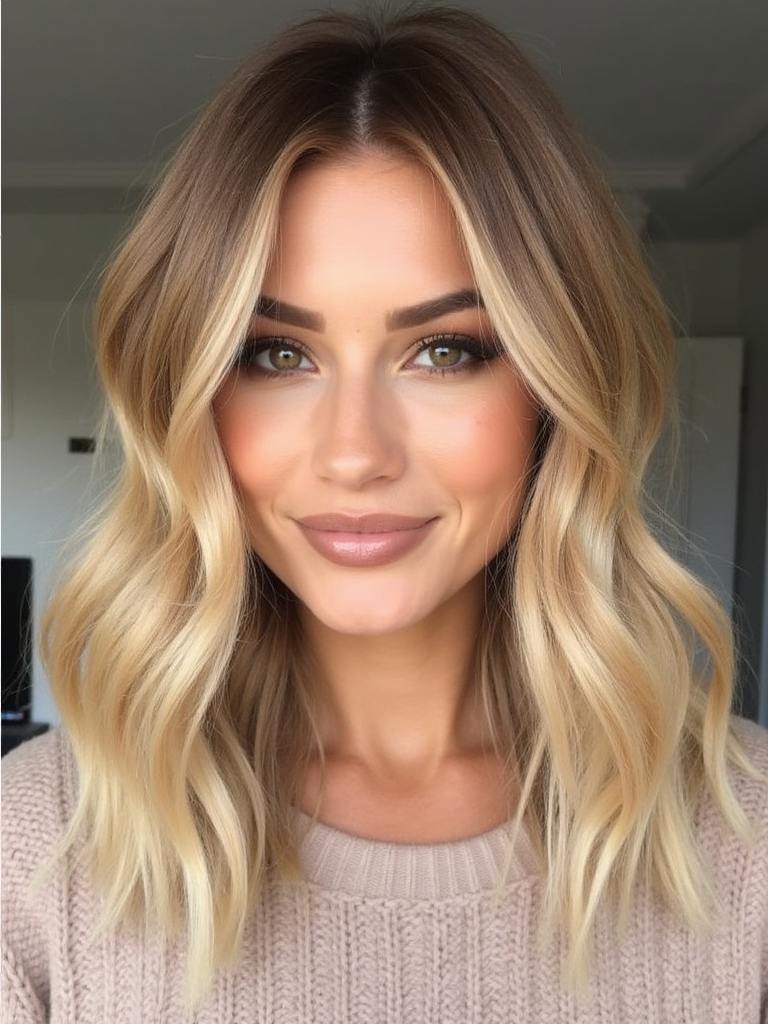
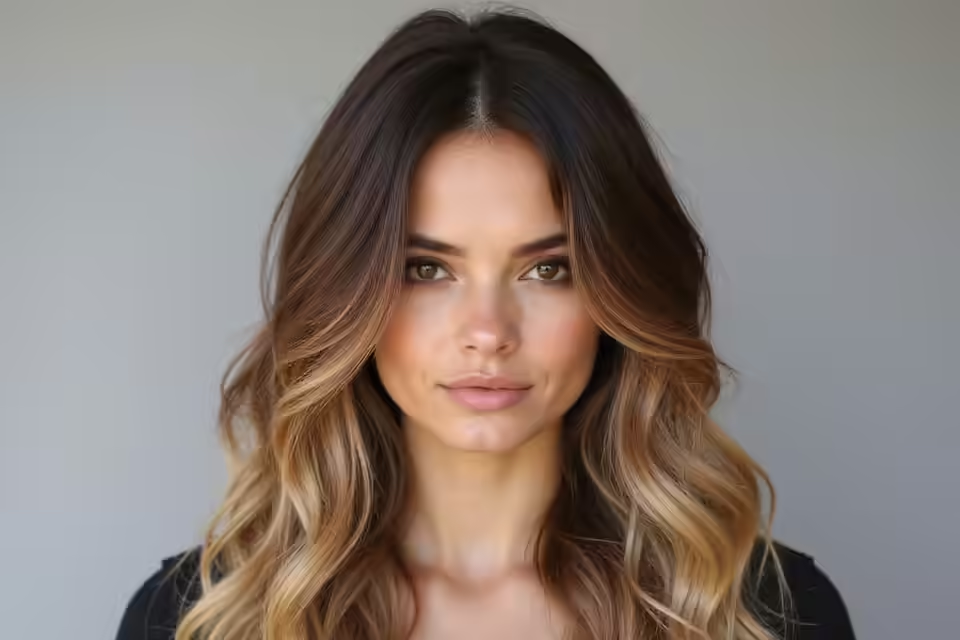
Ombre takes honey blonde from darker roots to lighter, golden ends in a more noticeable gradient than balayage. It is bolder and great if you want to keep your natural root color and just brighten the lengths.
Because the lightness lives in the mid-lengths and ends, it is gentle on your scalp and roots and easy to maintain.
- Keeps your natural root, so regrowth is a non-issue
- Concentrates brightness in the ends for a bold gradient
- Low upkeep, since the root is meant to stay dark
Eco-Friendly Hair Dyes for Honey Blonde
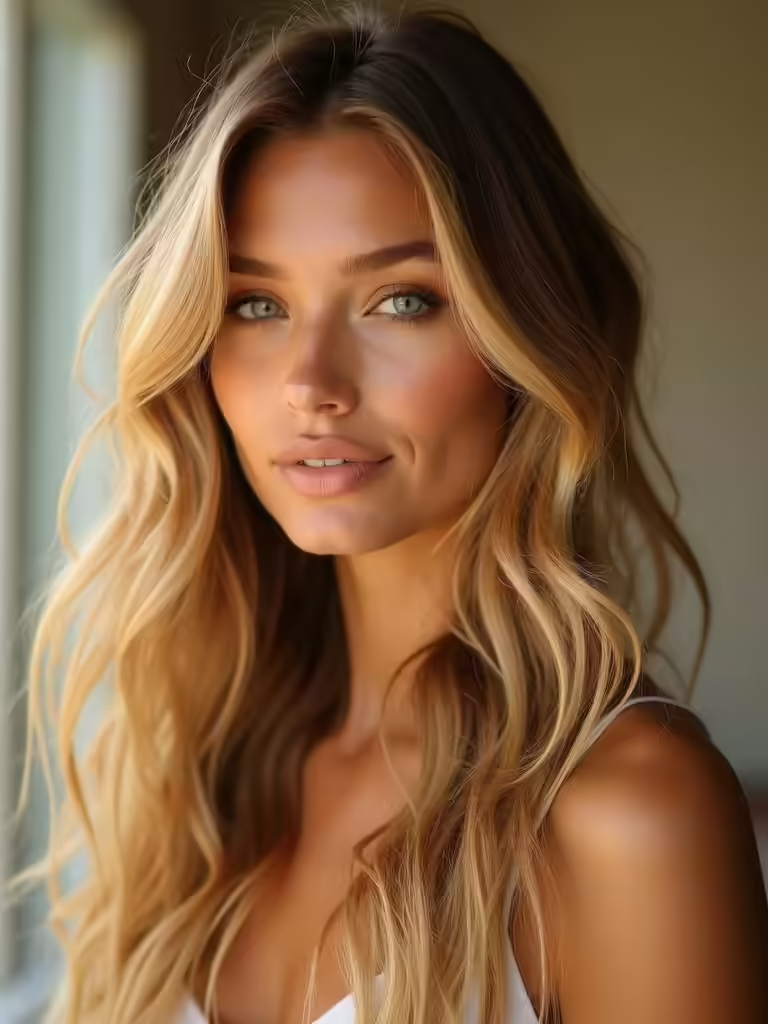
If you want a gentler, lower-impact color, a few choices make honey blonde kinder to your hair and the planet. Ammonia-free lighteners and demi-permanent glosses process more gently than harsh permanent formulas.
Small Swaps That Add Up
Many salons now use cruelty-free, low-waste color lines, so it is worth asking what your colorist stocks.
Stretching your appointments with glosses instead of full color also cuts down on how often your hair is processed at all.
Creating a Honey Blonde Hair Color Chart
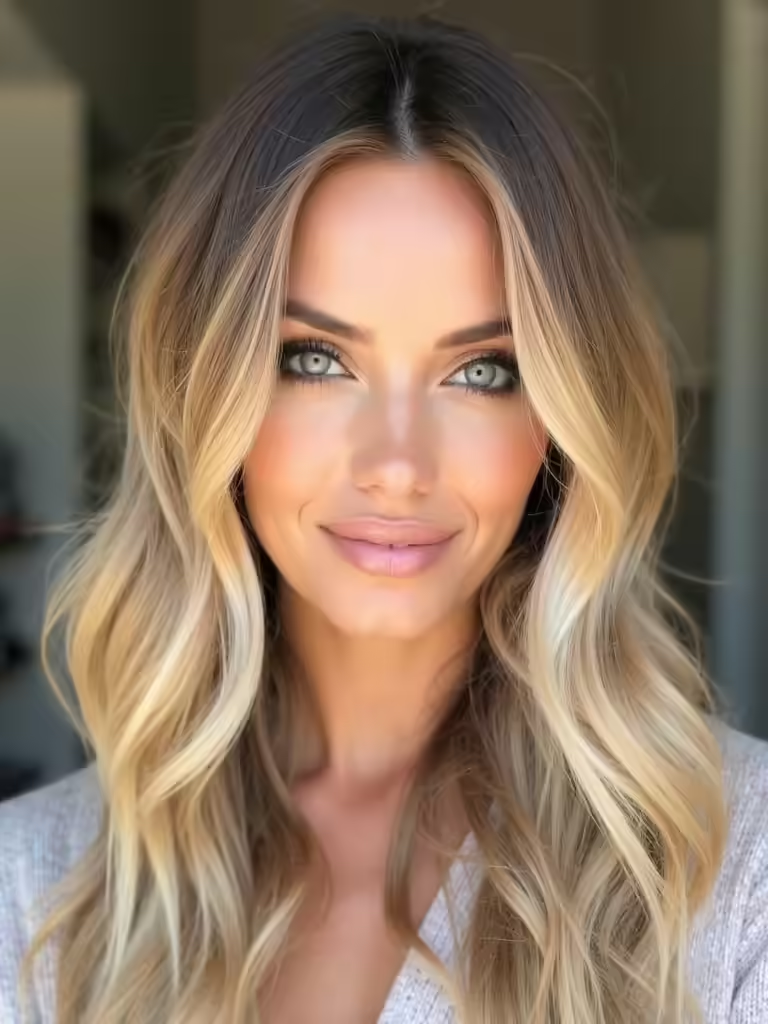
It helps to think of honey blonde as a small spectrum rather than one shade. At the light end sits a bright, buttery golden honey; in the middle, a classic warm honey; at the deep end, a rich caramel-honey that borders on bronde.
Mapping where you want to land on that scale, and matching it to your undertone, is the clearest way to communicate with your colorist.
Bring reference photos for each end of the range so you can point to the exact warmth and depth you have in mind.
When to Refresh Your Honey Blonde Shade
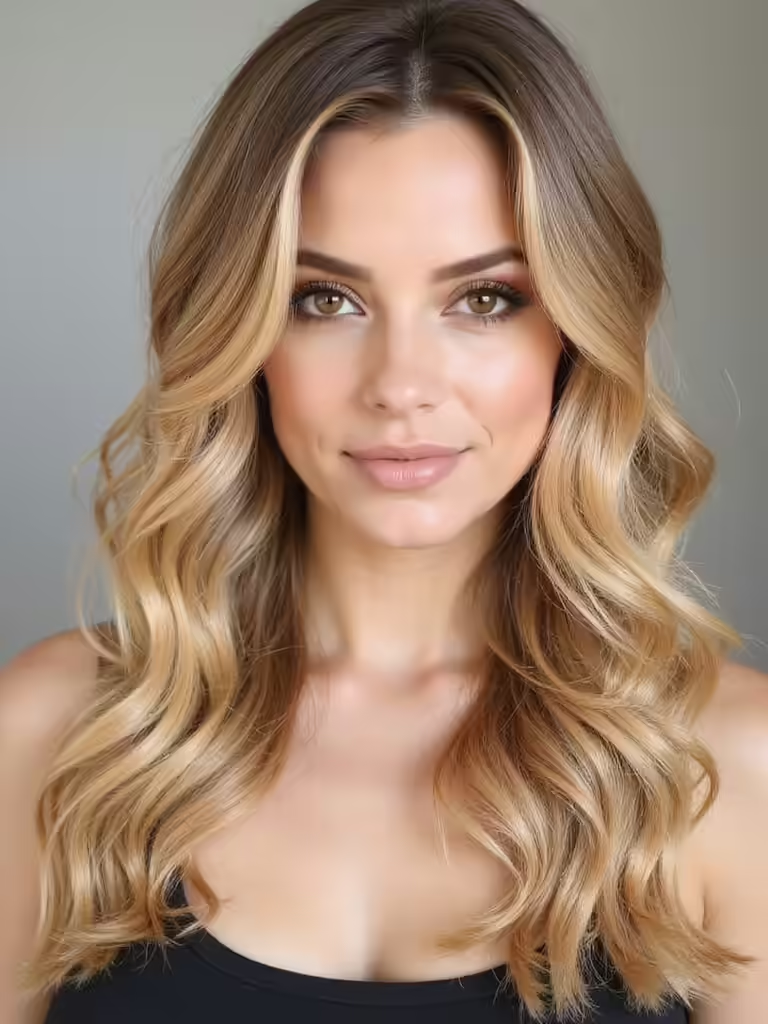
Honey blonde usually needs a gloss or toner refresh every four to six weeks, and a full color or balayage touch-up every eight to twelve weeks. The exact timing comes down to your growth rate and how quickly brass returns.
The tells are easy to spot: the tone looks orange or dull, the ends feel dry, or a visible line has formed at the roots. A gloss alone often revives it between bigger appointments.
Stretching that timeline with good at-home care is the single best way to keep the cost down.
What Honey Blonde Really Costs You
Before you commit, it helps to see the real math. A first-time transformation from dark hair can run $200 to $400 and take more than one session; maintenance glosses are $40 to $80 every month or so, and a balayage refresh lands around $150 to $250 a few times a year. Budget for the upkeep, not just the first appointment.
The time cost is real too. Color-safe washing, weekly masks, and toning glosses are the price of keeping honey bright. If that sounds like too much, a lower-maintenance balayage or ombre cuts the frequency roughly in half. Go in with clear expectations, and honey blonde stays a joy. Know the commitment first.
Honey Blonde Questions, Answered
?Does honey blonde suit deep skin tones?
Yes, beautifully. On deep and warm skin, a rich caramel-honey with a bit more depth looks striking and natural, since the warmth echoes the skin’s own undertone. The key is keeping the shade warm and dimensional rather than pale and ashy, which can look flat against deeper complexions.
?How do I stop honey blonde from turning brassy?
Brass comes from lightened hair oxidizing and from mineral buildup. Wash with a gentle, sulfate-free formula, apply a gold-toning gloss every few weeks as needed, and rinse with filtered water if yours is hard. Skip purple shampoo, which is made for cool blondes and can dull honey’s warmth.
?Is honey blonde high-maintenance?
Less than platinum, more than your natural color. Because it is warm and close to many naturals, regrowth is soft, so you can stretch color appointments to every eight to twelve weeks. You will still want glosses, color-safe products, and weekly conditioning to keep it bright and healthy.
Is Honey Blonde Right for You?
Honey blonde earns its popularity honestly: it is warm enough to flatter most skin tones, forgiving enough to grow out gracefully, and lower-maintenance than the platinum it is so often confused with. Match the shade to your undertone, commit to a little toning and conditioning, and it rewards you with a glow that looks expensive year-round.
If going lighter has felt like a leap, honey is the gentlest, most wearable place to start. Take this guide to your colorist, be honest about your upkeep, and you will settle on a shade that suits your hair and your routine.