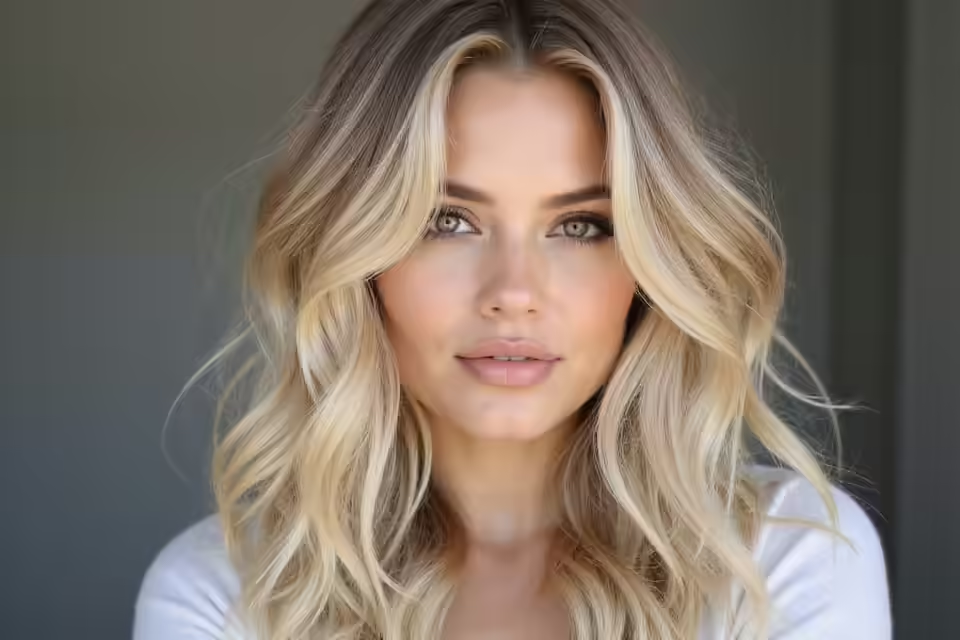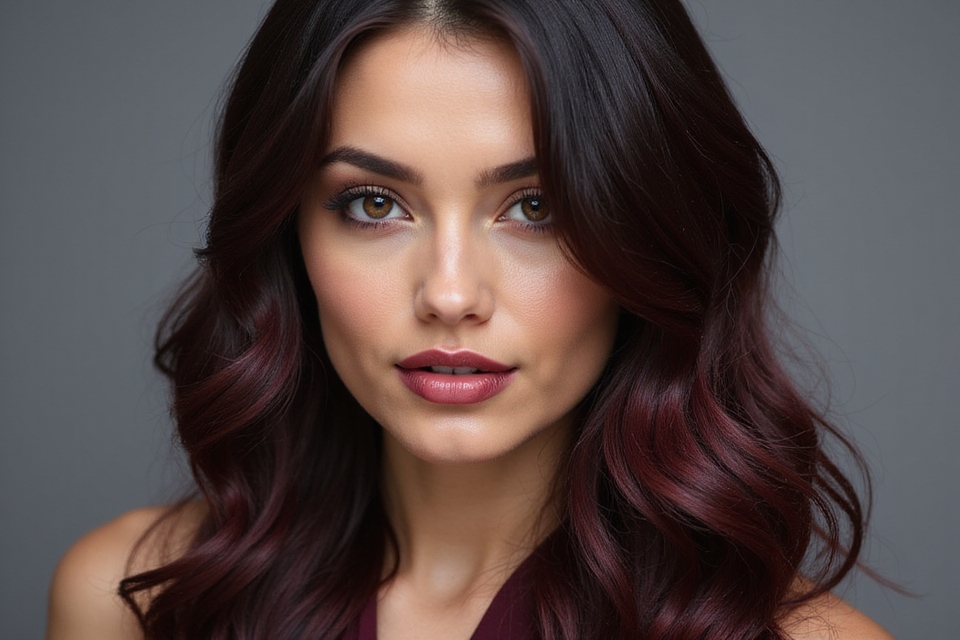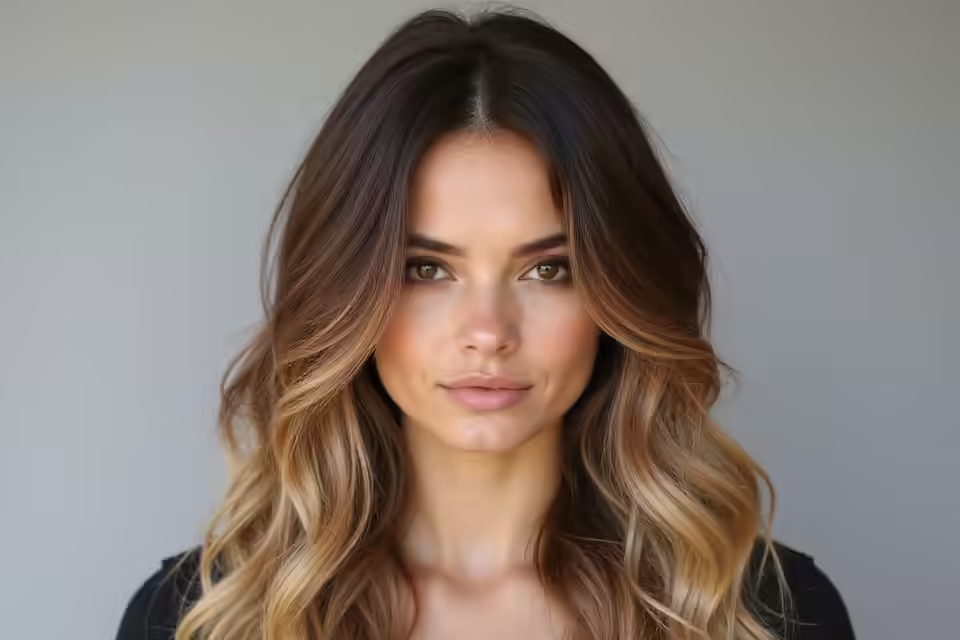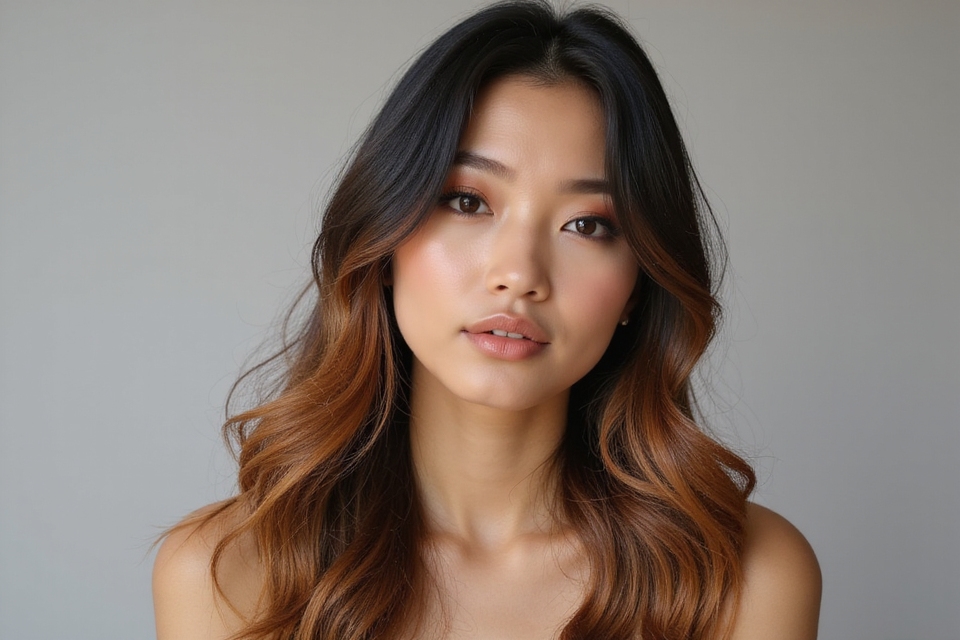
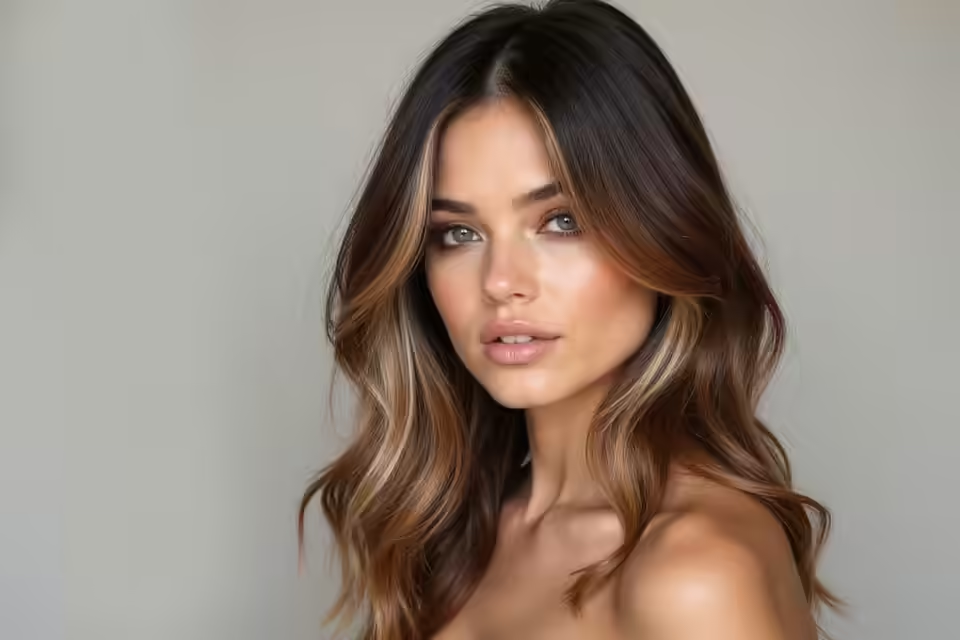
Picture a calico cat curled in a windowsill: patches of ginger, cream, chocolate, and near-black flowing into each other with no straight lines, just soft, sun-warmed color landing wherever it pleases. That exact effect is what calico hair color borrows, a patchwork of warm tones placed so they look painted on by nature rather than sectioned off with a ruler.
It’s among the most artistic color trends around, and it lives on a spectrum from a bold split down the middle to a soft, blended patchwork you only catch in certain light. Below is what calico color actually involves, the warm palette it draws from, how it’s done and maintained, and the honest commitment it asks for, so you can decide if this playful, painterly look is yours.
Calico Color in Short
Calico color blends warm patches, usually ginger or copper, blonde, brown, and sometimes black, in an organic, cat-inspired pattern. It runs from a graphic split (clear blocks of color) to a soft patchwork where the tones melt together, so you can take it as bold or as subtle as you like.
It’s a real commitment of time and money, often a multi-hour, $200 to $400+ session, and most versions need lightening first. Upkeep means color-safe products and a gloss every few weeks, since the warm tones fade at different rates and need refreshing to stay balanced.
Calico Hair Color, a Technicolor Take
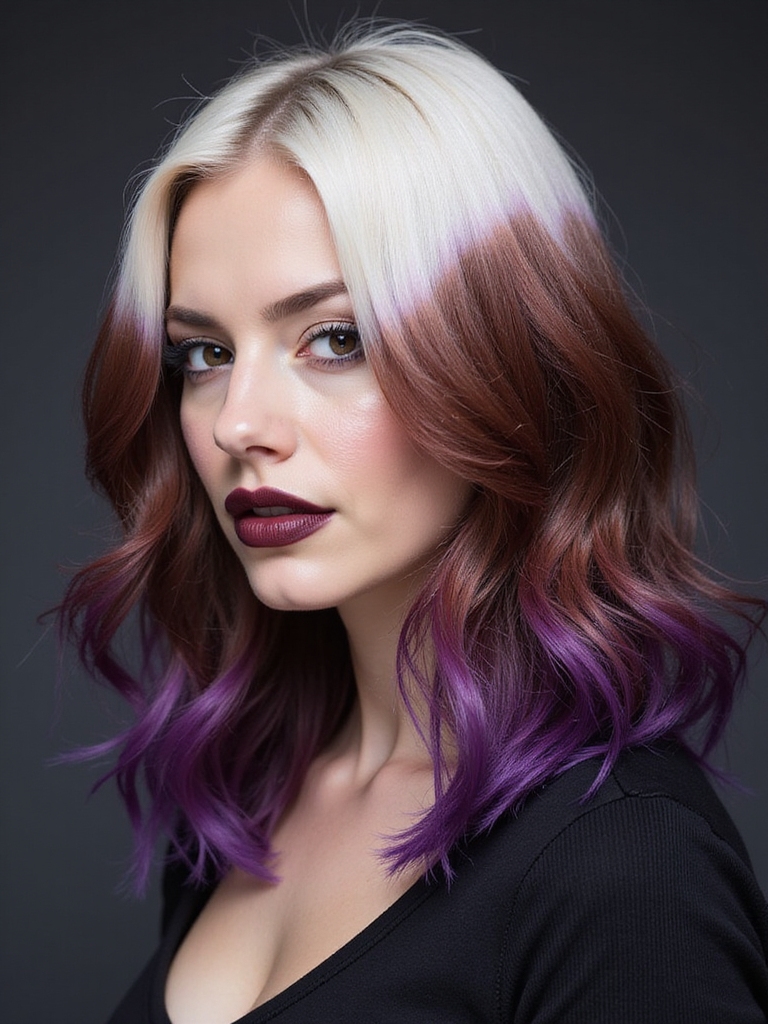
Calico hair color takes its name and its whole logic from the calico cat, whose coat mixes patches of orange, black, and white in an unplanned, organic pattern. On hair, that translates to warm tones like ginger, copper, honey blonde, brown, and sometimes black, placed in distinct patches across the head.
Inspired by the calico cat
What sets it apart from highlights or balayage is the patchwork placement. Where highlights use fine, blended streaks, calico color works in larger, more deliberate blocks, so each tone reads as its own moment while still belonging to the whole. The patches are deliberately large.
The look ranges widely in boldness. A dramatic version might split the head into clear sections of color, while a soft one melts the patches together so subtly that they look almost natural, like sun and time landed them there.
How This Transformative Color Came to Be
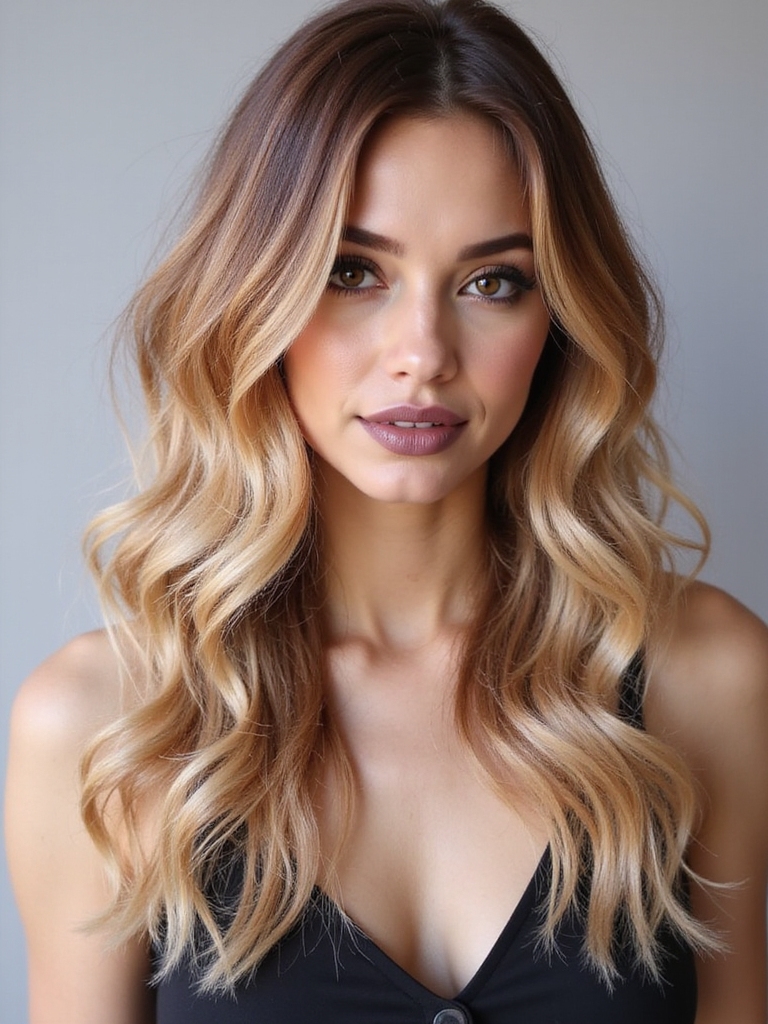
Multi-tonal hair color isn’t brand new, but the specific calico idea grew out of a wave of creative, expressive coloring that took over social media. People wanted color that felt personal and painterly, and naming a warm patchwork after the beloved calico cat gave the look an instant, charming identity.
It sits in a lineage of techniques that pushed past single-shade dyeing toward something more artistic.
- Roots in creative color movements that celebrate dimension over flat shades.
- A close cousin of split-dye and peekaboo color, which it blends and softens.
- Popularized by colorists sharing painterly, multi-tone work online.
ℹ️Good to Know
Calico gets its name from the calico cat, whose patchy orange, black, and white coat is the direct inspiration for the warm, mixed-tone, organically placed color.
A Creative Form of Hair Expression
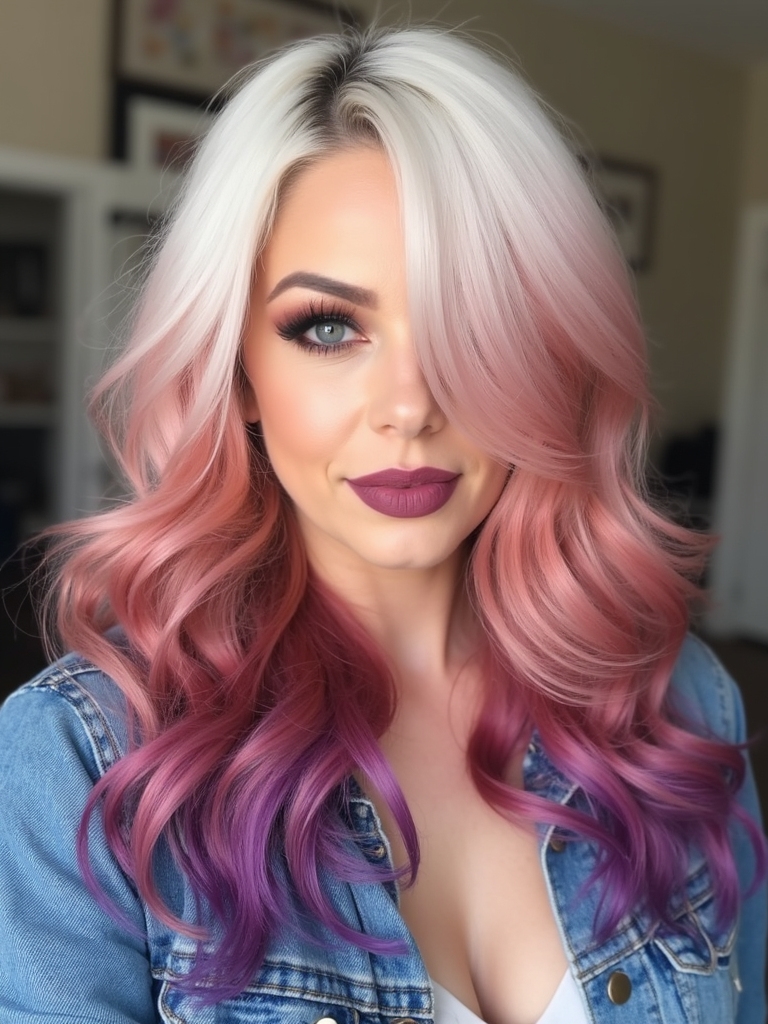
More than most color trends, calico is a form of self-expression, since no two heads of it look the same. The exact tones, where they fall, and how hard or soft the blends are all become choices you make with your colorist, so the result is truly yours.
That personal quality is a big part of the appeal. You’re not picking a shade off a chart; you’re designing a little wearable artwork in warm tones that suits your coloring and personality.
It also invites play. Some people place a bold patch right at the front for impact, others scatter the tones evenly for an all-over warmth, and the freedom to design it however you like is what draws creative types to the look.
Getting the Blend Right
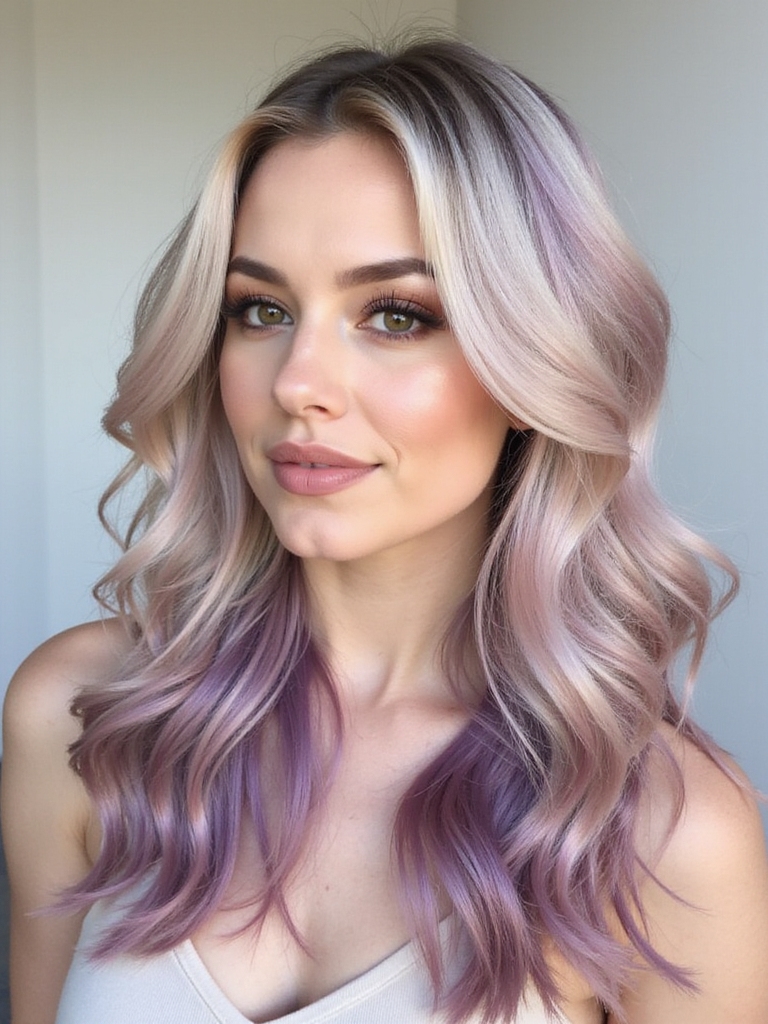
The difference between a calico color that looks intentional and one that looks like a mistake comes down to the blend. The warm tones have to be chosen so they harmonize, and placed so the eye flows smoothly across them with no jarring edges.
Good calico color usually keeps the tones within a single warm family, ginger into copper into honey into chocolate, so even the boldest patches feel related. Adding a cool tone into a warm calico is where it tends to go muddy.
Placement matters as much as shade. A skilled colorist varies the size and position of the patches so the result looks organic, the way real calico fur is always a little different, and that loose asymmetry is what saves the look from reading like a costume wig. I plan that randomness on purpose for every client.
Heads-Up
Most calico looks need lightening first, which stresses the hair. If your hair is already fragile or heavily processed, talk to your colorist about a gentler, semi-permanent version before committing to bleach.
Artistic Color Techniques
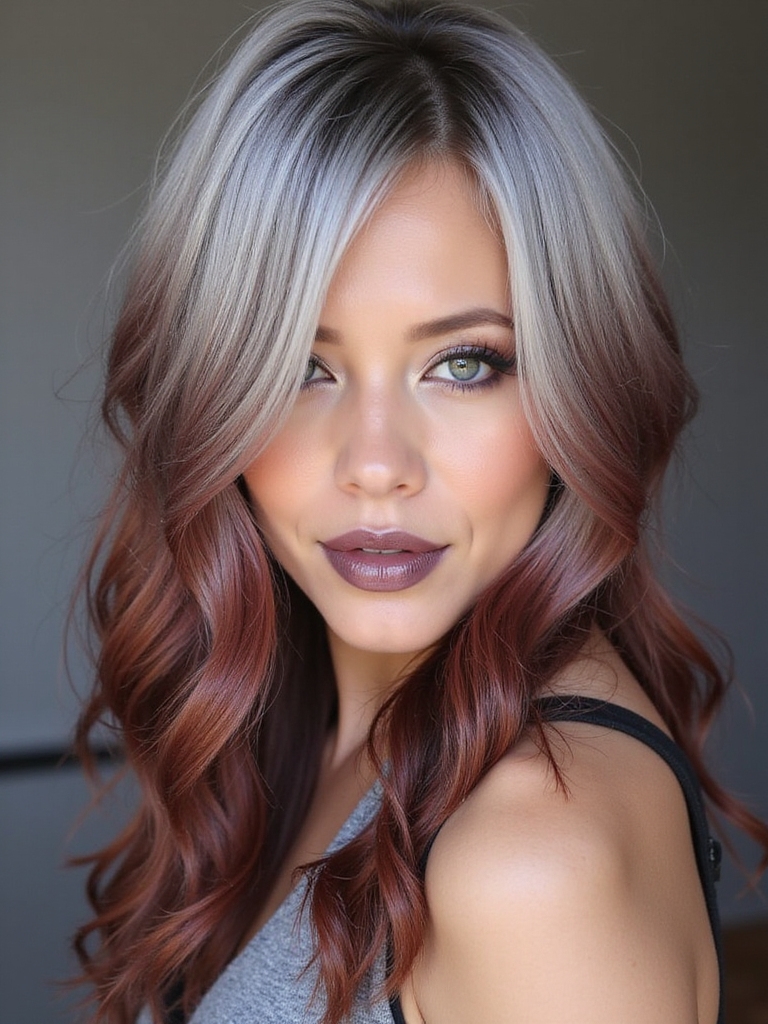
Colorists use a few different techniques to build a calico effect, often combining them on one head. Knowing the names helps you talk through what you want.
- Color blocking: clear, defined patches of each tone for a bold, graphic look.
- Freehand painting: balayage-style hand-painting for softer, blended patches.
- Foiling and weaving: placing tones in foils for control over exactly where each lands. Explore related peekaboo color.
A Custom Calico Transformation
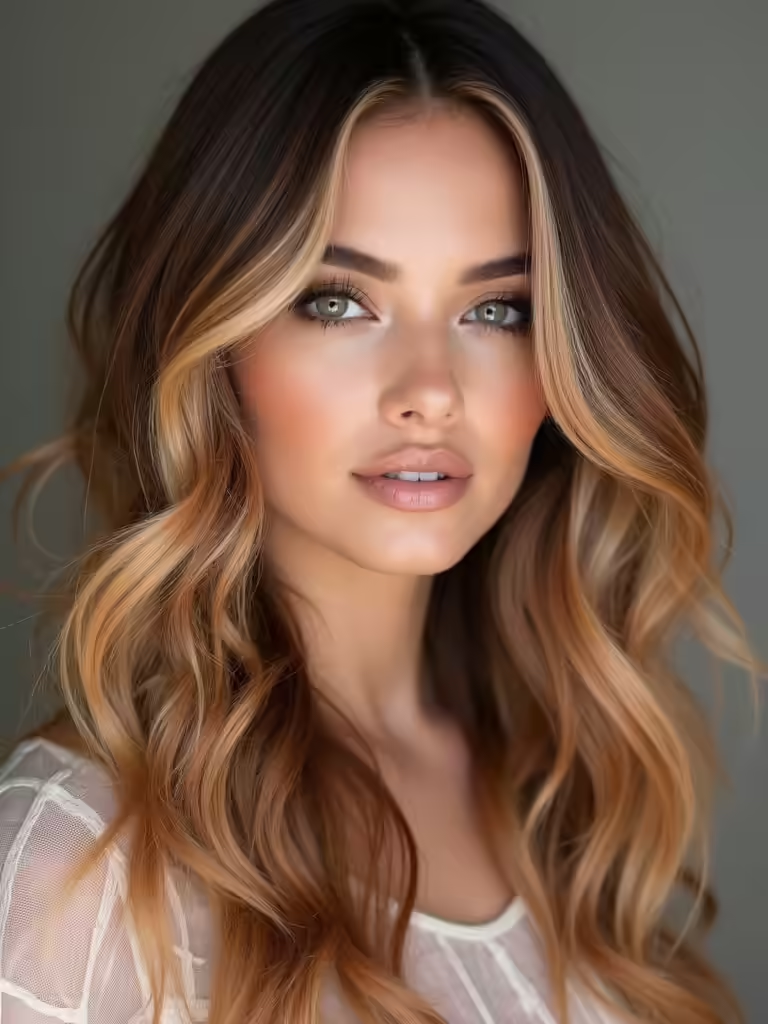
Because calico is so customizable, the consultation is where the real work happens, long before any color goes on. Your colorist looks at your base color, your skin tone, and your inspiration photos, then designs a palette and placement that suits you specifically. When a client brings me a calico photo, I map the whole pattern out before any color touches the hair.
This is not a walk-in, pick-a-box kind of color. The custom planning is exactly what makes a good calico look so special and personal, and it’s why finding the right colorist matters more here than for almost any other shade.
💡Colorist Tip
Keep your warm tones in the same family, ginger to copper to honey to chocolate. Adding a cool shade into a warm calico is the fastest way to turn the whole thing muddy.
Core Calico Coloring Techniques
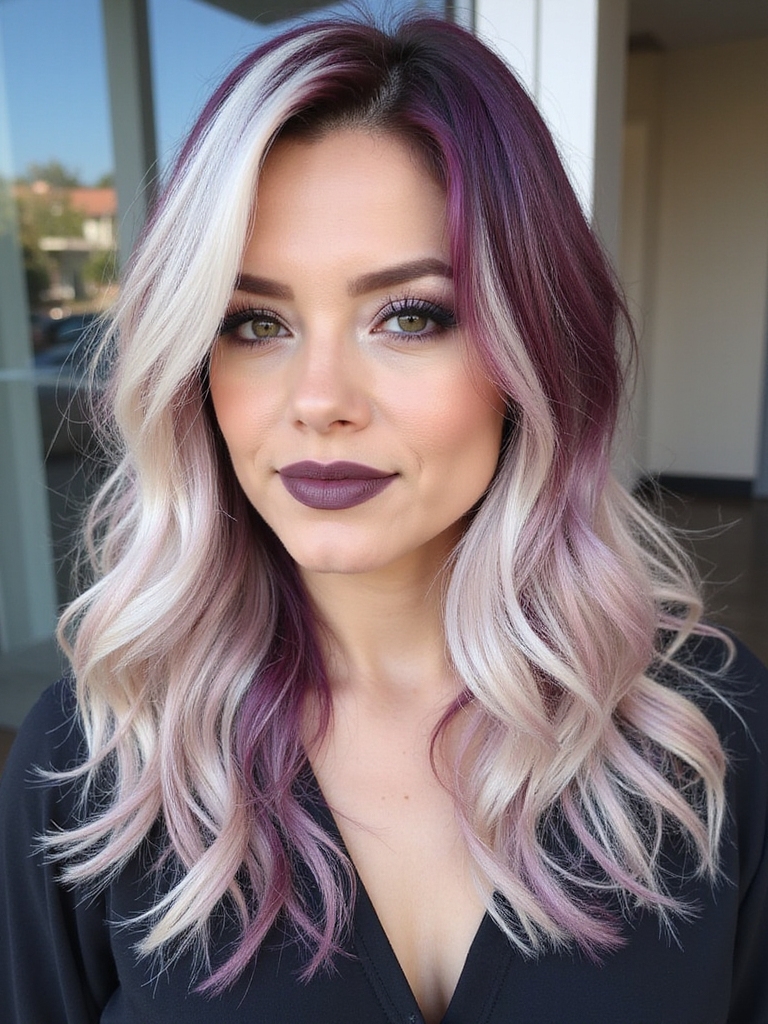
Most calico looks are built from a handful of core moves that your colorist mixes to taste. Understanding them helps you picture the process and the time it takes.
- Lightening first, since warm tones show truest on a pre-lifted base.
- Layering the warm shades from light to dark across the patches.
- Glossing at the end to blend the edges and add shine over the whole head.
Color Maintenance Tips
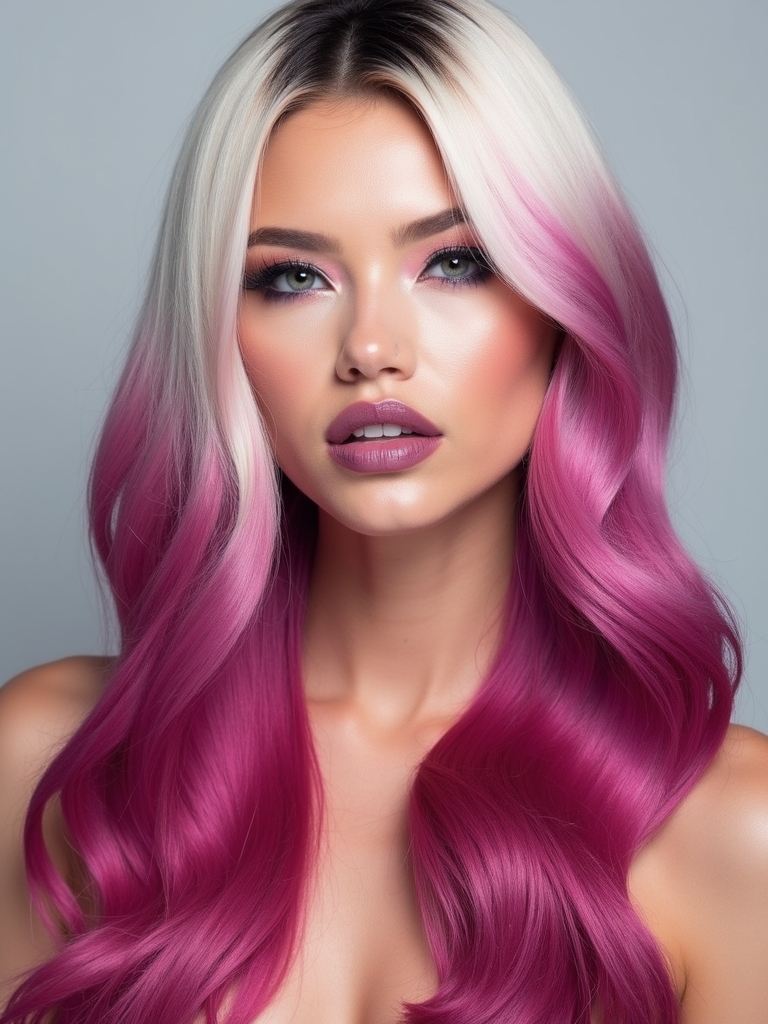
Calico color asks for real upkeep, because the different warm tones fade at different speeds and the whole effect depends on them staying balanced. Coppers and gingers fade fastest, so I tell clients to refresh those tones first.
Warm tones fade fast
The home routine is straightforward but non-negotiable. Keep washes infrequent and the water cool, lean on a sulfate-free color-safe shampoo, and add a color-depositing conditioner in your warmest tone to top up what rinses away between salon visits.
Plan on a salon gloss every few weeks to rebalance the tones and revive the shine. Skipping it lets the patches drift out of harmony, which is what turns a beautiful calico into a faded, brassy mess. Our hair color trends guide covers more upkeep basics.
Is calico color right for you?
1You love bold, artistic, one-of-a-kind color
Calico is made for you; lean into a graphic, high-contrast version.
2You want warmth without a big commitment
Start with a few soft peekaboo patches or a semi-permanent take to test it.
Finding a Skilled Colorist
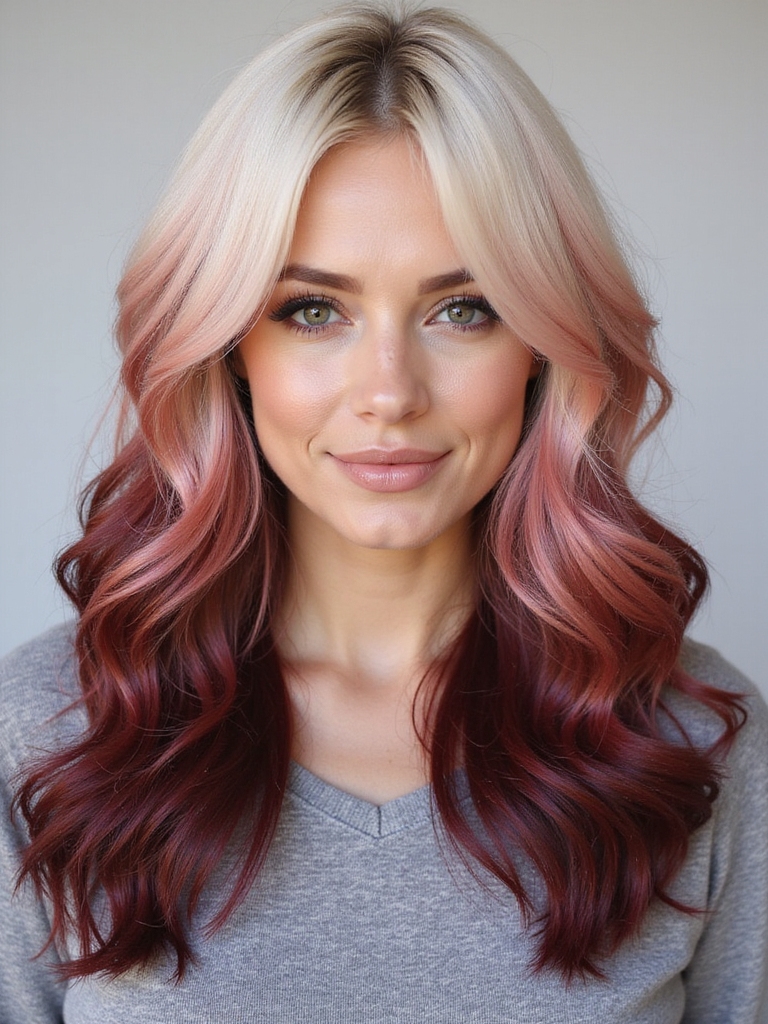
Calico is an advanced, artistic color, so the single most important decision you’ll make is who does it. I steer people away from a bargain chair or a stylist who mainly does single-shade color here, since the patchwork blend takes real skill and an artist’s eye.
Do your homework before you book, and you’ll save yourself a costly correction later.
- Look for a colorist whose portfolio shows creative, multi-tonal, painted work.
- Search their tagged photos for real calico or split-dye work specifically.
- Book a consultation first to talk through your palette and see if they get your vision.
DIY Calico Color
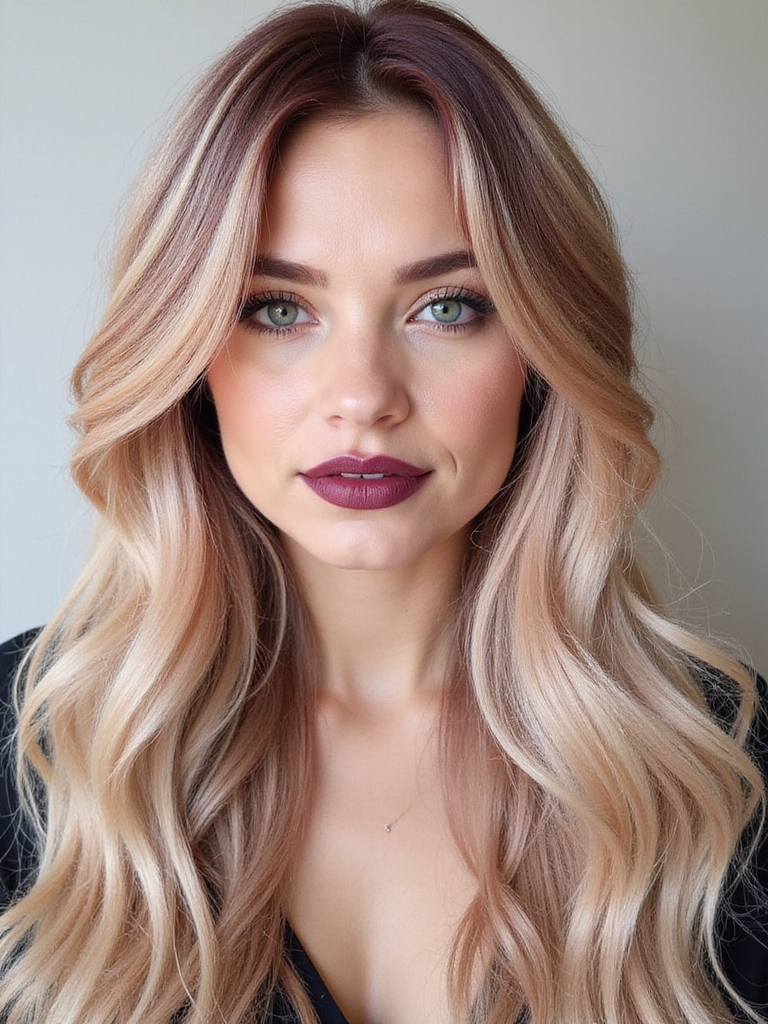
I’ll be straight with you: full calico color is one of the hardest looks to do well at home, because it involves lightening, multiple tones, and artistic placement all at once. A botched attempt is expensive and damaging to fix, so a salon is honestly the safer call for the full look.
- A low-risk way in is a single semi-permanent patch or peekaboo at home.
- Skip home-bleaching multiple sections, which is where the worst damage happens.
- If you must DIY, start small and temporary so a mistake washes out quickly.
Calico on the Red Carpet
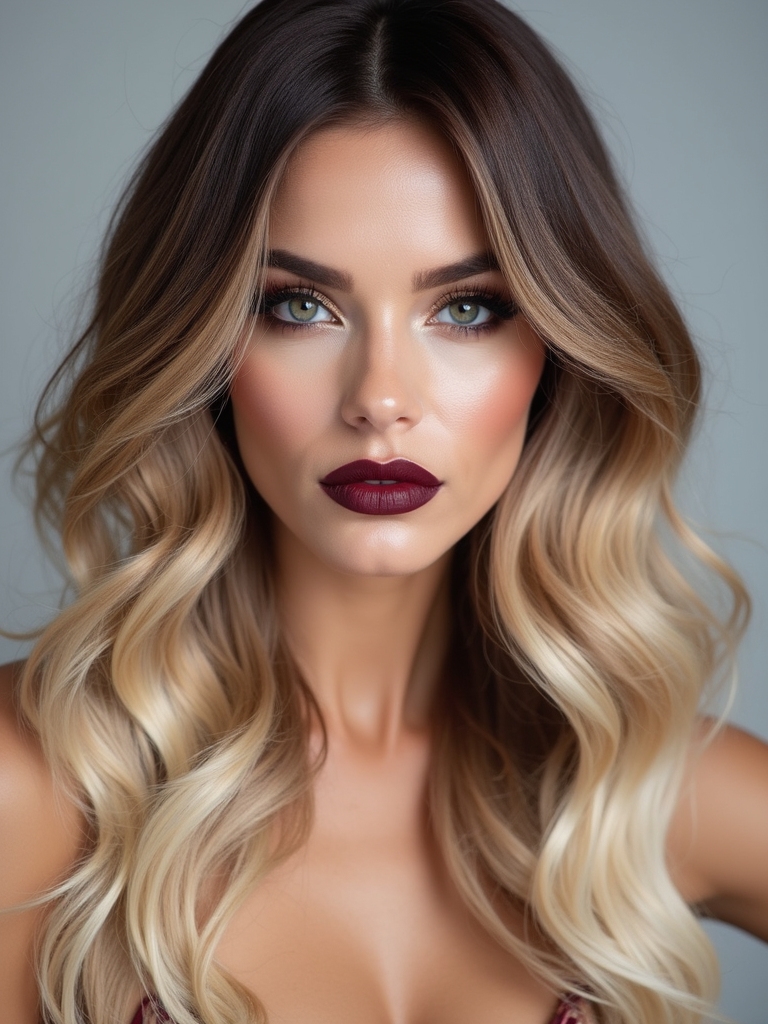
Multi-tonal, painterly color has turned up on plenty of red carpets and runways, which is part of why calico feels current and aspirational. The high-fashion versions tend to be bold and editorial, but the same idea scales down beautifully for real life.
- Editorial looks go graphic, with clear, dramatic blocks of warm color.
- Wearable versions soften the patches into a sun-kissed, dimensional warmth.
- The takeaway is the warm, mixed-tone palette, which you can dial up or down.
Avoiding Unbalanced Color
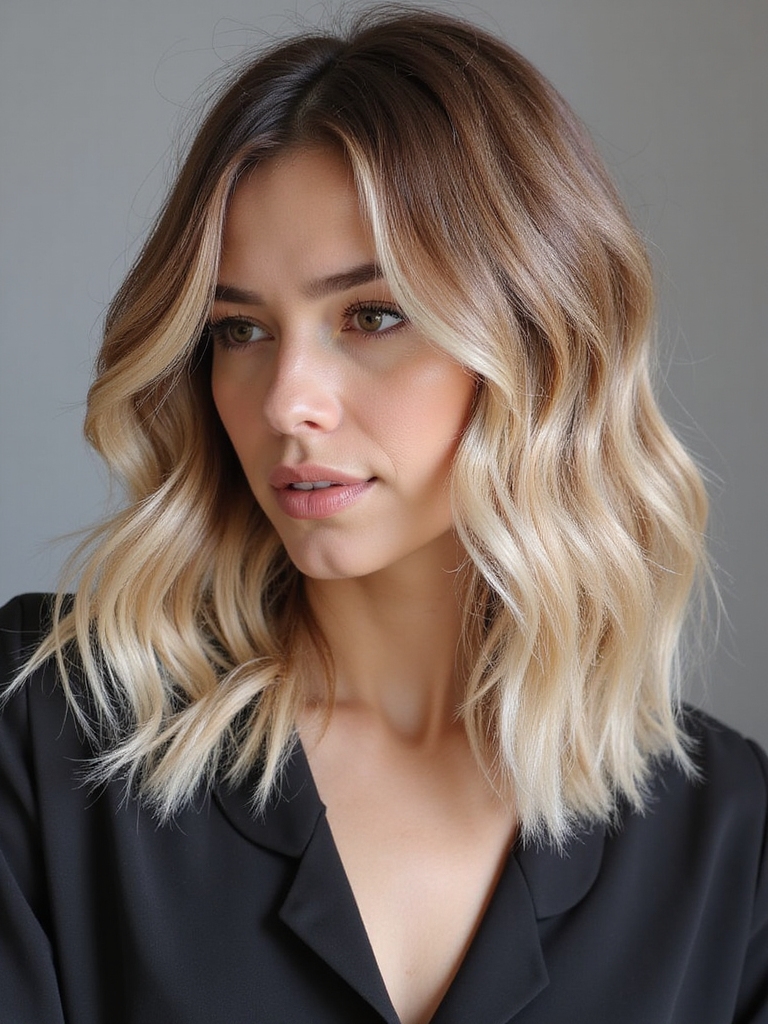
The most common way a calico color goes wrong is uneven distribution, where the patches clump on one side or one tone overwhelms the rest. Because the look depends on organic balance, a heavy hand in one spot throws off the whole head.
A good colorist plans the placement before touching the hair, mapping where each tone falls so the result reads balanced from every angle. This is another reason the planning stage matters so much with this particular color.
At home, you can keep the balance by refreshing the fastest-fading tones first, usually the coppers and gingers, so no single patch disappears and unbalances the design. A little attention keeps the patchwork looking deliberate for the life of the color.
Color-Protecting Products
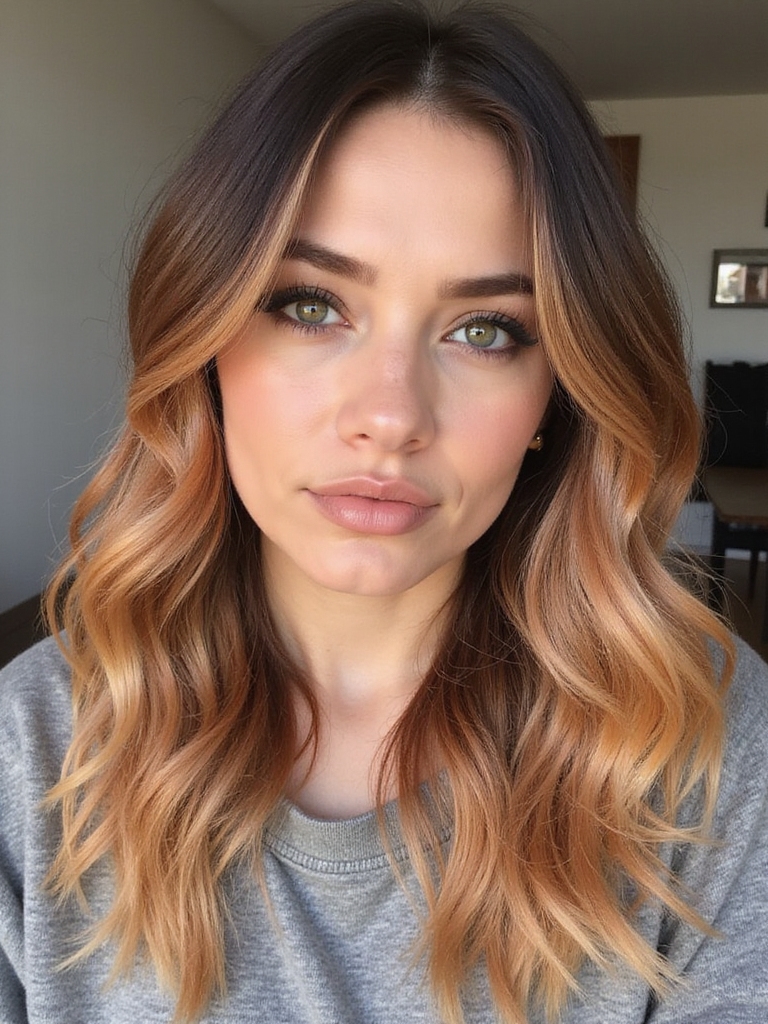
Since calico lives and dies by how well the tones hold, a small kit of color-protecting products is essential. The goal is to slow fading and keep the warm shades bright between salon visits.
A small, consistent kit beats a crowded shelf every time.
- A sulfate-free, color-safe shampoo and conditioner as your everyday base.
- A color-depositing conditioner or mask in your warmest tone to refresh it.
- A heat protectant and a weekly moisture mask, since lightened hair runs dry.
Transitioning Into Calico
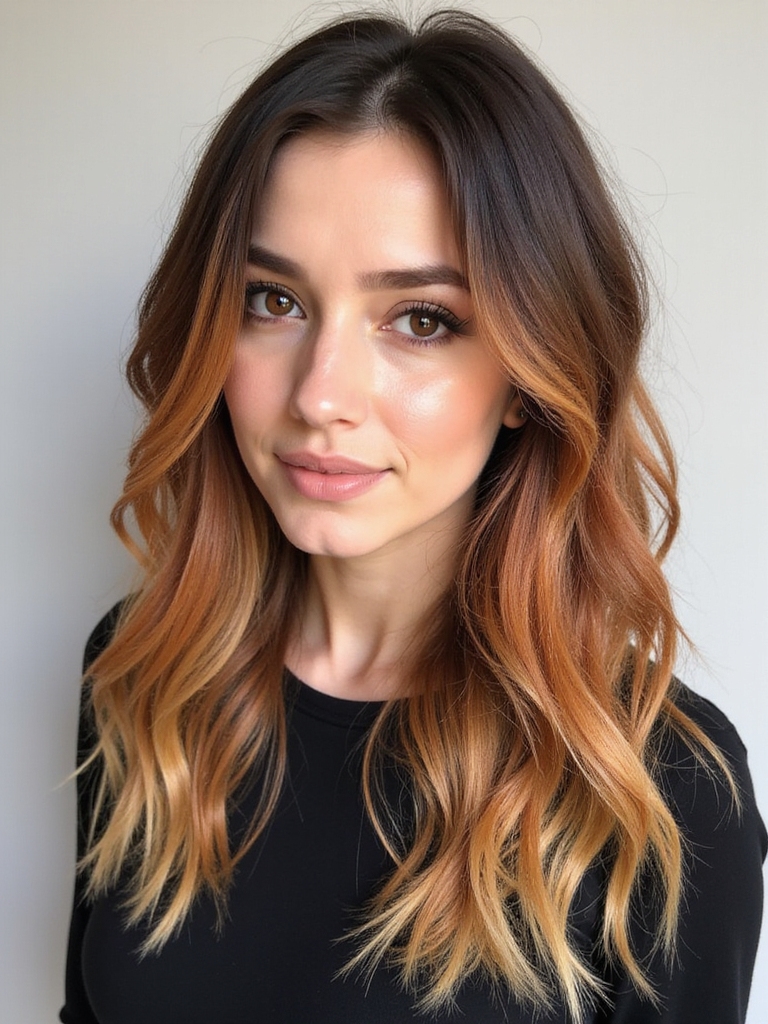
If full calico feels like a big leap, there are gentler ways to transition into it rather than going all in at once. Easing in lets you test the look and your commitment.
- Start with a few warm peekaboo patches hidden under the top layer.
- Add face-framing warm pieces for a soft hint of the multi-tonal effect.
- Build up to a fuller calico over a few appointments as you fall for it.
Styling Calico With Your Wardrobe
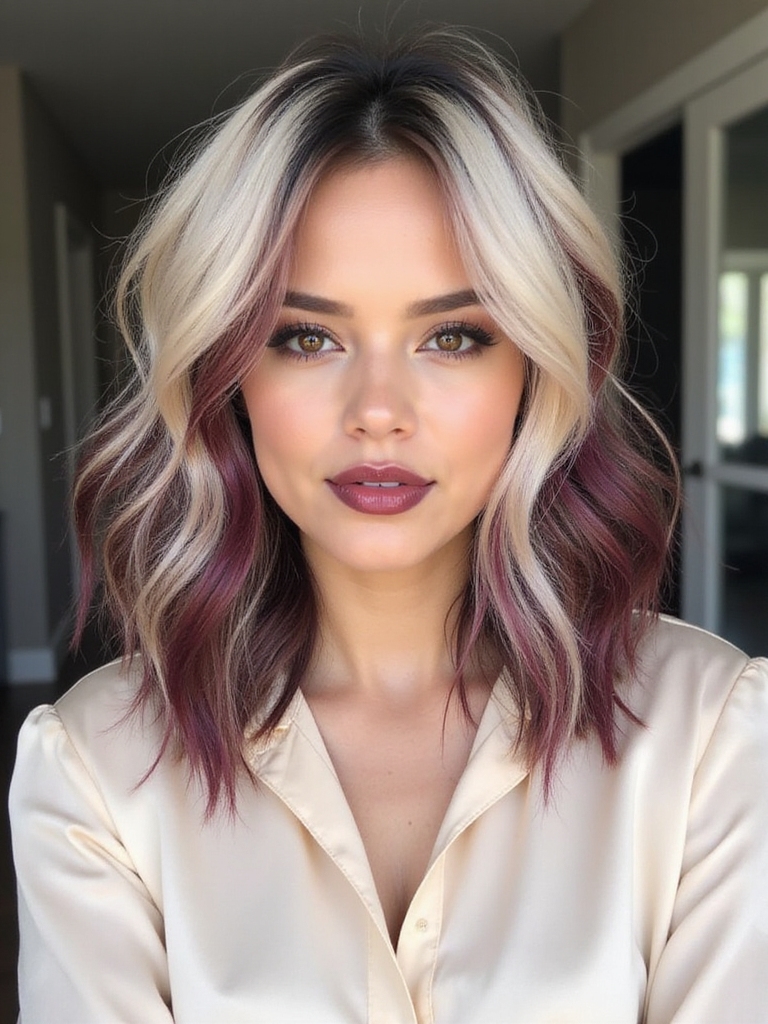
Calico hair is a statement, so it changes how your clothes read, and leaning into that makes the whole look intentional. The warm palette pairs beautifully with earth tones, cream, denim, and rich autumnal colors that echo the ginger and chocolate in your hair.
Let the hair lead
You can also let the hair be the star and keep clothing simple, since a busy print can compete with the patchwork color. Many people with calico hair gravitate toward solid, warm-toned outfits that frame the color and let it shine.
Makeup follows the same logic. Warm, golden, and bronze tones complement calico hair, while very cool or icy makeup can clash with the warmth, so a soft, glowy face tends to suit it best.
Calico Color Palette Inspiration
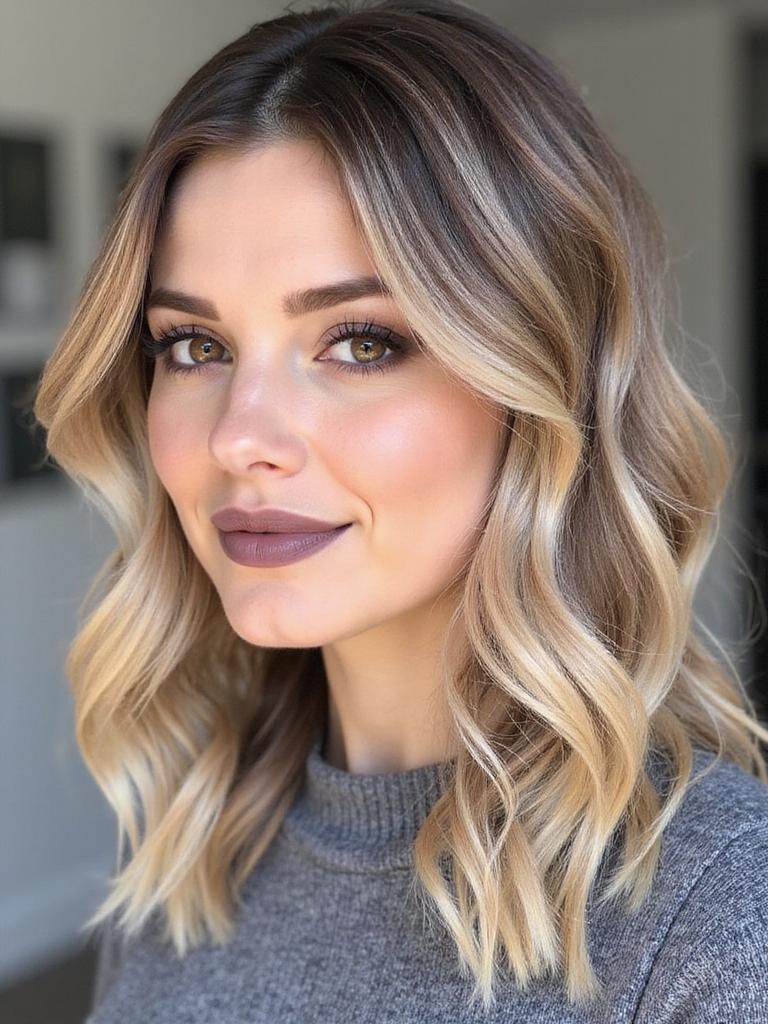
The classic calico palette stays in the warm family, but there’s plenty of room to make it your own within that. A traditional mix leans on ginger, copper, honey blonde, and chocolate brown for that true cat-coat warmth.
Bold contrast or soft warmth
For something bolder, you can deepen the contrast by adding a near-black patch, which gives the look more drama and edge against the warm tones. This high-contrast version reads more graphic and modern.
For a softer take, keep the tones closer together, blending honey, caramel, and light brown for a warm, sun-touched effect that barely whispers the patchwork. The palette is yours to push bold or pull gentle, and our ginger hair color guide can help you pick the warmest base.
Calico Through the Seasons
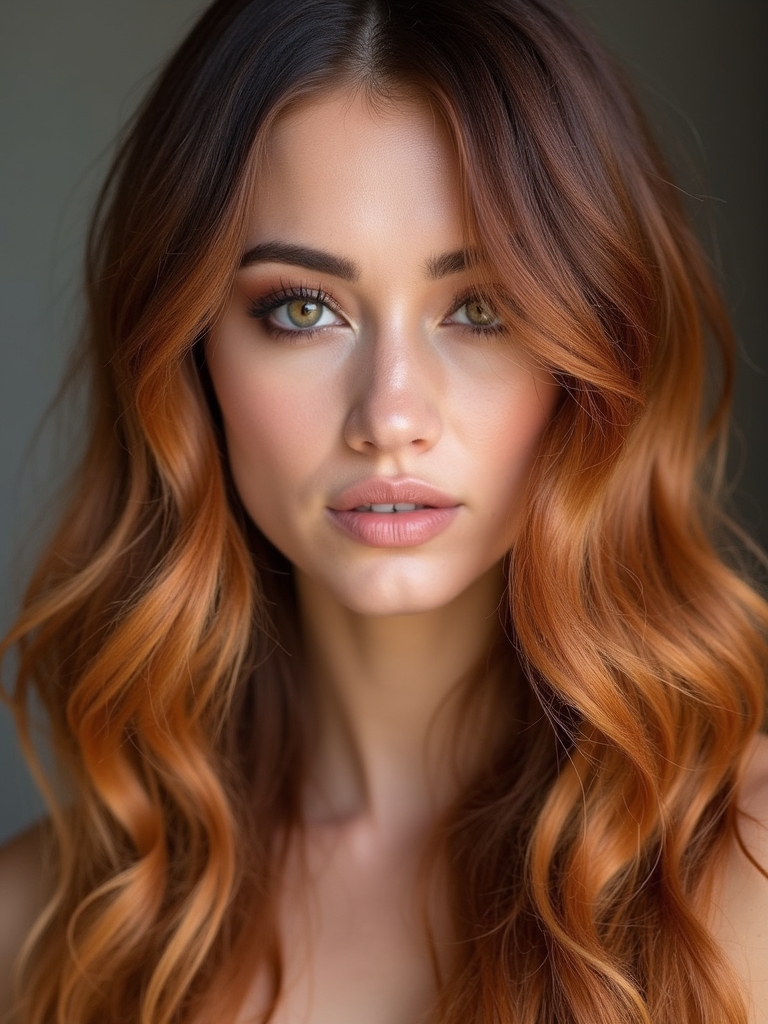
Calico’s warm palette feels made for fall, all those gingers and chocolates echoing changing leaves, but the right balance carries it through the whole year. In autumn and winter, you can lean into the deeper, richer tones for a cozy, spiced effect.
When spring and summer arrive, brightening the lighter patches toward honey and gold keeps the look fresh and sun-touched rather than heavy. A small shift in the balance of tones, easily done at a gloss appointment, keeps your calico feeling right for the season without a full recolor.
Nourish, Protect, and Trim
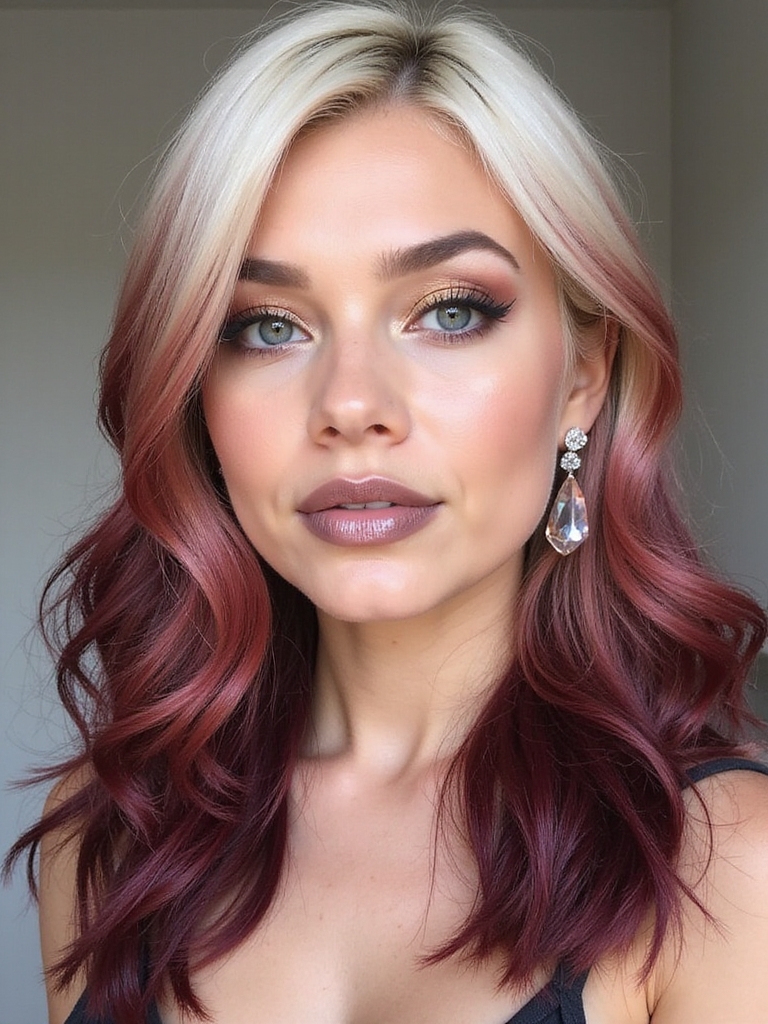
Because most calico color involves lightening, keeping the hair itself healthy is just as important as keeping the color bright. Lightened hair is more porous and prone to dryness, so a steady diet of moisture is what keeps it looking glossy and healthy.
Build in a weekly deep-conditioning mask, use a bond-building treatment if your hair has been heavily lightened, and don’t skip regular trims to keep the ends from looking frayed. Healthy hair holds color better and makes the whole calico effect look richer, so the care and the color work hand in hand.
Color Choices and Permanence
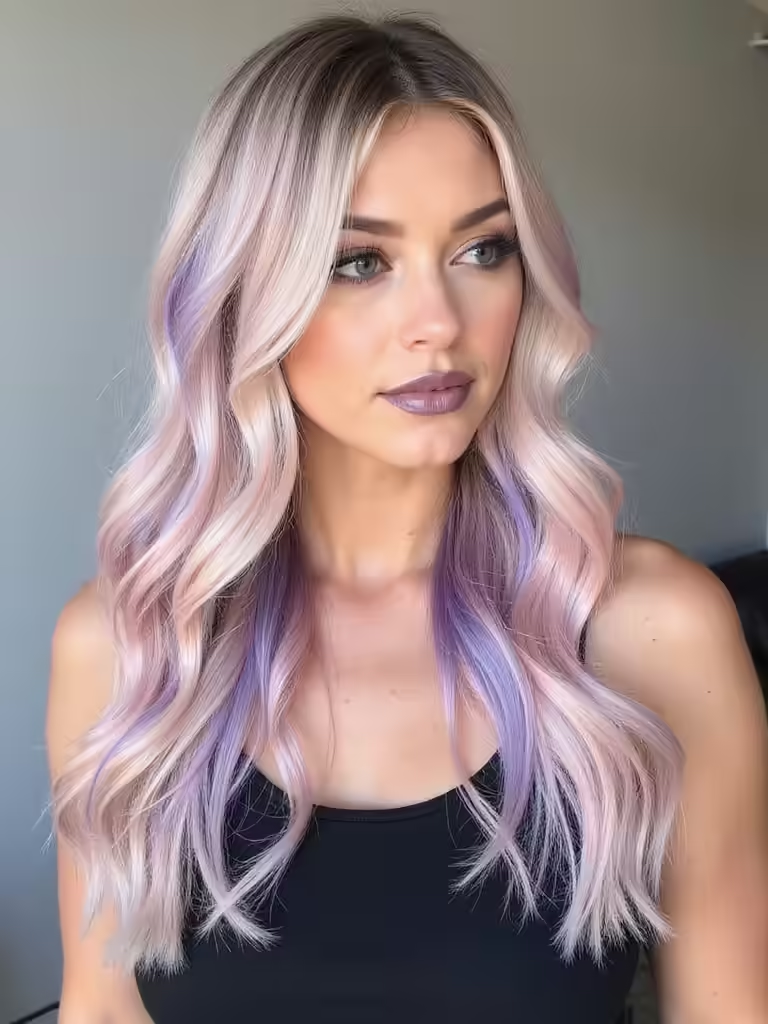
One of the smartest decisions you’ll make about calico is how permanent you want it, since the warm tones can be applied in different ways with very different commitments. This choice shapes both the cost and how easily you can change your mind later.
Permanent, demi, or temporary
Permanent and demi-permanent color on a lightened base lasts longest and reads richest, but it’s the biggest commitment and the hardest to reverse. It’s the right pick if you know you love the look and want it for the long haul.
Semi-permanent and temporary versions fade out over weeks, which makes them perfect for testing calico or for anyone who likes to change their color often. They’re gentler on the hair too, so they’re a smart starting point before you commit to the full permanent version.
A Kaleidoscope of Color and Texture
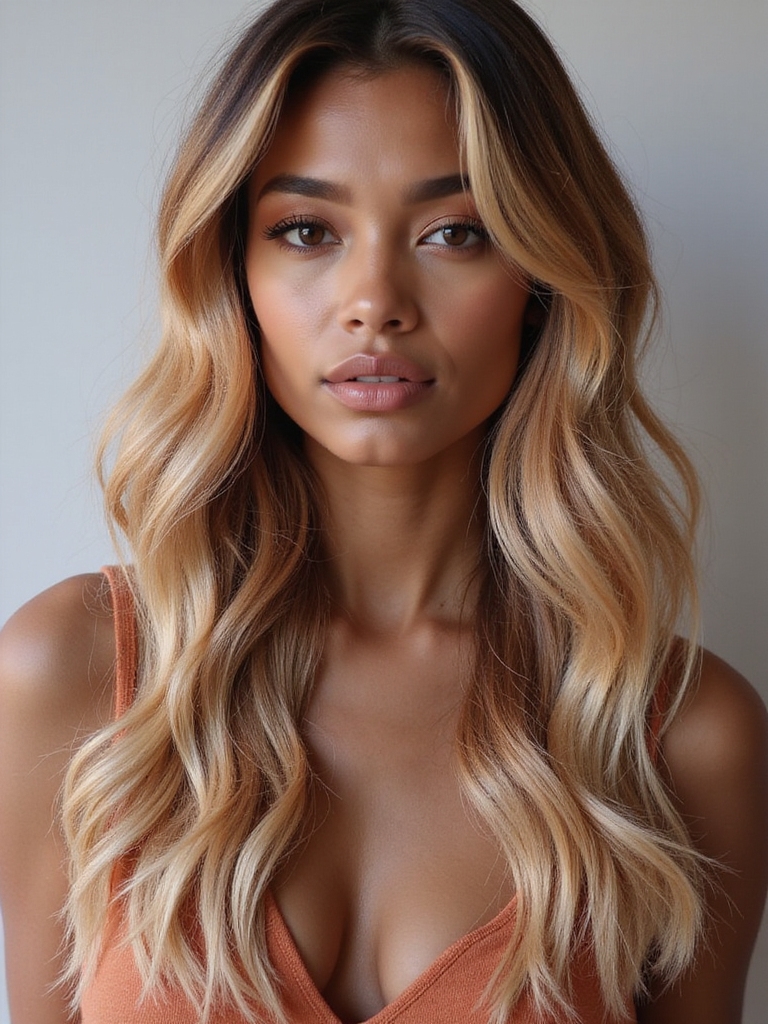
Calico color looks different depending on your hair’s texture, and that interplay is part of what makes it so individual. On straight hair, the patches read as clean, defined zones of color that catch the light in broad strokes.
On wavy and curly hair, the same color becomes a true kaleidoscope, since every bend and coil shows a different tone, multiplying the dimension. Curly and coily textures wear calico beautifully for exactly this reason, the way the curl pattern scatters the warm tones into endless little flashes.
If you have textured hair, work with a colorist who understands how the color will read once your curls spring up, and lean into the effect rather than fighting it. The natural movement of the hair does half the artistic work for you.
Accessories That Enhance the Color
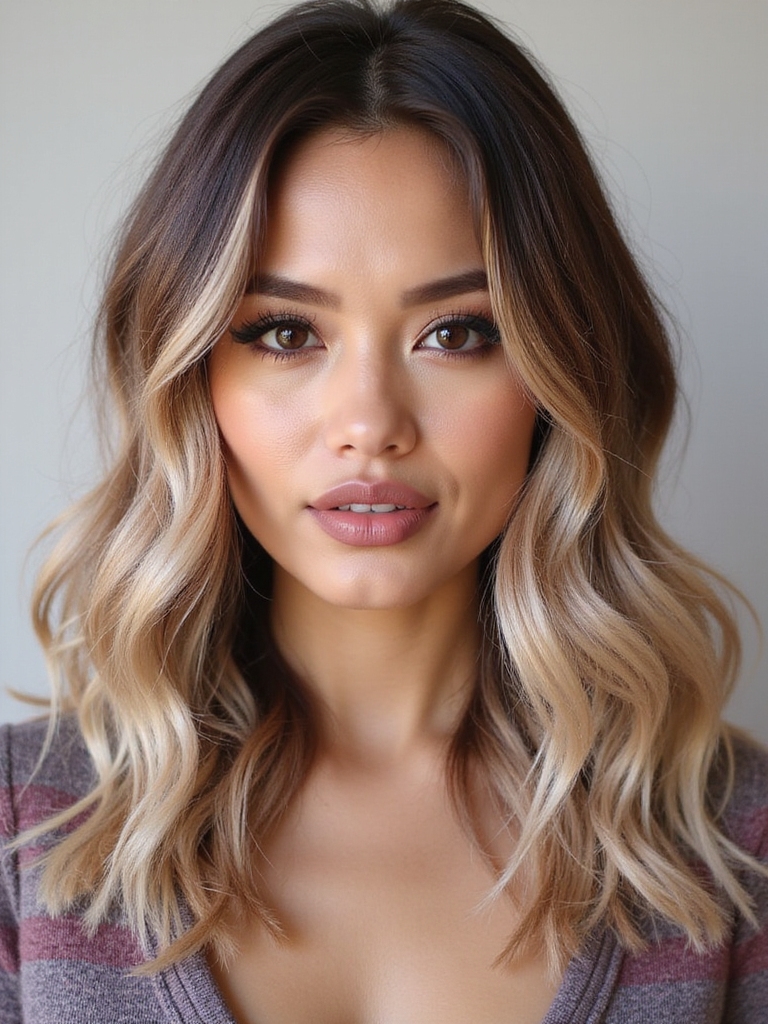
Hair accessories can play up a calico color beautifully, drawing attention to the warm tones or adding a complementary sparkle. Gold and warm metal pieces echo the ginger and honey in the hair, tying the whole look together.
Gold tones and simple styling
Simple styling can also showcase the color, since different ways of wearing your hair reveal the patches differently. A braid weaves the tones together into a ribbon effect, while a half-up style shows off the placement around the face.
The one rule is to keep accessories from competing with the color. Since calico is already a busy, eye-catching look, one warm-toned clip or a single braid does more than a head full of hardware, letting the color stay the star.
A Heritage of Bold Contrasts
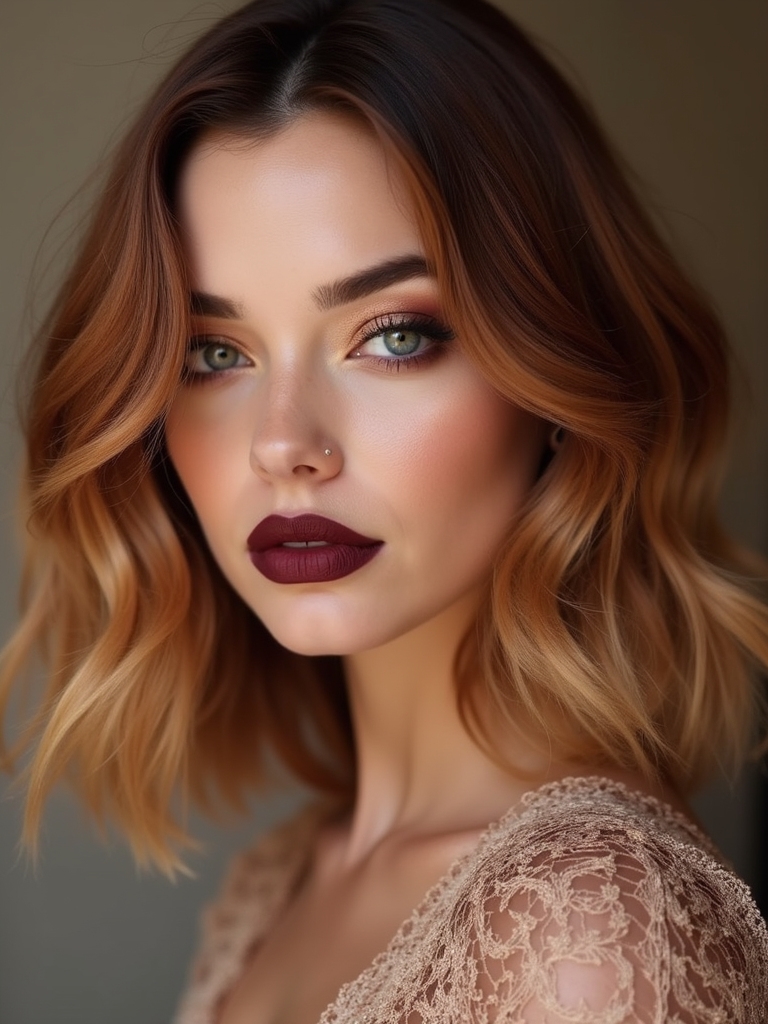
Bold, contrasting hair color has long been a way for people to express individuality and step outside convention, and calico sits proudly in that tradition. Mixing warm tones into a personal pattern is a modern take on a very old impulse to make your hair your own.
- Multi-tone color signals creativity and a willingness to stand out.
- The warm, organic palette feels approachable rather than shocking.
- It connects to a broad history of expressive, character-rich color.
Calico Hair for Everyone
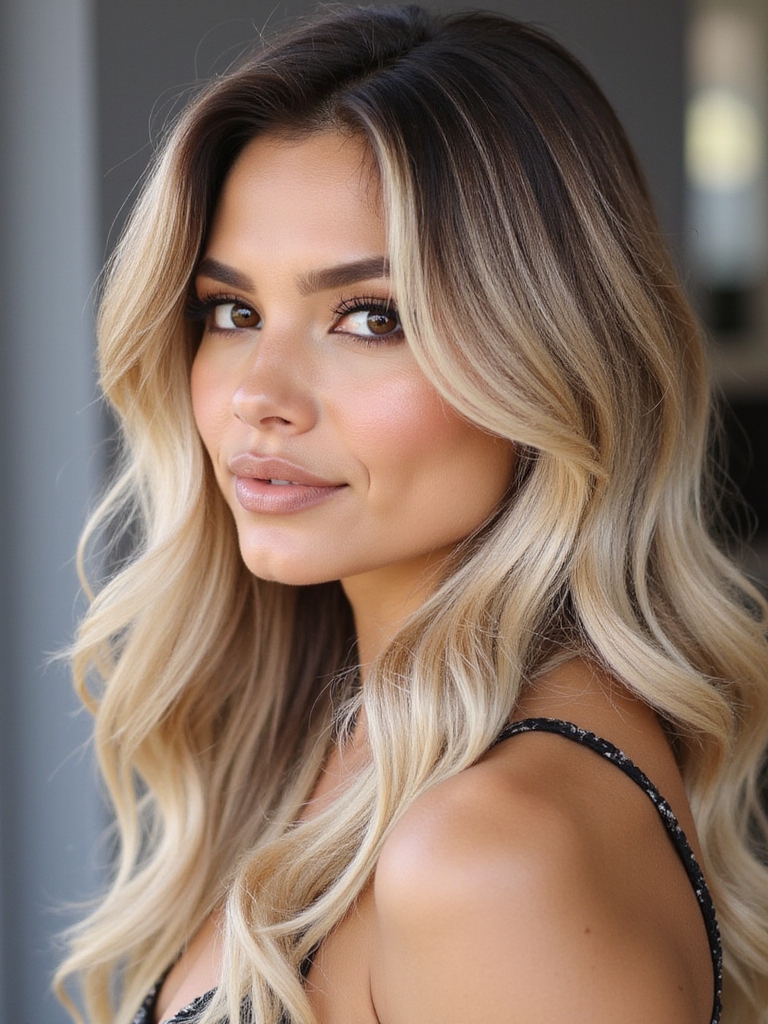
One of the friendliest things about calico is how adaptable it is, since the warm palette flatters a wide range of skin tones and the boldness dials up or down to suit anyone. Warmer and olive complexions especially glow against the ginger and honey tones, but a thoughtful colorist can balance the palette to suit cooler skin too.
It also works across hair types and lengths, reading as clean blocks on straight hair, scattered flashes on curls, and dramatic or subtle depending on how much you lighten. Whether you want a quiet hint of warmth or a full painterly statement, there’s a version of calico that fits, which is a big part of why the look has caught on so widely.
Limitless Creative Possibilities
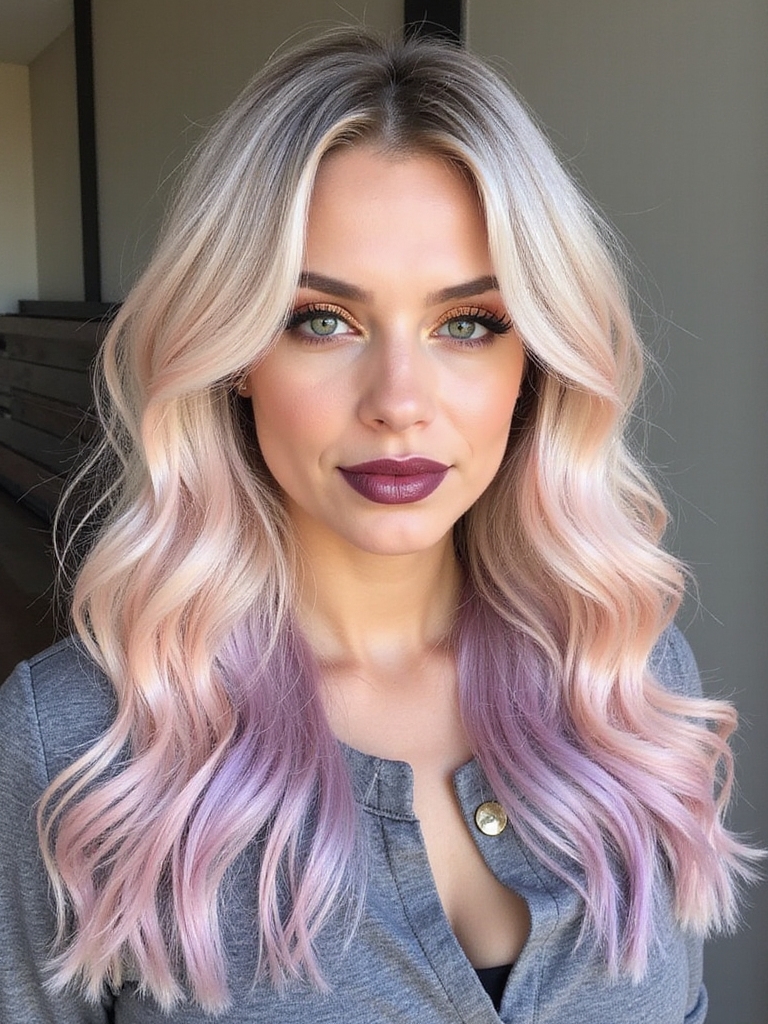
The real joy of calico color is that the possibilities are nearly endless, since you control the tones, the placement, and the boldness. No rulebook says where the patches go or how many tones you use, which is the whole point of a look built on organic, individual pattern.
- Choose your own mix of warm tones, from two shades to five.
- Place a bold patch for impact or scatter the color for all-over warmth.
- Go graphic and high-contrast or soft and barely-there, however you feel.
A Colorful Journey of Self-Expression
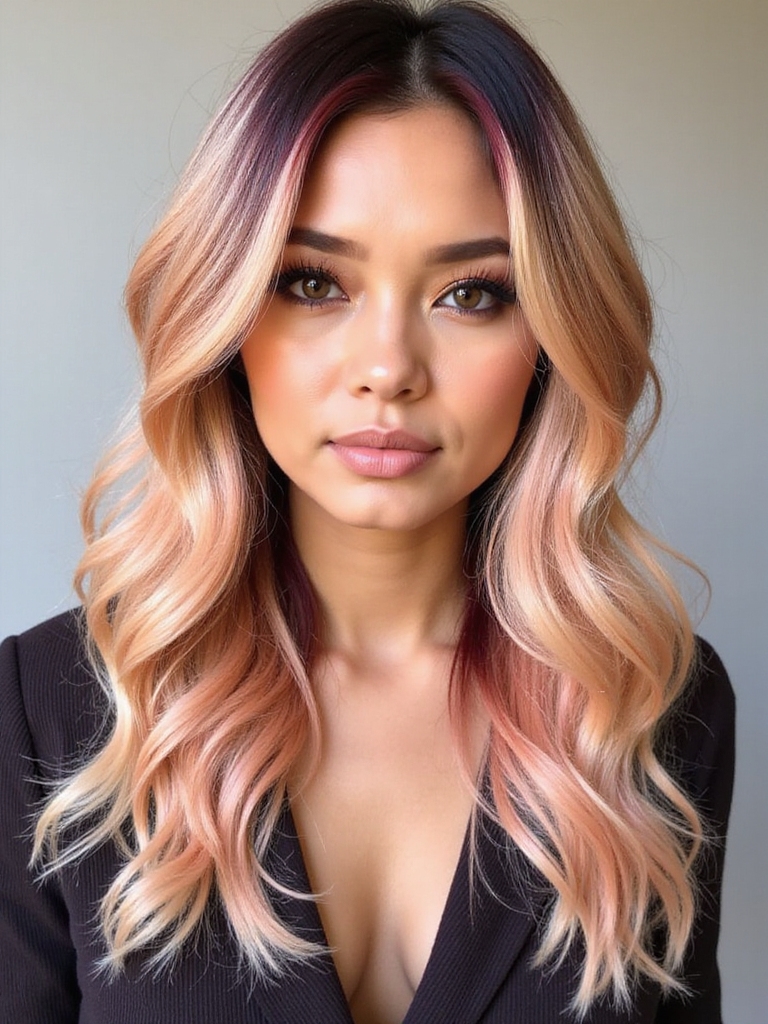
More than a trend, calico color tends to feel like a personal statement for the people who wear it, a way of carrying a little artwork with them everywhere they go. Because it’s so individual, it often becomes part of how someone sees themselves, warm, creative, and unafraid of a little color.
That sense of ownership is what makes calico more than just a pretty palette. It’s a color you design rather than select, and wearing something you helped create has a way of feeling far more like you than any shade off a chart ever could.
How to Ask Your Stylist
Go into your consultation with three or four reference photos that show the exact balance of boldness and softness you want, since calico spans such a wide range.
Point out which tones you love, whether you want clear blocks or melted patches, and where you’d like the color concentrated, around the face, underneath, or scattered all over. Be honest about your natural base and any previous color, because that determines how much lightening the look will need and how long it’ll take.
Just as importantly, talk through the commitment up front. Ask your colorist how many sessions the look will take, the realistic cost, how much upkeep it needs, and whether a semi-permanent version makes sense for a first try. A good colorist will be honest about whether your hair can handle the lightening and will steer you toward a version that protects your hair’s health while still giving you that warm, painterly calico effect.
Calico Hair Color Questions
?What exactly is calico hair color?
It’s a multi-tonal color that mixes warm patches, usually ginger, copper, blonde, brown, and sometimes black, in an organic, cat-inspired pattern. It ranges from bold color blocks to a soft, blended patchwork.
?Do I need to bleach my hair for calico color?
Usually some lightening, yes, since warm tones show truest on a pre-lifted base, especially on dark hair. Softer, darker versions need less, and a colorist can plan the gentlest route for your base.
?How much does calico color cost and how long does it take?
It’s a premium, artistic service, often $200 to $400 or more and several hours in the chair, since it involves lightening and multiple hand-placed tones. The exact cost depends on your length, base, and how bold you go.
?How do I keep calico color from fading?
Wash less often in cool water with sulfate-free, color-safe products, use a color-depositing conditioner in your warmest tone, and book a gloss every few weeks. The coppers and gingers fade fastest, so refresh those first.
?Can I do calico color at home?
The full look is risky to DIY because of the lightening and artistic placement. A safer way in is a single semi-permanent peekaboo patch at home, leaving the full multi-tone version to a skilled colorist.
Your Own Patchwork
Calico color is one of those looks that rewards a little courage and a lot of planning. At its best, it turns your hair into a warm, painterly patchwork that’s entirely your own, somewhere between a calico cat’s coat and a watercolor, and no one else has exactly the same one.
If the idea of designing your own warm, multi-tonal color excites you, start small with a few patches or a semi-permanent test, find a colorist whose artwork you trust, and build from there. Done thoughtfully, calico is less a trend you follow than a little piece of wearable art you get to wear every day.
Keep Reading